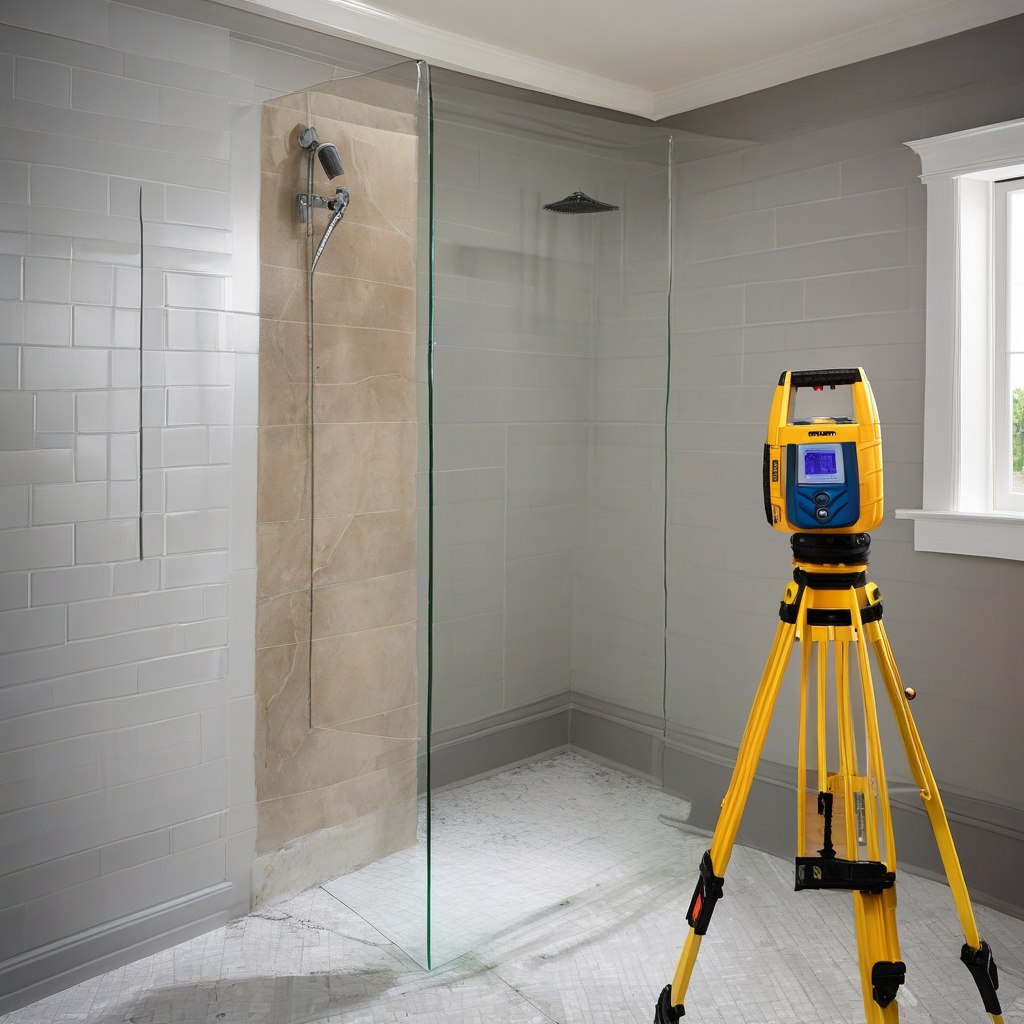
Los Angeles, with its kaleidoscope of architectural styles and dynamic design tastes, presents a tempting playground for home renovators. Yet, one area particularly fraught with complexity is bathroom remodeling, especially when homeowners consider relocating a toilet, tub, or shower. Changes in plumbing, electrical connections, and ventilation can swiftly escalate costs—turning what seemed an exciting revamp into a budgetary balancing act.
Brief summary: This article explores the financial and logistical implications of relocating key bathroom fixtures in Los Angeles homes. It delves into cost factors like plumbing rerouting, slab work, and ventilation adjustments, providing valuable insights derived from regional remodeling experiences.
The Impact of Plumbing Rerouting on Your Budget
Deciding to move a toilet across your bathroom might seem like a straightforward decision. Yet, beneath this seemingly simple adjustment lies a tangled web of plumbing rerouting. Every change in fixture placement demands a reconsideration of the existing pipework, potentially leading to invasive changes beneath the flooring and walls. In Los Angeles, where real estate wisdom advises keeping design elements in place when possible, such shifts mean substantial labor and material costs.
This prospect doesn’t just intimidate financially but logistically as well. On average, the cost of relocating a toilet or shower can surge anywhere from $1,500 to upwards of $5,000, depending on proximity to existing plumbing lines and the complexity of the rerouting required. Exploring common renovation tactics and expenses is imperative to grasp the potential scale of stickershock.
The professional plumber’s mantra often resonates here: “never underestimate the path of least resistance.” Where pipes run with ease, costs fall. Yet, when intricate reroutes necessitate cutting through Los Angeles’s familiar concrete slab foundations, expenses surge further. Little wonder then that this aspect of bathroom remodeling sparks extensive homeowner deliberation.
Ultimately, meticulous planning in the initial stage can salvage a substantial chunk of your budget. Homeowners often find that relaying layout plans with professionals preemptively curbs exorbitant modifications. As remodel veterans readily suggest, “Measure twice, cut once.” This overarching principle minimizes not just frustration but the dreaded dent in one’s financial forecast.
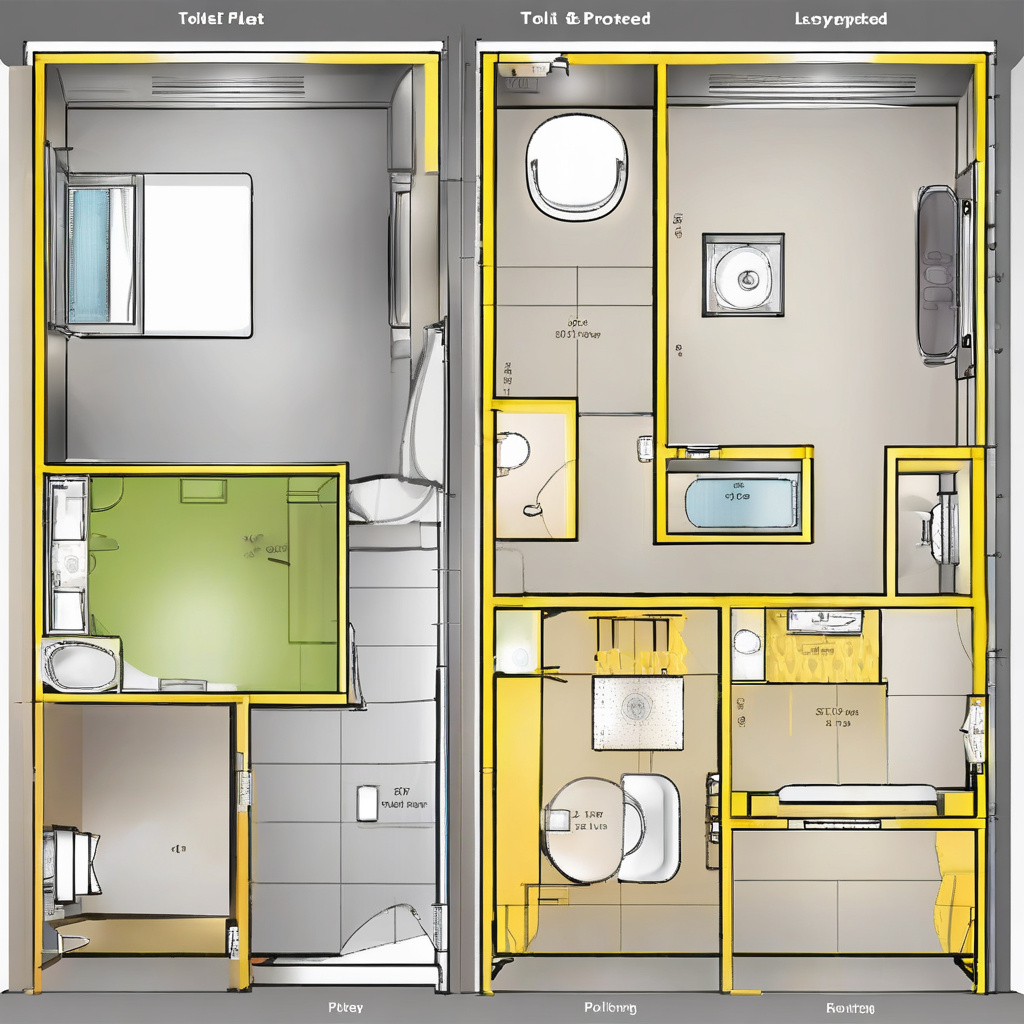
According to Remodeling Magazine, a minor bathroom remodel in Los Angeles often recoups about 85.7% of its cost at resale, highlighting the wise economic balance of upgrade versus expenditure.
Sifting Through the Intricacies of Slab Work
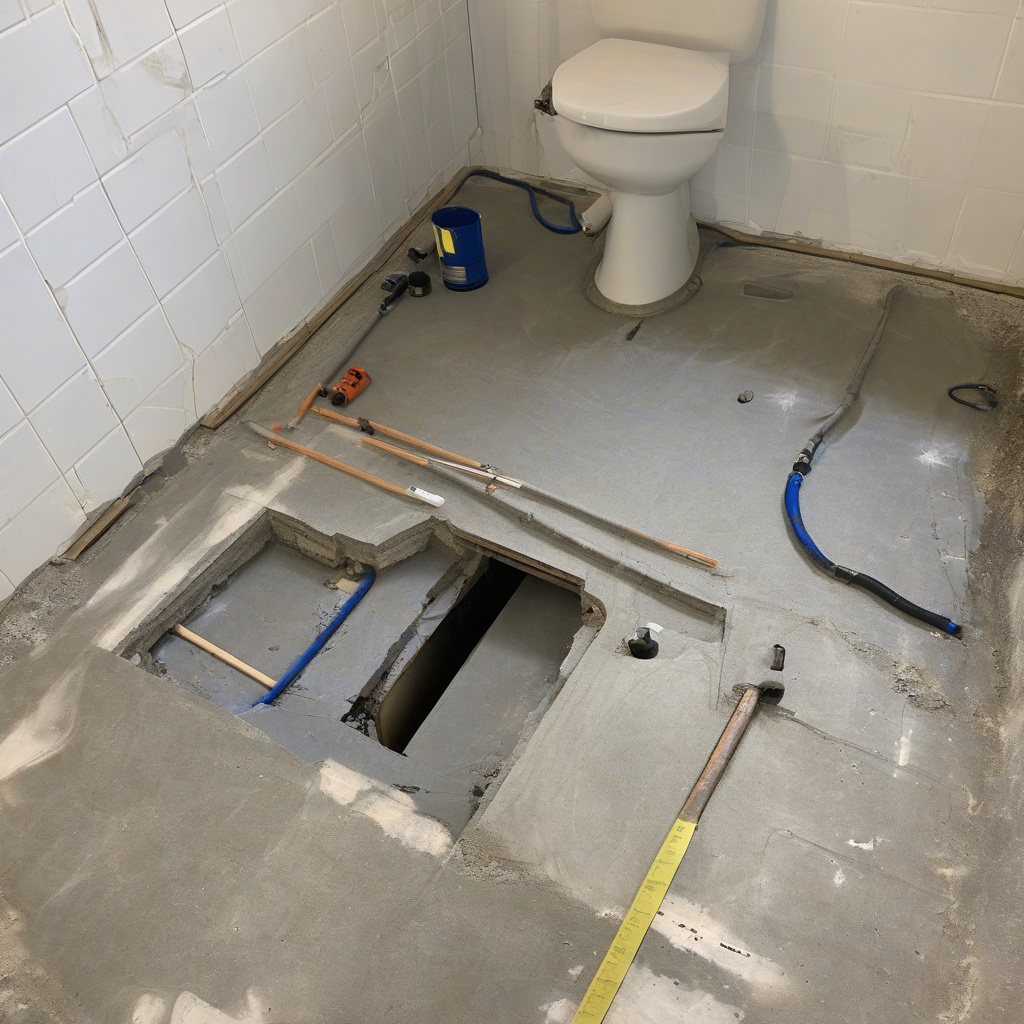
Delving into the hard underbelly of any Los Angeles bathroom involves confronting its concrete slab layer, a notorious staple in Southern California homes. Altering the placement of major appliances invariably might mean cracking this concrete shield to reroute plumbing lines—a task not for the faint of heart.
Slab work can become a messy, time-consuming, and costly endeavor. It involves chiseling through the very foundation to reach and alter the plumbing infrastructure, causing not just an uptick in labor hours but also in specialized expertise. In many older Los Angeles homes, where slabs may have aged into rigidity, this process exacerbates, pounding into budgets with relentless precision.
Not all slabs are created equal, though. Newer constructions might offer some relief with their modern, less brittle compositions, while historically seismically retrofitted homes might add another layer of complexity—or simplicity, contingent upon the quality of prior work.
Here lies the key takeaway: understanding your home’s specific architectural challenges, alongside acquiring professional input early in the planning stages, can have a potent effect on mitigating unexpected expenses and delays.
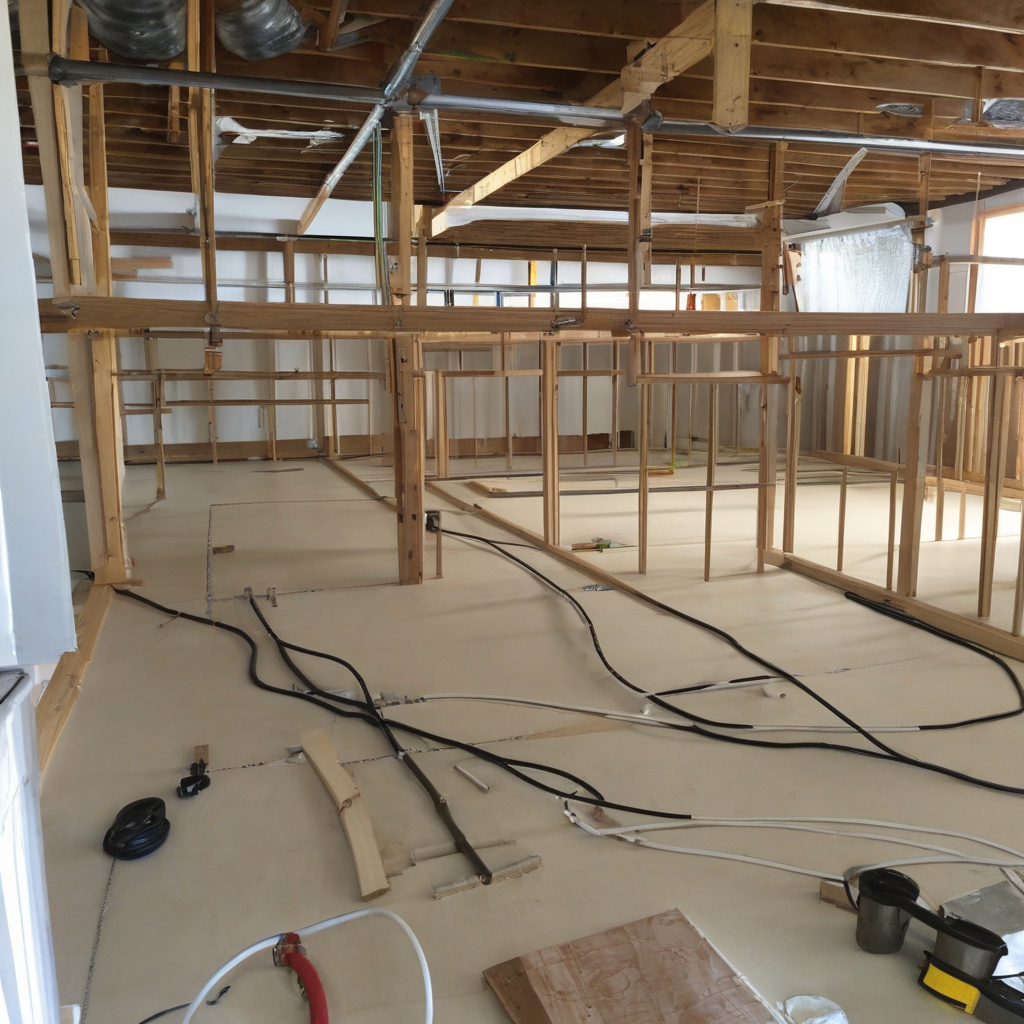
An experienced contractor notes, “In Los Angeles, slab integrity isn’t just a foundational issue; it’s a lifestyle factor, affecting every change from floor heating to relocating a shower.”
Ventilation Vices and Virtues
Beyond plumbing lines and concrete, relocating bathroom fixtures also demands a fresh look at ventilation systems. A well-ventilated bathroom is a sanctuary from mold, mildew, and lingering odors, but when you move your tub or shower, these air pathways need reconsideration or complete rerouting.
Incorporating new exhaust systems or extending existing ones after layout alterations requires building codes’ religious adherence, particularly in Californian dwellings where humidity and climate concerns reign supreme. Improper ventilation can be a safety hazard, encouraging mold growth which not only endangers health but eats into eventual property value.
Close attention to these changes during remodeling doesn’t just stave off disaster, but optimizes comfort and enhances energy efficiency. Choices range from integrating smart ventilation units that self-regulate depending on moisture levels, to more traditional manually-switched systems.
Comprehensive consultations with HVAC professionals ensure that once the dust settles, the bathroom doesn’t just look rejuvenated but breathes similarly with structural integrity maintained. In Los Angeles, where homes serve as cherished retreats, the air quality reflects not just a lifestyle choice but a value-conscious investment.
The Cost of Ventilation Adjustments
Ongoing expenses can spiral through inadequate planning, highlighting the importance of forethought along with a touch of ingenuity. Eliciting professional advice from HVAC specialists not only optimizes cost but streamlines functional design decisions for sustainable living.
Recent studies assert, “Proper ventilation aligned with strategic fixture placements significantly reduces household moisture levels by approximately 30%, showcasing crucial long-term savings for health and maintenance.”
Layout Adjustments and Design Decisions
Deciding on bathroom layouts can spark creativity, yet for Los Angeles renovators, these decisions must balance aesthetic appeal with practical feasibility. The aesthetic shift from old to new often flirts with the temptation to adopt trends seen at dream homes elsewhere in the city.
However, the smart renovations synchronize vision with the old adage “form follows function.” For instance, incorporating inspired blending of rustic and modern designs can enhance spatial dynamics, crafting havens of relaxation rather than chaotic clashes of taste.
Moreover, expanding spaces by shifting bulky fixtures can apply principles of openness and fluidity—prized elements in Southern Californian design. Yet, these very adjustments may necessitate additional material purchases and labor considerations, translating into new financial realities.
Planning wisely and anticipating changes can yield harmonious upgrades. Often these creative decisions revolve around maximizing every square foot and light shaft, turning light touches into tangible improvements worthy of investment.
Material Considerations: Risks and Rewards
Material selection plays a pivotal role in the successful realignment of a bathroom’s core components. From the choice of tiles to selecting suitable surfaces for wet room atmospheres, the affectations are both tactile and financial.
Creative usage of durable materials can reinforce the bathroom as an oasis, echoing design continuity throughout Los Angeles’s varied climatic conditions. Choices range from cost-effective ceramic tiles to luxurious marbles and everything between.
Notably, the caliber of materials employed doesn’t solely define the outcome, but does contribute significantly to both noticeability and maintenance. Opting for ceramic or porcelain tiles as opposed to pricier stone can slash budgets without savaging style, providing aesthetic flexibility while cushioning economic attrition.
Understanding the trade-offs and constraints tied to material options allows renovators to align fashionable aspirations with financial expectations, crafting flair-filled rooms without breaking the bank.
Comparing Material Options
| Material Type | Cost Range (per sq.ft.) | Durability | Maintenance |
|---|---|---|---|
| Ceramic Tile | $2 – $7 | High | Low |
| Porcelain Tile | $3 – $10 | Very High | Low |
| Marble | $15 – $50 | Medium | High |
| Vinyl | $1 – $5 | Medium | Low |
Navigating Through Practical Tips and Final Touches
The practical execution of a bathroom renovation in Los Angeles deserves due diligence—of both mind and method. Post-planning, executing the stage of controlled execution means considering every detail, from the tangible elements such as essential grout types and sealants to less obvious choices like fixture finishes and accessory arrangements.
Integrating these details smoothly into your remodel necessitates a measured appreciation of how these small touches can transform functional spaces into lavish yet liveable retreats. This approach maximizes space utility, underlining the importance of strategic organization for aesthetic consistency.
Moreover, homeowners should keep close tabs on project timelines and cost estimates, keeping open lines of communication with contractors to navigate unexpected contingencies well-versed in Los Angeles’s intricate building ecosystems.
Lastly, post-completion, a period of assessment and adjustment fosters appreciation for the coveted tranquility wrought. With finesse and fortitude guiding choices and changes, the bathroom not only undergoes a metamorphosis but emerges as a revamped cornerstone of comfort.
An industry expert emphasizes, “A bathroom transformation, when managed smartly, reflects not just personal style but underscores investment wisdom, enabling enhancement without enticing financial peril.”
- Plumbing rerouting involves significant costs due to complex rework.
- Concrete slab modifications require specialized expertise, especially in Southern California homes.
- Ventilation is a crucial consideration that affects long-term home value and health.
- Material selection and design layout impact overall remodeling expenses.
- Practicality and strategic planning encourage seamless execution and budget management.
“`html
FAQ
What does relocating a toilet, tub, or shower entail in terms of renovation?
Relocating a toilet, tub, or shower isn’t just about moving a fixture; it significantly impacts plumbing, venting, and often flooring. In California homes, especially older ones, you may discover layers of outdated plumbing that need upgrading. When rerouting plumbing, you might face slab work for homes on a concrete base, which can complicate the process. This makes it essential to involve skilled plumbers familiar with regional building codes. A practical insight is to open conversations with contractors early, as unexpected issues like damaged pipes or outdated materials are common, and they can adjust your plan to fit your functional needs and budget effectively.
How do you decide if moving the plumbing is worth the cost?
Evaluating whether relocating plumbing is worth the cost depends on several factors such as home layout, existing conditions, and personal needs. For instance, if reconfiguring the bathroom can optimize space in a cramped San Francisco Victorian, the long-term benefits might outweigh initial expenses. Consider if the new layout significantly boosts functionality and aesthetics and adds potential resale value. A cost-benefit analysis, factoring in local market trends, can provide perspective. A common mistake is underestimating the complexity of rerouting plumbing, which involves not just financial but also significant time investments.
What are typical mistakes homeowners make when relocating bathroom fixtures?
A frequent mistake homeowners make is not adequately planning for the logistics of the move, particularly in terms of plumbing and venting. Ignoring the complexities of local building codes can lead to costly compliance issues later. Another oversight is failing to budget for unexpected expenses like slab repairs or water damage discovered during demolition. Engaging a renovation expert early on can mitigate these risks. Many experts suggest creating a detailed project blueprint that encompasses all the structural changes and consulting with a local building inspector before commencing work.
Are there any regional considerations when moving bathrooms in California homes?
Moving bathrooms in California presents unique challenges like seismic regulations which can affect plumbing and fixture installation. In regions prone to earthquakes, secure mounting of fixtures and proper bracing become mandatory. Moreover, older Californian homes may have outdated plumbing systems inadequate for modern demands. Another critical aspect is water conservation; installing water-efficient fixtures can aid in compliance with local conservation laws. These details make it crucial to seek tailored advice from professionals familiar with local norms. For comprehensive renovation guidance customized to your needs, consider reviewing professional services offered by local experts.
What are the cost implications of rerouting plumbing in a bathroom renovation?
Rerouting plumbing during a bathroom renovation isn’t cheap, with costs extending beyond just material; labor and unforeseen complications elevate these numbers. Typically, expenses can range from hundreds to thousands of dollars, depending on the complexity of the task and the home’s layout. For older homes, replacing outdated pipelines may inflate the budget unexpectedly. On the flip side, modern homes with PVC piping may present fewer challenges, thus reducing costs. To prevent budget overruns, it’s advisable to get multiple quotes from contractors well-versed in bathroom renovations to establish realistic financial expectations.
What are the pros and cons of moving a bathroom in an older home?
Moving a bathroom in an older home offers both advantages and pitfalls. A major benefit is the potential to increase property value; better layouts can significantly enhance functionality. Moreover, it allows for an opportunity to replace outdated fixtures and plumbing with efficient alternatives, aligning with today’s energy standards. On the downside, the complexity and cost of retrofitting new systems into existing structures can be daunting. Additionally, older homes might reveal hidden issues like asbestos or lead, necessitating further expenditure. To navigate these pros and cons effectively, enlisting a historical renovation specialist is often worthwhile.
Is it possible to preserve features of a vintage bathroom while making functional layout changes?
Preserving a vintage bathroom’s charm while implementing modern functionality is indeed feasible, with careful planning. Retaining elements like clawfoot tubs or vintage tiles can complement a new efficient fixture layout. In real renovation projects, skilled craftspeople can often repurpose or move these heritage elements seamlessly into a newly designed plan. However, balancing old aesthetics with new utility may require compromises, like updating concealed parts for safety while keeping visible features intact. Homeowners are advised to consult renovation experts experienced in integrating vintage styles with today’s tech-driven solutions.
What maintenance considerations exist after relocating bathroom fixtures?
After relocating bathroom fixtures, consistent maintenance becomes pivotal to ensure long-term functionality. New plumbing should be routinely checked for leaks, especially at joint points. Overlooking this maintenance aspect might lead to costly repairs later. Periodic inspection of vent systems is also crucial, as improper ventilation may cause mold or mildew. In homes where water quality is variable, installing and maintaining filters can extend the lifespan of fixtures. Residents in high sediment areas of California will find this particularly relevant. Proactive measures like these sustain a bathroom’s new layout and extend its lifecycle significantly.
“`