In the glowing sun-soaked neighborhoods of Los Angeles, a new roof is an investment under constant scrutiny. With the city’s vibrant mix of ultramodern homes and charming vintage abodes, the question of roofing reliability extends beyond aesthetics. This reliability often hinges on two pillars of protection: manufacturer warranties and workmanship warranties. Each acts as a sentinel, shielding your home from the whims of nature and human error alike.
Brief summary: Explore the dual-layered protection offered by manufacturer and workmanship warranties in roofing. This article examines the distinctions between the two, real-world implications for homeowners in Los Angeles, and offers practical advice for navigating roofing warranties effectively.
The Pillars of Roofing Protection
A roof, as many homeowners in Los Angeles can attest, represents more than just shelter. It’s a barrier against harsh elements, an architectural statement, and a significant financial commitment. Given these stakes, understanding the difference between roofing protections—manufacturer versus workmanship warranties—becomes imperative.
Manufacturer warranties typically cover defects in roofing materials. This means that should any part of the roof, such as the shingles or tiles, falter due to substandard materials, the manufacturer steps in. However, these warranties are often limited by time and specific terms.
Conversely, workmanship warranties focus on the human element—the installation process. Even the best materials can’t compensate for poor installation, which is why this warranty is crucial. A reliable contractor backs their work, ensuring the home’s top layer is both robust and competently installed.
Ultimately, the combination of these warranties offers homeowners a comprehensive shield against potential pitfalls, alleviating concerns of roof-related nightmares. It’s a dual-layered approach to safeguarding one’s home and investment.
According to a recent industry report, nearly 65% of premature roof failures are attributed to workmanship errors rather than material defects.
Understanding Cost Implications for Homeowners
The bustling landscape of Southern California drives remarkable roofing trends, with cost considerations playing a leading role in decisions. Homeowners often face the challenge of deciphering the value proposition between different warranty types and the associated costs.
On the surface, investing in top-tier manufacturer warranties might seem steep. Yet, as many local homeowners notice, opting for high-quality materials can pay dividends in longevity and fewer roofing service calls. These products tend to resist the intense sun and sporadic rainfall characteristic of Los Angeles.
In juxtaposition, workmanship warranties may initially feel overshadowed by the shiny allure of material guarantees. Yet, they hold their weight, ensuring that the installation phase complements the material’s integrity. A mix of both sees homeowners enjoying a nuanced layer of security, significantly bolstering their long-term investment.
Financial prudence lies in balancing budget constraints with the necessity of reliable roofing solutions. Engaging an experienced contractor who offers transparent workmanship warranties can sidestep future costly repairs.
An insight from the National Roofing Contractors Association underscores the need for balanced warranties: “A roofing warranty is as good as the contractor behind it.”
Navigating Local Challenges with Confidence
The distinct climate and architectural diversity in Los Angeles amplify the importance of astute roofing decisions. As natural calamities occasionally loom, the involved planning in roofing can’t be understated. The saga of seasonal preparedness serves as a reminder that Mother Nature holds her own schedule.
Homeowners can mitigate storm-induced chaos by aligning with contractors versed in local challenges. This foresight extends beyond warranty offerings, embracing preventive measures during the installation phase.
Such strategic decisions involve meditating on geographical location, house design, and desired aesthetic. Tailoring these factors influences the perceived value and functionality of a roof throughout its lifecycle.
By marrying the right warranties with effective planning, homeowners not only fortify their abodes but also cultivate peace of mind amid LA’s unpredictable weather. It’s a pact between nature’s caprices and human preparedness.
Choosing Materials: Impact on Warranties
When contemplating roofing materials, homeowners enter a labyrinth of options. This selection inevitably ties back to the nuances of warranties. Making informed choices begins with an understanding of the inspection criteria, which shed light on the facets that affect roofing warranties.
Asphalt shingles, clay tiles, and metal roofs are some of the more popular choices across Los Angeles, each bringing distinct benefits and potential drawbacks regarding warranties. Asphalt is known for affordability, though its lifespan is shorter compared to premium counterparts.
While clay tiles and metal offer extensive durability, their initial expense reflects in coverage robustness. Aligning warranties with material selections can forestall unforeseen expenditure.
By analyzing these facets, homeowners bolster their bargaining power, negotiating warranty terms that suit their needs best. It’s a deft dance of balancing practicalities with aesthetic ambitions, leading to a personalized roofing solution.
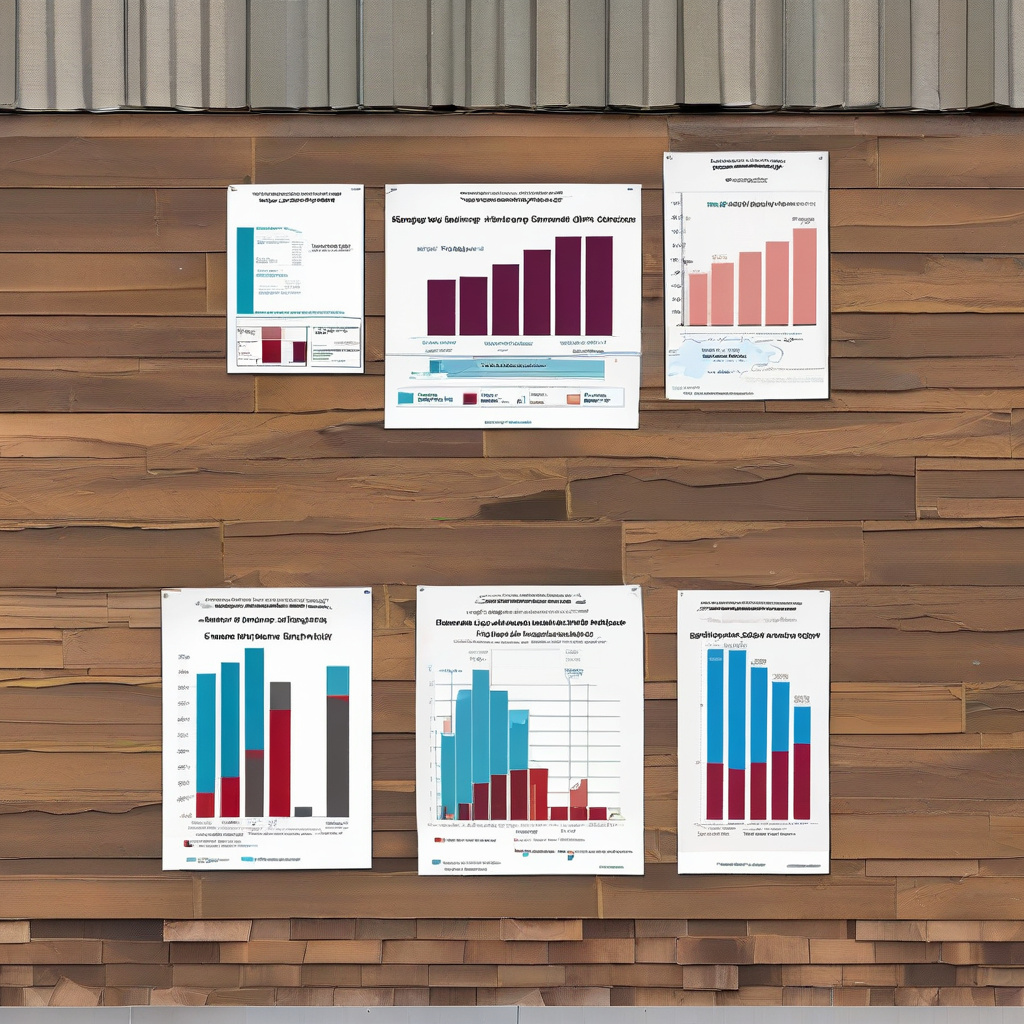
Research by HomeAdvisor reveals that materials and installation contribute about 70% of roofing costs, emphasizing the need to choose wisely.
Risk and Reward: Evaluating Pros and Cons
As with any substantial investment, risks and rewards anchor the decision-making process in roofing undertakings. Balancing these variables, however, presents a challenge that’s as unique as the houses themselves in Southern California.
On the reward side, a well-installed and warrantied roof can enhance property value, curb appeal, and provide significant energy efficiency by maintaining consistent indoor temperatures.
Nonetheless, risks are omnipresent, from the tedious post-installation process should warranties be improperly honored, to potential financial liability from selecting inadequate warranty coverage.
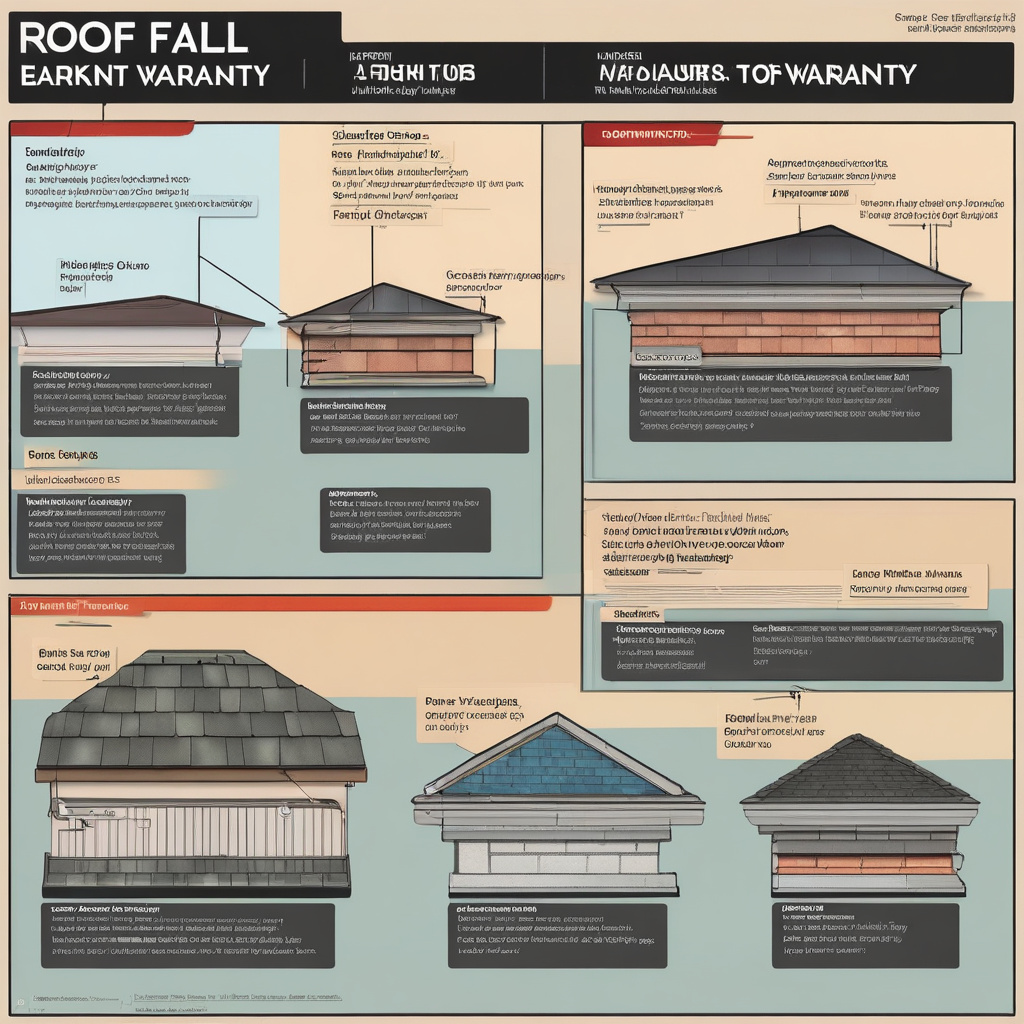
Navigating these waters requires informed guidance, perhaps calling on specialty advice from contractors who offer clarity in both warranty types and roofing expectations. With insight, homeowners align risk appetite with tangible benefits.
The ultimate goal is a harmonious blend of policy and practice, molding the desired outcome without unforeseen complications. As the axiom asserts, forewarned is forearmed.
Practical Steps Toward Reliable Roofing
Embracing the realm of reliable roofing isn’t a mere zaftig aspiration. By following a systematic approach, homeowners can carve a confident path towards sustainable roofing solutions.
Begin by conducting comprehensive research, evaluating both local contractors and material options. A judicious examination of warranties follows, ensuring an understanding of individual coverage aspects.
The next step involves engaging with contractors who possess an intricate understanding of Los Angeles’ climate challenges, coupled with an excellent track record in warranty fulfillment.
Finally, implementing routine maintenance strategies fortifies your roof’s integrity. Regular inspections, debris clearance, and immediate repair of emerging issues create a long-lasting shield around your abode.
In the world of roofing, foresight is your greatest ally. By entwining warranty details with practical upkeep, homeowners grasp control over their roofing journey, one solid step at a time.
- The combination of manufacturer and workmanship warranties offers comprehensive roofing protection for LA homeowners.
- Material selection and workmanship play key roles in long-term roofing success.
- Balancing risks and rewards helps frame optimal warranty decisions.
- Strategic contractor selection and informed planning enhance warranty value.
- Upholding routine maintenance ensures lasting roofing performance.
“`html
FAQ
What is the difference between manufacturer warranties and workmanship warranties in roofing?
In roofing, manufacturer warranties typically cover defects in the materials themselves, like shingles or underlayment. These warranties ensure that the products used are free from inherent flaws. Workmanship warranties, on the other hand, focus on the installation process. They protect homeowners from issues that arise due to poor installation practices. Many experts note that problems in roofing often arise not from the materials but from how they are installed. For example, if shingles are not nailed properly, even the best materials can fail prematurely, underscoring the need for both types of warranties.
How should homeowners choose between different roofing warranties?
Selecting the right roofing warranty involves considering your roof’s unique needs and potential risks. For homeowners in areas like California, where climatic conditions can vary, it’s crucial to evaluate the longevity and coverage of both warranty options. Many homeowners make the mistake of solely focusing on the length of the warranty without assessing the terms and coverage limits. In real renovation scenarios, it becomes clear that understanding the specific exclusions and conditions is key. Consulting with roofing experts who understand local weather patterns and building codes can provide invaluable guidance.
When does it make sense to prioritize a workmanship warranty over a manufacturer’s warranty?
Prioritizing a workmanship warranty becomes significantly crucial in situations where the integrity of the installation is paramount. This is often the case in older properties undergoing renovation. In such homes, the underlying structures may present unique challenges that even high-quality products can’t compensate for if installed poorly. It is common for reroofing projects to reveal unexpected issues like rotted decking or improper slopes, which can be exacerbated by hiring inexperienced contractors. A strong workmanship warranty ensures that any installation errors are covered, providing extra peace of mind.
What are some typical mistakes homeowners make with roofing warranties?
A common mistake homeowners make is neglecting to fully understand the terms and limitations of their warranties. For instance, many assume that a long warranty period automatically means comprehensive coverage. However, a crucial aspect is the fine print—often detailing exclusions like damage from storms, lack of maintenance, or unauthorized repairs. Another frequent oversight is not registering the warranty properly or failing to keep records of maintenance activities, which can invalidate coverage later. Consulting with professionals and thoroughly reading the warranty documents can prevent these issues.
How do cost considerations differ between manufacturer and workmanship warranties?
The cost of a roofing warranty can be influenced by several factors, including the materials used and the reputation of the contractor. Manufacturer warranties are often factored into the cost of the roofing materials. However, their coverage might be more limited than some realize. Workmanship warranties can vary widely in cost based on the contractor’s experience and the project’s complexity. It’s important for homeowners to weigh these costs against potential future repairs. In many real-world cases, spending a bit more upfront on a comprehensive workmanship warranty can save significantly on costly corrections down the road.
What are the pros and cons of manufacturer warranties?
Manufacturer warranties promise protection against product defects, providing assurance that the materials will perform as advertised. A pro of this type of warranty is that it can last for decades, reflecting confidence in the product. However, a notable con is that these warranties often do not cover damage due to improper installation or external factors such as weather events. In newer builds, the benefit of such warranties can be significant, as materials are expected to last with proper installation. Understanding these limitations is key, especially in areas prone to environmental stressors.
What should homeowners know about the maintenance specifics of roofing under warranty?
Maintenance plays a critical role in keeping roofing warranties valid. Homeowners often overlook the requirement for regular inspections and proper care, which are conditions for many warranties. For example, failing to clear debris from gutters can lead to water backup, potentially voiding the warranty if leaks occur. Scheduling annual inspections by professionals who can spot and rectify minor issues before they become major problems is a recommended practice. Such preventive measures not only preserve the warranty but extend the roof’s lifespan. For tailored advice on roofing maintenance, homeowners can find expert contacts by exploring various ways to reach renovation professionals.
Are there risks associated with not having a workmanship warranty on a roofing project?
Indeed, the absence of a workmanship warranty poses significant risks. Without this coverage, homeowners may find themselves fully responsible for the costs of repair if installation errors lead to problems like leaks or structural damage. It’s a scenario seen all too often: a seemingly minor oversight during installation causing extensive damage over time. This risk is amplified in regions with variable climates, where even a small fault can escalate quickly. Hence, securing a workmanship warranty with reputable contractors is a strategic safeguard, not only against additional expenses but also in preserving the overall health and value of the roof.
“`