When thinking about bathroom renovations in Los Angeles, one pressing question looms large for homeowners: should we tile all the way to the ceiling or stop at partial height? This choice significantly influences not only the visual appeal of your space but also its functionality and durability. In a city where real estate values soar and personal expression through home design thrives, these decisions carry weight.
Brief summary: This article explores the pros and cons of tiling a bathroom to the ceiling versus opting for partial height. It examines considerations such as aesthetics, cost, moisture protection, and style impact. Los Angeles homeowners can glean insights on how to choose the perfect tiling option for their needs.
The Visual Impact: Sky-high Tiles vs. Classic Restraint
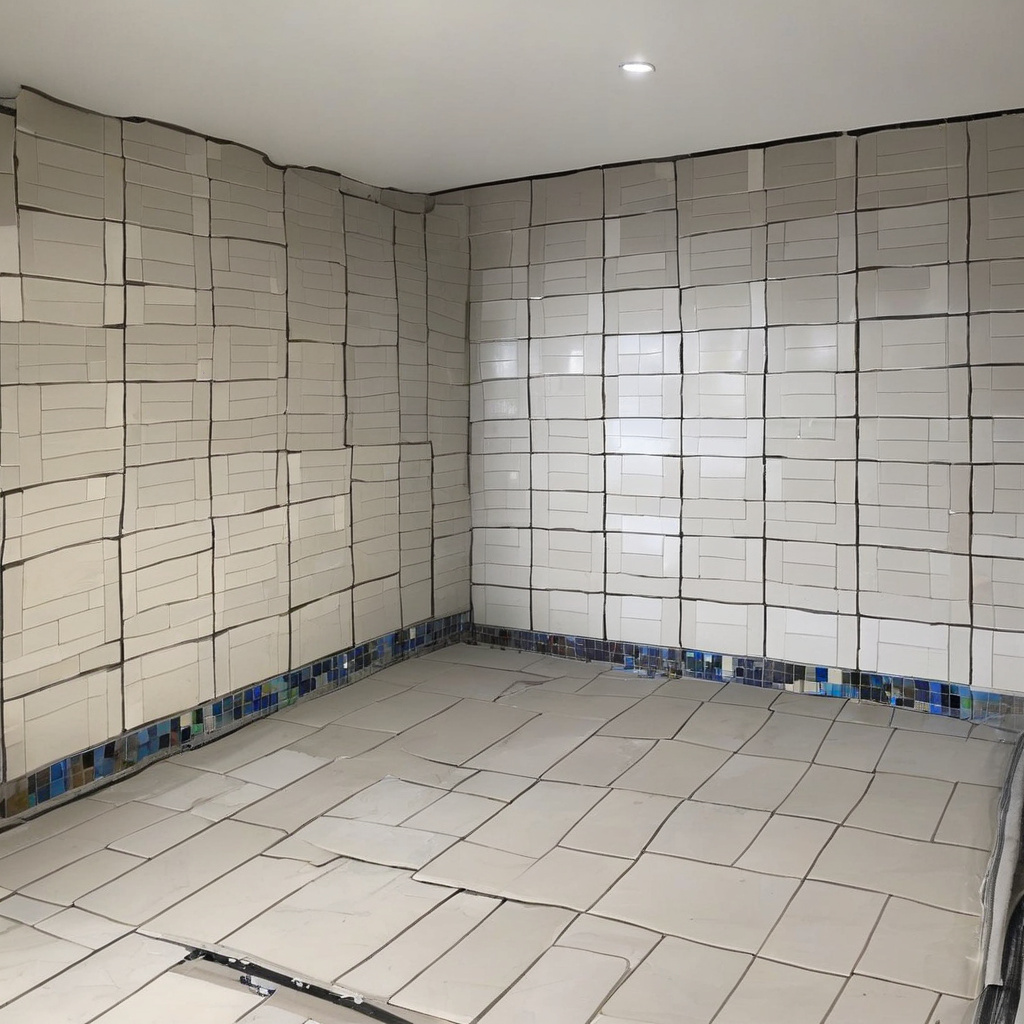
Stepping into a bathroom where tiles extend all the way to the ceiling can be quite the dramatic entrance. Tiles climbing up walls create an illusion of heightened space, ideal for smaller bathrooms where every inch visually counts. But it’s not just about making a room look larger; this choice can also bring a sleek, contemporary feel that modern homeowners often seek.
However, the grandeur of ceiling-high tiles requires a discerning eye for detail. As many local homeowners notice, gaps or rough edges become a stark contrast against the smooth, unbroken tile procession. A well-executed ceiling tile can turn a mundane bathroom into a spa-like retreat.
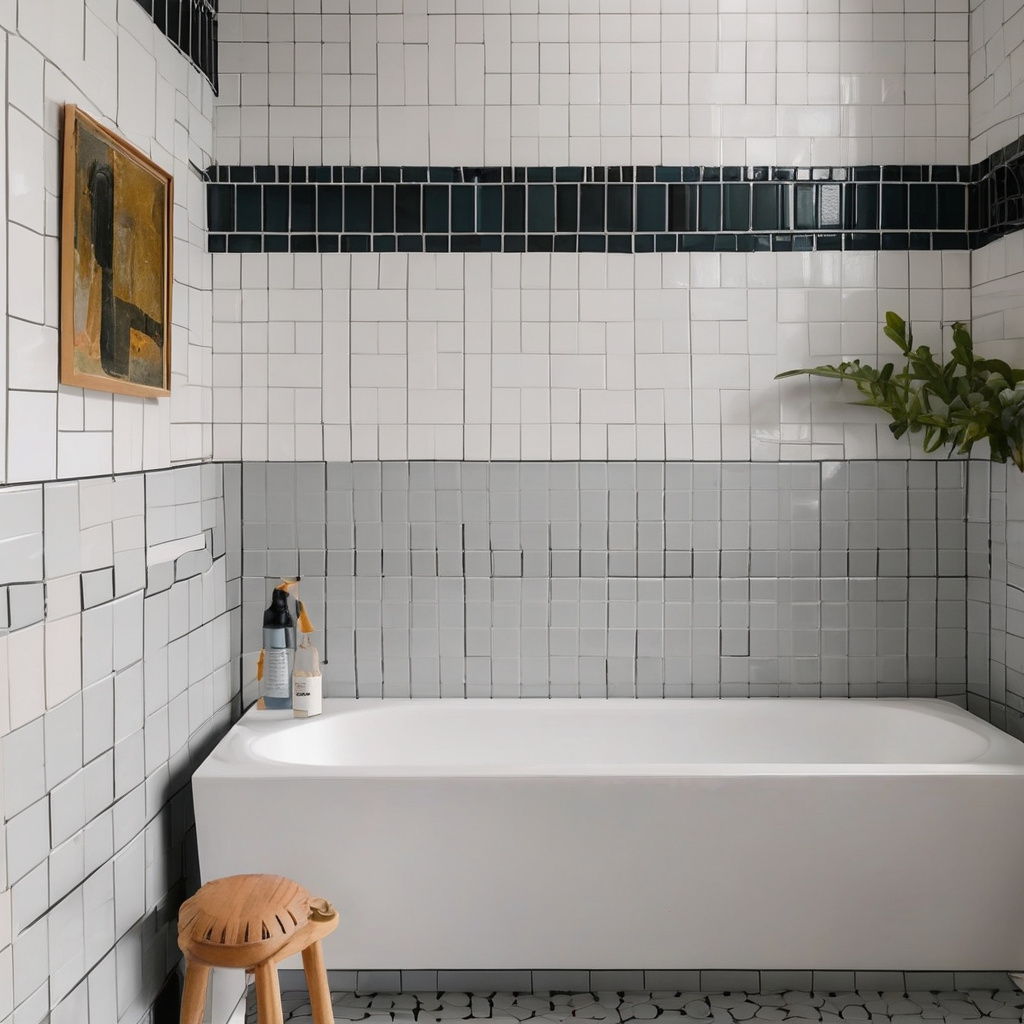
There is, of course, elegance in restraint. Partial-height tiling, typically extending to about 36 to 48 inches from the floor or the top of vanities, has its own charm. This style offers a contrasting dynamic with painted walls, enabling the use of bold colors or textures above that lend warmth and intimacy.
Ultimately, the choice between these two options often depends on the desired aesthetic and the design ethos of the home. While ceiling-high installations make a bold statement, partial heights seamlessly blend into more traditional or eclectic home designs.
Cost Considerations and Local Trends
In Southern California’s competitive real estate market, budget plays a significant role in every renovation decision. Tiling to the ceiling will undoubtedly raise the cost due to more materials and greater labor intensity. Yet for some homeowners, the splurge pays off in enhanced property values and personal satisfaction.
Many Los Angeles renovators prefer expert remodeling advice to navigate these choices mindfully. While full tiling may seem a costly indulgence, strategic choices in tile materials can mitigate this. Ceramic offers a cheaper alternative to more luxurious marble or stone, with an array of designs that do not compromise style.
On the flip side, opting for partial-height tiling conserves resources, making it an attractive option for budget-conscious homeowners. This approach can allocate funds toward premium tiles or high-end fixtures that might otherwise be out of reach.
It’s worth noting that the real value of these choices lies in how they align with evolving tastes. In a region renowned for its design-forward stance, these tiling decisions often reflect broader home improvement trends that prioritize elegance and sustainability.
According to the National Kitchen and Bath Association, updating a bathroom increases home value by approximately 62% of the renovation cost.
Material Choices: From Luxury to Practical Solutions
Choosing the right tiles is pivotal, particularly when considering moisture-prone environments like bathrooms. High ceilings covered in tiles offer unrivaled splash and moisture protection, a practical advantage that serves long-term durability.
Nonetheless, the choice of material affects not only aesthetics but also the practicality of installation and upkeep. Homeowners inclined towards natural stone in premium remodels must contend with sealing requirements to prevent water damage. Opting for ceramic or porcelain provides a more user-friendly solution without forgoing luxury’s appeal.
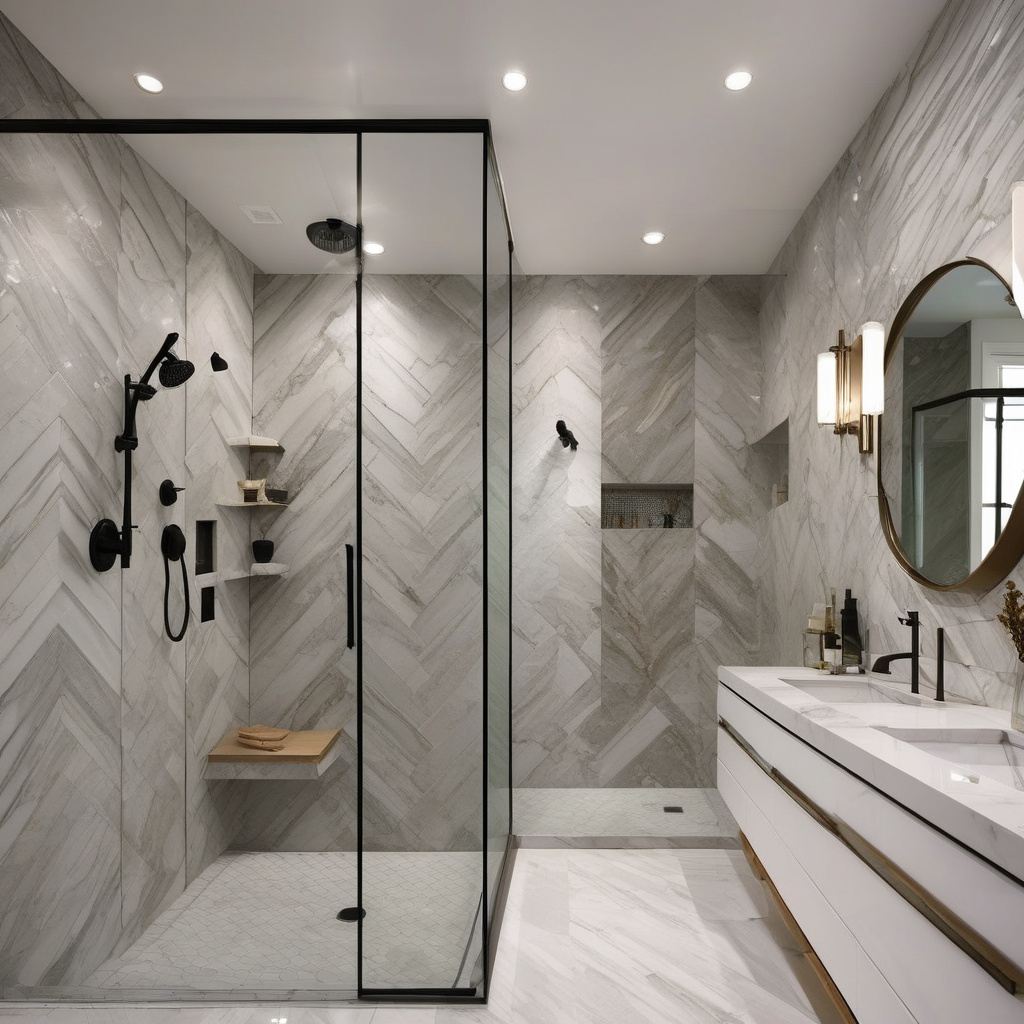
When budget constraints are an issue, incorporating cost-effective materials doesn’t mean compromising on quality. Ceramic tiles, for instance, offer a practical alternative with high moisture resistance, fitting perfectly within safety designs for older family members or guests.
The consideration of materials helps balance practicality with aesthetics, ensuring the end result meets both functional and stylistic needs of a dynamic family home.
An industry expert notes, “Porcelain tiles remain a top choice for their durability and availability in a wide range of aesthetics, from minimalist to luxurious.”
Planning the Layout: Strategic Decisions
Embarking on a bathroom facelift demands careful planning. One must lay out a roadmap that brings clarity to potential spatial puzzles, especially in joint-use areas like Jack and Jill bathrooms, where effective tile strategies maximize utility.
Resolver planning dilemmas depends on an understanding of how high tiles affect moods and perceptions. Higher tiles can harmonize shared spaces and bring unity in disparate designs, creating calm and consistency.
This prospect of seamless unity hinges significantly on informed decision-making. Decisions about tile size, orientation, and layout critically influence flow and functionality, balancing between open expanse and warm intimacy.
Ultimately, thoughtful design choices determine the achievement of a harmonious look, ensuring that both private retreats and shared areas provide essential comfort and consistency.
Setting the Stage: Steps to a Harmonious Bathroom
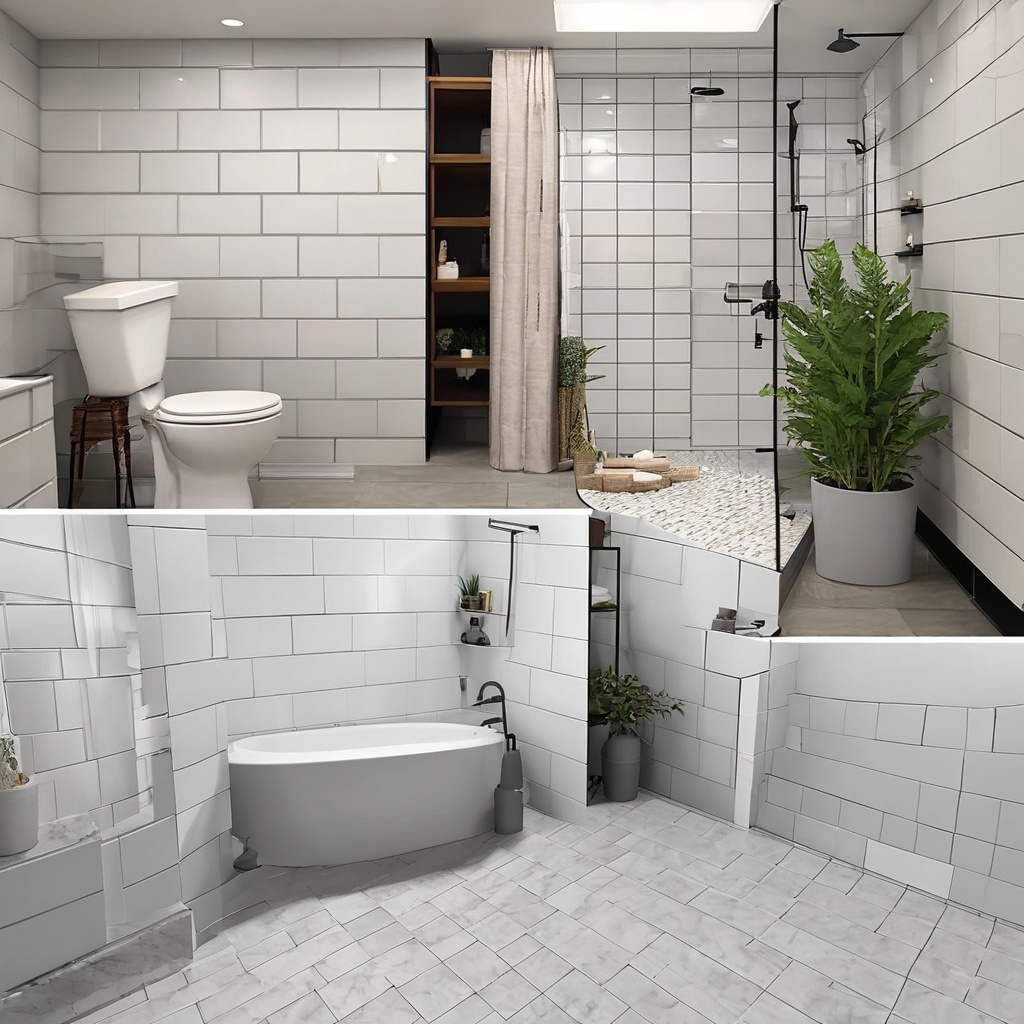
Embarking on the renovation process entails a series of well-considered steps. Firstly, evaluating existing plumbing and electrical layouts lays the groundwork for renovations. Next, selecting a tile style—be it bold, light colors for openness or earthy tones for warmth—sets the aesthetic direction.
The prospective tiling height should emphasize intended room uses and existing fixtures, culminating in a coherent plan that sees the vision through to installation. Consultation with professionals can consolidate these ideas, ensuring that each step resonates with personal taste and practical frames.
Research indicates homes with recent bathroom upgrades sell 10% faster than those without.
Risks and Rewards: Unexpected Challenges
While high tiling offers dramatic visual rewards, there are inherent risks to consider. Aiming for a flawless ceiling finish introduces complexities in measurement and cut precision that demand expert skill. Conversely, partial heights provide flexibility with a decreased need for minute detail precision, inviting more experimental finishes and designs.
Moreover, ceiling-high installations require meticulous sealing to avert moisture-related issues and assure enduring beauty. Blocks at the ceiling connote interruption, yet stepping back to shorter heights invites refreshing diversification and adaptive future renovations.
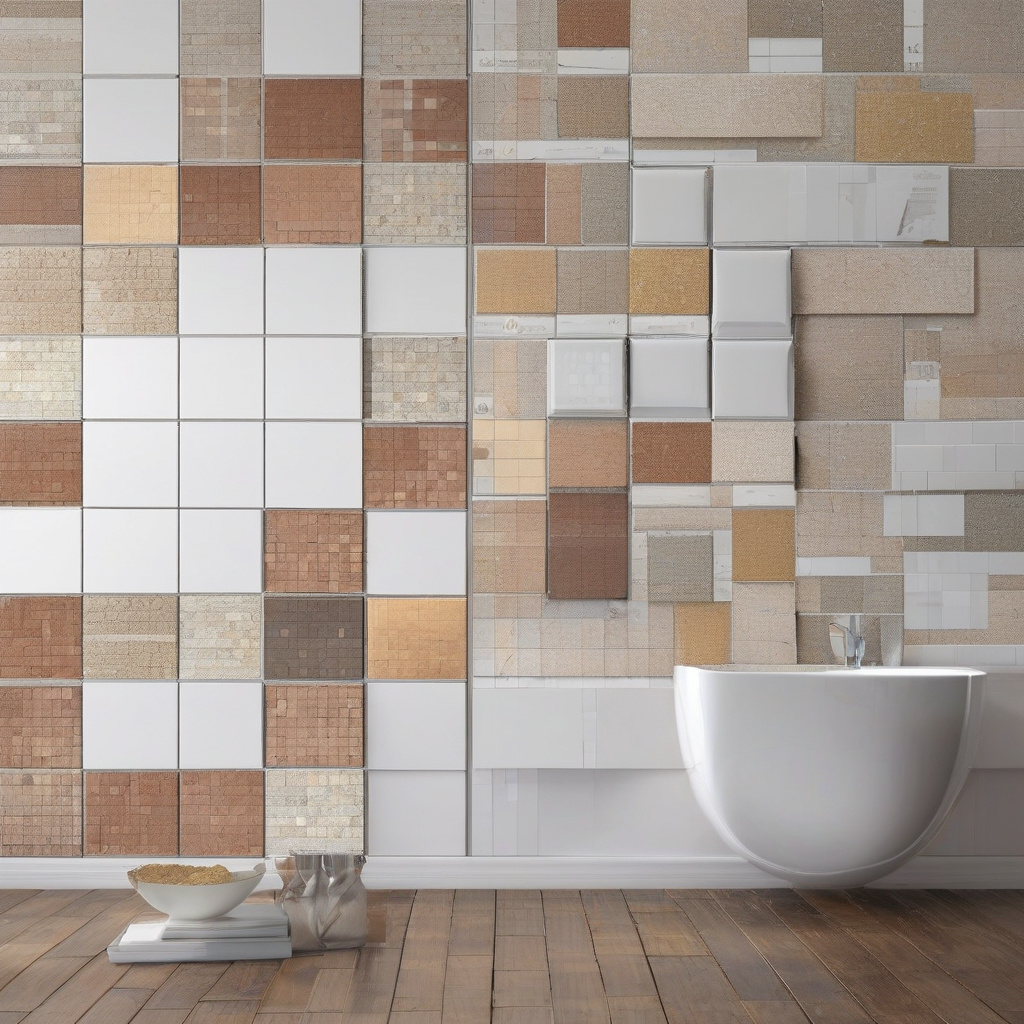
Without due consideration, any bathroom enhancement can succumb to sheer neglect. Whether reaching for the stars or embracing the comfort of resilience, recognizing potential challenges fortifies the anticipated rewards of a truly custom space.
Maximizing Returns: Mixing Styles and Future Trends
Concluding this remodeling quest often involves reflection on how these decisions fit within larger design trends and market shifts. One emerging trend is the artful mixing of metal fixtures alongside tiles, crafting a dynamic contrast between warmth and cool modernity.
This hybrid approach aligns with the broader trajectory of personalized yet timeless designs, ensuring spaces remain refreshed and market-relevant long into the future. The juxtaposition between practical, solid elements and strategic splashes of color or texture underpin a distinguished, adaptable style.
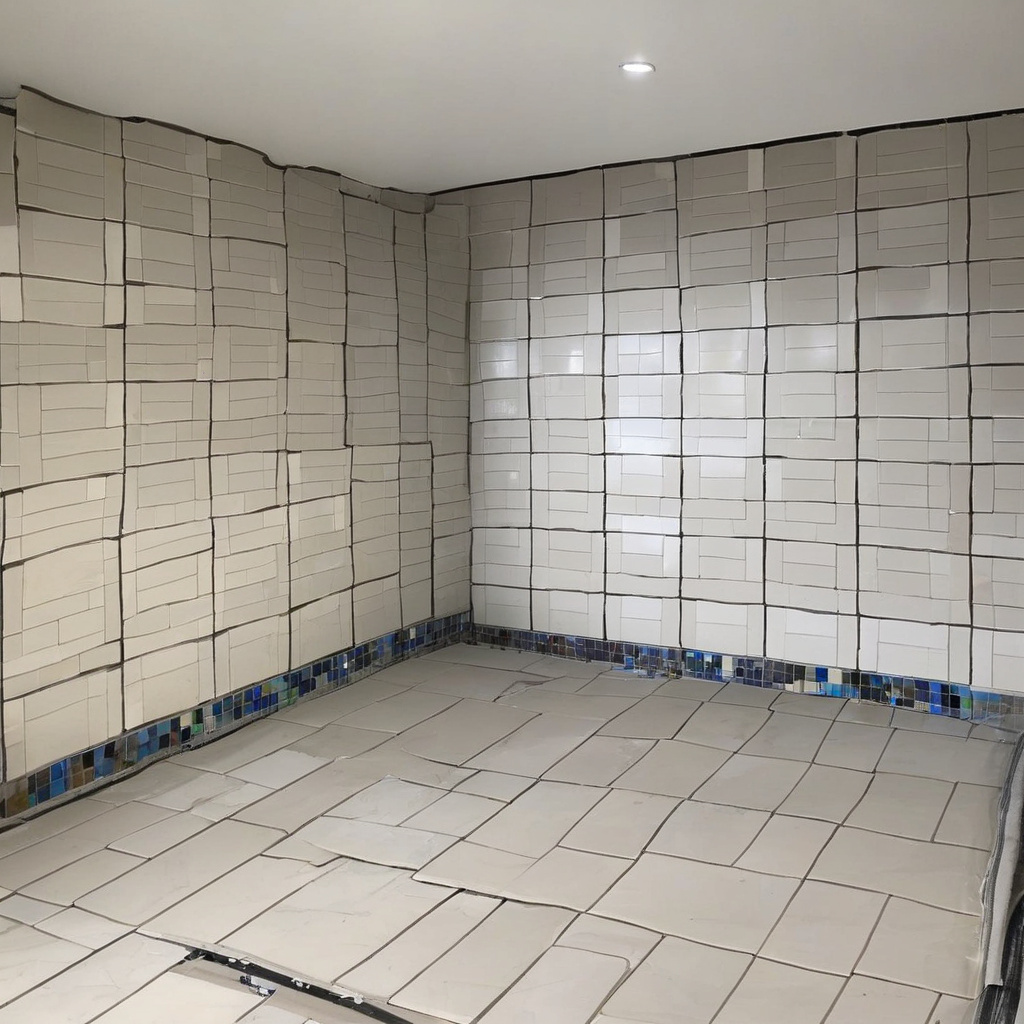
Yet design is an evolutionary journey. This unique crossroads between spatial daring and classical simplicity provides a path forward, enriching indoor environments with both personal satisfaction and economic assurance.
The Verdict: Balancing Act
For Angelinos pondering which path to choose, the final decision rests on personal preferences and strategic trade-offs. Do you place premium on dramatic elegance or lean towards an inviting, restrained finish? Each decision exemplifies a delicate balance—a dance between aspiration and realization, practicality, and panache.
- Tiling to the ceiling enhances aesthetics and height illusions.
- Partial-height tiling offers cost-efficiency and classic elegance.
- Material choices influence cost, moisture protection, and design.
- Effective layouts ensure balance and harmony in shared spaces.
- Expert consultation is key to overcoming renovation challenges.
“`html
FAQ
Is it better to tile all the way to the ceiling in my bathroom?
Tiling all the way to the ceiling can dramatically change the bathroom’s appearance, making it feel larger and more modern. In practice, this approach provides excellent moisture protection, reducing the risk of mold and water damage. Many homeowners, especially those renovating older properties in California, find that ceiling-high tiles offer a sleek, continuous look. However, it’s essential to remember that this option might be more expensive due to the increased materials and labor costs involved in tiling a larger surface area.
What are the pros and cons of partial-height tiling in bathrooms?
Partial-height tiling is a common choice for its cost-effectiveness and classic appearance, especially in single-family homes. It allows for painted walls above the tiles, adding a touch of color and texture contrast. This approach can save on material costs and offer more flexibility in design changes. However, in humid environments, particularly in bathrooms without efficient ventilation, moisture protection might be compromised compared to full-height tiling. Frequent repainting might be necessary, which can be a hidden cost many homeowners underestimate.
How do tiled ceilings affect the style intensity of a bathroom?
Tiling up to the ceiling creates a seamless look, enhancing the bathroom’s style intensity. This can work remarkably well in modern renovations aiming for a minimalist aesthetic. In real-world scenarios, this choice often suits newer builds with modern fixtures and systems. Bold tile patterns can dominate the room if extended to the ceiling, so subtle designs or light colors are preferred for a balanced feel. Careful consideration of color and pattern is crucial, as ceiling-high tiles tend to become a focal point, guiding the overall ambiance.
What are some typical mistakes when choosing tile height?
A common mistake is selecting a tile height without considering the room’s proportions. Many homeowners choose to tile partially because they underestimate the visual impact of dividing lines. Another frequent error is overlooking practical aspects like moisture management in steam-heavy areas. During many renovations, it’s discovered that neglecting the ceiling-to-floor aesthetic workflow can lead to jarring visuals, disrupting the harmony of the design. Consulting with an expert can help align aesthetic preferences with functional needs.
How do costs vary between full-height and partial-height tiling?
Costs can vary significantly between full-height and partial-height tiling. Full tiling often involves higher material costs and labor due to the additional square footage. Homeowners renovating older properties in California should be prepared for potentially higher prices if existing walls need prepping or leveling. Partial-height tiling usually reduces materials and installation time, translating into more budget-friendly projects. However, when considering long-term maintenance, such as painting or possible re-tiling, those initial savings can sometimes be offset.
What’s a practical step to decide on the tile height for my renovation?
A practical approach is to evaluate your bathroom’s existing style and how you want the space to feel. Visit showrooms to see full and partial height tiling in context, which provides tangible insight into their visual impact. Homeowners often gain clarity by discussing their ideas with renovation professionals who can point out factors like light distribution and room height. For personalized advice tailored to your specific project needs, you might consider consulting a local expert by reaching out here.
How does tiling affect moisture protection in bathrooms?
Tiling, especially when reaching up to the ceiling, provides robust moisture protection, crucial in humid environments like bathrooms. In many Californian homes, homeowners face challenges with dampness due to poor ventilation. Tiles act as a barrier, safeguarding the walls from water infiltration and potential mold growth. Full-height tiles can be a prudent choice for bathrooms with poor natural ventilation. Nevertheless, even with tiles, it’s essential to ensure grouting is properly sealed and maintained over time to prevent water damage.
What maintenance considerations are there for ceiling-height tiles?
Ceiling-height tiles can add a polished look but require attentive maintenance to keep their appearance intact. Grout lines, in particular, can accumulate dirt and should be cleaned regularly using appropriate cleaning agents. Homeowners often find that while tiles themselves don’t require painting or frequent upkeep, maintaining the grout and ensuring all sealants are effective is critical. In real-world applications, neglecting these maintenance tasks can lead to discoloration and water seepage issues, potentially adding unexpected costs down the line.
“`