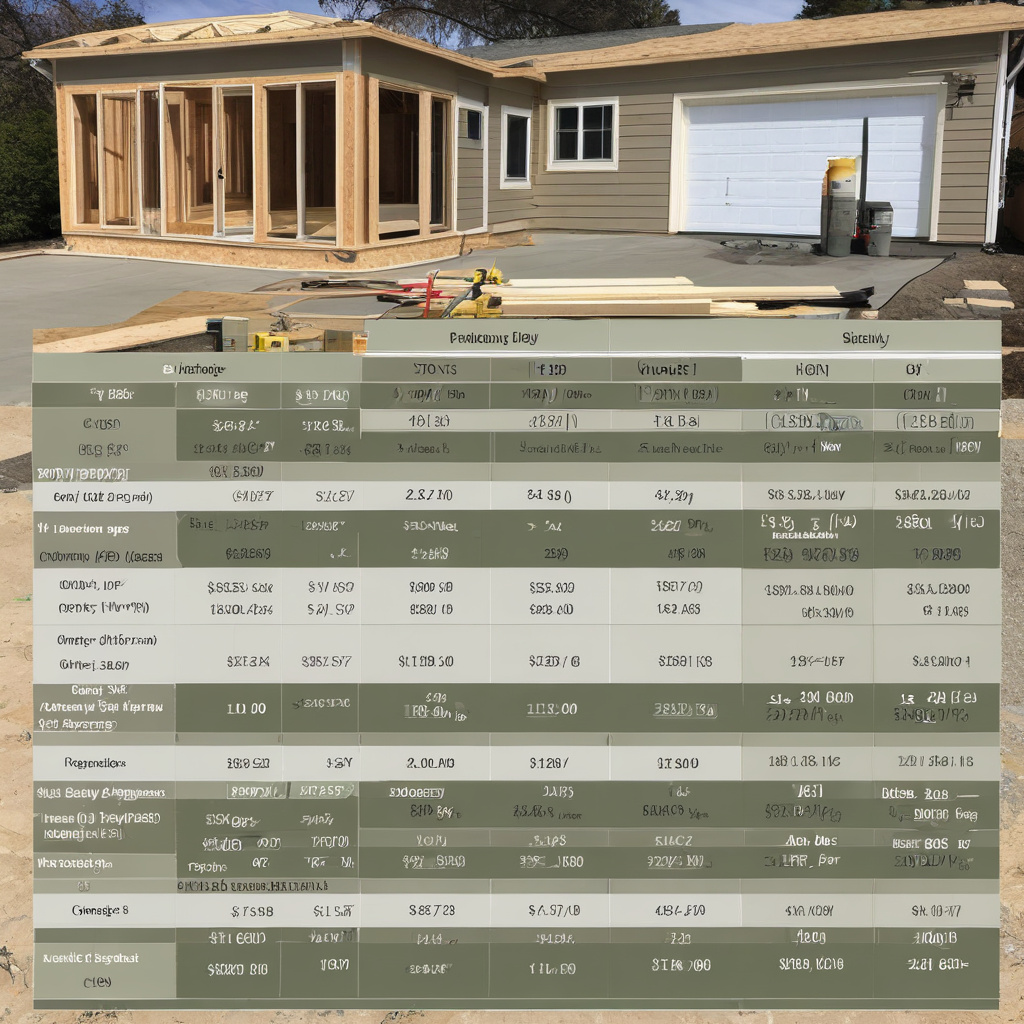
In the bustling world of Southern California home renovation, the trend of converting garages and revamping Accessory Dwelling Units (ADUs) is gaining momentum. Homeowners in Los Angeles and beyond are reimagining their spaces, but one element often overlooked is the importance of window replacement. It’s not just about aesthetics; it’s about meeting code, optimizing energy use, and ensuring livable comfort.
Brief summary: This article delves into the critical considerations for window replacement in ADUs and garage conversions, highlighting code compliance, energy efficiency, and comfort. It provides practical insights for homeowners in Southern California, featuring industry trends, cost analyses, and expert perspectives.
Understanding Window Code Compliance
Navigating the regulatory labyrinth of window code compliance is one of the first hurdles homeowners face when renovating ADUs and garages. In Los Angeles, regulations can dictate window size, type, and even placement. Homeowners need to ensure that their choices align with stringent local standards. Getting familiar with these codes early in the planning stages can save both time and money.
For instance, egress windows—a vital component for safety in living spaces—must meet specific dimensions to allow for emergency access. As many local homeowners have discovered, failing to install compliant windows can lead to expensive redos or even legal challenges.
Moreover, garage conversions becoming living spaces require windows that not only adhere to code but also enhance the space’s usability. This means selecting windows that provide ample natural light while ensuring sufficient insulation to meet energy codes.
Experts recommend consulting with an experienced contractor who understands how to integrate required features into the design without sacrificing style or functionality. Comprehensive window resources can be invaluable as you navigate the complexities of compliance.
Ensuring code compliance may seem daunting, but with professional guidance, it’s straightforward and crucial to getting the necessary permits.
Maximizing Energy Efficiency
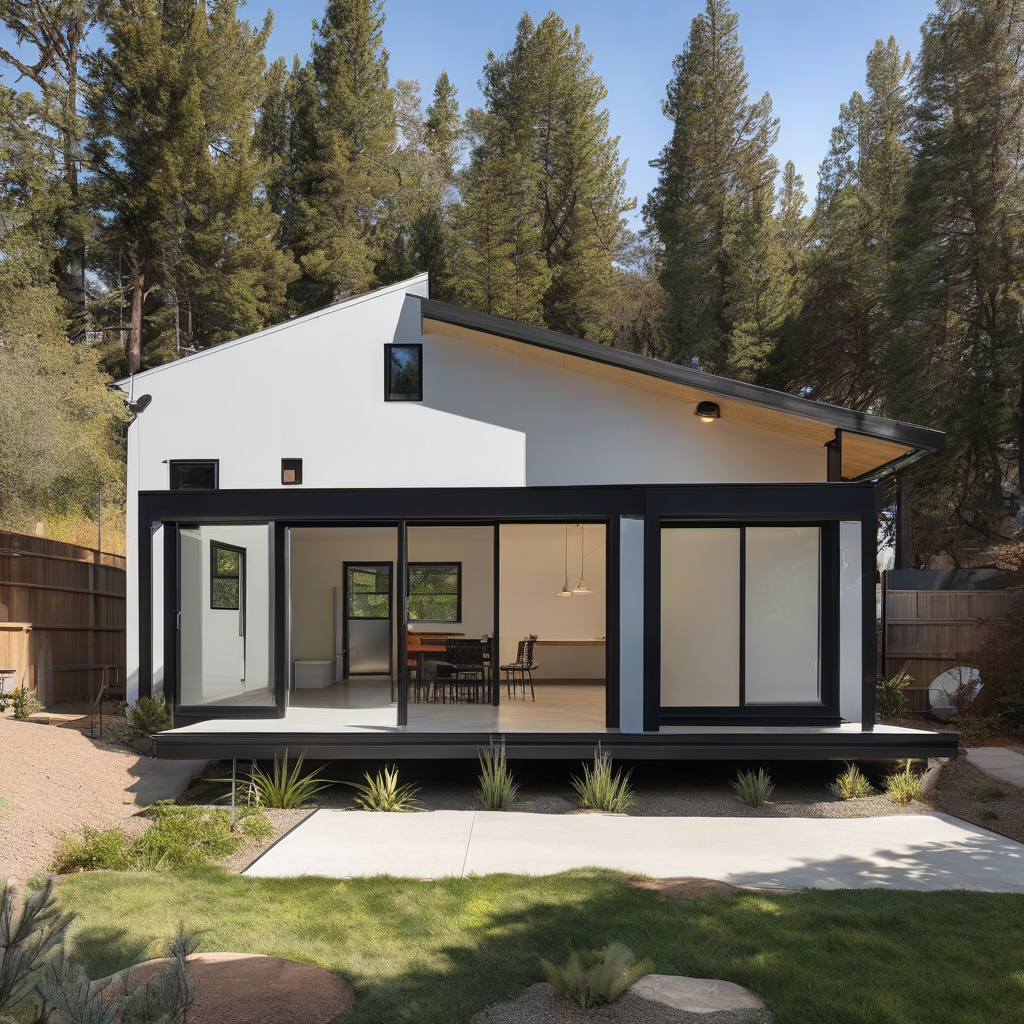
Energy efficiency is not just a buzzword; it’s a necessity in Southern California’s warm climate. The right windows can markedly improve a home’s energy profile. Double-paned windows, for example, provide excellent insulation, reducing heat transfer and keeping interior temperatures stable.
An increasing number of renovation experts are advocating for energy-efficient windows in garage conversions and ADUs. Homeowners stand to benefit from lower energy bills and a more consistent indoor climate. Understanding the energy ratings of windows, such as U-factor and Solar Heat Gain Coefficient (SHGC), helps in selecting windows that improve performance without compromising on natural light.
In fact, data shows that homes equipped with energy-efficient windows can see a reduction in annual energy expenses by up to 30% compared to their less efficient counterparts.
Prioritizing energy-efficient windows is a smart investment for ADU and garage conversion projects, ensuring comfort and savings year-round.
Window Design and Layout: Making the Right Choices
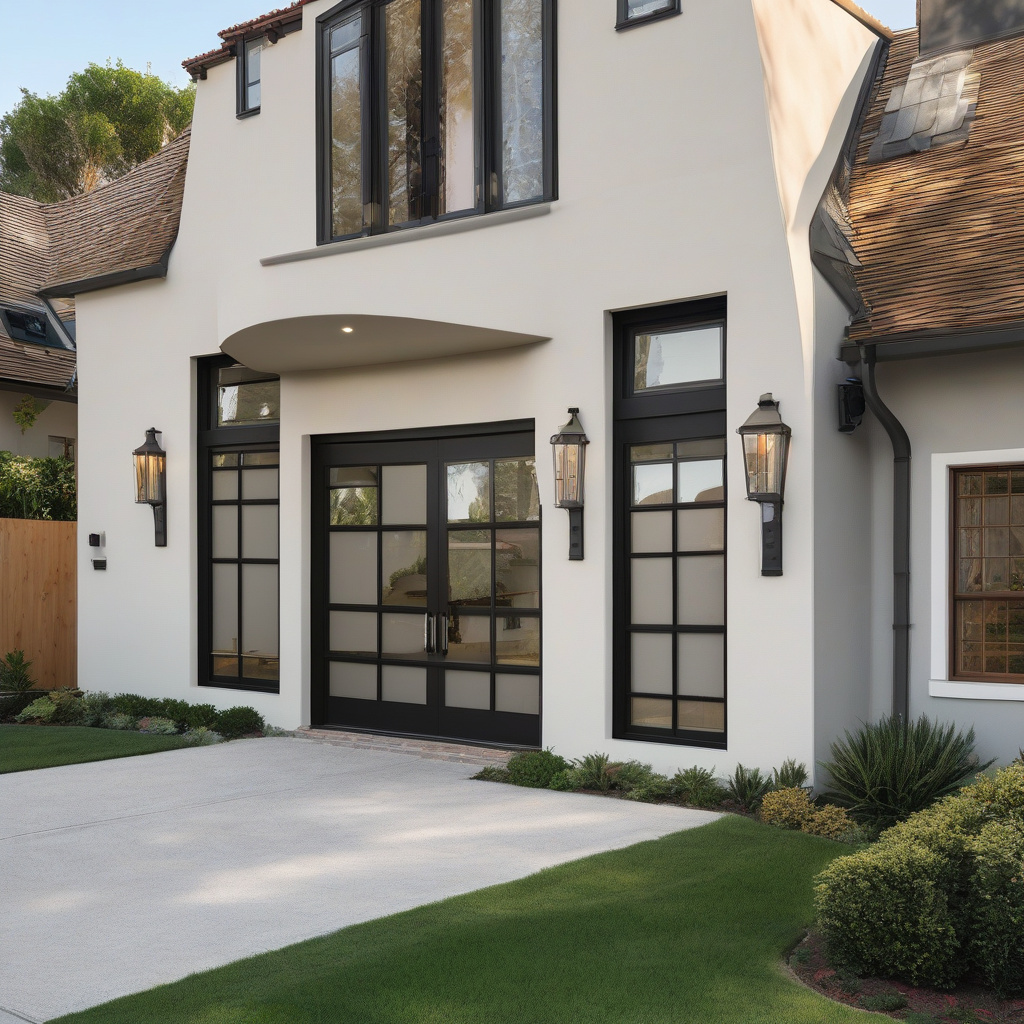
When it comes to ADU and garage conversion window design, both aesthetics and function play vital roles. Homeowners are encouraged to think creatively about window placement. Skylights, for instance, can dramatically enhance the spaciousness of a small ADU, flooding it with natural light and creating the illusion of greater space.
Choosing the right window layout can transform a dim garage into a welcoming sanctuary. Many opt for larger windows on one side to maximize views and connectivity to outdoor areas, a design principle that’s increasingly popular in Southern California.
For those contemplating their window options, exploring various skylight choices can yield innovative results. These design opportunities provide more than just natural light—they add architectural interest and improve the quality of interior spaces.
Innovative design choices can add significant value to a home, enhancing both appeal and liveliness.
The Pros and Cons of Different Window Types
While aesthetics and costs are prime considerations, knowing the advantages and drawbacks of different window types can guide better decisions. Here’s a brief comparison:
| Window Type | Advantages | Disadvantages |
|---|---|---|
| Double-Paned | Great insulation, energy savings | Higher upfront cost |
| Vinyl | Low maintenance, cheaper | Limited color options |
| Wood | Classic look, customizable | Needs regular upkeep |
Choosing the right window type balances practicality with personality, ensuring satisfaction with the renovated living space.
Balancing Budget with Materials
While the temptation to opt for the cheapest materials may be strong, it’s important for homeowners in Los Angeles to think long-term. The materials chosen for window frames can dramatically impact both the aesthetics and performance of a home. High-quality materials like fiberglass or wood might come at a premium, but their longevity and visual appeal often justify the expense.
Conversely, improperly prepared materials can pose hidden risks. Paint and old wooden frames may harbor lead, presenting health concerns. It’s critical to investigate potential lead issues before proceeding with renovations.
Balancing budget constraints with the quality of materials involves considering not just the initial costs but also the long-term financial implications, such as maintenance requirements and potential energy savings.
Smarter material choices ultimately pave the way for safer, more reliable upgrades.
A 2023 study highlights that investing in quality, durable window materials can boost a home’s resale value by up to 7%.
Navigating Renovation Dynamics: A Step-by-Step Guide
Homeowners often feel daunted by the renovation process—particularly with intricate projects like converting a garage or adding an ADU. But with careful planning and the right steps, these transformations can be smooth and effective.
Start by clearly defining the scope of your project. Understanding whether the space will be purely functional or serve multiple purposes will guide many of your future decisions.
Next, select a contractor experienced in local regulations and window installations. Their insights into structural feasibility and design options are crucial. Together, you can create a timeline that minimizes disruption while achieving desired outcomes.
During construction, communicate regularly with your renovation team to address any emerging issues promptly. This keeps the project on track without costly delays.
Finally, after installation, focus on finishing touches that bring warmth and identity to the new space. A throw pillow here, a cozy rug there—these final elements help tie everything together, making the area truly your own.
Following these steps ensures that your renovation journey is as efficient and satisfying as possible.
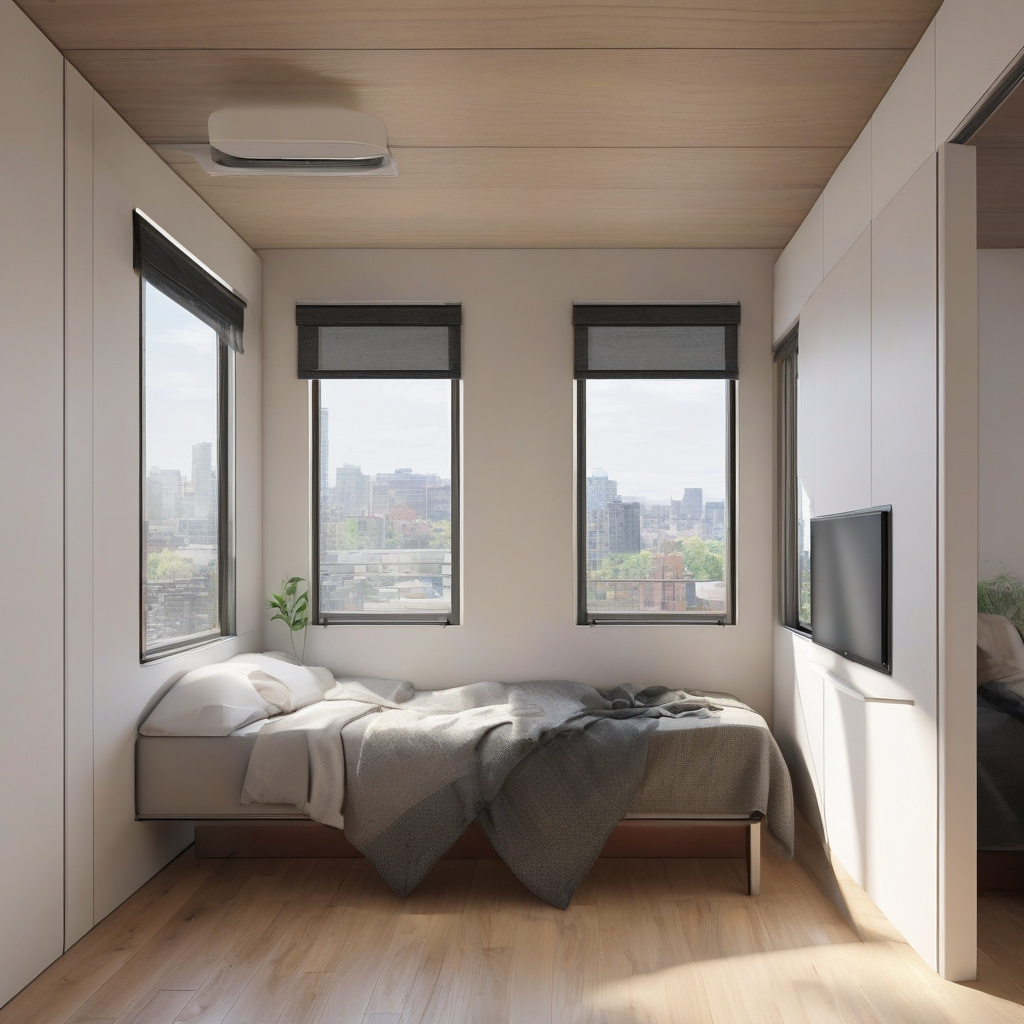
Expert insight suggests that well-planned renovations can cut average project timelines by up to 25%, saving homeowners both time and costs in the long-term.
Next Steps in Ensuring Window Security and Longevity
Ensuring the security and longevity of new windows is another important consideration. As homeowners look to finalize their window installations, adding protective layers can offer peace of mind. Techniques such as the application of security film can significantly boost the windows’ resistance to impact.
Alternatively, laminated glass provides inherent strength, but understanding the difference between security-enhancing options is imperative to meet specific needs.
These measures not only protect investments but can also help reduce insurance premiums, making them financially attractive components of a renovation plan.
Strengthen window security with strategic enhancements, guaranteeing long-term durability.
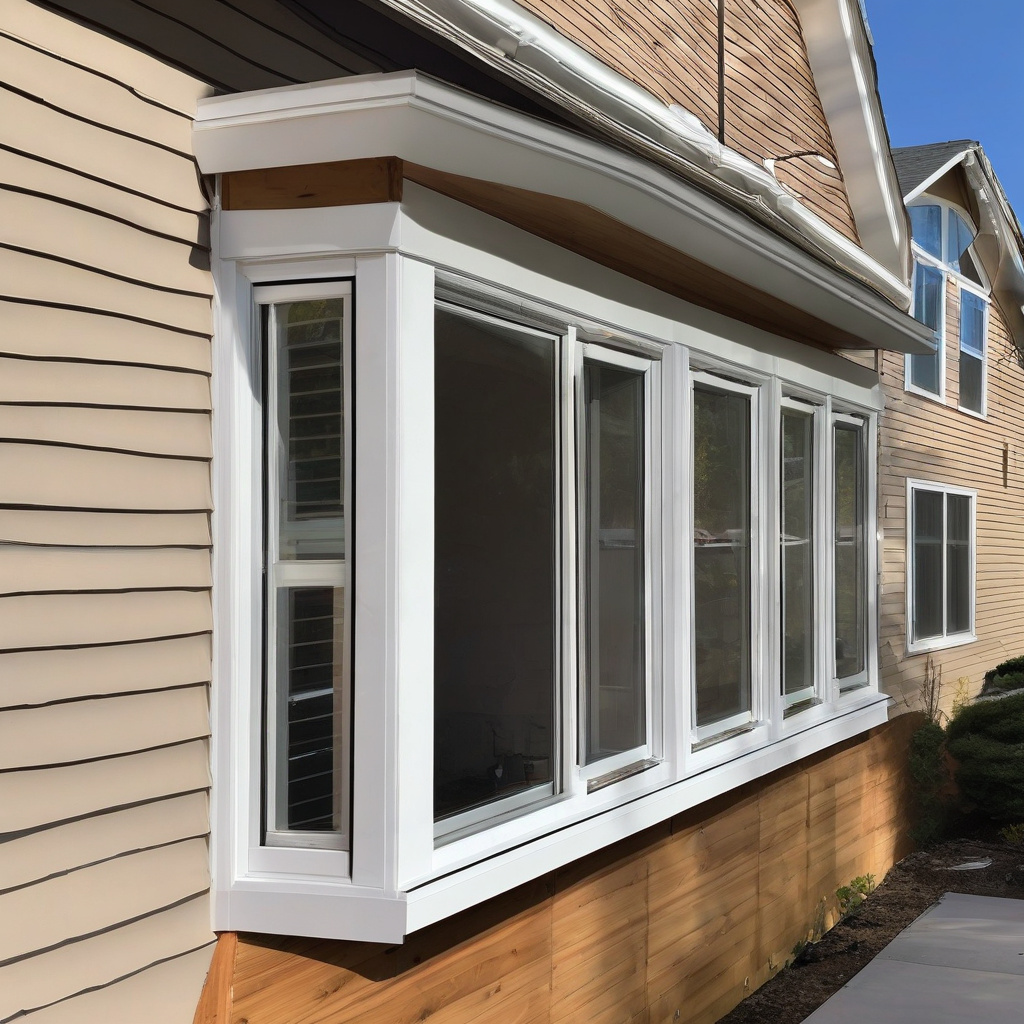
Research conducted in 2023 shows that homes with impact-resistant windows show a 22% reduction in burglary attempts compared to those with standard glass.
Conclusion: Elevating Comfort and Value
In conclusion, window replacement for ADUs and garage conversions requires thoughtful consideration of multiple factors. From understanding local regulations to selecting energy-efficient and secure materials, these decisions significantly influence the outcome of your home renovation. As many homeowners in Los Angeles have discovered, investing the time to research and plan effectively can transform simple spaces into comfortable, valuable parts of their homes.
With strategic planning and expert partnerships, you can ensure that your home not only meets today’s standards but enhances your lifestyle and increases your property’s market value.
- Window replacement in garage conversions and ADUs centers around code compliance and energy efficiency.
- Choosing the right materials significantly impacts both aesthetics and long-term value.
- Innovative window designs, such as skylights, can enhance space and add natural light.
- Balancing budget with quality materials ensures a safe, stylish renovation.
- Security enhancements through films or laminated glass protect and prolong window lifespan.
FAQ
What are the crucial considerations for replacing windows in ADUs?
In real renovation projects, it often becomes clear that window replacements in Accessory Dwelling Units (ADUs) are not just about enhancing aesthetics. It’s critical to consider local building codes which can vary significantly. Energy efficiency is also key. Many homeowners in California, for instance, aim for windows that improve insulation against both heat and cold to reduce energy costs. An underappreciated aspect is ensuring that these windows contribute to a comfortable living space, providing adequate natural light without sacrificing privacy. Balancing these factors not only affects livability but also long-term investment value.
How do I choose the best windows for a garage conversion?
Choosing the right windows for a garage conversion hinges on understanding the specific needs of your space. Many experts point out that garage areas typically lack sufficient natural light, making window placement crucial. Double-glazed windows are a frequent recommendation due to their balance of acoustics and insulation, which is important if the garage faces a busy street. Don’t just think about the window’s look—consider ventilation and how it will contribute to the room’s functionality. A common mistake is neglecting how windows will affect heating and cooling dynamics within the space.
When is the best time to replace windows during a conversion?
Timing can significantly impact the success and efficiency of window replacement in ADUs or garage conversions. Ideally, this task should occur after structural changes are made but before the completion of interior finishes. This sequence allows for precise measurements and adjustments, reducing the likelihood of costly errors. For many homeowners in the US, spring and early summer are optimal times due to favorable weather conditions, though you must consider local climate patterns. It’s not just about convenience—proper timing can also enhance energy efficiency outcomes.
What are common mistakes to avoid in window replacement for ADUs?
Homeowners frequently underestimate the importance of professional measurements when replacing windows in ADUs. A common mistake is assuming that any window fitting will suffice, leading to improper sealing and potential energy loss. Additionally, overlooking ventilation needs can result in stuffy, uncomfortable living spaces. It’s crucial to consider how window placement interacts with your home’s airflow. Remember, aesthetics should not overshadow functionality; harmonizing both is essential. Avoiding these errors can prevent long-term issues and support a more livable ADU environment.
How do window replacements affect energy use in garage conversions?
Window replacements play a pivotal role in regulating energy use within garage conversions. Opting for energy-efficient models, such as ones with low-E coatings or argon gas fills, can dramatically reduce heating and cooling costs. Many garage spaces, when converted, become integral parts of the home, requiring enhanced climate control. In practice, homeowners often find that effective windows contribute to a stable indoor temperature, thereby reducing the reliance on HVAC systems. This can lead to significant savings over time while enhancing comfort.
What are the pros and cons of different window materials for conversions?
Each window material offers distinct benefits and limitations. Vinyl windows are praised for their affordability and low maintenance needs, making them a popular choice in many ADU projects. Conversely, wooden frames provide a classic appeal and superior insulation but demand more upkeep to avoid deterioration. Aluminum windows are durable and offer a contemporary look but can suffer from poor insulation unless thermally treated. Understanding these pros and cons helps in making informed decisions. For those needing personalized advice, visiting our detailed guide can be beneficial.
How important is window maintenance in an ADU?
Window maintenance is crucial in ensuring the longevity and performance of windows in an ADU. Regular cleaning and checking for leaks or seal failures can prevent energy loss and water damage. Homeowners should schedule periodic inspections, especially after severe weather events, to maintain functionality. Neglecting maintenance can lead to deterioration that affects the unit’s livability and increases repair costs. You should consider this as part of your overall home maintenance routine, which can save significant money and effort over years of use.
What cost factors should be considered for window replacements in garage conversions?
Several cost factors must be weighed when planning window replacements for garage conversions. Material choice significantly impacts budget—while vinyl is generally less expensive, wood alternatives may offer superior insulation at a higher price. Installation costs can vary depending on the existing structure and access difficulty. Additionally, energy-efficient windows might have a higher upfront cost but offer savings on utility bills over time. It’s also wise to consider potential incentives or rebates available in your region for energy-efficient upgrades, which can offset initial expenses and encourage sustainable home improvements.