
Embarking on a bathroom renovation journey can feel like stepping into a maze, where every wrong turn harbors unforeseen expenses. In the architectural spas that homes across Los Angeles are quietly becoming, clarity is paramount. But before signing a bathroom remodel contract, what’s the magic trick to ensure everything aligns? It’s all about asking the right questions.
Brief summary: This article explores essential questions homeowners should ask before signing a bathroom remodel contract. It emphasizes clarity on timelines, materials, change-order terms, and communication styles to ensure a smooth renovation process. Practical examples from Los Angeles are provided to highlight real-world scenarios and trends.
Understanding Timelines: When Will Your Dream Bathroom Become Reality?
Imagine this: you’ve envisioned every faucet turn and tile placement in your new bathroom, but how long will it take to materialize under the capable hands of professionals? Understanding renovation timelines is a crucial step before diving into any construction project. Many a Los Angeles homeowner has found themselves camping in a hotel for weeks past when they planned to be enjoying their new sink.
In Southern California’s bustling renovation market, projects can be delayed due to permit issues or unexpected material shortages. Before signing that critical contract, ask your contractor for a detailed timeline. How long is the demolition expected to last? What steps are being taken to prevent project stalling?
Inquire about their experience with similar projects and request client references. The contractor’s past can provide a window into your renovation’s future. Are they known for speedy completions, or is there a pattern of projects dragging on?
Lastly, ensure there’s an agreement on what happens if deadlines aren’t met. Financial penalties or bonuses tied to certain milestones can often motivate a contractor to stay on course, reaching your bathroom finish line on time.
Clarity on the time frame sets the foundation for other contract discussions. It ensures alignment between you and the contractor on the pace and interaction frequency.
Materials Matter: Navigating Quality and Cost Concerns
Another key aspect of your remodel agreement involves the materials that will transform your vision into reality. This step is fraught with potential pitfalls, especially given the myriad of choices available in trendy, modern bathroom designs across Los Angeles. Homeowners often find themselves at a crossroads between quality and budget.
Before nodding in agreement to your contractor’s suggestions, ask for a breakdown of all materials, including their sources and potential delays in delivery. Are you sure the Italian marble and bespoke faucets will be within reach when needed? Surprises here can significantly impact your timeline and bottom line.
Challenge your contractor regarding the quality of materials: do the promised Taj Mahal quartzite countertops actually match your traffic and maintenance tolerance? Essential insight can prevent discomfort and disputes long after the last towel bar is installed.
You might also wish to explore options such as forging metals in your bathroom’s design, adding not only elegance but durability to your remodel. Mixing different metallic finishes can elevate aesthetics when executed with finesse.
Materials, their availability, and quality are the linchpins in your contract. With the right questions, you turn your bathroom from a tiled dream into a durable sanctuary.
Change Order Protocol: Budget Battering Ram
Nothing shakes confidence in a remodeling project like unanticipated changes. Imagine your astonishment, seeing your meticulously planned budget balloon due to each slight alteration during construction. Change orders bleed budgets dry if not handled properly.
Before launching into your remodel, ensure your contract has a clear-cut policy for change orders. What does the process entail? How are you informed about cost implications before the changes are executed?
Managing Change with Precision
Ask whether minor adjustments or alternate solutions can be accommodated without heavy penalties. Contracts in the Los Angeles area often include clauses that protect contractors more than homeowners. Navigate these waters carefully by securing terms that offer mutual trust and understanding.
Expert insight: “Most renovations exceed their budget by 10-20% due to poor change management and communication.” — Industry veteran John Russell
Remember, the devil is in the details here. Don’t let your remodel dream turn into a financial nightmare. Establish a thin but strong line between necessary and nice-to-have changes.
By defining change management upfront, you’re just another miscommunication away from adhering to your original budgetary and aesthetic goals.
Effective Communication: The Glue That Holds It All Together
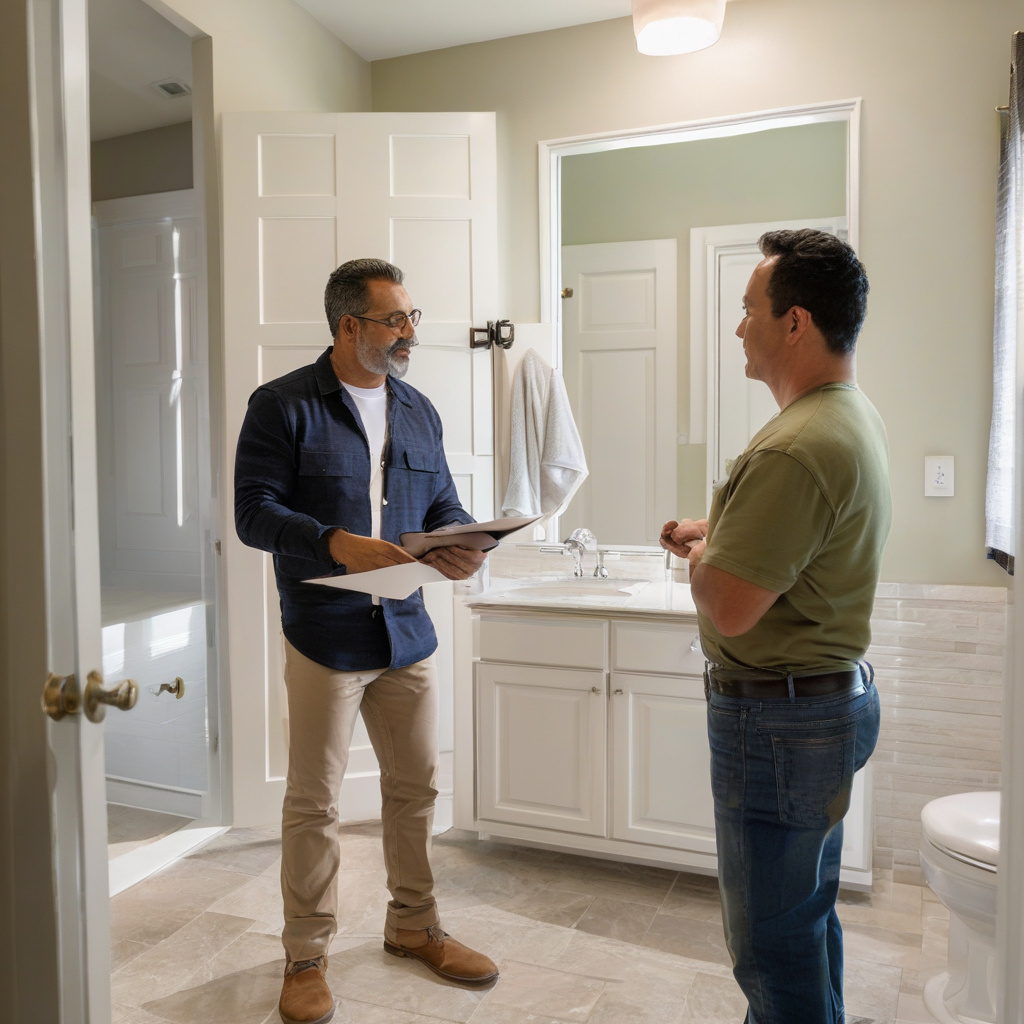
Good communication is often hailed as the cornerstone of successful relationships, and your remodel is no different. The symphony of construction noise needs a conductor to orchestrate harmony, and that’s where understanding your contractor’s communication style is paramount.
Discuss how frequently you’ll receive updates and through which channels. Will they drop an email with every hiccup, or are they proponents of in-person meetings? You might find assurance knowing how issues will be swiftly conveyed and resolved.
It’s one thing to promise a luxurious bathroom, and another to navigate the bumpy road of construction seamlessly. In the Los Angeles market, contractors vary dramatically in their communication styles, from the close-lipped to the overly verbose.
Choosing the right contractor who genuinely respects your preferred communicative approach can immensely affect both the end results and your stress levels during the process.
Research-based observation: “Frequent and transparent communication reduces the likelihood of project disputes, paving the way for smoother remodel experiences.” — Renovation Communication Study 2022
When structured appropriately, communication clauses in a contract align the stars of execution with the cosmos of your dreams.
The Art of Future-Proofing: Planning for Trends and Longevity
With the vibrant blend of contemporary to classical styles swarming Southern California’s homes, discerning current trends from fleeting fancies is vital. Future-proofing your investment in a remodel ensures the space remains both stylish and functional over time.
Deciding on full versus partial tile coverage, a consideration many overlook, can drastically affect room acoustics, energy efficiency, and style fluidity. You might want to lean towards strategically tiling sections of your bathroom to balance costs and aesthetics effectively.
An informed chat about incorporating eco-friendly materials and energy-efficient appliances could seem like a passing thought now but holds weight in long-term value and savings. Proactive steps in this area can extend the operational life and reduce maintenance costs significantly.
Industry statistic: “Homes with environmentally sustainable bathrooms see up to 30% higher returns on resale.” — Green Home Innovations
A remodel is an opportunity to invest in style and longevity, crafting a bathroom that serves as a sanctuary today and a timeless space tomorrow.
By preparing for future needs and trends now, you’re forging an ally in your contract, ensuring relevance well into the coming years.

Cost Comparison: Navigating the Budget Minefield
Budgeting for a bathroom remodel can be akin to tiptoeing through a minefield, especially in high-demand areas like Los Angeles. Costs can swiftly escalate without a keen eye on the financial specifics of your remodeling contract.

| Options | Estimated Cost | Durability | Trendiness |
|---|---|---|---|
| Porcelain Tiles | $5,000 – $8,000 | 20-25 years | High |
| Glass Shower Doors | $1,500 – $3,000 | 15-20 years | Moderate |
| Vinyl Flooring | $2,000 – $4,000 | 10-15 years | Low |
With the right financial back-and-forth, creating a value-driven budget isn’t impossible. By asking your contractor basic but crucial questions about cost breakdowns and payment schedules, and seeing what flexibility exists for cost adjustments, you position yourself for a less stress-fraught experience.
Most importantly, remember the potential for overrun. Discuss the consequences of budget blowouts upfront to keep your eyes open and expectations managed.
By striking a balance, your contract becomes a document aligned not just with your immediate dreams but your long-term financial picture.
- Always clarify project timelines to set realistic expectations.
- Ensure material quality aligns with your vision and budget.
- Establish change order protocols to control costs.
- Foster insightful communication to avert misunderstandings.
- Plan for trends to future-proof your remodel.
“`html
FAQ
What key elements should a bathroom remodel contract include?
In any substantial renovation project, the contract is your go-to guide, similar to a map for travelers. It should clearly outline timelines, specify materials to be used, and detail procedures for changes—often referred to as change-order terms. Many seasoned builders emphasize that clarity in these areas prevents misunderstandings that could lead to costly delays. For instance, knowing whether tile replacements will incur extra costs can prevent mid-project confusion. Also, ensure the contract specifies the communication style between you and the contractors, which could mean weekly check-ins or immediate updates via email. This clarity allows homeowners to retain control as the project progresses.
How do I choose the right materials for my bathroom remodel?
Selecting materials for your bathroom isn’t just about aesthetics; it involves practical considerations too. In real renovation scenarios, opting for durable, water-resistant materials is crucial, especially in a high-moisture environment like a bathroom. Porcelain tiles, for example, are preferred by many remodelers over natural stone due to their lower porosity. Making these choices involves thinking about both long-term maintenance and upfront costs. Experts recommend visiting a showroom to physically inspect materials to gauge their quality firsthand. Remember, the right choice balances style, durability, and cost, offering peace of mind for years to come.
When is the best time to start a bathroom remodeling project?
Timing can greatly influence the success of a remodeling project. While it’s possible to start a remodel any time, most experts propose spring or early fall as ideal periods. This suggestion isn’t just about pleasant weather; it connects to how supply chains operate. During these times, materials tend to be more readily available, and contractors might have more flexibility in their schedules, potentially lowering costs. However, avoid project inception during holiday seasons or end-of-year rushes when demand for contractors spikes, leading to higher prices and longer wait times. Planning early also allows for securing skilled labor before their calendars fill.
What are common mistakes homeowners make during bathroom remodels?
One frequent error is underestimating the budget—believing you can scrimp might lead to regrettable compromises. In practice, unforeseen issues, like plumbing problems in older homes, can quickly swell expenses. Additionally, skipping the permitting process can result in fines and project delays, particularly in highly regulated areas like California. Overlooking the need for adequate ventilation can also cause long-term damage due to moisture, leading to mold issues down the line. To avoid these pitfalls, work closely with experienced professionals who can foresee these hurdles, ensuring a seamless renovation experience.
How do change-order terms affect a bathroom remodel?
Change orders in renovation work operate like forks in the road, dictating which path your project will take when unforeseen changes arise. Well-defined change-order terms within a contract can either smoothen the ride or create turbulence. These terms should explicitly cover how additional work is agreed upon and priced, giving homeowners a clear understanding of potential financial impacts. For instance, adding high-end fixtures midway could significantly up the overall cost if not pre-negotiated. Mismanaging this aspect can lead to disputes and project stalls, underscoring the importance of making terms straightforward from the get-go.
Should homeowners be involved in the day-to-day progress of a remodel?
This question often divides opinion in renovation circles. Being actively involved might provide you peace of mind and ensure adherence to your vision. On the other hand, too much day-to-day involvement could undermine contractor efficiency, ironically bogging down progress. The balance lies in structured updates. Professionals often suggest weekly meetings where you can review milestones without micromanaging, allowing trust and expertise to flourish on both sides. This balance not only keeps you informed but also shows respect for the contractors’ expertise, fostering smooth proceedings.
How much can a bathroom remodel cost in California?
Costs for bathroom remodels can swing widely, especially in California where materials and labor costs are higher due to regional demand and regulations. Generally, you might expect to pay as low as $10,000 for a basic update, though luxury renovations can soar beyond $50,000. Factors such as the bathroom size, fixtures quality, and the complexity of the remodel (like moving plumbing) or integrating modern technologies significantly impact costs. To get a deeper insight tailored to your project’s specifics, it often helps to discuss such details with a professional—reach out through resources like send us your project details for expert guidance.
What communication style ensures a successful bathroom remodel?
Communication is often the linchpin of a successful remodel. Effective communication isn’t just about frequency but also clarity and appropriateness. Set expectations early with your contractor—determine whether you prefer email summaries, regular phone updates, or onsite meetings. Many professionals highlight the importance of flexibility and openness in discussions, particularly when unexpected challenges arise. For instance, discovering structural issues in an older home will require immediate, clear communication to adjust plans. Successful projects often share a common thread: a steady information flow that adapts to the evolving demands of the renovation journey.
“`