When it comes to renovating a home, one might easily overlook the transformative power of windows. Yet, choosing the right window colors and frames can seamlessly meld the architecture of your home with both its exterior facade and interior decor. This decision is paramount in the sun-drenched landscapes of Los Angeles and Southern California, where architectural styles are as diverse as the communities themselves.
Brief summary: Explore practical strategies for picking window colors and frames that harmonize with your home’s design, inside and out. This detailed guide offers insights into current trends, renovation tips, and expert advice to help Southern California homeowners enhance their living spaces through thoughtful window design.
Understanding Your Home’s Architectural Style
The journey to perfect windows begins with acknowledging your home’s architectural style. In Los Angeles, residences range from mid-century modern masterpieces to cozy Spanish revivals. Understanding your home’s aesthetic foundation is not merely academic; it is crucial in ensuring that the new window frames complement rather than clash with your home’s design. For example, classic wood frames exude warmth, ideal for historical homes, whereas sleek aluminum fits perfectly with modern designs.
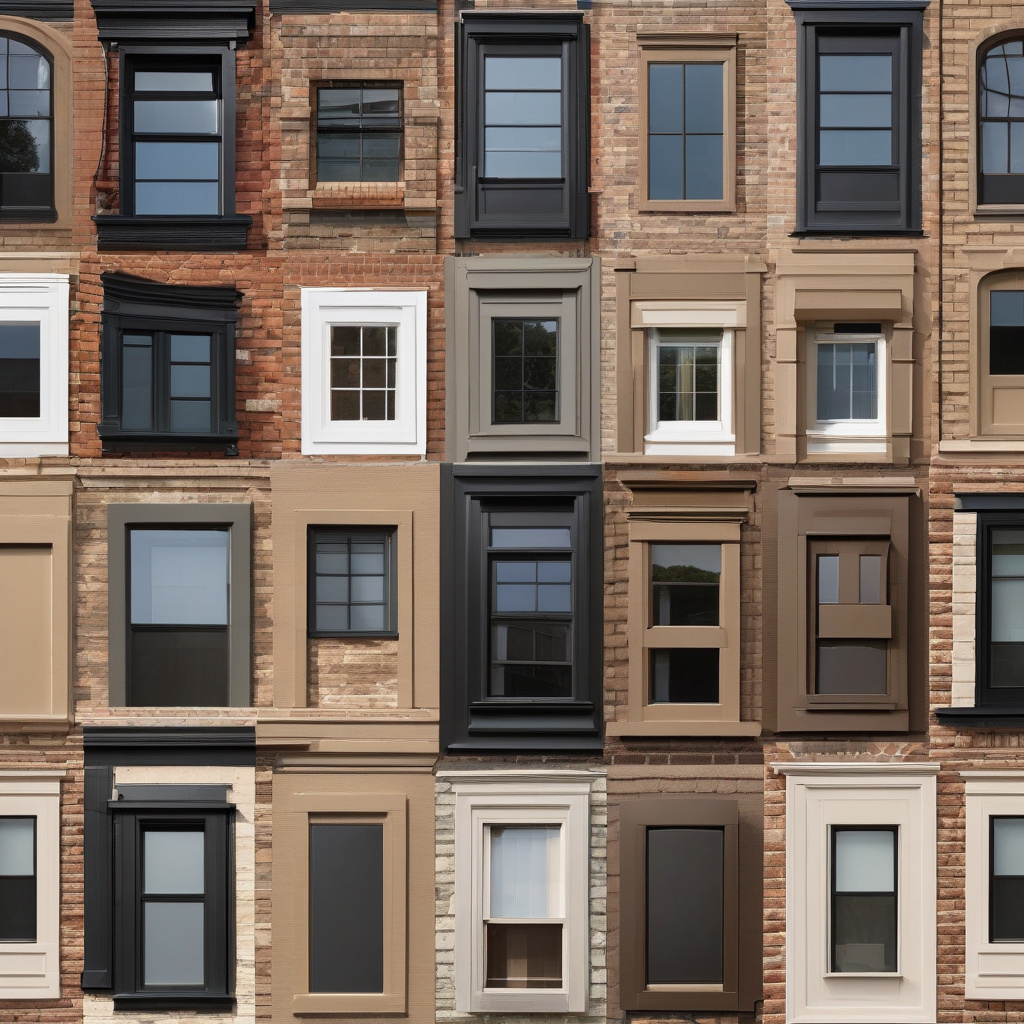
For many Angelenos embarking on a renovation, the challenge is to balance modern updates with traditional detail. Perhaps you’re living in a Craftsman bungalow or a minimalist loft. Each style carries its nuances and demands specific attention to detail in window selection. By faithfully adhering to the original stylistic cues of your home, you can achieving timeless elegance.
An often-overlooked strategy is to engage a local architect or designer, someone intimately familiar with Southern California’s architectural landscape. Their insights can prevent costly mistakes and ensure your renovation stays true to your home’s roots.
Ultimately, respecting your home’s architectural lineage will provide a canvas to build upon without sacrificing authenticity. This measured approach results in both aesthetic harmony and increased property value should you decide to sell.
The Impact of Color on Curb Appeal
Color selection transcends personal taste, especially when it comes to windows. Your color choice can dramatically influence your home’s curb appeal and marketability. In Los Angeles, where homes bask in brilliance almost year-round, color choices should echo or elegantly contrast with the natural environment.
Blending window colors with your home’s exterior is a strategic decision. A monochromatic scheme might emphasize stateliness, whereas bold contrasts could inject vibrancy into your facade. However, it is vital to consider the chromatic palette of the surrounding landscape—rolling hills or palm-lined streets could serve as cues for your color story.
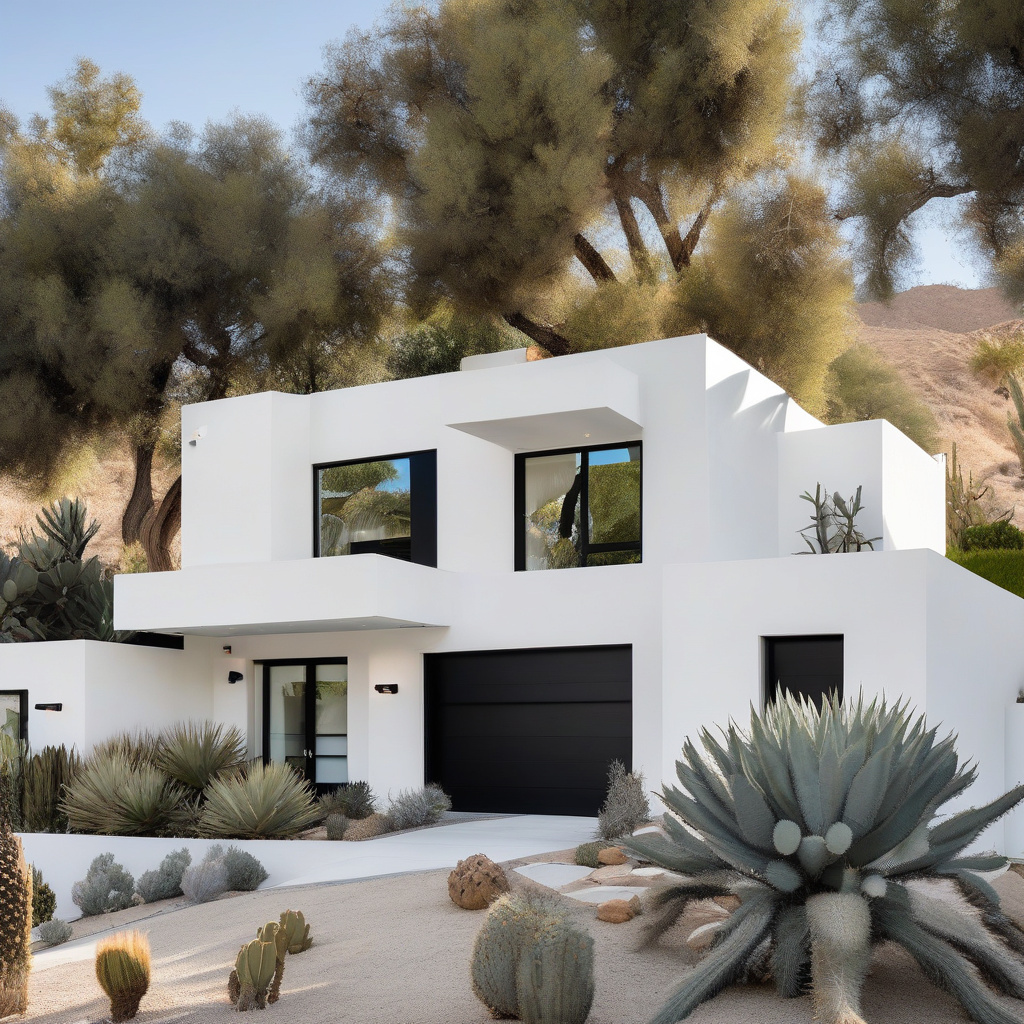
A handy tip is to use a color wheel to determine complementary colors that create visual symmetry between window frames and walls. Keep in mind that some contemporary Los Angeles neighborhoods have homeowners associations that may dictate color choices, prioritizing community coherence over individual preference.
Ultimately, the right color can transform an ordinary space into an extraordinary one, inviting visitors with a cohesive look that exudes warmth or sophistication. As many local homeowners notice, a well-thought-out color strategy not only enhances the facade but can significantly boost the home’s presence and personality.
Case Study: Sunset Contrast in Santa Monica
Imagine you’re gazing at a bungalow situated in Santa Monica. The homeowners, eager to stand out amidst the seaside panorama, chose lively turquoise window frames against a soft white exterior. This choice not only captures attention but complements the coastal skies, enhancing charm while maintaining a distinct local flair.
Balancing Exterior and Interior Design
Cohesion between your home’s exterior and interior is essential for a unified living experience. With open-floor plans becoming more prevalent, windows act as bridges, linking the two environments. Thus, when choosing window frames, homeowners need to keep interior elements in mind, such as floor finishes and furniture styles.
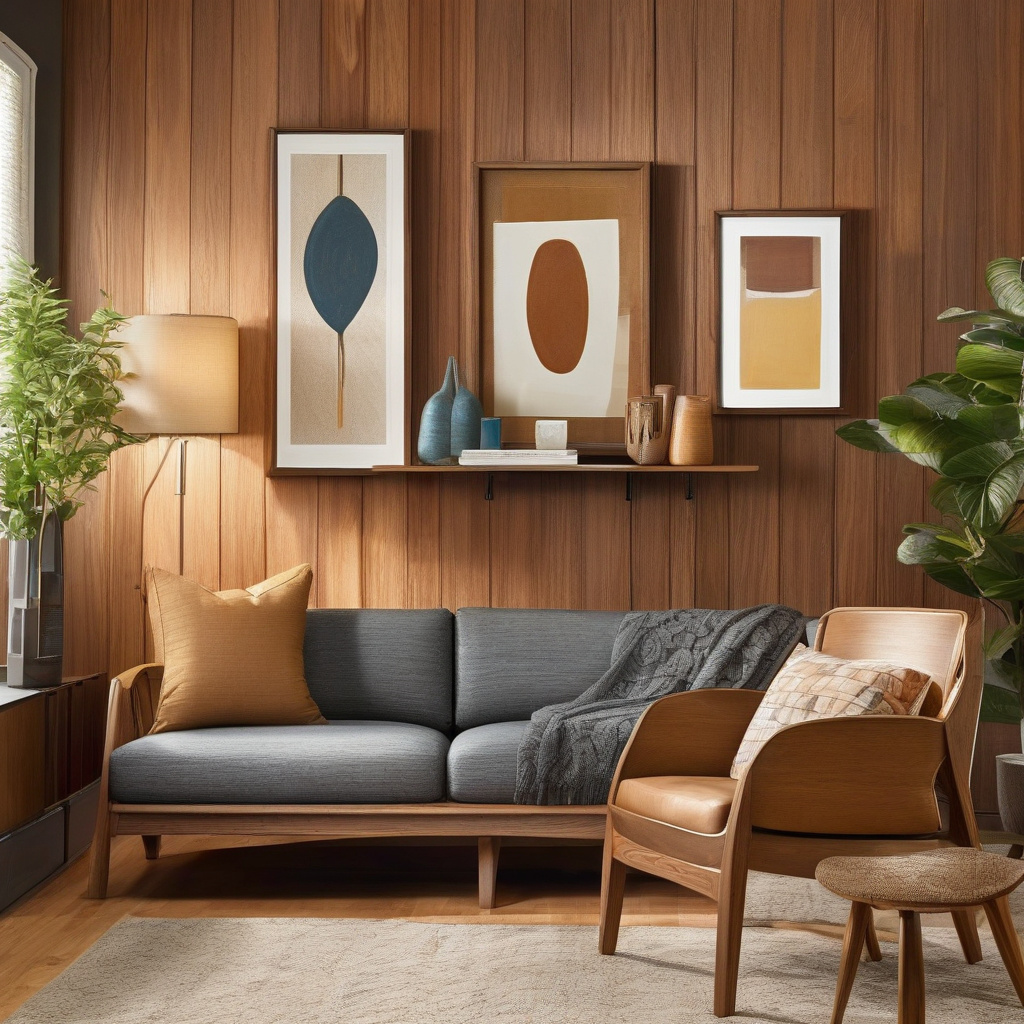
Interior colors should resonate, if not match, those seen on the exterior. For instance, wooden frames may add a rustic feel inside, matching earthy tones of the outdoor landscape. Similarly, a metallic finish could provide a modern touch that seamlessly transitions across interior displays.
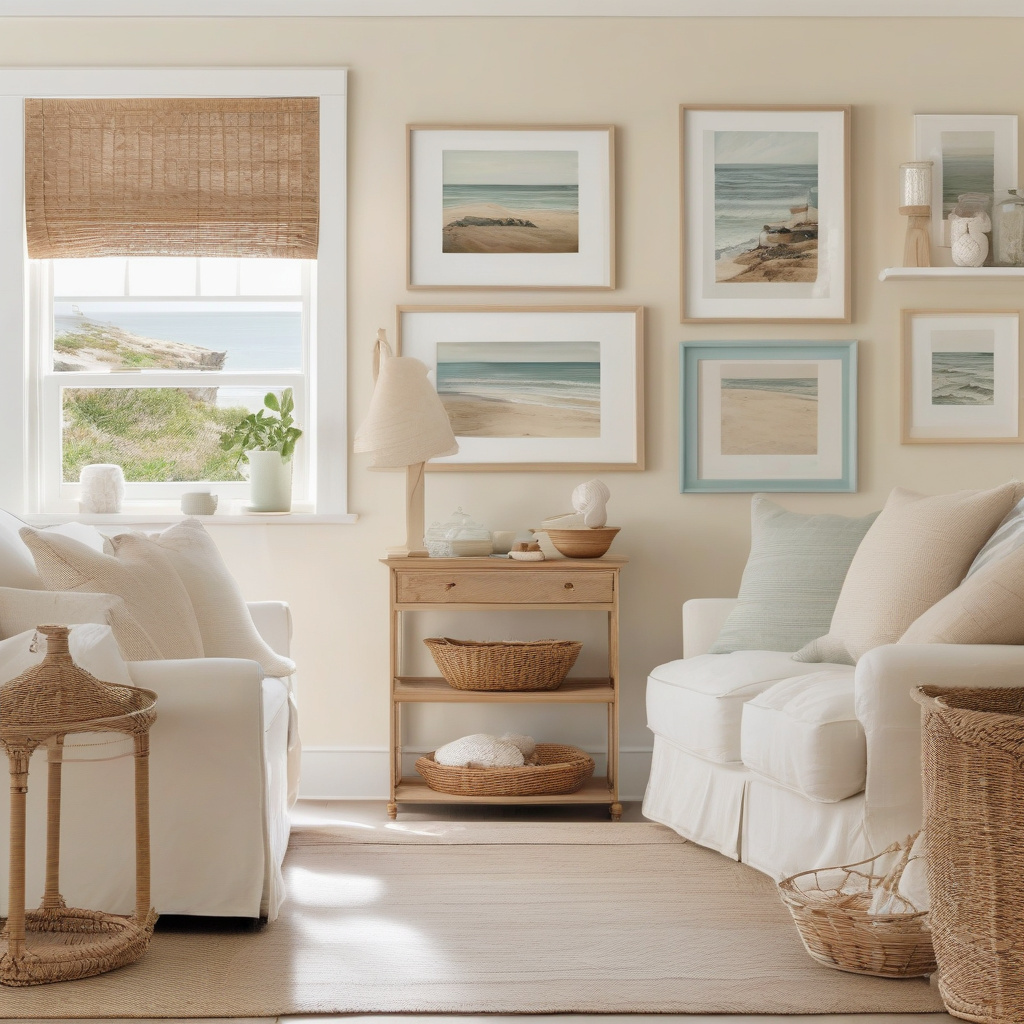
An open dialogue with a designer can help marry aesthetic priorities with functional needs. The idea is to craft an internal atmosphere that echoes the outside world, ensuring continuity and a heightened sense of space.
For those in urban settings, various glazing options can dictate the internal ambiance. By selecting finishes that maximize natural light, your home can feel both breezy and private, an inviting urban sanctuary.
A 2023 study revealed that 78% of prospective buyers in Los Angeles prioritized homes with cohesive interior and exterior window designs, underscoring the growing influence of uniformity in real estate desirability.
Weighing the Influence of Materials
Choosing materials is as much about pragmatism as it is about aesthetics. The sun-soaked climate of Southern California means selecting materials that can endure prolonged exposure without fading or warping.
Common materials include wood, aluminum, vinyl, and fiberglass—each offering unique advantages. Wood is synonymous with elegance and insulating effectiveness, making it a perennial favorite for traditional homes. Conversely, aluminum offers a minimalist appeal that caters to modern design standards, though it may lack insulation compared to wood.
In neighborhoods like Hollywood Hills, choosing the right materials not only impacts appearance but also energy efficiency—a crucial consideration in a city known for its summer heatwaves. Homeowners and renovators here weigh these factors heavily when embarking on window projects.
Ultimately, investing in durable materials translates to long-term savings and structural integrity. Consulting with a materials expert can provide insights into the relative costs and benefits, guiding your decision towards sustainable options.
According to an industry expert, “Investing in high-quality window materials can reduce energy bills by up to 20% annually in Southern California, thanks to improved insulation properties.”
The Economics of Window Renovation in L.A.
Window replacement is not just about aesthetics; economics plays a significant role. The cost will vary depending on the scope, stylistic preferences, and materials selected. Many find themselves caught between settling for lower-cost solutions and investing in high-end upgrades that promise longevity.
The table below provides a comparative analysis of popular window renovation options available in Los Angeles, focusing on costs, durability, and design attributes:
| Material | Cost Range | Durability | Design Versatility |
|---|---|---|---|
| Wood | $800-$1,200 per window | High | High |
| Aluminum | $400-$800 per window | Moderate | Low to Moderate |
| Vinyl | $250-$600 per window | Moderate to High | Moderate |
| Fiberglass | $500-$1,000 per window | High | High |
In a city where prices can fluctuate dramatically based on supply chain challenges and location, staying informed is pivotal. Homeowners exploring these renovations should weigh the upfront costs against anticipated energy savings and increased property value.
Moreover, financing options and city incentives for energy-efficient renovations are available, offering further financial motivation for homeowners to invest in greener solutions.
Practical Tips for Window Harmony
Returning to the essential question of how to match new windows with your home’s overall design entails several practical strategies. A well-executed project considers not only the aforementioned stylistic and material aspects but also anticipates future maintenance needs.
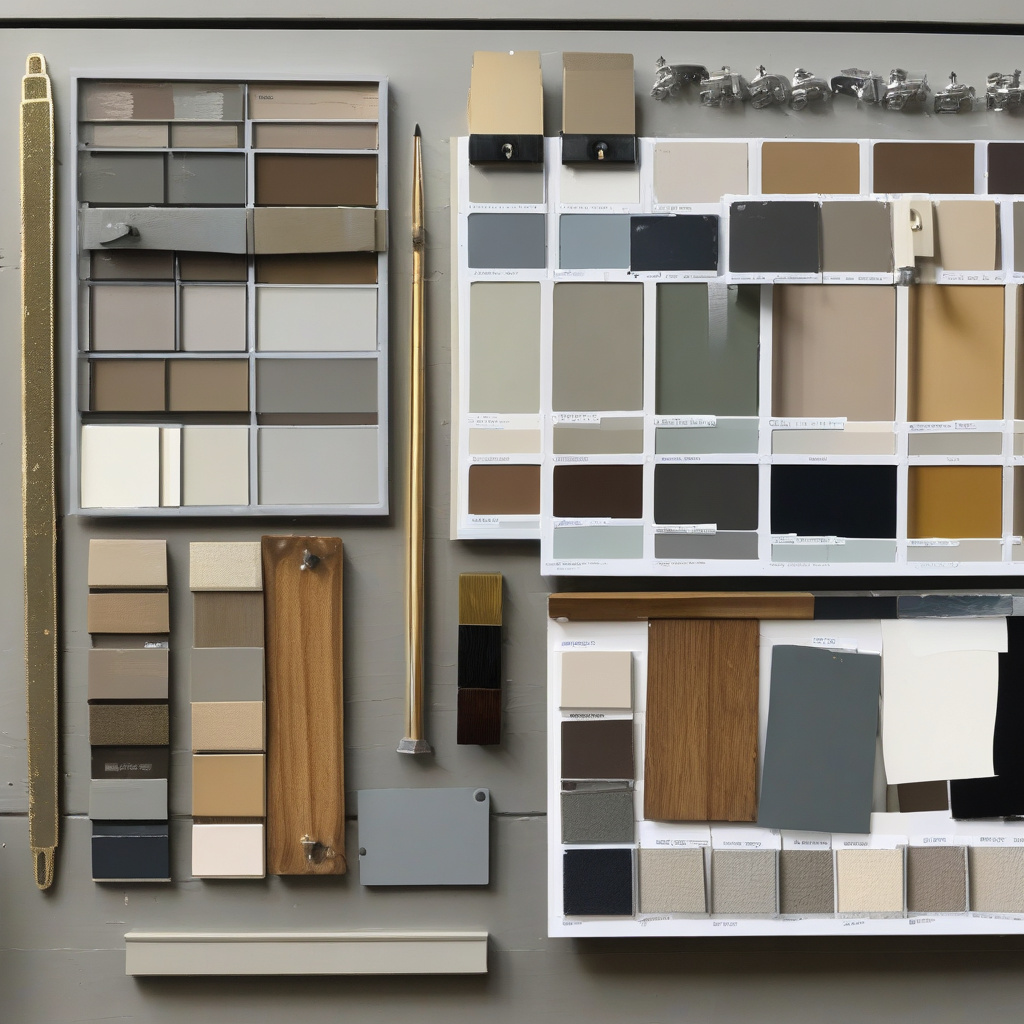
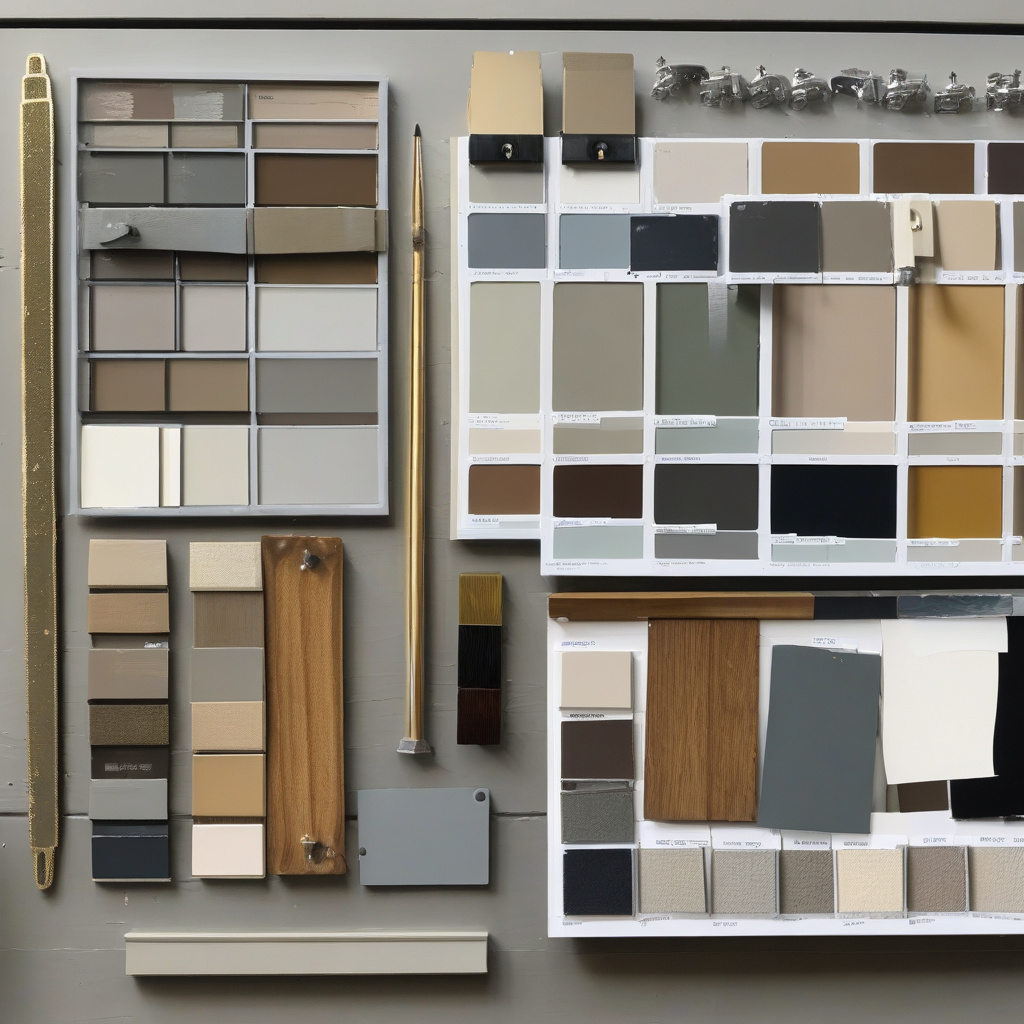
One effective approach involves staging mock-ups. By testing sample frames and colors against your home’s current setup, you gain valuable foresight into how the completed work will look. Additionally, leveraging online design tools can offer a rudimentary visualization of different schemes.
Another vital consideration is protective coatings. For homeowners intent on durability, low-emissivity coatings provide an eco-friendly option to maintain aesthetics while enhancing energy efficiency. This is particularly crucial in Southern California, where heat reduction translates directly into savings.
Finally, embracing sustainability trends benefits both the environment and personal finances. Opting for materials and techniques that reduce carbon footprints and energy bills can pay dividends, a sentiment increasingly echoed by green-conscious Californians.
Collectively, these strategic measures ensure your window renovation harmonizes with your home’s character while contributing positively to environmental and economic goals.
“Implementing sustainable window solutions has shown to increase home values by up to 15% in Los Angeles neighborhoods, reflecting a growing market preference for eco-friendly homes.” — Recent Realtor Survey, 2023
- Identifying your home’s architectural style aids in selecting complementary window frames.
- Choosing the right window colors dramatically enhances curb appeal and marketability.
- Harmonizing window design between interior and exterior ensures a unified aesthetic.
- Invest in durable materials to maximize both appearance and energy efficiency.
- Practically evaluating options with mock-ups and coatings optimizes renovation outcomes.
FAQ
How do I select window frame colors that complement my home’s exterior?
In real renovation projects, discerning the perfect window frame color requires a careful blend of aesthetics and practicality. Imagine a single-family home nestled on a tree-lined street in California, its warm adobe walls reflecting the late afternoon sun. A deep, earthy walnut frame not only complements the exterior tones but also seamlessly integrates the home into its natural setting. Many experts point out that shades should either subtly match or effectively contrast with the house’s dominant colors, creating a balanced visual appeal. A common mistake homeowners make is opting for trendy colors without considering longevity and compatibility with other design elements.
What factors influence the choice of window frame materials?
Homeowners frequently underestimate the role of climate in choosing window frame materials. In sunnier areas like Southern California, UV resistance is crucial. Vinyl frames offer excellent durability against sun damage, whereas in areas prone to moisture, such as close to the coast, aluminum or composite frames provide better resilience against warping and corrosion. Cost is another pivotal factor; while wood frames lend a classic look, they demand regular maintenance, making them more suitable for those willing to invest time in upkeep. In contrast, fiberglass can be a cost-effective choice for newer builds seeking a sleek, modern appearance.
When does it make sense to choose darker window frame colors?
Darker window frame colors often serve well in creating a dramatic contrast, especially in homes with light-colored walls. This strategy can highlight architectural features, making a bold statement against white or cream exteriors. In older properties undergoing renovation, using black or charcoal frames can infuse a touch of modernity while respecting the historical essence. However, the potential downside is that darker frames may absorb more heat, causing thermal expansion issues if not properly selected or installed. Proper installation by experienced professionals is essential to mitigate these concerns.
What are typical mistakes to avoid when choosing window colors?
In practice, an all-too-common error is disregarding the interplay between indoor and outdoor color schemes. For example, a vibrant exterior frame might clash with your cozy, earth-toned living room, causing a discord every time you look outside. Another misstep is ignoring the future color scheme of your home; with renovations sometimes revealing unexpected opportunities or constraints, adaptability of the frame color becomes vital. Moreover, consider seasonal lighting changes, which can alter the appearance of both your home and the frame color throughout the year.
How much should I expect to spend on window frames?
Cost considerations fluctuate widely based on materials and finishes. For instance, premium wood frames can range from $350 to $600 per window, offering an elegant look with added maintenance demands. Vinyl frames, a popular choice for their affordability and low upkeep, generally cost between $150 and $400. Aluminum, providing robustness for modern builds, may vary from $300 to $700. Engaging with local suppliers is often a practical tip only available to determine precise costs and availabilities, ensuring you align your choice with both budgetary constraints and stylistic needs.
What are the pros and cons of using wood window frames?
Wood window frames exude timeless appeal, adding warmth and elegance to any home. In many renovation settings, particularly older homes, wood provides a necessary nod to tradition. However, the maintenance aspect cannot be overlooked. Repeated exposure to the elements means that wood requires consistent sealing or painting to prevent deterioration. On the climatic front, wood is an excellent insulator, maintaining comfortable indoor temperatures year-round. But, it isn’t as resistant to moisture as other materials, leading to potential warping and decay if not carefully maintained over time.
What maintenance do different window frames require?
The maintenance spectrum for window frames is as varied as the material choices themselves. Vinyl frames are lauded for their minimal upkeep, often only needing an occasional wash to remove dirt. On the other hand, a home adorned with wooden frames demands regular painting or sealing to protect against weather-induced wear. Aluminum frames, though durable, may require periodic checks for corrosion, especially in coastal environments. In practice, consistent maintenance extends the life of all window frames, ensuring your investment continues to enhance your home’s aesthetic and functional value.
What are the benefits vs. limitations of using aluminum window frames?
Aluminum window frames bring a sleek, contemporary look to newer builds. Their strength allows for thinner profiles and larger glass expanses, maximizing natural light. Particularly in urban settings, their resistance to rust and warping enhances durability. However, aluminum is a poor insulator, potentially leading to higher energy bills due to thermal transfer. Innovations in thermal breaks within aluminum frames are mitigating these issues, but they often come at a higher cost. Weighing aesthetic benefits against energy efficiency is crucial for homeowners in regions with varied climates.