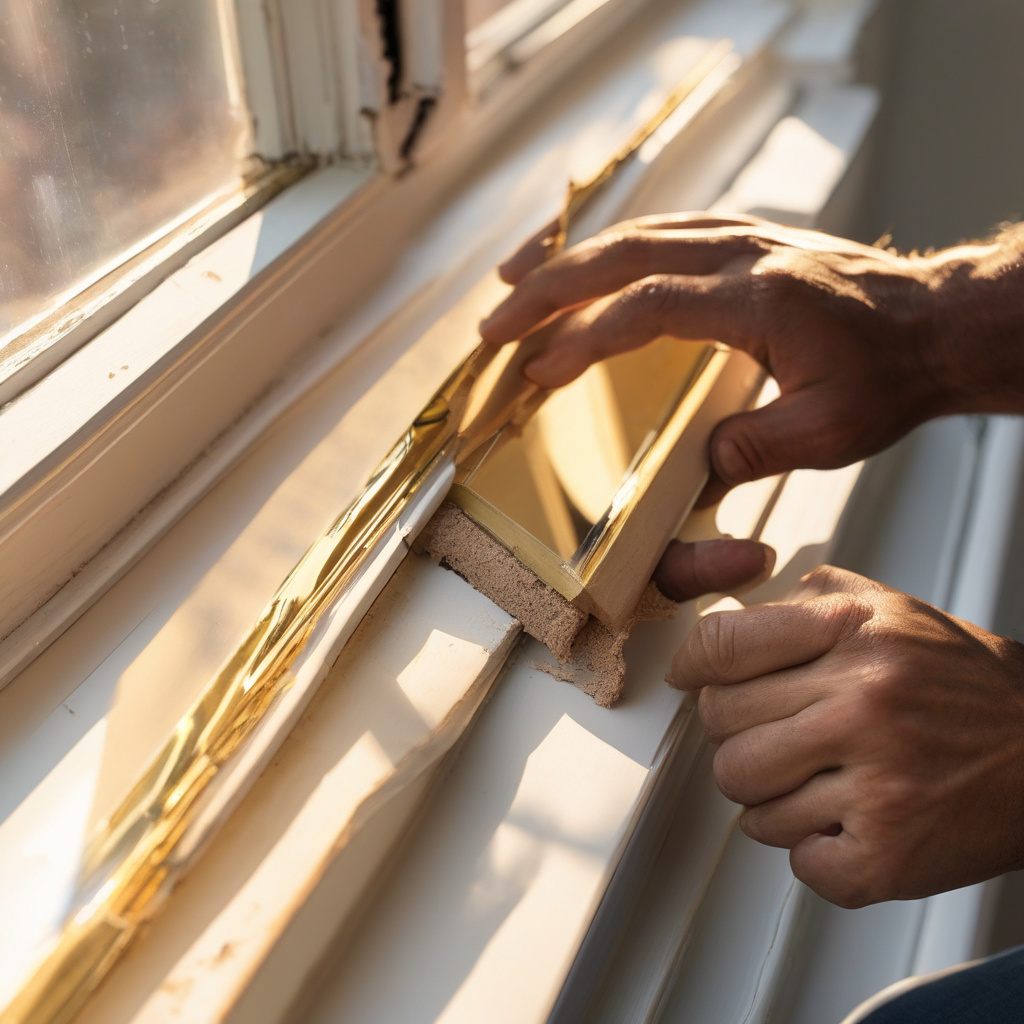
Replacing your windows might not evoke the same thrill as planning a glossy new kitchen or a lavish bathroom, but it has its own genuinely transformative magic. Beyond refreshing the appearance of your home, new windows can enhance energy efficiency, improve security, and boost property value. For the many homeowners in Southern California dreaming of an upgrade, understanding the intricacies of window replacement is key to a successful project.
Brief summary: This article offers a detailed step-by-step guide to the window replacement process for homeowners in Southern California, elucidating timelines, preparation requirements, and unique stages. Incorporating real-life scenarios, the piece touches on cost considerations, material choices, and the overall impact of the process, enriched with expert insights and homeowner experiences.
Understanding the Basics: Window Replacement 101
In Los Angeles, where the homes tell stories from different epochs, window replacement is both an art and a science. The process begins with comprehension—whether you’re considering a full-scale overhaul or just a few windows. Generally, window replacement entails removing old frames and panes and installing pristine alternatives. This task requires an eye for detail and a knack for precision.
Preparation is the first crucial step. It involves evaluating the current window architecture and deciding on the scope of the project. Homeowners should begin by assessing damage and envisioning what they want to achieve. A common pitfall is underestimating the time needed for this crucial phase.
Astute homeowners frequently gather inspiration from regional resources on window design trends. A tour of historical neighborhoods might also pique your curiosity about unique styles that meld with contemporary demands.
As experts often note, thorough planning can save both time and money. It’s advisable to consult with a local contractor who knows the nuances of Los Angeles homes. They can provide insights into the permitting process, which can vary between municipalities.
In Southern California, updated windows can increase home value by as much as 10%, highlighting their role as a wise investment.
In conclusion, understanding the basics can set the foundation for a smoother transition, avoiding surprises and ensuring an outcome that aligns with your home improvement goals.
Decoding the Timeline: How Long Does It Really Take?
In renovating across Los Angeles, time is every bit as precious as the sunlit patios our homes are famous for. The timeline of a window replacement project varies based on several factors, including the size of your home and the extent of the work. Typically, the process ranges from a few days to several weeks.
Getting the Timing Right
After agreeing on the replacement plan, it’s time to order the windows. Custom designs take longer, possibly several weeks, especially for those choosing a Spanish-style window replacement. Once the windows are ready, installation in a single home may span a couple of days.
Preparation and installation phases should also consider Los Angeles’ unique climate. Experts suggest scheduling replacements during mild weather conditions, typically in spring or fall, to avoid the summer’s swelter and winter’s chill.
Coordination with contractors is vital at this stage. Frequent communication can preempt delays and ensure that materials arrive when needed. It’s also normal for slight delays to occur, so staying flexible is beneficial.
Ultimately, while the timeline might stretch depending on specific choices, a clear understanding at this juncture ensures realistic expectations and facilitates smoother execution.

Materials and Costs: Navigating Your Options
One of the most pivotal decisions in window replacement is selecting materials that suit your preferences, budget, and the architectural soul of your home. Material options span traditional wood, which provides the authentic warmth beloved by Los Angeles’ older homes, to modern aluminum, known for its sleek durability.
Material Considerations
The choice of material affects not only aesthetics but also cost and longevity. Vinyl, for example, offers an economical alternative to wood while also being energy efficient. Aluminum and fiberglass options serve those seeking durability over the long haul.
Cost considerations should also include accessories like window colors and frame ideas. Tailor your choices to enhance and not overwhelm your existing decor. Information from expert color and frame design guides can provide invaluable direction.
Considering energy efficiency can translate into long-term savings. Tax credits or rebates for those opting for energy-efficient models are worth exploring to offset initial costs.
Professionals caution to strike a balance between upfront costs and future value. While it might be tempting to opt for cheaper alternatives, looking at durability and maintenance costs ensures wiser decisions.
Experts suggest that vinyl windows offer a cost-saving of up to 30% over wooden frames while maintaining robust insulation properties.
In summary, your material and cost choices will mold the framework of your renovation, demanding careful contemplation and informed decision-making.
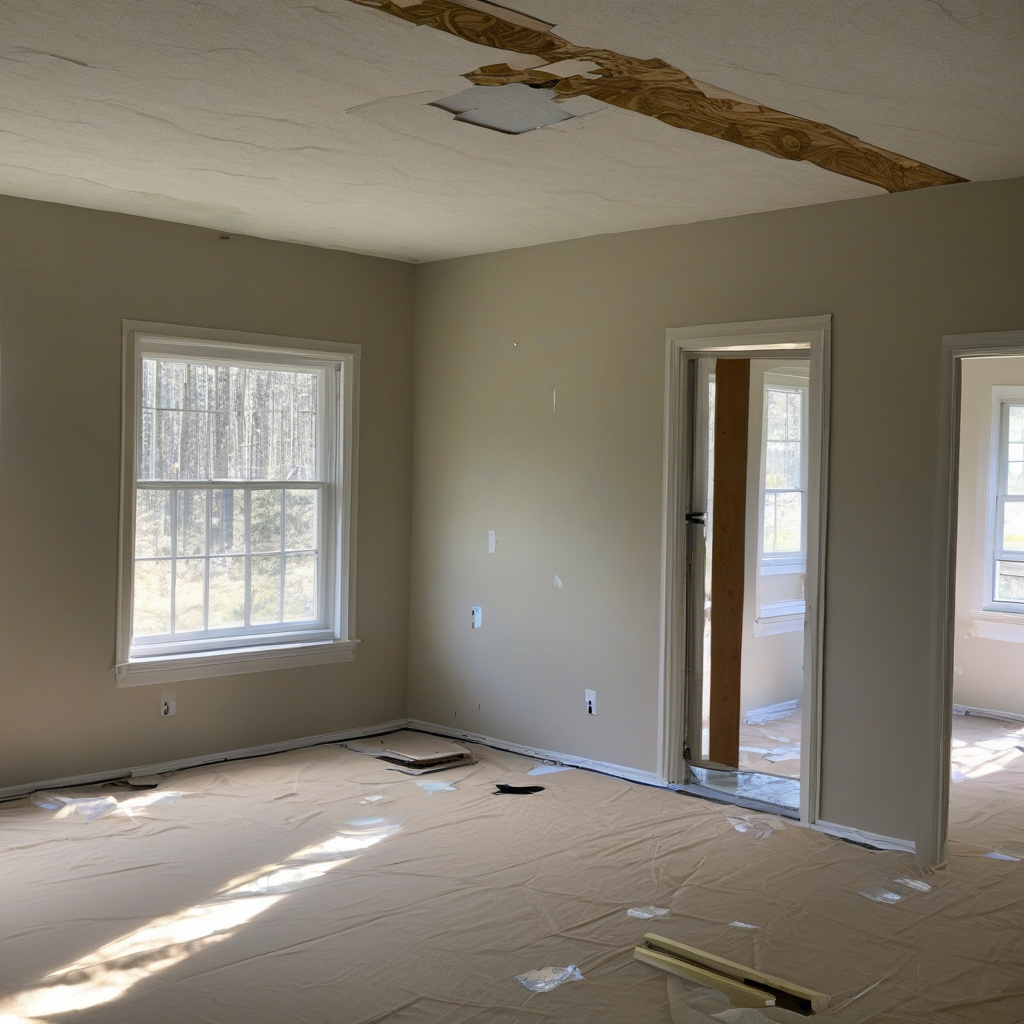
Comparing Approaches: Retrofit Windows vs. New Construction
One of the hurdles homeowners face is deciding between retrofit windows and entirely new construction. Each method has distinct benefits and drawbacks, shaping your overall renovation experience.
Retrofit windows, or replacement windows, fit into existing frames. This method minimizes disruption, often preferred for its simplicity and cost-effectiveness. However, relying on existing frames can limit design options and occasionally compromise insulation.
Conversely, new construction involves removing the frame to install an entirely new window. While this allows for the incorporation of contemporary designs and optimal insulation, it’s also a more extensive and costly process.
Conduct a detailed comparison of window installation methods to evaluate which approach aligns with your goals, timeline, and budget.
| Aspect | Retrofit Windows | New Construction |
|---|---|---|
| Cost | Lower | Higher |
| Installation Time | Quicker | Longer |
| Design Flexibility | Limited | Extensive |
| Maintenance | Varies | More Involved |
Choosing between retrofit and new construction windows ultimately depends on personal priorities, be it budget constraints or architectural ambitions.
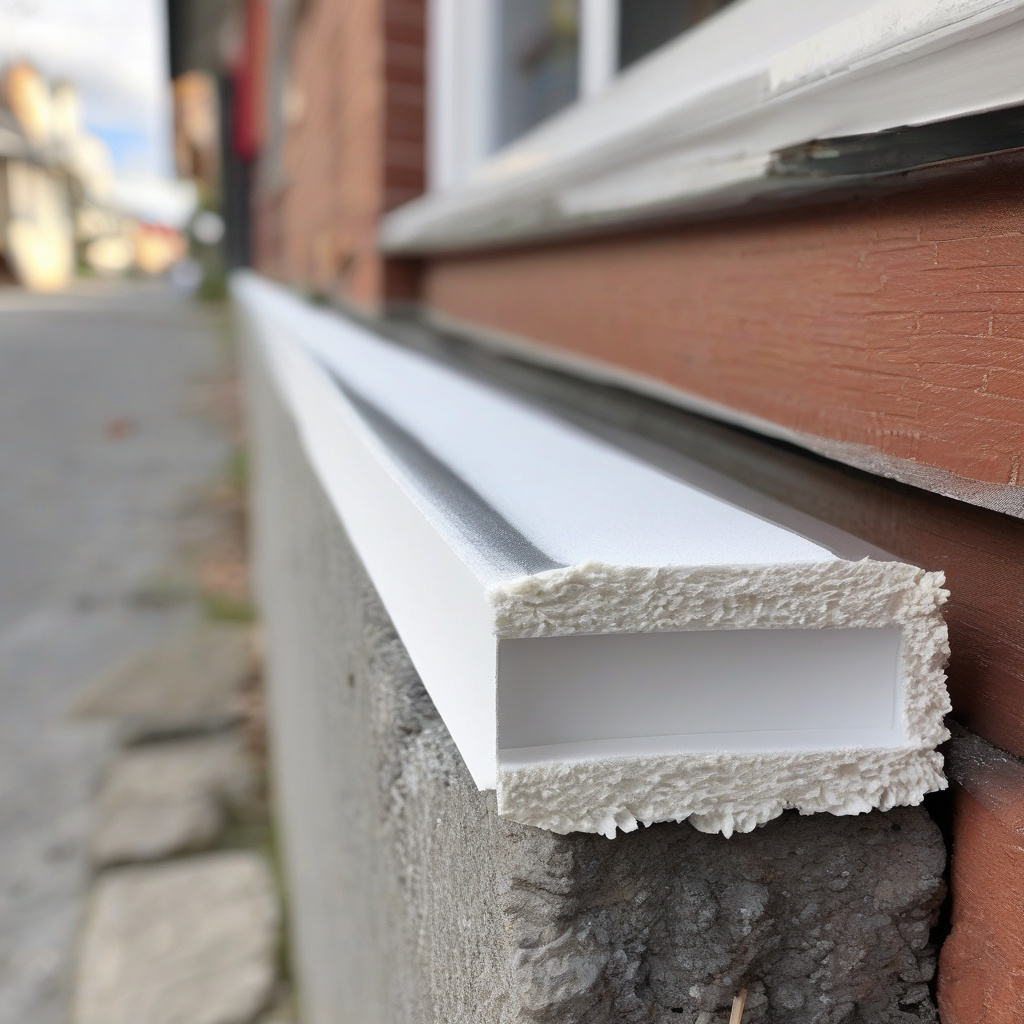
Installation Day: What to Expect
Come installation day, multiple moving parts culminate into a dynamic yet organized process. Homeowners should anticipate a cadre of specialists, including carpenters, glaziers, and perhaps even a few apprentices keen to master the trade.
Preparation is half the battle won. Ensure that spaces around old windows are accessible—move furniture and remove window dressings. Protect your flooring with covers and clear pathways to facilitate movement.
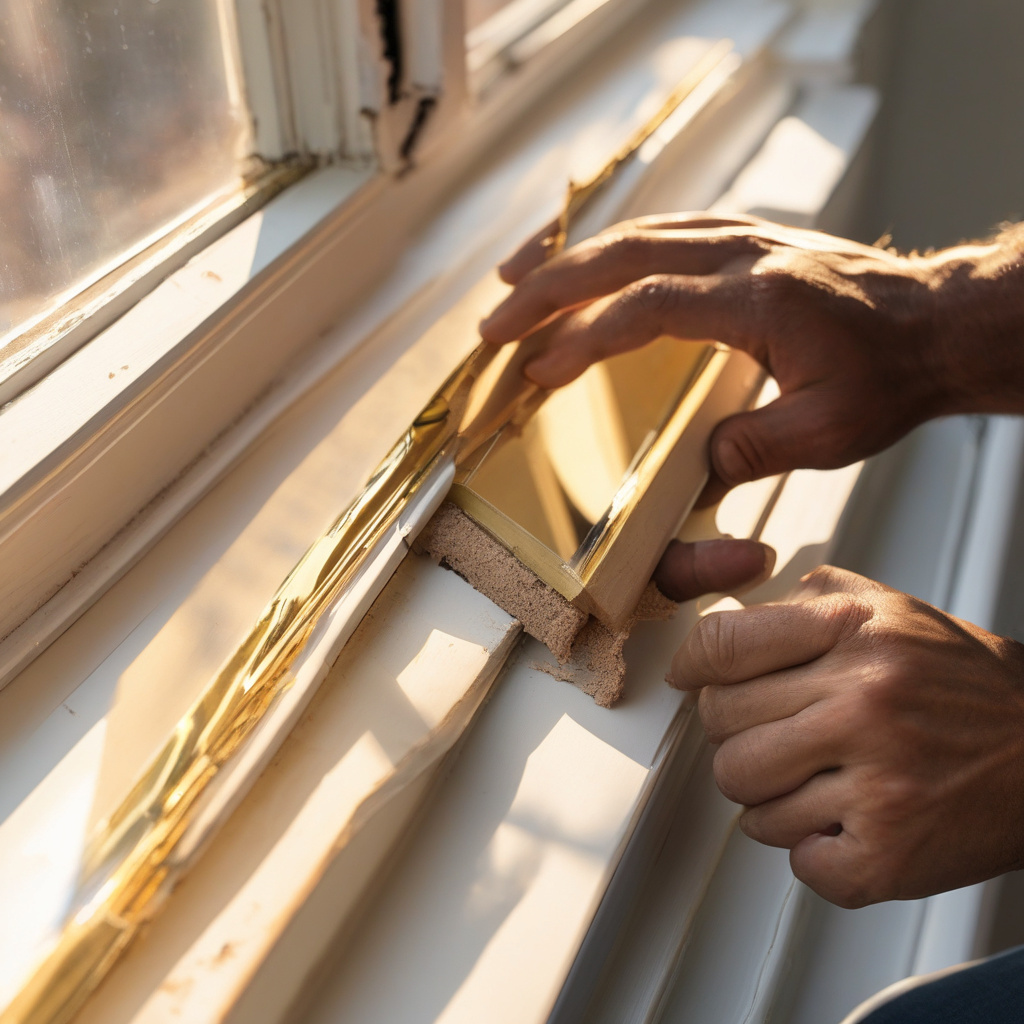
Contractors will first dismantle the old windows. This stage may be noisy, but preparation minimizes disruption. New frames and panes are put in place, precision being key to avoid drafts and ensure security.
Once installed, the final touches like sealing and caulking follow, enhancing insulation and elevating aesthetics. Post-installation cleanup is usually quick, restoring your home to its revamped glory.
Lastly, ensure your contractors provide a thorough walk-through, explaining the features and maintenance of your new windows. This understanding empowers you to make the most of your investment.
Industry professionals highlight that well-installed windows can reduce energy bills by 15% on average, further underscoring their efficiency.
Installing windows transforms not just your home but also your living experience, blending comfort, modernity, and increased value seamlessly.
Final Considerations: Maximizing Your Return on Investment
A window replacement project is not only about addressing current functional issues but also about future-proofing your home. This venture, when done correctly, can yield noteworthy returns. Across Los Angeles, fine-tuning your choices and execution can greatly influence those returns.
Prioritize energy efficiency to maximize your return on investment. Look into how cutting-edge window technology can contribute to your home’s energy ratings.
Post-renovation doesn’t mean post-attention. Regular maintenance extends the life of your windows and sustains their aesthetic and functional benefits. Simple cleaning and periodic checks can suffice for maintaining optimal condition.
Engage with the local community, whether through online forums or neighborhood meet-ups, to share experiences and advice. This communal knowledge pool can provide ongoing support long after installation.
In essence, leveraging your window replacement venture involves informed choices, proactive maintenance, and community engagement, leading to long-lasting satisfaction and return on investment.
- Understand basic window replacement steps before starting your project.
- Evaluate timelines to avoid unforeseen delays.
- Choose materials and styles that align with your home’s character and budget.
- Consider the advantages and disadvantages of retrofit vs new construction windows.
- Prepare thoroughly for installation day to ensure minimal disruption and maximum efficiency.
FAQ
What is the window replacement process and why is it important for homeowners to understand?
The window replacement process involves removing old windows and installing new ones. It’s crucial for homeowners to understand each step because it aids in preparation, minimizes surprises, and ensures a smooth project. Many homeowners don’t realize how detailed the process can be—often, it’s not just replacing frames but also assessing and addressing structural elements. For instance, in older California homes, it’s common to discover hidden damage such as rot, which needs swift attention to avoid future issues. Understanding this process makes budgeting and planning more effective, contributing to a successful home renovation.
How do you choose the right type of windows for replacement?
Selecting the right windows hinges on factors like climate, home style, and energy efficiency. For California homes, energy-efficient windows are paramount due to regulations and the sunny climate. Many experts recommend considering double or triple glazing to cut down on energy bills. In real projects, mismatched window styles often disrupt a home’s aesthetic, so maintaining a cohesive design is key. Always assess local climate demands and consult with a reputable contractor. If you’re unsure, speaking with professionals who specialize in this area can provide invaluable guidance. Consider reaching out through reputable sources for more personalized advice.
When is the best time to replace windows, and what factors should I consider?
Timing window replacement depends on climate and personal schedules. Generally, spring or early fall are ideal in California when temperatures are mild, reducing discomfort and ensuring caulking cures properly. However, busy contractors may be less available during these peak times. Some homeowners opt for winter installations when schedules are looser and might secure better prices. An important factor is the condition of your existing windows. If they become drafty or difficult to operate, delaying replacement could lead to higher energy bills and discomfort. Therefore, always align your schedule with your home’s needs.
What are the costs involved in window replacement and what should homeowners budget for?
Window replacement costs vary based on materials, window type, and labor. On average, homeowners might spend between $300 and $1,000 per window installed in California, with custom solutions scaling higher. It’s crucial to budget for potential complications like frame repairs or code compliance upgrades, which are often unplanned yet essential. In real projects, overlooking these contingencies leads to budget overshoots. Homeowners frequently make the mistake of comparing only upfront costs without considering long-term savings from energy-efficient models. For detailed cost estimates tailored to your area, you might want to consult directly with renovation experts who can provide insights.
What are some common mistakes to avoid during the window replacement process?
A frequent mistake is prioritizing cost over quality, leading to premature failures and further expenses. In real-life renovations, this becomes evident when cheap windows falter under California’s varied weather conditions. Additionally, DIY installations without professional guidance often result in improper sealing, causing drafts and water infiltration. Another critical error is not considering local codes and regulations, which can result in costly reworks. Homeowners should focus on long-lasting solutions that fit their home’s architecture, consulting professionals to gain a clear understanding of installation do’s and don’ts. If you’re looking for expert advice, contacting seasoned contractors can be beneficial.
What are the pros and cons of replacing windows in single-family homes?
Replacing windows in single-family homes offers enhanced energy efficiency, increased home value, and improved aesthetics. In practice, many homeowners experience noticeable comfort enhancements, as new windows reduce noise and drafts. However, the downside includes the upfront investment and potential for unforeseen structural repairs, especially in older homes where surprises like rotten sills may emerge during installation. Balancing these pros and cons involves weighing immediate financial impacts against long-term benefits. For California homeowners, prioritizing energy-efficient windows can yield significant utility savings over time, making it a generally wise investment.
How can homeowners prepare their homes for window replacement?
Preparing for window replacement involves clearing the work areas, removing window treatments, and safeguarding indoor furnishings. Homeowners should expect noise and some disruption. It’s beneficial to verify access routes, ensuring paths are clear for contractors. A common oversight is neglecting to secure pets in a safe zone, which can lead to stress for both animals and installers. In real renovation scenarios, preparation smoothens operations, minimizing delays and ensuring safety. As a practical tip, scheduling a pre-installation walkthrough with your contractor can iron out logistics and set mutual expectations.
What are the potential risks involved in window replacement, and how can they be mitigated?
Risks in window replacement include structural damage, improper installation, and code compliance issues. These can lead to safety concerns and additional costs, especially when latent defects like framing rot are unaddressed. Many experts point out the value of thorough initial assessments to identify and plan for such risks. Hiring a licensed and experienced contractor significantly mitigates these hazards, ensuring work adheres to standards. In real projects, this proactive approach reveals itself in fewer post-installation issues. For further information, consider consulting with professionals who can provide tailored advice, and if you need assistance, don’t hesitate to reach out for expert recommendations.