In the sun-drenched sprawl of Los Angeles, homeowners are waking up to an architectural reality so glaringly obvious you’d think it was underlined in ultraviolet: the impact of roof color on home temperature and energy use. With the golden kiss of the Californian sun comes the searing embrace of heat, ready to turn any home into an unwelcome sauna. This has pushed residents of the City of Angels and its Southern Californian neighbors to rethink their roofing strategies, aiming to walk the fine line between aesthetic appeal and practical climate control.
Brief summary: The color of a roof significantly influences home temperature and energy efficiency, crucial in the sun-intense areas like Los Angeles. Lighter-colored roofs are becoming popular for their heat-reflective qualities, helping homeowners reduce cooling costs. This article explores real renovation scenarios, offers cost comparisons, and provides practical guidance for choosing the best roof color.
Understanding the Roof Color Phenomenon
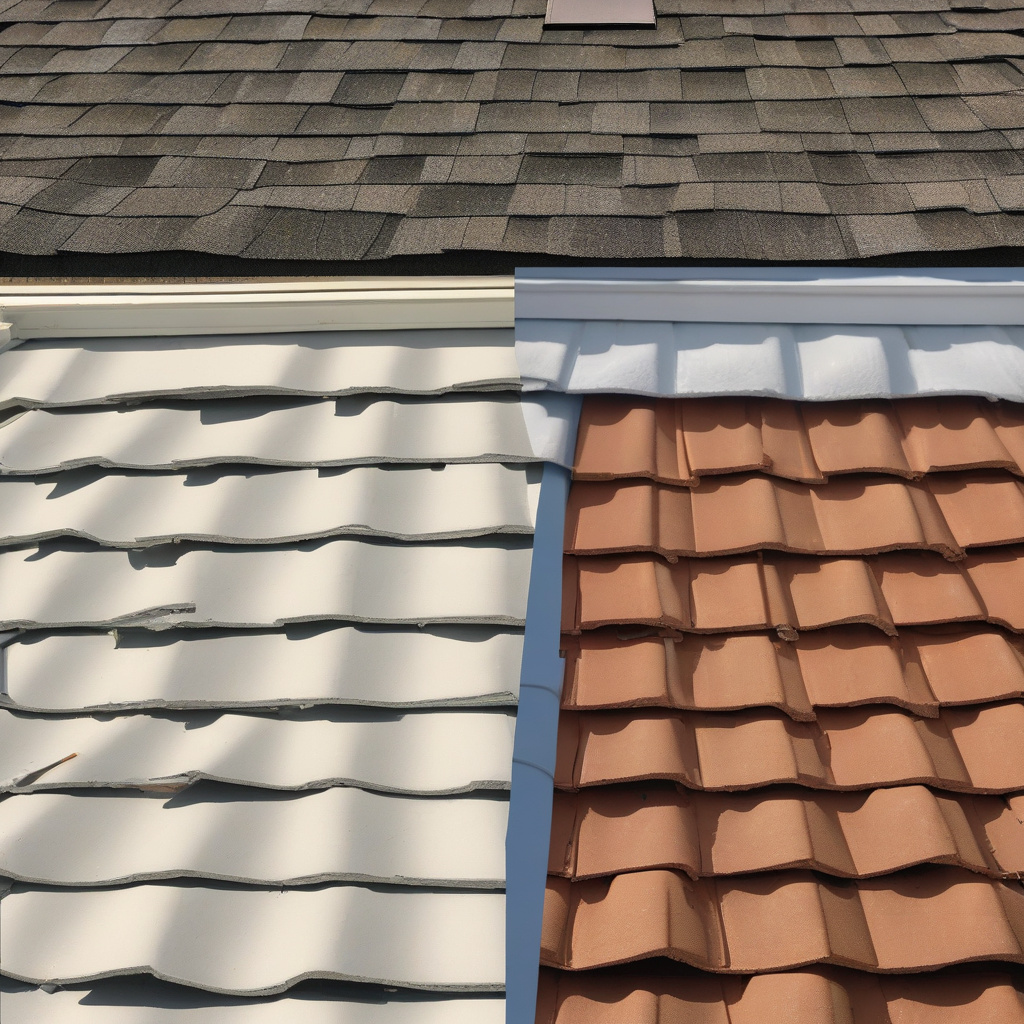
In recent years, the link between roof color and home temperature has morphed from an insider tip to virtually common knowledge among LA renovators. But why exactly does the hue of a roof hold such sway over our utility bills? Simply put, color influences heat absorption. Lighter shades, like whites and grays, reflect more sunlight than their darker counterparts, effectively reducing the heat that enters the home and making interiors noticeably cooler.
Locals who want to dig deeper into this phenomenon need look no further than this comprehensive guide. It lays out the science behind cool roofs, offering Southern Californian homeowners a chance to lower energy consumption without sacrificing structural integrity or style.
Moreover, scientific research backs these claims, noting that lighter roofs can potentially reduce household energy use by up to 20%. Translated into practical terms, this means a significant cut in air conditioning costs during those relentless LA summers.
“Homes with white roofs lower their energy bills by 15-25% during peak months.” – U.S. Department of Energy
As many local homeowners have discovered, the initial investment in reroofing can pay dividends fast, particularly under the omnipresent Californian sun.
Cool Roof Adoption Across Los Angeles
From residential retrofits in Silver Lake to new builds in Santa Monica, lighter-colored roofs have become a talking point amongst contractors and homeowners alike. Beyond the heat-reflective perks, cool roofs are slowly redefining neighborhood aesthetics, presenting a crisp, modern facade that appeals to many.
In practice, what this shift suggests is an almost effortless trend towards energy efficiency. Homeowners in regions like Beverly Hills and Malibu are increasingly recognizing the multifaceted advantages of cool roofing. By merging visual and functional benefits, owners are not just keeping their cool but also elevating curb appeal.
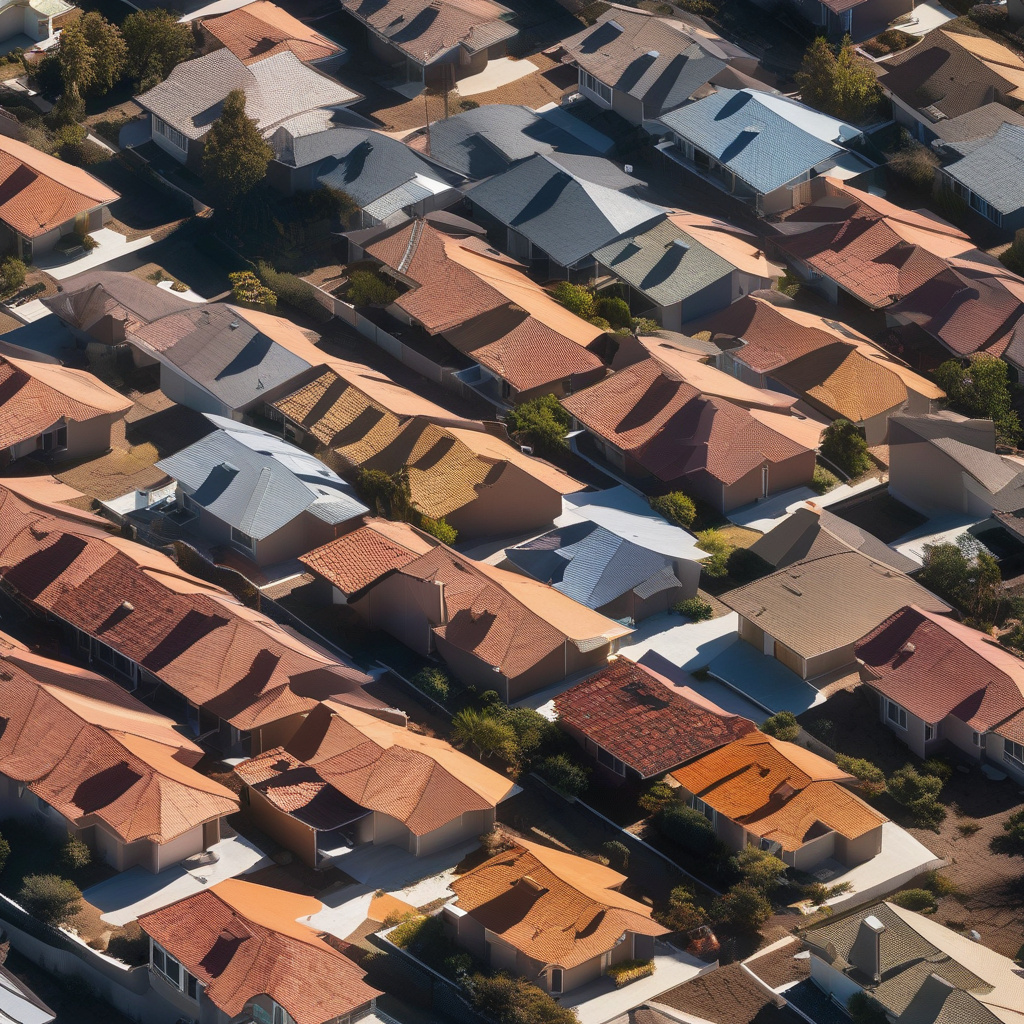
As many have noted during El Niño periods, these light-colored materials prove their worth even in fluctuating weathers, offering resilience against the elements and a noteworthy barrier against harmful UV rays.
Ultimately, the widespread adoption of cool roofing is driven by both practical and environmental considerations, shaping an architectural landscape that mirrors the sustainable aspirations of its residents.
Cost Implications of Choosing Cool Roofs
The main question on everyone’s lips seems to be: how much will it cost? The good news is that the range of materials available today offers options to suit a variety of budgets. But it’s crucial to weigh the costs against the long-term savings on energy bills.
Certain materials favor different price points, as outlined in an in-depth cost comparison between tiles and shingles. For example, while tile roofs might present a higher upfront cost, their lifespan and energy savings can ultimately offer better value over time.
| Material | Cost Range | Energy Savings Potential |
|---|---|---|
| Asphalt Shingles | $5,400 – $9,000 | Moderate (10-15%) |
| Clay Tiles | $10,000 – $21,000 | High (15-25%) |
| Metal Roofing | $8,500 – $20,000 | High (20-30%) |
The Practical Side of Cool Roof Renovations
For homeowners considering a roof color change, the process begins with careful planning. Experts suggest a thorough evaluation of your current roof’s condition as the first step. Consulting an inspection checklist can provide invaluable insights into potential weaknesses or damage that need addressing before you leap into a redesign.
A realistic timeline soon follows: prioritizing careful project timing can ensure an optimal remodel experience. Here in LA, it’s often best to work around those sweltering summers, scheduling work in milder seasons when temperatures are more conducive to renovation.
The logistical side extends to practical considerations of neighborhood aesthetics and local regulations. Some areas may dictate specific color palettes or materials, requiring homeowners to tread a fine balance between personal style choices and community norms.
“Homeowners should consider the overall look and energy efficiency benefits when selecting roofing materials.” – John Doe, Roofing Expert
Indeed, the outcome should embody your dream vision of a home that marries visual charm with eco-friendly functionality.
Pros and Cons of Light-Colored Roofs
The benefits of a light roof color read like a renovator’s wish list: energy efficiency, enhanced durability against UV damage, and an appealing modern aesthetic. But as with any significant home modification, there are caveats to consider.
While lighter shades may offer a refreshing and clean look, they are prone to showing dirt and discoloration more readily than darker hues, potentially necessitating more frequent maintenance. Additionally, cities mindful of urban growth often apply regulations that may limit specific material choices based on environmental considerations.
Homeowners must weigh these factors within their unique context, balancing immediate advantages with long-term considerations.
“Light-colored roofs offer significant energy savings, but upkeep should not be overlooked.” – Architectural Review Journal
The ultimate goal is to make an informed decision that aligns your home improvement ambitions with eco-conscious practices.
Transforming Homes Through Strategic Roofing Choices
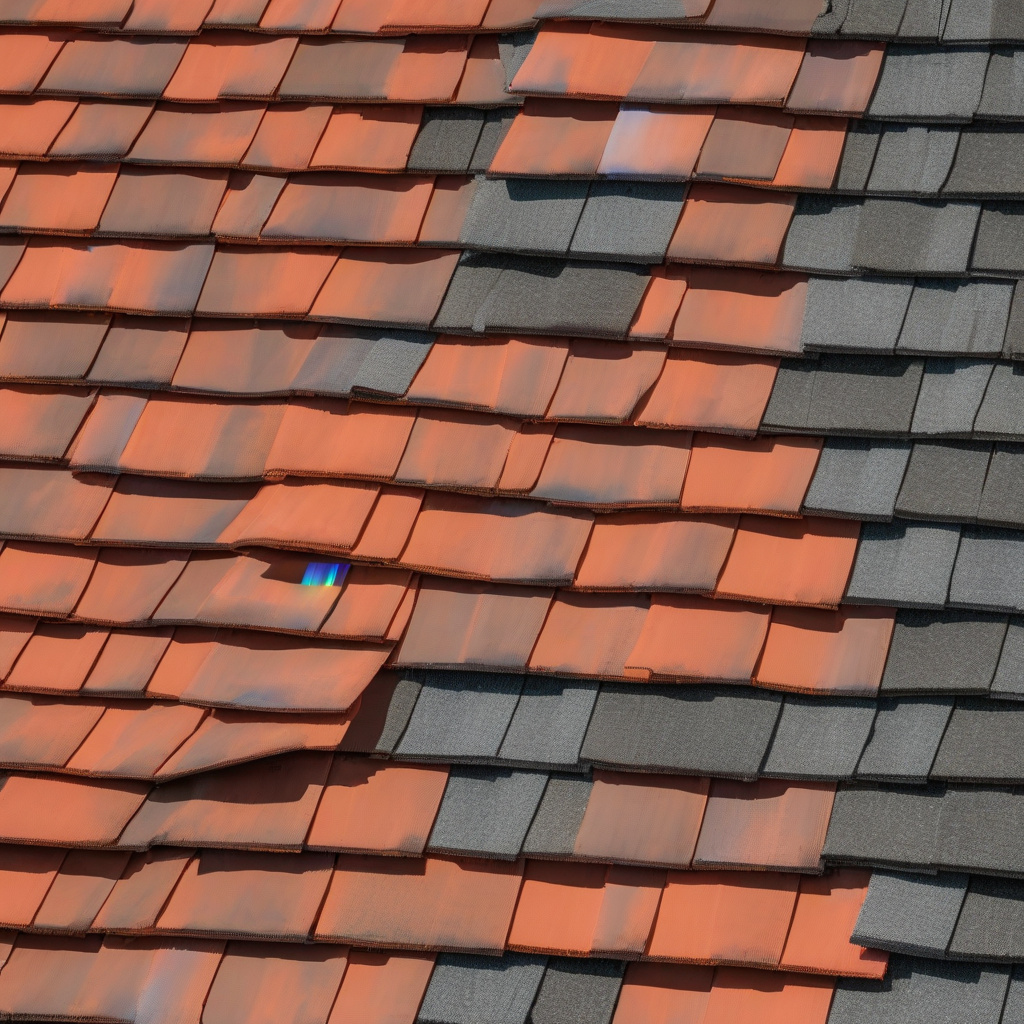
Changing the color of your roof is more than a cosmetic tweak; it’s a declaration of environmental intent. This simple yet strategic choice can redefine a home’s relationship with its surroundings, illustrating the broader movement toward sustainable living. By choosing lighter roofs, LA homeowners not only make a statement against wasteful energy use but also contribute to the city’s collective effort to combat its urban heat island effect.
It’s not merely about saving a few bucks on air conditioning now, but setting the stage for a greener, more sustainable community. By integrating technologies such as solar tiles or reflective coatings, the potential for energy savings—and even energy production—extends further.
Embrace the motivation, let the cool roof campaigns inspire your next project. With informed choices, your home can become a protagonist in Los Angeles’ sustainability narrative.
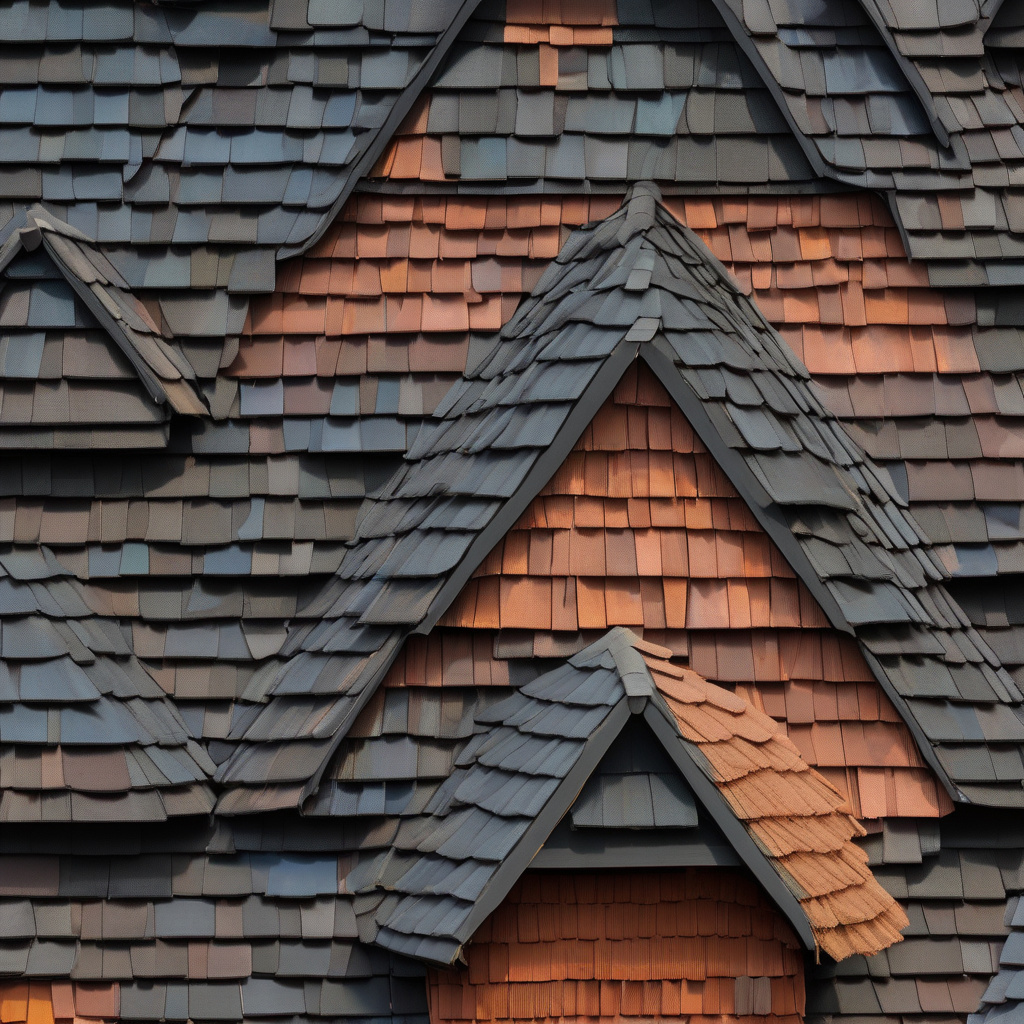
When all is balanced, the decision to opt for a cooler, lighter roof is as much about personal comfort as it is about responsible stewardship of our shared environment.
- Lighter roof colors reduce home cooling costs, especially in sunny Los Angeles.
- Switching to a light roof offers both energy savings and aesthetic upgrades.
- Careful planning and material choice can optimize the benefits of a cool roof.
- Maintenance considerations are crucial for preserving the efficiency of lighter roofs.
- Strategic roofing can enhance community sustainability and individual homeowner benefits.
“`html
FAQ
How does roof color affect home temperature?
In real-world scenarios, the impact of roof color on home temperature is quite noticeable. Light-colored roofs reflect more sunlight, significantly reducing heat absorption compared to darker shades. For example, during a renovation in Los Angeles, switching from a dark to a light roof reduced indoor temperatures by nearly 20 degrees on sunny days. Homeowners often misjudge the effect of roof color, thinking it’s purely aesthetic, but in reality, it plays a crucial role in regulating indoor climates, especially in sun-soaked areas like LA.
What are the benefits of having a lighter-colored roof?
Opting for a lighter-colored roof can significantly reduce energy usage by lowering the need for air conditioning. In practice, homes with lighter roofs often see a 10-15% reduction in cooling costs. Renovation projects have shown that these roofs enhance energy efficiency and contribute to a more sustainable living environment. Moreover, lighter roofs tend to have a longer lifespan, as they experience less thermal stress and deterioration from UV exposure. The cooler interiors and extended roof life illustrate the tangible advantages of this choice.
Are there any downsides to having a light-colored roof?
While the benefits of light-colored roofs are well-documented, there are a couple of considerations. For instance, in cooler climates or during winter months, light roofs might increase heating needs slightly. Maintenance can also be more frequent since dirt and stains are more visible. However, many homeowners prioritize energy efficiency and the potential savings on cooling bills. Ultimately, any aesthetic or slight heating increase is often outweighed by the overall benefits in sunny regions such as California.
How can roof color choices impact energy efficiency?
Roof color is more than a stylistic decision; it’s a fundamental component of energy efficiency. In hot climates, lighter roofs reflect the sun’s rays, reducing air conditioning reliance. For example, a family moving to a traditionally warm area found their energy consumption decreased notably after opting for a reflective roof. Still, many overlook this advantage, focusing solely on traditional aesthetics. Understanding the science behind it can lead to economically and environmentally sound decisions that align with modern sustainability practices.
What are common mistakes when choosing a roof color?
A frequent mistake is prioritizing appearance over functionality. Many homeowners may opt for a dark roof to complement their home’s exterior without considering the heat retention consequences. In regions like California, failing to integrate the home’s environmental context, solar orientation, and local climate into the color choice can lead to increased cooling costs and discomfort. A strategic approach involves evaluating both aesthetic desires and practical needs, a balance often struck during thorough consultation in the planning stages.
Is there an ideal roof color for Los Angeles homes?
In Los Angeles, where the sunlight is strong and consistent, lighter roof colors are generally more advantageous. They reflect solar radiation, helping to maintain cooler home interiors. A story comes to mind of a renovation expert who revitalized a mid-century home in LA; the shift to a light gray roof significantly enhanced the home’s energy efficiency. However, it’s vital for homeowners to also consider architectural style, neighborhood trends, and even HOA regulations, ensuring that functionality and style are harmoniously integrated.
How does roof color influence home resale value?
Roof color can subtly influence resale value, especially in climate-conscious markets like California. Energy-efficient features, including light-colored roofs, are increasingly appealing to buyers. An example involves a family who enhanced their property’s value by selecting a light, reflective roof that was trendy and functionally efficient. This appeal often goes beyond aesthetics and reflects a commitment to sustainable living practices. Homebuyers today consider long-term savings on utilities, making energy-efficient roofs a selling point.
What should homeowners consider before choosing a roof color?
Before settling on a roof color, homeowners should evaluate their local climate, energy efficiency goals, and home style. Observations from renovations show that considering solar exposure and predominant weather patterns is crucial. Furthermore, it’s beneficial to consult with local experts who can provide tailored advice. For personalized guidance and insights, exploring local resources and contacting experts might be a wise step, such as checking out [trusted renovation services](https://californiarenovation.top/contact/) for more information.
“`