California, a state known for its sunny beaches and sprawling urban landscapes, might not immediately bring to mind the intricacies of roof ventilation. Yet, from the bustling cities of Los Angeles to the serene neighborhoods of Southern California, ensuring proper roof ventilation is crucial. It impacts not only the health and safety of homes but also their energy efficiency and longevity.
Brief summary: Roof ventilation is vital in California for improving air circulation, preventing moisture, and reducing heat in attics. This ensures residential efficiency and extends the life of roofing materials. The article explores its significance through real homeowner experiences and practical renovation trends.
The Hidden Importance of Roof Ventilation
For many Californians, the notion of roof ventilation might be as obscure as the inner workings of an old, forgotten contraption. However, as recent home renovation trends suggest, a well-ventilated roof is a silent guardian, tirelessly working to maintain the integrity and comfort of a home’s interior. Many in Los Angeles are discovering that inadequate ventilation can lead to unsavory issues such as mold growth and increased cooling costs.
In an environment where summer temperatures can soar, proper ventilation helps dissipate heat, allowing homes to remain cooler and reducing the burden on air conditioning systems. Moreover, according to a study,
adequate roof ventilation can lower cooling costs by 10-15% seasonally, a significant saving for homeowners
.
The benefits extend beyond comfort and cost savings. Roofing materials face significant wear and tear under extreme conditions, and proper ventilation can prolong their life span, saving homeowners from frequent and costly replacements. Those interested in diving deeper into roofing solutions can find insightful resources at this helpful roofing perspective.
Ultimately, investing in roof ventilation is not merely a trend but a sustainable choice that bolsters the value and resilience of a home.
Understanding the Mechanics: How Ventilation Works
At its core, roof ventilation is an elegantly simple concept, yet executing it effectively often requires a keen understanding of mechanics and environmental factors. This system harnesses natural air currents to circulate air through a home’s attic space, thus regulating temperature and moisture levels. For California’s varied climate, finding this balance is pivotal.
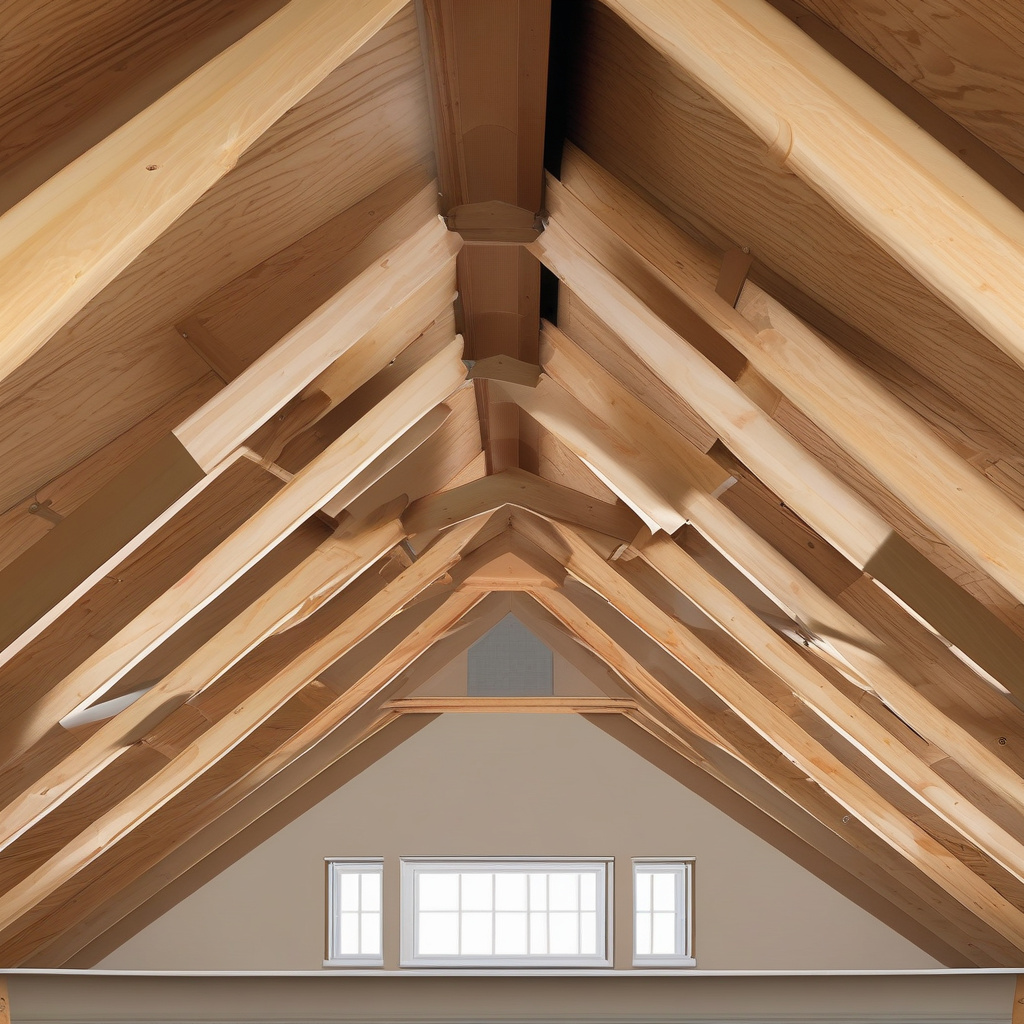
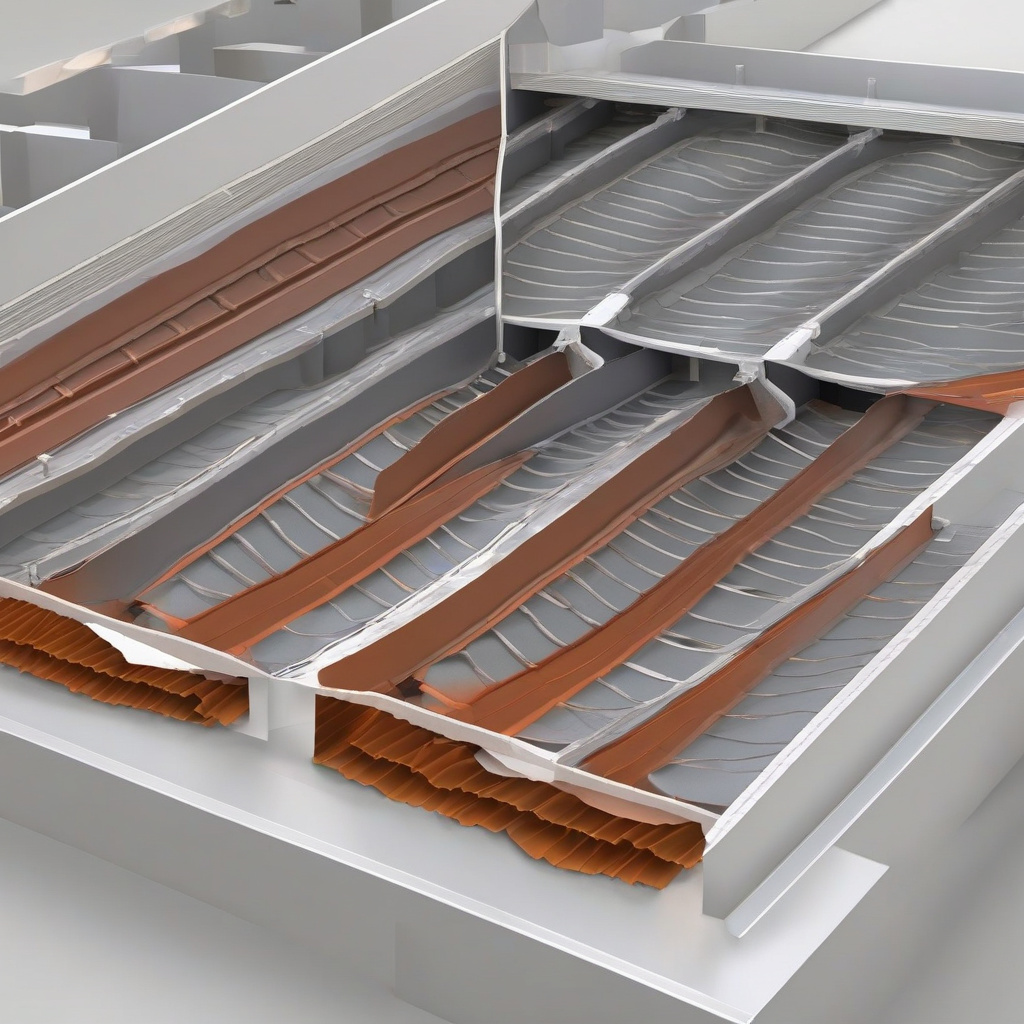
Typically, a ventilation system comprises intake vents placed at the roof’s base and exhaust vents near or at the peak. The design allows cooler air from outside to enter and warm, moist air to exit the attic space efficiently. Local experts often underline,
correct calibration of these components is crucial for optimal performance
.
For homeowners contemplating ventilation, the detailed roof assessment list provides a practical guide to understanding current conditions and potential improvements.
By appreciating these underlying mechanics, homeowners can make informed choices that align with both their environmental and economic priorities.
Planning Your Ventilation: Where to Start
Embarking on a ventilation project demands a solid plan, especially when balancing function with aesthetics. Homeowners often wonder where to start. Firstly, conducting a comprehensive assessment of current ventilation conditions is critical. This involves evaluating existing vent locations, attic temperatures, and signs of excess moisture.
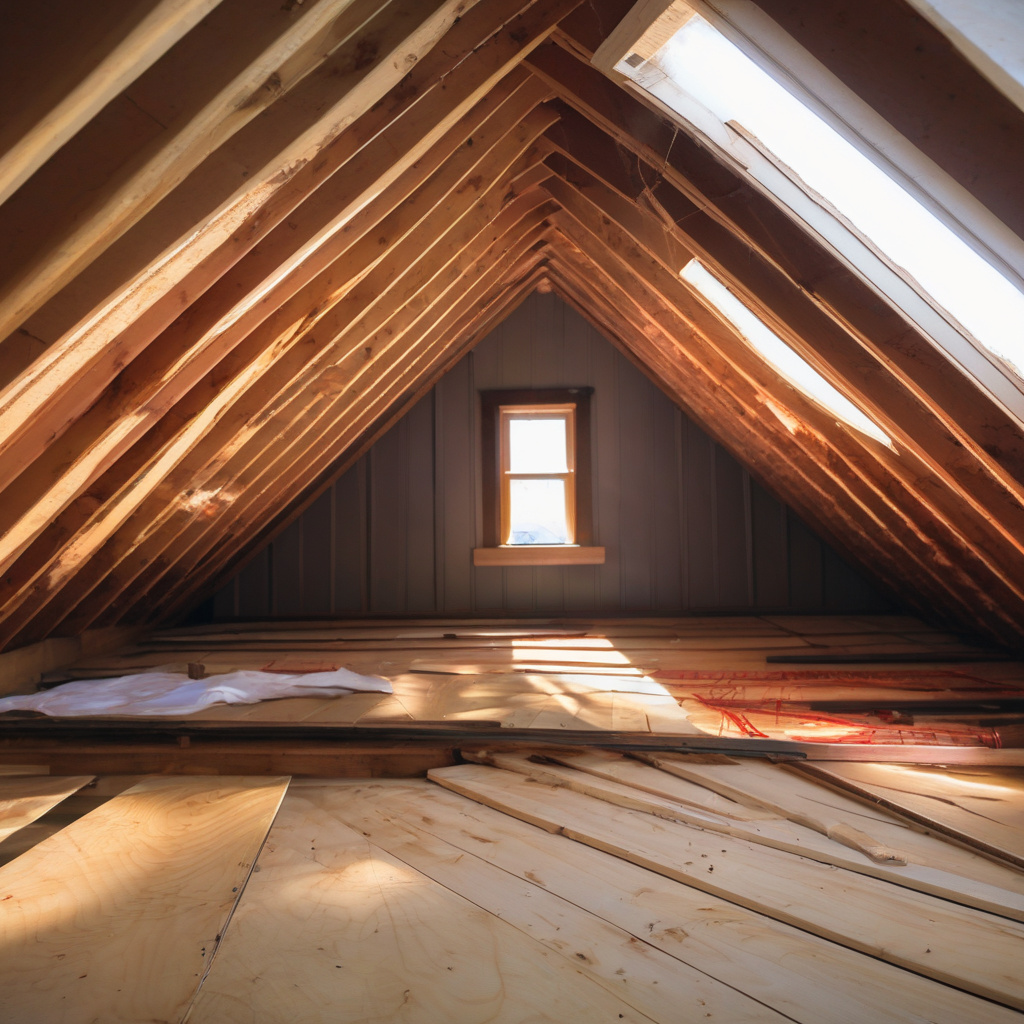
Consulting with professionals can provide clarity on the appropriate type of ventilation system, which may vary depending on a home’s architectural design and the climate characteristics of Southern California.
Step-by-step Planning Process
- Evaluate existing ventilation conditions.
- Consider climate and architectural style.
- Choose between static, powered, or hybrid systems.
- Set a budget and timeline.
- Partner with a qualified contractor for installation.
For those hesitant about the planning process, utilizing a comprehensive home preparation guide can make the task less daunting.
Each step offers an opportunity to optimize energy efficiency and improve home comfort for years to come.
Cost Considerations: Quality versus Expense
Cost is often a significant barrier for homeowners contemplating roof ventilation improvements. However, the long-term benefits frequently outweigh the initial investment, especially when considering the potential reduction in energy costs and the extension of the roof’s lifespan.
Educating oneself about the diverse range of material and labor costs helps in making budget-friendly choices without compromising on quality. Generally, natural ventilation systems tend to be more economical, albeit with limited control over airflow. Conversely, powered systems offer enhanced efficiency but can be pricier due to installation and electricity usage costs.
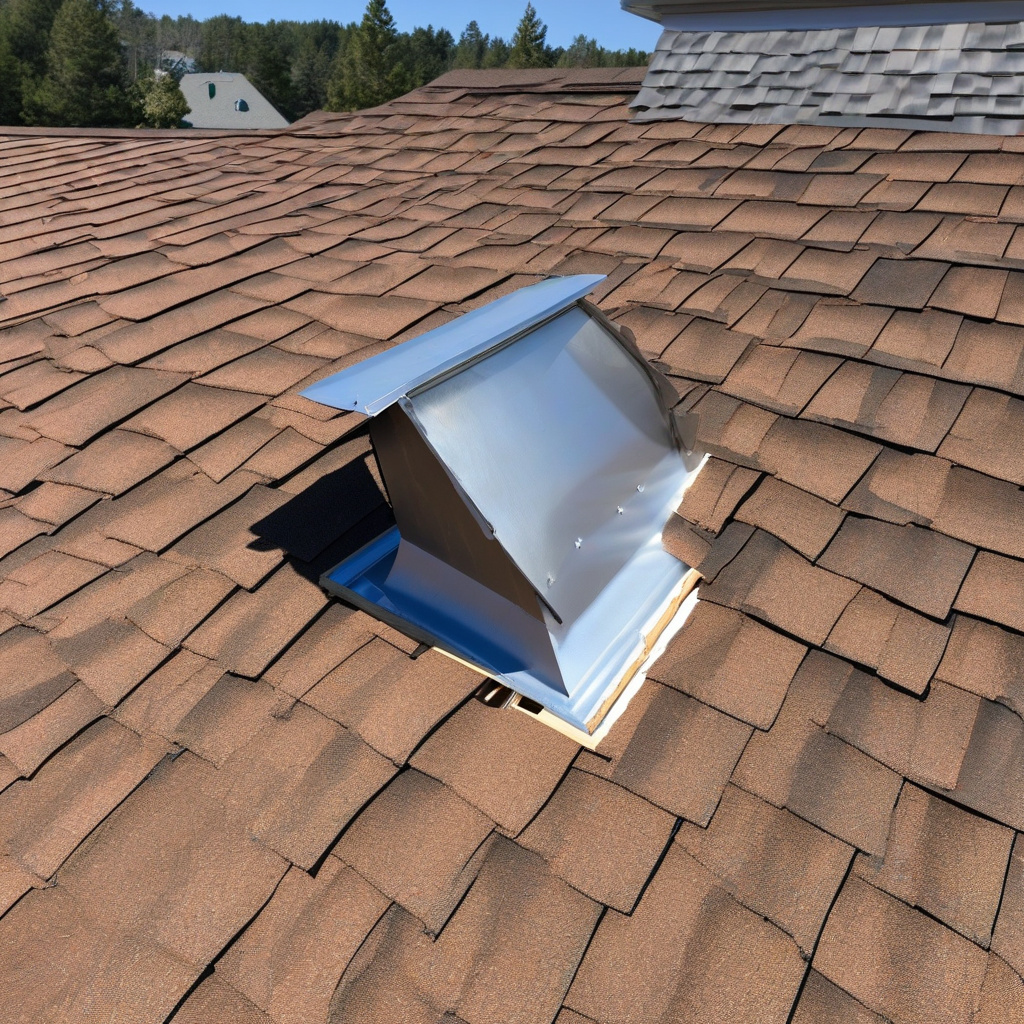
For a detailed comparison:
| Type | Cost Range | Pros | Cons |
|---|---|---|---|
| Static Vent | Low | Inexpensive, Easy to install | Limited airflow control |
| Powered Vent | High | Efficient, Controlled airflow | Higher installation cost |
Ultimately, aligning ventilation choices with budget and functional requirements can help homeowners achieve the best results both financially and functionally.
Risks and Rewards: Balancing Act
Like many home improvement projects, investing in roof ventilation involves navigating a complex maze of risks and rewards. Choosing the wrong type or neglecting necessary maintenance can lead to complications, whereas informed decisions create a host of benefits. As any astute Californian homeowner can attest, mitigating risks such as moisture accumulation and reducing heat buildup offers palpable returns.
Conversely, insufficient ventilation may intensify attic temperatures, subsequently straining cooling systems and slashing their efficiency. On average,
appropriate ventilation can improve overall roof performance by up to 30%, as noted by a leading industry journal
.
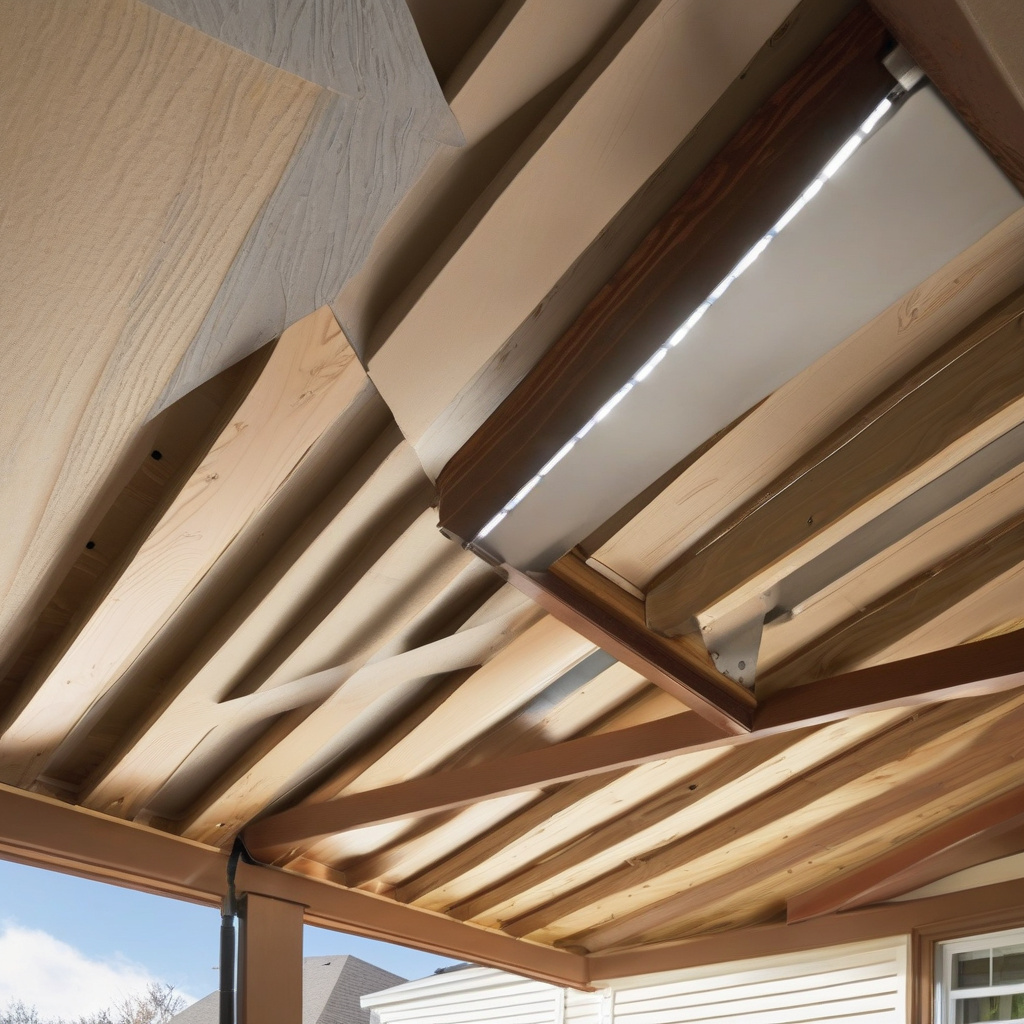
Homeowners can access further guidance through resources such as the guide on roofing guarantees which offers essential insights for protective measures.
Ultimately, well-thought-out changes pair the peace of mind of efficiency with the practical allure of reduced operational costs.
The Renewed Interest in Southern California Homes
As California continues to place increasing emphasis on energy efficiency and sustainable living, roof ventilation emerges as a key area for achieving these goals. Southern Californians, with their acumen for blending style with functionality, are leading the charge. Stories of hapless homeowners transformed into ventilation evangelists highlight the tangible and intangible benefits of this essential system.
Remarkably, as more properties undergo evaluations, residents are discovering the virtues of optimized ventilation in enhancing home comfort while preserving valuable structural components. These transformative experiences pave the way for healthier, more sustainable homes.
Reflecting on these evolving trends, the undeniable value of roof ventilation becomes clear. Its integration into Californian homes is not merely advantageous; it is an imperative for long-term sustainability and comfort.
In conclusion, proper roof ventilation represents more than an architectural trend; it is a conscious, rewarding decision that delivers extensive benefits for the Californian homeowner. Whether motivated by cost-saving, sustainability, or comfort, incorporating robust ventilation into home design yields a multitude of rewards, ensuring that each residence remains a bastion of efficiency and innovation.
- Roof ventilation is crucial for efficiency in California’s climate.
- Various systems offer differing levels of control and cost.
- Proper planning ensures optimal system performance and longevity.
- Effective ventilation systems reduce energy costs and prolong roof life.
- Understanding risks and rewards helps in making informed ventilation choices.
“`html
FAQ
What is roof ventilation, and why is it crucial for homes in California?
Roof ventilation refers to the process of allowing air to circulate through the attic space, which is essential to maintaining an efficient home environment, especially in California. This state, known for its varied climatic conditions, sees homes subjected to intense heat during the summer months. An efficient ventilation system promotes airflow, thus reducing the buildup of heat and moisture. In real renovation projects, experts often note that neglecting roof ventilation can lead to problems like mold growth or shingle damage—issues that can escalate renovation costs if not addressed. Homes without proper ventilation may struggle with heat retention, causing energy bills to skyrocket as homeowners compensate by using air conditioning excessively. Thus, effective ventilation is not just an enhancement but a necessity for prolonged roof and home health.
How can homeowners choose the right ventilation system for their roofing?
Choosing the right ventilation system for your roof depends on several factors, including the design of your home, the local climate, and the type of roofing material used. In practice, many California homes benefit from a combination of ridge vents and soffit vents, which together create an effective flow of air. When selecting a system, it’s vital to consult with roofing professionals who can assess your specific needs. For example, older properties undergoing renovation may require different solutions compared to newer builds. Many experts point out that ensuring the vents are unobstructed by insulation or debris is just as crucial as the type of vent selected. Missteps often occur when homeowners overlook these details, leading to inadequate ventilation despite having the right system components.
When is it necessary to install or upgrade roof ventilation in California homes?
The necessity for installing or upgrading roof ventilation arises primarily when homeowners notice signs of inefficiency, such as higher than normal energy bills, evidence of mold or moisture, and excessive attic heat. During renovations, it’s common to find that older homes, particularly those built before the modern code requirements, lack adequate ventilation. On the other hand, homeowners looking to upgrade to energy-efficient roofing often seize the opportunity to improve ventilation. A key consideration is timing: replacing a roof or overhauling your attic insulation is an opportune moment to tackle ventilation issues. This approach not only saves costs by combining projects but also ensures structural longevity and homeowner comfort.
What are common mistakes homeowners make regarding roof ventilation?
Homeowners frequently underestimate the importance of thorough assessment and professional guidance when it comes to roof ventilation. A common mistake is the installation of insufficient or inappropriate types of vents, often due to opting for cheaper solutions without considering performance. Another issue is ignoring maintenance: vents can become blocked with debris or snow, preventing efficient airflow. Additionally, many fail to recognize that more vents do not always mean better outcomes—it’s the strategic placement and balance between intake and exhaust that counts. To avoid these pitfalls, thorough research and consultation with experts are advised, ensuring ventilation systems maximize efficiency and home protection.
How do cost considerations impact decisions about roof ventilation systems?
The cost of roof ventilation systems is a significant factor that influences homeowner decisions. Many weigh the upfront expenditure against long-term savings. On average, a well-ventilated roof can lower energy bills by reducing the demand for cooling systems. However, one of the challenges for California homeowners is balancing budget constraints with the need for quality installation. Professional insights reveal that cheaper systems may require frequent repairs or replacements, leading to higher cumulative costs. It’s essential to consider both installation and lifetime maintenance costs. To mitigate risks and ensure longevity, seeking advice from experienced contracting professionals, like those accessible through this expert roofing guidance, can be beneficial.
What are the pros and cons of adding new or additional roof ventilation?
Adding new or additional roof ventilation offers numerous benefits, including improved home energy efficiency, prevention of moisture-related issues, and extended roofing material lifespan. However, it’s not without its drawbacks. An immediate advantage is the regulation of temperature, which ensures comfort and reduces energy bills. On the downside, improper installation or unbalanced systems can inadvertently cause more harm than good. Additionally, there’s the upfront cost involved and potential for increased maintenance. In constructing solutions for different scenarios, professionals emphasize planning and proper execution, warning that cutting corners during installation can negate the benefits intended.
What are the specific maintenance requirements for roof ventilation systems?
Maintenance for roof ventilation systems is crucial to ensure their longevity and efficiency. In real-world settings, it’s common to find that maintenance is often neglected, leading to blocked vents and decreased airflow. Regular inspections are necessary, especially after extreme weather conditions, to clear debris that often obstructs vents. Additionally, checking for signs of moisture or mold within the attic can indicate ventilation issues. Home experts advise that while some maintenance tasks can be DIY, such as clearing small blockages, others, like fixing structural issues, often require professional intervention. This approach ensures the system’s sustainability and the continued protection of your home.
Are there specific risks associated with inadequate roof ventilation in California?
Inadequate roof ventilation poses several risks, particularly in the warm and dry climate of California. Homes without proper ventilation are susceptible to heat-related deterioration, where excessive attic temperatures can age roofing materials prematurely. The trapped heat can also lead to increased energy consumption as cooling systems work harder to maintain a comfortable indoor climate. Moisture buildup is another significant risk, potentially leading to structural damage from mold and decay. During renovations, many experts observe that addressing ventilation is crucial to averting these issues. The risk of damage and rising energy costs can be minimized by implementing a well-designed ventilation plan tailored to the specific needs of the home environment.
“`