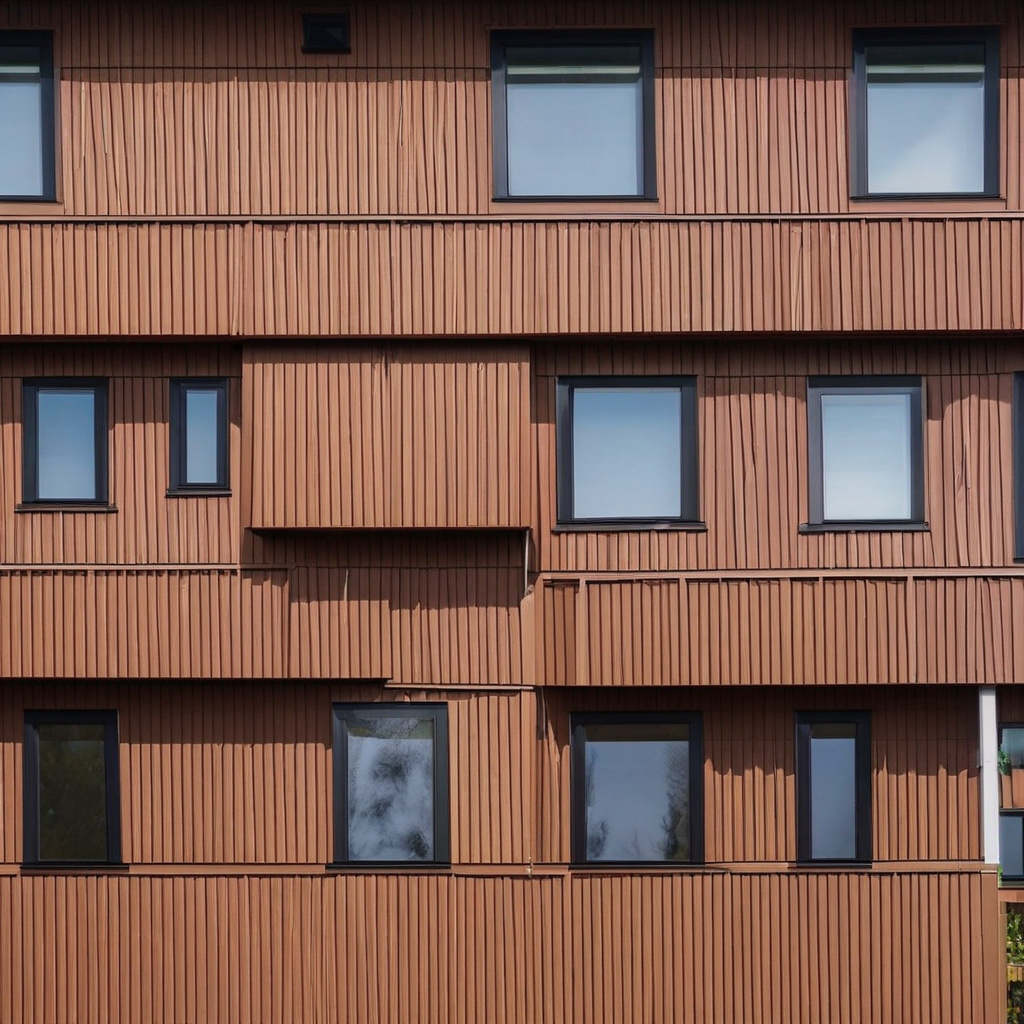
Choosing the right siding for your home isn’t just an exercise in aesthetic refinement; it’s a critical decision that influences your home’s durability, energy efficiency, and even its market value. For homeowners in Los Angeles, a city known for its eclectic architecture and varying climate influences, this choice is more nuanced than a simple glance at a design catalog. Dive into our guide to explore the spectrum of siding materials and determine which option best complements your remodeling vision.
Brief summary: Delving into the world of home siding offers a mix of traditional charm and modern functionality. From vinyl’s affordability to stucco’s resilience in hot climates, this article evaluates each material’s unique characteristics to help Los Angeles homeowners make informed choices. We consider trends, practicality, and local construction insights in this in-depth analysis.
What You Should Know About Vinyl Siding
Vinyl siding has been the go-to choice for many homeowners due to its cost-effectiveness and low maintenance. Made primarily from PVC, it offers a wide range of colors and styles, easily adapted to multiple architectural designs. Despite its popularity, vinyl isn’t without its quirks. While it’s resilient against pests and rot, extreme temperatures can cause warping. Fortunately, innovations have reduced some of these vulnerabilities, enhancing UV resistance and extending longevity.
Vinyl’s allure lies in its simplicity and affordability. It appeals primarily to those seeking a balance between aesthetics and budgetary constraints. Its installation involves an intricate process, with layers that provide additional insulation benefits. As many local homeowners notice, vinyl is a choice that speaks to practicality and efficiency.
Yet, the presence of vinyl also poses questions about environmental impact. Recycling options are limited, which raises concerns about sustainability. As more residents engage with eco-friendly design, other materials are entering the conversation. If you’re considering facing the facade of a house with vinyl, prepare to weigh cost against environmental responsibility.
Ultimately, vinyl remains a staple in American homes. However, alternatives are often sought out as homeowners look to reduce ecological footprints and elevate style with more modern options.
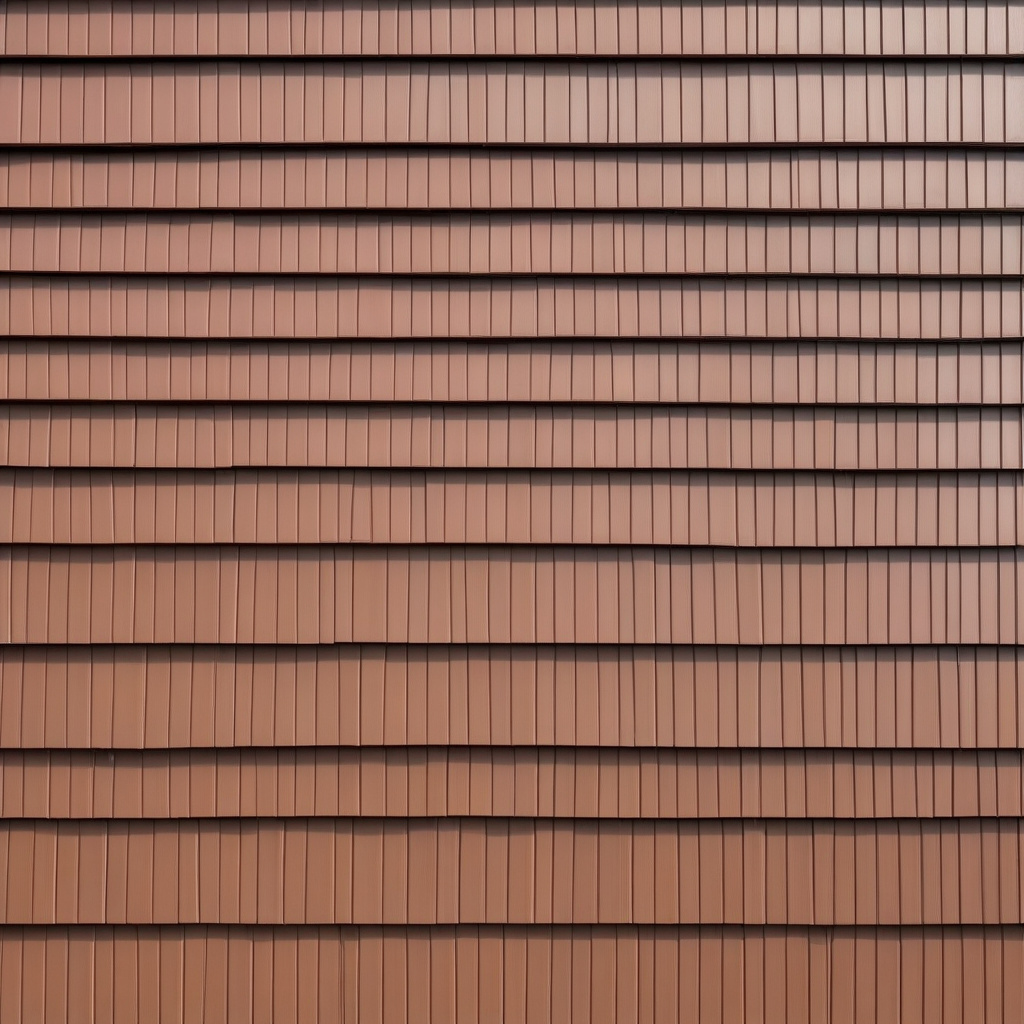
Discovering the Durability of Fiber Cement
Fiber cement siding is celebrated for its durability and minimal maintenance requirements. Blending sand, cement, and cellulose fibers, this material resists multiple environmental adversities, from intense sunlight to termites. Its resemblance to wooden boards offers an aesthetically pleasing option without the associated upkeep.
As often happens during renovation projects, decisions pivot towards cost-effectiveness; however, fiber cement is slightly more expensive than other options. Its heft adds challenges to installation—often necessitating professional expertise. Those opting for this material are accustomed to prioritizing long-term benefits over initial outlay.
An advantage of fiber cement includes its exceptional fire resistance. For homes nestled in wildfire-prone areas of California, this feature cannot be overstated. It forms a protective barrier that’s increasingly critical in contemporary urban planning.
When considering how to properly make slopes on plastic windows amid a complete overhaul, fiber cement’s adaptability shines. It aligns with sustainable construction practices, reducing fire risks while maintaining elegant visual appeal.
According to the National Fire Protection Association, more than 15,000 home fires occur annually due to flammable cladding materials. Fiber cement presents a notable safeguard.
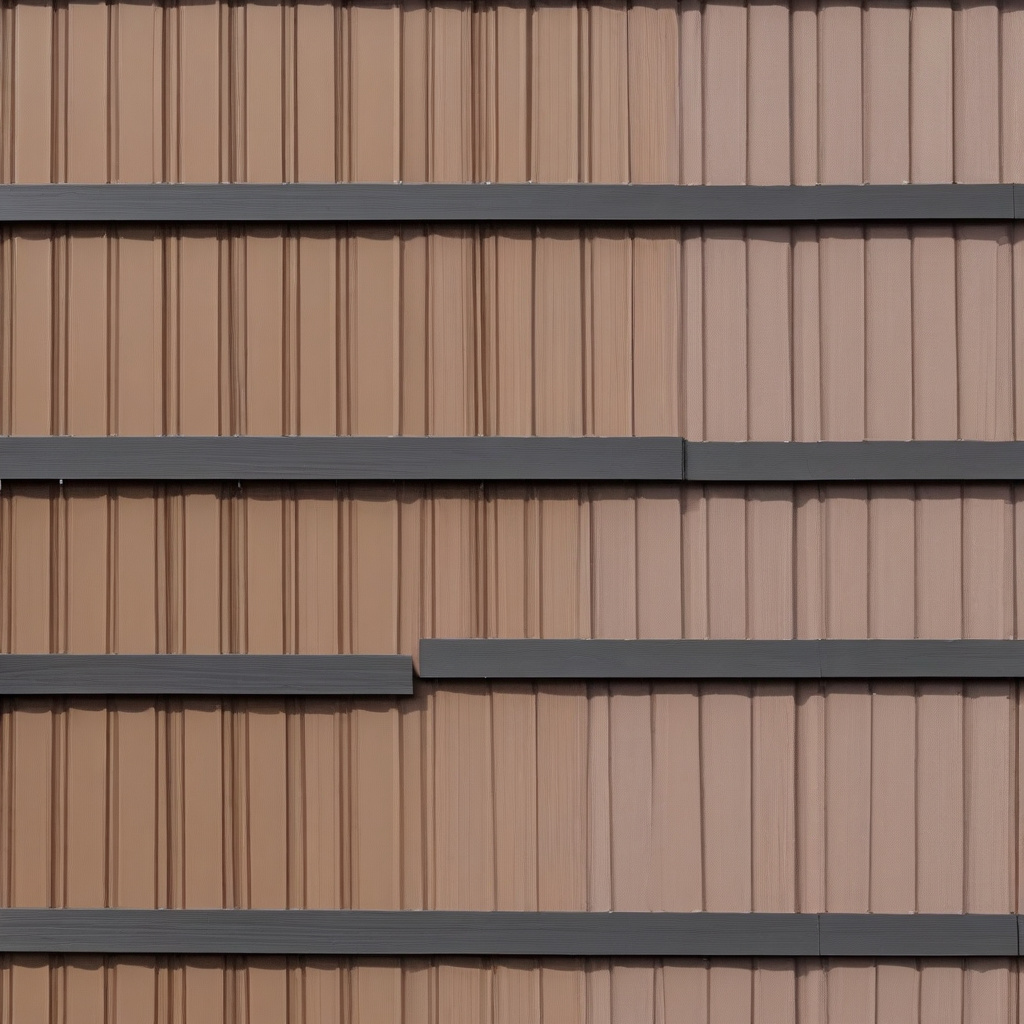
When It Makes Sense to Embrace Stucco
In the buzzing neighborhoods of Los Angeles, stucco holds historical significance—a testament to the area’s Spanish colonial roots. This material continues to serve homeowners well with its robust character and adaptability to intricate designs. A popular choice for its ability to withstand harsh sun and desert winds, its aesthetic appeal remains timeless.
Stucco offers excellent resistance against both heat and moisture, making it an ideal candidate for the Californian climate. Its maintenance is relatively straightforward, requiring periodic sealing to preserve its integrity. Homeowners often engage in stucco because of its harmonious blend with both traditional and contemporary architectural styles.
Incorporating the elegant solutions of facade stucco molding can also enhance a stucco exterior, offering refined detailing that elevates a home’s visual language. Moreover, its versatility allows it to align with varied home improvement goals, from minor updates to complete facade overhauls.
Nevertheless, stucco isn’t devoid of drawbacks. The application process is labor-intensive, and improper installation can lead to water ingress and cracks. It’s crucial for those opting for stucco to invest in skilled craftsmen who adhere to best practices for durability and beauty.
Stucco siding must cure for at least 28 days before painting to prevent cracks and ensure durability, according to experts at the American Institute of Architects.
Exploring the Grandeur of Natural Wood Siding
For those drawn to the rustic allure of natural materials, wood siding remains an unrivaled champion. Embracing the organic appeal of wood offers a tactile warmth to homes, a sentiment growing in popularity among Los Angeles homeowners keen on biophilic design. The craftsmanship involved in wood siding installation reflects a dedication to tradition and nature.
Each wood type unveils a unique character; cedar offers natural pest resistance, while redwood provides striking aesthetics and durability. Maintenance is an ongoing relationship, as wood requires regular treatments to guard against rot and pests.
Recognizing opportunities for exterior transformation, some homeowners choose to integrate home painting to rejuvenate and protect wood siding, ensuring its longevity and visual freshness. This process not only enhances curb appeal but also prolongs the life of the wood.
However, wood’s charm demands vigilance. Its susceptibility to environmental damage and fire risk are considerable factors. Weighing these pros and cons often leads to practical innovations like engineered wood, combining durability with that irreplaceable wooden look.
“The charm of wood lies in its soul,” noted a Los Angeles renovator. “But it’s a relationship—a balance of care, cost, and love for the material.”
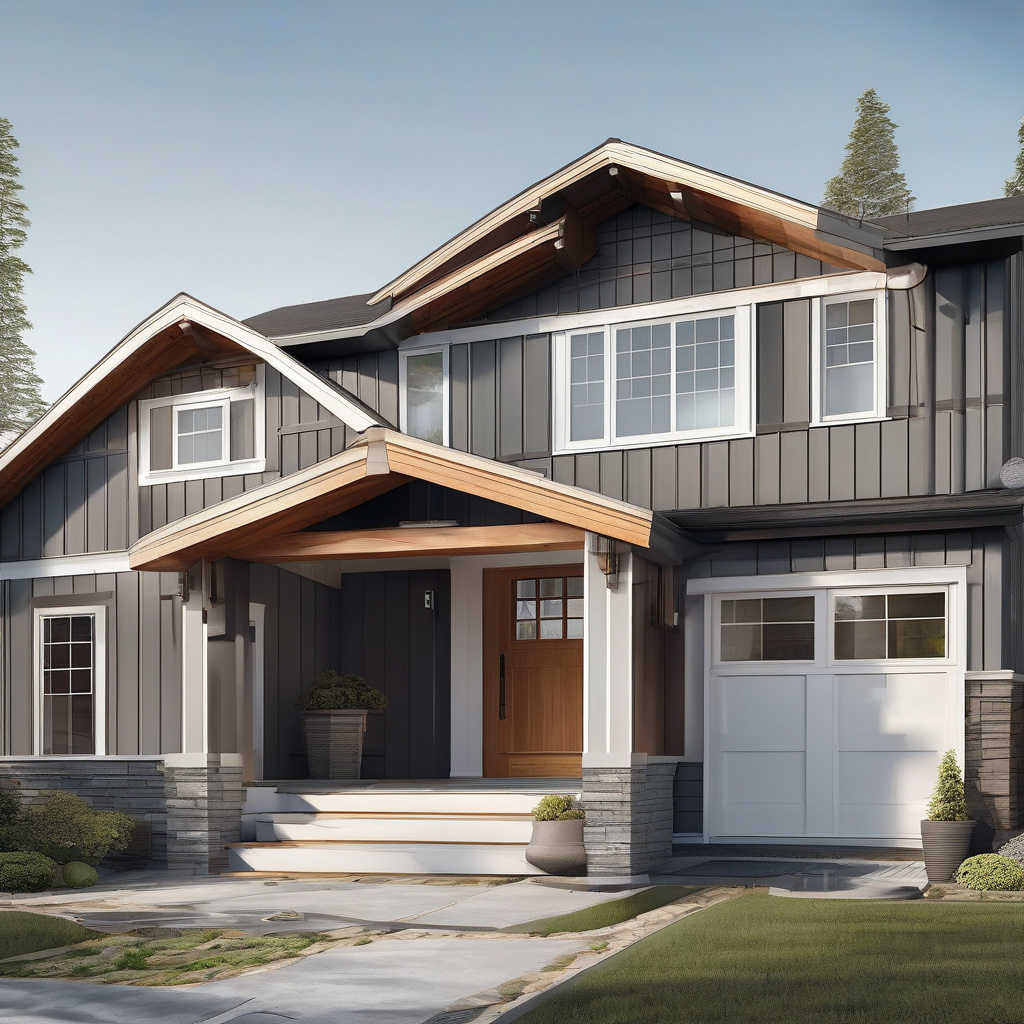
Choosing the Best Material for Your Home
As every homeowner knows, the choice of siding is suffused with deliberation, a dance between cost, aesthetics, and practicality. To simplify matters, consider this comparative snapshot:
| Siding Material | Benefits | Drawbacks | Ideal For |
|---|---|---|---|
| Vinyl | Affordable, low maintenance | Limited recycling, potential warping | Budget-conscious projects |
| Fiber Cement | Durable, fire-resistant | Cost, installation complexity | Fire-prone areas |
| Stucco | Resilient, historical appeal | Labor-intensive, potential cracking | Design enthusiasts, heritage homes |
| Wood | Elegant, natural | High maintenance, fire risk | Traditional, eco-conscious projects |
Step-by-Step: Installing Your Chosen Siding
Once you’ve made your decision from the diverse options, it’s time to consider the installation process. Here’s a quick guide to tackle it efficiently:
- Begin by preparing the exterior surface, ensuring it’s clean and free of old materials or debris.
- Measure the area accurately to estimate the amount of siding you’ll need and minimize waste.
- Select the right tools for the job – consider saws, drills, and safety equipment based on your material.
- Follow the specific guidelines for each material, abiding by manufacturer recommendations for durability.
- Inspect your work as you go, checking alignments and seals to prevent future issues.
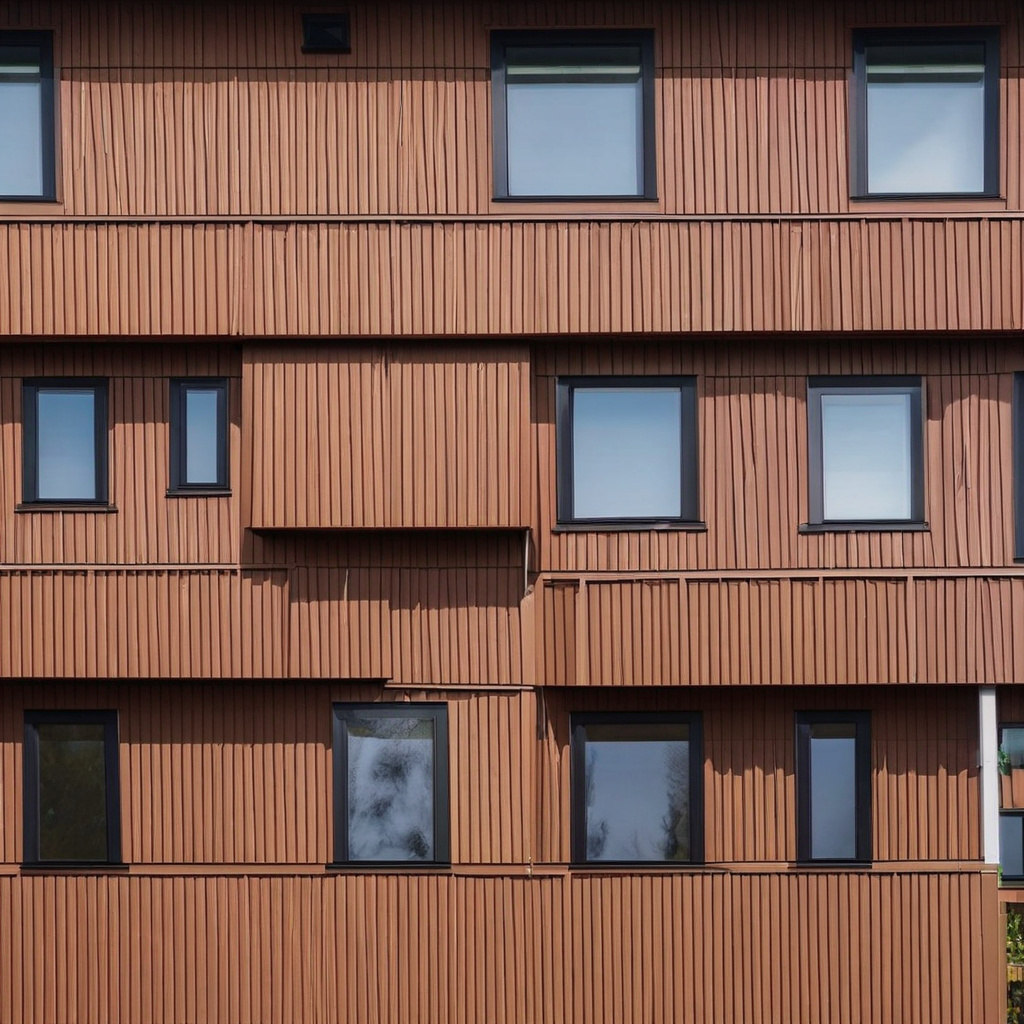
When navigating the realms of siding options, one becomes acutely aware of the challenges and opportunities that come with each choice. Engaging with professional installation processes can transform a straightforward renovation into a statement about personal style and environmental alignment.
- Vinyl, fiber cement, stucco, and wood each offer unique benefits and challenges, from affordability to ecological impacts.
- Consider environmental risks, such as fire hazards, when selecting the right siding material for your location.
- Siding installation requires a methodical approach and may benefit from professional insights.
- Proper maintenance ensures longevity and enhances visual appeal, particularly with materials like wood and stucco.
“`html
FAQ
What are the most common siding materials available for homes?
When choosing siding for your home, the most common materials include vinyl, wood, fiber cement, and metal. Each offers unique benefits. Vinyl is valued for its affordability and low maintenance, while wood exudes natural beauty and charm. Fiber cement presents a balance of durability and aesthetics, often mimicking wood but without the same upkeep. Metal sidings, such as aluminum or steel, are incredibly robust and can be particularly appealing in contemporary designs. In home renovations, vinyl often emerges as a popular choice, especially for those looking to refresh the exterior with minimal fuss and cost.
How do I decide which siding material is best for my home?
The decision hinges on several factors, including climate, budget, and desired aesthetic. Vinyl may appeal if looking for cost-effective solutions with minimal upkeep, but in areas prone to extreme weather, fiber cement or metal could be more durable. A key tip is assessing your home’s existing architecture; siding should complement rather than overwhelm. Many homeowners underestimate climate impact—consider insulation needs and sun exposure. Engaging with a local expert is beneficial for tailored insights.
What are the advantages and disadvantages of vinyl siding?
Vinyl siding boasts affordability, ease of installation, and variety in design. It’s a go-to for DIY enthusiasts and budget-conscious renovators. However, it can crack under extreme temperature changes and may fade over time with sun exposure. During home renovations, I often observe that its lightweight nature aids quick installation but requires regular cleanings to keep mildew at bay. It’s far less robust compared to fiber cement or real wood.
When is it wise to invest in wood siding?
Wood siding shines in its classic aesthetic, perfect if seeking a timeless, natural look. Best suited for historical homes or upscale neighborhoods where maintaining architectural integrity is key. However, it requires consistent maintenance—painting and sealing—to prevent rot and damage. Situationally, opting for wood is viable if willing to commit to its upkeep, but in places with high humidity, consider alternative options. Many experts find that its curb appeal and potential resale value often justify the investment.
What are the typical maintenance demands for fiber cement siding?
Fiber cement, while durable, has specific maintenance requirements. Regularly clean to remove mildew and ensure caulking is intact to prevent moisture infiltration. It’s also crucial to repaint every 7-10 years to maintain its appearance. A common mistake is neglecting these tasks, leading to water damage or aesthetic decline. Learning how to properly maintain fiber cement helps it remain an enduring and visually appealing choice for your home’s exterior.
How does metal siding perform in different weather conditions?
Metal siding, known for resilience, excels in harsh weather from intense sun to heavy snow. Aluminum won’t rust, making it a favorite for coastal homes, whereas steel offers superior strength against impacts. In California, metal is chosen for its fire resistance, especially beneficial in wildfire-prone areas. However, its soundproofing isn’t as effective, and its industrial aesthetic may not suit all neighborhoods. Balancing these pros and cons is vital in decision-making.
What are the cost considerations when selecting siding?
Siding costs can dramatically differ; vinyl and aluminum are generally on the lower end, making them accessible for budget-sensitive projects. In contrast, natural wood and fiber cement come with higher upfront costs but potentially offer better long-term value through energy efficiency and resale value. A practical tip is obtaining multiple quotes and evaluating the full life-cycle cost. For personalized advice, you could reach out through this resource—learn more about consulting with local experts.
Are there any typical mistakes to avoid when installing siding?
One frequent error is failing to accommodate material expansion and contraction, which can lead to warping or buckling, a common vinyl complaint. Proper ventilation behind the siding is often overlooked, leading to trapped moisture and mold issues. Careful attention to installation details and local climate considerations can prevent these pitfalls. Homeowners often skip professional help, hoping to save costs, but expert installation can significantly impact longevity and performance.
“`