Turning your garage into an Accessory Dwelling Unit (ADU) in Los Angeles is not just a home improvement; it’s a journey through the labyrinth of local regulations, permits, and budgets. With California’s ongoing housing challenges, this trend offers a glimmer of light for homeowners seeking additional space or rental income. However, ensuring your transformation is up to scratch requires more than just a creative vision — it demands acute awareness of the rules, an understanding of the timeline, and strategic financial planning.
Brief summary: Transforming a garage into an ADU in LA involves navigating complex regulations, securing the right permits, and managing costs effectively. This renovation trend provides solutions to housing shortages while offering homeowners extra space or income opportunities. Understanding stages of the process and keeping projects compliant are essential for success.

What You Should Know About Local Regulations
Before you start your garage transformation, understanding the LA zoning complexities is crucial. Locations and property types in Los Angeles have specific zoning requirements that could affect your project. These requirements dictate if your property qualifies for an ADU and can significantly influence the design and outcome of the build.
Securing the necessary permits is often a marathon rather than a sprint. The city demands detailed plans and possibly environmental assessments, especially in densely populated or environmentally sensitive areas. Homeowners often face prolonged approval times, so patience is a virtue here.
Navigating through LA’s detailed requirements can feel daunting. To minimize potential pitfalls, engaging a seasoned contractor or specific ADU specialist can prevent costly oversights. They’re familiar with the latest changes in the ordinances and can smoothen your path to acquiring what you need.
Despite the challenges, complying with local laws protects both your investment and the safety of future occupants. Successfully permitted projects are not only joy to the residents but enhance the property value. Working with experts ensures you’re covering all bases while achieving your vision.
How to Choose the Right Permit Strategy
The permit process for transforming a garage into an ADU is notoriously intricate. First, you must determine the type of permit that fits your project, which usually involves a building permit, oftentimes accompanying electrical, plumbing, and mechanical permits. Understandably, this stage is crucial to stay compliant and avoid future hassles.
The sequence in which permits are requested can affect your project timeline. Prioritize acquiring your building permit first, as it’s foundational to further structural changes. Combined applications, a tactic employed by seasoned professionals, can streamline the process and reduce waiting times.
Incorporating revisions from city planners often requires adaptability of your initial plans. A flexible attitude towards multiple negotiations and tweaks can avoid project delays. Although potentially tedious, proactive engagement and cooperation with city officials can yield expeditious approvals.
Strategically approaching the permit process not only aligns with legal necessities but also steers your project towards a holistic and uncompromised execution. Emphasizing preparation can save considerable time and money as your garage evolution unfolds.

When It Makes Sense to Transform Your Garage
Beyond practical implications, deciding the timing of your garage’s metamorphosis into an ADU needs thought. Housing shortages make timing appear always pertinent, yet, consider seasonal influences on construction dynamics. Mild seasons often promise quicker construction phases, free from weather-induced interruptions.
Budget periods also influence your decision-making timeline. Tackling the project during financially viable times, when interest rates and construction material costs are favorable, can enhance your investment’s profitability. Financial predictions are integral in optimizing your renovation schedule.
Another critical consideration is your personal timing. Aligning the project with lifestyle changes, such as anticipating a family expansion or the need to generate supplementary income, aligns actions with future goals. Such timing can maximize comfort and convenience throughout the redesign process.
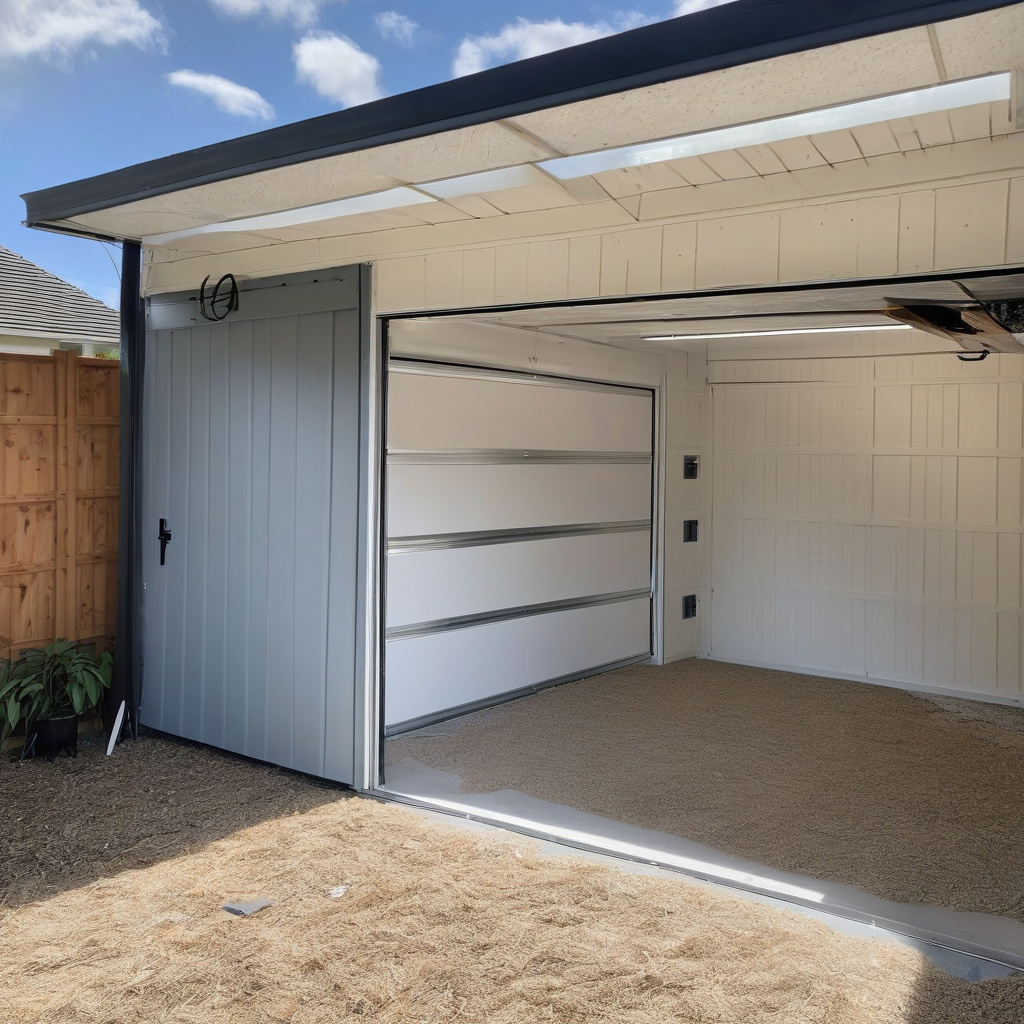
In essence, strategic timing amplifies project efficiency and assures the ADU conversion fits not just the law but your lifestyle seamlessly. Recognizing these factors before commencement offers smoother project development and improved outcomes.
A Detailed Look at Budget Considerations
Budgeting your ADU project is an art form, blending foresight with flexibility. Initial cost estimates can be misleading. They often grow due to unanticipated design alterations, fluctuating material prices, or unexpected labor requirements.
A comprehensive and realistic budget often accounts for a contingency fund. Allowing for a 10% surplus can accommodate unforeseen circumstances without derailment. Contingency planning offers peace of mind, crucial when navigating unpredictable renovation environments.
Here’s a simple cost comparison of typical renovation elements:
| Element | Low Estimate | High Estimate |
|---|---|---|
| Design & Permits | $5,000 | $15,000 |
| Construction | $20,000 | $50,000 |
| Finishing Materials | $10,000 | $30,000 |
Pinpointing these considerations can arrest financial shockwaves that threaten your project’s completion. Smart budgeting strategies anchor your renovation dreams into a reality, devoid of unnecessary financial pressure.
The Step-by-Step Journey: Converting Your Garage
Transitioning from a traditional garage to an ADU unfolds over several stages. Step one begins with an idea; careful research and requirement checks form the initial phase. Assess both zoning compliance and feasibility — this is where you plot your vision against city ordinances.
Next is design development, creating blueprints that align with both creative and legal guidelines. This stage often engages professional architects who navigate dimensional specifications and environmental assessments. Their expertise brings your blueprints alive effectively.
Construction commences once permits are secured and designs finalized. Qualified contractors translate designs into structures, threading the needle between efficiency and compliance. Communicative collaboration here ensures that adjustments meet necessary standards swiftly, minimizing unnecessary setbacks.
The final phase involves interior finishes and inspections, showcasing your creativity whilst adhering to safety standards. Thorough final inspections ensure conformity to construction guidelines, cementing your ADU as both a safe and valuable addition to the property.
The Balance of Benefits and Risks
Converting your garage into an ADU presents a tableau of enticing benefits intertwined with potential risks. Chief among the attractions is the creation of added living space, whether for intimate family use or as an opportunity for rental revenue.
However, the weight of upfront investment and risk of project budget overruns loom large. Unplanned delays inflate costs, underscoring the necessity of accurate planning and adept project management. Such factors define the line between upgrading your life or merely adding financial strain.
Yet, risk management and calculated decision-making mitigate these apprehensions. Engaging professional contractors and project managers increases the likelihood of triumph over tribulation, reassuring stakeholders and maintaining project viability.
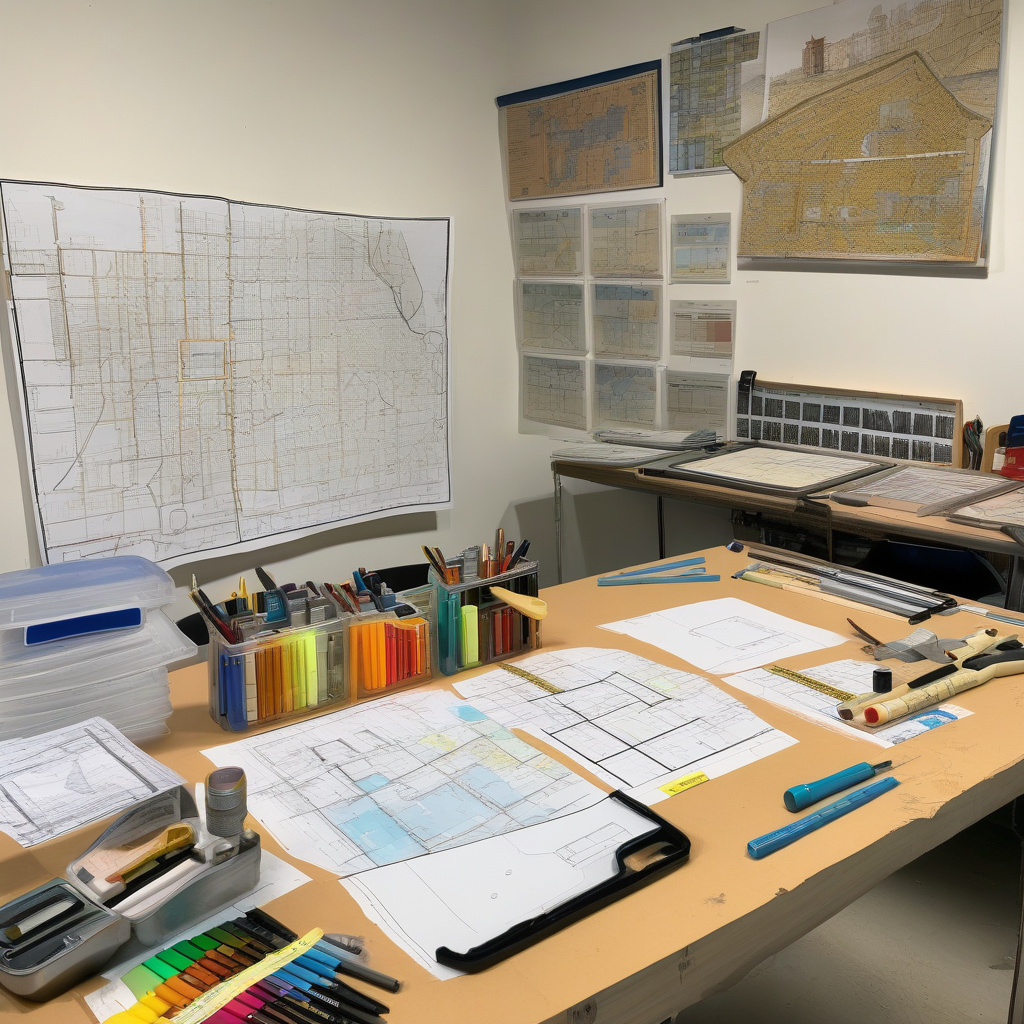
Ultimately, the successful blend of financial acuity and execution expertise lays a fertile foundation for enduring ADU benefits, optimizing both asset value and functional home spaces seamlessly.
“Success in constructing an ADU isn’t merely spending money wisely; it’s also about anticipating challenges and pre-empting risks with comprehensive planning and strategic resource allocation.” — Industry Expert
Real Stories from LA’s Neighborhoods
In the crowded lanes of Los Angeles, residents are narrating their remodeling triumphs and trials. Meet the Johnsons, who turned their aging garage into a modern studio apartment, capitalizing on design ingenuity coupled with city rebates. This enabled them to rent the unit, enhancing their family income and augmenting property value.
Nearby neighbors reacted with envy, yet quickly saw the potential in these auxiliary dwellings. As community stories emerge, a tapestry of shared experiences expands, highlighting both the common hurdles and unique successes that characterize the ADU conversion movement.
Such firsthand accounts add layers to the growing allure of garage conversions. With local officials sometimes facilitating projects, what initially appears daunting gradually transitions into feasible accomplishments inspired by community narratives.
The Johnsons’ story underscores an essential element for aspirants: seasoned guidance and shared learning are critical tools in driving this modern renovation trend. Enthusiastic testimonials steadily fertilize ambition, igniting inspiration citywide.
Expert Insights and Recommendations
Industry veterans advocate open dialogues between homeowners, contractors, and city planners, streamlining communication channels through the duration of ADU projects. This symbiosis enhances project prospects, providing agile solutions to potential issues.
Proactive budget assessments and regular site inspections maintain progress trajectories while aligning construction activities with long-term project objectives. Such attention to detail fosters seamless transitions between stages, inevitably paving the way to satisfactory completions.
In advocating balanced risk assessments and fluid financial strategies, experts highlight preparation efforts as bulwarks against project pitfalls. Maintaining an adaptive stance in response to shifting project dynamics enhances both resilience and responsiveness.
Expert recommendations illuminate the path forward, turning novices into seasoned participants in LA’s burgeoning garage conversion landscape. Their insights herald transformative journeys that skillfully straddle the intersections of creativity, compliance, and practical restraint.
Conclusion: Embracing the ADU Movement
As many local homeowners notice, moving towards garage conversions is not just an inclination but a growing necessity. The ADU trend underpins economic flexibility and imaginative use of existing assets, counteracting prevailing challenges within crowded urban environments.
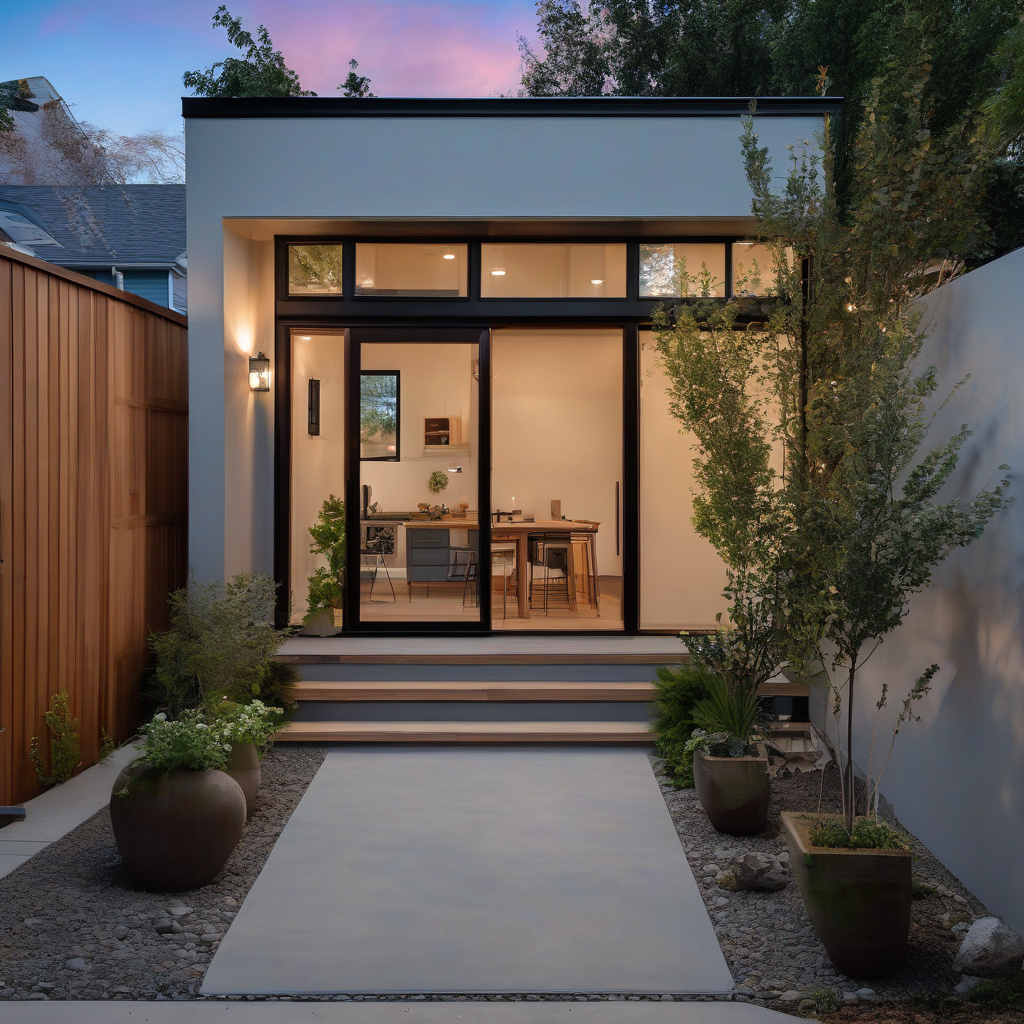
While the pathway is riddled with complexities, the final destination proffers enriched living standards for those willing to engage in the transformative process. Attuned to broader housing compositions, LA’s ADU conversions stitch creative threads into intricate fabrics of modern urban life.
In closing, embracing this geared-up version of renovation requires resilience, creativity, and comprehensive preparation. The results? A newfound dynamism in residential living that Los Angeles continually embraces, reshaping lifestyles with each imaginative transformation.
- Understand local zoning and permit requirements to smoothly convert a garage into an ADU in LA.
- Effective budgeting and strategic planning mitigate risks and enhance project viability.
- Opt for professional assistance to navigate bureaucratic complexities and streamline construction phases.
- Real-life neighborhood stories inspire and illustrate potential benefits and profitability.
- Sustained communication among stakeholders is imperative for successful project execution.
FAQ
What is a garage conversion to an ADU in LA?
A garage conversion to an ADU in LA involves transforming a garage space into a standalone residential unit. This popular option for increasing livable space is particularly appealing in Los Angeles, where housing demand is high. The process adheres to local building codes and zoning laws, ensuring that the resulting ADU is safe and compliant. Typically, the transformation includes adding essential utilities like plumbing, electrical systems, and sometimes even a separate entrance. It’s more than just a makeover; it’s a thoughtful integration of living space into an existing property.
What permits are required for converting a garage into an ADU in Los Angeles?
In LA, a garage conversion to an ADU necessitates several permits to ensure legal compliance. Homeowners must secure building permits, which cover structural, electrical, and plumbing work. Additionally, it’s important to obtain zoning clearance to verify the ADU is allowed on the property. In real renovation projects, it often becomes clear that navigating these regulatory waters can be complex. Engaging with local authorities early on and considering professional assistance from architects or contractors familiar with LA’s regulations can streamline the process, potentially saving time and avoiding red tape.
How much does it typically cost to convert a garage into an ADU in LA?
The cost of converting a garage into an ADU can range significantly based on the project’s scope and the existing condition of the space. On average, costs might start around $60,000 to $100,000, encompassing permits, construction, and any necessary upgrades to meet building codes. Factors like plumbing and electrical work, as well as high-end finishes, can drive this number higher. Many experts point out that unexpected expenses often arise from structural repairs or retrofitting older properties to modern standards. Therefore, a well-planned budget that considers these variables is crucial.
What are the advantages and disadvantages of converting a garage into an ADU?
The primary advantage of converting a garage to an ADU is the creation of additional living space without expanding the property footprint, which can significantly increase property value and generate rental income. However, there are also disadvantages to consider. Loss of storage or parking space can be a downside, especially if on-street parking is limited. Additionally, the initial investment is substantial. Homeowners frequently underestimate the challenge of designing a functional layout in a relatively compact space, which can lead to compromises in comfort or utility.
What are common mistakes when undertaking a garage conversion to an ADU?
A frequent mistake in garage-to-ADU conversions is inadequate planning, particularly regarding budget and space utilization. Homeowners often neglect vital design considerations, leading to issues like insufficient natural lighting or poor ventilation. Another pitfall is ignoring regulatory requirements, which can stall projects if overlooked. Consulting with professionals and conducting thorough research can mitigate these risks. Moreover, underestimating the project’s impact on existing property structures, such as the home’s electrical system, can cause costly delays and structural headaches.
How does one ensure a garage conversion project remains compliant in LA?
Ensuring compliance in a garage conversion project involves careful adherence to building codes and zoning laws. In Los Angeles, this includes securing appropriate permits prior to construction and working with experienced contractors who understand local regulations. Regular inspections are required at different stages to maintain compliance. Utilizing resources such as professional advice from local renovation experts—who can be contacted through inquiries on [this site](https://californiarenovation.top/contact/)—can provide valuable guidance and prevent costly compliance missteps.
When does converting a garage to an ADU make financial sense?
Converting a garage to an ADU makes financial sense when the long-term benefits, such as increased property value and potential rental income, outweigh the initial costs. It’s particularly advantageous in high-demand areas like LA, where rental markets are robust. However, it’s essential to consider the current condition of the garage and any additional expenses involved in bringing it up to code or redesigning it to suit ADU requirements. For families needing more living space, the convenience factor can add to the decision’s financial wisdom by avoiding the costs and stress of moving.
What should homeowners consider about the long-term maintenance of a converted garage ADU?
Long-term maintenance of a converted garage ADU involves routine checks on structural elements, such as roofs and walls, which are key to preserving the integrity of the conversion. Pay attention to moisture control, as garages can be prone to dampness. Additionally, ensure all systems—electrical, plumbing, and HVAC—are regularly serviced to prevent outages. Homeowners should also consider if landscaping adjustments are needed to enhance accessibility or aesthetic appeal. Allocating a budget for these maintenance activities is wise, as neglect can lead to degradation and potential safety issues over time.