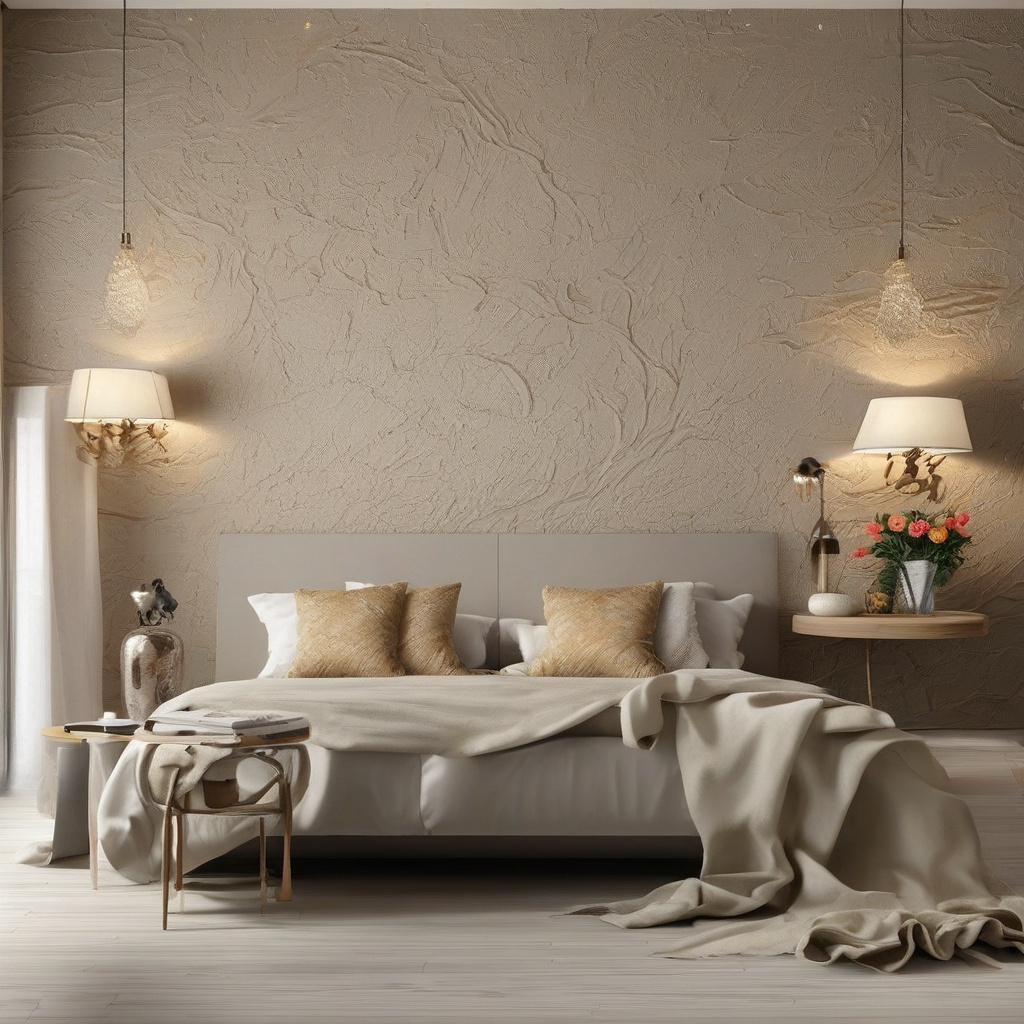
Los Angeles, the epicenter of style and innovation, has seen a surge in homeowners turning to decorative plaster to infuse individual personality into their interiors. This versatile wall treatment offers an array of textural choices, each with its own unique charm. As renovation enthusiasts delve deeper into the world of interior design, one material is commanding attention for its transformative capabilities.
Brief summary: Discover the versatile world of decorative plaster for home interiors. Learn about various types and benefits, alongside expert tips on integrating these elegant finishes into your living spaces. Unravel the aesthetic potential of plaster to elevate your home’s style quotient.
Understanding Decorative Plaster: An Artful Fusion of Style and Function
Decorative plaster offers more than just a stylistic upgrade; it’s a celebration of craftsmanship. The palette spans from polished Venetian styles to rough seismic-resistant plasters. Each variation promises to bring a tactile authenticity to the space, be it a minimalist studio in Silver Lake or a historic dwelling in Pasadena. The charm lies in adaptability; plaster materials can reflect a home’s narrative through artisanal texture.
In a city as diverse as Los Angeles, where design vistas range from downtown lofts to sprawling suburbs, decorative plaster caters to eclectic tastes. Whether homeowners are aiming for an elegant rustic flair or vibrant modernity, plaster provides a customizable canvas. This adaptability is particularly valuable in a region where aesthetic trends are constantly evolving. As many local homeowners notice, a touch of expertly applied plaster can transform bland surfaces into captivating focal points.
Yet, plaster is not merely about looks. It enhances acoustic properties, making gourmet kitchens and open-plan living areas less echoey. Additionally, this material improves a structure’s insulation, making it a prime choice where thermal control is prized. Users in energy-conscious cities like LA can gravitate towards its environmental benefits, merging beauty and sustainability into a single stroke.
The conclusion: decorative plaster marries form with function exceptionally well. Homeowners who prioritize both style and sustainable design will find it irresistibly appealing.

How to Choose the Right Decorative Plaster for Your Home
Choosing the perfect plaster can seem overwhelming, but understanding your options simplifies the process. Venetian plaster, a favorite among upscale decorators, creates a marble-like finish with seamless luster. It’s perfect for spaces that aim to boast understated elegance. Homeowners dreaming of the opulence of Old Hollywood will find this choice exceptional.
An alternative is lime-based plaster, renowned for its porous nature, allowing walls to breathe while maintaining moisture balance. This makes it an ideal option in areas prone to humidity, such as the coastal homes of Malibu. Its natural elegance and durability make it a practical choice where environmental factors can’t be ignored. As a bonus, lime plaster’s alkalinity deters microbial growth, enhancing indoor air quality.
Other choices include silk plaster, which melds the durability of drywall with the elegance of silk, providing a fabric-like finish that adapts to different interior styles. It’s perfect for city dwellers who value the softness of texture. The adaptability of plaster is a boon for creative homeowners who wish to introduce an artistic contrast to modern walls.
In summary, each type of plaster offers unique benefits tailored to specific needs. Engaging with a renovation professional simplifies the selection, ensuring a harmonious blend with existing interiors.
When it Makes Sense to Opt for Textured Finishes
Textured finishes are not only stylish; they can also camouflage surface imperfections, lending taut vitality to aged structures. The allure of texture lies in its ability to create visual intrigue that elevates ordinary walls to works of art. This is particularly useful in historical Los Angeles homes where preserving architectural legacy is cherished.
For spaces in need of a quick uplift without drastic remodeling, textured plaster stands as an architectural savior. It seamlessly coats surfaces, hiding dents while adding depth. Its artistic sophistication complements various design genres, from minimalistic to maximalist homes. In practice, plaster finishes offer an experience akin to running your hands across fine art, with every touch revealing more character.
Moreover, specialized textures like Moroccan tadelakt infuse rooms with worldly warmth, inviting visitors to pause and enjoy. With colors as serene as ocean waves or as vibrant as desert sunsets, the possibilities are endless. Such plasters don’t just decorate; they enhance the tactile experience in a sensory manner.
Investing in textured finishes can dramatically shift perceived space, adding personality where walls previously stood silent. Landlords and homeowners alike have discovered its potential in imparting personality effortlessly.

What You Should Know About Maintenance and Care
Maintenance is often a factor that concerns potential adopters of decorative plaster. Properly applied plaster is incredibly durable, withstanding daily wear better than traditional painted surfaces. However, the maintenance does require attention to detail and an understanding of its natural composition. It’s essential to use appropriate cleaning techniques that complement the plaster’s integrity.
For example, lime-based plaster demands gentle, pH-neutral cleaning agents. Avoid abrasive materials that could mar the surface’s delicate finish. With Venetian and silk plaster, a simple microfiber cloth can maintain its sheen without incurring damage. It’s about embracing a ‘less is more’ philosophy when cleaning these surfaces.
Moreover, recognizing the types of potential damage integral to your home’s environment, like humidity or accidental dings, can preserve the plaster’s longevity. Regular inspections can prevent small blemishes from escalating into larger repairs, ensuring that interiors remain beautiful yet functional. A proactive approach can significantly extend the material’s lifespan, offering homeowners peace of mind.
Conclusively, caring for decorative plaster requires respect for its craftsmanship, offering a reward that’s twice as sweet as the effort invested.
Comparing Plaster with Other Wall Finishes
Debates often arise over whether to choose plaster, paint, or wallpaper. Each medium has its merits, but plaster stands out for its fusion of aesthetics and durability. Unlike wallpapers, plaster can breathe, which reduces the chances of mold accumulation. Additionally, it stands the test of time better than many paints, offering a vibrant surface that doesn’t peel away with the years.
Should you favor longevity with intricate detailing, plaster emerges as a front-runner. It’s a one-time investment that pays dividends in style and performance. Choosing between these finishes ultimately depends on the priorities of enduring beauty versus upfront cost savings. The art lies in balancing these factors.
| Feature | Decorative Plaster | Wallpaper | Paint |
|---|---|---|---|
| Durability | High | Moderate | Moderate |
| Maintenance | Low | High | Moderate |
| Cost | Varies | Low | Low |
| Design Flexibility | High | High | Low |
Innovative Plaster Applications: Beyond the Living Room
Plaster’s potential reaches beyond mere walls. Ceilings adorned with detailed plasterwork can uplift spaces, leading to awe-inspiring transformations in areas often left plain. The city’s penchant for innovative design has led many creatives to experiment with plaster as a central element in their exterior renovations as well.
In bathrooms, waterproof plaster solutions bridge practicality and aesthetic appeal. This not only protects but also highlights areas with intricate moldings, merging heritage with contemporary comfort. Every application, carefully executed, turns familiar spaces into narrative-rich environments.
The children’s rooms benefit from the acoustic softening properties of plaster, creating serene play zones with fewer distractions. For those engaging in ambitious projects, cementing ideas through a versatile medium such as plaster can be as fulfilling as dreaming them up. Its application is an ongoing dialogue between form, space, and personal flair.
The end result: plaster serves as a canvas for creativity that doesn’t just veneer surfaces but nurtures holistic atmospheres.
“In sustainable building practice, decorative plaster is gaining popularity not just for its visual appeal but for its environmental benefits, which include reduced carbon footprint compared to conventional painted systems.” — Laura Munoz, Sustainable Architecture Expert
Conclusion: Plastering Your Path to Style and Substance
The allure of decorative plaster is difficult to resist for those who value aesthetic sophistication and structural integrity equally. While the choice is undeniably personal, the benefits of plaster lay a compelling foundation for style-conscious homeowners. With expertise woven into every application, this material offers endless possibilities in sculpting the interiors of Los Angeles homes.
From the beach houses in Santa Monica to chic downtown condos, plaster empowers residents to design interiors that echo their unique stories. Ultimately, with thoughtful selection and skilled application, this versatile medium has the potential to redefine how Angelinos perceive their residential spaces.

“Recent studies indicate that homes featuring textured surfaces like decorative plaster report higher energy efficiency, reducing heating and cooling expenses by up to 20% annually.” — Green Building Journal, 2022
- Discover the versatility of decorative plaster in home design.
- Learn how to choose the appropriate plaster for different environments.
- Explore the aesthetic and functional benefits of plaster finishes.
- Compare plaster with other wall treatments in terms of longevity and style.
- Understand maintenance techniques to prolong decorative plaster’s lifespan.
“`html
FAQ
What are the most popular types of decorative plaster for home interiors?
In real renovation projects, Venetian plaster, stucco, and marmorino stand out as favorites among homeowners. Venetian plaster offers a luxurious, polished look reminiscent of classic Italian villas, often used to create an elegant ambiance in living rooms. Stucco, known for its textured finish, is robust and adds depth to any wall, commonly chosen for its durability and rustic charm. Marmorino, similar to Venetian plaster but with a more matte appearance, is often praised for its versatility in creating both modern and traditional looks. Many experts point out that the choice heavily depends on the desired aesthetic and the functionality required in different home areas.
How should homeowners approach choosing decorative plaster?
When deciding on decorative plaster, homeowners should start by assessing their aesthetic goals and the existing style of their interiors. In older properties undergoing renovation, it often becomes clear that matching the plaster type to historical elements can enhance the overall character. Additionally, considering room-specific factors like moisture levels is crucial—French stucco can withstand kitchen splatters well. Practical tips include gathering samples and dabbling small test patches to observe how different lighting affects textures and colors. For personalized guidance, many Californian homeowners often reach out to industry professionals to align their choices with current trends and construction techniques. If you’re exploring local expert advice, don’t hesitate to get in touch with a reliable renovation service provider in California.
When does it make sense to use decorative plaster in new build homes?
Decorative plaster can be an excellent choice for new builds when the design intent is to introduce texture and artisanal quality into the interiors. In many newer builds with modern systems, using smooth finishes like Venetian plaster in the entrance hall or bedroom adds a touch of luxury and sophistication without clashing with contemporary fixtures. Conversely, marmorino can seamlessly blend with minimalist designs in single-family homes, offering a warm backdrop without overwhelming the space. A common misconception is that decorative plasters are too time-consuming for new projects, but with efficient application, they clearly enrich the aesthetic value and provide unique personalization options.
What are the typical mistakes to avoid when applying decorative plaster?
Homeowners frequently underestimate this aspect: preparation is key to achieving a flawless decorative plaster finish. Skipping surface preparation can lead to adhesion issues where the plaster fails to properly bond, resulting in cracks or peeling. Another mistake is misjudging the plaster’s drying time, leading to rushed applications and uneven textures. An actionable tip is to engage a skilled craftsman familiar with the specific plaster type you choose, as they will know the right techniques to use during the layering process. Many experts point out that this avoids common pitfalls and ensures a durable, beautiful finish that stands the test of time.
What should I consider regarding the cost of decorative plaster?
Cost considerations for decorative plaster should account for both materials and labor. Generally, Venetian plaster might be pricier due to its use of lime and marble dust, combined with skilled application techniques. However, its longevity and low maintenance can justify the investment in the long run. Comparatively, textured finishes like stucco can be more budget-friendly yet provide a significant visual impact. A practical approach is obtaining multiple quotes from qualified local plastering experts to compare and contrast before making a decision. Real-life renovation instances often showcase how budgeting for quality upfront can prevent unexpected repair costs later on.
What are the pros and cons of using decorative plaster?
Decorative plaster offers numerous benefits, such as enhancing thermal insulation and adding a personalized, artistic touch to interiors. Plasters like stucco and Venetian are valued for their durability and ability to bring warmth into spaces with natural colors and textures. On the downside, the initial cost and time involved in application might be higher compared to conventional paint. Balancing the benefits versus limitations requires considering the long-term aesthetic and functional goals. Many experts highlight that for areas with high humidity, certain plaster types could be unsuitable unless they are properly sealed. Despite some initial challenges, plaster is often a rewarding choice due to its incremental value to home ambiance.
How difficult is it to maintain decorative plaster once installed?
Contrary to some assumptions in real-world settings, maintaining decorative plaster can be quite straightforward. Plasters such as Venetian naturally resist dust and mold when applied correctly, requiring only occasional dusting to maintain their sheen. For stucco, which might be more textured, periodic gentle washing helps to keep dirt from settling in crevices. It’s crucial to avoid harsh chemicals that could damage the finish—simple water with mild soap typically suffices. A practical tip from experts is regular inspections to address any small chips or cracks before they develop into larger issues, preserving both aesthetics and structural integrity. For specific maintenance advice tailored to your situation, seeking professional guidance can be invaluable. Feel free to explore expert hints and maintenance tips from local professionals.
What’s the best way to integrate decorative plaster with modern interior design?
Integrating decorative plaster with modern interior design entails balancing traditional textures with contemporary elements. Many experts emphasize mixing plaster with sleek furniture and minimalist decor to create contrast and interest. For instance, using Venetian plaster as a dramatic feature wall can complement linear, understated furnishings. Another approach is to use lighter tones of marmorino for a chic, understated wall finish that harmonizes with elegant modern lighting. A common pitfall is overusing heavy textures which can overshadow the subtleties of modern styles; therefore, strategic placement and thoughtful color choices are essential for cohesiveness. To address specific design inquiries or to gain personalized advice, engaging with local renovation experts can be beneficial. Those looking for more insights can explore a host of resources and suggestions by reaching out directly to renovation advisors.
“`