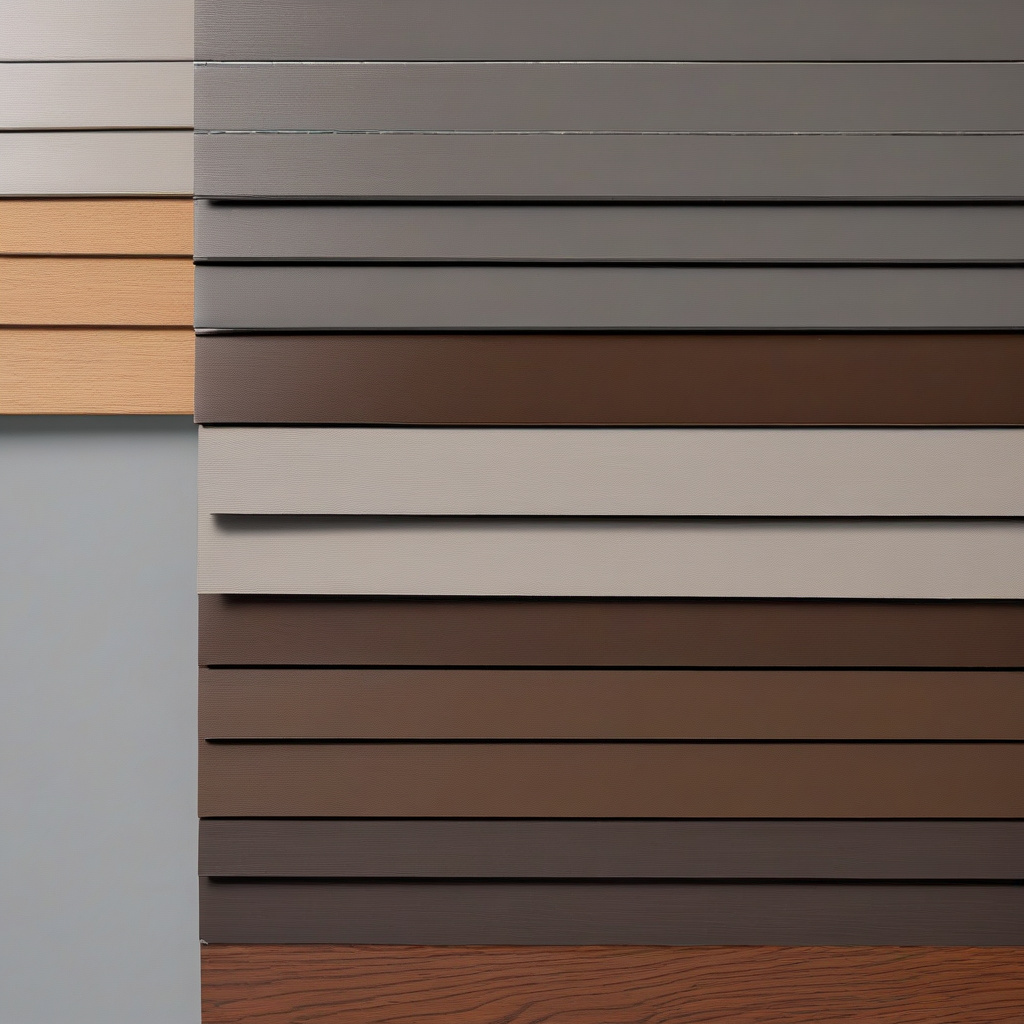
For homeowners basking in the radiant glow of a sunny Southern Californian paradise, choosing the right stain for a wood deck can prove as essential as the choice of the deck wood itself. With Los Angeles’s unyielding sun casting its beaming rays most days of the year, the decision transcends pure aesthetics, merging with considerations of durability and comfort.
Brief summary: Choosing a stain color for wood decks in sunny climates is a delicate balance between style, UV protection, and heat absorption. This article explores expert tips, renovation trends, and practical steps to ensure wood decks retain their vibrancy and longevity despite the intense sun exposure typical of Southern California.
Understanding the Impact of Sunlight on Your Deck
Decks in Los Angeles are not mere outdoor floorings; they possess a cultural significance akin to the sprawling backyards they’re nestled within. The relentless sunlight, however, poses a dual threat by accelerating UV-induced fading and escalating surface temperatures. It’s not uncommon to hear local architects comment on how a poorly chosen stain can lead a deck to age decades in mere months.
Natural wood tones offer an irresistible charm, yet finding that perfect balance between aesthetics and practicality can be perplexing. Light-colored stains might echo a serene simplicity, but they often fall short in the battle against UV rays. Conversely, darker stains absorb more heat, risking discomfort during those barefoot evening strolls.
For many, the dilemma is compounded by the desire to preserve the natural appeal of the wood. As seasoned renovators suggest, opting for stains with advanced UV blockers can mitigate fading woes without compromising on style. Such insights are indeed critical for informed decisions during remodeling in sun-kissed locales like Southern California.
Ultimately, the decision should reflect not just personal taste but also an understanding of the climatic impacts. Carefully blending aesthetic desires with the climate’s demands ensures not only a deck’s longevity but also its timeless appeal.
Exploring Wood Tones: The Timeless vs. Trendy Debate
In a city renowned for its architectural elegance, wood tones for decks swing between timeless classics and bold, trendy hues. As many local homeowners notice, natural patterns can defy fashion cycles, enduring with minimal intervention. However, seasonal trends often introduce enticing yet high-maintenance options.
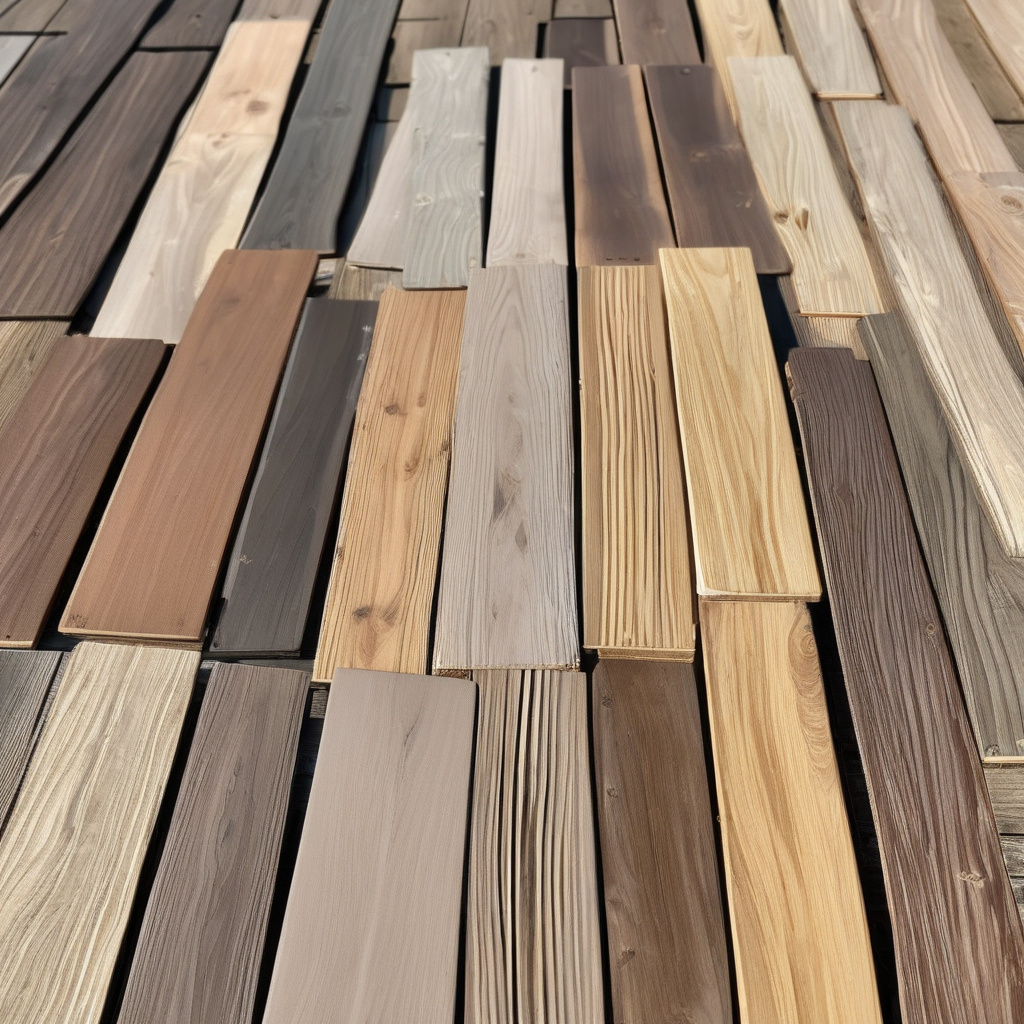
Classic teak or cedar tones undeniably evoke California’s rustic charm. Yet, the inclusion of unconventional colors like weathered gray reflects an evolving contemporary aesthetic. Such hues require a meticulous maintenance regimen, but their increasing popularity in Los Angeles’ renovation projects suggests a shifting trend. Discover more patio ideas and inspirations to keep up with stylish renovations.
Experts from the design world often emphasize the importance of aligning deck stains to the broader home exterior palette. This ensures the deck doesn’t become a jarring anomaly but rather an integrated extension of living space. Moreover, striking a balance between inventive style and practical maintenance remains the guiding principle for homeowners.
Ultimately, choosing between the timeless and the trendy boils down to a personal decision intertwined with dedicated upkeep. As styles evolve and homeowners strive for uniqueness, time-honored hues still hold a steadfast allure.
The Science Behind UV Stability and Deck Longevity
When it comes to UV stability, selecting the correct stain is as critical as the choice of the underlying wood itself. Not all stains provide equal resilience against the sun’s potent rays. Scientifically speaking, some formulations offer enhanced absorbers and stabilizers, vital in maintaining vibrancy.
Transparent stains might let wood’s natural grains shimmer under the daylight, but they remain susceptible to fading. Homeowners in sun-drenched areas like Southern California often become refurbishing regulars due to fading missteps. Instead, semi-transparent stains strike a compromise, offering a balance that allows timber beauty without sacrificing protective efficacy.
Research indicates that UV-resistant stains can extend the life of wood surfaces by up to 30%, effectively preserving both color and quality in sunny regions.
An expert opinion suggests reapplication of coatings at strategic intervals as a potent approach to fortifying wooden surfaces. This, coupled with understanding the specific UV protection offered by various stains, forms a robust strategy for maintaining deck vibrancy.
Ultimately, incorporating science-backed choices into stain selection not only promises aesthetic satisfaction but also assures durability—a factor often touted in successful deck projects across sunny climes.
Practical Tips for Choosing the Right Stain in Sunny Climates
While theories and expert opinions provide valuable insights, homeowners benefit most from practical wisdom drawn from real experiences. The mix of solar exposure, ambient temperature, and wood species calls for a tailored approach in every project.
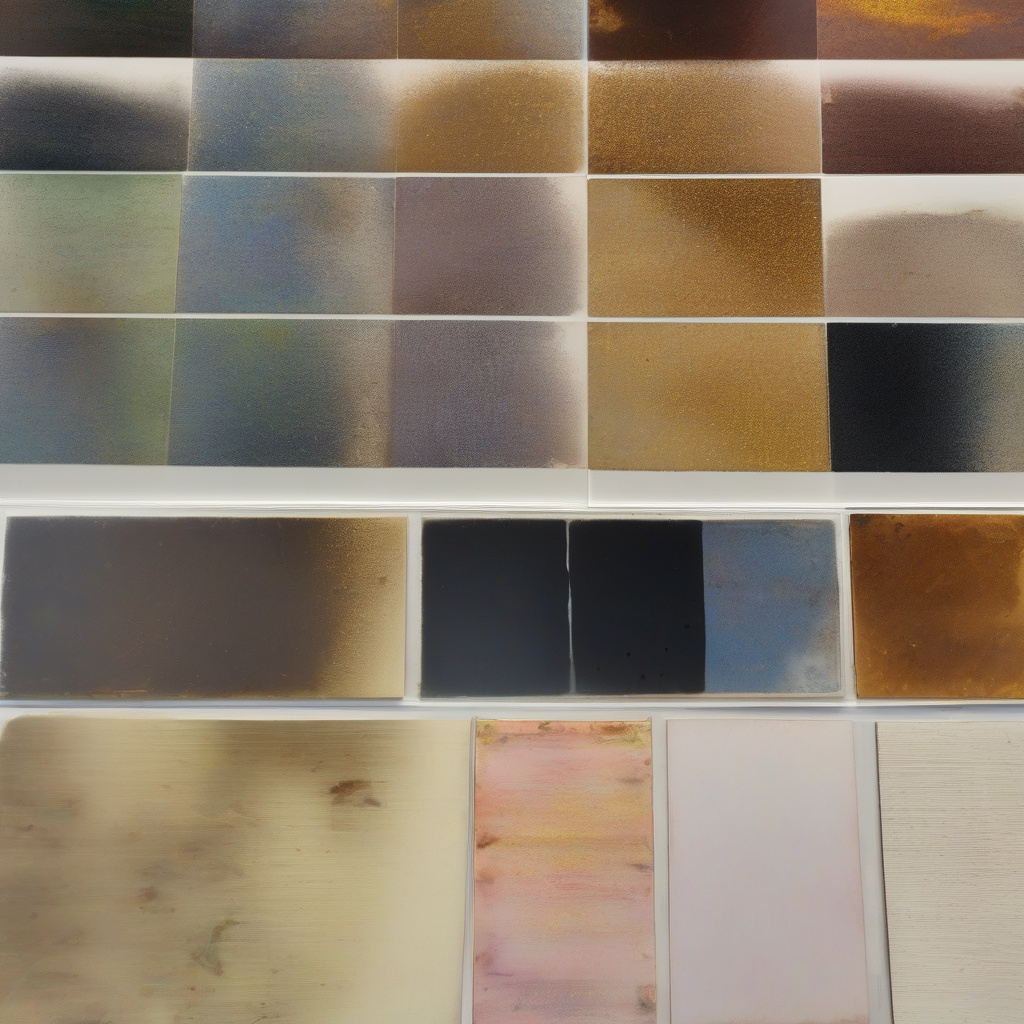
One recommendation resurfacing repeatedly involves conducting small patch tests before committing to a full application. Testing on inconspicuous sections allows homeowners to envision the end result realistically. Explore more tips on optimizing outdoor spaces and customizing deck aesthetics.
Consider also the interplay between stain color and deck orientation. North-facing decks might endure less intense sunlight compared to their south-facing counterparts. Thus, semi-transparent wood stains might suffice for the northern aspect while more robust formulations cater to the southern face.
Moreover, participation in workshops featuring stain applications and maintenance insights can offer homeowners practical knowledge transferrable to backyard projects. Industry professionals frequently furnish advice on complementary sealing practices and longevity tactics, extending a project’s value.
As informed projects multiply, engraining practical advice breeds confidence in home renovation, where every choice carries significant bearings on the outcome.
Balancing Aesthetic Desires with Cost and Effort
While aspirations for a pristinely stained deck are commonplace, the pragmatic realities of budget and exerted effort factor heavily in decisions. Los Angeles is notorious for its soaring home improvement costs, and deck staining is no exception. Balancing these elements requires a strategic approach.
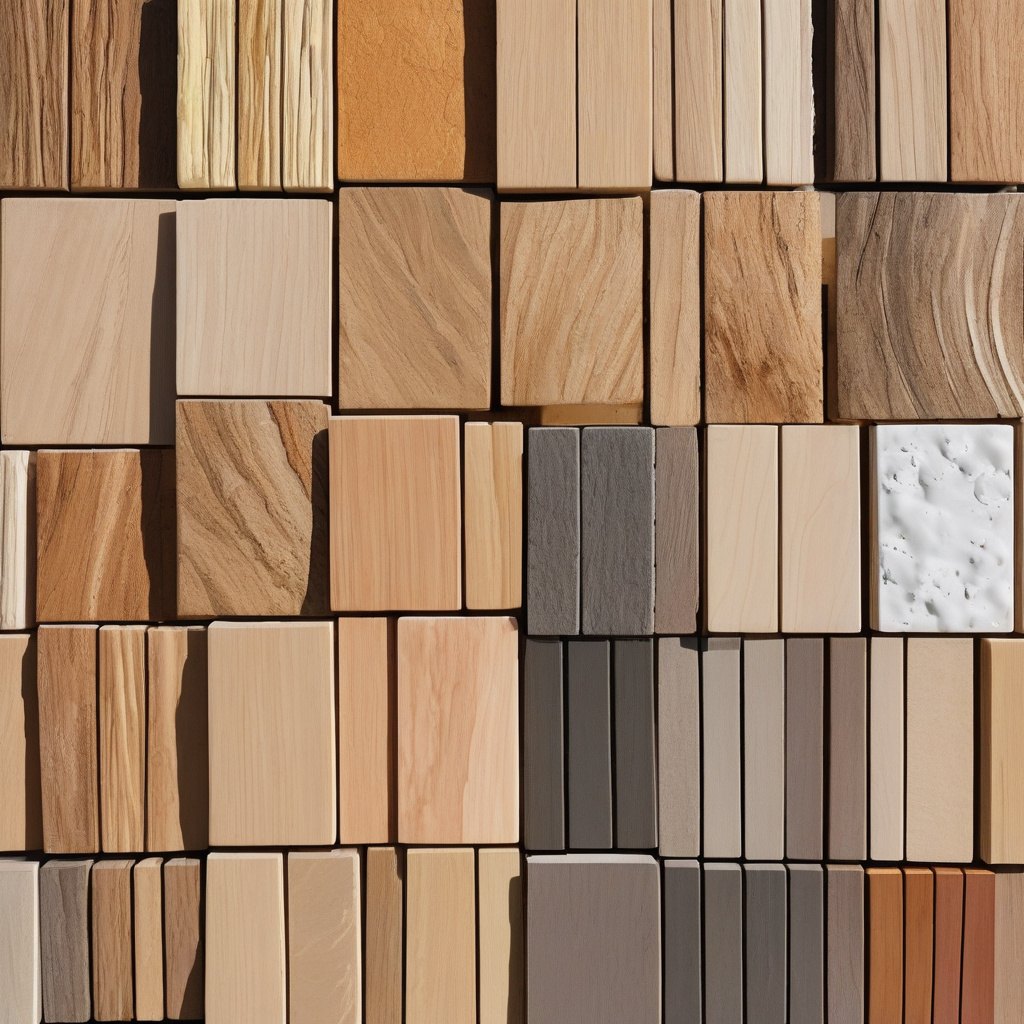
The spectrum of stain choices—from DIY-friendly offerings to high-end commercial grades—reflects a diverse market. To make things more tangible, here’s a straightforward comparison:
| Option | Cost Range | Durability |
|---|---|---|
| DIY Stain Kits | $50 – $150 | 1-2 Years |
| Standard Semi-Transparent | $150 – $300 | 3-5 Years |
| Premium Commercial Grade | $300 – $500 | 5-7 Years |
Engaging professional services might inflate costs but brings assurance and long-term resilience. For those viewing decking as an investment, exploring ROI insights on decking projects proves prudent. The perks often outweigh the initial expenditure over extended periods.
In balancing fiscal allocations with labor intensity, homeowners can transform their projects into productive ventures, curating meaningful extensions of living space that echo personal flair while standing the test of time.
Maintaining Deck Stains: Clear Steps for Longevity
Preserving the allure and longevity of a stained deck demands perpetual diligence. Maintenance stands as a cornerstone in post-staining care, heavily influencing the vibrancy and appeal of wood surfaces.
Staining experts often advocate for regular cleaning regimens using mild detergents and soft scrubbing tools. This approach helps to maintain color integrity while safeguarding against the relentless Southern Californian sun. Moreover, seasonal reapplications of UV-blocking finishes can reinvigorate both tone and texture.
An industry standard suggests maintenance inspections biannually to address minor wear, thus avoiding extensive restorations down the line.
Another pro tip is to remain alert to biological intrusions. Algae, molds, and mildew thrive in humid conditions, often requiring diligent care. Discover effective methods for cleaning organic build-up and securing a pristine deck surface.
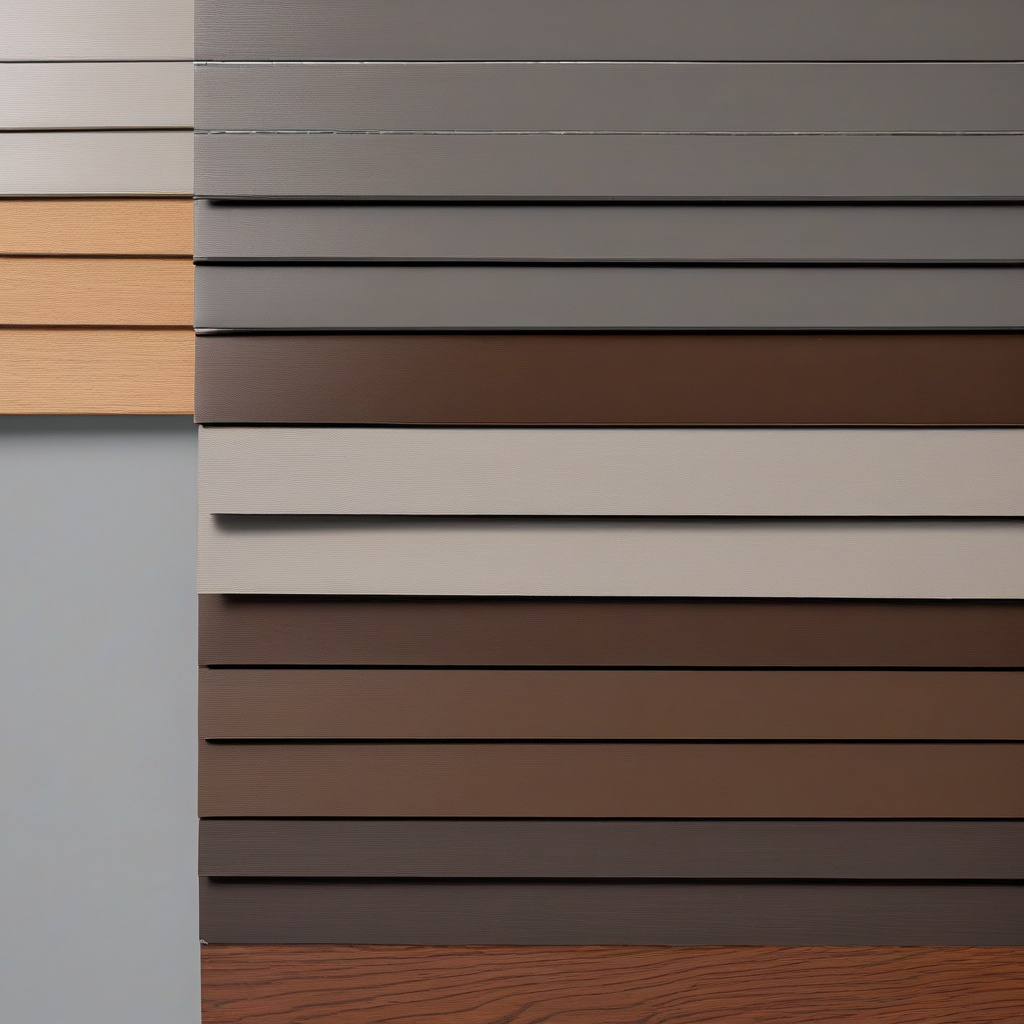
With insightful maintenance practices, homeowners can successfully usher their decks through the demanding seasonal shifts, ensuring vibrant sanctuaries that offer comfort and respite.
- Opt for UV-resistant and semi-transparent stains for best durability.
- Blend practicality with aesthetics by understanding stain properties.
- Consider the orientation and sun exposure in stain selection.
- Regular maintenance ensures a long-lasting, vibrant deck.
- Balance efforts with budget and longevity expectations.
FAQ
What factors should I consider when choosing a stain color for wood decks in sunny climates?
In sunny climates, selecting the right stain for your deck involves evaluating three main factors—UV stability, the wood’s natural tone, and heat absorption. In real renovation projects, it often becomes clear that light colors resist UV damage better, reducing fading over time. Darker stains may look appealing initially but can absorb more heat, making your deck uncomfortably hot underfoot. Many experts point out that mid-range, earth-toned stains often offer a balance, minimizing heat absorption while still protecting the wood from UV rays. Always consider the wood species; for instance, cedar often pairs well with semi-transparent stains that enhance its natural beauty without overwhelming it.
How can UV stability affect my choice of stain?
UV stability is crucial in sunny climates to prevent your deck’s color from fading rapidly. In practical terms, it means opting for stains with built-in UV blockers. Many homeowners frequently underestimate this aspect, only to realize their once-vibrant deck has dulled after a single summer. When staining an older property undergoing renovation, I’ve noticed clear or semi-transparent stains with high UV resistance maintain the wood’s character while offering substantial protection. It’s worth investing in a quality product—even if costlier—since restaining in a couple of years can become more time-consuming and expensive.
What are the pros and cons of using darker stains?
Using darker stains can give your deck a rich and dramatic appearance, often complementing modern systems in newer builds. However, the main downside is their heat absorption. In sunny areas, these stains can make the deck surface significantly warmer, potentially leading to discomfort. On the flip side, darker colors tend to be forgiving, masking minor imperfections in the wood. When weighing your options, consider whether aesthetic appeal or comfort during peak sun hours is more important for your lifestyle. These pros and cons highlight why some homeowners lean towards lighter or mid-tone options in sun-bathed regions.
What are typical mistakes to avoid when selecting deck stain colors?
One of the common mistakes is choosing a stain based solely on appearance. Homeowners often select colors that look good in brochures without testing them on a small patch of their deck first. This can lead to surprises, as the final result may vary due to the wood’s inherent color and texture. In another frequent misstep, people might ignore the local climate’s impact, especially in places like California where intense sun exposure is a factor. Testing different stains and considering how they hold up against UV rays can prevent these pitfalls, ensuring long-term satisfaction with both the look and functionality of your deck.
How do wood species impact the stain color choice?
The species of wood plays a significant role in how a stain color ultimately presents itself. For example, pine absorbs stains differently than hardwoods like cherry or oak, often yielding uneven tonality if not properly applied. Cedar decks are popular in many single-family homes for their natural resistance to decay and striking appearance. For cedar, light stains can enhance these qualities, preserving the wood’s natural grain and character while providing protection. It’s crucial to understand the interaction of the chosen stain with your specific wood type to ensure a harmonious blend that meets both protection and aesthetic needs.
When is the best time to apply a stain to a deck in sunny climates?
Timing can dramatically influence the success of a staining project. Contrarily to what some assume, summer is not always the best time due to extreme heat that can cause the stain to dry too quickly, leading to uneven application. Many seasoned renovators suggest early fall or late spring for their perfectly mild conditions—warm enough to allow the stain to dry properly, yet not too hot to expedite drying unnaturally. Watch for extended weather forecasts indicating a stretch of rain-free days to ensure that the stain cures adequately, locking in both color and protection efficiently.
Should cost be a major factor in choosing a deck stain?
While cost is a concern for most homeowners, it’s essential to view stain selection as an investment in your home’s durability and visual appeal. Many experts advocate opting for higher-quality products, even at a premium price. Cheaper stains may save money upfront but often lack the UV protection and longevity found in more expensive alternatives. Observations from renovation projects frequently highlight that paying a bit more for a well-formulated stain extends the period before restaining is necessary—averting additional labor and material costs down the line. For personalized advice on balancing cost and quality, consider profiting from local renovation experts’ insights.
What maintenance considerations are relevant for stained decks in sunny climates?
Maintenance is key to preserving the beauty and extending the life of stained decks, especially in sunny climates. Homeowners should regularly inspect their decks for signs of wear and fading. A light cleaning with mild soap and water can remove dirt and buildup. During such cleanings, you might notice areas where the stain is wearing thin—a clear sign it’s time for a touch-up. As a preventative measure, applying a light recoat every couple of years can help prevent significant damage and maintain UV protection. Consistency here not only keeps the deck looking great but also enhances its structural integrity against the elements.