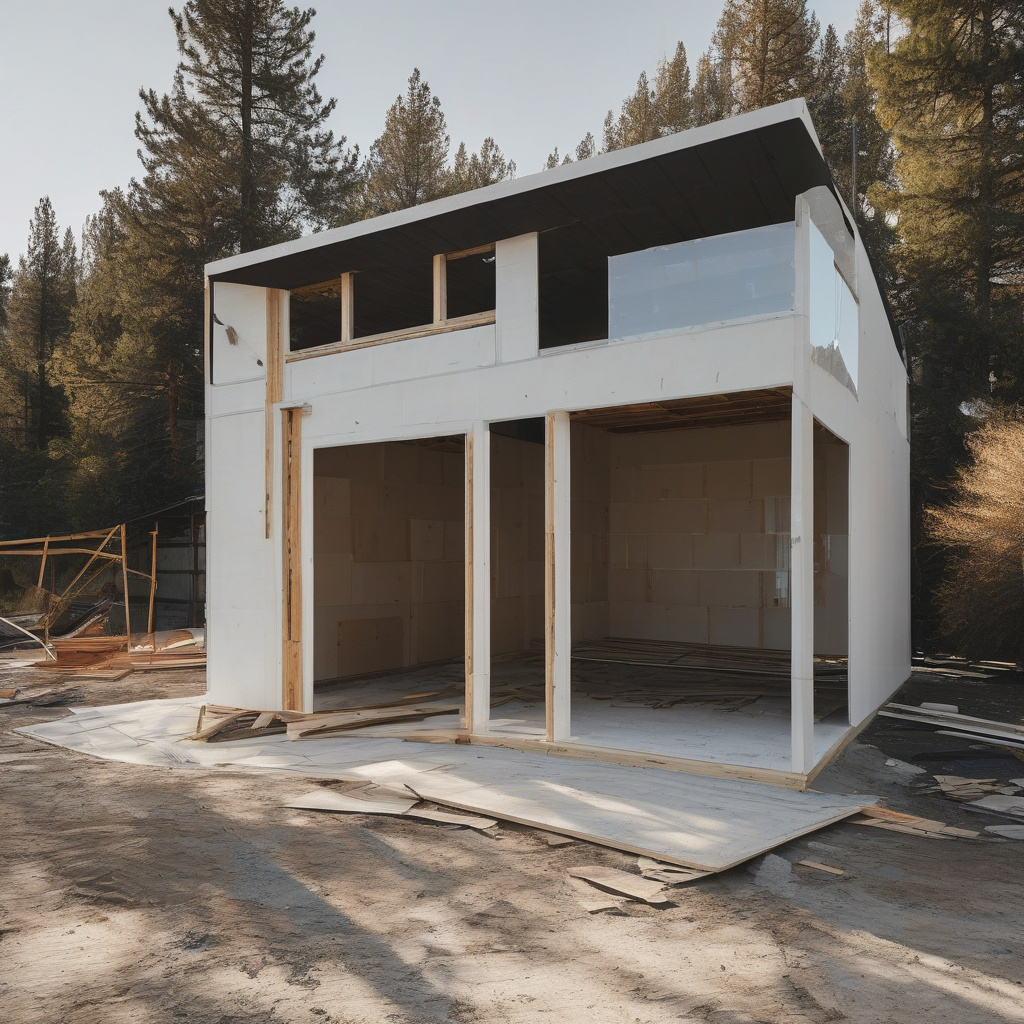
As the sun sets over Los Angeles, it casts long shadows over the city’s eclectic architecture, a visible testimony to its ever-evolving landscape. In this thriving metropolis, contemplating adding an Accessory Dwelling Unit (ADU) can be both an exciting and daunting prospect. Like any significant home improvement, choosing the right contractor is crucial—one that’s based on experience, transparency, timelines, and build quality. This decision shapes a partnership that supports reliable construction and clear communication, ensuring your ADU journey is as smooth as the coastal breeze.
Brief summary: Selecting an ADU contractor in Los Angeles involves understanding the importance of experience, transparency, and quality. This article provides insight into assessing contractors based on real case studies, renovation trends, and a detailed comparison of costs and materials. It serves as a guide for navigating the complexities of ADU projects in Southern California’s vibrant atmosphere.
Understanding the ADU Landscape in Los Angeles
Los Angeles, with its mix of cultural richness and urban sprawl, presents unique challenges and opportunities for ADU projects. These auxiliary units are more than just a trend; they’re a solution to the city’s growing demand for affordable housing and multigenerational living. Before breaking ground, familiarize yourself with the options available for ADU additions and how they fit into your vision.
Consider the city’s zoning laws, which dictate the design and placement of ADUs. These regulations vary significantly across neighborhoods, reflecting the diverse tapestry of LA’s communities. As you sift through potential contractors, ensure they possess a robust understanding of these local nuances—an insight that separates the seasoned professionals from the novices.
One cannot overlook the significance of a contractor’s track record. A seasoned contractor will not only have experience in executing flawless ADU builds but should also exhibit an archive of successful projects. This archive is often the best testament to their capability and reliability, offering a practical understanding of what you can expect.
Intriguingly, the popularity of ADUs has spurred innovative design solutions, blending modern aesthetics with functionality. This evolution is fueled by creative minds capitalizing on limited space. As many local homeowners notice, ADUs contribute significantly to the property value, making them a strategic investment for future returns or immediate financial relief via rental income.
Key Considerations When Selecting a Contractor
The process of selecting an ADU contractor is akin to choosing a partner in any significant life endeavor. It’s about more than just competence—it’s about finding someone you trust, with whom the collaboration feels seamless. Vetting potential contractors involves more than scanning reviews; it means delving into their ability to meet deadlines and manage budgets effectively.

Ask prospective contractors about their problem-solving approaches. The construction landscape often presents unexpected challenges—whether through material shortages or inclement weather—and the real mark of expertise lies in how well they adapt. Request detailed timelines and benchmarks, holding them accountable through consistent communication. Fidelity to schedule is not just a testament to professionalism but a critical component in minimizing stress.
Another pivotal point is transparency. A good contractor should articulate their process, costs, and any potential disruptions with clarity. Inquire about their methods for cost estimation and what mechanisms are in place to prevent budget overruns. This transparency fosters trust and minimizes the likelihood of unpleasant surprises.
In conclusion, selecting an ADU contractor in LA is as much about due diligence as it is engagement. Each step from consultation to final bill should reflect the contractor’s commitment to quality and efficiency.
Planning Your ADU: Layouts and Logistics
Deciding on the layout and logistical aspects of your ADU is where practicality meets creativity. It requires a blend of vision and feasibility, ensuring that your space not only addresses current needs but also future aspirations. As you commence planning, explore whether a tiny home style or a traditional ADU better suits your objectives.
Space planning should always start by mapping your lifestyle. Consider whether the ADU is for tenants, family, or personal use, each dictating different requirements. For instance, if considering tenants, privacy becomes paramount, influencing decisions from soundproofing to entry points.
The juxtaposition of space and structure is another consideration. Analysing how the unit will blend with existing structures—architecturally and aesthetically—affects both permits and overall appeal. While some elements are dictated by limitation of space or law, others stem from personal style, providing plenty of room for personalization.
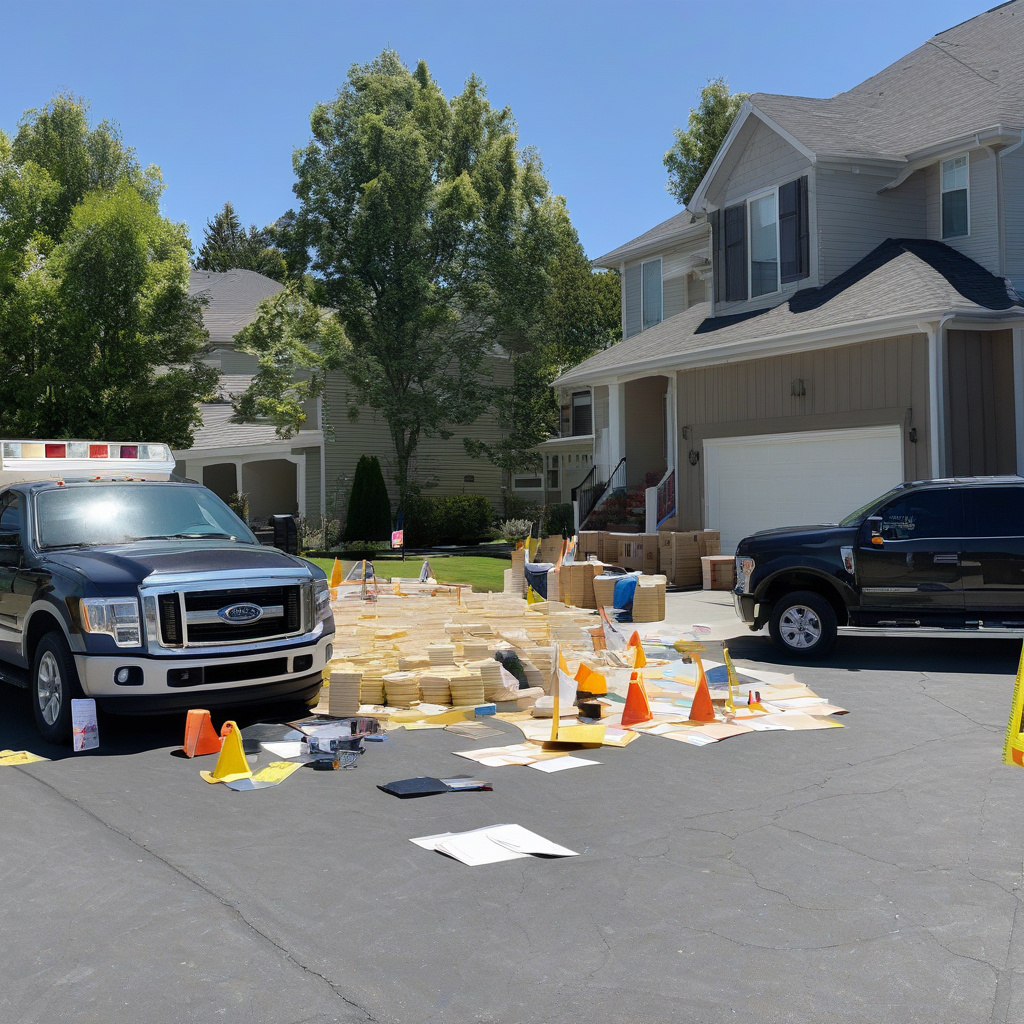
For efficient planning, enlist your contractor’s expertise to conduct a thorough site inspection, ensuring you navigate any topographical or foundational challenges right from the start. This foresight is instrumental in averting costly alterations mid-project.
Ultimately, precise planning and adept project execution are the linchpins of any successful ADU project. The devil is indeed in the details; the more meticulously you plan, the smoother the execution.
Materials, Costs, and Quality: The Triple Intersection
The trifecta of materials, costs, and quality coalesces at the heart of any ADU construction project. Making informed choices in this arena directly influences the durability and allure of your ADU. Engage in thorough research about effective soundproofing technologies that can enhance your unit’s comfort and attractiveness.
Cost reigns supreme as the most tangible facet of any home construction. With soaring materials costs, it’s essential to understand your budget limitations while aiming for high-quality outcomes. The flexibility to adjust your planning as costs ebb and flow is indicative of a savvy approach.
According to the National Association of Home Builders, investing in quality materials pays off in longer-term durability and lower maintenance costs, making it a prudent choice for homeowners considering ADUs.
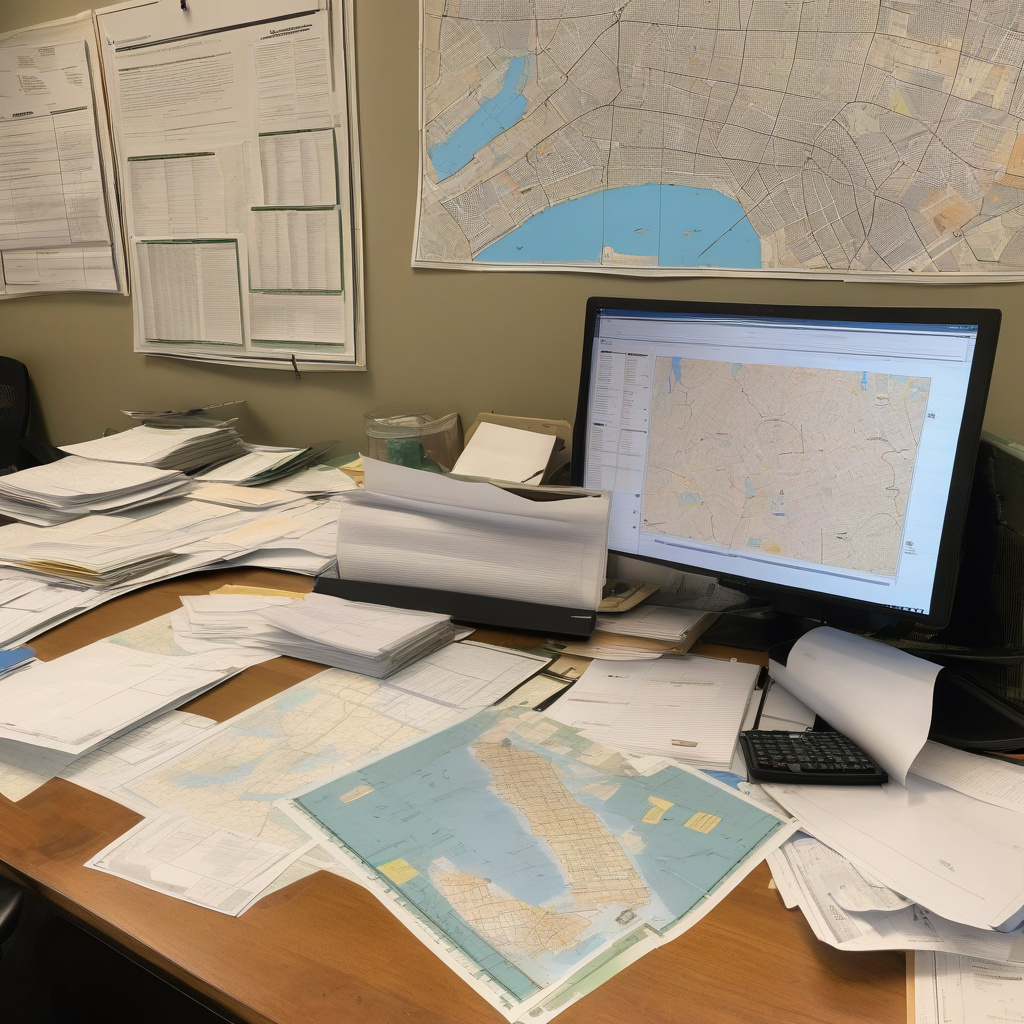
The debate over which materials to use is wide-ranging. While sustainable options often come at a premium, they can offer long-term savings through energy efficiency. Their increasing popularity reflects a societal shift towards environmental consciousness, underscoring the role of ADUs in this progressive movement.
Concluding this consideration, the judicious selection of materials and mindful planning of costs assure a build that not only meets structural integrity but eco-friendliness—a feature that invariably adds intrinsic value to any construction.
Risks and Rewards: Navigating Potential Pitfalls
Every construction project comes paired with its own set of risks and rewards, more so in an evolving market such as Los Angeles. The crescendo of excitement as your ADU nears completion is often laced with anxiety over possible hurdles. As long-standing industry professionals attest, “Anticipate potential challenges—and plan around them.”
One recurrent risk lies in the unexpected delays that could balloon budgets. Having a contingency fund—at least 10% of your total budget—is advisable, serving as a buffer against unforeseen expenditures.
Moreover, entering into clear agreements before project initiation mitigates misunderstandings down the road. Legalities, although tedious, streamline processes by delineating responsibilities. Always ensure meticulous documentation accompanies any agreement you finalize.
An American Institute of Architects study notes that projects with clearly defined scopes and expectations witness a significantly lesser rate of disputes post-completion.
The rewards of adding an ADU are bountiful. From increased living space to potential rental income, these units enhance quality of life. Moreover, a well-executed ADU raises property values significantly—making the laborious journey worthwhile.
In sum, a careful analysis of risks versus rewards helps steer projects past potential hazards, maximizing the benefits your ADU offers.
Final Steps: Preparing for Construction
With the essential groundwork laid, all that remains is the leap into the construction phase—armed with blueprints and precise allocations. The process might seem extensive, but with a trusted contractor, navigating through permits, zoning, and material selection becomes infinitely manageable.
Take preemptive steps to notify neighbors about your project. Communication fosters goodwill and positions you as a considerate community member. It’s surprising how integrating such social considerations can smooth future interactions.
Ahead of starting, schedule regular updates with your contractor. These check-ins are non-negotiable. They ensure alignment on timelines and resolve queries as they arise, minimizing disruption to both parties.
By the time construction ends, not only have you realized a significant enhancement to your property, but you have also hopefully built a lasting relationship with a trusted contractor. The lessons learned during this process undeniably serve as a reference point for future projects.
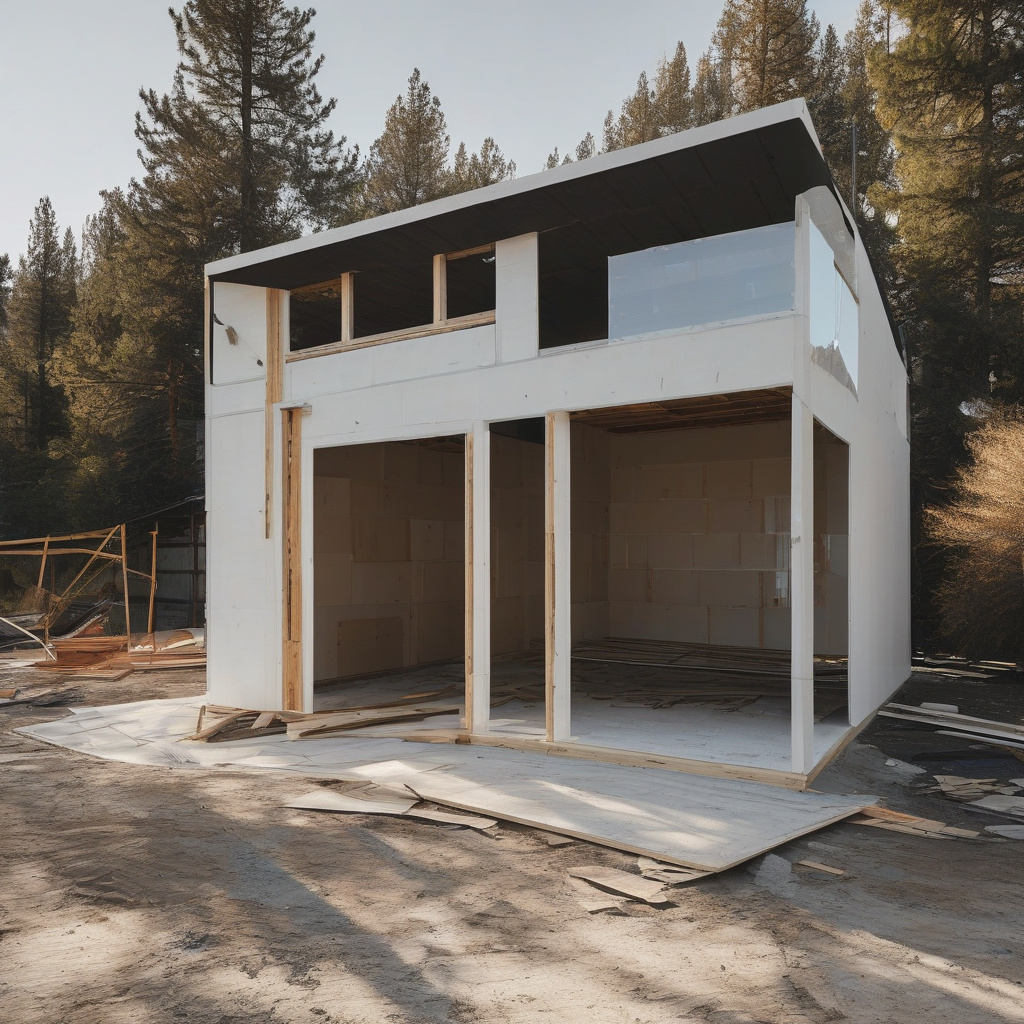
The US Census Bureau highlights that homes with auxiliary units, such as ADUs, are selling at a 2-4% premium compared to those without, reflecting the growing value proposition of these structures.
In conclusion, the ADU journey, though complex, is a proven pathway to enhancing your living space and lifestyle. Follow these steps, ally with good partners, and create a space that is entirely your own.
- Choosing a reliable contractor is essential for successful ADU projects.
- Understanding local regulations and planning based on purpose enhances design.
- Efficient budgeting and material choices influence construction outcomes.
- Communication with contractors and communities ensures smooth operations.
- ADUs are a valuable investment, boosting property and rental incomes.
“`html
FAQ
What is an ADU and why might you consider adding one?
An Accessory Dwelling Unit (ADU) is a secondary housing unit on a single-family residential lot, often used to provide additional living space for family or to generate rental income. In real renovation projects, ADUs have proven invaluable by maximizing property utility without the need to purchase additional land. Typical setups include converted garages or detached backyard units. Many homeowners in LA choose ADUs to meet housing shortages and benefit from high rental demand, turning unused spaces into valuable assets. However, navigating building codes and zoning laws can be tricky, so thorough research and professional consultation are essential steps to take before diving into construction.
How do you choose the right contractor for ADU construction in LA?
Selecting a contractor comes down to evaluating several key factors: experience, transparency, timelines, and build quality. Homeowners frequently underestimate the importance of contractor experience, which could lead to prolonged project durations and increased costs. It’s important to ask for past project examples, check references, and ensure they have specific ADU experience given Los Angeles’ stringent zoning laws. Many experts point out that a reliable contractor should not only provide clear, written estimates but also a realistic timeline. Transparent communication is crucial; hence, a contractor willing to openly discuss potential setbacks is often the better choice.
When is the best time to start an ADU construction project?
Timing for an ADU project isn’t just about seasons; it’s about personal readiness and market trends. In Southern California, construction can occur year-round, but demand for contractors can vary based on the housing market. Starting in late fall or winter might secure better rates and availability as contractors tend to be less busy. Many seasoned renovators suggest aligning construction plans with personal schedules to minimize disruptions at home. Typically, assessing market conditions to ensure that the investment aligns with financial goals is essential before breaking ground.
What common mistakes should be avoided in ADU construction?
A frequent oversight during ADU projects is underestimating project costs, often due to minimal initial estimates that don’t account for potential overruns. Misjudging the space requirements or failing to incorporate adequate storage solutions can lead to cramped, poorly functioning units. Proper planning includes detailed architectural designs and seeking permits early in the process to prevent legal hiccups. Another common pitfall is choosing aesthetics over functionality. While design is crucial, practical aspects such as plumbing and electrical layouts should never be marginalized. A smart tip is to engage with professionals early to guide both design and compliance.
What are the cost considerations for ADU construction in LA?
The cost of constructing an ADU in LA can vary significantly, typically ranging from $150,000 to $400,000 based on size, complexity, and luxury level. In real-world cases, many underestimate the “soft costs” such as permits and design fees. Labor costs also account for a significant portion, especially when customized work is needed. The initial investment can appear steep, but many homeowners see this as a long-term gain, given the potential rental income. While considering costs, it’s beneficial to inquire about financing options like renovation loans or grants, which can offset upfront expenses.
What are the pros and cons of building an ADU?
The benefits of ADUs include increased property value, potential rental income, and the versatile addition of living space suitable for various needs. In everyday homeowner situations, they provide housing flexibility, accommodating aging parents, or students. However, navigating regulatory compliance can be daunting. The financial outlay is not negligible, with construction costs and potential property taxes also increasing. Additionally, certain neighborhoods may have restrictions on rentals or specific design guidelines that need adherence. While ADUs present a lucrative opportunity, evaluating these factors thoroughly can guide in making an informed decision and potentially contacting professionals for detailed guidance.
How do you ensure quality and longevity in ADU construction?
Ensuring the quality and longevity of your ADU relies heavily on selecting quality materials and skilled craftsmanship. Opt for durable, low-maintenance materials, particularly in areas like roofing and siding, which endure weather impacts. Regular inspections during construction phase help catch mistakes early, a practice adopted by many experienced homeowners. Additionally, good insulation and energy-efficient systems not only enhance living comfort but reduce long-term utility costs. Preventive maintenance, much akin to full-sized homes—including maintaining HVAC systems and plumbing—is vital for preserving the ADU’s value over the years.
What are the risks involved with ADU construction?
The risks associated with ADU construction often stem from regulatory non-compliance and budget overruns. Improper permitting can lead to fines or forced alterations, while unforeseen site conditions, like problematic soil, can escalate costs. Homeowners who bypass contracting professionals might face poor workmanship or project delays. There’s also the risk of overestimating rental returns based on inconsistent market trends. Understanding these risks underscores why consulting reliable sources and experienced contractors, such as discussing your project with local renovation experts, can be invaluable to mitigating potential issues effectively.
“`