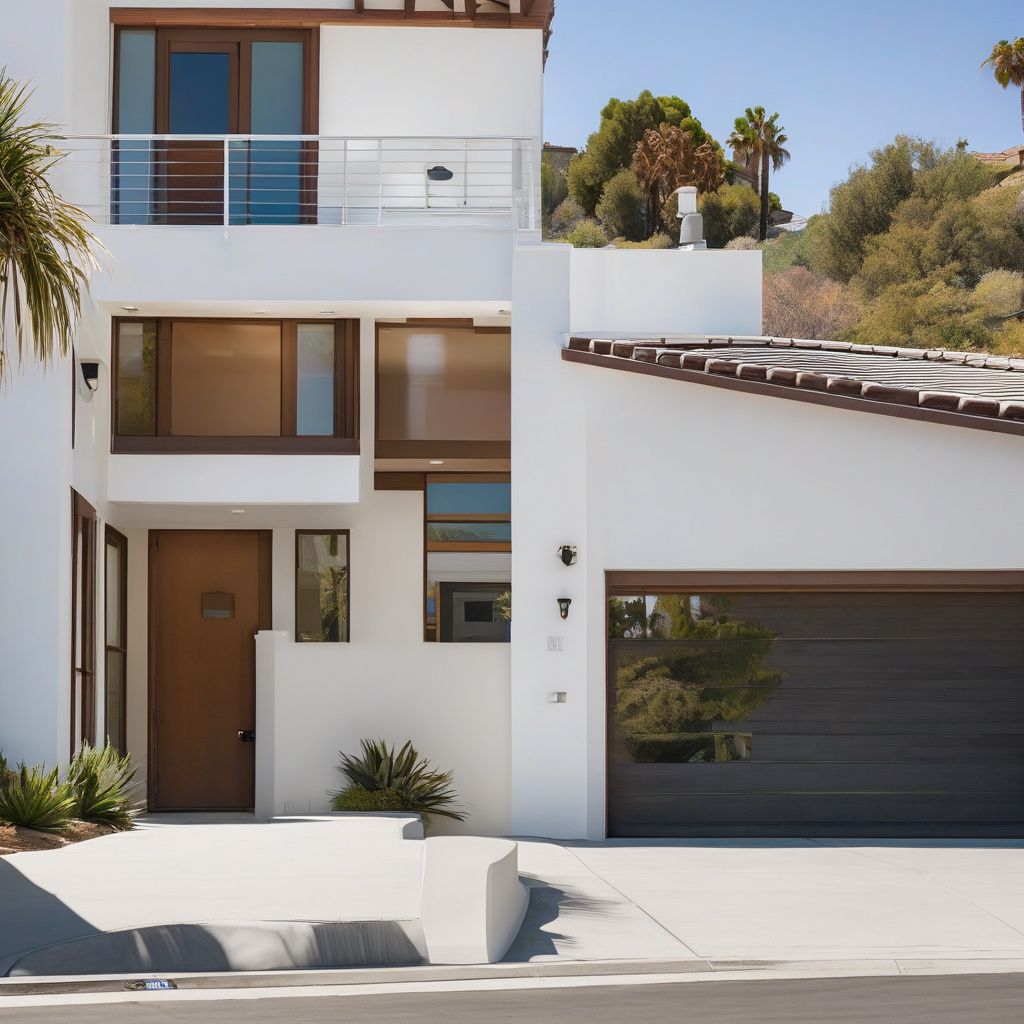
California light—bright, effervescent, and notoriously unforgiving. It can make your stunning white interiors look like they’re suffering from a chronic case of jaundice. However, finding the perfect white paint that retains its crispness without succumbing to the sun is the Holy Grail of West Coast decorating. Let’s navigate through this labyrinth of luminous possibilities and uncover the best white paints that defy the yellow curse.
Brief summary: This article explores the best white paints that maintain their crispness in California’s intense sunlight. We delve into the balanced undertones that resist yellowing, highlight renovation trends, costs, and homeowners’ experiences in Los Angeles, and provide insights from industry experts about choosing long-lasting paint options for homes.
Decoding the Complexity of White Paint
White paint seems straightforward, but as many homeowners in Los Angeles quickly realize, choosing the right shade is anything but simple. The interplay of natural light and paint can yield unexpected results, often leaving an unwelcome yellow hue over what was intended to be a pristine white canvas.
The secret to a true white lies in its undertones. Whites that resist yellowing in California’s harsh light typically incorporate a delicate balance of cool or neutral tones. These undertones help maintain the paint’s integrity under intense sunlight, preventing the dreaded color shift.
While color harmony is crucial, it’s just one aspect of the equation. Observations by local interior experts reveal that the choice of paint finish can also affect the overall appearance. Matte finishes absorb more light, which can amplify undertones that you might not have noticed initially.
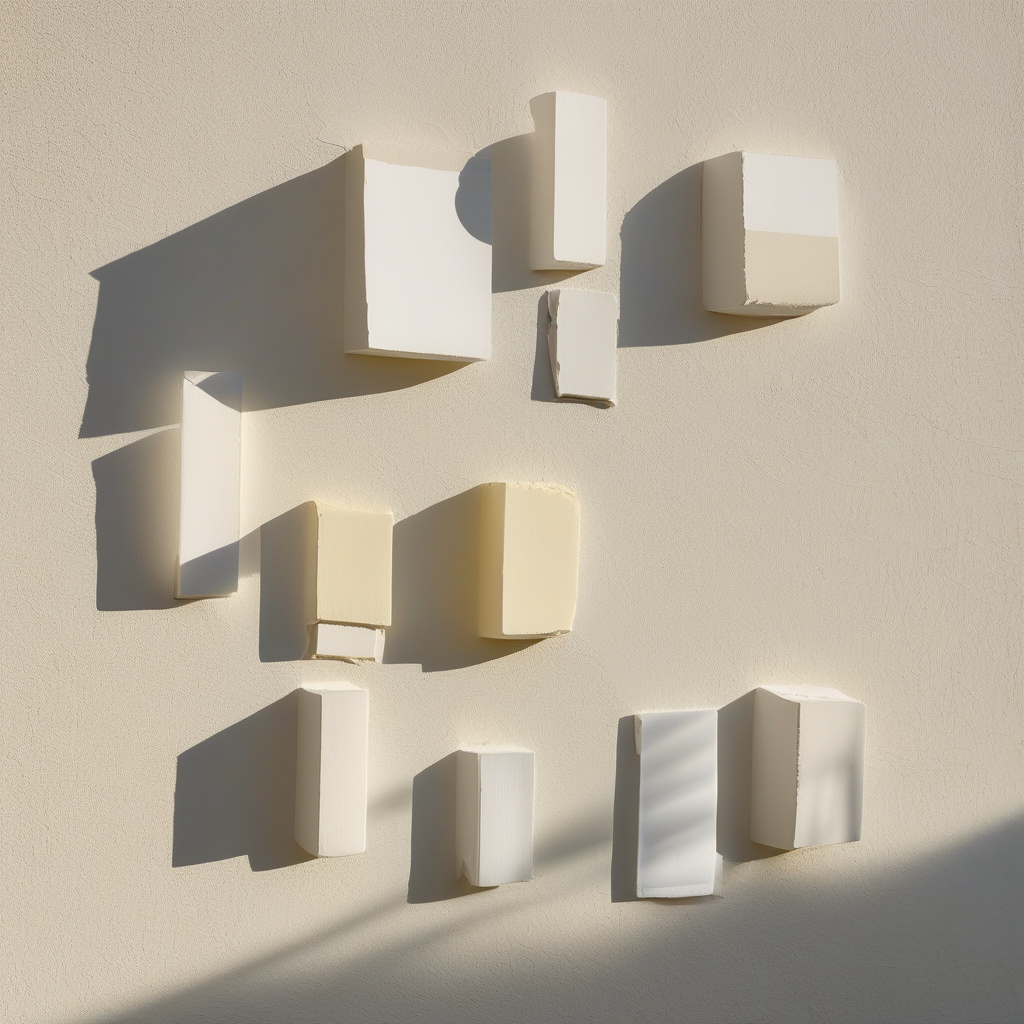
One method savvy homeowners employ is testing a paint swatch on their walls under different lighting conditions throughout the day. This strategy provides a clear picture of how the color plays with the surrounding environment before committing to gallons of paint.
In conclusion, cracking the white paint code involves considering both undertones and finishes, tailored specifically to your space. Discover more on expertly choosing paint shades that perform well in any light.
Best White Paints Endorsed by Professionals
When facing the daunting task of selecting a white paint that withstands both heat and light, expert endorsements can serve as a guiding beacon. Professional painters in Los Angeles often recommend opting for premium paint brands known for their resilience in sunny climates.
Brands such as Benjamin Moore, Sherwin-Williams, and Farrow & Ball boast a spectrum of whites specifically formulated for sunny environments. These brands have perfected their formulations to offer whites that remain true without veering toward the yellow end of the spectrum.
Taking a recommendation from a local painting service with decades of experience can save both time and future frustration. Many professionals suggest that a semi-gloss finish can add a subtle sheen that reflects more light, enhancing the brightness of the space without altering the hue.
It’s also worth considering the ambient light in your particular area. Homes that are bathed in warm, golden sunlight might benefit from whites with cooler undertones to balance the warmth.
Embracing professional advice and tried-and-tested product selections is instrumental in achieving indoor aesthetics that defy California’s relentless sunshine.
Understanding The Science Behind Paint Longevity
Paint longevity in Californian homes is a concern shared by many, as the sunny climate presents unique challenges to maintenance and durability. A quality paint job not only requires the right product but also meticulous application techniques.
Sunlight, alongside pollutants and temperature changes, can accelerate the aging of paint. Technologies in paint formulations have evolved, striving to combat these environmental adversaries, offering increased durability and color retention.
To maximize the longevity of your paintwork, investing in quality paints with UV protectants and fade-resistant technology is advised. The chosen paint should be suitable for exterior conditions, even if applied indoors, given California’s intense light exposure.
Creating a well-ventilated environment during application can also prevent premature aging by reducing trapped air bubbles, which can compromise the paint’s integrity.
In essence, selecting the right materials and partnering with experienced painters can significantly extend the life of your paint, maintaining its fresh appearance longer.
Sizing Up Cost, Style, and Contentment
For many, California is synonymous with stylish living; however, achieving this comes with considerations for both budget and style. The cost of painting projects in Los Angeles can vary significantly depending on the scope and materials used.
A professional paint job is often seen as an investment in the home’s value. On average, gallon prices from top-tier brands hover around $30-$80, reflecting their quality and color-stay technology. Explore various paint options for practical insights.
Mixing style with cost-efficiency forms the basis of many Los Angeles paint transformations. Utilitarian whites favored by developers often oppose the more curated selections advanced by interior designers, who blend different paint finishes for aesthetic depth.
Real-life success stories abound, like those of homeowners who meticulously follow professional guidance, achieving stylish interiors that endure the state’s illuminating conditions without frequent touch-ups.
Ultimately, striking a balance between budget and desired effect is integral to any successful paint project.
Materials and Methods: A Technical Insight
The materials selected for a California interior can hugely influence the final aesthetic of a home. Besides the critical choice of paint, considerations such as stucco or drywall preparation can impact the final outcome.
Preparation is key. Even the most resilient paint will underperform if applied over poorly prepared surfaces. Neat surface preparation involves cleaning, sanding, and priming to create an optimal canvas. Tap into techniques for surface readiness that ensure paint adheres properly and endures time.
Studies highlight that inadequate preparation can reduce paint lifespan by up to 50%, stressing the importance of choosing the right application team and techniques.
The method of paint application—whether spraying, rolling, or brushing—also plays a pivotal role. While spraying offers a seamless finish, rolling may introduce texture that some individuals prefer for added visual interest.
Therefore, a clear understanding of materials and their interaction with sunlight can inform significant choices about paint projects, aligning them with Californian architectural standards.
Practical Advice for Renters and Short-Term Dwellers
For renters in Los Angeles, painting a property may seem a luxury or unnecessary hassle. However, even short-term dwellers can enhance their homes with carefully chosen white paints that make a lasting impression.
Renters can focus on easy-to-apply, quick-dry paints that offer excellent coverage with fewer coats, thus saving both time and resources. Check out these renter-friendly painting tips for inspiration.
Emphasizing non-permanent solutions, such as removable wallpapers or accent walls, can also create a stylish environment without breaching rental agreements.
Additionally, thoughtful color choices, combined with the awareness of natural light dynamics, can transform any rental into a personalized oasis amidst California’s vibrant landscape.
Short-term or otherwise, the potential for high-impact improvements using the right white paint should not be underestimated.
How to Choose the Right Shade for Your Space
Choosing the right white paint requires a strategic approach. Begin by identifying the primary sources of natural light in your space, logging how their angles and intensity change over the course of a day.
Next, sample potential paints in these light conditions, taking notes on any shifts in hue. This veto process ensures predictability once paint meets walls full-scale.
Finally, consult with local professionals or utilize online resources to compare undertones, ensuring your selection is informed by both scientific and aesthetic criteria.
Risk vs Reward: Bold Choices in Light-Filled Spaces
Taking bold color choices in sun-flooded Californian homes is not without its challenges. The heat can quickly cause daring hues to fade if not protected by a quality topcoat.
However, the rewards of vividly personalized interiors significantly outweigh the risks when executed thoughtfully. Balance, patience, and investment in superior materials can convert potential pitfalls into aesthetic triumphs.
The Timeless Appeal of White
Despite potential challenges, the timeless allure of white remains a classic choice for homeowners across California. Its versatility to complement a myriad of styles is an artistic canvas that invites personalization.
Engaging with trends while considering enduring elements ensures that white remains a relevant choice in a state renowned for its design-forward ethos and sprawling sunshine.
- Understanding undertones and finishes is crucial for selecting the right white paint in California’s unique light.
- Professional paint recommendations and materials are essential for achieving long-lasting aesthetics.
- Preparation and method of application impact paint performance significantly.
- Even renters can benefit from strategic paint choices to enhance their temporary homes.
- Risk and reward are balanced in color choice, with the lasting appeal of white making it a perennial favorite.
FAQ
What makes white paint appear yellow in California light?
In the sun-soaked climate of California, where sunlight is abundant and intense, white paints can often take on a yellow hue. This happens because of the warm undertones that many white paints possess, which become more pronounced under bright sunlight. In real renovation projects, contractors must consider the specific positioning of a home and how sunlight pours in through windows. An east-facing room may see cooler morning light, while an afternoon sun in a west-facing room intensifies warmth, amplifying any yellow undertones in the paint.
How can I choose the right white paint that won’t look yellow?
Selecting the right white paint involves assessing its undertones and considering your specific lighting conditions. Look for white paints with cool undertones, such as blue or gray, which counterbalance the natural warmth in California light. Many experts point out that testing a sample on your walls before committing to a full paint job can save you from costly mistakes. Check the color at different times during the day to see how it evolves as the natural light changes.
When does it make sense to repaint with a non-yellowing white?
It makes sense to opt for a non-yellowing white paint if you’re renovating spaces with high exposure to natural light, such as living rooms with large windows or kitchens with skylights. Homeowners frequently underestimate how much a change in paint color can refresh and modernize a space, making it more inviting. Particularly in older properties undergoing renovation, a new coat of paint in the right shade of white can instantly elevate the aesthetic without extensive remodeling.
What are typical mistakes homeowners make when choosing white paint?
A common mistake is selecting a white paint solely based on its appearance in the store or on a paint chip. In reality, the lighting conditions in your home will be vastly different from those under fluorescent store lighting. Another error is ignoring the existing color palette of your furnishings and decor; a white that clashes can end up looking stark rather than serene. Many homeowners also overlook the importance of finish type which can alter the appearance of the paint. Matte finishes can soften light’s intensity, while glossy ones reflect it more and could emphasize undertones.
Are there cost considerations with non-yellowing white paints?
Non-yellowing white paints can sometimes be a bit more expensive due to their carefully formulated undertones and pigments. However, many experts argue that it’s an investment worth making. A quality paint that maintains its color over time saves money in the long run, as it reduces the frequency of repainting. For those navigating tight renovation budgets, weighing the upfront cost against the longevity and aesthetic payoff can guide an informed decision. When in doubt, a consultation with a professional can help balance these factors.
What are the pros and cons of using white paints in sunny areas?
The main advantage of using white paints in sunlit areas is their ability to create a bright, airy atmosphere, making spaces feel larger and more open. It’s a timeless choice that matches various styles, from modern minimalism to classic elegance. On the downside, the intense sunlight in California can cause even the best whites to fade over time and highlight any imperfections in surface preparation. Some homeowners may also find that excessive brightness can feel clinical or create glare without the right balance of elements in the decor.
How should I maintain white walls to prevent yellowing?
Maintaining white walls involves regular cleaning to prevent dust and stains, which can dull the paint. Using a damp cloth and mild detergent can work wonders on marks and smudges, especially in high-traffic areas like hallways. Additionally, using shades or curtains to control the amount of direct sunlight hitting the walls can help minimize the risk of color change. In real homes, maintenance becomes a regular habit rather than a daunting task, ensuring that your walls remain as fresh and vibrant as the day they were painted.
How does the choice of white paint affect older homes?
The choice of white paint in older homes can significantly impact their renovation outcome. Many period properties have intricate moldings and architectural details that benefit from a fresh coat of crisp white paint, which can highlight these features while providing a modern feel. However, one risk is that some whites might reveal flaws or imperfections on older walls, so preparation and repair become essential steps in the process. For more personalized advice on choosing the right white for your space, consider consulting a local expert. For more detailed guidance, you might want to reach out to a local expert.