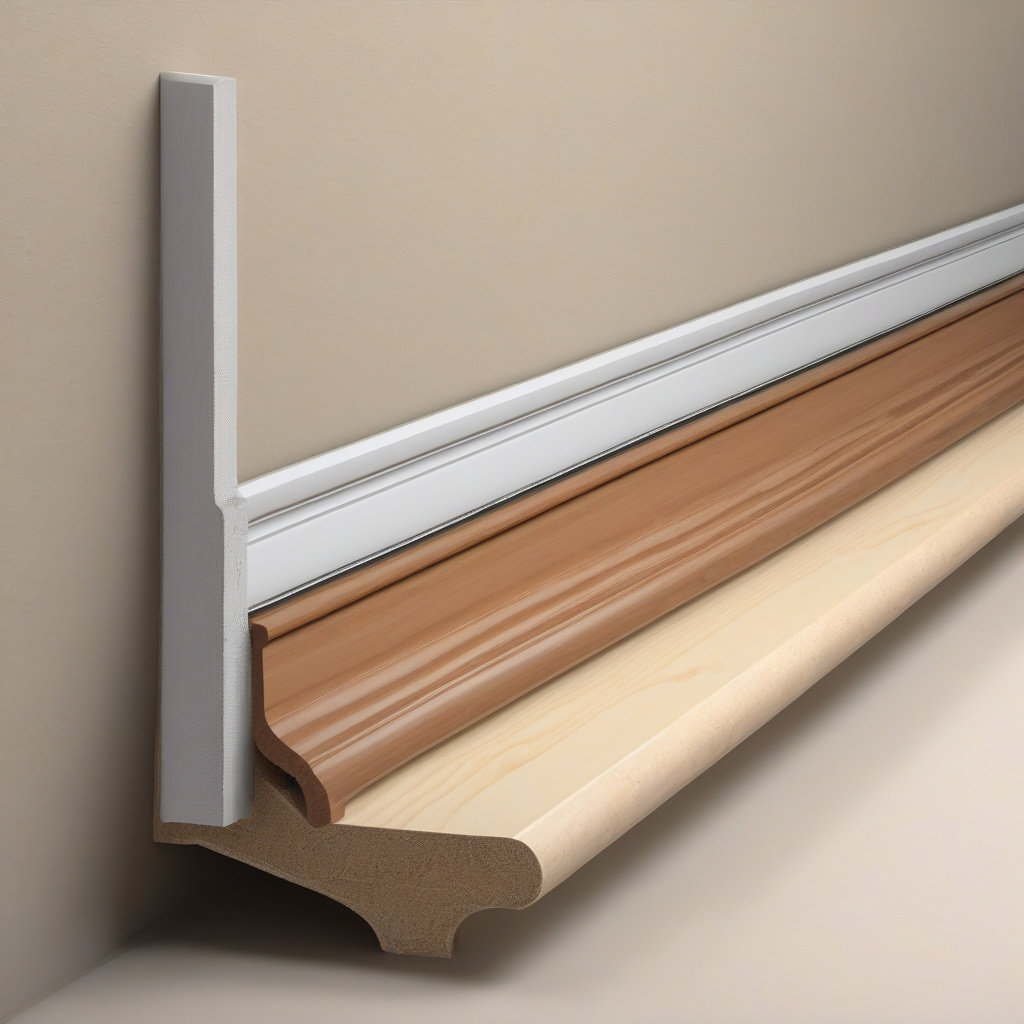
In the world of home improvement, few things are quite so satisfying—or crucial—as the finishing touch on your baseboards. Not just a mundane detail, baseboard finishing speaks volumes about the overall aesthetic of your abode. Get it right, and you’ll receive admiring glances; get it wrong, and well, better luck next time. We’re diving deep into the best ways to finish a baseboard, exploring the materials, recommendations, and tips to perfect this subtle art form.
The Art of Baseboard Selection: Materials Matter
When it comes to finishing a baseboard, the choice of materials is paramount. A well-selected baseboard can transform a room, offering not just structural benefits but also an aesthetic edge. From wood to MDF, to vinyl, each material has its own set of virtues and challenges.
Wood is the traditional choice, celebrated for its timeless quality and natural warmth. However, it can be prone to warping in damp conditions. MDF, on the other hand, offers a more cost-effective and stable solution but lacks the character of genuine wood. Vinyl baseboards bring in durability, perfect for high-traffic areas prone to bumps and dings.
It’s essential to consider where and how your baseboard will be used. In humid areas, moisture-resistant materials like PVC or vinyl might be your best bet. Check to ensure the material complements other elements in your home for a cohesive look.
When selecting materials, consider the following:
- Durability and lifespan
- Moisture resistance
- Complementary design capabilities
- Cost and ease of installation
According to renovation experts, a mismatched baseboard material can detract from a room’s value by over 10%.

Application Techniques: Ensuring a Flawless Finish
Elevation of any space goes beyond just picking the right materials; it requires mastery over application techniques. Installation of baseboards requires precision and skill, with each step influencing the final outcome.
When applying baseboards, start with a measurement of the room’s perimeter. Accurate measurement prevents gaps and inconsistencies during installation. Once measurements are complete, cut the baseboards to fit each space.
Sanding the edges smooths out inconsistencies and helps ensure a perfect fit. Use a level to check alignment constantly; even a slight misalignment can detract from the overall effect.
Application techniques to consider:
- Exact measurement and cutting
- Sanding for smooth edges
- Use of a level for alignment
- Caring for joins and seams
Expert tip: “Always paint your baseboards before installation to prevent dripping and uneven finishes.” – Home Design Pro

Colors and Finishes: Painting for Impact
The relevance of selecting the right finish cannot be overstated. The color and finish of your baseboards can either highlight architectural features or blend into the background.
From semi-gloss to high-gloss or a muted matte, the spectrum of finishes available can cater to every design impulse. Glossy finishes are reflective and can make a room appear larger, while matte finishes offer elegance and subtlety.
Color choice should align with existing décor, while also adding a touch of individual flair. A daring contrast can add drama, whereas a seamless blend keeps things minimalist.
Painting tips include:
- Selecting the appropriate finish for room function
- Using primer to ensure paint longevity
- Experimenting with color contrasts
- Coordinating with room elements for cohesion
Statistics show that homeowners paint their baseboards once every three years on average to maintain their home’s appeal and protection.

Environmental Considerations: Green Choices for Baseboards
In today’s eco-conscious world, the sustainability of your material choice can leave a significant impact. Fortunately, several green options are available for those who are interested in more eco-friendly baseboards.
Opting for sustainably sourced wood, or selecting MDF baseboards made from recycled materials, can be effective strategies. They not only reduce environmental impact but also often come at a competitive price point.
Some manufacturers now offer paints and finishes that are low in volatile organic compounds (VOCs), promoting better indoor air quality.
Eco-conscious criteria might include:
- Use of recycled materials
- Low-VOC paints and finishes
- Sustainable wood sourcing
- Energy-efficient production processes

Maintaining Your Baseboards: Longevity and Care
Once you have achieved baseboard perfection, maintaining them is the next step to ensure they remain a home highlight. Regular cleaning and timely repairs can extend their lifespan.
Dusting baseboards weekly can prevent the buildup of grime and dust. Spot repairs on scuffs and scratches using touch-up paint can keep them looking new.
Dealing with chips or small damages as soon as they occur minimizes long-term aesthetic issues and potential costly repairs down the line.
Maintenance tips:
- Regular dusting and cleaning
- Immediate repair of chips and scratches
- Periodic repainting for vibrancy
- Inspection for water damage
Home maintenance experts agree that properly cared for baseboards can last upwards of 20 years with minimal repairs.
Conclusion: The Baseboard Epiphany
Concluding our deep dive, it’s clear that the key to successful baseboard finishing lies in your choice of materials, application precision, and aesthetic decisions. Incorporating sustainable practices along the way only enhances the overall result.
Baseboards are more than functional—they’re an element of design that complements, captivates, and coalesces a room. With these tips and best practices, you’re equipped to transform your spaces in the most stylish and efficient manner.
For those ready to tackle the broader spectrum of home improvement, consider the synergistic potential of Effective liquid insulation for walls: warmth and energy savings, add a splash of color with Reflective paint: road safety and bright design solutions, or explore the elegance of perfectly executed Installation of plastic window slopes: professional advice and recommendations. And don’t forget to consult experts for licensed roofing contractors los angeles ca as part of your holistic home improvement strategy.
FAQ
What are the best materials for baseboard finishing?
When it comes to baseboard finishing, choosing the right materials is crucial for both durability and aesthetic appeal. Three popular materials often recommended are MDF (Medium-Density Fiberboard), natural wood, and PVC (Polyvinyl Chloride). MDF is an economical option that provides a smooth finish, making it easy to paint. It’s heavier than wood but susceptible to moisture, which can be a disadvantage in damp areas. Natural wood offers timeless beauty and durability, with options like oak, pine, or maple providing varying grains and shades. It’s perfect for homes aiming for a classic or rustic look but can be more costly and requires regular maintenance. PVC is a robust, lightweight, and moisture-resistant alternative particularly suitable for bathrooms and kitchens; it mimics the appearance of painted wood and can be easier to install in intricate spaces due to its flexibility. Consider your specific needs, budget, and the environmental conditions of the installation area when selecting your baseboard material.
What paint finishes are recommended for baseboards?
Choosing the right paint finish for baseboards can significantly enhance their appearance and longevity. Semi-gloss paint is widely recommended for baseboards. Its finish is glossy enough to accentuate the intricate details and durable enough to withstand frequent cleaning, making it suitable for high-traffic areas. Moreover, semi-gloss does a good job of resisting moisture and staining, which are common in ground-level applications like baseboards. High-gloss paint is another option that offers even more durability and a striking sheen, but it can show imperfections more readily than semi-gloss. Alternatively, satin finishes can be chosen for a more subdued look, though they may not be as easy to clean. Regardless of the sheen, ensure you use high-quality paint to achieve a smooth application and avoid drips and streaks. Priming the baseboards before painting can also improve the paint’s adherence and longevity.
How do I prevent gaps between the baseboard and the wall?
Gaps between the baseboard and wall can be a common issue, often caused by uneven walls or improper installation. To prevent this, use a technique called scribing, which involves aligning the baseboard to the contour of the wall. To scribe, place the baseboard against the wall and use a compass to transfer the wall’s shape onto the baseboard. This lets you cut the baseboard to fit snugly against the wall. Alternatively, you can use caulking to fill small gaps after installation. Choose a high-quality, paintable caulk that matches the baseboard’s color for seamless integration. Additionally, using construction adhesive alongside nails or screws during installation can help the baseboard remain flush against the wall, providing extra security and minimizing the impact of wall imperfections.
What are some installation tips for baseboard finishing?
Proper installation is key to achieving a professional-looking baseboard finish. Begin by measuring and cutting the baseboards to the required lengths, considering corners and overlaps. Miter saws are highly recommended for cutting as they allow precise angles, especially for corners. Properly mark your cuts to ensure accuracy. Use a quality stud finder to locate the studs in the wall and plan to nail into these points for a secure attachment. For corners, employ either a coping saw for intricate scalloped designs or a miter joint for clean angular cuts. Pre-drill nail holes to prevent the wood from splitting, particularly for hardwoods. During installation, leave a small gap at the bottom to allow for slight floor expansion. Lastly, fill any nail holes or seams with wood filler, and lightly sand for a smooth finish. Proper finishing touches include applying caulking along the top edge for a polished look.