In Los Angeles, a city synonymous with ambition and architectural flair, the construction of Accessory Dwelling Units (ADUs) has taken on a life of its own. Known for transforming backyards into vibrant living spaces, these small homes have surged in popularity, reflecting not just a housing trend but an essential solution to the city’s housing crisis. However, the journey from concept to completion can be convoluted, intricately weaving through design, bureaucratic red tape, and contractor availability.
Brief summary: Building an ADU in Los Angeles requires navigating through various stages, influenced by design complexities, regulatory requirements, and contractor schedules. These factors collectively determine the timeline, which can vary significantly based on individual project circumstances.
The First Steps: Planning and Design Considerations
For Los Angeles residents, the allure of adding an ADU lies in the promise of enhancing property value and creating additional income streams. Yet, the first hurdle is often planning and designing the unit to meet both personal vision and city codes. Engaging an architect experienced in Los Angeles regulations is prudent, as they can navigate the complexities of planning while ensuring the design complements local architectural aesthetics. This initial phase can range from a few weeks to several months, dictated by the degree of customization desired and the responsiveness of local architectural teams.
As many local homeowners notice, the constraints imposed by local zoning laws can significantly influence the design process. ADU guidelines in Los Angeles mandate considerations such as square footage limitations, setbacks from property lines, and parking requirements. For those unfamiliar with the background on ADU additions in California, grappling with these rules can slow progress, underscoring the need for thorough pre-planning and expert guidance.
Thus, the planning phase becomes a cornerstone of the project, setting the foundation not just for the structure but for the entire timeline. Successful navigation at this stage often results in a project that meets expectations without unnecessary delays.
Ultimately, the planning and design stage lays the groundwork for subsequent phases, balancing creativity with compliance to optimize time and resources.
Permitting Process: A Dance with Bureaucracy
Once the design blueprint is set, the focus shifts to perhaps the most challenging and unpredictable phase—securing permits. The Los Angeles Department of Building and Safety (LADBS) holds the reins here, with differing requirements for JADUs compared to full ADUs. Wait times for permit approval can stretch from a few weeks to several months, highly variable based on the volume of applications and the specifics of the project.
Projects with simpler designs and adhering strictly to city regulations may breeze through this phase faster. In contrast, those pushing the envelope with innovative designs may face extended scrutiny. Homeowners are advised to meticulously prepare and submit all required documents to mitigate delays, enlisting the help of professionals who are well-versed in navigating LADBS’s labyrinthine processes.
The permit stage often tests the patience and resolve of would-be ADU developers. Timely responses to queries and proactive follow-ups are key strategies that can nudge applications forward, despite seemingly interminable queues.
At the conclusion of this stage, the construction journey resumes, armed with official approvals that serve as a green light to break ground.
Breaking Ground: The Construction Phase
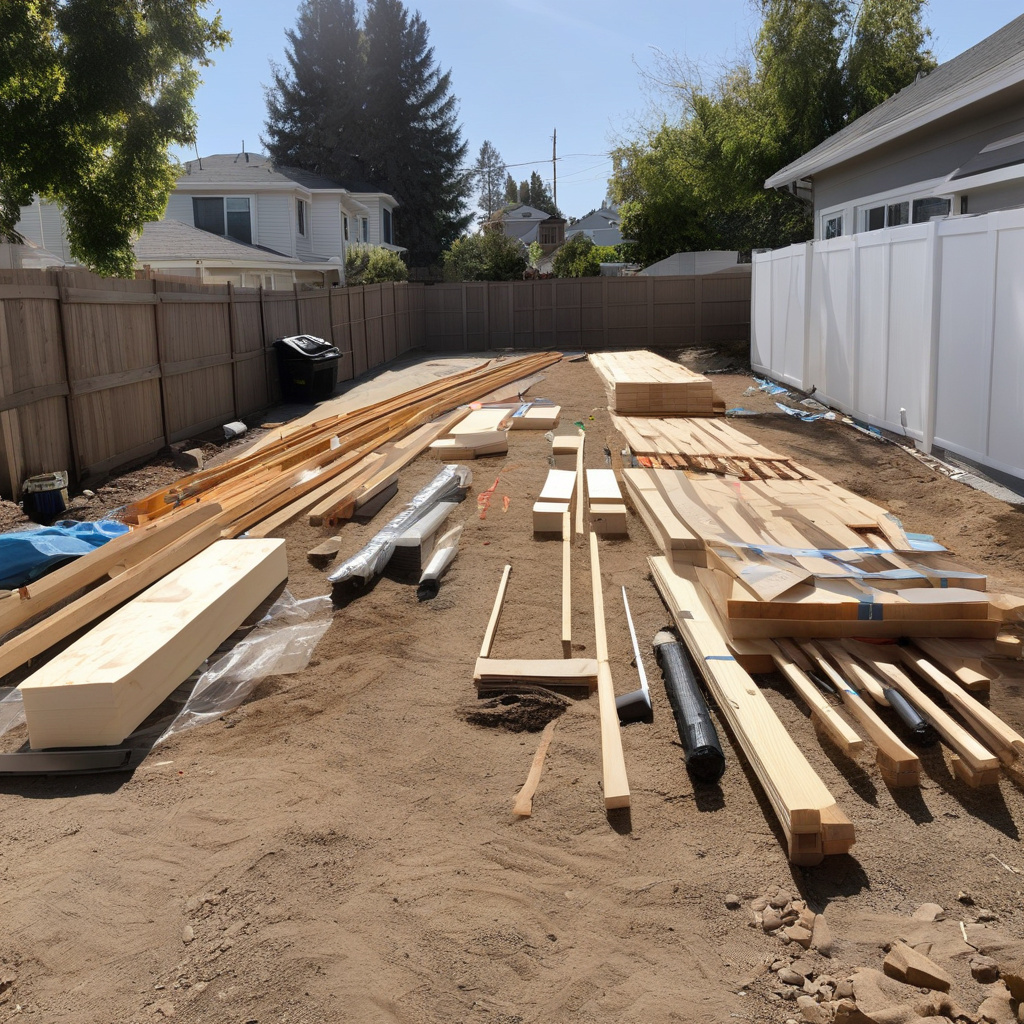
The transition from paper plans to physical structures begins with site preparation and groundwork. This phase is deeply influenced by contractor availability and their workload, often dictated by seasonal trends and market demand. Contracting a team with a robust track record in ADU construction within Los Angeles not only ensures quality craftsmanship but can also impact timelines through efficient project management.
Typical construction timelines range anywhere from three to nine months, depending on design complexity, site conditions, and the presence of unforeseen obstacles. Factors like supply chain delays during the pandemic or unexpected weather conditions can further adjust expected completion dates.
Work begins with foundational tasks, followed by framing, electrical, plumbing, and finally, interior finishes. Each stage requires inspections by city officials, which, while necessary for compliance and safety, can introduce additional pauses in progression.
Completion of the construction phase is a significant milestone, culminating in a tangible outcome of months of planning and regulatory navigation.
Industry insight: “Contractors with specialized experience in ADU projects are invaluable, reducing the potential for missteps and ensuring compliance with intricate local regulations.” – Renowned Los Angeles Contractor
Material Choices and Budget Constraints
No discussion on ADUs would be complete without addressing the impact of material selection on project timelines and budget. The choices made here resonate through the entire project, affecting not just costs but also aesthetic outcomes and construction speed.
Common materials range from traditional wood framing to more contemporary options like steel. Each comes with its own set of advantages and challenges, influencing lead times and labor costs. For those looking to balance budget constraints with design ambitions, understanding the potential pitfalls of material choices is paramount.
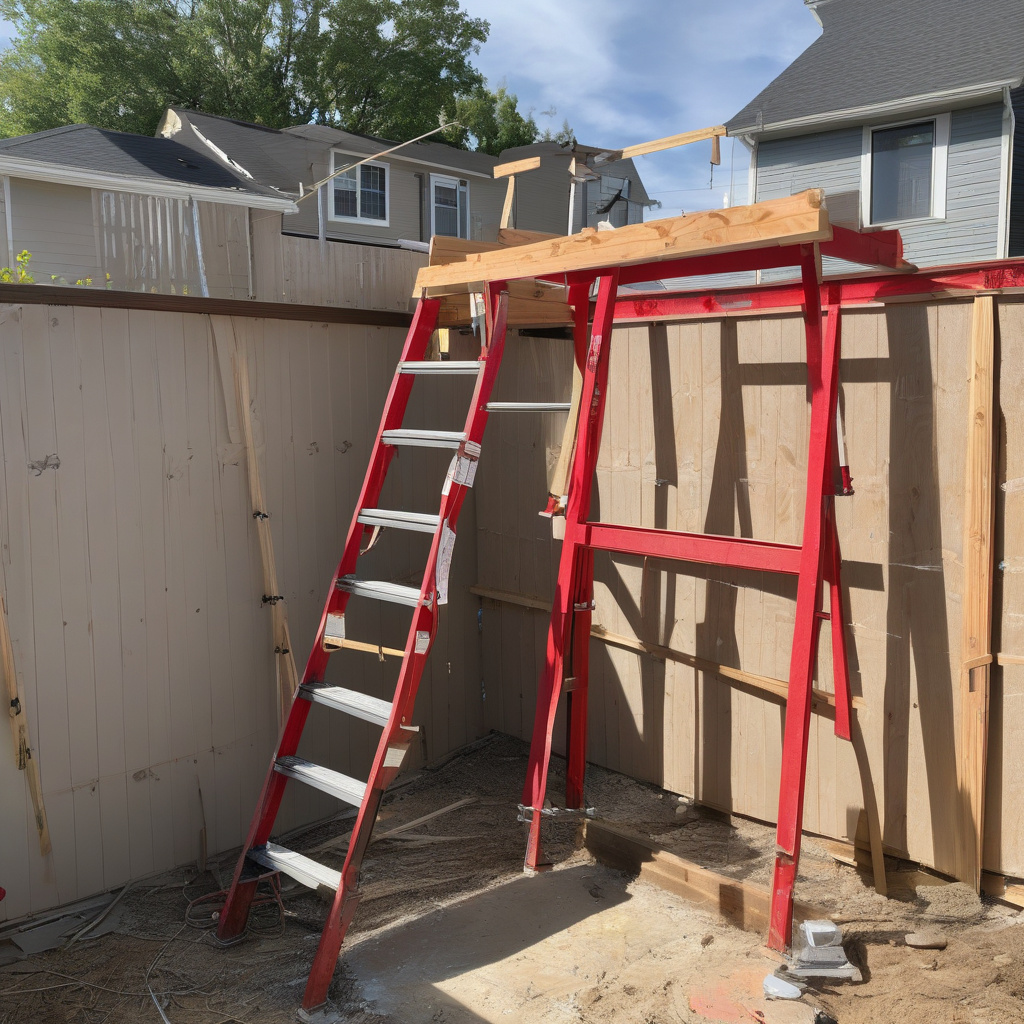
Cost considerations aside, opting for sustainable materials can also provide long-term benefits such as energy efficiency and reduced maintenance expenses. The challenge lies in selecting materials that align with both environmental responsibilities and budgetary constraints of homeowners.
By carefully weighing these factors, homeowners can ensure that their ADU is both a financially viable and aesthetically pleasing addition to their property.
Research-based observation: ADUs constructed with sustainable materials report decreased long-term operational costs, highlighting the dual benefits of environmental consideration and financial prudence.
Advantages vs. Disadvantages: A Balanced View
As with any significant investment, constructing an ADU involves weighing the pros against the cons. On one hand, the rewards include increased property value and additional living or rental space. On the other, challenges can arise from financial strain owing to cost overruns or extended timelines due to unforeseen complications.
ADUs offer a solution to the housing shortage, providing accommodation without the astronomical prices associated with purchasing new properties in Los Angeles. Furthermore, they can become flexible spaces for family members or lucrative rental opportunities.
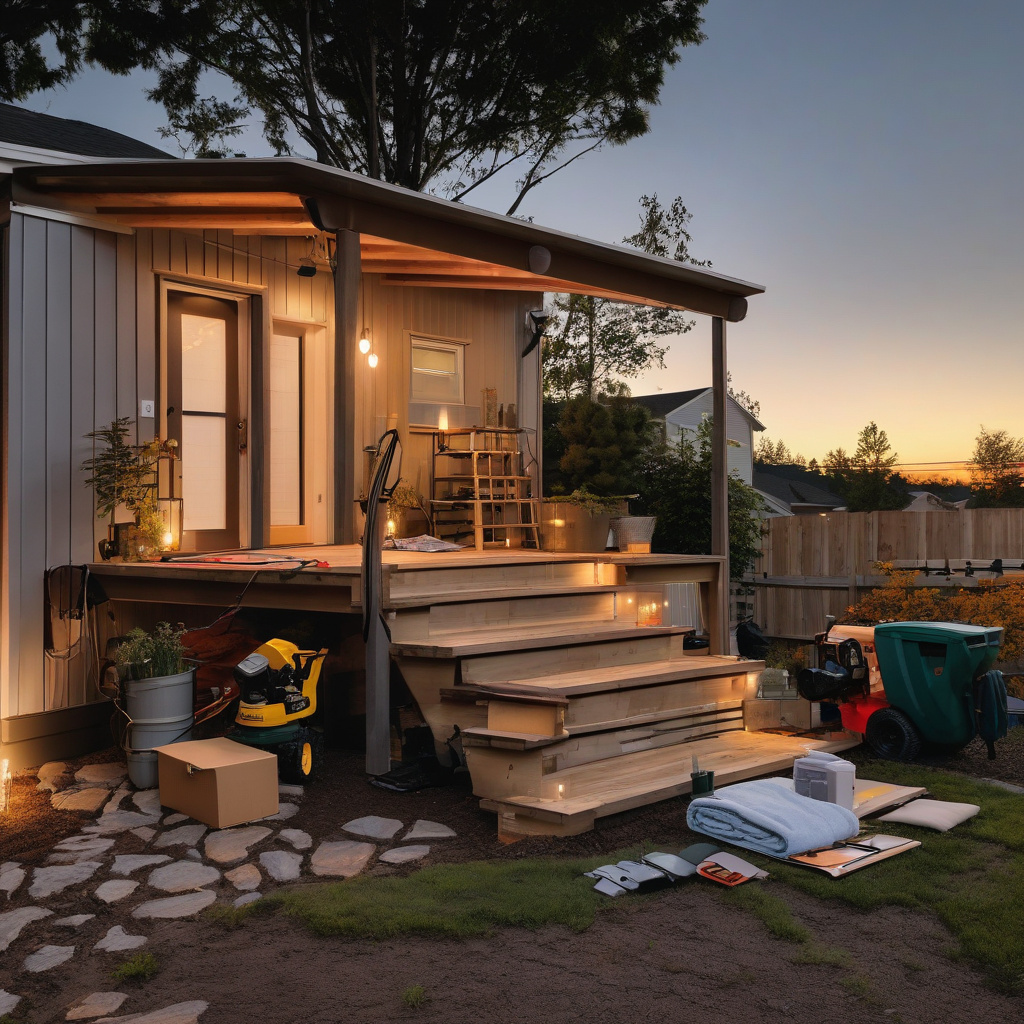
Conversely, risks include potential overspending if budgetary discipline is not maintained or if unexpected construction delays occur. Addressing these pitfalls requires thorough planning, realistic budgeting, and, most importantly, selecting experienced professionals.
By approaching the project with a clear understanding of these dynamics, homeowners can make informed decisions that best fit their circumstances.
Credible statistic: In Los Angeles, ADUs can increase property values by 30% on average, significantly contributing to the homeowner’s equity.
Navigating the Completion: Final Steps and Ready to Move In
As the construction wraps up, attention shifts to final inspections and finishing touches before the ADU can be occupied. This involves ensuring all systems are operational and compliant with safety standards, typically overseen by city inspectors. Completing this phase smoothly requires diligent final checks, addressing any minor corrections that might arise during final walkthroughs.
Once completed, the ADU becomes an extension of the main home, ready for tenants or guests. Homeowners might explore smaller ADU plans for potential future projects, allowing for strategic plot development.
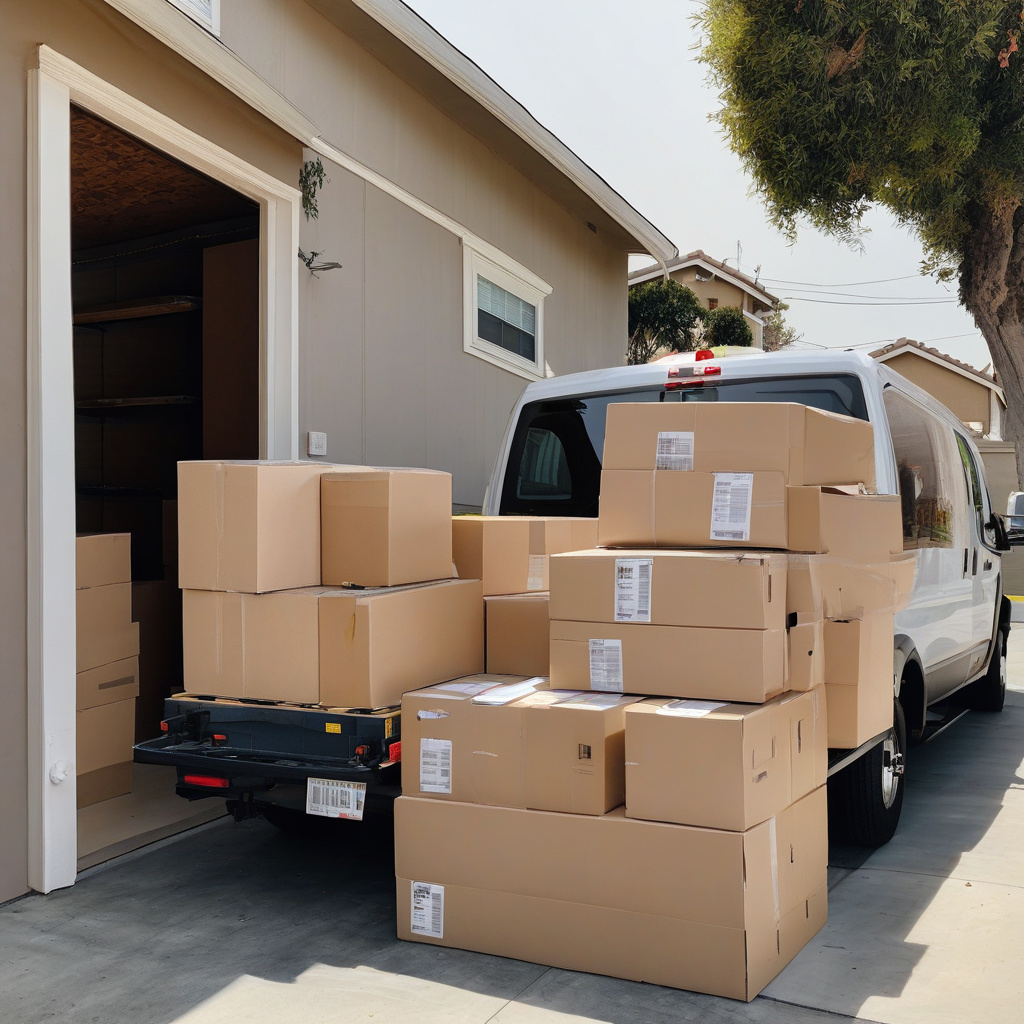
This culmination is not just a testament to perseverance and planning but also a tangible representation of community evolution in Los Angeles—where housing solutions meet urban reality.
By considering future improvements or additional features, homeowners can further tailor their ADUs, enhancing their utility and market appeal.
- Understand the phases of ADU construction, from planning to completion.
- Appreciate the impact of material choices on cost and timelines.
- Recognize the importance of navigating bureaucratic processes effectively.
- Balance the advantages against the potential challenges in ADU development.
- Prepare for a seamless transition from construction completion to occupancy.
“`html
FAQ
How long does it usually take to build an ADU in Los Angeles?
The timeline for constructing an ADU in Los Angeles can vary considerably, typically ranging from 6 to 18 months. Factors influencing this include site-specific conditions, architectural complexity, and the efficiency of permit processing. In many real-life cases, homeowners might initially underestimate the time required for permits. This is one of the significant bottlenecks, particularly in Old World neighborhoods where infrastructure demands a careful approach. Moreover, aligning project timelines with contractor availability can further extend the process. Regular seasonal changes, such as increased demand in spring, can also influence timelines.
What makes the design complexity of an ADU matter?
Design complexity plays a crucial role when constructing ADUs in Los Angeles. Many experts point out that intricacies in design, such as multi-level structures or integrated solar power systems, require more detailed planning and coordination. These complex projects necessitate specialized contractors and can stall when adjustments are needed mid-process. For instance, a modern-style ADU with smart home features will demand more intricate electrical planning compared to a simpler, traditional design. Balancing aesthetics with functionality can often lead to revisions, affecting both time and budget.
How do permit queues affect the ADU construction process?
Permit queues in Los Angeles can be notorious for causing delays. In real renovation projects, it’s often realized that navigating local regulations requires not only patience but also a strategic approach. Permit processing times can fluctuate based on municipal workload and seasonal demand. Homeowners frequently underestimate this aspect, leading to unexpected project stalls. Securing a spot in the queue early by preparing detailed submission packages can mitigate delays. Local experts recommend engaging with a knowledgeable consultant who understands these nuances and can maneuver through bureaucratic processes efficiently.
What are some common mistakes homeowners make when planning an ADU?
A prevalent mistake is underestimating the cumulative impact of small delays and unforeseen complications. In practice, homeowners may overlook the importance of thorough site evaluations, impacting both design viability and regulatory compliance. Another frequent issue is selecting contractors based solely on cost, which can compromise quality. It’s beneficial to focus on experienced builders familiar with Los Angeles-specific challenges, such as varied soil conditions and historic zoning regulations. Real-world insights suggest involving an architect early to align the design with both personal vision and compliance requirements.
How do contractor availability and capacity influence ADU projects?
Contractor availability is a critical component of timely ADU completion. When contractor schedules are packed, particularly during peak construction seasons like spring, projects can face inevitable delays. Homeowners should engage with contractors early to lock in schedules. A unique challenge with ADUs in Los Angeles is finding contractors who understand the intricate requirements associated with permit compliance and regional building codes. Reliable contractors often have waiting lists, so beginning the contractor selection and negotiation process well ahead of time can avert scheduling conflicts and streamline construction timelines.
What are the cost considerations involved in building an ADU in Los Angeles?
Building an ADU in Los Angeles typically involves a range of costs beyond just construction expenses. There are permit fees, design consultation charges, and potential utility hook-up costs to consider. Many homeowners find that unforeseen expenses, such as upgrades to meet current building codes or unexpected soil treatment, can significantly inflate budgets. An often underestimated expense is the cost of high-quality finishes and materials, which can upscale the value and longevity of the ADU. For specific advice tailored to your project’s financial framework, it’s wise to reach out to a regional renovation specialist through this link for [personal guidance from experts].
What are the pros and cons of building an ADU in older properties?
Building an ADU on older properties in Los Angeles offers unique benefits and challenges. On the positive side, ADUs can add significant value by modernizing homes and providing an additional revenue stream through rental. However, experts caution that older properties might entail structural assessments to ensure the original building can support the ADU, especially in terms of foundation integrity and seismic compliance. Additionally, integrating modern systems—like HVAC or advanced plumbing—with outdated infrastructures can be technically demanding and costly. Finding a balance between preserving original charm and achieving function is key.
What are the maintenance specifics for ADUs in Los Angeles?
Maintenance for ADUs in Los Angeles often demands a proactive approach. Given the varied environmental conditions, such as seismic activity, routine checks on structural elements like the foundation and roof are advisable. For residents using modern systems, periodic inspections of plumbing and electrical frameworks can prevent issues from escalating. Maintenance also involves landscape management, ensuring that drainage adheres to both aesthetic and functional standards. Interestingly, many seasoned homeowners allocate maintenance budgets parallel to their main residence to synchronize upkeep tasks. In practice, sustainability options like drought-resistant landscaping can reduce long-term costs.
“`