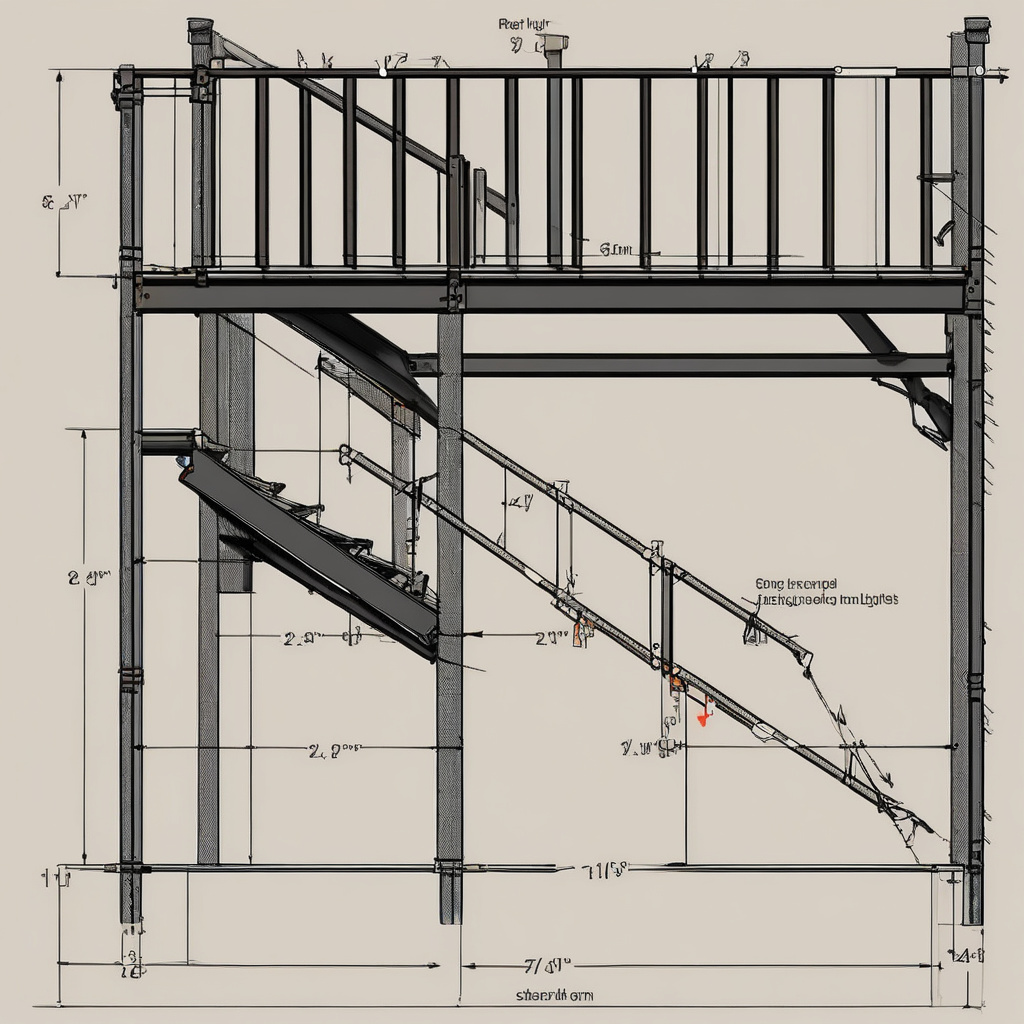
Perched on the edge of an urban oasis, your deck promises panoramic views and endless leisure. But the real question facing many Southern Californian homeowners is: How do you choose the perfect railing system to complement your deck’s allure? This crucial choice hinges on factors like maintaining an uninterrupted vista, ensuring safety, and minimizing upkeep. Whether you’re drawn to glass, cable, or classic picket styles, each offers unique benefits to suit varying backyard priorities.
Brief summary: Selecting a railing system for your deck involves balancing visual appeal, safety, and maintenance. Glass panels, cable railings, and picket fences each have distinct advantages that cater to different homeowner needs and preferences, particularly in Los Angeles. Understanding these options can optimize the functionality and aesthetics of your outdoor space.
The Panoramic Appeal of Glass Railings
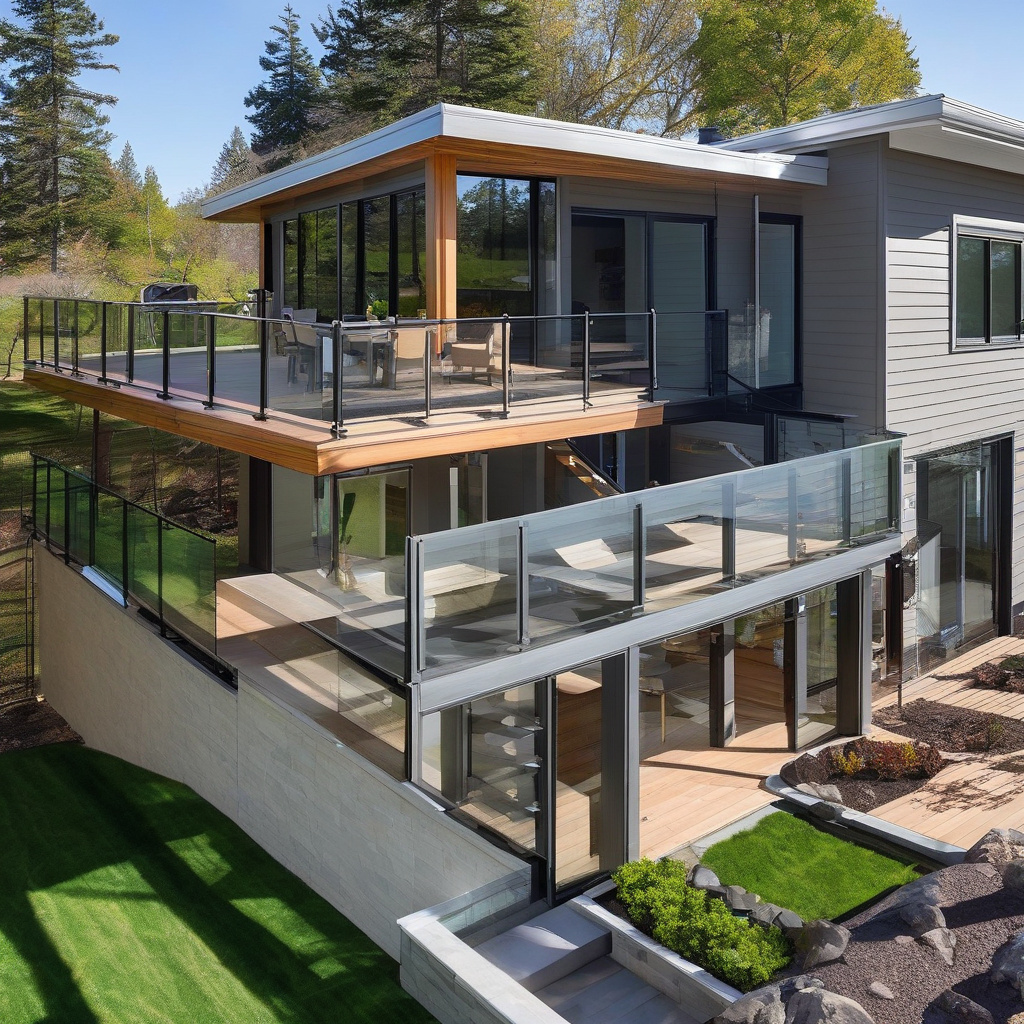
Imagine sipping your morning coffee with unobstructed views of Los Angeles’ rolling hills. Glass railings offer this seamless visual experience, making them a favorite for those with stunning vistas. By eliminating traditional pickets, glass panels amplify the landscape, creating an almost invisible barrier between your deck and nature.
However, maintaining this crystalline facade demands regular cleaning. Dust, rain spots, and smudges easily mar the surface, requiring committed upkeep to maintain the elegant effect. Homeowners with bustling lifestyles might find the maintenance task a daunting one.
Glass railings also come with a cost premium. Despite their sleek appearance, these panels can be pricier than other railing types, particularly when safety considerations lead to opting for tempered glass. Yet, for those investing in a stunning view, the expense often justifies the breathtaking results.
As many locals in Los Angeles have discovered, incorporating a glass railing system can seamlessly integrate your deck with the surrounding scenery, enhancing both the visual and real estate value of your property.
In conclusion, glass railings are ideal for style-conscious homeowners who prioritize a view above all else, yet they should anticipate the cleaning commitment and initial investment involved.
Cable Railings: The Modern Minimalist’s Choice
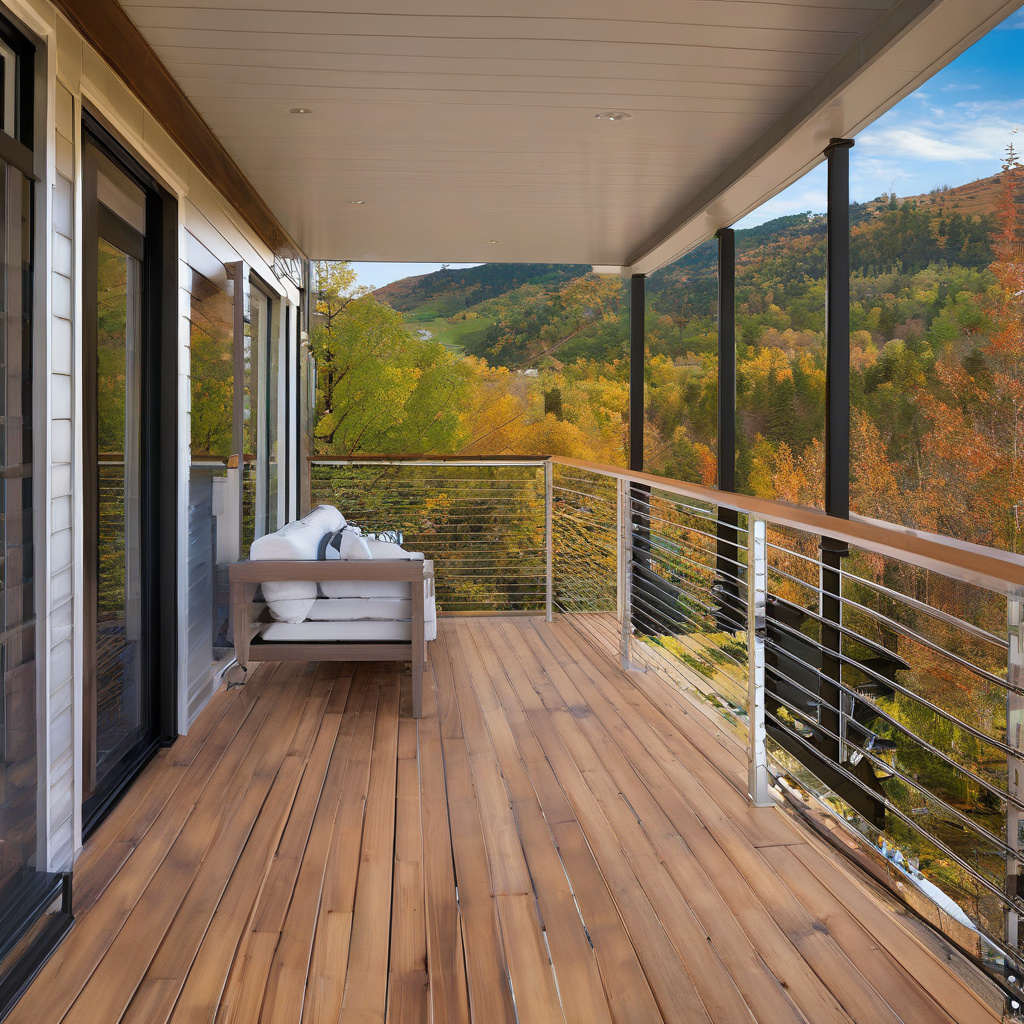
For those who appreciate modern aesthetics with a minimalistic touch, cable railings present a compelling option. Ideal for creating a sense of openness while ensuring safety, these systems consist of horizontal cables stretched between posts, offering a contemporary edge.
One of the key advantages of cable railings is their low-profile design, which complements various architectural styles without overwhelming the viewer’s eye. The slender cables maximize sightlines, seamlessly blending the deck with its natural environment.
However, installation requires precision, making professional assistance a worthwhile consideration. Improperly tensioned cables can slacken over time, compromising both safety and appearance. While some homeowners may enjoy a DIY approach, others may prefer engaging an expert.
When it comes to upkeep, cable rail systems require occasional tension adjustments and cleaning to maintain their sharp look. With an eye for detail, dedicated homeowners will find that the visual payoff outweighs the maintenance effort.
To sum up, cable railings are well-suited for those who cherish contemporary elegance and are willing to remain vigilant about maintenance details.
The Timelessness of Picket Railings
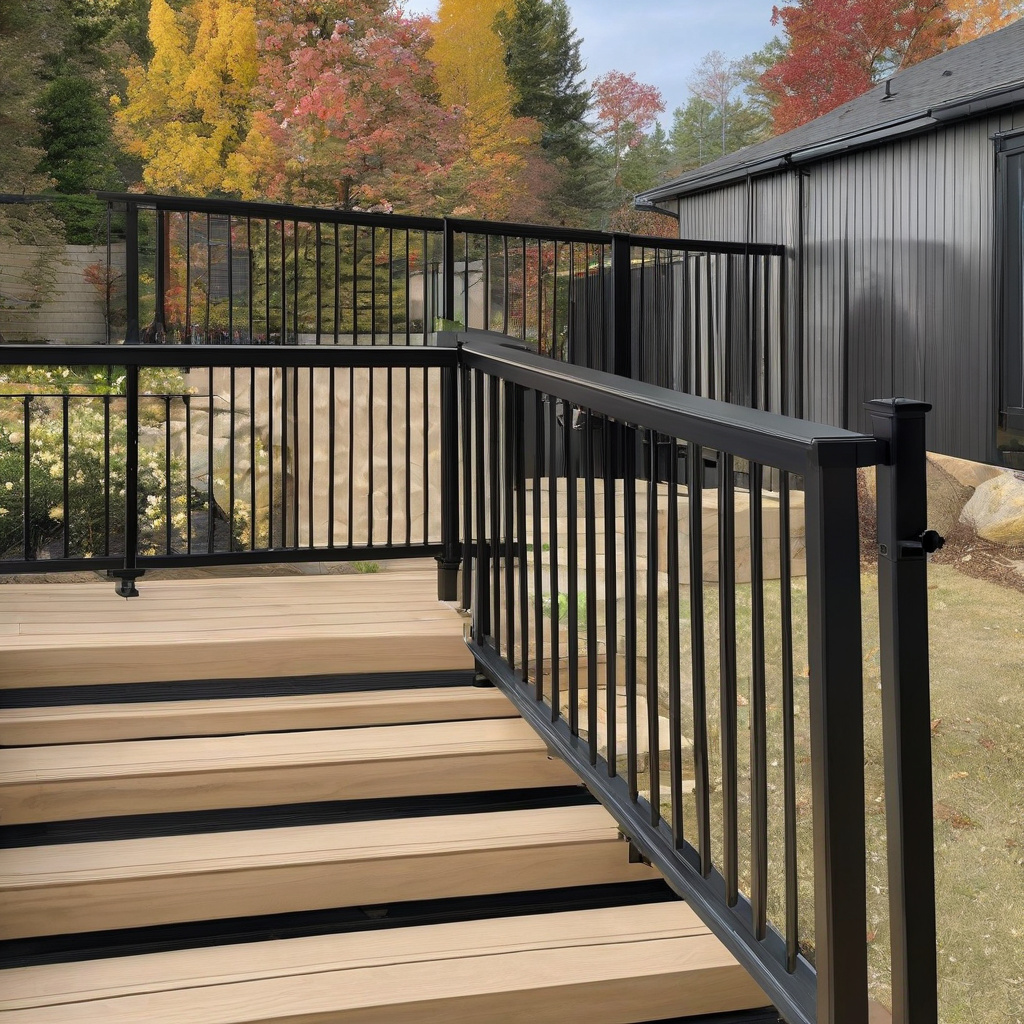
Picket railings have stood the test of time, representing a classic choice for those seeking a traditional deck design. These railings offer safety and visual barrier, accentuating the boundary between living space and the outdoors.
The primary advantage of picket railings is their affordability. Generally crafted from wood or metal, these railings are cost-effective and easily tailored to complement your home’s architecture. Homeowners with historical properties often find pickets in line with their stylistic pursuits.
Despite their charm, picket railings are not without drawbacks. Wooden options demand regular painting or staining to ward off rot, while metallic variants are susceptible to rust if not properly coated. These time-intensive tasks, if neglected, can lead to deterioration.
Furthermore, picket railings obstruct views more significantly than their cable or glass counterparts, which might be a deal-breaker for those prized Los Angeles skylines.
In essence, while picket railings offer classic appeal and cost-effectiveness, homeowners should be prepared for periodic maintenance duties.
Cost and Material Comparison
Material choice reflects not just aesthetic preference but also budget considerations. Knowing the resource requirements can help streamline decision-making.
| Railing Type | Average Cost (per foot) | Maintenance Level | Typical Longevity |
|---|---|---|---|
| Glass | $100-$150 | High | 20+ years with proper care |
| Cable | $60-$100 | Moderate | 20-25 years |
| Picket | $20-$50 | Varies with material | 10-15 years |
This comparison emphasizes the role of material maintenance strategies in extending the lifespan of your chosen railing. It’s apparent that initial cost is only one side of the equation.
According to the National Association of Home Builders, investing in quality outdoor spaces can boost property resale value by up to 6%.
Weaving Ornaments: Materials and Nuances
Choosing the right materials extends beyond aesthetics; it’s about practical functionality and alignment with your lifestyle. Glass, for instance, while beautiful, necessitates regular cleaning to remove smudges that accumulate over time.
Cable materials are typically stainless steel, chosen for its resilience against weather-induced degradation. Homeowners in coastal areas particularly benefit from this durability, as climatic conditions necessitate robust, corrosion-resistant solutions.
Wooden picket railings, in contrast, might invoke a rustic charm. Homeowners are advised to consider treated wood or composite options to sidestep the pitfalls of decay, which is exacerbated by sunny environments.
Furthermore, intricate designs are available in picket railings, often with decorative caps or alternative finishes. Depending on your theme—whether modern chic or vintage allure—these nuanced choices enrich your deck’s overall character.
Conclusively, with the right material and finish, your deck can be both a visual and practical masterpiece, poised to enhance everyday life.
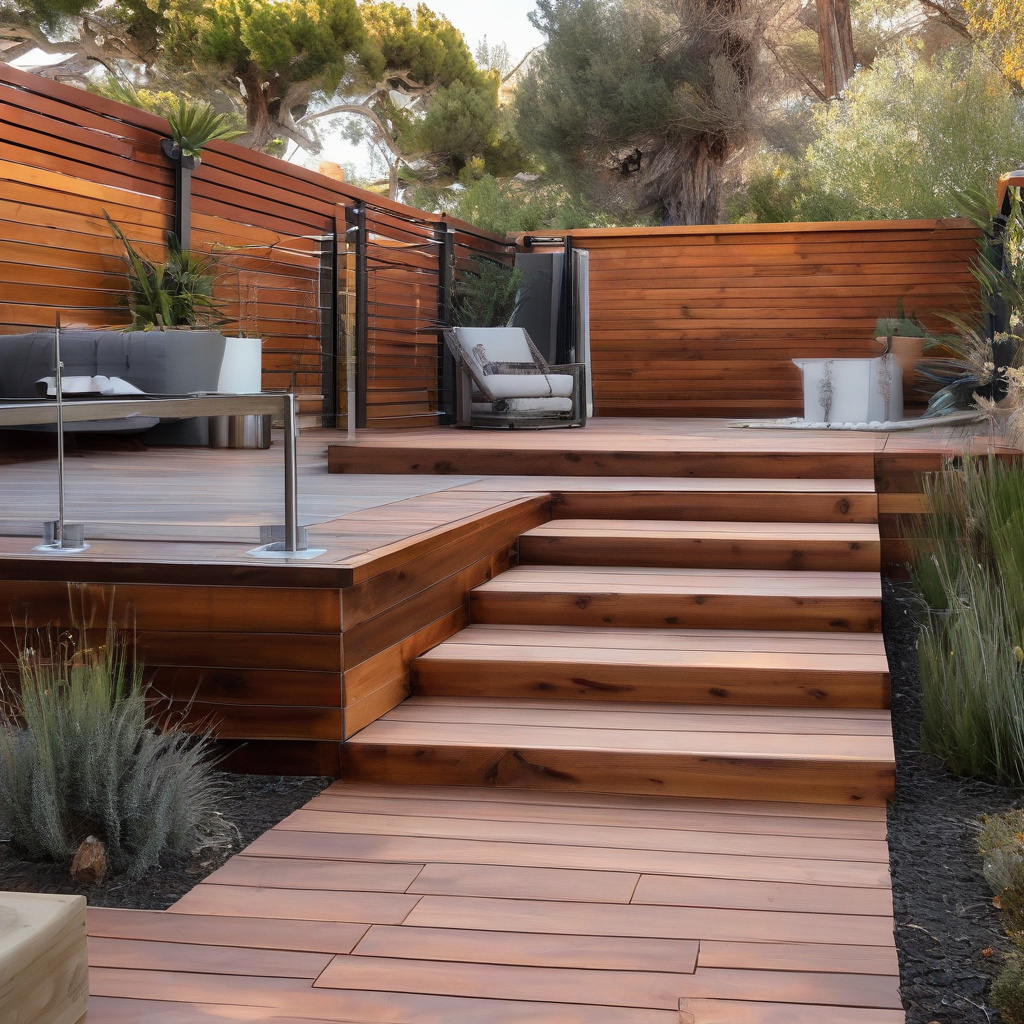
Installation: Crafting Your Outdoor Masterpiece
The installation process, often underestimated, is a pivotal step in ensuring both safety and longevity of your railing system. Whether opting for DIY or professional services, attention to detail cannot be overstated.
Properly securing glass panels or tensioning cables demands precision. Missteps here could not only undermine the railing’s structural integrity but also result in costly future repairs. Professionals bring not just expertise but also complementary solutions like integrated lighting that enhance night-time appeal.
Typically, installation timelines vary with complexity. A straightforward picket system might be completed over a weekend, while custom glass systems could stretch over several weeks, particularly bespoke designs.
Attention to manufacturer guidelines is crucial. Often, aesthetics might dictate choices, but ensuring alignment with building codes safeguards against liabilities, a vital consideration, particularly in earthquake-prone areas like Southern California.
Ultimately, meticulous installation processes ensure that your deck is not merely a structure but a sanctuary, safe, enduring, and splendid.
Architectural Digest highlights that professional installation can increase the efficacy and lifespan of outdoor installations by 30%.
The Final Element: Lighting for Ambiance
No deck is complete without the right ambiance-enhancing details. Lighting transforms the outdoor experience, weaving mood and function seamlessly into your space.
Soft spotlighting beneath glass railings can transform your deck into a celestial escape, while strategically placing lights along picket rails ensures safety without overshadowing charm. Cable rails can also be fitted with linear lights for an ultramodern edge.
For Los Angeles residents, where outdoor living extends into the nighttime hours, the correct illumination can shift your deck from a daytime hub to an enchanting evening retreat. Thoughtful lighting placement prevents harsh shadows that disrupt relaxing settings.
Retrofitting lighting solutions into existing railings might require inventive approaches but enriches the space, inviting gatherings long after the sun sets.
To conclude, coupling the right lighting with your chosen railing type adds not only to the deck’s practicality but also to the countless memories awaiting creation in your outdoor haven.
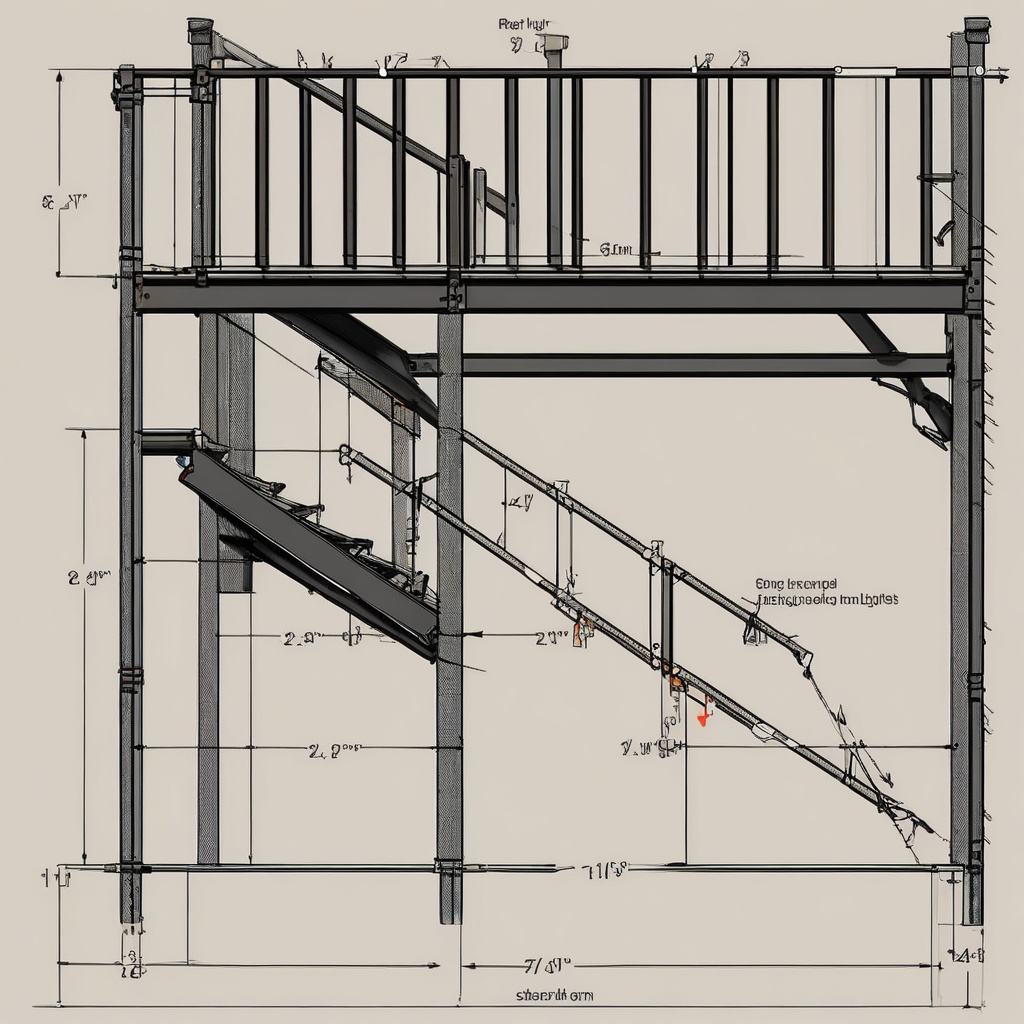
A survey by Houzz revealed that 45% of homeowners planning outdoor renovations prioritize installing lighting as a key enhancement feature.
- Glass railings offer unobstructed views but require frequent cleaning.
- Cable railings provide modern aesthetics with moderate upkeep.
- Picket railings remain a timeless, budget-friendly choice.
- Material choice impacts initial cost, maintenance, and longevity.
- Professional installation enhances safety and longevity.
FAQ
What factors should I consider when choosing a railing system for my deck?
In real renovation projects, it often becomes clear that choosing the right deck railing system involves a balancing act between aesthetics, safety, and maintenance. The visual appeal is crucial, especially if you have scenic views to enjoy. Glass railing panels can offer an unobstructed view, but they may require more cleaning to maintain their clarity. In terms of safety, especially in homes with children or pets, sturdy picket-style railings may be preferred for their robustness. Maintenance level is another critical factor—while wood railings lend a classic charm, they demand regular sealing to prevent weather-related damage, unlike the lower-maintenance options like metal or cable. Many homeowners frequently underestimate just how much maintenance wood requires, and it’s wise to weigh this against your time and effort commitment.
How does the choice of railing system affect the view from my deck?
From my experience, a railing system’s design and material can significantly influence the view from your deck. Glass railings, for example, offer an almost seamless view of the landscape, ideal for properties overlooking the ocean or mountains common in California. These transparent barriers blend seamlessly into the surroundings, making them a popular choice for maximizing aesthetic appeal. On the other hand, while picket railings are classic and sturdy, they can obstruct the sightline. A less intrusive alternative is a cable railing system, which, with its thin horizontal lines, offers minimal interruption to the panorama. Realistically, if preserving your view is a priority, opting for glass or cable over traditional pickets could be your best bet.
When is it advisable to opt for glass railings over other types?
Opting for glass railings is advisable when you have a beautiful backyard or exceptional vista you wish to showcase. These are typical in newer builds with modern architectural designs, where the goal is to blur the line between indoor and outdoor spaces. Additionally, glass is ideal for homeowners who prefer a sleek, contemporary look and don’t mind the maintenance work glass entails, like frequent cleaning to keep those views crystal clear. However, glass can be more expensive to install than other systems and may not suit all home styles. Before deciding, consult a renovation professional who can assess your specific scenario. If interested in a detailed consultation, you might explore how to [get expert advice on deck railings](https://californiarenovation.top/contact/).
What are the typical mistakes homeowners make when installing deck railings?
Many experts point out that one common mistake is underestimating the local building codes. It’s vital to ensure your railing height meets specific safety regulations, which vary by region. Another pitfall is choosing materials based solely on initial cost without considering long-term maintenance expenses; for instance, wooden railings may seem affordable but require regular upkeep. Additionally, overlooking the climate’s impact is another frequent error; metal railings can become uncomfortable to touch under the California sun, and some materials may not withstand coastal weather conditions. Seeking professional guidance early can help avoid these costly and time-consuming errors.
How do maintenance needs vary among different deck railing materials?
Maintenance requirements differ considerably based on the material you choose. In real home scenarios, wood railings, while aesthetically pleasing, demand frequent sealing and staining to combat moisture and UV impacts. Metal options like wrought iron are durable but can succumb to rust without proper care, particularly in humid or coastal environments. In contrast, composite or vinyl railings offer a lower-maintenance alternative, requiring only occasional cleaning with soap and water. Cable railings also have modest maintenance, although tension may need adjusting over time to maintain safety standards. Understanding these needs in detail ensures you make an informed, sustainable choice for your lifestyle and capability.
What are the pros and cons of using cable railing systems for decks?
Cable railing systems come with a blend of pros and cons that homeowners should weigh carefully. One significant advantage is the unobstructed view they provide, which is favored by many for its minimalistic style. They also require less cleaning than glass while still appearing modern. However, installation requires precision to meet safety standards, often necessitating professional assistance, which could result in higher costs compared to DIY-friendly options like wood. Additionally, cables may need periodic tensioning and are at risk of discoloration over time. Assessing your comfort with these tasks can help gauge whether cable railings make sense for your budget and maintenance preferences.
Are there specific safety considerations to keep in mind with different railing systems?
Safety is the cornerstone of any home improvement project involving deck railings. Each system presents its own set of considerations. For example, glass railings should be installed using tempered safety glass to prevent breakage risks. Picket railings demand attention to spacing to ensure children or pets cannot pass between, while cable railings must be tensioned correctly to prevent them from becoming a climbing hazard. It’s crucial to remember that every system must comply with local building codes regarding height and structural integrity. Homeowners should never compromise on this aspect, as it ensures the physical safety and comfort of all users.
What cost considerations should I keep in mind when selecting a deck railing system?
The cost of deck railing systems can vary widely depending on the materials and design complexity. Initial expenses might seem crucial, but it’s essential to project maintenance costs over time. For instance, wood may be cheaper upfront but requires ongoing care, adding to long-term costs. Glass railings generally have higher initial costs but low long-term upkeep if maintained properly. Cable railings sit in a moderate range but demand professional installation for optimal safety. Balancing these factors against your budget in the context of resale value, especially in high-demand areas like California, can help guide your investment decision.