Nestled within the bustling cityscape of Los Angeles, homeowners face a unique dilemma: to build a Junior Accessory Dwelling Unit (JADU) or to go all out with a full Accessory Dwelling Unit (ADU). This decision involves more than meets the eye; size restrictions, utility configurations, and adaptability are key considerations. These factors profoundly influence homeowners’ choices, determining how best to accommodate living needs, property value, and long-term goals.
Brief summary: This article explores the differences between Junior Accessory Dwelling Units (JADUs) and full Accessory Dwelling Units (ADUs), focusing on their size, utility connections, and functional versatility. It discusses how these distinctions affect renovation plans and homeowner choices in Los Angeles, offering insights into costs, materials, and potential returns on investment.
Understanding the Basics: Size and Space Matters
When it comes to planning an addition to your home, size is often one of the most crucial elements to consider. A typical JADU is constrained to a mere 500 square feet, while a full ADU can reach up to 1,200 square feet or more. This stark difference drastically impacts everything from design potential to the breadth of utilities that can be incorporated. For Los Angeles homeowners with sprawling backyards, a full ADU offers extensive customization possibilities. Conversely, those pressured by limited space might find a JADU to be the ideal fit, seamlessly integrating into existing architectural features without succumbing to overwhelming size limits.
Given the escalating real estate prices in Los Angeles, maximizing space without sacrificing function is a priority for many. JADUs often appeal to those looking for cost-effective solutions. Their compact nature reduces material and labor expenses, making them feasible for individuals already stretched by hefty mortgages. Meanwhile, full ADUs serve larger families or those seeking rental income opportunities, serving as well-rounded, independent living quarters.
Perhaps the most strategic advantage of opting for a JADU is related to its streamlined approval process. Since they repurpose existing structures and are inherently smaller, they face fewer regulatory hurdles according to Los Angeles housing regulations. On the contrary, full ADUs might demand more intricate planning and adherence to zoning laws, stretching timelines and testing patience, but opening up grander living possibilities.
In conclusion, when space and time are limited, a JADU presents as both practical and economical, saving on both resources and the often exhaustive bureaucratic processes. A full ADU, while more demanding, ultimately caters to more significant aspirations for luxury and comfort.
Utility Setups: The Heartbeat of Any Dwelling
Behind the walls of these dwellings lie the real lifelines of any supplementary housing unit: utilities. For any potential dwelling in Los Angeles, understanding utility connections is crucial. JADUs generally share utility systems with the primary residence, which simplifies installation but limits operational independence.
Full ADUs, however, boast the ability to house fully separate utility connections. This independence from the main structure means ADUs can function autonomously, an attractive proposition for rental purposes or multi-generational living. Full ADUs might include separate water meters, dedicated HVAC systems, and standalone electrical circuits. This level of autonomy supports energy efficiency and even opens up possibilities for disaster readiness.
Anecdotal evidence from Southern California renovators highlights that achieving this utility independence often involves renegotiating existing infrastructure. The added effort frequently pays off, translating into greater potential for energy savings and efficiency incentives. This can also enhance appeal to prospective tenants, ensuring predictable utility billing separate from the main home.
In conclusion, while JADUs offer simplicity and reduced upfront costs, the full utility independence provided by ADUs presents long-term benefits that align well with future-proofing strategies and increasing property value.
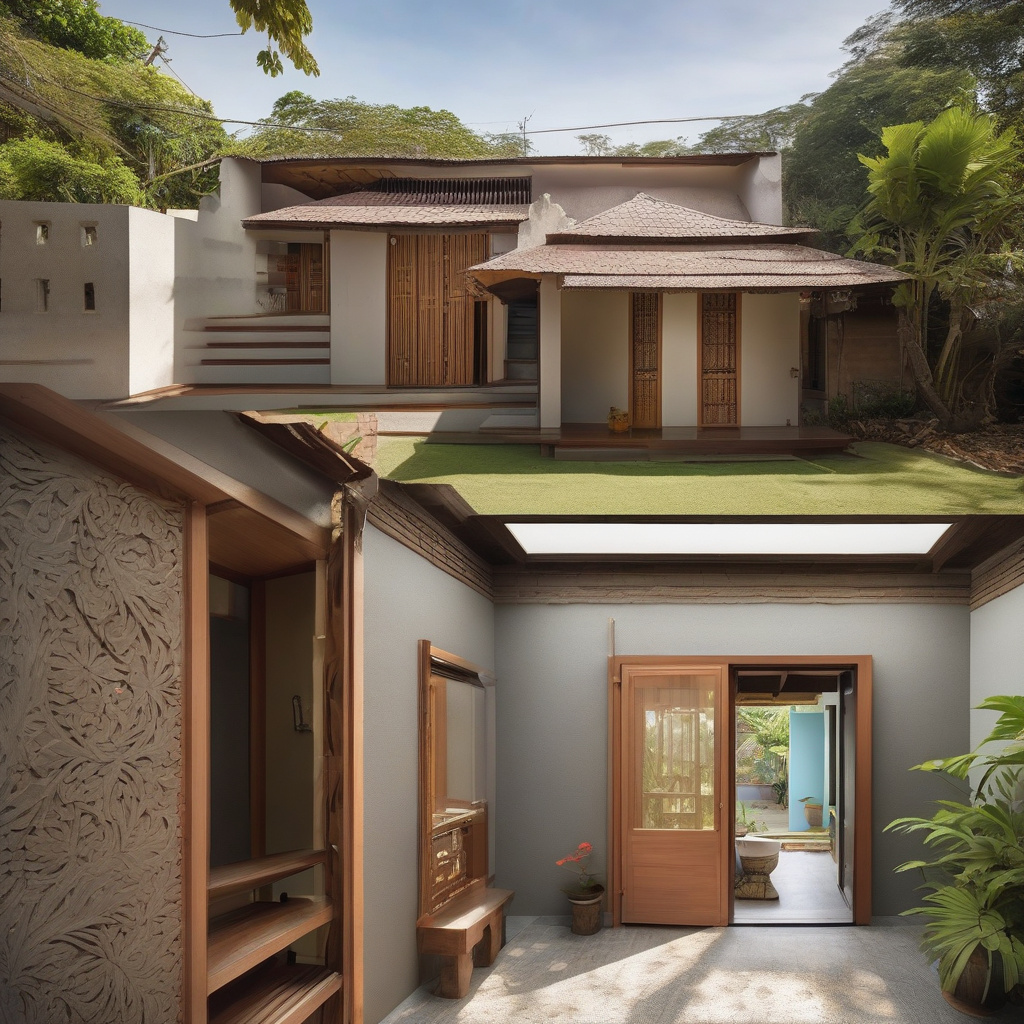
Functional Flexibility: Designing for Real Life
Functionality strikes at the heart of any home addition. Homeowners often envision these spaces in many versatile roles—from cozy guest cottages to efficient home offices. When evaluating the practicalities of JADUs versus full ADUs, function ironically becomes both the most flexible and restrictive aspect.
JADUs leverage existing infrastructure, which may limit layout options. These units often see success as home offices or artist studios due to limited potential for complex renovations. The spatial intimacy, however, creates an inviting atmosphere suited to creative pursuits or transient living situations.
Full ADUs capture a wider spectrum, thanks to enhanced space and design freedom. With the luxury of designated bedrooms, kitchens, and living areas, these spaces serve as robust rental opportunities or parental suites, providing varied residential arrangement possibilities as life circumstances evolve.
Real-life stories in Los Angeles underscore the flexibility ADUs bring to properties. An echo of practicality, these spaces quickly transition between rental uses during peak tourist seasons to serving family needs at other times of the year. The adaptability builds lasting property resilience, turning situations that may corner JADUs into opportunities for ADUs.
Ultimately, whether to prioritize immediate convenience with a JADU or equip for the long haul with a full ADU is an evaluation heavily influenced by personal lifestyle and economic ambitions.
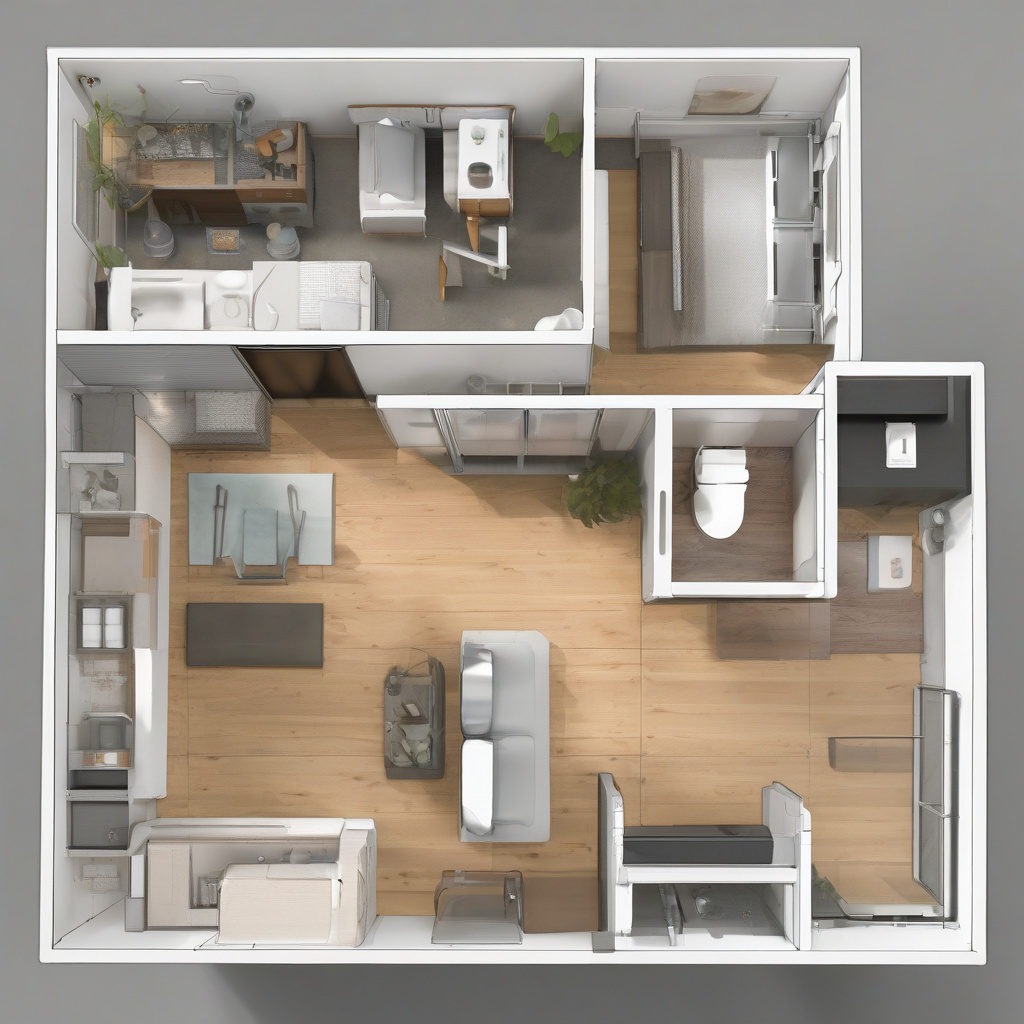
Practical Tips for Designing a Future-Proof ADU
1. Evaluate current and future lifestyle needs to dictate space allocation and utility independence.
2. Consider environmental impacts and seek grants or incentives for sustainable practices.
3. Plan for flexibility to accommodate changing familial or economic conditions.
Cost Considerations: What’s the Investment?
Budgeting plays the leading role in the ADU and JADU decision. A minimalistic JADU might start as low as $50,000, reflecting on both its minimal size and simplicity in design. In contrast, full-fledged ADUs can see figures reaching upwards of $300,000, contingent on the depth of design and material quality chosen.
The contrast in costs often reflects broader goals: namely, are you building an additional revenue stream or a tailored family space? In the words of local construction experts:
Building an ADU is not merely an addition, it’s a strategic investment layered with returns—whether familial, economic, or both.
These financial considerations inevitably tie back to the functional purpose. While many choose a JADU to swiftly solve personal space needs without heavy expenditure, others opt for the more comprehensive investment into a full ADU, targeting rental income or sustainable multifamily habitation.
Experts within the real estate market note rental demand for thoughtfully designed ADUs continues to skyrocket. Investment into these larger units often yields a robust return on investment, notably exceeding initial build costs.
Thus, understanding not only the up-front numbers but also the valuable returns can illuminate the most advantageous path for property enhancement.
Pros and Cons: Balancing Rewards Against Risks
Embracing the potential of an ADU isn’t without its risks. While enticing as a passive income channel, investors must weigh this against market fluctuations in rental demand and vacancy risks for tenants.
JADUs, while initially lower-risk due to reduced investment, yield limited returns in terms of rental earnings due to their cohabitational nature with the main dwelling.
Pros:
- ADUs offer separate utility independence, enhancing rental appeal.
- JADUs integrate quickly with existing structures, prompting swift ROI with less disruption.
Cons:
- JADUs have inherent size limits, constraining potential tenant scope.
- ADUs involve substantial upfront costs with longer payback periods.
Balancing these dynamics within Los Angeles’ thriving rental markets can present a rewarding framework, capitalizing on the ADU model.
Timeline and Materials: Setting Expectations
The chronicle of renovation spans ambitions, tools, and inevitable surprises. JADUs typically approach completion within months—often drawn out by logistical factors like material procurement.
Complexity inflates faster for a full ADU. Timeframes extend as intricate design demands arise, stretching the duration sometimes well above a year from concept to completion.
Expert estimate timelines for full ADUs can extend up to 18 months, considering planning, permitting, and contingency delays.
Assuring material selection remains aligned with environmental goals impacts timelines significantly. Locally sourced and sustainable materials are increasingly valued for their long-term rewards but demand careful sourcing to align with budget structures. Crafting these dwellings with modern ecological hallmarks not only preserves architectural integrity but enhances the property’s overall marketability.
The complexities of these decisions are deftly handled with the guidance of adept project managers and talented designers, often bringing visions to life with minimal upheaval. An understanding of local regulation such as property setbacks and restrictions can further streamline these processes.
Beyond the Basics: Long-term Considerations
Safety ranks foremost when discussing longevity. In regions prone to natural events, earthquake resilience influences renovation priorities. Tackling these considerations in earlier stages mitigates risk and safeguards investments.
“A Los Angeles homeowner recently discovered that incorporating seismic retrofitting in an ADU design not only elevated safety but also enhanced property value by 10%,” reports the California Geological Survey.
By solidly constructing ADUs with these factors, property owners future-proof their investments against damage and financial depreciation. Proactive steps like understanding earthquake-safe construction techniques provide key benefits and reassurance in seismic zones.
Layered decisions ensure these additions do more than suffice; they foster encouraging returns and bolster real estate portfolios. “A wise investment doesn’t just cater to the current moment,” relates a renowned Los Angeles realtor, “it anticipates change, enhancing sustainable living models that thrive through the ages.”
- JADUs are optimal for those looking for affordability and quick renovations with minimal space.
- Full ADUs demand more investment but promise enhanced utility independence and rental returns.
- Both ADU types offer unique functional benefits, responding to varied lifestyles.
- Strategic construction considerations, including safety and material choice, can optimize investment longevity.
- Adaptability to changing family needs and market dynamics is a cornerstone of the decision-making process.
“`html
FAQ
What is the primary difference between a Junior ADU (JADU) and a full ADU?
The most fundamental difference is in size and functional flexibility. JADUs are generally smaller, often maxing out at 500 square feet. They typically involve converting a space like a garage or a segment of the main home. On the other hand, full ADUs can be up to 1,200 square feet, depending on local regulations, and can be standalone structures. In real-world renovations, homeowners often pivot towards full ADUs for their versatility and greater independence in living space.
How do utility setups vary between JADUs and full ADUs?
JADUs often share utilities with the primary residence, which can simplify the installation process and reduce costs. This setup works well for families who don’t mind shared resources. In contrast, full ADUs frequently have separate utility setups, including their own water, electricity, and HVAC systems. This arrangement provides more independence—ideal for long-term tenants or multi-generational living. In practice, many homeowners prefer the independence a full ADU offers, though they must be prepared for the added complexity and expense of separate utility installations.
When does it make sense to choose a JADU over a full ADU?
Choosing a JADU makes sense when budget constraints are a primary concern, or when minimizing structural changes is a priority. Many believe that for small families or couples—perhaps accommodating an elderly parent—a JADU is both cost-effective and non-intrusive. A common misconception is that JADUs can’t offer privacy; however, real renovations often reveal that creative partitioning and design can still yield an intimate space. If curious about how these solutions work in practice, feel free to reach out to a local expert for advice.
What are typical mistakes homeowners make when installing an ADU or JADU?
One common oversight is not fully understanding local zoning laws and requirements, which can drastically impact project timelines and costs. Many homeowners assume that the process is straightforward, only to face complications mid-project. Experts recommend thorough research and a consultation with local contractors who are familiar with municipal regulations. Additionally, underestimating the budget, especially when aiming for a full ADU, is frequent. It’s important to account for hidden costs, such as utility separations and unforeseen construction challenges.
How do costs typically compare between JADUs and full ADUs?
In terms of initial outlay, JADUs are less costly to construct as they’re smaller and share utilities with the main home. Full ADUs, with their potential for separate utility systems and larger footprints, require a bigger budget—potentially doubling or even tripling expenses depending on materials and labor. A practical tip: it’s essential to consider long-term returns too, as a full ADU might enhance a property’s resale value more substantially, catering to those seeking additional income potential or guest accommodations.
What are the pros and cons of a full ADU?
Full ADUs provide distinct advantages, such as greater livability with more space, complete autonomy with separate utilities, and increased property value. They’re often viewed as mini-homes, adaptable for various purposes. Many experts highlight the benefit for rentals, offering privacy for tenants. However, cons include higher costs and potentially more extensive permitting processes. In real renovation scenarios, a notable risk is budget overrun due to unexpected structural issues or regulatory hold-ups, emphasizing the importance of a meticulous planning phase.
What maintenance requirements should I expect with JADUs?
JADUs usually require less maintenance than full ADUs, primarily because they share systems with the main house. For instance, plumbing and electric issues don’t often require additional setup or specialized servicing. However, many homeowners underestimate the importance of insulation and soundproofing, which should be checked regularly, especially in shared-wall circumstances. To avoid common pitfalls, it’s wise to integrate these aspects into the original design, involving professionals who understand local climate challenges and noise regulations.
What factors should influence my choice between a JADU and a full ADU?
Your choice hinges on several key factors: budget, available space, and intended use. If you’re looking to expand an existing space with minimal reconstruction, a JADU might suit your needs. In contrast, if creating a separate living area for rental income or guest accommodation is a priority, a full ADU comes with greater potential. Many homeowners still debate, overlooking potential zoning restrictions and the logistics of separate utilities. An actionable tip: examine your long-term goals and consult with construction strategists who can offer a personalized analysis based on your property’s unique profile.
“`