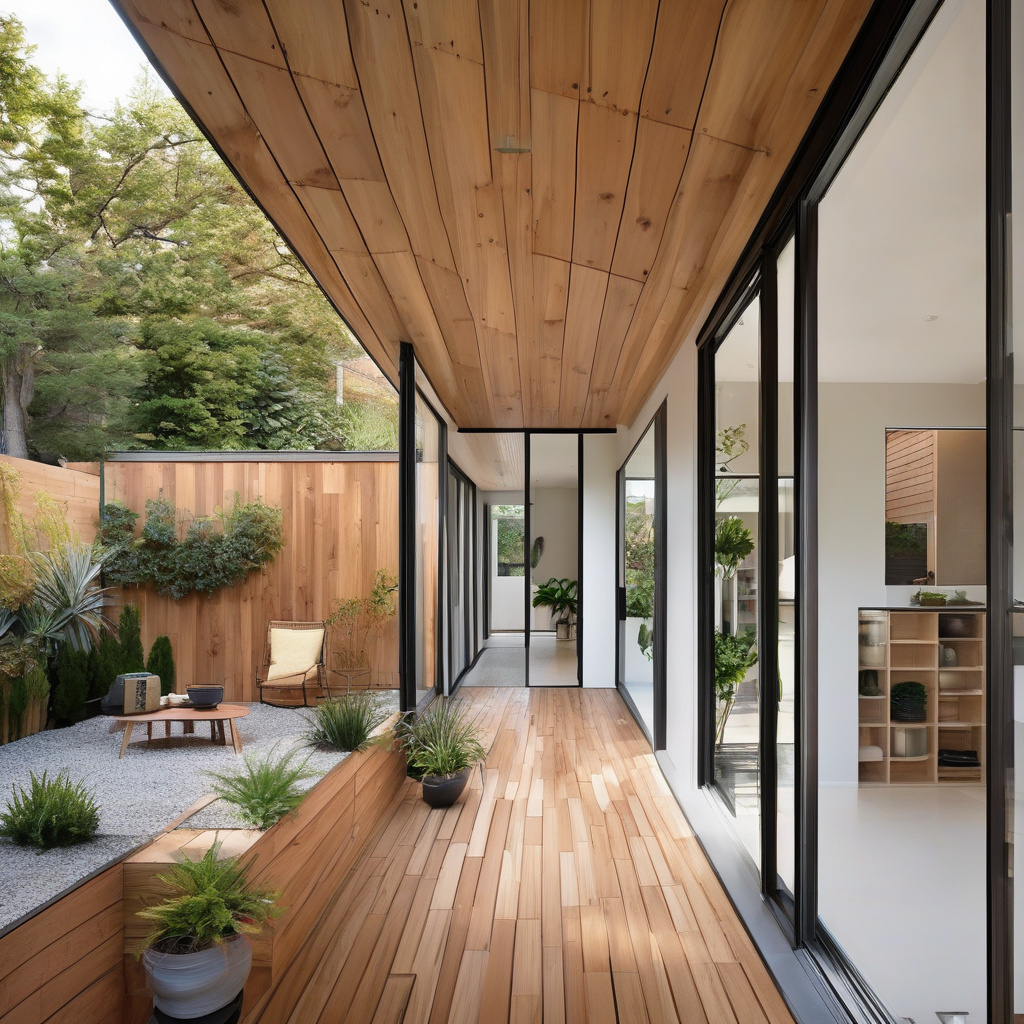
In the bustling metropolis of Los Angeles, where space is a premium and innovation a necessity, accessory dwelling units (ADUs) are emerging as the unexpected stars in the galaxy of home expansion. With compact backyards dotting the landscape, city dwellers are exploring floor plans that combine smart design, astute storage solutions, and the magic of natural light to craft living spaces that feel both spacious and functional.
Brief summary: As compact backyards become the norm in Los Angeles, smart ADU floor plans offer homeowners innovative solutions for space efficiency, incorporating clever design and storage strategies that leverage natural light. Exploring the cost, materials, and layout options reveals the balanced beauty of these modern dwellings.
Innovative ADU Designs: Turning Constraint into Creativity
For many Angelenos, an ADU isn’t just a structure—it’s a lifeline. As housing prices soar and family dynamics evolve, creating additional living space within small lots has turned from luxury to necessity. Understand how to maximize limited space with flexible designs.
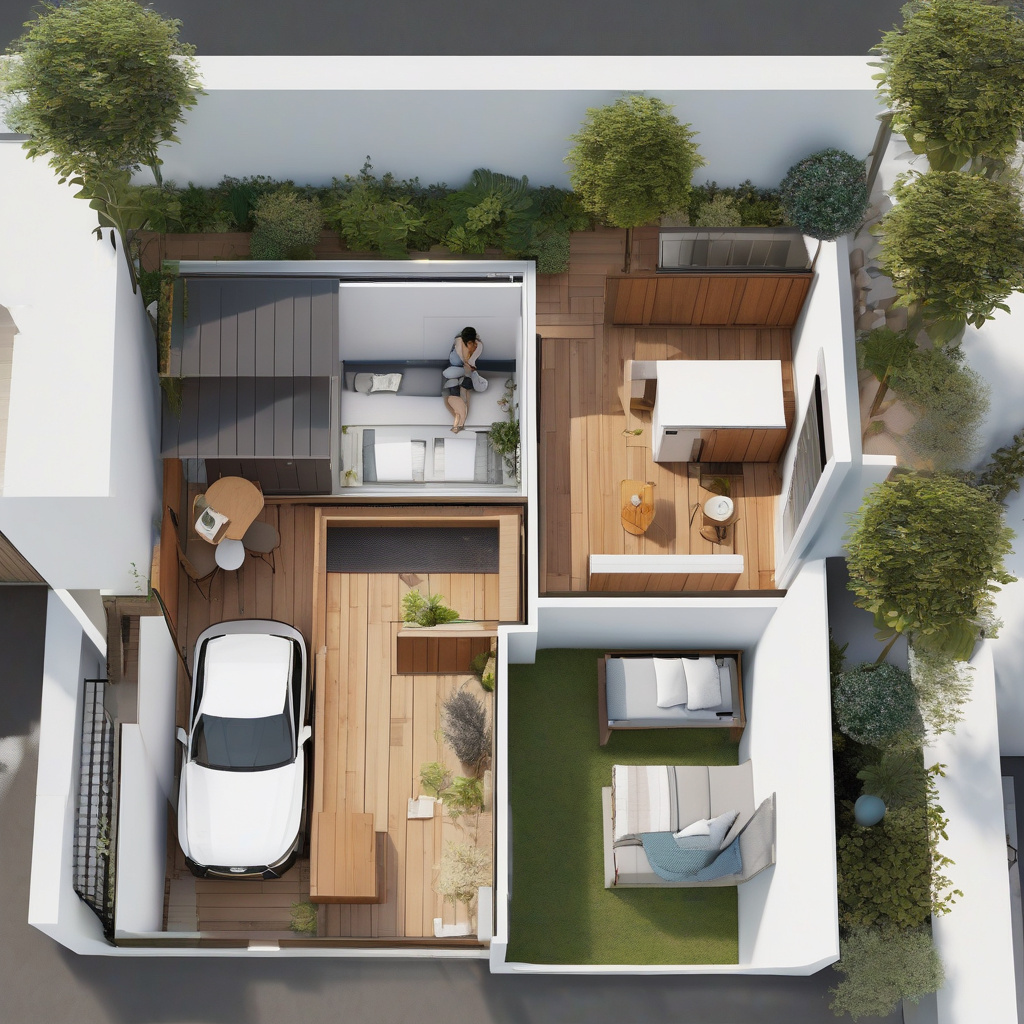
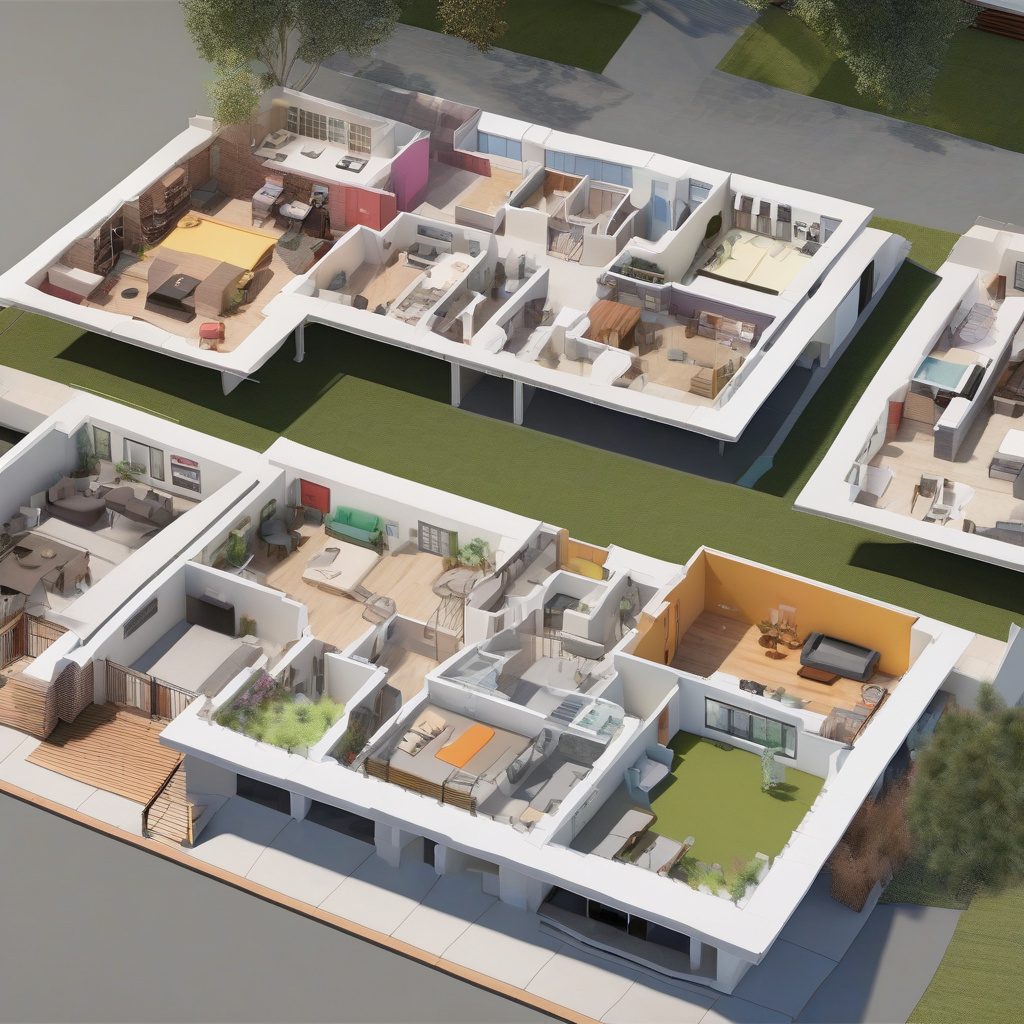
ADU designs stand at the intersection of creativity and engineering. Smart floor plans, often no bigger than a bedroom, make judicious use of every square foot. With open layouts, such as combined kitchen-living areas, the flow of the home feels uninterrupted and natural.
In L.A., architects are increasingly embracing minimalism—emphasizing open space over clutter and investing in quality over quantity. Clever storage solutions, like built-in shelving and furniture with dual purposes, bring efficiency and elegance to these tiny homes.
As demand for ADUs grows, so do design innovations. By employing retractable walls and sliding doors, residents can modulate their environment to suit needs— simultaneously creating privacy and openness.
These thoughtful designs offer a potent reminder: ingenuity often thrives under constraint.
Cost Considerations: Balancing Dreams With Budgets
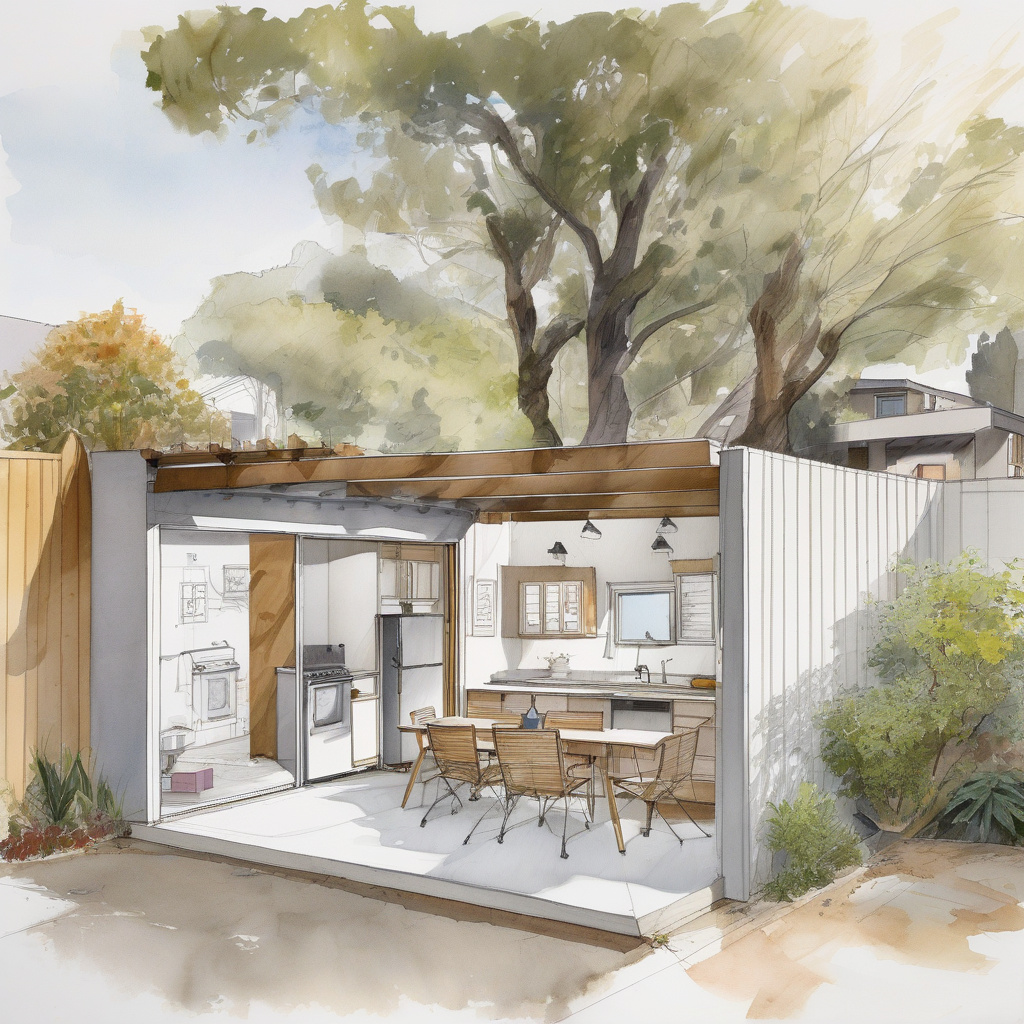
While enthusiasm for ADUs is palpable, the path from blueprints to build is paved with financial considerations. In Los Angeles, building an ADU presents a unique financial puzzle, influenced by size, design, and location.
Budgets dictate reality, and this truth hits home when costs per square foot range significantly. Starting a project can be overwhelming, but understanding the essential planning tips for L.A.’s seismic environment is critical in managing expenses effectively.
Many homeowners are taking advantage of California’s streamlined permitting process. The upfront costs may be steep, but increased property values offer significant long-term returns. The allure of rental income drives many Angelenos to make the financial leap.
Financial constraints do not need to curb creativity. Accessible financing programs and city incentives encourage more cost-effective builds, enabling homeowners to create vibrant, functional spaces without breaking the bank.
Striking a balance between desires and dollars remains an art form—one that Angelenos are quickly mastering.
Material Wisdom: Choosing the Best for Your Build
Material selection is a crucial step in ADU construction, impacting both aesthetic and function. Many are inspired by eco-friendly materials, balancing sustainability with durability.
Environmentally friendly materials such as bamboo flooring and low-VOC paints are lauded not only for their sustainable properties but also for their contribution to healthier living environments.
In terms of infrastructure, many opt for advanced energy-efficient systems. Incorporating sustainable energy solutions is both environmentally and economically advantageous, reducing utility bills dramatically in the long run.
This blend of traditional craftsmanship and modern flair results in homes that are not just beautifully appointed but intelligently designed to stand the test of time.
The material choice thus becomes a careful calculus of cost, sustainability, and appeal.
A 2021 survey by the American Institute of Architects found that 60% of new constructions now include eco-friendly features, a trend that’s particularly strong in urban areas like Los Angeles.
Maximizing Light and Space: The Art of Perception
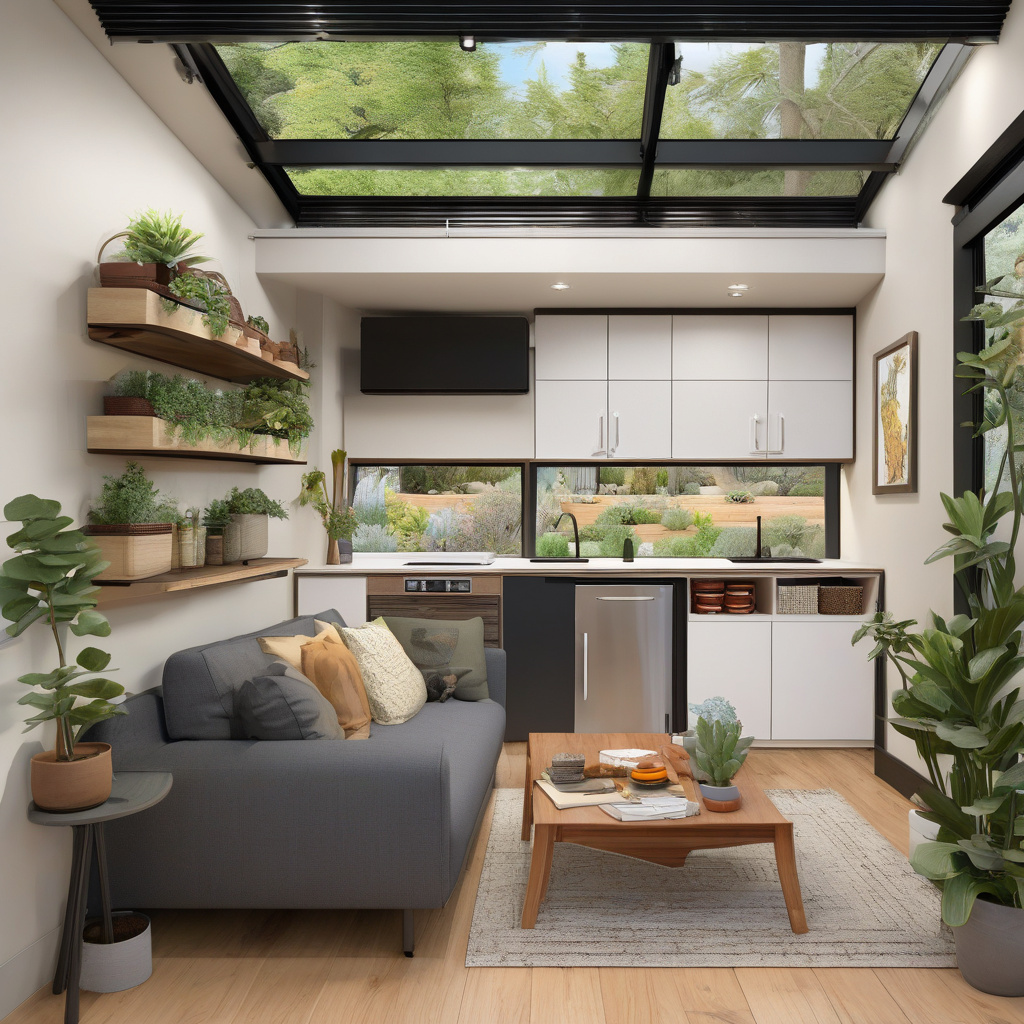
In small spaces, the illusion of space can be nearly as important as the space itself. Smart use of light, both natural and artificial, can transform an ADU from cramped quarters into a sanctuary.
Architects emphasize the importance of large windows and strategic skylight placement, aiming to flood interiors with light and open vistas. This not only imbues the home with a sense of spaciousness but also improves mood and energy efficiency.
Mirrors and reflective surfaces multiply light sources effectively, creating a trick of the eye that widens perception. Similarly, decluttering spaces, using lighter color palettes, and incorporating multifunctional furniture further enhance the sense of openness.
With every beam of light, every inch of space is amplified and optimized, turning the ADU from simply an addition into a haven.
Light becomes a tool, sculpting spaces as much as wood or concrete might.
The Drawbacks and Delights: Weighing Utility Versus Investment
Despite their many benefits, ADUs aren’t without challenges. They demand an upfront investment that, while potentially recuperated through increased property value or rental income, requires careful planning and consideration.
Another obstacle is regulatory. Navigating permits, understanding zoning laws, and complying with construction codes can extend timelines and increase costs.
On the other hand, the rewards of ADUs are enticing. By utilizing smart comparison techniques, homeowners can determine the right fit for their needs—whether a Junior ADU or a full-sized unit.
The ability to create a customizable and personal space tailored to individual lifestyle needs underscores the unique appeal of ADU development, despite the hurdles along the journey.
Ultimately, the question becomes not whether to invest in an ADU, but how to maximize the return on such an investment, both financially and personally.
Step-by-Step Success: How to Start Your ADU Journey
Embarking on the ADU adventure requires thoughtful preparation and careful action. Begin by researching neighborhood-specific regulations and obtaining necessary permits. Many find that hiring an experienced contractor can be indispensable.
Next, consider your needs and desires. Whether your ADU will serve as a home office, rental unit, or multigenerational living space will heavily influence its design.
Moving forward, collaborating with architects and designers will help merge practical and aesthetic concerns. They can guide decisions, from floor plans to fixtures, ensuring every choice aligns with the vision.
Finally, stay involved in the process. Regular site visits and active communication with the construction team can help keep the project on track and within budget.
By following these steps, you can smoothly navigate the complexities of ADU construction, turning your dream of extra space into a tangible reality.
According to the Los Angeles County Assessors’ Office, properties with ADUs have seen their market values increase by an average of 35% in recent years.
Risks vs. Rewards: A Thoughtful Approach to ADU Ownership
As with any significant investment, building an ADU involves certain risks, counterbalanced by exciting opportunities. The complexity of construction, unpredictable costs, and potential legal hurdles are risks that prospective owners must weigh.
Yet the rewards, often intangible and emotional, are no less significant. The introduction of a personalized space that fosters family connection, independence, or entrepreneurial income is an invaluable asset.
Los Angeles homeowners have discovered that judiciously balancing these risks and rewards can result in profound personal and financial benefits.
Indeed, the decision to build an ADU reflects a blend of practicality and vision—a commitment not only to living well but also to adapting to the demands of our times.
Finding that balance results in an investment that rewards not only the pocket but the heart.
Comparative Table of ADU Installation Options
| Installation Method | Estimated Cost | Timeline | Advantages | Disadvantages |
|---|---|---|---|---|
| Prefab Units | $100,000 – $200,000 | 3-6 months | Cost-effective, faster installation | Limited customization |
| Custom Builds | $150,000 – $350,000 | 6-12 months | Unlimited design flexibility | Higher costs and longer timelines |
| Conversion of Existing Spaces | $50,000 – $150,000 | 2-4 months | Utilizes existing structure, lower cost | Requires adequate existing space |
A recent UCLA study projected that ADUs could potentially provide housing solutions for over 20% of Los Angeles’s future population growth within the next decade.
- ADUs are pivotal in Los Angeles, offering an innovative solution to limited space.
- Smart, cost-effective designs emphasize minimalism and eco-friendly materials.
- Strategic use of light amplifies space, creating functional yet delightful living areas.
- Despite potential legal and financial hurdles, the rewards of ADU investment are significant.
- Choosing the right installation method is key to balancing customization, cost, and time constraints.
“`html
FAQ
What makes a floor plan suitable for small LA backyards?
In the context of compact LA backyards, a suitable floor plan is one that maximizes space while integrating seamlessly with the available outdoor environment. Many experts emphasize the importance of smart proportions, where every square foot counts. Creative storage solutions are critical too, such as built-in shelving and multi-functional furniture. Additionally, leveraging natural light can make an ADU feel far more spacious than it is. Homeowners often find that arranging windows to capture sunlight not only brightens the space but can also enhance the illusion of depth, making it a vital part of designing for small lots.
How do you incorporate natural light effectively in an ADU?
Natural light is a transformative tool in making ADUs appear larger. In real renovation projects, installing strategically placed skylights can flood a space with light from above, while using glass doors can connect interiors to the outside, further enhancing openness. Homeowners frequently choose large windows, particularly those that face south, to harness the most light throughout the day. Using reflective surfaces like light-colored walls and glossy finishes can also help to bounce light around, illuminating even the dimmest corners. These elements together create a living area that feels bright, airy, and boundless.
When is building an ADU in a small backyard a good idea?
Considering an ADU is particularly advantageous when additional living space is needed, whether for a family member or rental income. In areas like LA, with high housing demand, adding an ADU can significantly increase property value. It’s a sound investment when the existing lot and zoning regulations permit such construction without sacrificing outdoor space entirely. Many homeowners start these projects after weighing the lack of privacy or space in their current homes against the benefits of additional square footage and potential rental income, making it a thoughtful choice for growing families or those looking to offset their mortgage.
What are some typical mistakes to avoid when designing an ADU?
A common pitfall in ADU design is underestimating the complexities of utility connections. Many first-timers forget that integrating plumbing and electrical systems in a well-proportioned space requires meticulous planning to avoid costly reworks. Another frequent oversight is neglecting local building codes and permitting processes, which can delay construction and inflate budgets. Overstuffing an ADU with furniture that doesn’t fit the compact layout is another mistake to steer clear of. Instead, opt for a minimalist approach, emphasizing functional pieces that serve multiple purposes to keep the space open and inviting.
How does the cost of building an ADU in a small backyard compare to traditional home extensions?
Building an ADU can be more cost-effective than traditional extensions due to its smaller footprint. The reduced scale often means less material and lower labor costs. However, intricacies such as utility hookups can drive up the price. Many experts point out that while ADUs might demand a higher per-square-foot cost compared to regular expansions, the potential return through rental income can offset the initial investment. Exploring financing options and seeking multiple estimates from contractors can provide clarity and cost containment. For personalized advice on managing construction costs, homeowners could consider contacting experienced local renovation specialists for tailored guidance.
What are the benefits and limitations of living in an ADU?
ADUs offer significant benefits, including providing an affordable housing option in dense urban settings and contributing to increased property value. Residents living in ADUs often enjoy greater privacy than those in shared living arrangements. However, limitations exist; space constraints necessitate prioritization and can require adjustments in lifestyle, particularly with regard to downsizing possessions. Additionally, ADUs might not offer the same level of sound insulation or privacy as standalone homes. Understanding these trade-offs is crucial for prospective ADU dwellers to ensure the living experience matches expectations.
How do zoning laws affect the construction of ADUs in Los Angeles?
Zoning laws in Los Angeles heavily influence ADU construction. They dictate the size, height, and placement of these units on a property. In recent years, LA has relaxed some restrictions to encourage more ADU construction, reflecting the city’s response to housing shortages. However, regulations still require thorough review since missteps can lead to fines or mandated adjustments. Engaging with a local architect or zoning consultant can provide insight into permissible ADU specifications, ensuring compliance and hastening approval processes. This step can save both time and money in the long run by avoiding costly corrections post-construction.
What maintenance considerations are unique to ADUs?
Maintaining an ADU involves typical home care tasks but with enhanced focus on its unique features. For instance, because ADUs often maximize space with features like roof decks or integrated patios, maintaining these areas becomes essential for longevity and aesthetics. Seasonal checks for water drainage, especially if built on a sloped lot, can prevent foundational issues. Regularly inspecting skylights or expansive windows ensures lighting elements continue to function optimally without energy loss. Additionally, since ADUs tend to have less redundancy in systems like HVAC, ensuring these are well-maintained helps in avoiding inconveniences that could disrupt daily life given the limited space for backups.
“`