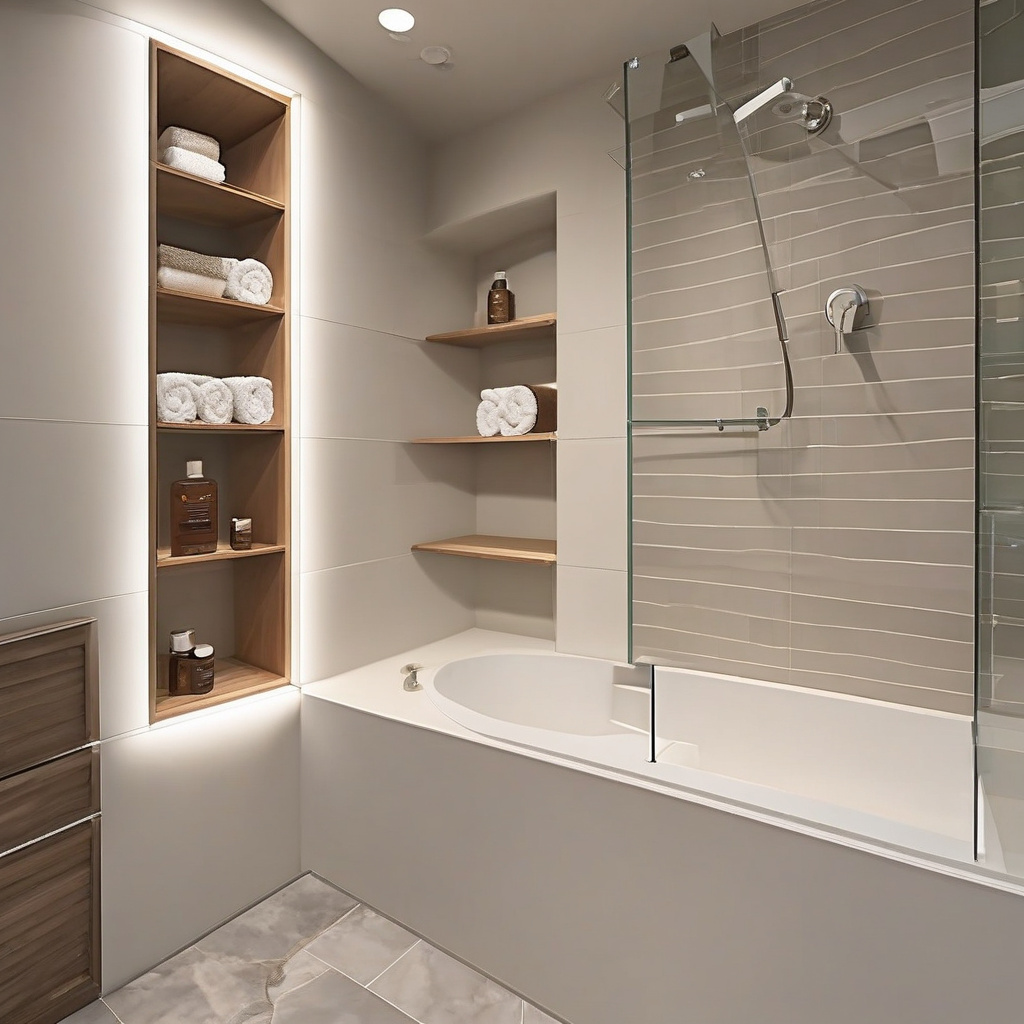
If Los Angeles homes had a middle name, it would undoubtedly be “space-saving.” As more homeowners squeeze functionality into every nook and cranny, the age-old debate between walk-in showers and traditional bathtubs has never been more relevant. Each holds its own in terms of style, convenience, and renovation practicality, leaving Angelenos in a perpetual state of indecisiveness.
Brief summary: This article dissects the pros and cons of walk-in showers versus bathtubs in Los Angeles homes. It examines factors like renovation costs, spatial dynamics, and homeowner preferences in Southern California, offering insights into local renovation trends and practical advice for home transformations.
The Lay of the Land in LA Bathrooms
Los Angeles, with its sprawling neighborhoods and diverse architectural styles, fosters a unique context for bathroom renovations. Space is often at a premium, especially in the densely packed urban sectors. It’s no surprise, then, that bathroom overhauls are second only to kitchen remodels in popularity. Walk-in showers, which fit snugly into corners and conserve valuable square footage, attract urban dwellers keen on maximizing every inch.
However, the appeal of a bathtub should not be underestimated. Amid the city’s glamour, many still yearn for a bit of old Hollywood luxury—a chance to end the day in a soothing bubble bath. Additionally, families with young children often prefer bathtubs, finding them practical for nightly bath routines.
In essence, the choice often boils down to lifestyle and space restrictions. For those nestled in historic neighborhoods like Pasadena or Palos Verdes, space may not be as much of an issue, allowing homeowners to indulge in a luxurious tub without compromise. Meanwhile, folks in downtown lofts might lean towards the modern, sleek functionality of a walk-in shower.
The key takeaway here is understanding personal priorities. Space and utility play a significant role, but aesthetic desires cannot be dismissed. This delicate balance often dictates eventual design decisions.
The Economics of Upgrading: Costs and Materials
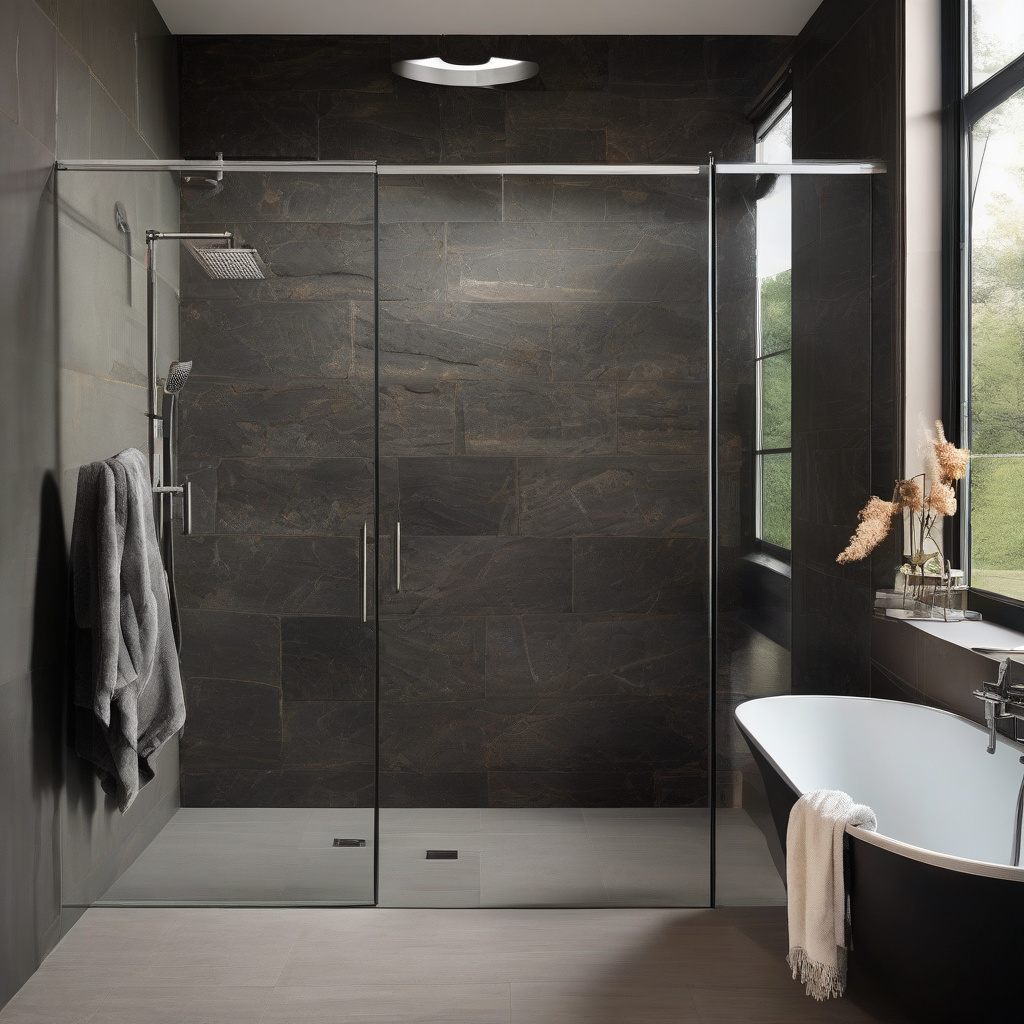
Undertaking a bathroom upgrade in Los Angeles can vary significantly in cost, depending on the choice between a walk-in shower and a bathtub. A walk-in shower typically ranges from $6,000 to $30,000, dependant on materials used and complexity of install. Bathtubs, meanwhile, arrive with a slightly lower ticket but require some space surrender.
Materials like glass, stone, and high-end fixtures often drive costs higher for showers. Conversely, the type of tub—from freestanding to alcove—can influence overall expenses. Ultimately, the broader SoCal aesthetic tends to favor clean lines and open spaces, traits that typically align with walk-in designs.
| Feature | Walk-in Shower | Bathtub |
|---|---|---|
| Average Cost | $6,000 – $30,000 | $2,500 – $7,500 |
| Space Requirement | Minimal | Moderate |
| Aesthetic Appeal | Modern and sleek | Classic luxury |
In terms of renovation timelines, showers often take longer due to the complexity and precision required for tiling and fixture installation, while bathtubs might edge slightly toward efficiency. Whether seeking scroll-stopping aesthetics or practical advice, exploring local permit regulations and compliance is crucial to avoid any legal backlashes.
According to a 2022 Remodeling Magazine report, homes with upscale bathroom renovations recoup up to 71% of their costs in home value—making renovation decisions financially significant.
In conclusion, successful renovations involve weighing these unique cost factors alongside personal tastes and expected return on investment. Both tubs and showers hold their unique allure depending on how you slice it.
Planning, Layouts, and Decision Making
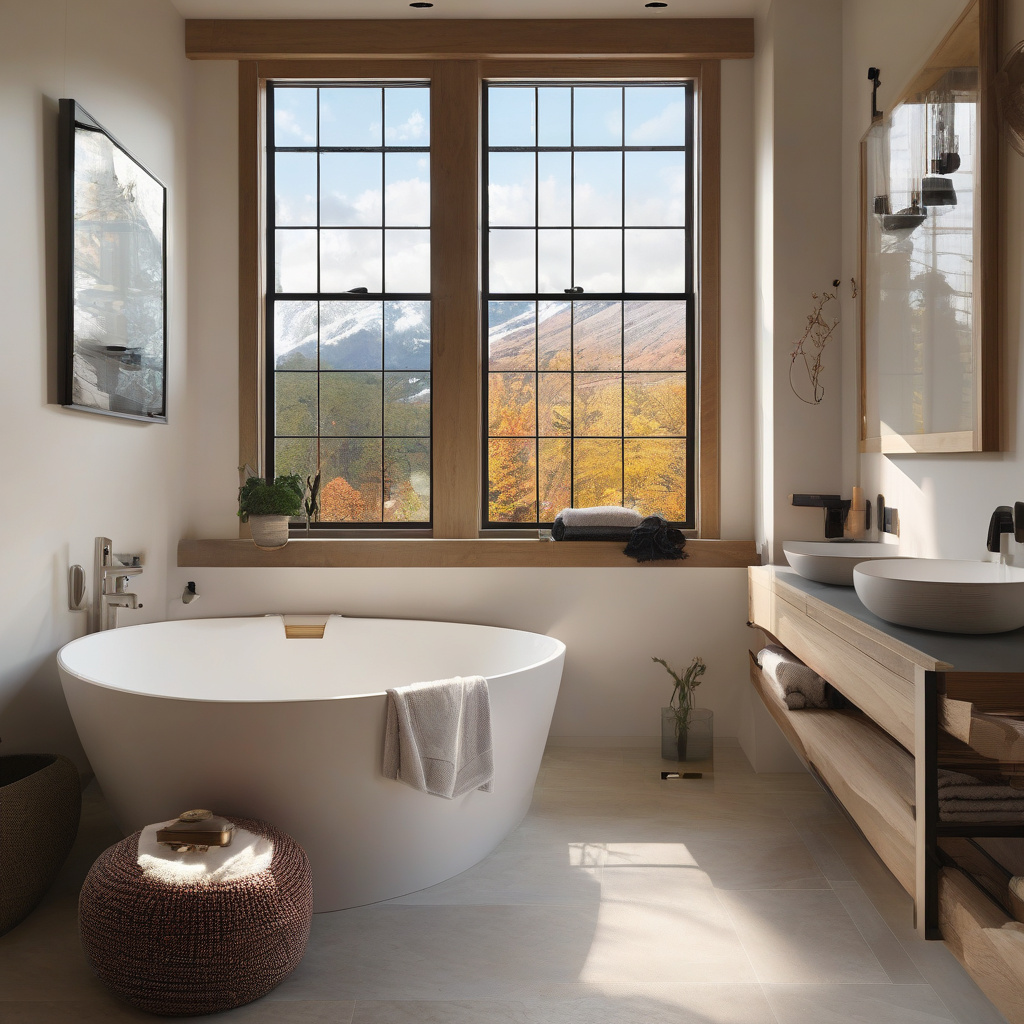
Planning a renovation involves an intricate dance between fantasy and feasibility. Homeowners must envision their ideal space while contending with practical constraints. Here is where a deep dive into the latest bathroom trends in Southern California becomes an invaluable exercise.
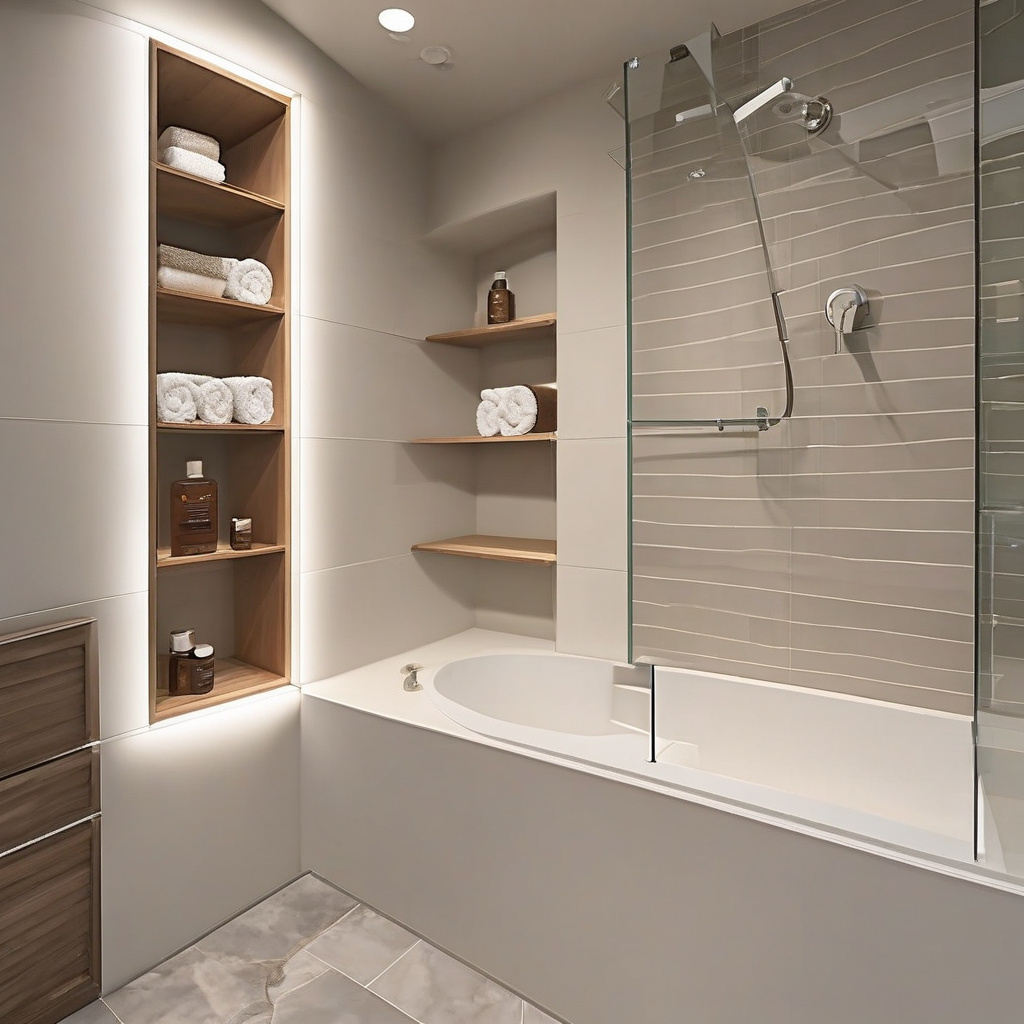
Most notably, the open-plan concept continues gaining traction. But open does not imply style sacrifice. Rather, trends reflect refined elegance and smart storage solutions. Walk-in showers often facilitate these designs, accommodating everything from rain shower heads to sleek wall niches for toiletries.
Efficient layout ideas
For cramped city apartments, corner showers can create a feeling of space without skimping on function or style. Taller buildings also see the benefit of showers in reducing water use, an important consideration in LA’s water-conscious climate.
But aesthetics are not the only consideration. Practicality looms large. Those with mobility issues may prefer a tub’s simplicity or an easily accessible shower with supports. The challenge lies in crafting spaces that marry both form and function.
In wrapping up, it’s clear that effective layouts are transformative. They can transform mere habitable spaces into havens of relaxation, demonstrating how purposeful planning and astute design meet to produce harmonious living environments.
California-based designer Patricia L. affirmed at the 2023 LA Design Conference that “bathroom renovations significantly improve a home’s functionality, adding comfort and aesthetic appeal.”
Ultimately, these choices rest on balancing current home structure with personal tastes for a cohesive outcome.
The Advantages and Drawbacks: Weighing the Options
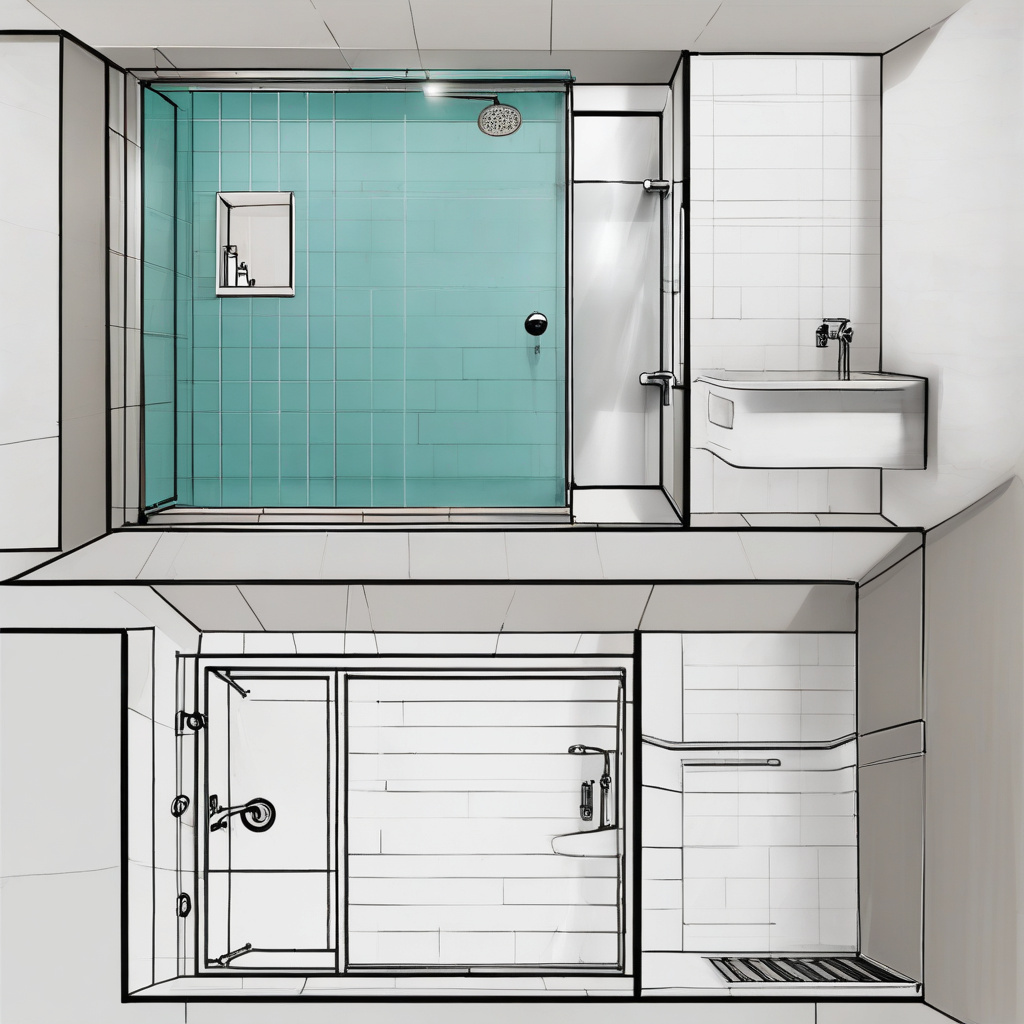
It’s impossible to dodge the straightforward pros and cons when juxtaposing showers and tubs. Walk-in showers win in accessibility and spatial efficiency; meanwhile, tubs offer formidable relaxation and family-friendly benefits. At the end of the day, these attributes must align with who’s using the bathroom.
Advantage vs. disadvantage table
- Showers: Pros – Minimalist, water-efficient, excellent for small spaces. Cons – Less relaxing, little appeal for kids.
- Tubs: Pros – Ideal for soaking, child-friendly. Cons – Requires more space, higher water usage.
A day in the life of an LA homeowner might dictate these choices. A professionals’ bustling schedule and inclination towards speedy showers could easily preference a walk-in design. Conversely, family-centric buyers or retirees with a penchant for leisurely soaks might swing the pendulum the other way.
The conclusion is clear: genuine resolutions come from individual needs meshed with the home’s architecture. Accentuating one’s comfort is paramount in navigating these crossroads.
A National Association of Realtors study found that 85% of homebuyers rate bathrooms as important, indicating high stakes on such renovation decisions.
Ultimately, these needs shape the eventual decision, turning ambitions into tangible bathroom bliss.
Step-by-Step Guide to a Seamless Renovation
Embarking on a bathroom upgrade is no small feat. However, with meticulous planning, it becomes an attainable endeavor. Here is a simplified roadmap.
Firstly, begin by establishing a budget. The financial cornerstone helps in outlining what’s feasible and what marital wishful thinking might be. Next, research local trends and best practices, tapping into common renovation pitfalls to eschew costly errors.
Once visions are established, consult professionals for expert insights. Architects and interior designers proficient in local aesthetic tastes and structural norms can offer valuable pearls of wisdom.
Breaking down the process
- Convene ideas and budget configurations.
- Conduct groundwork on design trends and available options.
- Secure professional advice if necessary for guidance towards best practices.
- Finalize designs, materials, and installations.
- Execute construction, keeping within permitted guidelines.
Taking these fellow steps ensures smoother remodeling experiences. A transformation grounded in careful strategy fights potential regret with stellar rewards.
The takeaway here is one of careful anticipation primed with thoughtful execution, eliminating hasty attempts in favor of a rewarding revitalization of space.
Conclusion: Selecting What’s Right for Your Home
The decision between a walk-in shower and a bathtub resides in the heart of individual priorities and circumstances. From maximizing urban space to seeking serene escapes in stylish soaks, no choice is black or white.
The Los Angeles homeowner must juggle aesthetic dreams with practical constraints—whether space, cost, or lifestyle-driven. Ultimately, the best choice is not about ticking boxes but aligning new possibilities with existing realities.
Whatever the choice, the promise of bathroom rejuvenation holds a universal appeal. It blends the utilitarian with the indulgent, catering to unique tastes while enhancing home value and personal joy.
- Walk-in showers optimize space, suitable for urban living.
- Bathtubs often appeal to relaxation and family needs.
- Local trends favor modern, open-plan aesthetics.
- Budget, practicality, and style drive renovation choices.
- Careful planning yields rewarding bathroom transformations.
“`html
FAQ
What are the main differences between walk-in showers and bathtubs in terms of space usage?
In real renovation projects, space is often a critical factor. Walk-in showers generally provide a more open feel, utilizing vertical space to create the illusion of larger room dimensions, which can be crucial in smaller LA homes where every inch counts. Bathtubs, however, often require a more significant footprint, which can be challenging to accommodate in older urban properties with limited bathroom size. Ultimately, the decision depends on how much space you can allocate to your bathroom and your personal preference for open area versus enclosed comfort.
How do accessibility features of walk-in showers and bathtubs compare?
Accessibility is a crucial factor for many, especially in multigenerational homes or for those planning to age in place. Walk-in showers are often the go-to for ease of access, as they require no steps to enter, unlike traditional bathtubs which can be challenging for those with mobility issues. Many experts point out that the installation of grab bars and a non-slip floor in a walk-in shower provides additional safety, compared to the more limited adaptation options available for bathtubs. This can be a significant consideration for families prioritizing accessibility without major structural changes.
What should LA homeowners consider when choosing between a walk-in shower and a bathtub?
Choosing between a walk-in shower and a bathtub involves assessing your lifestyle needs, space dimensions, and resale considerations. Homeowners frequently underestimate the impact of local trends; in LA, where modern aesthetics often dominate, a sleek walk-in shower might add more value. However, if you have young children or simply cherish a relaxing soak, a bathtub might better suit your needs. Also, evaluate the plumbing and structural constraints of your home to avoid unexpected renovation costs. Balancing personal preference with practicality is key.
What are the pros and cons of installing a walk-in shower in an LA home?
The benefits of a walk-in shower include a contemporary appearance and better use of space, which is appealing in many LA homes. They are typically easier to maintain and clean than bathtubs. On the downside, they may not offer the same relaxation potential as a warm bath does. Additionally, walk-in showers might require more upfront investment in terms of waterproofing and decor customization to fit the overall home design. It’s also worth considering how these factors play into resale value and whether the design complements the rest of your home.
How do costs compare between installing a walk-in shower and a bathtub?
Cost considerations are a decisive factor when planning bathroom renovations. Typically, a walk-in shower can be more expensive upfront due to the need for sophisticated waterproofing and potential customizations for a luxury touch. Bathtubs generally have a wider range of price points but can also be costly if selecting high-end materials. In real-world settings, many homeowners opt for a shower because of the lower long-term maintenance costs and the growing trend of showers increasing property value. It’s recommended to assess the full renovation scope and consult with a local expert through the contact page on reputable sites for precise estimates and advice.
What are some common mistakes when installing a walk-in shower?
One frequent mistake is underestimating the importance of proper waterproofing. In practice, many homeowners realize too late that inadequate sealing can lead to extensive water damage. Additionally, neglecting to plan for adequate drainage can result in water pooling issues. Also, a common oversight is not aligning the shower’s aesthetic with the rest of the bathroom design, which can detract from the home’s overall cohesiveness. Being mindful of these elements and consulting with professionals can save time, money, and frustration.
How do maintenance requirements differ between walk-in showers and bathtubs?
Maintenance varies significantly between these two options. Walk-in showers generally demand less frequent deep cleaning but do require regular upkeep to prevent mold and mildew due to higher humidity levels. Bathtubs, while perhaps simpler to scrub down, often have grout lines and more complex shapes that can retain dirt. One practical tip is to routinely wipe down shower walls with a squeegee to minimize moisture accumulation, which helps reduce long-term cleaning efforts. This is a common practice among homeowners looking to maintain a clean and inviting bathroom environment with minimal fuss.
When is it more advantageous to choose a bathtub over a walk-in shower?
A bathtub can be advantageous if relaxation and soaking are high priorities or if you have small children who would benefit from an easier bathing process. In real-world applications, homes with enough space can benefit from the dual-nature offering of both a bathtub and a shower to maximize utility and family comfort. However, it’s important to consider the implications on space usage and whether the added water use aligns with your environmental goals. Regional preferences and household needs often dictate such choices, so evaluating your typical daily routines is essential when making this decision.
“`