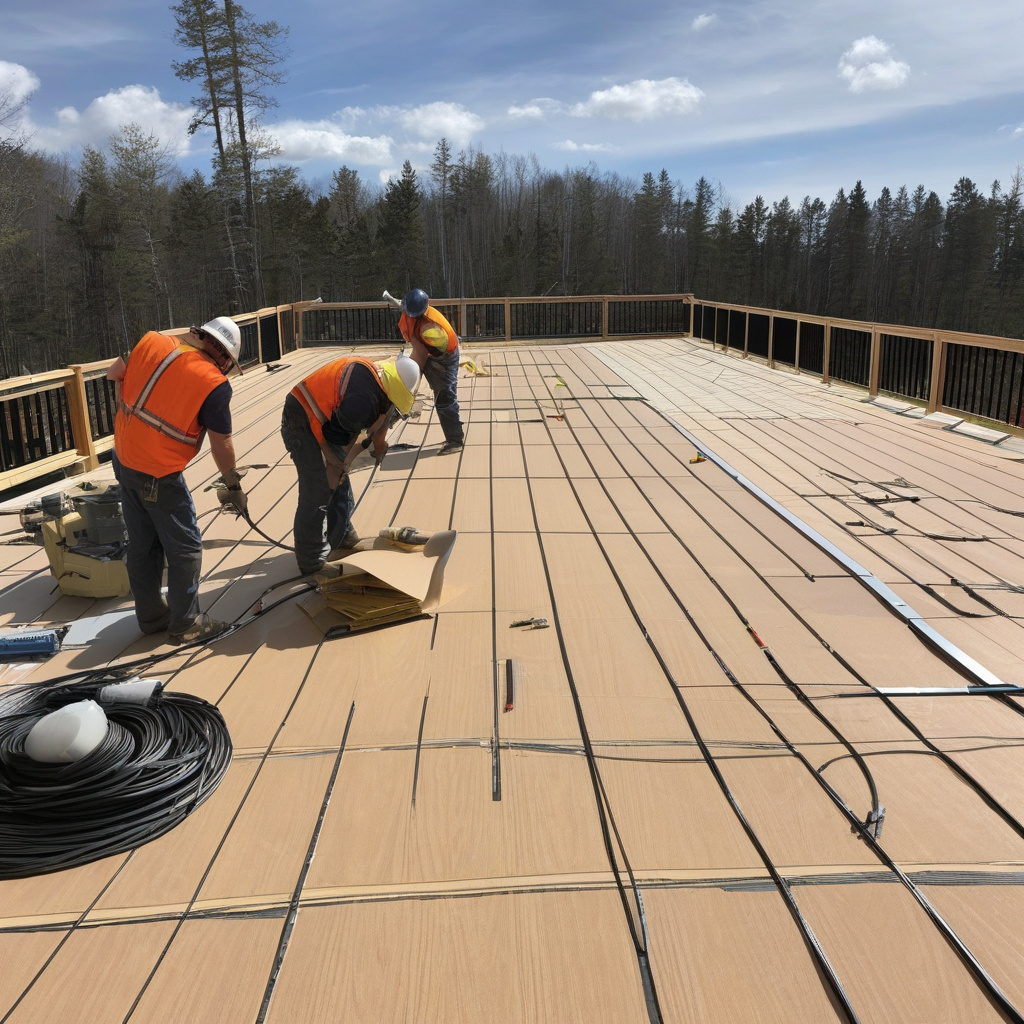
As 2026 looms ever closer, Los Angeles homeowners considering deck remodels face a terrain as complex as their city’s patchwork of architectural styles. Material choices, structural enhancements, and upgrades to finishes all tug at the threads of their financial plans, shaping investment strategies that align functionality with resilience. But what are the currents shaping these decisions, and how do homeowners balance cost with creativity?
Brief summary: This article explores the dynamics influencing the cost of deck remodeling in Los Angeles in 2026. It highlights how materials, structural work, and finish upgrades shape renovation budgets while considering long-term durability and functionality.
The Materials that Define Your Deck
In the heart of Los Angeles, where design meets practicality, the material choice for deck projects defines not just aesthetics but also durability. From sustainable woods like ipe and cedar to composite materials that promise longevity, the options are as varied as the city’s neighborhoods. Such diversity comes with its advantages and drawbacks, forcing homeowners to weigh cost against lasting value.
Many Angelenos find themselves drawn to innovative materials for their patios that promise longevity and require minimal maintenance. Composite decking has become notably popular, with modern incarnations offering the appearance of wood without its vulnerabilities to termites and decay. However, these choices come at a premium, with costs averaging $9 to $16 per square foot.
While some purists lean towards natural wood, charmed by its rustic authenticity, they must anticipate the additional expenditure for regular maintenance. In contrast, newer synthetic materials promise resilience against the sizeable challenges presented by the Californian climate, from sun to surf. Still, homeowners trading in notable durability for aesthetics often find themselves at a crossroads when balancing these options.
Ultimately, an informed decision pivots on understanding one’s lifestyle and willingness to engage with ongoing deck maintenance versus upfront costs. As many local homeowners notice, effective strategizing yields both visual appeal and wallet protection in equal measure.
Structural Work: Hidden Details and Considerations
Below the surface of any deck remodel lies a critical foundation: structural integrity. The unseen framework of beams and joists is vital, often comprising a significant portion of the overall budget. The seismic nature of Los Angeles adds complexity to this challenge, demanding structures that can withstand nature’s whims while offering a sturdy platform for relaxation or entertainment.
Structural adjustments might include reinforcing underpinnings or replacing substandard supports, particularly in older homes. Such projects are contingent not only on the homeowner’s vision but also municipal guidelines and permits, which can affect timelines and costs extensively. The challenge is manifest in balancing the budget with compliance, without compromising on safety.
Expert contractors frequently uncover unforeseen conditions during initial evaluations, such as termite damage or dry rot. These discoveries, though disconcerting, necessitate action. Addressing these issues promptly can prevent more costly repairs in the future, providing peace of mind that is invaluable.
Preparation is key; consulting with trusted professionals and engaging thorough inspections prior to the initiation of any work will save homeowners from possible headaches down the line. As such, a thorough approach to foundational safeguards can avert disasters while preserving aesthetics and utility.
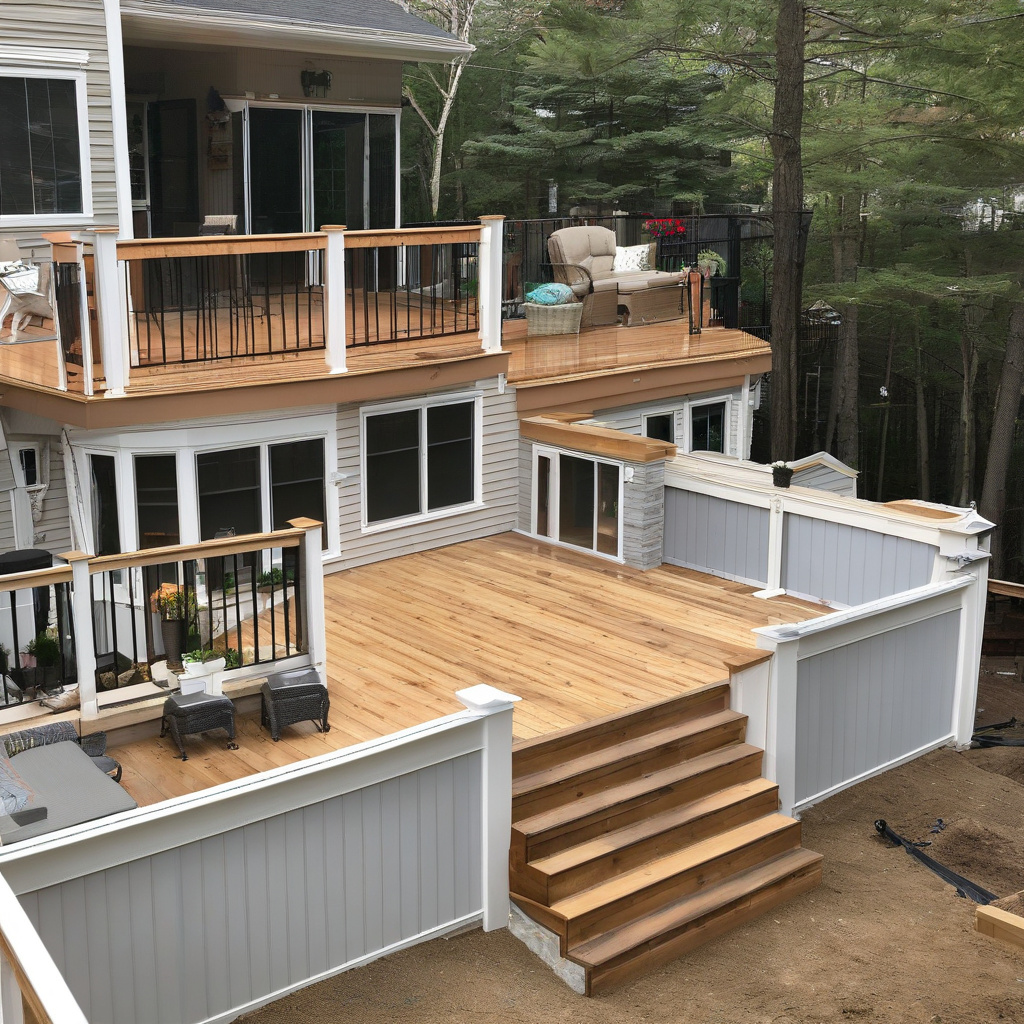
The National Association of Home Builders reports that diligent structural evaluations increase a home’s resale value by an average of 12%.
Upgrading Finishes: Style with Purpose
The final flourish on any deck is its finish—where vision and practicality converge. Homeowners have a myriad of options, from specialized stains that enhance wood grain to cutting-edge sealants that extend the lifespan of materials exposed to the elements.
In a city where design statements are expected, opting for high-grade finishes not only boosts appeal but significantly reduces ongoing maintenance. While upgrading finishes might seem trivial, overlooking them can result in frequent repairs and unsightly wear. Thus, the selection of colors, textures, and protective coatings is strategic, affecting both the cost and longevity of the deck.
Given this focus on quality, premium finishes are increasingly seen as an investment rather than an expendable luxury. With many exploring firepit and grilling enhancements alongside deck remodeling, safety concerns add another layer of contemplation.
The practical homeowner thus investigates coatings that not only resist the elements but contribute to a fire-safe environment. This nuanced consideration aligns with broader themes of safety, requiring that homes serve as bastions against the ravages of flame, all while retaining their allure.
The American Institute of Architects suggests that incorporating flame-retardant finishes can decrease fire risk by up to 85%.

Planning Your Budget: Mind the Details
The allure of outdoor living hinges largely on forethought and financial insights. The cost complexity inherent in remodeling a deck often reflects not just material expenses but supplementary factors such as labor, maintenance, and unexpected surprises.
With Los Angeles known for its eclectic array of design influences, it becomes paramount for homeowners to employ methodical budget planning. The diverse needs of personal preference and a home’s architectural harmony demand careful financial consideration. A common consensus among experts is to set aside approximately 10-15% extra for unforeseen costs.
Among the noteworthy options, incorporating an outdoor kitchen stands out. While these additional features elevate the aesthetic and functional appeal of a space, they command a serious look at budgeting like pros and cons of inclusion in overall design.
Perhaps the most compelling advice emphasizes incremental planning—consider approaching renovations using phased efforts. This mitigates risk by offering flexibility and the possibility of reevaluating projected costs and designs as each phase is completed.
According to Remodeling Magazine, homeowners who budget meticulously can save up to 20% on overall project costs.
Comparison Table: Options for Deck Renovating
| Option | Material Cost | Durability | Maintenance Frequency |
|---|---|---|---|
| Composite | $9-$16/sqft | 20+ years | Low |
| Ipe Wood | $7-$15/sqft | 40+ years | Medium |
| Cedar | $4-$8/sqft | 25-30 years | High |
Clearly, a well-thought approach addressing materials and finishes maximizes both budget and satisfaction. The choice now leans significantly towards a balance of enduring style with purposeful utility.
Step-by-Step: How to Plan Your Remodel
Embarking on a deck remodel demands a roadmap to navigate the plethora of options. Begin with a clear vision: consider what you want from the space. Are you seeking a retreat or an entertainment hub? Defining this will guide all subsequent decisions.
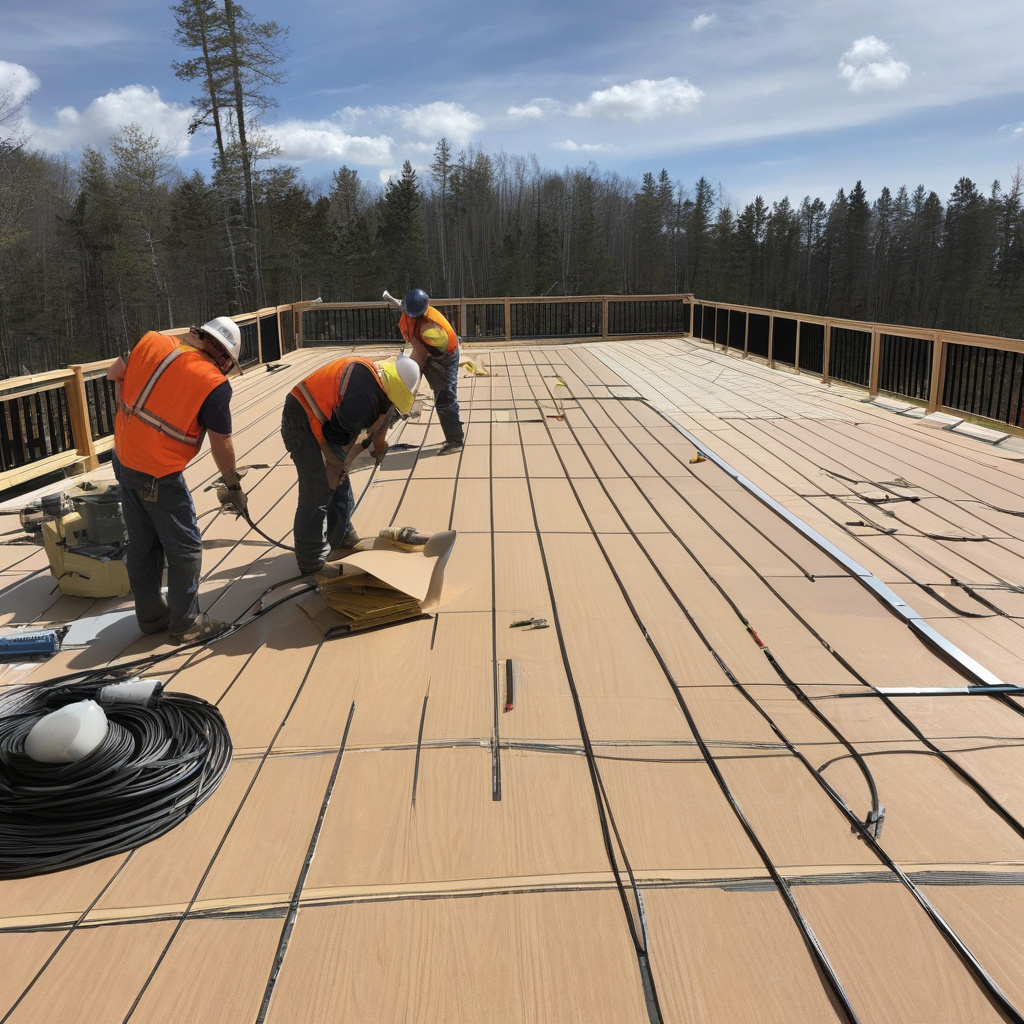
Next, assess your current deck’s condition. A thorough inspection can reveal hidden damages that need addressing before any aesthetic upgrades. If structural work is required, prioritize these foundational efforts to underpin future enhancements.
Setting a realistic budget, be sure to factor in a contingency for inevitable surprises. This foresight avoids halting your project due to underestimated costs. As you transition to selection, explore materials and finishes that complement your desired aesthetics yet fit within your budget.
Finally, consult with reliable contractors to finalize plans, permitting, and timelines. Experienced professionals will help navigate complex renovations while optimizing spend. Each phase of a planned approach ensures a coherent journey from the blueprint to the final nail.
Cultural Considerations in Remodeling
The cultural milieu of Los Angeles influences design decisions in subtle yet profound ways. Homeowners bound by tradition or exhilarated by innovation reflect these sensibilities in their outdoor spaces. The context-driven designs incorporate local flora, reflect the diversity of the city, and pay homage to architectural history.
The zeitgeist of Los Angeles, fusing old and new, encourages the embrace of eclectic styles. From minimalistic Zen-inspired spaces to opulent Spanish revival decks, personal interpretations abound, supported by an appreciation for artisanal craftsmanship rooted in past narratives.
In deciding on deck refurbishments, Los Angeles residents must consider the rhythms of family life, the nuances of climate, and the vibrancy of their neighborhoods. When seen through this lens, an individual’s artistic vision transforms, becoming a vibrant tapestry that embodies life’s expression.
Final Thoughts and Practical Next Steps
As Los Angeles gives sway to the tides of design and climate, the deck remodels of 2026 are an ode to intent and careful execution. In negotiating practical needs and stylistic desires, the remodel becomes more than an addition; it narrates a story of calculated elegance.
Ideas for small patios can further enrich your exploration, offering innovative solutions ideal for maximizing both function and space.
In this ongoing narrative of outdoor refinement, deck remodels demand that homeowners emerge as discerning craftsmen. The outcome, as a testament to foresight, is not merely a replaced deck but a crafted curation of the Californian lifestyle’s vibrant essence.
- The choice of materials significantly impacts durability and maintenance costs.
- Structural integrity is fundamental, with seismic considerations unique to Los Angeles.
- Finishes are an investment, offering aesthetic appeal and elemental protection.
- Budgeting should include a contingency fund to accommodate surprises in the renovation process.
- Planning, from vision to execution, ensures efficiency and aligns outcome with expectations.
“`html
FAQ
What factors influence deck remodeling costs in Los Angeles for 2026?
In real renovation projects, deck remodeling costs in Los Angeles are significantly influenced by the choice of materials, the extent of structural work required, and finish upgrades. Many experts point out that homeowners frequently underestimate the impact of material selection on the overall budget. Opting for higher-end materials like composite decking or tropical hardwoods not only increases durability but also the initial cost. Additionally, older properties may necessitate more structural repairs due to wear and age, adding further to expenses. This underlines the need for a thorough initial assessment to avoid unexpected costs. Proper planning aligns practical needs with the desired aesthetic, ensuring your budget includes both labor and material contingencies.
How should one choose materials for a deck remodel aiming for long-term durability?
Choosing the right materials for longevity involves balancing initial costs with maintenance requirements. In Palm trees and ocean breezes, the climatic conditions in Los Angeles dictate selecting materials resistant to fading and moisture. Many deck specialists recommend composite materials for their low maintenance and durability. They mimic the look of natural wood while resisting termites and rot. For homeowners looking for something truly durable and less eco-impactful, recycled materials offer a sustainable option. However, traditionalists might still consider pressure-treated wood, albeit with the understanding that it demands regular sealing and staining to keep it looking pristine over the years.
When is the best time to undertake a deck remodel in Los Angeles?
In Southern California, the mild climate allows for flexible scheduling, but many experts suggest spring as an ideal time for remodeling, when weather conditions are predictably dry yet not overly hot. This allows for uninterrupted work periods and ensures materials set properly. However, if you plan to enjoy your newly remodeled deck by summer, initiate planning months ahead to secure a skilled contractor during the busy season. Some savvy homeowners schedule renovations in late summer or fall, taking advantage of contractors with fewer booked projects, potentially negotiating better rates and more dedicated attention.
What are typical mistakes homeowners make when planning a deck remodel?
One frequent mistake is underestimating the total cost, often due to unforeseen structural issues or changes in design mid-project. Homeowners sometimes overlook the importance of setting a comprehensive budget that includes a buffer for unexpected costs. Additionally, neglecting permits and local regulations can lead to costly fines and project delays. It’s also common to disregard the importance of hiring a licensed contractor with a proven track record in specific deck builds, which can result in substandard craftsmanship. Always rely on a detailed contract outlining scope, timeline, and costs to help avoid miscommunication and surprising expenses later.
How do the benefits of different decking materials compare?
When considering various decking materials, it’s crucial to weigh benefits against limitations. Composite decking stands out for its low maintenance and long lifespan, retaining color without sealing. However, its higher upfront cost and potential to overheat in full sun are notable downsides. On the flip side, treated wood provides a traditional, natural look and is more affordable initially, but requires regular upkeep to prevent rot. Exotic hardwoods, while extremely durable and beautiful, can present challenges in terms of sourcing and environmental impact. Many homeowners find success by consulting professionals to navigate these choices—if in doubt, seeking expert guidance can be worthwhile via this resource.
What are the pros and cons of incorporating technology into a deck remodel?
Incorporating technology, such as smart lighting and weather-resistant speakers, into a deck remodel can significantly enhance the outdoor living experience. The pros include increased convenience, as homeowners can control ambience with apps or voice commands, and improved entertaining capabilities, integrating seamlessly with modern smart home systems. However, there are limitations: initial costs are higher, and tech systems can require more complex installations, which may need specialized expertise. Additionally, technology ages relatively quickly, possibly leading to upgrades sooner than anticipated. Balancing these pros and cons involves measuring personal priorities against potential obsolescence.
What cost-saving strategies should homeowners consider when planning a deck remodel?
Practical cost-saving strategies for deck remodeling involve meticulous planning and informed purchasing. Reusing existing structures, if viable, can drastically cut costs. Opting for standard sizing in materials instead of custom cuts also saves money, as does choosing mid-range instead of premium options. Many homeowners find value in obtaining multiple quotes from contractors, which not only ensures competitive pricing but also helps in selecting one with the best rapport and realistic project comprehension. Additionally, scheduling the project during off-peak seasons might incur lower labor rates. These methods collectively contribute to aligning your dream deck with your budget constraints.
What maintenance considerations should I keep in mind post-remodel?
After completing a deck remodel, maintaining your investment is key to ensuring longevity. Composite decks are less demanding, requiring periodic cleaning with soap and water to maintain their appearance. Wood decks, however, particularly need annual inspections for rot or damage and often require sealing every two to three years. Many experts recommend against power washing wood decks to avoid water damage and suggest gentle cleaning instead. Another consideration involves seasonal adjustments: ensuring proper drainage to prevent water pooling and addressing any loose boards promptly can prevent small issues from evolving into more significant repair needs.
“`