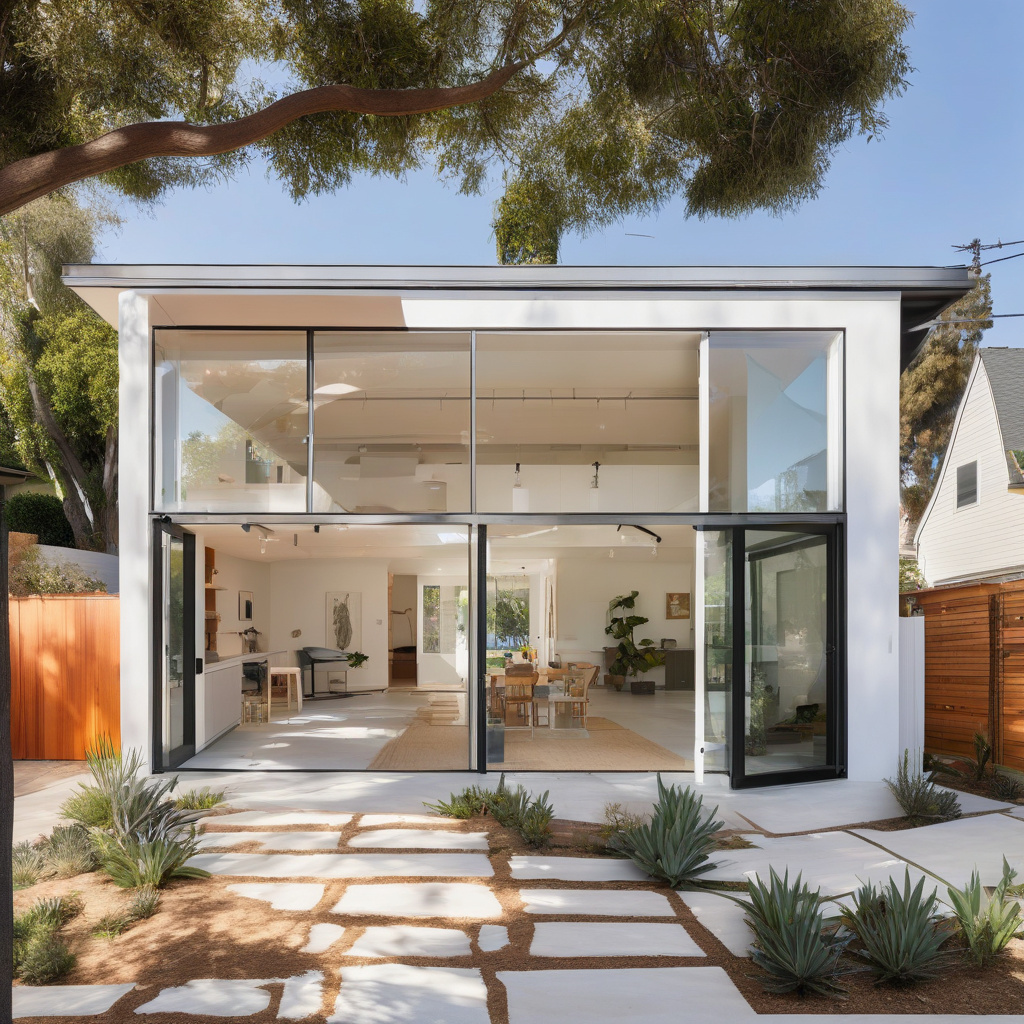
In the ever-evolving landscape of Los Angeles real estate, the battle between adding an Accessory Dwelling Unit (ADU) and a traditional room addition is heating up. Homeowners are constantly seeking ways to improve their living spaces, and these two options each offer unique benefits and challenges. But which is truly better for you, the discerning LA homeowner? It’s a decision that hinges on space dynamics, financial implications, and your long-term goals.
Brief summary: Choosing between an ADU and a room addition involves careful consideration of space management, privacy needs, and financial impacts. This article dives into the specifics of each option, providing insights into construction trends and real-life renovation experiences in Los Angeles to guide homeowners towards the smartest home upgrade.
Understanding ADUs: What You Should Know
ADUs have jumped to the forefront of California’s housing solutions, providing versatility in space usage and additional income opportunities. These units, whether detached or attached, offer a separate living area that can accommodate family members or generate rental income. For Los Angeles homeowners, understanding the build process for an ADU is crucial to making an informed decision. Discover more about ADU construction paths.
The flexibility of ADUs speaks to their appeal. Unlike a room addition that simply extends the footprint of a house, ADUs can be a standalone miniature home complete with bedrooms, kitchens, and bathrooms. This separation ensures privacy, a valuable trait in bustling urban areas. As regulations in LA continue to evolve to support such developments, ADUs become more accessible than ever.
Furthermore, ADUs invite a modern wave of design opportunities. From converting underutilized garages to maximizing backyard spaces, the possibilities are practically limitless. For instance, converting a garage into an ADU can offer a creative solution without altering the primary structure of the home. Learn how transforming your garage can redefine living space.
However, this isn’t to undercut the complexities involved. Building an ADU requires navigating zoning laws, managing construction logistics, and, of course, securing the budget. Yet, the benefits often outweigh these challenges, offering homeowners not only financial reimbursement through rental avenues but also a sense of contributing to the city’s housing solution.
The UCLA Luskin School of Public Affairs found that ADUs could potentially add hundreds of thousands of units to LA’s housing stock, easing the chronic shortage.

How Traditional Room Additions Make Sense
Room additions are classic solutions in the realm of home improvement. They blend seamlessly with existing structures, echoing the home’s original design language while adding valuable square footage. For those who value cohesion and unity in design, traditional room extensions are a reliable choice.
This approach caters exceptionally well to homeowners who seek to enhance personal space without the separation an ADU might create. Be it an expanded kitchen, an additional bedroom, or a broader living area, room additions offer flexible improvement options that increase both comfort and property value.
The process of adding a room to an existing structure can often be simpler, with fewer regulatory hurdles than standalone structures. Typically, it involves contracting skilled builders familiar with the intricacies of working with existing home layouts and frameworks. Still, costs can escalate depending on the complexity of the task.
There are financial considerations to weigh. While room additions might lack the potential rental income ADUs offer, they can significantly enhance a home’s resale value. Installing a new room taps directly into the heart of family life, potentially increasing day-to-day satisfaction with the space.

Comparative Analysis: ADU vs Room Addition
When deliberating between an ADU and a room addition, it’s essential to compare the core components that define each option. The scrutiny over cost, timeline, and design plays a pivotal role in honing down your decision process.
| Aspect | ADU | Room Addition |
|---|---|---|
| Cost | Higher upfront but possible rental income | Varies; boosts property value |
| Timeline | Longer, complex permits | Relatively shorter, integrated with home |
| Design | Standalone, varied designs | Integrated, classic expansion |
Both options offer unique benefits to homeowners, and each should be evaluated based on personal needs and future plans. Deciding factors often emerge from the homeowner’s desire for extra income, the need for additional family space, and the willingness to embrace complex construction projects.
“The California Housing Partnership highlights the potential for ADUs to become foundational in alleviating state-wide housing challenges, with tailored incentives driving adoption.”
The Impact on Lifestyle and Community
When considering the impact of ADUs or room additions on one’s lifestyle, homeowners must contemplate how these changes will affect both their personal environment and the broader community. ADUs contribute positively by offering housing units that align with urban density goals and enhancing neighborhood vitality.
Many local homeowners notice that having a separate unit can ease family dynamics. It allows younger adults to live independently while staying close to their families. Additionally, rentals introduce new people into the community, potentially strengthening local ties and economies.
Meanwhile, room additions directly improve the quality of life for the existing occupants without adjusting family dynamics significantly. It creates new space to spread out, which can enhance comfort and satisfaction with the home.
However, the construction of either can ruffle feathers within the neighborhood. Noise, construction traffic, and temporary disruptions should be anticipated and mitigated where possible, in order to foster a harmonious relationship with the community. Explore the choices and impacts of these building alternatives.

Insights from Industry Experts
Jameson Hill, a prominent voice in construction trends, emphasizes the adaptability of ADUs for the future. “ADUs represent a shift. They’re flexible, innovative, and can morph your property into something more than just a home.” Such insights bolster the appeal of ADUs for progressive homeowners.
However, experts also recognize the enduring value of more traditional room additions. They caution that while temporary housing demands fluctuate, the value of a cohesive and harmonious home remains timeless.
This balanced view provides homeowners with a broader perspective on how these options may not only meet current needs but shape the future of LA living.
An analysis from BuildZoom reveals homes with recent room additions or ADUs yield an average resale value increase of up to 20%, underscoring their investment potential.
Practical Steps for Homeowners: Where to Begin
Embarking on any home extension begins with clear intentions and a strategic plan. Here’s a mini guide to navigating this journey:
- Assess your current space needs and determine your main goal (e.g., extra income, family expansion).
- Research local regulations and permits needed for your preferred extension type.
- Consult with architects and builders to create a design plan that fits your vision.
- Set a detailed budget, consider potential disruptions, and plan for contingencies.
- Communicate your plans with neighbors to mitigate construction-related issues.
By following these steps, homeowners can ensure a smooth process, transforming their properties with certainty and purpose.
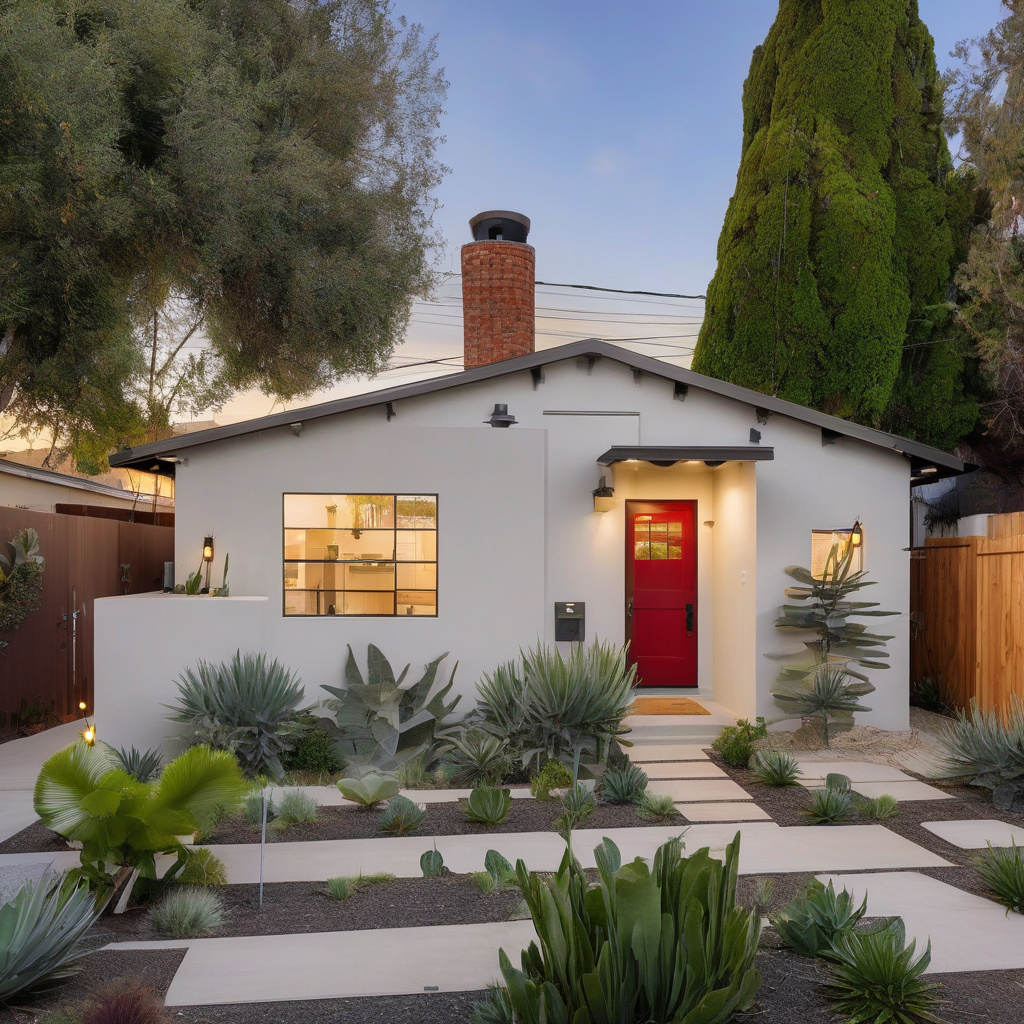
Conclusion: Weighing Pros and Cons
Ultimately, both ADUs and room additions present impressive opportunities for LA homeowners. ADUs stand out for their financial potential and modernity, while room additions provide seamless integration and enhanced family space. The choice should reflect personal needs, financial ambitions, and lifestyle preferences.
Making an informed decision requires understanding the complexity of each option and weighing the advantages against possible drawbacks. As often happens during renovation, no choice is perfect, but each has the potential to significantly enhance your living environment.
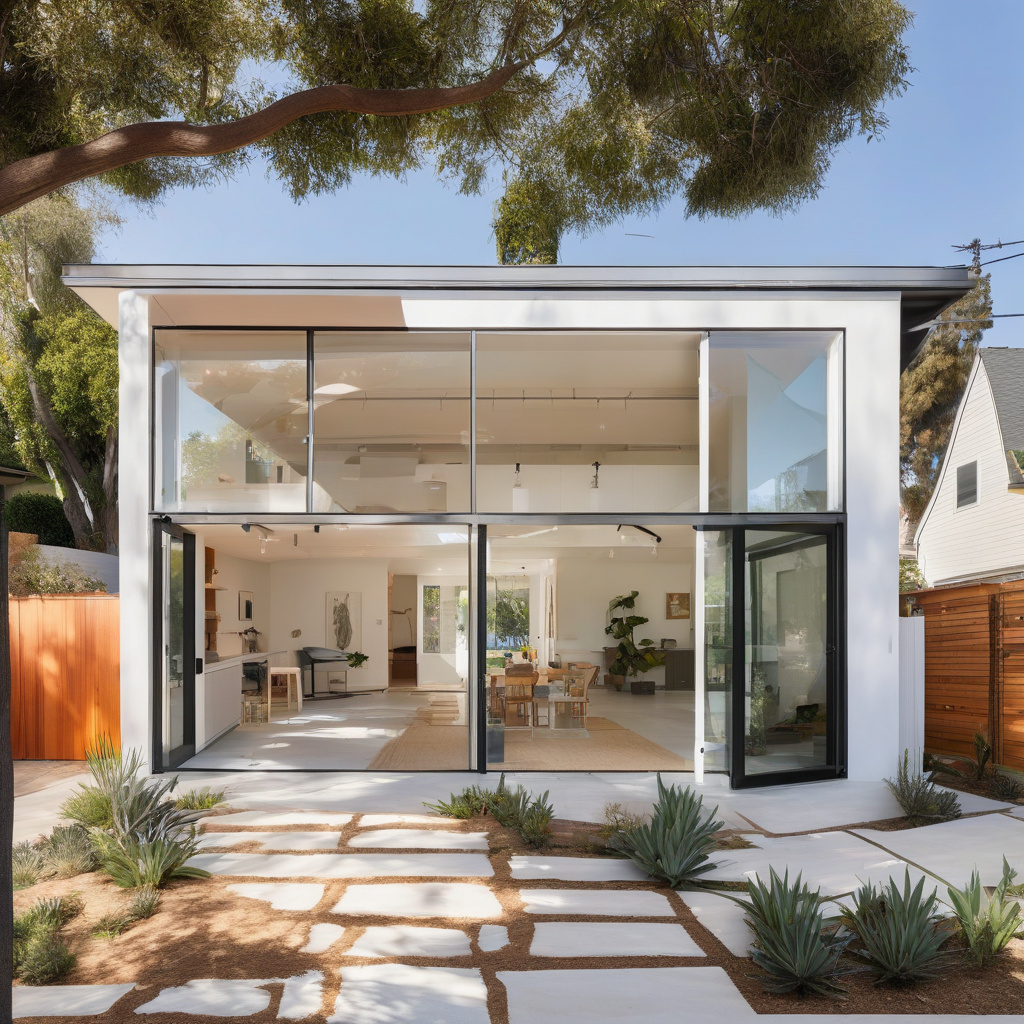
- ADUs offer lucrative rental income and housing solutions.
- Room additions preserve existing home aesthetics while adding value.
- Consider community impact and construction disruptions.
- Factor in long-term goals when choosing the best option.
- Engage professionals to navigate regulatory and design challenges.
“`html
FAQ
What is an ADU, and how does it differ from a room addition?
An Accessory Dwelling Unit (ADU) is essentially a secondary housing unit either attached to or separate from the main house, while a room addition is simply adding more space to the existing structure. In practical terms, ADUs often function as independent living quarters with their own entrance, kitchen, and bathroom, which contrasts with room additions that typically extend the living space of a home without full separation. Homeowners in LA might prefer ADUs for rental potential or extra privacy for extended family members, notable particularly given California legislation facilitating such developments.
How do you decide between an ADU and a room addition?
Choosing between an ADU and a room addition depends on your goals. If you’re seeking additional income or separate living quarters, an ADU could be beneficial. However, if your primary need is expanding your existing space without creating a separate unit, a room addition might be more suitable. It’s crucial to juggle building codes, cost implications, and long-term value in LA’s housing market. Homeowners often find that consulting with local experts for tailored advice is invaluable when navigating these decisions.
When does it make sense to choose an ADU over a room addition?
An ADU makes sense when there’s a need for a separate living space, such as housing a tenant or providing an independent space for relatives. They offer unique advantages like rental income opportunities and enhanced property value. It’s important to consider the long-term benefits of privacy and flexibility if your lifestyle includes frequent visiting family members or if you’re planning to age in place. Los Angeles homeowners should also weigh neighborhood zoning laws, as these can strongly influence the feasibility and benefits of constructing an ADU.
What are the typical mistakes homeowners make when considering an ADU or room addition?
A common mistake is underestimating the complexity and cost differences. Many homeowners dive into projects without detailed budgeting, overlooking factors like permits, design intricacies, or impact on property taxes. Another often-overlooked issue is the site’s physical constraints, such as lot size or existing utilities, which can significantly affect costs and design limitations. Consulting with professionals early on, such as through a reliable local renovation advisor, can help avoid these pitfalls and ensure plans align with both budget and city regulations.
What are the cost considerations between an ADU and a room addition in LA?
The costs of ADUs and room additions can vary significantly. An ADU generally incurs higher upfront costs due to added plumbing, electrical systems, and independent amenities like kitchens and bathrooms. However, they can provide rental income and increase property value, potentially offsetting initial expenses over time. Room additions are typically less costly upfront as they extend existing utilities and structures, but they may not deliver the same ROI as ADUs. Evaluating potential income and resale value can help inform the decision for Los Angeles homeowners.
What are the pros and cons of opting for an ADU?
ADUs offer several advantages, including additional income streams and privacy for occupants. They can enhance property marketability as housing demands increase in LA. However, the drawbacks include higher construction costs and potential zoning or permit challenges. Homeowners often face the dilemma of increased complexity in managing independent units versus the benefit of substantially increased property value. Evaluating personal financial stability and future plans can guide the decision more accurately than surface-level pro-and-con lists.
How do maintenance and installation differ between ADUs and room additions?
Installations for ADUs typically involve constructing standalone systems like a kitchen or separate utility services, hence requiring specialized expertise compared to room additions. Maintenance wise, ADUs require ongoing oversight akin to managing another home, from utilities to structural upkeep, which can be demanding for some homeowners. Conversely, room additions often blend with the existing home’s maintenance routine, simplifying long-term care. Balancing the additional upkeep with the potential value an ADU offers is key for responsible ownership in LA.
What long-term value does an ADU add to a property compared to a room addition?
An ADU can significantly boost long-term property value due to its potential for rental income and its appeal in housing markets like Los Angeles, where space is at a premium. Many homeowners note the dual utility of ADUs as both income assets and future living spaces for aging parents or grown children. Contrastingly, room additions typically enhance existing living areas but may not provide the same return on investment. Understanding demographic trends and local real estate dynamics will help predict how an ADU or room addition enhances property worth over time.
“`