There’s a voice in the winds of Los Angeles, and it’s rustling through the wooden walls and beams of homes both old and new. Protecting these wooden structures from moisture and pests is as crucial as ever. It’s no wonder homeowners are turning to wood sealants as their shield of choice. But with a plethora of products at their disposal, how does one decide? Here’s a guide to choosing the right wood sealant to ensure the longevity of your wooden abode.
Brief summary: This article explores the importance of wood sealants in maintaining and protecting homes in Los Angeles. It delves into the selection process, factors to consider, and real-life applications to ensure the durability and safety of wooden structures.
Understanding the Importance of Wood Sealants
Los Angeles, with its Mediterranean climate, presents unique challenges for homeowners who must defend their wooden sanctuaries against the elements. Wood sealants provide a formidable barrier against moisture, which can cause warping, cracking, and rot. This protection extends to thwarting pests like termites, notorious for wreaking havoc on unsuspecting wood beams. It’s this dual-purpose shield that makes sealants an indispensable part of home maintenance.
These guardians of the grain go beyond mere protection. They also enhance the natural beauty of wood, offering a rich, polished finish. Some sealants even come with UV protectants to combat the relentless Californian sun. This not only maintains the aesthetic but also prolongs the life of exterior wooden surfaces.
Choosing a sealant is akin to selecting a guardian for your home; it should align with your specific needs. From oil-based to water-based options, each comes with its advantages and vulnerabilities. Research and expert insights guide conscientious homeowners in selecting a product tailored to their environment.
As many local homeowners notice, the peace of mind provided by a well-sealed home cannot be overstated. It’s like having an invisible force field that wards off potential disasters, letting you enjoy the quirks of Californian weather without fretting over every storm cloud.
According to the Forest and Wood Products Australia, effective sealants can extend the life of wooden surfaces by up to 50%.
The Diverse World of Wood Sealants
When it makes sense to dive into the realm of wood sealants, one must first navigate the vast offerings available today. There are no one-size-fits-all solutions, only products that best fit your home’s unique needs. Oil-based sealants, celebrated for their deep penetration and robust finish, offer superior water and pest resistance. However, their counterparts, water-based sealants, have made significant strides in recent years.
Water-based formulations stand out for their environmental friendliness and ease of cleanup. They dry quickly, reducing downtime during application—an advantage in the unpredictable Los Angeles climate. Yet, some argue they may not match the deep luster of an oil-based alternative. The decision often balances between visual appeal and practical ease.
In recent trends, hybrid sealants have emerged, combining the best of both worlds. These are invaluable in areas demanding extra resilience, like decks and patios. The patio space, touted for its vibrant role in Los Angeles living, benefits immensely from a sealant that blends aesthetic appeal with durability.
At the heart of this choice is understanding your environment and your wood. Not all timber is created equal, and different species may react differently to elements and sealants. Consulting with professionals or doing a patch test can save heartache—and your wallet.
An expert in sustainable construction notes, “Incorporating sealants that protect against both moisture and pests is akin to doubling down on insurance for your home.”
When Oil or Water: The Great Sealant Debate
What you should know about picking oil-based versus water-based sealants can be distilled into a tale of two philosophies. Oil-based sealants are often praised for their longstanding reputation and penetrating capability. Their thicker consistency offers excellent protection, making them a favorite for many rustic and traditional homes.
On the other hand, water-based sealants have evolved from their modest beginnings. They now offer nearly equal protection in most scenarios, plus the added benefit of easier handling and environmental safety. Their non-toxic nature makes them more appealing for families worried about chemical exposure.
Nevertheless, oil-based devotees argue their preference allows for deeper saturation and a richer finish that accentuates wood grain. Yet, these benefits aren’t without drawbacks. Longer drying times and harsher fumes are considerations not to be taken lightly.
Ultimately, the choice boils down to individual needs and environmental conditions, weighing aesthetics against practicality. Homeowners must consider how their choice reflects the long-term sustainability and appeal of their wood structures.
Application: The Nuts and Bolts
Preparing your wood for sealant is akin to prepping canvas for a painting—it sets the foundation for everything that follows. Begin by cleaning the wood thoroughly to remove any dirt and debris. A power washer is ideal, but a stiff brush will suffice in a pinch. It’s crucial for the wood to dry completely before proceeding. Moisture trapped under a sealant can be a recipe for disaster.
Next, ensure the surface is smooth. Sanding may be required to eliminate splinters and rough areas, providing a flawless canvas for the sealant to adhere to. This is a labor of love, with meticulous detail translating into a longer-lasting protective coat.
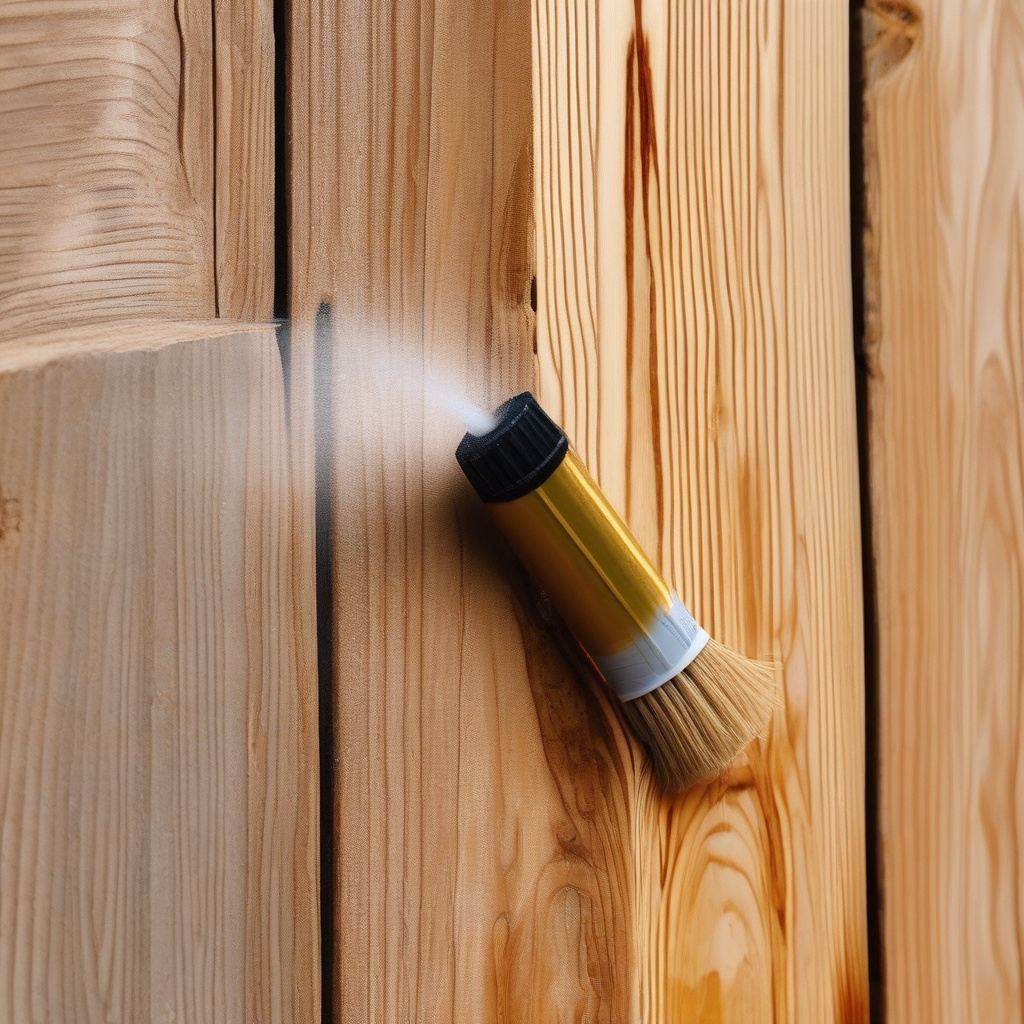
Applying the sealant demands patience and precision. Use a brush for smaller areas, or a sprayer for more extensive tasks, ensuring uniform coverage. Avoid pooling by revisiting areas with excessive application, which could cause uneven drying or unattractive spotting.
Finally, allow ample time for curing, particularly with oil-based products. This patience ensures a finish that’s both resilient and flawless, effectively safeguarding against moisture ingress and pest infiltration.
Professionals often assert that proper preparation increases sealant efficacy by 30%, underscoring the value of meticulous groundwork.
Comparing Materials: Sealants by the Numbers
To illuminate the path to the perfect sealant choice, we compiled a concise comparison chart. This provides a snapshot of the leading options and their relative strengths.
| Sealant Type | Protection Level | Ease of Use | Drying Time | Environmental Impact |
|---|---|---|---|---|
| Oil-Based | High | Moderate | Long | Moderate |
| Water-Based | Moderate | High | Short | Low |
| Hybrid | High | Moderate | Moderate | Variable |
These categories encapsulate the diverse options available, equipping homeowners with the knowledge required to make an educated decision.
Pros and Cons: Strategies for Successful Sealing
As with any renovation strategy, employing sealants comes with its collection of pros and cons. The advantages are clear: robust protection against environmental and pest-related damage, an enhanced and maintained aesthetic, and the reassurance of long-term structural integrity. Yet, these benefits don’t come without challenges.
The financial cost of high-quality sealants can be daunting for some, particularly those with extensive wood surfaces. However, this cost often paves the way for savings down the line, by staving off expensive repairs caused by wood deterioration.
There’s also the necessity of periodic reapplication. Sealants must be refreshed every few years to remain effective, which requires commitment and planning. Yet, when factored against the potential repair costs, this maintenance becomes a nominal chore.
As experienced renovators frequently state, there is no substitute for the peace of mind provided by a well-sealed home. For homeowners ready to roll up their sleeves, the longevity and beauty of their wooden havens are worth every penny and effort invested.
Beyond Basics: Exploring More Aesthetic Options
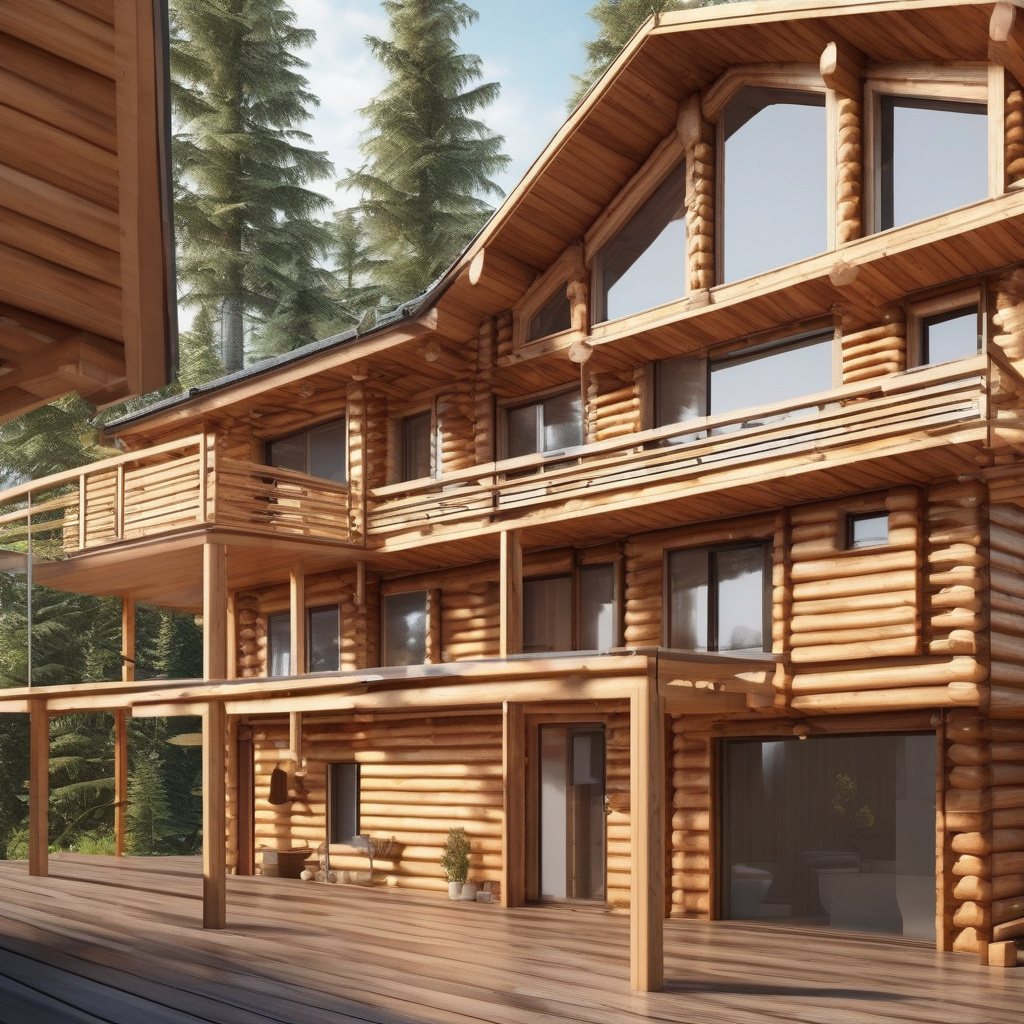
For those keen to venture beyond the functional, integrations with architectural design elements can elevate a home’s exterior considerably. It’s here that creativity and innovation come together, creating a habitat that’s both functional and visually striking.
Another popular approach involves exterior plaster strategies that complement wood by providing textural contrast and additional weatherproofing. This not only creates a unique look but offers practical benefits, enhancing the overall longevity of the construction.
For outdoor enthusiasts, the integration of natural materials and stone facades provides an aesthetic touch, marrying the rugged texture with smooth wooden tones. These combinations create stunning home exteriors while bolstering structural integrity.
Ultimately, transforming visions into reality is not just about protection but creating a holistic environment where every element plays its part. Whether facing the sun-drenched summers or intense winter rains, the house stands resilient, offering warmth and security to those who call it home.
- Sealants are essential for protecting and preserving wooden homes from moisture and pests.
- Choose between oil-based, water-based, or hybrid sealants based on specific needs and environmental conditions.
- Proper preparation and application are crucial for maximizing sealant effectiveness.
- Consider integrating design elements to enhance both aesthetic appeal and functionality.
- Regular maintenance is necessary but worthwhile for long-term home durability.
“`html
FAQ
What is a wood sealant, and why is it important for my wooden house?
A wood sealant is a protective coating that can be applied to wooden surfaces to guard against moisture, pests, and other environmental factors. In the context of wooden homes, safeguarding the structure from these threats is crucial. Many homeowners in regions like California, where humidity can be high, find that a good sealant prolongs the wood’s life and prevents issues such as rot or termite damage. In real renovation projects, it often becomes clear that sealing the wood can be the deciding factor in a home’s longevity. By creating a moisture barrier, sealants protect wooden structures, which are susceptible to absorbing water, leading to costly repairs and maintenance issues down the line.
How do I choose the right wood sealant for my project?
Choosing the right wood sealant involves considering the specific environmental conditions your home faces. Experts often recommend oil-based sealants for their durability and ability to penetrate deep into the wood, making them ideal for outdoor use. However, for those prioritizing eco-friendliness and indoor air quality, water-based options are preferable. In California, for instance, with its varied climate zones, many professionals advise homeowners to consult with local experts to select sealants that cater to local climate demands. Remember, it’s not just about buying the best product on the market, but finding the one that suits your particular needs, from aesthetics to application method.
When does it make sense to apply a wood sealant?
Applying a wood sealant makes the most sense either when first constructing a wooden structure or during a renovation of an existing one. Many experts point out that sealing should be done before the rainy season begins, as dry weather ensures better adherence and effectiveness. Homeowners frequently underestimate this aspect, leading to hurried and inefficient applications just before wet conditions. In California, with its Mediterranean climate, applying sealant in late summer or early fall usually yields the best results. Planning your project timeline around these seasonal cues can significantly enhance the effectiveness of your sealant.
What are the common mistakes homeowners make with wood sealants?
One frequent mistake is neglecting to prepare the wood surface adequately before sealant application. This can result in poor adhesion and uneven protection. Another pitfall is choosing the cheapest product available without considering its suitability to the specific climate and wood type. In real settings, it has been observed that skipping a thorough cleaning or not allowing the wood to dry properly can compromise the sealant’s performance. Moreover, applying sealant in unsuitable weather conditions, such as high humidity or extreme heat, often leads to premature wear. To avoid these errors, thorough preparation and timing the application appropriately are key.
How much can I expect to spend on wood sealant for my house?
The cost of wood sealant can vary widely based on the product’s quality, brand, and the area you need to cover. Homeowners might pay anywhere from $15 to $50 per gallon. Many experts suggest calculating the square footage of the area you plan to seal, as this will help determine the total amount of sealant required and thus the overall cost. It’s also wise to factor in the potential cost of hiring professionals if the job seems too daunting for a DIY approach. In practice, investing in a high-quality sealant generally pays off in the form of long-term savings by reducing maintenance and repair costs. If you are uncertain, consult a professional for advice—detailed inquiries might save you unexpected expenditures (those ready to ask more about costs can reach out to us for personalized guidance).
What are the pros and cons of using wood sealants?
Wood sealants offer several advantages, primarily the protection they provide against moisture, pests, and environmental wear. This protection extends the life of the wood, maintaining the integrity and appearance of your wooden structures. On the downside, sealants require reapplication every few years, which can be labor-intensive and costly. Additionally, while sealing wood is generally a straightforward process, the correct application requires knowledge and precision. Homeowners should weigh these factors carefully, as the failure to properly seal wood can lead not only to aesthetic issues but significant structural problems. In the hustle and bustle of home renovation, it can often be tempting to overlook these regular maintenance tasks, but doing so could lead to more serious issues down the line.
What is the difference between water-based and oil-based wood sealants?
Water-based sealants are praised for their quick drying times and lower environmental impact, making them a popular choice for indoor applications. They are also easier to clean up after, as soap and water usually suffice. However, oil-based sealants offer durability that can be particularly valuable for outdoor wooden structures, where deep penetration and resilience are key. In many hands-on renovation settings, the choice often comes down to the balance between the convenience of application and the level of protection required. While water-based formulas are favored for their ease of use, oil-based products may offer superior longevity and toughness in harsher environments.
How should I maintain my wood sealant over time?
Maintaining wood sealant involves routine inspections and occasional reapplications to ensure it remains effective against moisture and pests. Homeowners should regularly check for signs of wear such as peeling, discoloration, or water absorption spots. Many experts recommend reapplying sealant every couple of years, though the frequency can vary based on environmental conditions and the initial quality of application. It’s crucial to clean the wood surface before reapplying to remove any dirt or debris that’ll impede the new layer’s effectiveness. Seasoned homeowners often plan this maintenance during dry seasons when conditions are ideal for application, ensuring continued protection and preserving the beauty and structure of their wooden home.
“`