In the sunny climes of Southern California, where sunlight grazes through many a lavish abode, homeowners take pride in their picturesque views framed by expansive windows. However, a common nuisance threatens these scenic vistas: fogged insulated glass units (IGUs). This issue disrupts clarity and might leave homeowners pondering the best solution. Do you repair, or do you replace? Curating both contemporary trends and traditional fixes, we delve into this murky glass conundrum to aid homeowners in restoring transparency.
Brief summary: Explore the reasons behind fogged insulated glass units in homes across Los Angeles and understand effective repair versus replacement solutions. Investigate homeowner experiences, costs, and strategies that ensure clear, lasting views through their windows.
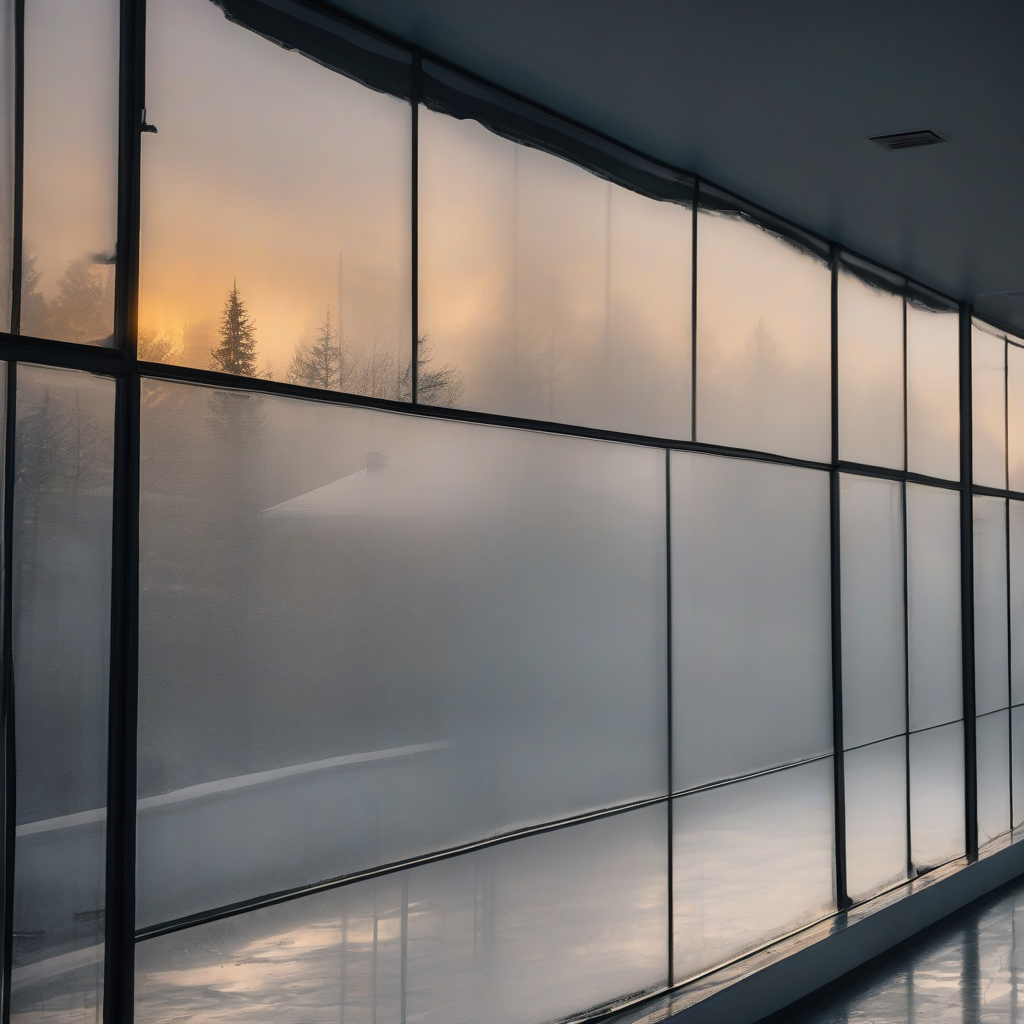
Understanding the Fog: What Are Insulated Glass Units?
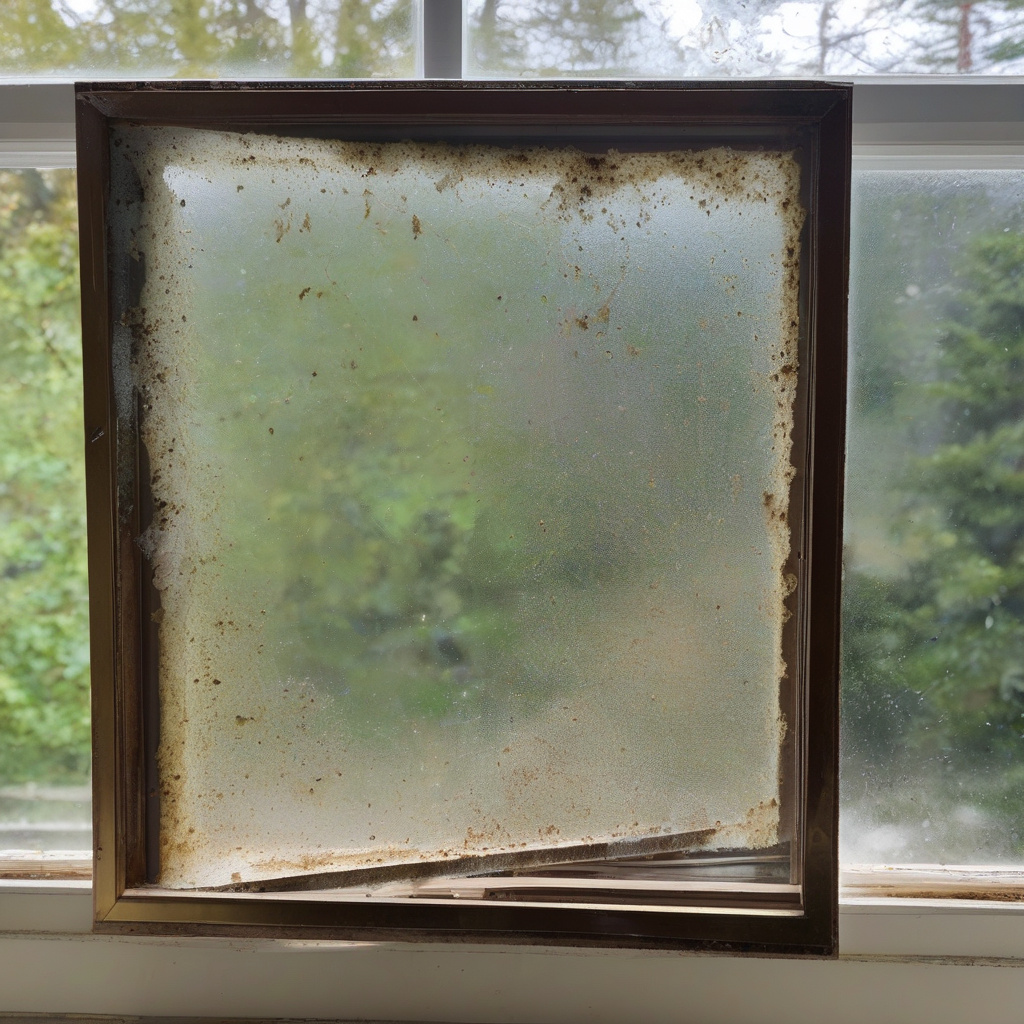
An insulated glass unit, or IGU, is a multi-pane window system tailored for improved energy efficiency and noise reduction. It consists of two or more glass panes separated by a spacer and sealed, creating an insulating space filled with inert gas. However, over time, many owners notice these windows fogging up, hindering clarity. The culprit is often a compromised seal, allowing moisture to infiltrate the interstitial space. This predicament is quite familiar to Southern Californians, where fluctuating temperatures and attempted energy savings prevail.
Experts in window technology often encounter such issues and suggest checking IGUs for any visible discrepancies such as seal breaks or debris accumulation. The fix isn’t merely cosmetic—addressing this flaw maintains indoor climate control and energy efficiency. Before embarking on a repair journey, familiarize yourself with foundational window insights on window options and styles tailored to your needs.
Several signs point to an ailing IGU, including persistent condensation, discoloration around the glass edges, or warped spacers. Turning a blind eye may only escalate costs or induce irreversible damage.
Understanding your IGU type and the nature of its fogging not only informs the appropriate fix but also fosters mindful decision-making, protecting your investment and maintaining aesthetic appeal.
Ultimately, recognizing and diagnosing the issue begins a homeowner’s journey to clarity and efficiency, ensuring your stunning Los Angeles vistas remain unstained by the throes of moisture.
To Repair or Replace: Navigating Your Choices
The next logical step is a decision informed by practicality and circumstance—do you repair the fogged IGU or opt for a complete replacement? The answer often lies in a fine balance between cost, damage extent, and future insulation performance. Repairing fogged units might involve de-fogging techniques or seal repairs, both of which can extend the IGU’s life sans substantial overhaul costs.
On the other hand, outright replacement may appeal due to its comprehensive resolution of systemic issues, though it’s notably pricier, especially when custom sizing or high-performance glass are involved. Homeowners weighing these options can benefit from scheduling timely inspections, detailed here on how to plan window renewal efforts.
Repairing offers a more budget-conscious option and can resolve minor seal failures, but it might not completely recover thermal efficiency or original aesthetics. Replacement, while expensive, typically ensures optimal performance, addressing extensive seal hemorrhages or unresolvable fogging. Either path could involve skilled expertise, ensuring clarity restoration and value preservation.
Each method presents unique advantages—evaluating them against your home’s specific context and future plans will guide a more strategic decision-making process.
Assessing each approach’s benefits accentuates their place not merely as solutions but as investments in property longevity and comfort.
The Upside and Downside: Weighing the Pros and Cons
To further dissect the issue, a clear examination of the pros and cons between repair and replacement offers a pragmatic vista on potential outcomes and expenditures. Repair work generally boasts quicker turnaround times and reduced material waste, appealing to environmentally conscious homeowners or those dealing strictly with localized damage.
However, opting for repair may have pitfalls, like diminished efficiency if executed inadequately or recurrent issues if underlying causes persist unaddressed. Comprehensive replacement, meanwhile, dispels the fog on firm, durable grounds, garnering an undeniable allure despite its upfront cost.
Replacement’s pièce de résistance lies in long-term assurance—newly installed IGUs with advanced technology dramatically increase energy efficiency. They eliminate the cause rather than mitigate symptoms, fortifying structural integrity.
An overview of these considerations can best inform your selection of a qualified window installer who can navigate both repair intricacies and comprehensive replacement processes, enhancing outcomes and satisfaction.
Survey these insights analytically to quantify your approach—risk mitigation today may yield greater rewards tomorrow.
Cost and Considerations: Understanding Financial Implications
| Option | Cost Range | Timeframe | Benefits |
|---|---|---|---|
| Repair | $200 – $500 | 1-2 days | Quick fix, cost-effective |
| Replacement | $800 – $1500 | 1-2 weeks | Long-term solution, improves energy efficiency |
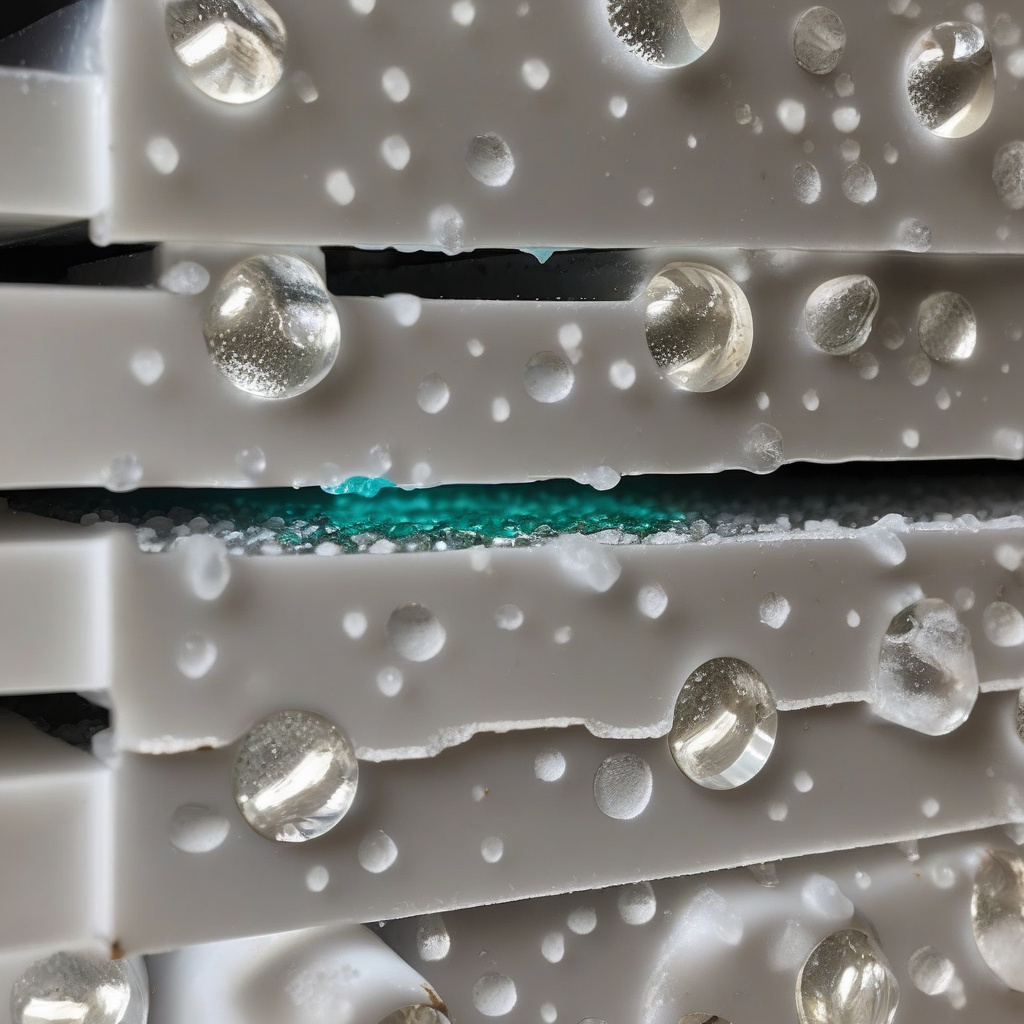
According to the National Glass Association, “Advancements in window technology have led to precise methods in both repair and replacement, ensuring prolonged glass efficacy.”
Spotting Quality: How to Ensure Lasting Results
Achieving satisfactory results hinges on a collaborative effort among homeowners, qualified professionals, and superior products. Ensuring you don’t just gloss over fogged windows with temporary fixes requires inquiring about certifications of repair professionals and examining the longevity of proposed solutions. Home renovation specialists often stress quality materials that underpin effective solutions spanning partial repairs to broad replacements.
An environment as visually stimulating as Los Angeles thrives on aesthetic windowscapes—prioritizing quality over expediency safeguards property allure. When selecting a resolution, it’s crucial to align personal dynamics with expert recommendations, fostering outcomes that reflect mindful investment in clarity and durability.
For those emphasizing aesthetic consistency with functional prowess, exploring various frame and style combinations can further enhance results, providing a pleasant coda to fog resolution efforts.
Ultimately, recognizing quality as an investment rather than a mere expense primes your home to shine brightly amidst the Californian sunlight, meeting homeowner aspirations with diligent expertise.
Collaboration, coupled with informed decision-making, culminates in the ideal solution—one where clarity isn’t just restored but refined.
Future-Proofing Your Views: Maintenance and Upkeep
Once IGUs regain their rightful transparency, keep them pristine through preventive maintenance routines and timely interventions. Longevity extends not merely from repairs but consistent care, adopting best practices of regular inspections to preempt any deterioration or obstruction. Proper upkeep expands on recovering fogged units, translating singular fixes into enduring clarity.
While California’s lifestyle beckons open vistas, it’s this due diligence towards sustaining glass units that fortifies peace of mind—a sight truly worth preserving. Regular cleaning catered to specific glass types can alleviate the recurrence of vision-impairing marks or build-ups. Consulting care guides can further cement durability, from silicon sealing to optimal glazing.
Ultimately, the tidbits of maintenance and precaution that accompany glass upkeep ensure captivating views remain unobstructed year-round.
Whole-home revitalization need not overshadow window care; instead, let it enhance every panorama your abode boasts.
In vigilance resides an assurance of pristine vistas—a guarding of beauty that enriches daily living experiences.
Industry statistics reveal, “81% of homeowners who incorporate consistent maintenance experience substantial reductions in unplanned window repairs,” reinforcing the significance of upkeep.
The Way Forward: Balancing Costs and Aspirations
Addressing fogged IGUs epitomizes a quintessential homeowner project—balancing the scales of cost, clarity, and preservation. As the region’s architecture bends ever-towards transparent beauty, grasping the intricacies behind IGUs allows for informed intervention, securing lasting results. The careful selection of window specialists enhances project success, fulfilling both aesthetic and functional aspirations.
Whether guided by resonance with architectural endeavors or drawn towards proactive home care, each choice emphasizes the pleasure of seamless views, revitalizing daily life amidst Los Angeles’s scenic sparklers. Reviewing industry benchmarks guides this reparation journey while nurturing windows for enduring impact.
Engaging with industry experts permits optimized budgeting, allowing for foresightful planning amidst evolving homeowner needs. Careful scrutiny of rising trends frames both practical approaches and innovation, synthesizing paths toward impactful clarity restoration.
As scene setters and home protectors, windows indeed dictate experiences—invest in them, and the returns will glimmer through those glassy sheets.
An architectural report notes, “Well-executed window solutions directly correlate with increased property value, enhancing homes’ market desirability.”

- Fogged insulated glass units (IGUs) often result from compromised seals.
- Repair versus replacement decisions balance costs against lasting clear views.
- Quality solutions range from skilled repairs to comprehensive replacements.
- Preventative upkeep preserves visibility and extends IGU longevity.
- Proper decision-making and expert installation can enhance home value.
“`html
FAQ
Why do insulated glass units (IGUs) fog over time?
In real renovation projects, it often becomes clear that fogging in IGUs is a result of the seal failure between the glass panes. As these seals weaken, often due to temperature changes and humidity, moisture seeps in and condenses, leading to that foggy appearance. This is not just an aesthetic issue but can also affect the insulating performance. Sealed unit integrity is crucial, and many homeowners underestimate the long-term impact of such failures, which can lead to higher energy bills due to reduced efficiency.
How can you fix fogged IGUs effectively?
Many experts point out that fixing fogged IGUs can involve either repair or replacement. Repairing might include resealing the unit or, for some home projects, installing defogging valves. However, these fixes are often temporary. A more permanent solution involves replacing the entire IGU, which restores clarity and thermal efficiency. Consider the age of your windows and compare costs; in some cases, upgrading to a newer, more efficient model might be more economical.
What are the typical signs that your IGUs need maintenance or replacement?
Homeowners frequently overlook early signs of IGU issues. Common indicators include persistent condensation between panes and noticeable drafts near the windows. In older properties undergoing renovation, you might encounter visible deterioration or warped frames, which also suggest a need for attention. If your energy bills spike unexpectedly, it could mean your windows are underperforming. Regular inspections can preemptively identify these problems before they escalate.
Is it worth the cost to repair or replace IGUs?
Cost considerations play a major role in deciding whether to repair or replace. Repairing can be cheaper upfront but might not address all underlying issues, leading to recurrent costs. Replacement, while more expensive initially, ensures longevity and increased energy efficiency, especially in climates like California’s, where temperature swings are common. Weighing short-term savings against long-term efficiency and aesthetics is crucial.
What mistakes do homeowners commonly make with IGUs?
A common mistake is neglecting proper cleaning and maintenance, leading to premature seal failure. Another error is the misjudgment of DIY solutions over professional repairs. Many believe defogging treatments permanently fix the problem, which isn’t the case. Relying on outdated models during renovations can also limit energy efficiency and comfort. Consulting renovation professionals early on prevents costly oversights.
How do modern IGUs prevent fogging compared to older models?
Newer IGUs incorporate advanced sealants and desiccants, which absorb moisture and prevent condensation. They often feature enhanced frames that accommodate expansion and contraction better than older models, reducing seal failure. These technological improvements make modern units a wise choice for homes looking to improve energy efficiency while minimizing future fogging risks. The lifespan of these innovations far surpasses older designs, justifying the investment.
Are there alternatives to traditional IGU replacements?
Yes, there are alternatives. Some renovations integrate secondary glazing with existing windows, providing additional insulation without replacing the entire unit. Another option is low-emissivity (Low-E) coatings which can be applied to existing glass to enhance performance. However, these alternatives might not completely resolve fogging issues if the seal is compromised. Assess your home’s specific needs for the best outcome, and when necessary, reach out naturally to discuss specific solutions.
What long-term benefits do new IGU installations offer?
Opting for new IGU installations significantly boosts energy efficiency by minimizing thermal transfer, which reduces heating and cooling costs. Modern units also enhance property value and improve interior comfort. They often provide better sound insulation, ideal for noisy neighborhoods. While the upfront investment is notable, many homeowners find the balance of improved home performance and durability compelling. For detailed guidance on your specific project, you might consider reaching out to discuss tailored options.
“`