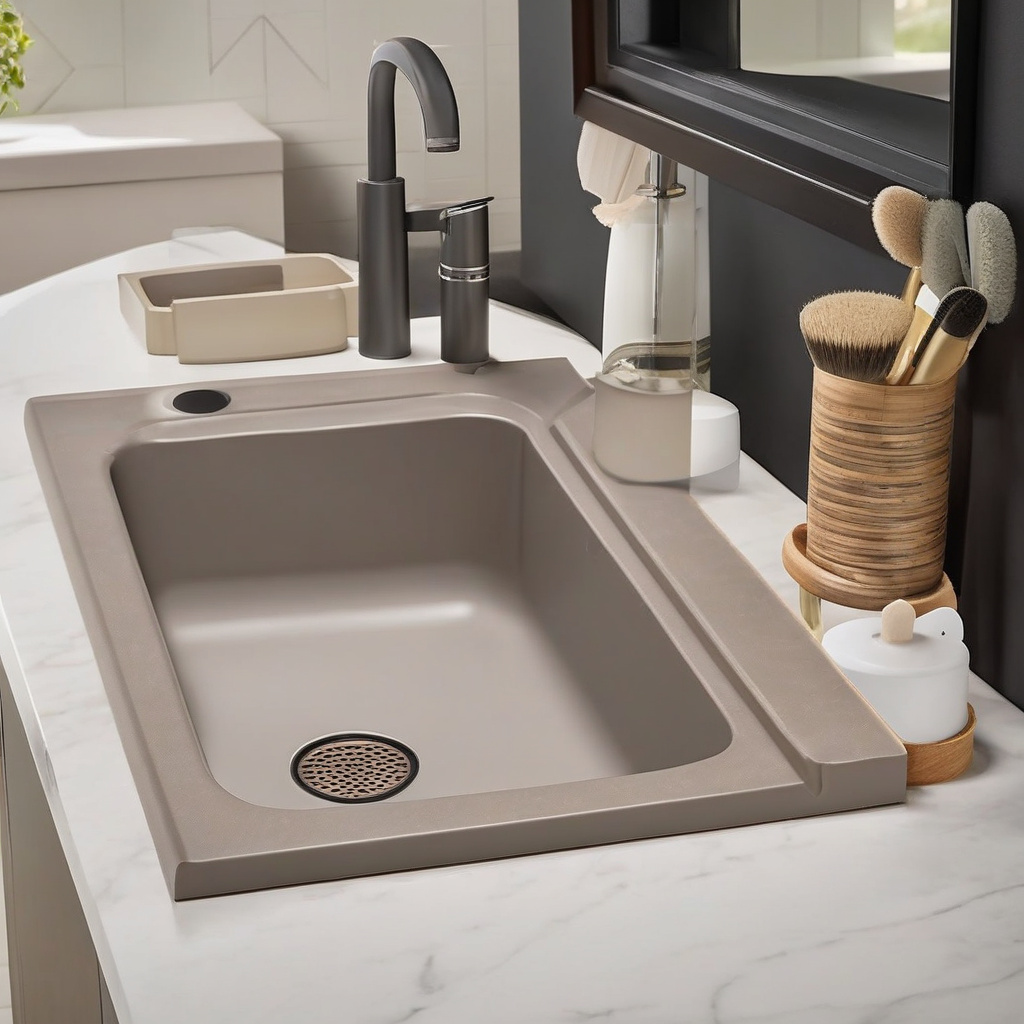
In the bustling heart of Los Angeles, where busy family kitchens serve as the epicenter of countless households, selecting the right materials is paramount. Kitchens aren’t just places to cook; they’re stages for bonding, creating, and occasionally, a battleground against spills and stains. Enter the world of stain-resistant materials, which promise to deliver enduring elegance and rugged resilience. If you’re considering a renovation in Southern California, this informative guide will walk you through the best options for a kitchen that partners with, rather than challenges, your daily life.
Brief summary: Discover the top stain-resistant materials for family kitchens in Los Angeles. This analysis explores quartz surfaces, sealed porcelain, and durable laminates, examining their costs, renovation trends, homeowner experiences, and practical applications in active family environments.
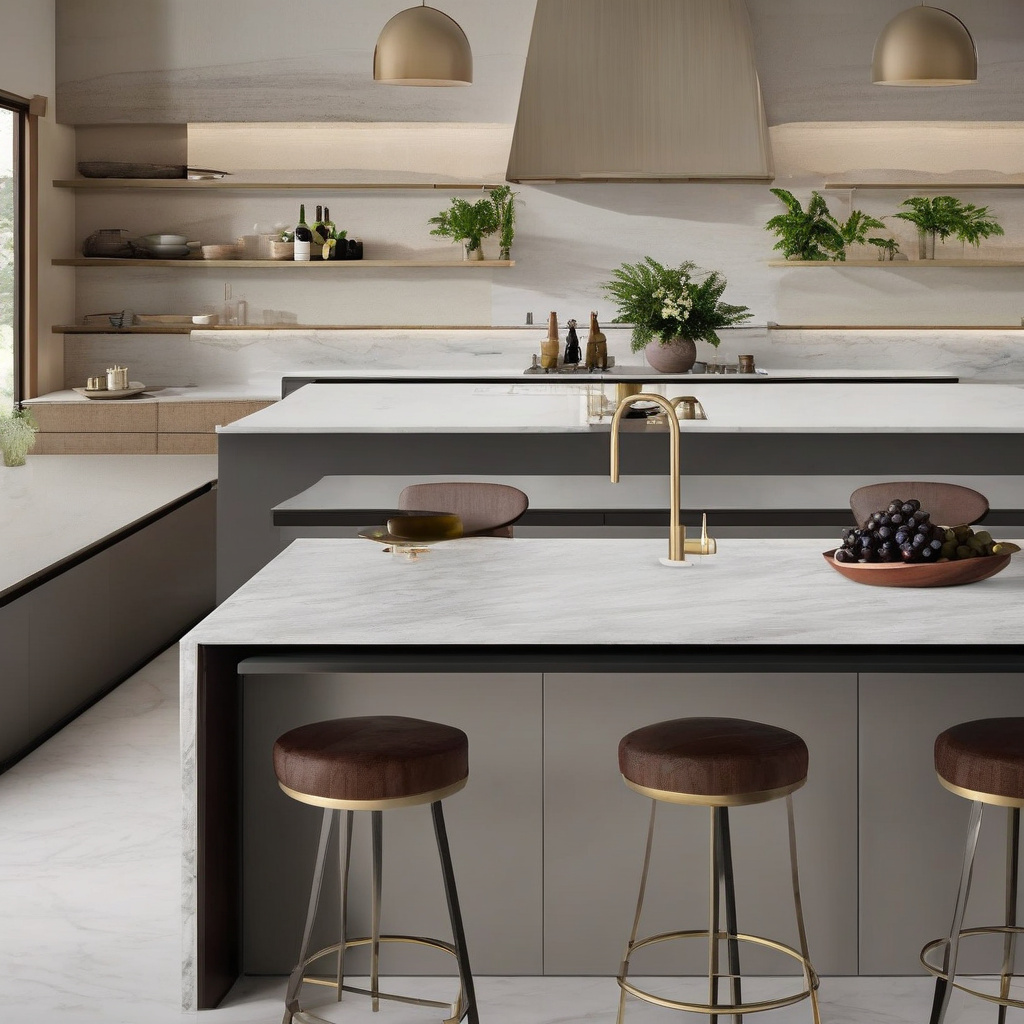
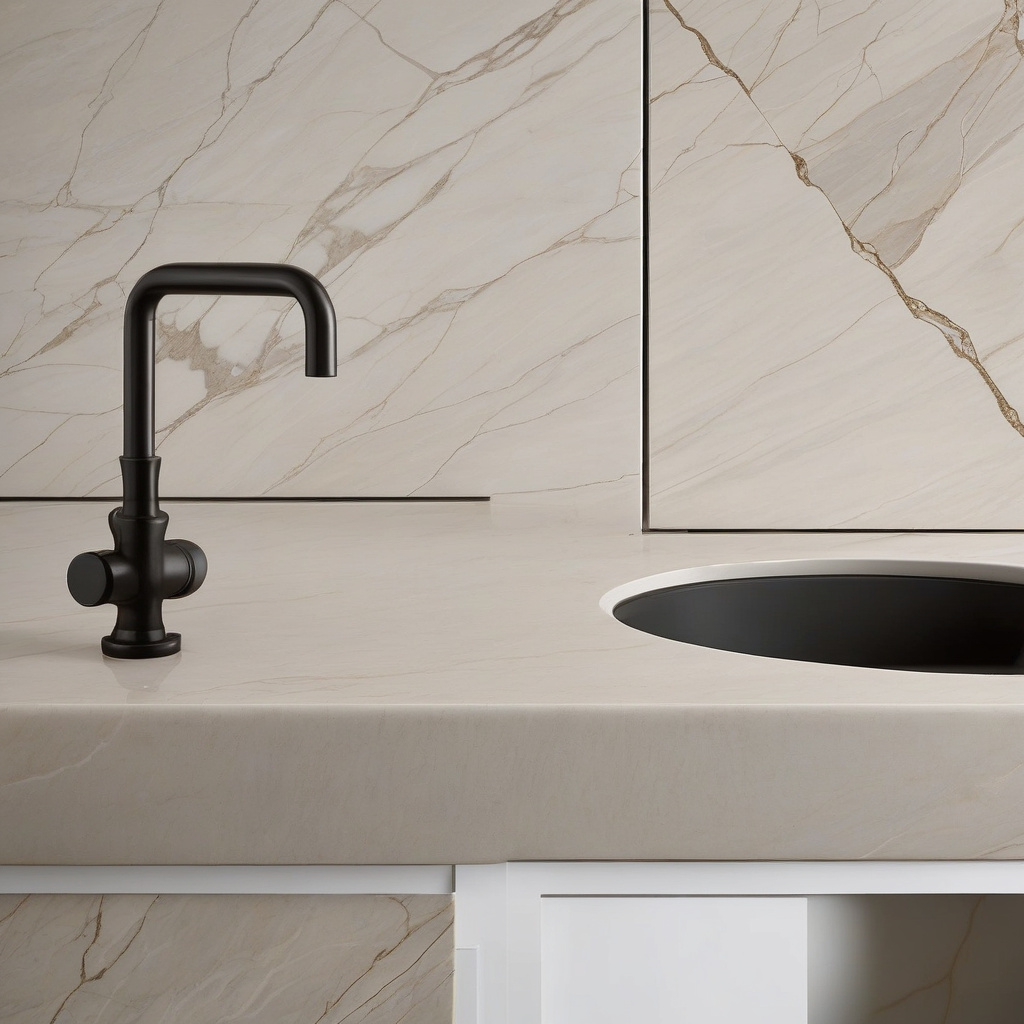
Quartz Surfaces: A Seamless Option for Enduring Style
Quartz surfaces have been the darling of kitchen designers for good reason. Nonporous and virtually maintenance-free, quartz effortlessly tackles the stains that naturally arise from family culinary adventures. Unlike natural stone, quartz doesn’t require sealing or conditioning, making it a favorite choice for those seeking hassle-free upkeep without sacrificing aesthetics.
Residents in Los Angeles have found quartz to be a stylish triumph, balancing luxury with resilience. A typical renovation tailored to this focus often begins with designers highlighting quartz’s ability to imitate more expensive materials like marble while offering superior functionality.
When choosing quartz, the upfront investment is worth considering, but its longevity often justifies the cost. Homeowners appreciate not having to worry about acidic foods, children’s spills, or cooking accidents that leave lasting damage.
In a recent survey, 78% of designers recommend quartz for families due to its durability and ease of maintenance.
Ultimately, quartz surfaces remain an attractive option for those who seek a balance between form and function. They provide an elegant and durable finish that pays dividends in both aesthetic appeal and practical longevity.
Sealed Porcelain: Strength and Sophistication for the Family Hub
Sealed porcelain tiles bring a blend of strength and sophistication to the kitchen sphere, drawing praise for their robustness. Offering a hard-wearing surface that can withstand heavy traffic, they’re ideal for homes where kitchens serve as the nucleus of family life.
Porcelain’s impervious nature to liquid makes it an ideal choice for families committed to clean, hygenic spaces. This quality is particularly beloved in Los Angeles kitchens where the open-concept designs often mean dining and living areas are visually interconnected.
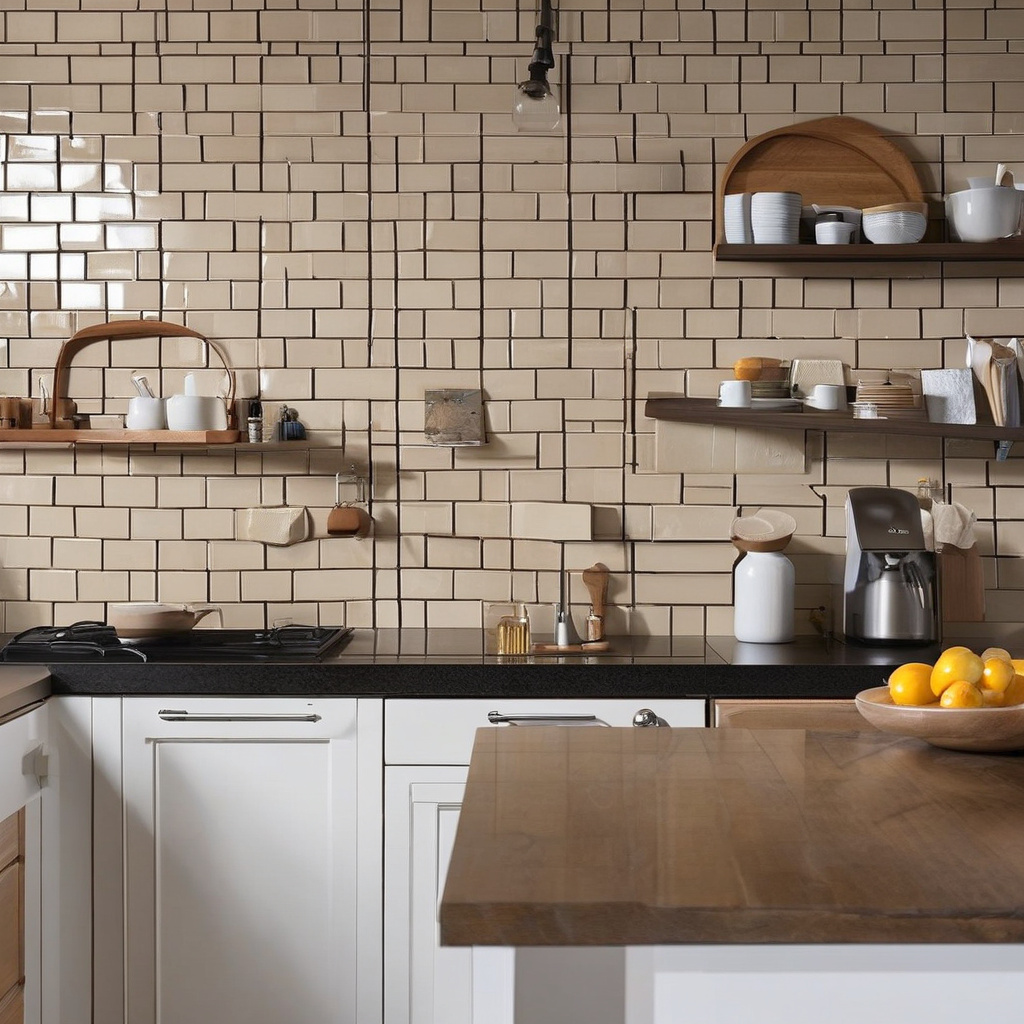
While porcelain might wrestle with a perception of cool impersonality, its variety of styles—ranging from wood-look planks to stone-inspired designs—allow it to seamlessly integrate into any decor. Installation costs can vary, but many see it as a long-term investment in both beauty and practicality.
In conclusion, sealed porcelain offers more than mere aesthetics; it promises peace of mind for families facing daily culinary skirmishes, coupling beauty with robustness.
Durable Laminates: Affordable Flexibility Meets Everyday Resilience
Laminates are often unsung heroes in the quest for kitchen durability. Their evolution from cheap-feeling surfaces to convincing wood, stone, and even textile imitations has led them to become viable contenders in high-traffic kitchens.
The appeal lies in their affordability and versatility, making them an ideal choice for budget-conscious renovations without a hint of compromise on style. Families appreciate laminate’s scratch-resistant surfaces and surprising toughness against stains and impacts.
Installation can be quickly executed, a factor that’s advantageous for families eager to return to a tidy, operational kitchen. For those considering a more elaborate kitchen plan, laminates also offer adaptable designs that can extend beyond countertops to cabinetry and backsplashes for a unified look.
An expert notes, “With advances in design, laminates provide fashionable options that help meet the demands of bustling homes at a fraction of the cost of stone surfaces.”
Laminates cleverly merge cost-effectiveness with functionality, offering a choice that families on a budget embrace, knowing that each day on the chopping block they’re protected.
A Cost-Comparison Viewpoint: Price Tags and Process
The pursuit of an ideal kitchen involves considering both material merits and their respective costs. Renovation decisions often hinge on balancing aesthetics with budgetary constraints, and the material choice plays a crucial role. In Los Angeles, with its diverse architectural styles, the budget spread for kitchen remakes is wide-ranging.
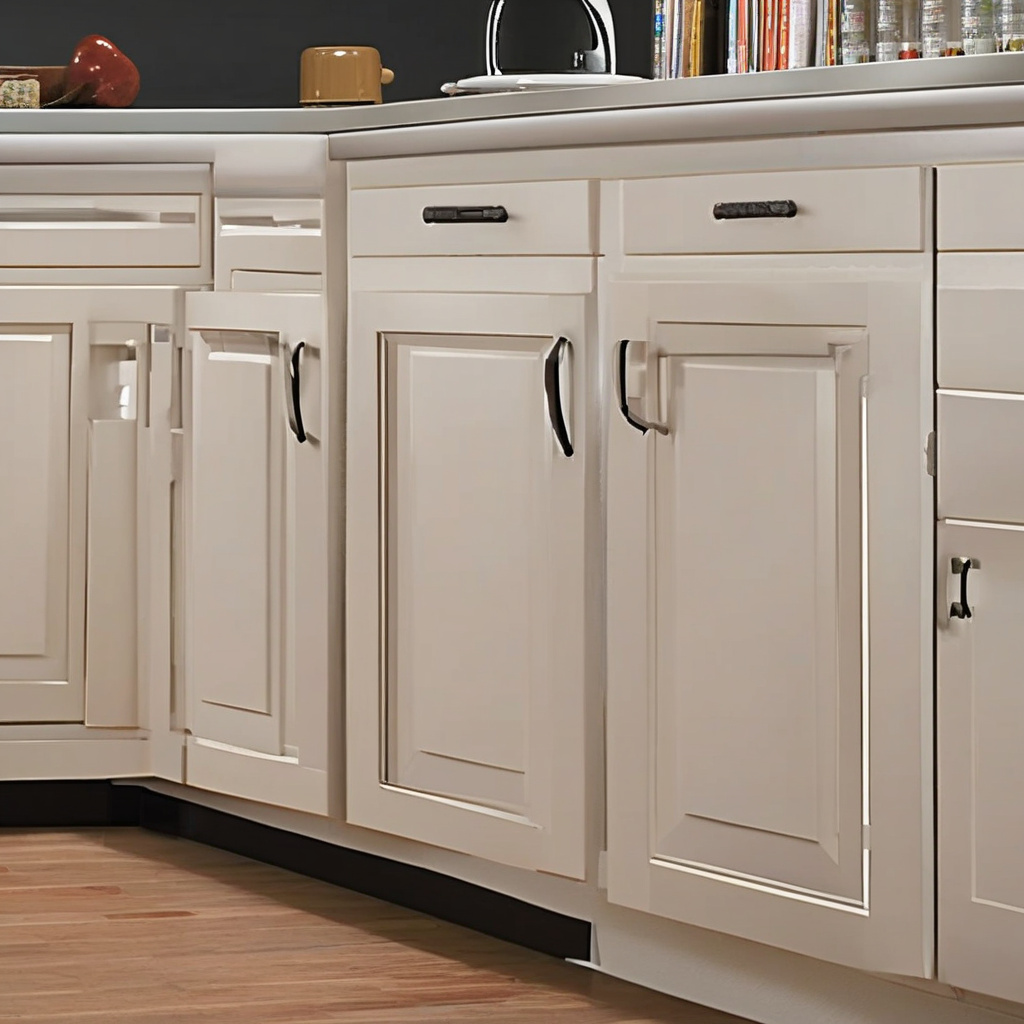
The table below offers a tangible look at these considerations, spotlighting the interplay of cost against care in material selection:
| Material | Average Cost | Maintenance Level | Durability |
|---|---|---|---|
| Quartz | $50-$120 per sq. ft. | Low | High |
| Sealed Porcelain | $3-$15 per sq. ft. | Low | High |
| Laminates | $10-$40 per linear ft. | Medium | Medium |
For those taking on the task of managing renovation logistics, these figures are just starting points in understanding how material choices influence overall project costs. Ultimately, these comparisons enlighten homeowners on both immediate and future financial implications.
Advantages vs Disadvantages: Considering Risks and Rewards
Lightening the Load with Material Insight
Every material selection comes with its unique set of pros and cons, and understanding these can often redirect a renovation perspective. The allure of quartz, for instance, stems from its unity of aesthetics and strength, yet its initial expense can deter. On the other hand, laminates provide an inexpensive and swift fix, though they might not offer the same prestige or enduring character as other high-end materials.
Making informed choices, therefore, demands a comprehensive look at both usability and budget. As noted by many in the construction sector, the decision might just come down to specific family needs, lifestyle demands, and of course, budgetary allowances.
A balanced approach leads to decisions that harmonize form, function, and financial considerations. This viewpoint steers the course of renovation dreams towards achievable realities, filled with practical understanding and seasoned insight.
Navigating Towards Practical Solutions and Next Steps
As Los Angeles homeowners transition from idea to execution, they find solace in deploying solutions that nurture both style and durability. The pursuit of kitchens that withstand the joys and tribulations of daily life inspires a deeper engagement in material exploration.
Incorporating features like a built-in breakfast nook not only enhances functional charm but can serve as a delightful heartbeat to family gatherings, rewarding the thoughtful selection of materials with enriched living spaces.
Design expert Melissa Andrzejewski observes, “Real kitchen mastery lies not just in choosing materials, but in strategically incorporating them to elevate everyday life.”
In the end, the journey through selecting the best stain-resistant materials is as much about crafting spaces as it is about creating experiences. Every tile, countertop, and laminate crafted into the fabric of a family’s story reflects an enduring tale of aspiration and everyday triumph.
- Quartz, porcelain, and laminates offer distinct benefits for busy kitchens
- Cost comparisons highlight varying investment levels and maintenance needs
- Choices should align with family lifestyle, budget, and aesthetic preferences
- Strategic incorporation of materials enhances functional and social aspects of kitchens
- Kitchens are crafted as much around experiences as they are around materials
“`html
FAQ
What are the main benefits of using quartz surfaces in family kitchens?
Quartz surfaces are engineered to provide durability and resilience in high-traffic areas like family kitchens. Many experts point out that quartz is non-porous, meaning it doesn’t absorb liquids and resists stains effectively, perfect for busy households. In real renovation projects, it often becomes clear that homeowners value quartz for its ease of maintenance. Unlike natural stone, quartz does not require periodic sealing, cutting down on both time and maintenance costs. Additionally, its consistent appearance and variety of colors allow it to fit seamlessly into both traditional and modern designs, making it a versatile choice.
How does sealed porcelain tile compare to other kitchen materials?
Sealed porcelain tile stands out for its toughness and water resistance, essential for areas prone to spills and splatters. Unlike ceramic, porcelain is denser and less porous, giving it enhanced resistance to chipping and scratching. Many renovation experts recommend sealed porcelain because it’s not only stain-resistant but also offers significant design flexibility with various textures and finishes. However, one should be mindful of grout maintenance, as dirty or unsealed grout can become a cleaning nightmare. An advantage of selecting this material is its adaptability to radiant heating systems, offering warmth during cooler months—an attractive feature in states like California.
What are some common misconceptions about durable laminates?
Homeowners frequently underestimate laminates, often associating them with outdated designs and inferior quality. In reality, durable laminates have evolved significantly with advances in technology, now offering impressive longevity and a vast array of design options that mimic wood and stone. A common mistake is thinking laminates can’t handle heavy kitchen duty. In actuality, their stain-resistant properties and cost-effectiveness make them ideal for budget-conscious families looking for style without sacrificing functionality. The key is in proper installation and choosing higher-end laminates, which provide enhanced resilience against daily wear and tear.
When should homeowners consider investing in stain-resistant kitchen materials?
Investing in stain-resistant materials is a strategic decision for families with active kitchens who prioritize minimal maintenance and aesthetic longevity. Typically, if a kitchen sees high use—like regular cooking, baking, or entertaining—stain-resistant surfaces such as quartz and sealed porcelain make practical sense. Beyond functionality, these materials are a boon for homes with children, where spills are frequent, and someone always seems to be reaching for a snack. While the upfront cost might be higher than basic alternatives, the long-term savings on cleaning and repairs often justify the initial investment.
What are the costs associated with installing quartz or porcelain surfaces?
Quartz and porcelain surfaces represent a higher initial investment compared to materials like laminate. For quartz, costs typically range from $50 to $150 per square foot, including installation. Porcelain tiles can vary from $5 to $30 per square foot, plus installation costs. Many experts emphasize that, despite the upfront expense, the durability and minimal maintenance required reduce long-term costs, making them cost-effective choices for the life of the home. Californians often find these materials align perfectly with the region’s demand for stylish yet low-maintenance solutions, proving their worth over time.
What are the limitations or drawbacks of using quartz in kitchens?
While quartz is celebrated for its durability and stain resistance, it’s not without limitations. One notable downside is its sensitivity to high heat. Placing hot pots or pans directly on quartz surfaces can cause damage. Many homeowners overlook the need for trivets or heat pads as a protective measure. Additionally, quartz can be pricey compared to other materials, which might be a barrier for some. Its aesthetic, while adaptable, may also lack the unique character of natural stone, which some purists might miss. Despite these considerations, quartz’s advantages often far outweigh these drawbacks, especially in bustling family kitchens.
How do laminate materials hold up in high-use environments?
In high-use environments, modern laminate materials have proven to be surprisingly robust. Renovation professionals note that the key is choosing quality laminates that feature enhanced wear layers and scratch resistance. While cost-effective, laminate surfaces can sometimes be mistaken as unsuitable for busy kitchens. However, when installed correctly, and with proper care, they can withstand spills and heavy use efficiently. Homeowners should ensure seams are well maintained to prevent moisture penetration, which can undermine laminate longevity. For those interested in integrating resilient yet stylish surfaces, reaching out to specialists for personalized guidance through a professional consultation can be highly beneficial.
What maintenance treatments are essential for keeping these materials in optimal condition?
Regular maintenance is key to prolonging the life and appearance of stain-resistant kitchen materials. Quartz requires minimal upkeep—simply a wipe with mild soap and water suffices. For sealed porcelain tiles, a periodic sweep and damp mop keep them looking fresh, but checking and maintaining grout seals is crucial to prevent stains. Laminate surfaces, on the other hand, benefit from avoiding harsh cleaners and abrasive pads. A microfiber cloth and gentle detergent are typically all that’s needed. The oversight often lies in neglecting these simple routines, which can lead to premature wear and tear. Staying ahead with proper maintenance ensures these materials continue to perform beautifully in busy family kitchens.
“`