In the labyrinth of modern architecture and home design, crafting the perfect kosher kitchen in Los Angeles stands as both a unique challenge and a rewarding venture. While maintaining traditional religious observance, Angelenos are finding ways to meld functionality with an acute sense of contemporary style. The diverse architectural landscape of Southern California, teeming with Spanish Revival homes and sleek modernist interiors, offers a dynamic backdrop for kosher kitchen design, blending age-old practices with modern comfort.
Brief summary: Designing a kosher kitchen in Los Angeles integrates traditional culinary practices with modern design elements. It involves creating dual prep zones, careful selection of materials, and separation of utensils while ensuring contemporary comfort. The article explores real renovation stories, cost considerations, and expert insights to guide homeowners through this unique design process.
Understanding the Essentials of a Kosher Kitchen
Central to the kosher kitchen’s operation are two distinct preparation zones: one for dairy, the other for meat. This bifurcation isn’t merely a nod to tradition; it’s a necessity for those observing kashrut, the Jewish dietary laws. In practice, this entails having separate sets of utensils, cookware, and even separate sinks and counter spaces. Such arrangements ensure that cross-contamination, a glaring violation of kosher guidelines, is avoided at all costs.
Yet, the real art lies in seamlessly integrating these logistical considerations into a design that feels contemporary and welcoming. As you delve into the world of bespoke kitchen renovation, you begin to understand the subtle nuances that differentiate a kosher kitchen from its conventional counterparts. Not only must one plan for a practical layout, but the aesthetics also need to appeal, creating a space that feels both sacred and stylish.
The choice of materials plays an essential role. Countertops made of materials that are durable and easy to clean, such as quartz, are popular, as they simplify adherence to kosher laws. Moreover, sleek stainless steel appliances not only enhance the modernist look but are also easy to kasher, or prepare, for use according to kosher standards.
Modern kosher kitchens must integrate these elements harmoniously, ensuring that practicality does not compromise visual appeal. The real joy lies in seeing these kitchens not as restrictions, but as canvases for creativity, allowing personal preferences to flourish while honoring traditional values.
In essence, a kosher kitchen is a space of intentional design, where every detail, from layout to material choice, plays a critical role in functionality and aesthetic appeal.
Architectural Styles and Layout Planning in Los Angeles
Los Angeles is a city of architectural diversity, and kosher kitchens here reflect that eclecticism. Whether housed within the Spanish Revival homes of Silver Lake or the gleaming glass abodes in the Hollywood Hills, kosher kitchens adapt and thrive within any framework. The trick lies in marrying the chosen style with the practical necessities of kosher cooking.
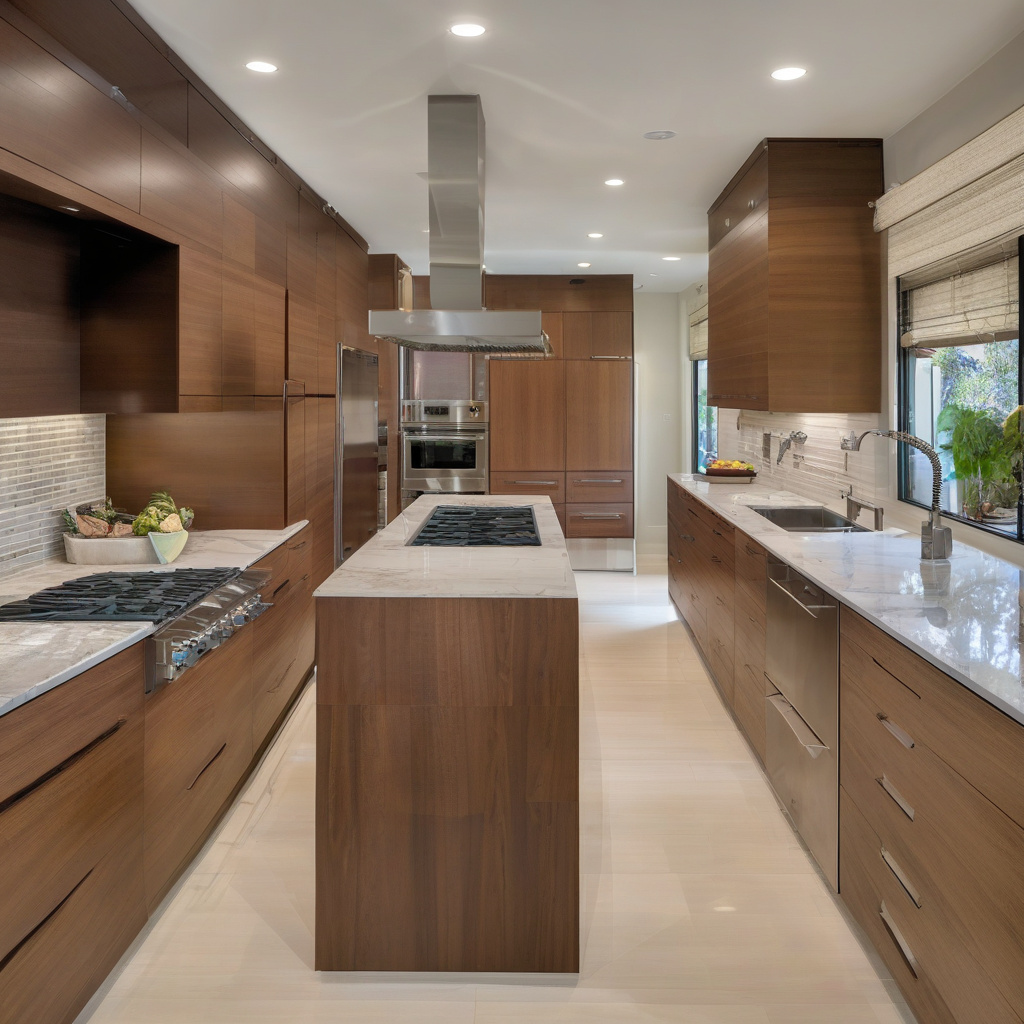
One must carefully consider the kitchen layout during the initial stages of planning. A popular choice among homeowners keen on minimalist and modern aesthetics is the galley kitchen, providing two parallel workspaces ideal for the separation of meat and dairy zones. Alternatively, more spacious designs, like L-shaped or U-shaped kitchens, offer expansive opportunities to elaborate on these principles.
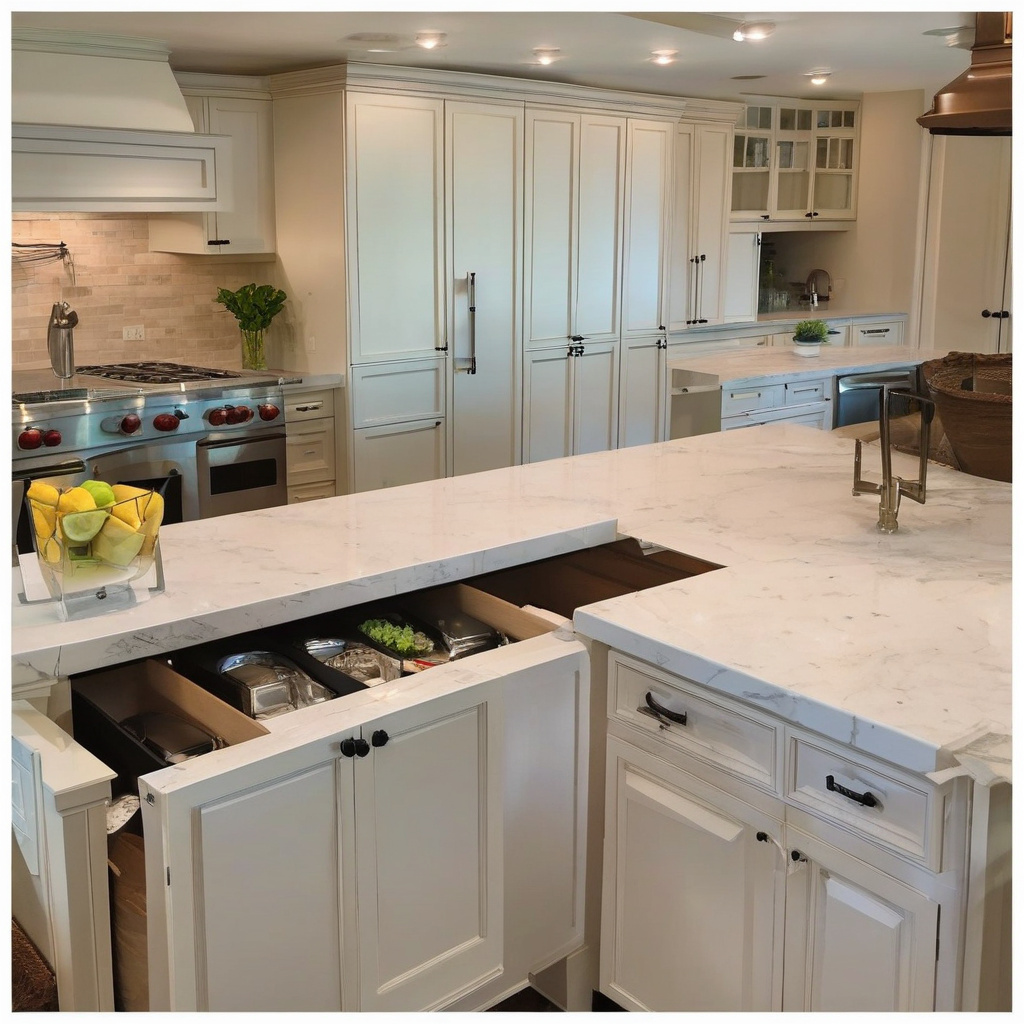
Open-concept designs are gaining traction in kosher kitchens, aligning with the broader trend towards airy, communal living spaces. Here, the challenge is to balance openness with the need for distinct preparation areas. Innovative design solutions, such as retractable partitions or strategically placed islands, help delineate spaces without compromising on modernity.
However, choosing the right layout isn’t just about physics and aesthetics; it’s also a numbers game. Budgets across Los Angeles vary widely, influencing the choice of materials, finishes, and overall layout. Ensuring a design that reflects personal taste, adheres to kosher requirements, and sits comfortably within a financial plan is paramount.
In conclusion, the architectural style chosen should reflect both the character of the home and the individual needs of the homeowners, creating a harmonious blend of tradition and modernity.
Material Selection: Marrying Beauty and Function
As many local homeowners notice, the choice of materials in a kosher kitchen is critical. It must not only appeal to aesthetic sensibilities but also meet the stringent requirements of kosher maintenance. Given the need for cleanliness and the potential for high traffic, robust and easy-to-clean surfaces are more than preferable—they’re imperative.
Quartz countertops have cemented their place at the forefront of kosher kitchen design. Revered for both durability and resilience, quartz resists scratching, staining, and cracking, making it an ideal candidate for the rigors of daily cooking. Moreover, its non-porous surface naturally repels bacteria, aligning neatly with kosher precepts.
Research by the National Kitchen and Bath Association suggests that quartz and granite are among the top choices for kitchen remodels in 2023, reflecting both their aesthetic and practical advantages.
Another preferred option for those with considerations of style and function is the combination of innovative cabinet styles. The integration of open shelving with closed storage creates a dynamic visual interest while offering practical benefits. Open shelves provide easy access to frequently used items and enhance the kitchen’s airy feel, while closed cabinets keep messier essentials out of sight.
Enthusiastic renovators might also consider natural wood finishes for cabinetry, adding warmth and character to the space. However, ensuring these materials are of high quality—and treated appropriately—remains an absolute necessity.
Ultimately, a strategic approach to material selection will enhance the kitchen’s beauty while adhering to its religious obligations, showcasing a design that’s as practical as it is pleasing.
Appliance Choices: A Balancing Act
The kosher kitchen’s demands extend beyond architecture and materials, squarely into the realm of appliances. These tools of the trade must be chosen with an eye towards both utility and adherence to kosher principles. The variety of appliances required for separate meat and dairy preparation zones often means more than one refrigerator, oven, and dishwasher.
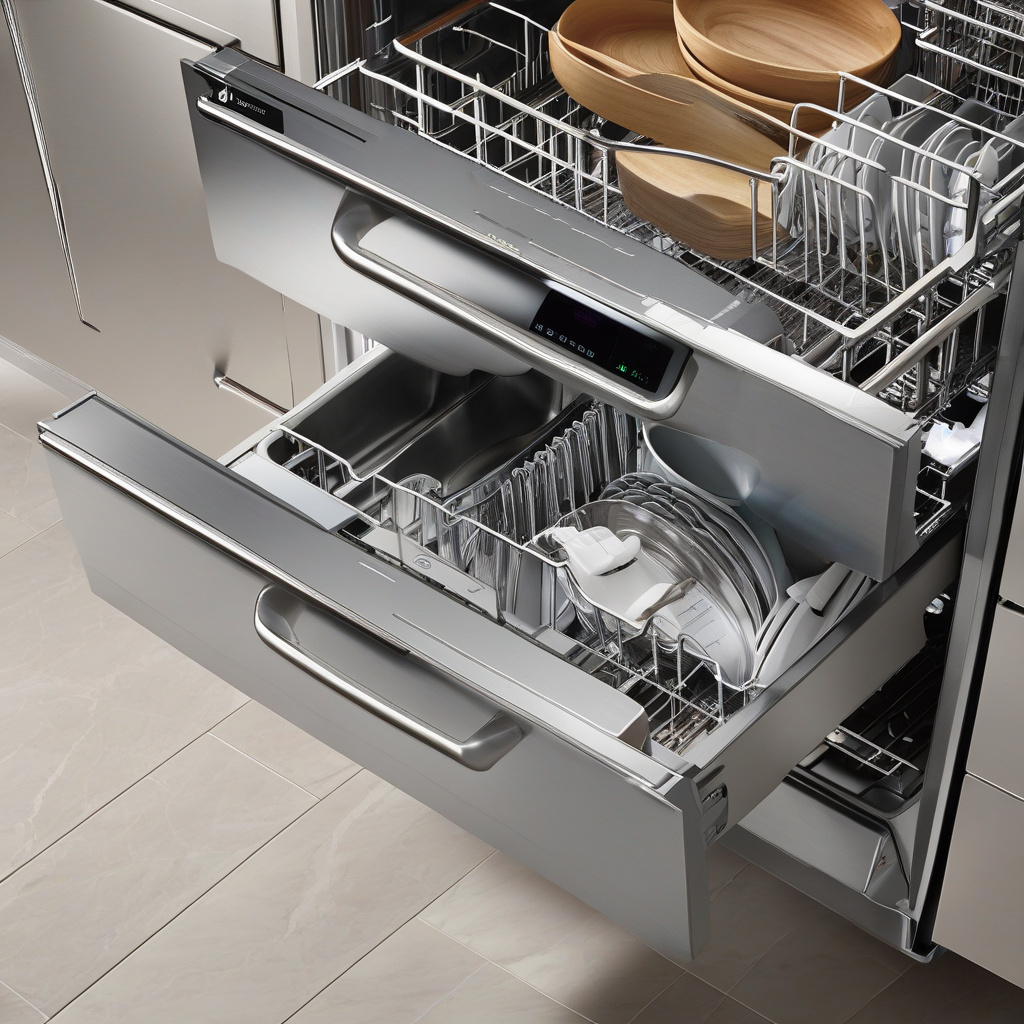
Consider the incorporation of built-in ovens or double wall ovens, which help maintain the separation while blending seamlessly into streamlined kitchen designs. Similarly, dual dishwasher drawers offer the convenience of keeping different sets of dishes apart without sacrificing precious square footage.
According to industry experts, allocating between 10% to 20% of the renovation budget to modern appliance upgrades is typical, as it enhances functionality while boosting the overall value of the home.
When selecting appliances, energy efficiency should align with modern eco-conscious trends. Opting for Energy Star-rated models reduces utility costs and shrinks the kitchen’s carbon footprint—ideal for the environmentally aware Angeleno.
The right choice of appliances not only enhances convenience and energy efficiency but also seamlessly integrates kashrut observance into everyday life.
In summary, thoughtful appliance selection is a cornerstone of effectively combining tradition with technology, ensuring that a kosher kitchen remains at the heart of home function and family life.
The Cost of Kosher Kitchen Perfection
Venturing into kosher kitchen design in Los Angeles requires not just a vision, but also a pragmatic understanding of costs. While expenses can vary widely based on size, complexity, and choice of finishes, having a ballpark figure in mind helps shape realistic expectations.
Capable contractors in Southern California typically suggest allocating anywhere from $25,000 to upward of $60,000 for a full-scale kosher kitchen remodel. Of course, tailoring your spending to align with various elements—be it luxury countertops or bespoke cabinetry—can affect the total. Here’s a concise breakdown:
| Option | Cost Range | Pros | Cons |
|---|---|---|---|
| Basic Remodel | $25,000 – $35,000 | Budget-friendly, functional | Limited luxury materials |
| Mid-Range Remodel | $35,000 – $50,000 | Balanced aesthetics, durable | Higher cost |
| Luxury Remodel | $50,000 and Up | High-end materials, custom design | Expensive |
Of course, as with any home project, unforeseen challenges or decisions to upgrade elements can inflate the bottom line. Homeowners are encouraged to factor in a contingency buffer of at least 10% for such surprises. This pragmatic approach to budgeting ensures that the project achieves both beauty and compliance without monetary woes.
By aligning financial planning with realistic expectations, homeowners can create a kitchen that marries observance, function, and flair.
Future-Proofing Your Kitchen for Longevity
Looking ahead, the kosher kitchen can be more than a place for meal prep; it’s an investment in the future. As households evolve, future-proofing becomes a key consideration in design. It’s about anticipating change and embracing innovations that enhance comfort and functionality.
Incorporating modern kitchen surface solutions ensures an enduring appeal. Stain-resistant and highly durable materials provide peace of mind, particularly when balanced against the wear and tear of daily use.
Industry research indicates that kitchens remodeled with future-proof features can recoup 80% of the renovation cost at resale, making it a savvy investment for pragmatic homeowners.
In addition to material selections, technology integration such as smart appliances offers a touch of convenience and energy efficiency unimaginable a decade ago. Smart refrigerators or ovens that offer remote operation via smartphones enhance daily efficiency.
Finally, considering the kitchen’s role in the broader home ecosystem, incorporating eco-friendly features ensures a sustainable footprint. Options include LED lighting, water-conserving fixtures, and solar panels, all of which align with a commitment to environmental stewardship.
A well-planned kosher kitchen is not just an investment in lifestyle but a forward-thinking portfolio for long-term value.
- Designing a kosher kitchen requires a blend of tradition and modern design principles.
- A dual prep zone setup is key for separating meat and dairy items.
- Material selection should focus on durability and kashrut practicality.
- The cost of renovations varies, with high-end projects hitting upwards of $60,000.
- Integration of smart technologies is essential for future-proofing the kitchen.
FAQ
What is a kosher kitchen layout, and why is it important?
A kosher kitchen layout is designed to comply with Jewish dietary laws, which require the separation of meat and dairy products, not only in cooking but also in storage and preparation. This involves having dual prep zones and often separate sinks, dishwashers, and counters. In real-world applications, such thoughtful segregation ensures observance without chaos. For many homeowners in Los Angeles, achieving functionality while maintaining these rituals can be a complex puzzle, often overshadowing even the most modern kitchen comforts. Designing such a kitchen demands more than just an eye for aesthetics; it requires a deep understanding of cultural needs blended with practical, contemporary design solutions.
How do you choose appliances for a kosher kitchen in Los Angeles?
Choosing appliances for a kosher kitchen involves considering both functionality and adherence to dietary laws. In Los Angeles, where homes range from classic to ultra-modern, incorporating dual appliances — like two ovens, two dishwashers, and a pair of sinks — can harmonize tradition with modern efficiency. Real estate experts highlight the importance of space planning before purchasing, ensuring everything fits seamlessly without overwhelming the area. One common pitfall is underestimating the required electrical capacity, which can lead to costly rewiring later. Many experts recommend consulting with a renovation professional early on to avoid such pitfalls.
When does it make sense to renovate your kitchen into a kosher layout?
Renovating your kitchen into a kosher layout often makes sense when you’re either moving into a new home or planning a significant remodel. This process becomes particularly relevant if your family strictly observes kosher practices and your existing setup is inefficient or outdated. In practice, kitchen renovations in older Los Angeles homes often reveal the necessity for updated plumbing and electrical systems, crucial for supporting the additional appliances. Converting during a planned renovation allows for more fluid integration of kosher-specific modifications with broader modernization efforts. If you’re considering such a transition, it’s wise to explore your options with an experienced renovation team. You might want to [reach out to professionals for guidance](https://californiarenovation.top/contact/) to ensure all aspects are thoroughly considered.
What are some typical mistakes to avoid in kosher kitchen design?
A frequent mistake in kosher kitchen design is overlooking the requirement for comprehensive storage solutions. Many homeowners focus on separating appliances but forget about adequate space for double sets of cookware, utensils, and dishes. In Los Angeles homes, especially those with limited square footage, strategic use of vertical space and custom cabinetry can be essential. Another common oversight is ignoring future needs; as families grow, so may their kosher requirements. It’s prudent to plan for expansions in storage and prep space, rather than just meeting current demands. Ultimately, consulting with a kitchen designer who understands kosher specifications can prevent these missteps.
How do cost considerations impact the design of a kosher kitchen?
Cost considerations play a significant role in designing a kosher kitchen, as the need for dual setups can quickly escalate expenses. In the bustling Los Angeles renovation market, it’s critical to balance necessity with budgetary constraints. Dual appliances, additional plumbing, and custom cabinetry can add up—making priority listing essential. Homeowners frequently underestimate labor costs associated with installing these duplicates, particularly in older homes requiring extensive structural modifications. However, many find that investing in durable, quality materials upfront reduces maintenance costs down the line. Experienced renovation advisors often suggest building a phased plan to spread costs, prioritizing essential elements first while leaving room for future upgrades.
What are the pros and cons of a kosher kitchen layout?
The kosher kitchen layout brings with it a host of benefits, including streamlined meal preparation that aligns with religious practices and minimizes cross-contamination of meat and dairy products. This specialized setup often increases home value, appealing to buyers seeking such features. However, the downside includes higher upfront costs and the complexity of designing and maintaining separate zones. In Los Angeles, where real estate space can be at a premium, fitting these elements without crowding can prove challenging. Many seasoned homeowners find that while the initial investment is substantial, the peace of mind and ease of use in daily routines outweigh the disadvantages. Ultimately, thorough planning is key to maximizing benefits while mitigating limitations.
What maintenance specifics should be considered for a kosher kitchen?
Maintaining a kosher kitchen involves regular upkeep of both organization and appliance functionality. In practical terms, this means frequently auditing your storage solutions to ensure they accommodate all necessary items without clutter, which is especially vital in Los Angeles kitchens where space may be tight. Regular checks on appliances are essential to ensure they are all functioning efficiently, as doubled setups mean double the potential for issues. Homeowners should also regularly review the condition of plumbing and electrical systems, given the increased demand these setups may place on them. Consistent organization and routine maintenance services help keep the kitchen running smoothly, safeguarding your investment in its design.
What are the opportunities and risks of converting an existing kitchen into a kosher one?
Converting an existing kitchen into a kosher layout offers the opportunity to enhance functionality and meet cultural needs more precisely. This transformation often provides a renewed space that better suits modern living while respecting traditional practices. However, it also comes with its share of risks, such as the complexity and potential cost of installing additional appliances and plumbing. In older Los Angeles homes, unforeseen structural issues can arise, making it essential to conduct a thorough inspection before starting the renovation. Done right, the process boosts the home’s functionality and appeal, but it requires diligent planning and expert guidance to avoid pitfalls.