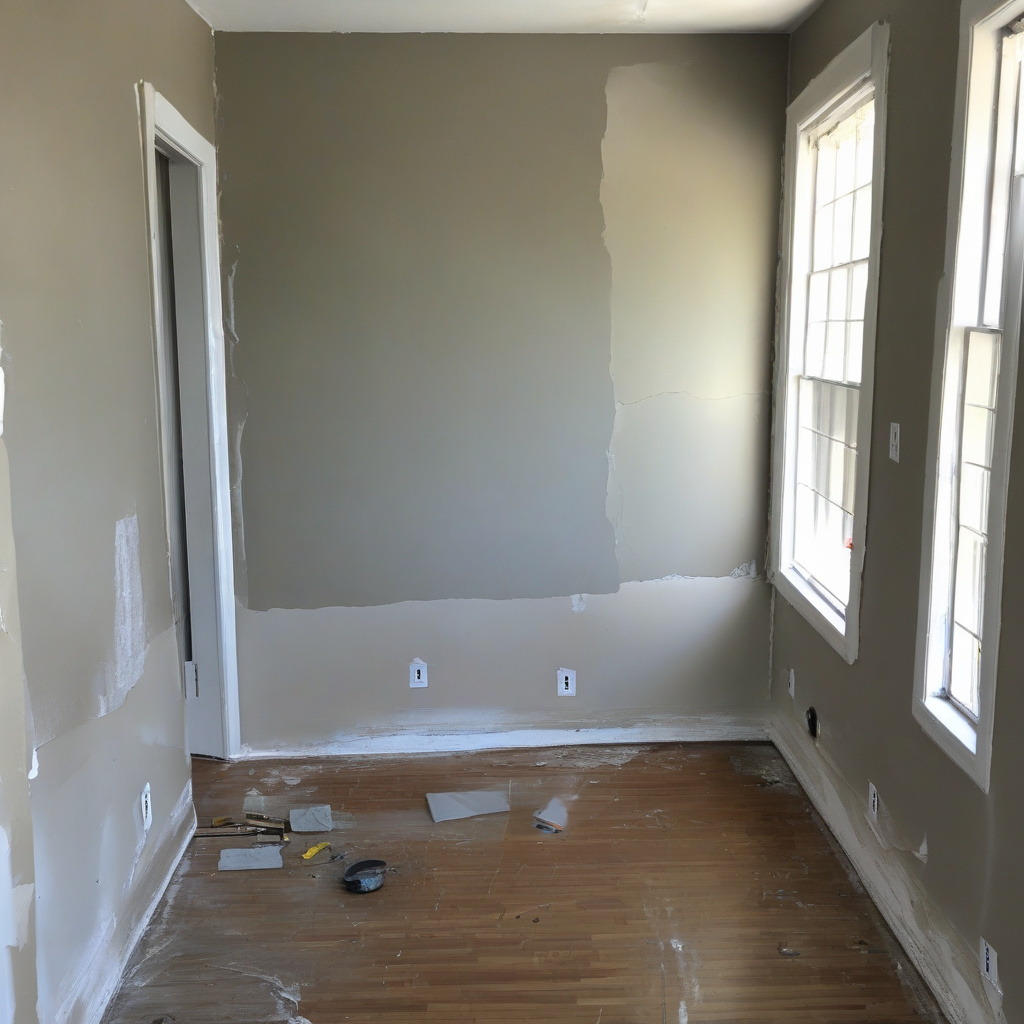
In the heart of Los Angeles, where mid-century modern homes meet Spanish colonial architecture, the battle against wood rot is an ongoing saga. The persistent Southern California sun might seem like wood’s ally, but the shifting temperatures combined with coastal moisture create a perfect storm for gradual decay, especially around windows and doors. Maintaining paint in these vulnerable areas is not just about aesthetics—it’s a critical exercise in preservation.
Brief summary: This article explores the essential techniques for maintaining paint around windows and doors to prevent rot, with a focus on practical advice for Los Angeles homeowners. Key methods include sealing gaps, touching up exposed areas, and ensuring proper drainage to protect against moisture damage.
Understanding Wood Rot: The Silent Invader
Many Southern Californians assume that wood rot is a problem reserved for wetter climates. However, the subtle mix of environmental factors here can cause significant damage if not addressed. Wood rot is a fungal decay, activated by moisture and perpetuated by heat. When the paint around windows and doors begins to crack or peel, it leaves wood exposed to these elements, accelerating deterioration.
Homeowners in Los Angeles often overlook small gaps or slight peeling until it’s too late. Vigilance is key. The process of addressing these seemingly minor imperfections can save thousands in future repairs. As many discover, neglecting wood maintenance can lead to a cascade of expenses, pitting preventative maintenance against costly restoration.
A local renovation expert once remarked, “Paying close attention to the state of your window frames can mean the difference between a minor touch-up and a significant overhaul.” This highlights the importance of early intervention in preservation efforts.
As a preventative measure, consistent application of high-quality sealant is crucial. It forms the first line of defense against moisture infiltration, particularly in the face of unpredictable weather patterns. In conclusion, understanding the causes and early signs of wood rot enables proactive maintenance, ensuring windows and doors remain both beautiful and structurally sound.
According to the National Association of Home Builders, consistent maintenance can extend the life of exterior paint by up to five years.
The Art of Sealing: A Practical Guide
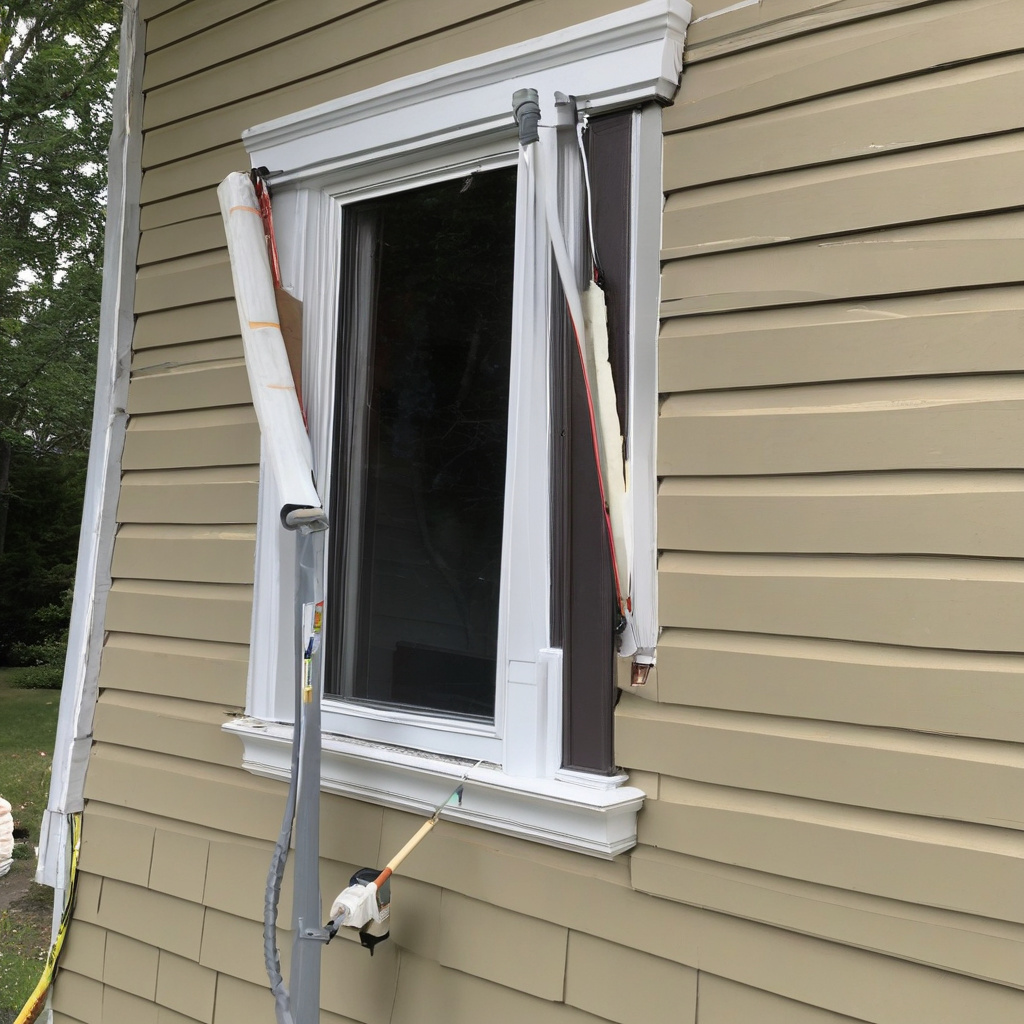
Sealing gaps is a cornerstone of maintaining paint integrity. Surprisingly, this often goes beyond just the application of paint. It requires a detailed examination of your home’s exterior, identifying vulnerability points where moisture might breach. The task, while seemingly mundane, is a fundamental aspect of preventing paint failure.
Start by inspecting the existing paint for any cracks or peeling. Pay attention to areas where dissimilar materials meet, such as where wooden frames touch metal or concrete. These junctions are prone to expansion and contraction, leading to inevitable gaps. Applying a flexible, waterproof sealant in these areas can mitigate moisture intrusion effectively.
Choosing the right sealant is crucial; understanding the composition suitable for outdoor use and high durability can prevent repeated applications. Many homeowners have found success with silicone-based products for their longevity and flexibility. It’s a small investment that proves invaluable over time.
The task of sealing also serves as an opportunity for a comprehensive home inspection, potentially unveiling other maintenance issues that might have slipped under the radar. Ultimately, a bit of foresight in sealing ensures the longevity and integrity of your paint, promising peace of mind.
A study published by the Journal of Construction Engineering cites sealing as one of the most cost-effective methods for prolonging wood life.
Choosing the Right Paint: A Strategic Decision
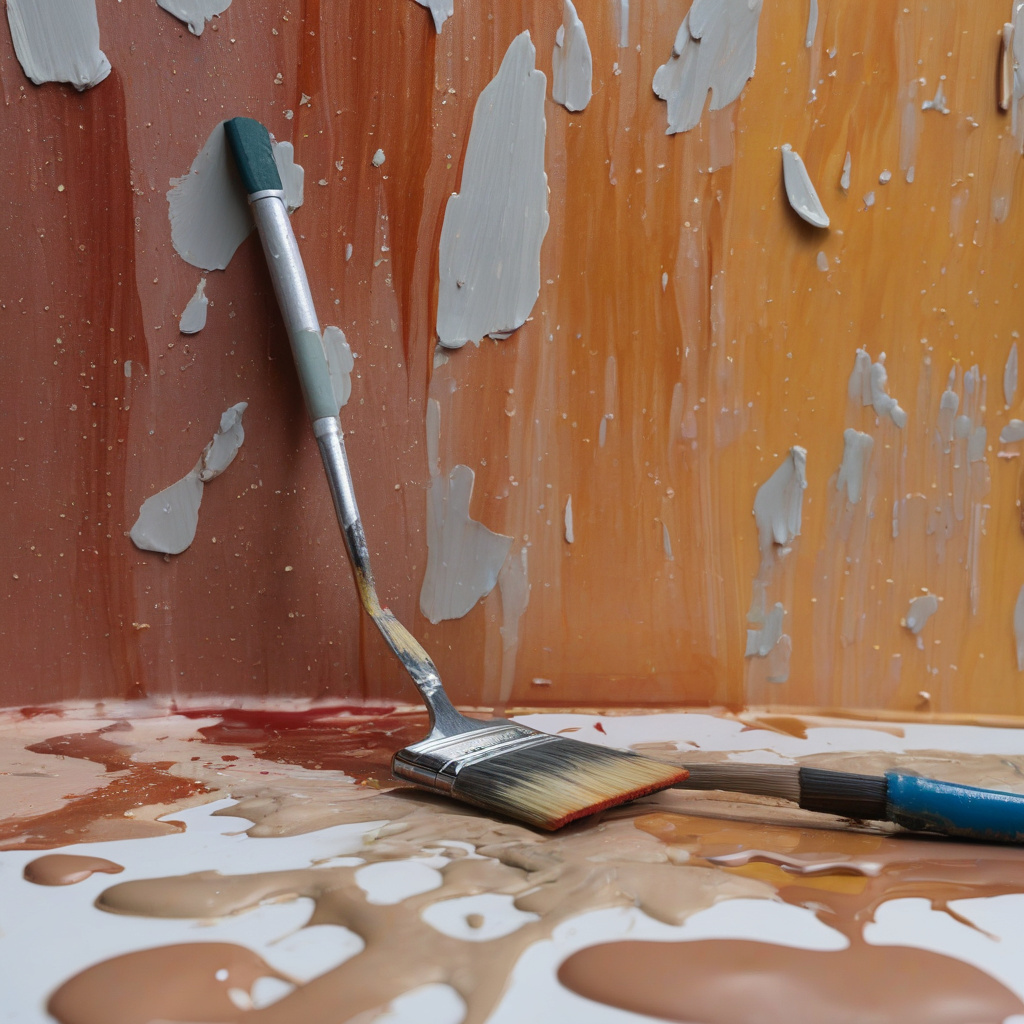
With a plethora of paint options available, selecting the appropriate one for exterior use is more critical than ever. In Los Angeles, where weather patterns fluctuate, opting for a high-quality, weather-resistant paint can make all the difference. Durability should trump all other considerations, ensuring the paint withstands both ultraviolet rays and moisture.
Homeowners often debate between flat, glossy, and everything in between. While gloss paints offer a slick look and enhanced moisture resistance, they may require special surface preparation for proper adhesion. This step ensures the undercoat properly binds, preventing future peeling and cracking.
The paint’s color is not just an aesthetic decision. Lighter shades reflect heat, potentially lowering cooling costs, while darker hues are more prone to require frequent touch-ups due to fading. Paint companies have begun offering more resilient formulations, promising extended lifespans even under severe conditions.
Ultimately, understanding environment-specific needs aids in selecting the right paint, marrying cost-effectiveness with long-lasting results. Many Los Angeles residents have found that investing in higher-quality paint upfront saves drama and dollars in the future. Therefore, choosing wisely lays the groundwork for enduring finishes.
Maintenance Techniques: Keeping Decay at Bay
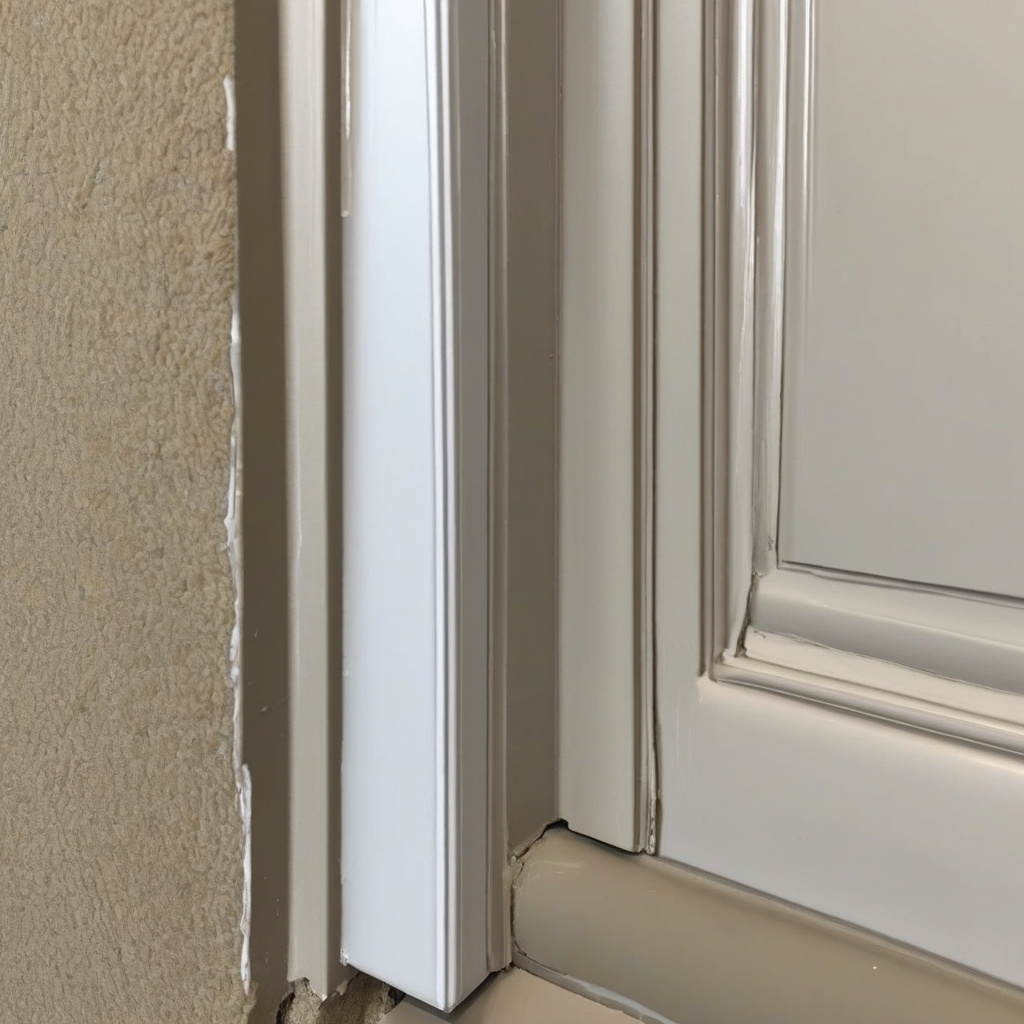
Maintenance doesn’t end with a fresh coat; it’s a sustained effort throughout the lifespan of your exterior finish. Regular inspections post-rain or high humidity periods can be insightful, revealing areas where drainage might be defective or where touch-ups are required. Routine checks can preemptively spot sites of decay, halting it in its tracks.
The decision to paint versus stain siding is another nuanced consideration. Paint offers a solid barrier against the elements, while stain soaks into wood, providing defense without peeling. Each option suits different aesthetic preferences and maintenance habits, necessitating an informed decision for optimal results.
Moreover, understanding how to masterfully touch up paint is an essential skill for homeowners seeking longevity from their renovations. It involves precise color matching and strategic application to blend seamlessly with existing coats. Such touches ensure minor defects do not escalate over time.
The U.S. Department of Energy notes that routine maintenance can enhance energy efficiency by up to 30% in older homes.
In conclusion, faithful maintenance extends beyond mere appearance. It safeguards your home against environmental damage, maximizing your investment in time and materials.
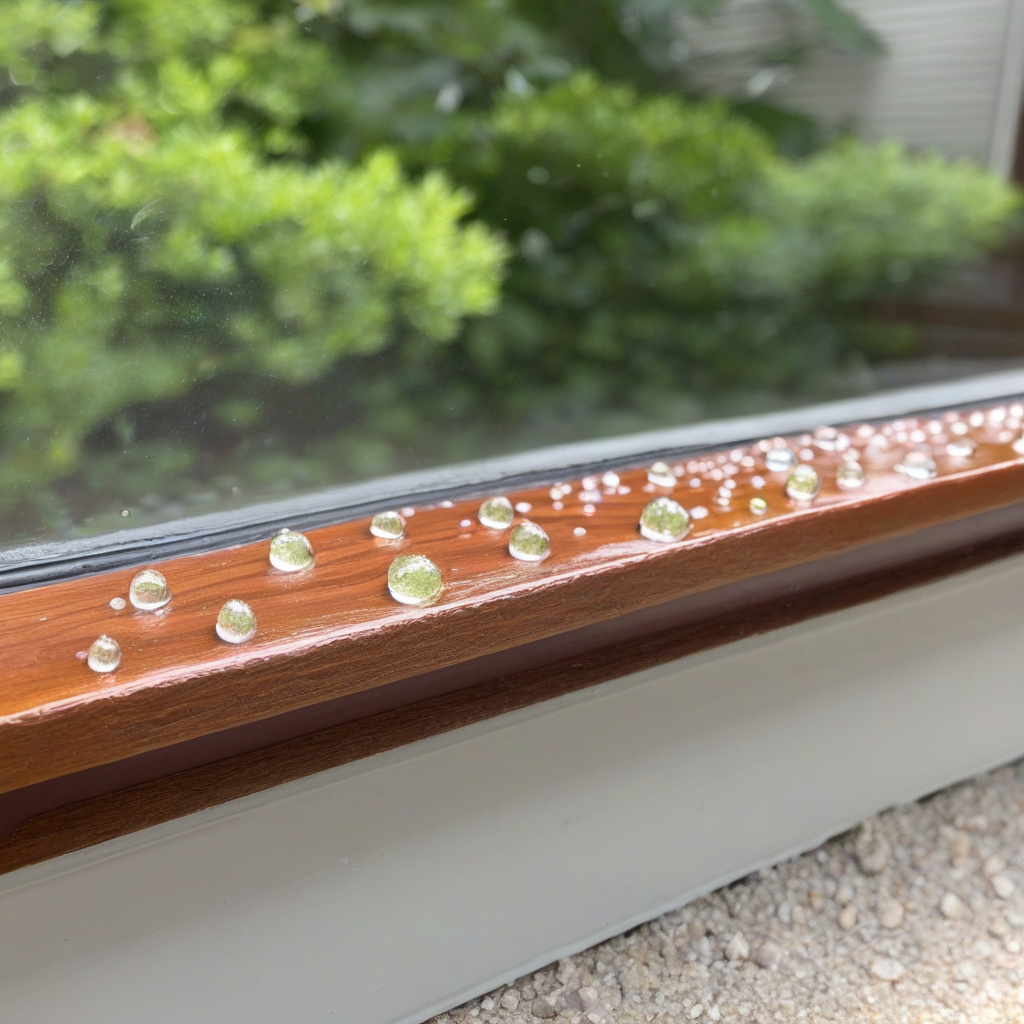
Preparation: The Foundation of Successful Painting
Before any brush touches wood, preparation is paramount. Homeowners often overlook this phase, eager to see swift results. Yet, neglecting preparation is akin to building a house on sand. Ensuring a sound, clean, and dry surface guarantees that new paint adheres well and lasts longer.
This stage begins with thorough cleaning, often employing pressure washers or scrub brushes to remove grime and mildew. Next, sanding down rough spots lays an even canvas for the paint to adhere. It eradicates old, flaky paint, making way for the new coat to bond securely.
An often-undervalued step is priming. While some paints combine primer and color, a separate primer often provides superior results, especially where wood is exposed. Its application lays the groundwork for the preservation, providing a shield against elements that weather standard paints.
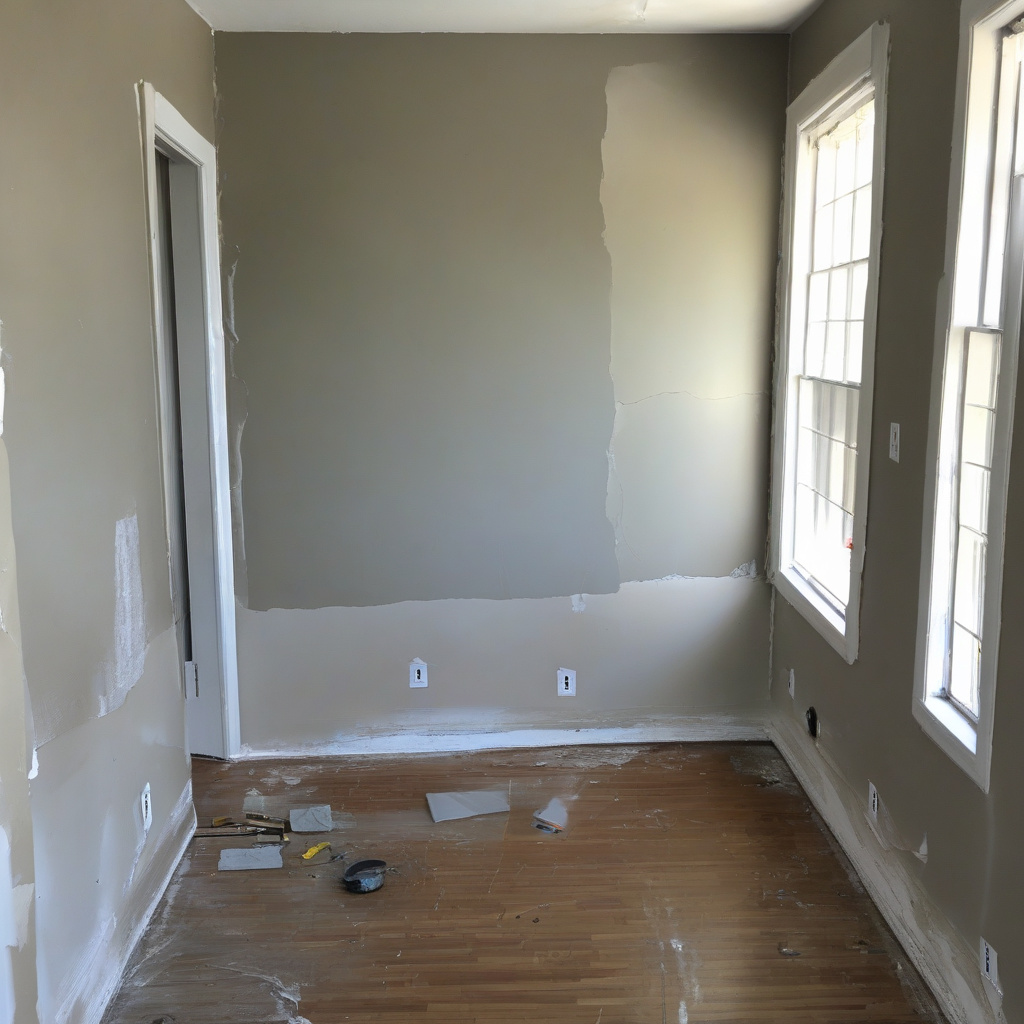
Finally, ensuring proper ventilation speeds drying time, preventing moisture entrapment that can ruin a fresh coat. As a result, diligent preparation acts as the cornerstone of any successful painting endeavor.
Once prepared, painting becomes a straightforward task, revealing its transformative power and the remarkable reinforcement of your home’s defenses.
Stylish Protection: Embracing the Layered Look
Beyond preservation, painting offers a stylistic renovation opportunity, granting homeowners the freedom to express personal taste through color. The popular layered color techniques offer depth and personality to any exterior, serving dual purposes as a protective measure and an artistic statement.
The layered color approach combines varying shades within a similar palette, adding visual interest while maintaining a coherent overall theme. It often involves highlighting architectural features, such as molding or trim, with complementary hues to add dimension.
An emerging trend in Los Angeles is to match window and door frames with accent colors that harmonize with the façade. This adds a visual punch and underscores the home’s design, reflecting contemporary tastes and timeless elegance.
Ultimately, intertwining functionality with aesthetics proves beneficial, crafting a protective envelope around your home that’s as stylish as it is strong. The layered technique marries art with necessity, promising both beauty and fortified resistance to the elements.
Thus, color choices are no mere preference but a thoughtful decision amalgamating style with safeguarding, ensuring your home not only withstands the elements but also stands out in the landscape.
| Option | Cost | Durability | Time Investment |
|---|---|---|---|
| High-Quality Paint | $30-$60 per gallon | 10-15 years | High |
| Budget Paint | $10-$20 per gallon | 3-5 years | Low |
| Stain | $25-$50 per gallon | 5-7 years | Medium |
- Regular maintenance is key to preventing wood rot around windows and doors.
- Proper sealing and high-quality paint extend the durability of paintwork.
- Choosing paint versus stain affects both aesthetic and maintenance outcomes.
- Preparation, including cleaning and priming, is essential for long-lasting results.
- Stylish color choices can enhance protective functions and express personal style.
“`html
FAQ
Why is maintaining paint around windows and doors essential to prevent rot?
In construction and remodeling, the importance of sealing and maintaining paint around windows and doors becomes evident as these areas are highly susceptible to moisture intrusion. Many experts note that without a proper barrier, water can seep into small gaps and crevices, leading to wood rot. Homeowners, particularly those in older properties, often overlook these subtle vulnerabilities until symptoms appear, manifesting as warped frames or crumbling window sills. It’s crucial to apply an effective sealant because even a thin layer of paint not only adorns but protective work, shielding the underlying material from the elements. True, an ounce of prevention here saves vast sums in future repairs and preserves the home’s aesthetic and structural integrity.
What common mistakes do homeowners make when painting around windows and doors?
In real-world renovations, it’s often noted that homeowners mistakenly believe a visual inspection suffices for maintenance. Over time, subtle gaps and unpainted edges become moisture pathways, unnoticed until damage accrues. Another error is using inappropriate paint types—interior when exterior is needed, or glossy when a flat finish better seals edges. The preparation process is crucial; skips in sanding or priming weaken adhesion, allowing elements underneath to degrade faster. Many experts urge a disciplined, meticulous approach—clean thoroughly, sand, prime, paint, and seal. Overlooking preparation might save initial effort but costs more when rectifying preventable damage.
How can you ensure proper drainage to prevent rot around these areas?
Ensuring proper drainage is vital to preventing rot, a sentiment echoed by seasoned renovators. In many California homes, particularly where sun and rain compete fiercely, the drainage systems around windows and doors must function perfectly to divert water away. A well-installed drip cap above window and door exteriors is a basic yet effective measure. Homeowners should check for clogged weep holes in window frames, ensuring they remain open for water to escape, not pool. Regularly examine caulking and seals for breaches. Remember, preventing water accumulation starts with understanding water’s pathways; trace rain patterns after a storm to ensure drainage solutions are effective and adjust as necessary, protecting your investment in both new and classic homes.
What should you consider when choosing materials for painting?
In tackling a paint project, the choice of materials often defines success or deterioration speed. Seasoned renovators advise choosing high-quality primers and paints rated for outdoor use, as they withstand diverse environmental pressures. For California’s unique climate, UV-resistant and mildew-resistant paints prove particularly effective. Silicone-based caulks perform better than acrylics in sealing joints, providing flexibility and extended durability. Observing homes both modern and aged, the payoff of considering local climate conditions when selecting these materials is significant. It’s not only about aesthetics but ensuring the functional longevity of finishes, thereby mitigating future vulnerabilities.
What are the cost considerations for maintaining paint around windows and doors?
Cost considerations hinge on both immediate and deferred expenditures, a nuance often highlighted in renovation discourse. While opting for premium materials and frequent maintenance incurs upfront costs, the long-term savings are substantial in preventing rot and structural damage. Re-painting and repairs demand labor intensity, a challenge amplified if previous maintenance was neglected. In California’s competitive housing market, neglected maintenance can lower property values, altering fiscal calculations. Homeowners must weigh these factors, considering that the appearance and health of windows and doors influence curb appeal and energy efficiency, impacting ongoing utility bills and eventual resale value.
What are the pros and cons of DIY vs. professional maintenance?
Weighing DIY against hiring professionals involves balancing cost, time, and expertise. DIY projects offer the allure of budget-friendly solutions and the satisfaction of hands-on work. Yet, many homeowners underestimate the requisite skill for flawless window and door finish maintenance. A minor misstep in sealant application or paint choice could lead to costly corrections later. Professionals bring experience, ensuring comprehensive prep and finish. Ideal for homes with ambitious aesthetic or structural needs, they exemplify purpose-driven craftsmanship. Ultimately, the choice reflects personal capacity, financial leeway, and the criticality of maintaining a robust home envelope.
How often should maintenance be performed on paint around windows and doors?
Routine maintenance frequency hinges on environmental exposure and quality of initial work. In sunnier regions like California, UV exposure accelerates paint degradation; thus, annual inspections for cracks or peeling become prudent. Many renovation veterans suggest touching up minor imperfections bi-annually, while a full-scale repaint might occur every five years, dictated by material lifespan and climate. However, proactive inspection—post-storm, for example—can preempt significant wear issues. The key lies in observing any deviations from norm and addressing them swiftly, ensuring the painted barrier remains durable against persistent environmental challenges.
What should a homeowner do if they discover rot around their windows or doors?
Discovering rot requires immediate attention to prevent structural compromise. Initially, assess the extent; if localized, DIY repair kits might suffice. However, pervasive rot, often revealed through deeper probing, mandates professional intervention. Rot removal and replacement of affected sections ensure stability. Following repair, it’s crucial to address the cause—faulty sealing or inadequate drainage. For expertise and guidance tailored to your situation, consider reaching out consultation experts in local renovation firms who possess the acumen to navigate such challenges, ensuring remediation solutions are precise and enduring.
“`