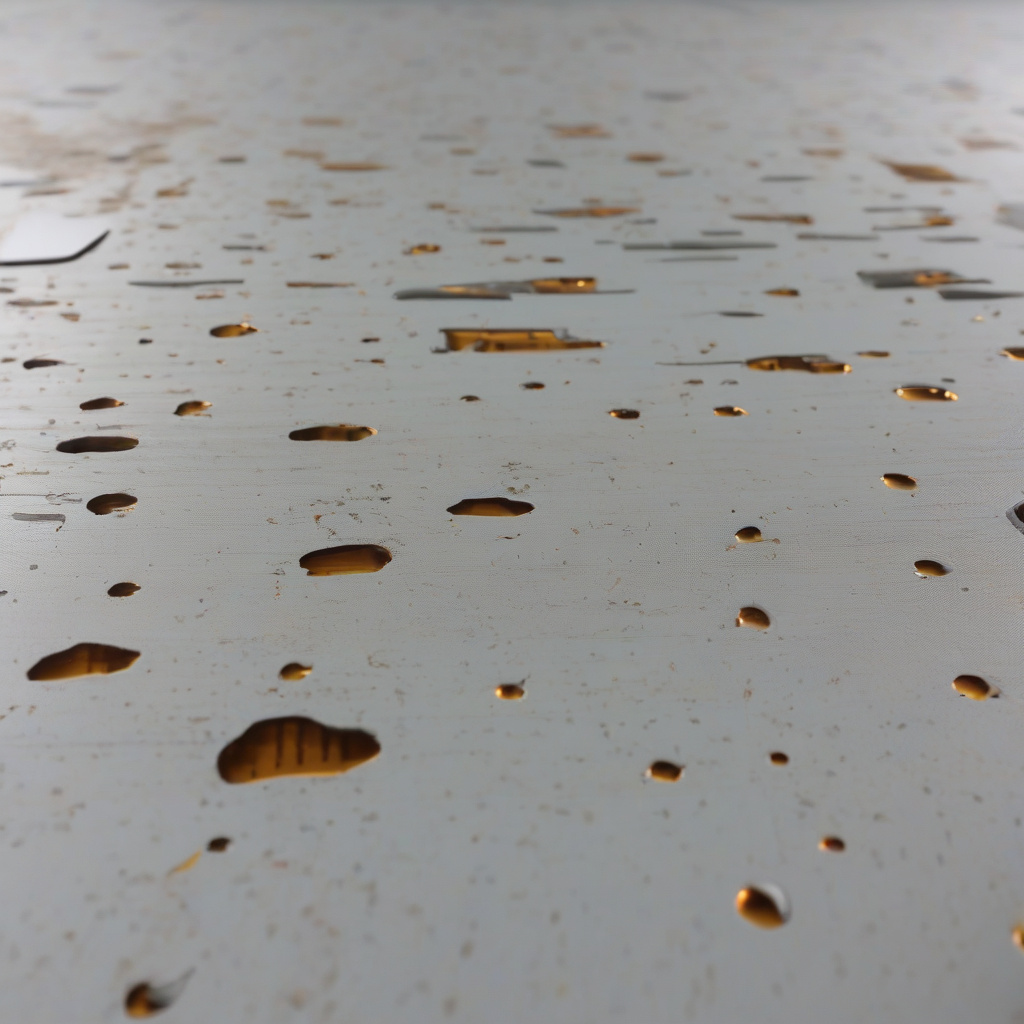
As the allure of sun-drenched Californian living entices more homeowners to revamp their properties, the focus on window security has become a pressing subject for many. Given the spate of break-ins across Los Angeles and Southern California, the question of whether to opt for security film or laminated glass to deter intruders is at the forefront of many minds. Both promise enhanced resistance to forced entry, but which offers the most value and security?
Brief summary: This article investigates the efficiency of security films versus laminated glass for fortifying homes against break-ins. It explores the materials’ costs, durability, and real-life performance in the context of home renovations in Southern California. Explore which option offers the best balance of security, aesthetics, and cost-efficiency for homeowners.
Understanding Security Film
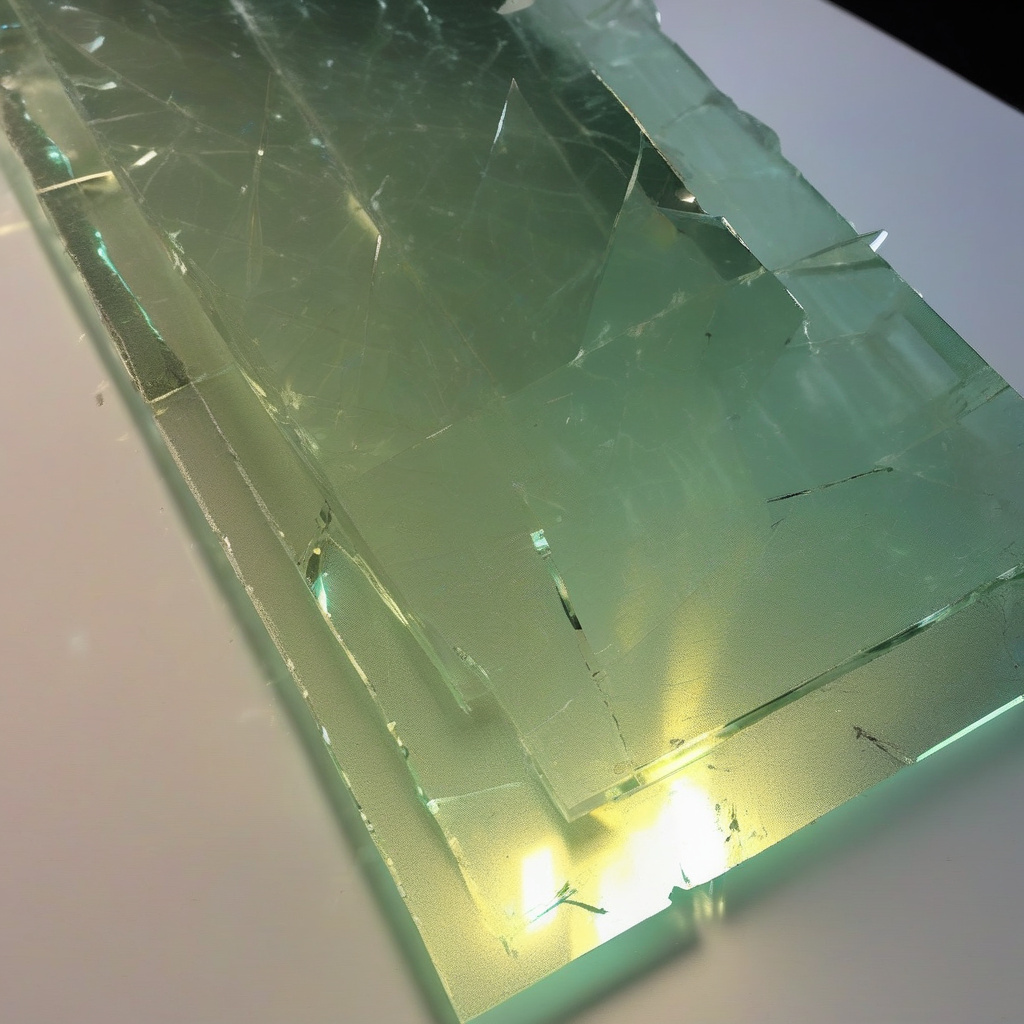
Security film, a popular choice among cost-conscious homeowners, is essentially a clear or tinted polyester film that adheres to existing windows. It increases resistance to shattering and can hold pieces of glass together if broken. This option appeals not only because of its straightforward application but also its cost-effectiveness, with most installations taking a day to complete.
Installation requires far less disruption compared to replacing windows, often a selling point for those reluctant to upend their lives with protracted construction work. In neighborhoods like Pasadena and Santa Monica, where traditional aesthetics are treasured, security film offers a subtler reinforcement without altering the window’s original look.
However, this does not mean security film is without its drawbacks. While it can delay intruders by holding the glass together, it won’t necessarily prevent a determined criminal from eventually breaking through. Its virtues lie more in giving residents and alarms systems a few more precious moments to react.
For homeowners interested in exploring a range of window solutions, security films represent a low-barrier point of entry into the world of enhanced home security. As with all things, due diligence in selecting both product and installer cannot be understated.
Research shows that properly installed security films can increase delay factors by up to 90% in break-in scenarios.
Ultimately, security film is best seen as a deterrent. By adding a layer of difficulty, it may discourage the casual thief looking for an easy hit.
Exploring Laminated Glass
Laminated glass, an enticing alternative, is constructed by bonding multiple layers of glass with a strong interlayer. The result is a window that is not only more resistant to breakage but also reduces noise pollution—a key factor for many Los Angeles homeowners.
The initial investment in laminated glass may be greater, but its longevity often compensates for these upfront costs. While installation requires more time and can disrupt daily routines, the benefits—a lower cooling bill courtesy of its insulating properties and potential insurance savings—often outweigh these early inconveniences.
Popular in renovated homes in neighborhoods like Venice and Silver Lake, laminated glass complements stylish interior designs. Its availability in a variety of styles, including elegant black frame options, can seamlessly blend with modern architectural aesthetics.
Professionals in the field tout laminated glass as offering higher break-in resistance than films alone, not just delaying but potentially stopping an intruder entirely. Its appeal is multifaceted, enhancing security, appearance, and overall home value.
Installations in Southern California indicate laminated glass reduces energy costs by up to 30% compared to standard windows.
In conclusion, for those prepared to invest in more than short-term fixes, laminated glass provides a comprehensive security solution.
Cost and Installation Comparison
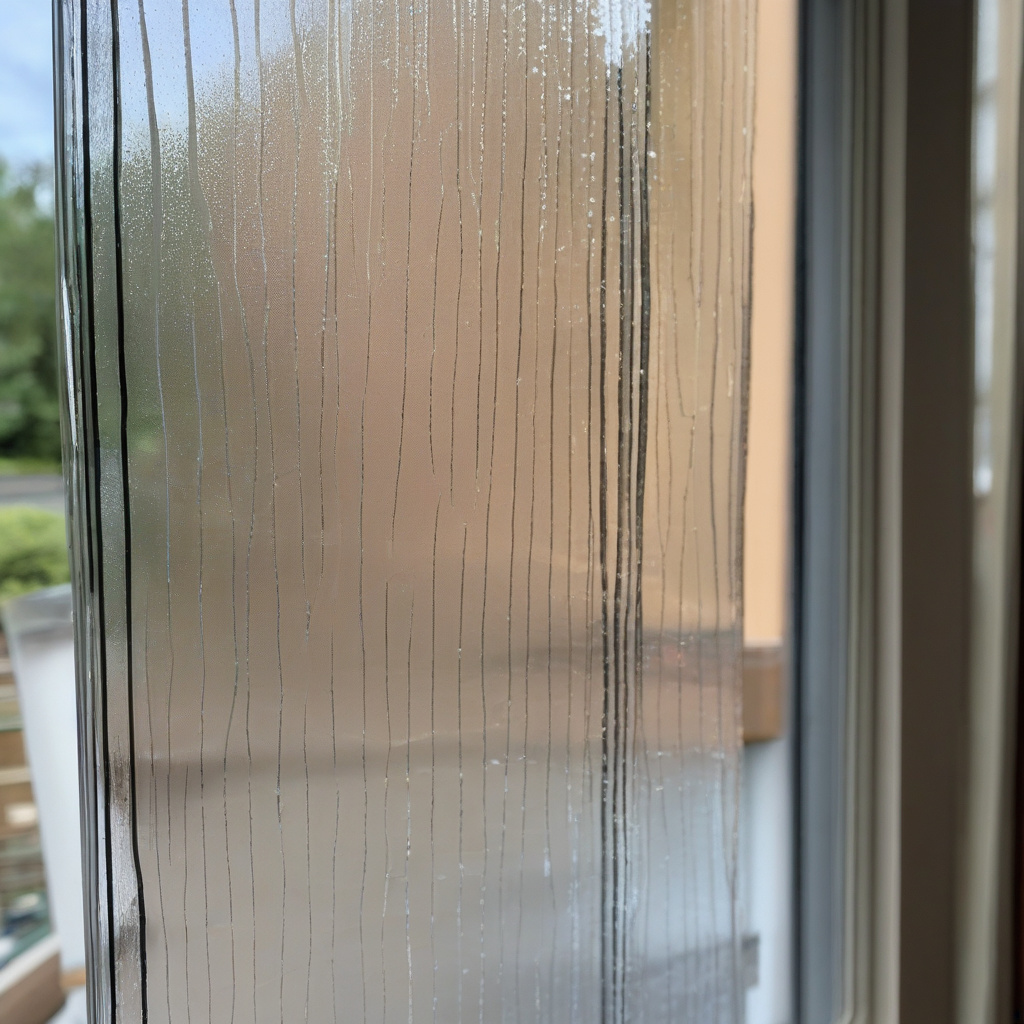
The decision between security film and laminated glass often comes down to budget. Security films are generally cheaper, costing between $7 to $15 per square foot, while laminated glass ranges from $15 to $40, depending on the thickness and specialty features.
Added to the basic material costs are those of labor. Films can typically be installed more quickly, resulting in lower labor costs, whereas laminated glass, given its complexity, necessitates skilled labor, increasing installation prices.
For many Angelenos revamping their homes, opting for security film is a quick fix that’s perfect for landlords or temporary solutions. However, for committed homeowners focused on long-term ROI, laminated glass may be the more prudent investment.
Understanding the role of locks and additional security hardware can further augment the protective qualities of your chosen window solution.
| Aspect | Security Film | Laminated Glass |
|---|---|---|
| Cost per sq ft | $7 – $15 | $15 – $40 |
| Installation Time | Short | Extended |
| Durability | Moderate | High |
In conclusion, balancing cost against the expected level of security and longevity is essential, with numerous factors influencing this pivotal homeowner decision.
Effectiveness and Safety
Evaluating effectiveness involves considering each material’s response to threats. Security films are efficient at absorption and dispersing impact force but are not impenetrable, whereas laminated glass, akin to a car windshield, is more effective at resisting punctures.
Security films can be applied retrospectively, making them ideal for renters or seasonal upgrades, as they necessitate no structural changes. In contrast, laminated glass requires planning and integration during initial construction or significant renovations, making it a more permanent choice.
In emergency situations such as earthquakes—which Southern Californians are all too familiar with—both options perform well, their design innately resisting shattering. This provides additional peace of mind to those anxious about natural calamities.
The incorporation of safety measures such as anti-shatter technology is a common topic among local architects, underscoring the importance of assessing priorities and potential risks when exploring return on investment in window replacements.
Studies in urban areas like Los Angeles show properties with advanced glass solutions have an average 15% higher resale value.
Ultimately, adding advanced window safety measures is about both safeguarding your investment and enhancing the security and comfort of your home.

Expert Opinions on Renovation
Architectural experts stress the importance of context-specific solutions, as different areas in Southern California face unique security challenges. Whether perched in a trendy Los Angeles loft or nestled in a suburban Pasadena abode, the right choice hinges on weighing factors such as neighborhood safety trends and property type.
Consulting with seasoned professionals can clarify these considerations. Many specialists in the Los Angeles area recommend incorporating layered security strategies that combine physical barriers with technological integrations, like smart locks and cameras, to create comprehensive protection.
Furthermore, style preferences often dictate choices. Those seeking to maintain historical accuracy in a bungalow may lean towards clear films, whereas lovers of modern design in a downtown high-rise might prefer sleek laminated glass with customizable frame options.
Ultimately, expert perspectives underscore adaptability and maintenance in these security solutions’ lifespans and effectiveness.
Experts assert that as styles evolve, so too should security measures, ensuring ongoing protection that echoes contemporary design.
This points toward a trend where adaptability and maintenance take precedence alongside security in long-term renovation strategies.
Choose Wisely: Security Film or Laminated Glass?
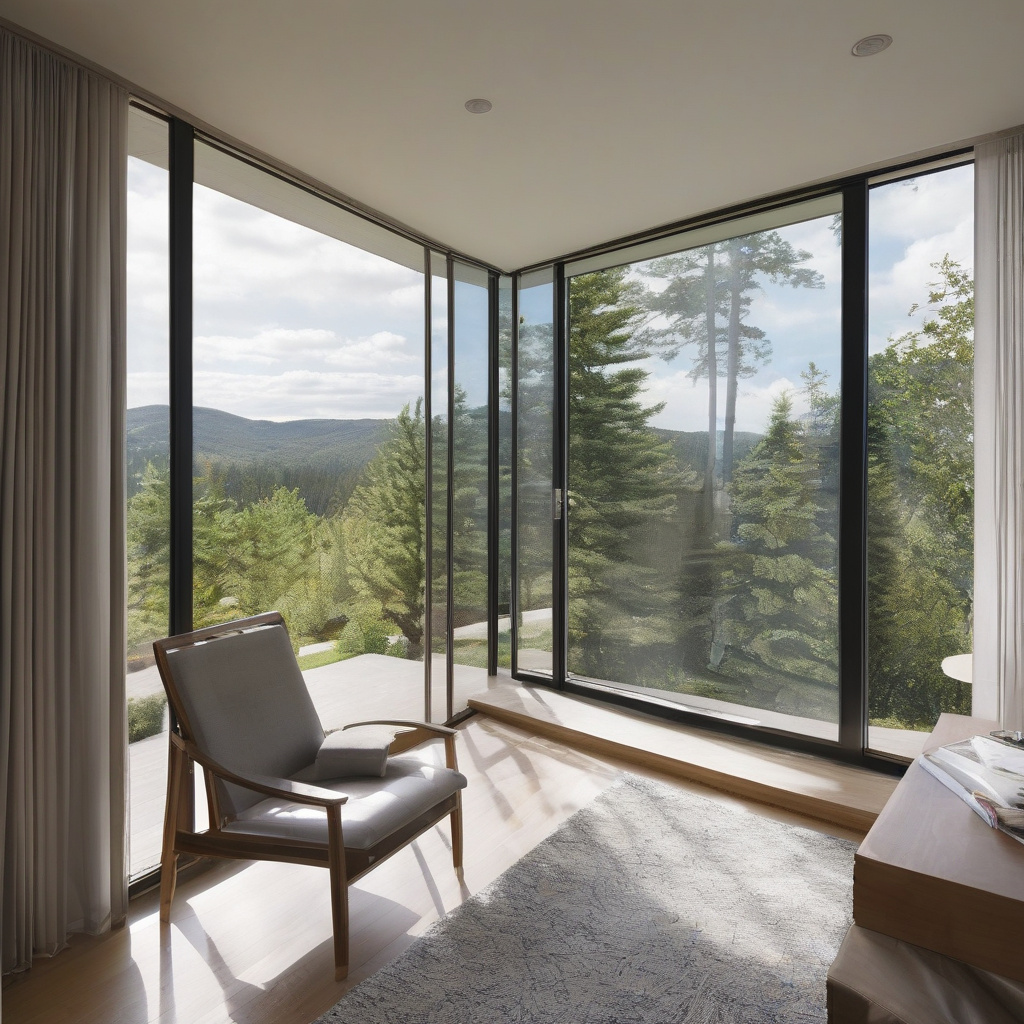
With myriad options and considerations at play, selecting the best choice requires thorough evaluation of home security priorities, aesthetic goals, and budget constraints. Both security film and laminated glass offer unique benefits that can be tailored to meet these demands.
Security films serve as a swift, economical step towards greater security with minimal commitment, ideal for temporary solutions. Conversely, laminated glass emerges as a robust investment, combining style with unparalleled protection, suitable for those planning long-term residence.
For the discerning homeowner, every facet of renovation holds potential for enhanced value, suggesting that sometimes the best choice involves combining materials to cover various vulnerabilities. The security film and laminated glass combination could serve as an impenetrable fortress to unwanted entry’s multiple facets.
Finally, incorporating the broader ethos of home security into window upgrades prompts consideration of natural transitions into further security mechanisms, enabling seamless integration that adheres to lifestyle rather than inconveniencing it.
- Security films add break-in time but are less durable than laminated glass.
- Laminated glass offers higher resistance and long-term savings.
- Considerations include cost, ease of installation, and overall security needs.
- Combining materials can maximize home safety.
- Improvements can boost resale value and align with lifestyle needs.
“`html
FAQ
What is the main difference between security window film and laminated glass?
In real renovation projects, homeowners often find there is a significant distinction between security window film and laminated glass. Security window film is a durable polyester layer applied directly to the glass surface, enhancing its resistance to impact without replacing the glass itself. On the other hand, laminated glass consists of multiple layers of glass sandwiched with a plastic interlayer, offering integrated protection. This structural difference means that while window films are an adaptable option for existing windows, laminated glass is frequently chosen in new constructions or major renovations, where maximum security is a priority.
How do I choose between security film and laminated glass for my home?
Deciding between security film and laminated glass involves assessing the specific needs of your home. Many experts point out that if you have an older property and are looking for a cost-effective solution to enhance window security, applying security window film is often the practical choice. It is less expensive and non-invasive. However, for newer builds or during an extensive renovation, investing in laminated glass might be smarter due to its comprehensive strength and long-term durability. Consider potential threats, budget constraints, and the aesthetic implications before making your decision.
When does it make sense to opt for security window film over laminated glass?
Choosing security window film over laminated glass makes sense in several scenarios. For instance, if you’re working with a tight budget or aiming to preserve the original windows in an older home, films can offer a quick, cost-effective solution. Homeowners frequently underestimate this aspect, thinking they have to replace windows entirely to increase security. Additionally, if you’re in a rental situation where replacing glass isn’t an option, window films provide temporary protection without permanent changes. Security films can be an ideal stopgap in urban areas with higher break-in risks, offering peace of mind with added resilience.
What are the typical mistakes homeowners make regarding break-in resistance for their windows?
In renovation and security upgrades, a common homeowner mistake is underestimating the importance of window frame strength. Many assume that adding a security film or opting for laminated glass is sufficient, ignoring the fact that a compromised frame can still provide an entry point for intruders. It’s crucial to ensure that frames are solid and systemically integrated with security measures. Another pitfall is not considering local building codes, especially in earthquake-prone areas like California, where additional compliance requirements might affect your choice.
How do costs compare between installing security window film and laminated glass?
Cost is often a deciding factor in window security upgrades. Security window films are generally less expensive than laminated glass. The initial installation of window film on existing glass is considerably cheaper, making it an attractive option for budget-conscious homeowners. However, while the upfront cost of laminated glass is higher due to the material and potential need for new window units, it offers better long-term value by potentially increasing the property’s marketability and energy efficiency. A balanced consideration of both upfront costs and eventual benefits is key.
What pros and cons should I consider for each option?
Both security film and laminated glass have their own pros and cons. Security films are advantageous due to their low cost, ease of installation, and adaptability to any window type, making them a flexible choice during renovations. However, they might not offer the same level of impact resistance as laminated glass. Laminated glass excels in security and energy efficiency, often providing sound insulation as well, which is beneficial in urban areas. The downside is the higher initial cost and the need for professional installation, which could be impractical on a tight budget.
Are there any maintenance or installation specifics I should be aware of?
Installation and maintenance requirements are crucial when selecting between security film and laminated glass. Security window films require a professional installation to avoid air bubbles and ensure proper adhesion, but they are relatively low-maintenance afterward. Laminated glass, being a sturdier option, involves more complex installation, potentially requiring changes to window frames to accommodate its thickness. Maintenance is minimal, but any damage is more costly to repair compared to replacing film, which can be redone relatively easy. For detailed advice on your specific situation, consider reaching out to professional renovation experts who can offer tailored guidance. A natural starting point could be [speaking with experts in your area](https://californiarenovation.top/contact/).
Can both options improve energy efficiency in addition to security?
Improving energy efficiency is a valuable side benefit of upgrading window security. Laminated glass provides enhanced thermal insulation due to its multi-layer composition, helping to reduce heating and cooling costs in homes. It effectively reduces UV penetration, thus minimizing interior fading and damage. Security film might also contribute to energy efficiency by reducing glare and the amount of solar heat entering a room, but its impact is generally less pronounced than that of laminated glass. In real-world home renovations, the choice between these options should weigh the energy impact alongside security needs.
“`