In the sun-drenched, style-obsessed playground that is Los Angeles, where every home is a reflection of its owner’s taste and a chance to flaunt that Los Angeles lifestyle, the choice between open shelving and upper cabinets in the kitchen isn’t just about aesthetics—it’s a statement. This design decision can shape not only how you live in your space but also how you keep it. Let’s unpack the allure and the pitfalls of these popular storage options amidst the architectural vibes of Southern California.
Brief summary: This article explores the contrasting styles of open shelving versus upper kitchen cabinets, weighing their benefits and drawbacks in the context of Los Angeles homes. With insights on cost, maintenance, and style, it helps homeowners decide which option best suits their needs and lifestyle.
Open Shelving: The New Staple of Californian Kitchens
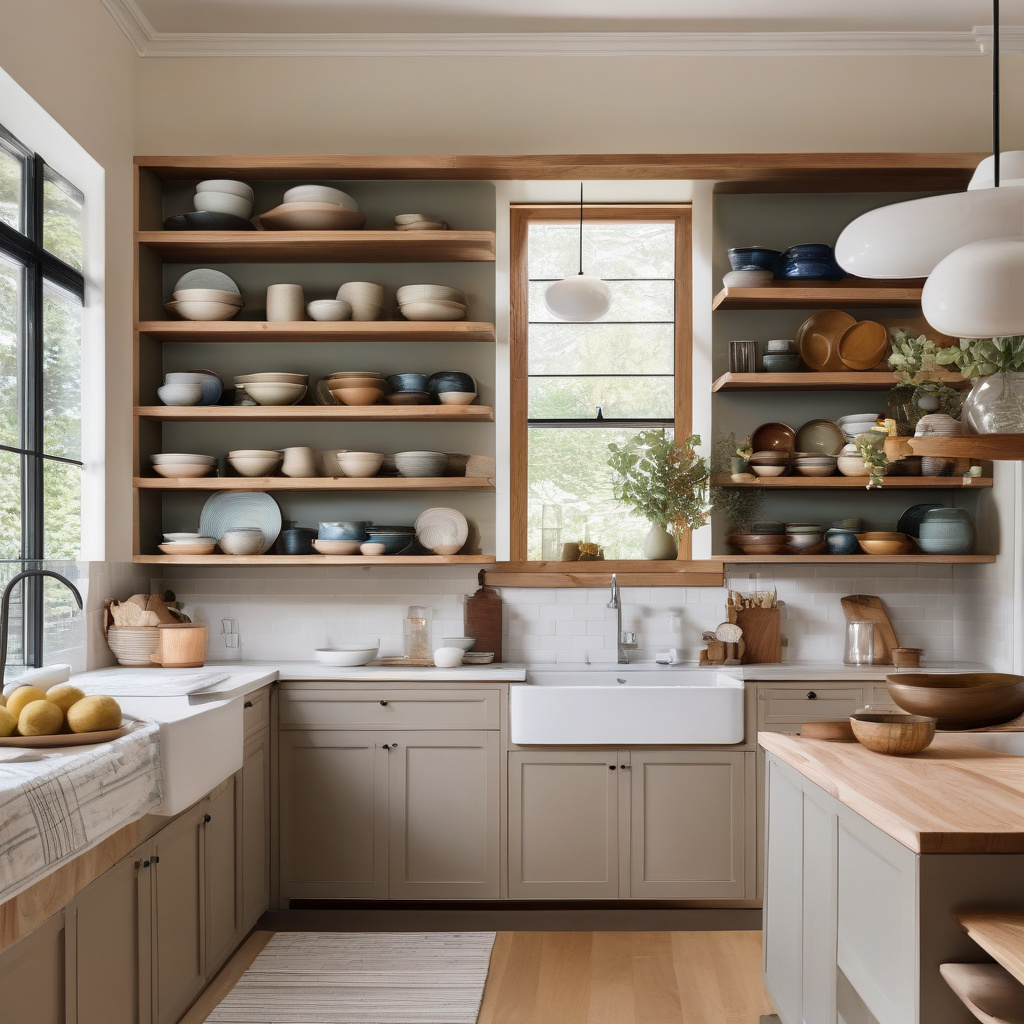
Open shelving has made a grand entrance into the Californian kitchen aesthetic, promising an airy, spacious feel that resonates with the region’s love for light and openness. It invites homeowners to curate their kitchen items, transforming everyday dishes into pieces of decoration. The trend aligns perfectly with the modern, minimalist ethos of Los Angeles, providing more than just a functional space but also a canvas for expression.
However, it’s not without its drawbacks. While the visual appeal is undeniable, open shelving’s exposure means every item must be carefully considered—ill-matched mugs and random spices could disrupt the harmony. For many, the biggest concern is dust. With Southern California’s seasonal winds, dust becomes a companion on these shelves faster than you can say “spring cleaning.”
Local designers suggest integrating statement pieces on open shelves, like artisanal bowls or vintage glassware, which demand attention and offer a personal touch. Yet, this means constant upkeep and organization—no easy feat in a bustling Californian home.
Despite these challenges, many Angelenos embrace open shelving as it champions both openness and creativity, catering to those unafraid to display their kitchen wares with pride. For those embarking on a kitchen remodel in Los Angeles, this style can add a modern twist that’s hard to resist.
Ultimately, the decision to include open shelving should echo one’s lifestyle. If flexibility and flair are of equal importance, this could be your perfect match.
An industry study noted that homes with contemporary kitchen designs, including open shelving, see a resale value increase of up to 13% in urban areas like Los Angeles.
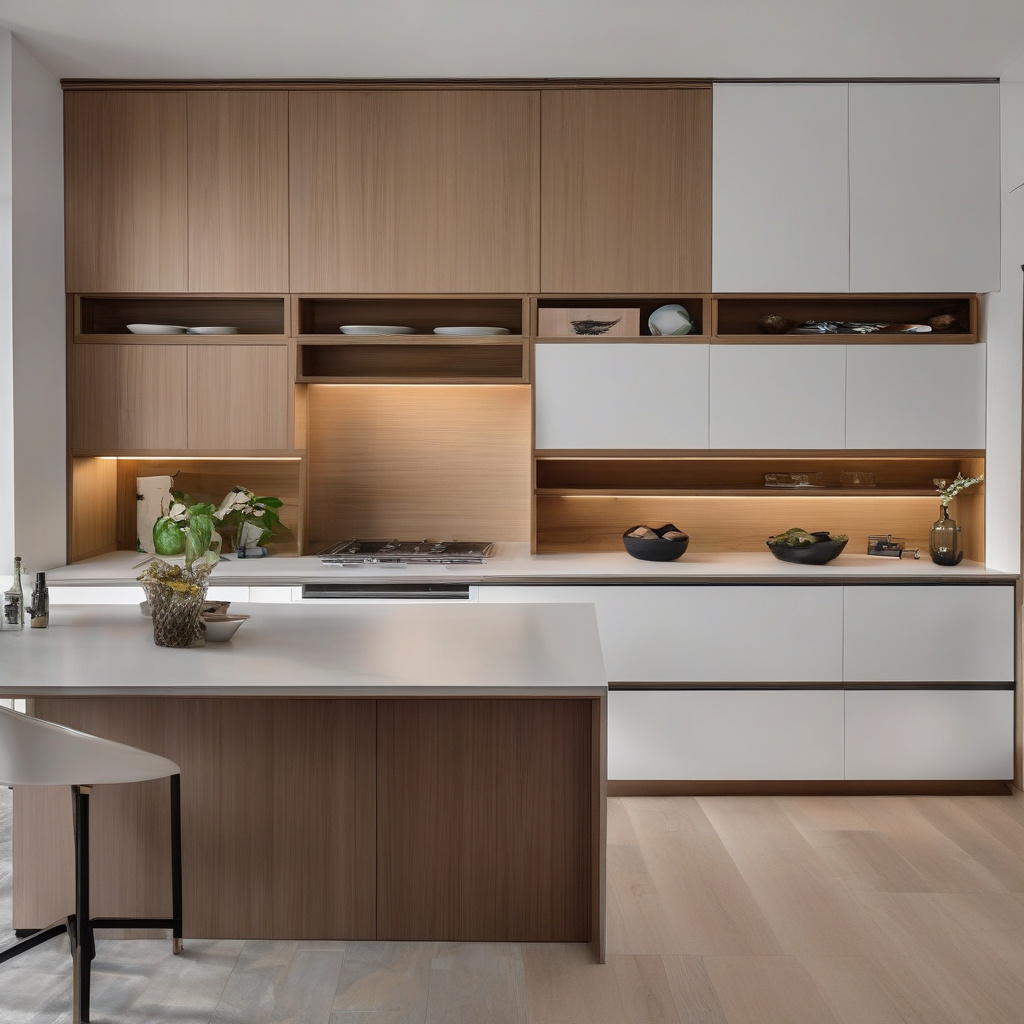
Upper Cabinets: Classic, Concealed, Compelling
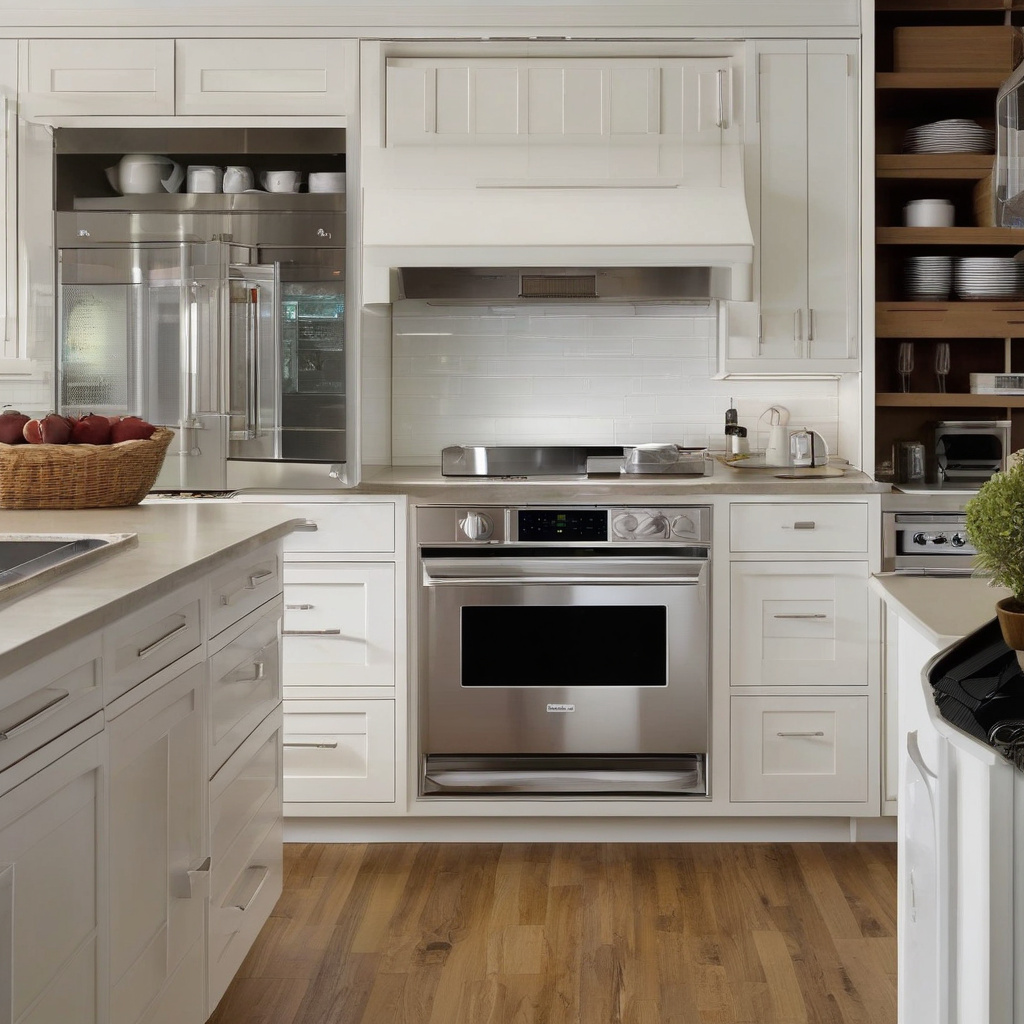
On the flip side, upper cabinets remain a steadfast choice for those who favor practicality over panache. In a city where lifestyles are often fast-paced, the ability to simply shut a door on clutter is invaluable. Upper cabinets offer homeowners just that—privacy and simplicity in maintaining a tidier kitchen.
These cabinets have long been the standard, not just for their convenience but for their ability to provide ample storage without the need for constant display readiness. In the architectural landscape of Southern California, upper cabinets blend functionality with understated sophistication, making them suitable for both modern and traditional kitchens alike.
Cost-wise, solid wood or custom cabinetry can run on the higher end, but the investment pays dividends in durability and classic style. Many Southern Californians appreciate the longevity and the seamless integration these cabinets offer, especially in historic homes that populate various neighborhoods.
When it comes to soundproofing, closed cabinetry edges out open shelving, helping to mask the noise of modern appliances—a crucial consideration as home technology becomes quieter yet more advanced.
In conclusion, while upper cabinets might lack the breathability of open shelves, they compensate with unmatched convenience and a polished finish that never truly goes out of style.
Real-World Costs and Considerations
To provide a practical perspective, it’s essential to examine the costs associated with each of these options. Open shelving typically involves shelving planks, wall mounts, and finishes like paint or stain. On average, an open shelving installation can be completed for a modest budget, especially if utilizing reclaimed wood or budget-friendly materials. In contrast, upper cabinets involve carpentry, possibly custom designs, and installation labor, making them a more significant financial investment.
Budgeting for these options requires foresight and clear objectives. For many Los Angeles homeowners, choosing right means weighing practical need against aesthetic desire, all while considering the long-term upkeep.
| Aspect | Open Shelving | Upper Cabinets |
|---|---|---|
| Installation Cost | Lower | Higher |
| Maintenance | Higher | Lower |
| Aesthetic Appeal | High, Open | Classical, Neat |
| Noise Management | Lower | Higher |
An expert insight from a Los Angeles interior designer emphasizes that “upper cabinets are timeless, ensuring your kitchen remains in vogue, irrespective of passing trends.”
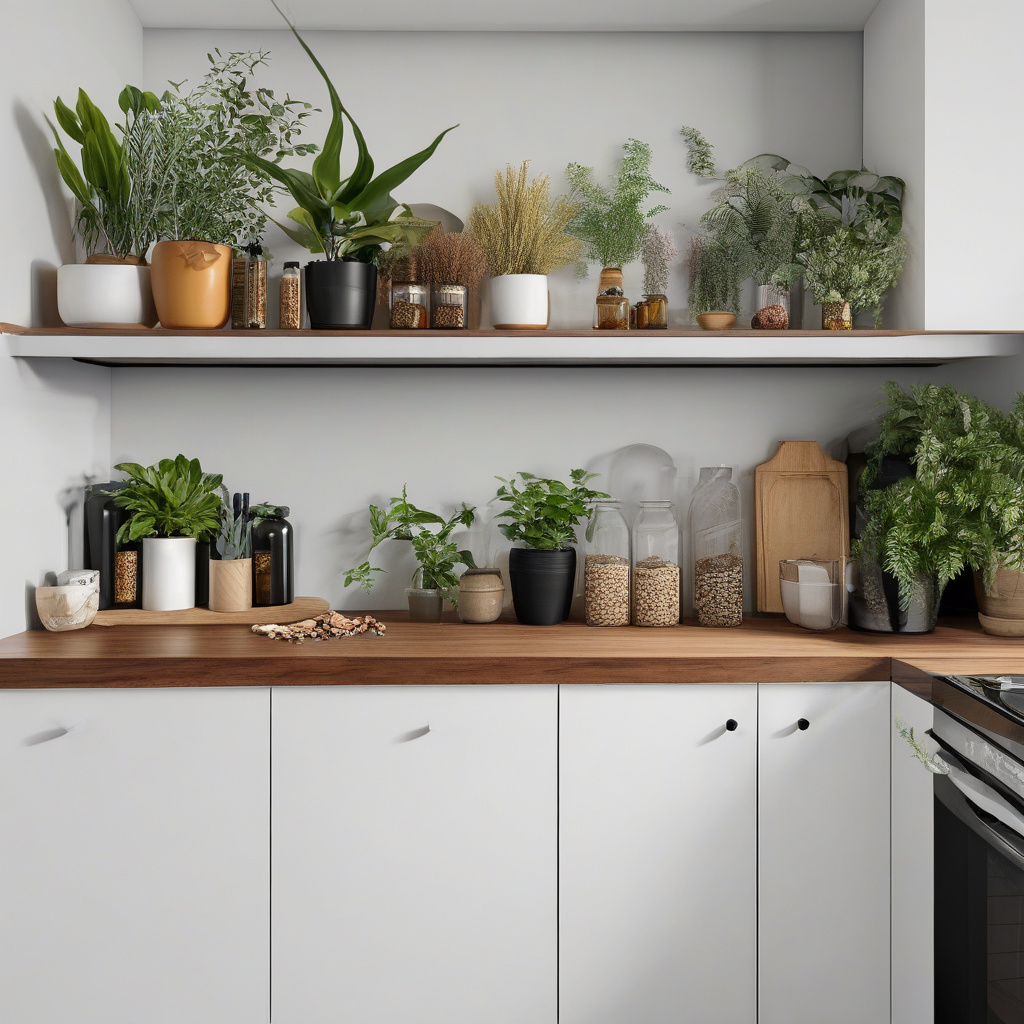
The Material Debate: Quality and Design
Both styles offer a plethora of material choices, each with its own set of benefits and drawbacks. Open shelving often uses lighter woods or metals to emphasize airy design, while upper cabinets tend to favor solid woods and engineered materials designed for load-bearing strength and longevity.
In Los Angeles, where sustainable living is cherished, recycled materials and eco-friendly finishes are increasingly popular choices. These materials not only align with environmental values but also contribute to a distinctive look.
Ensuring the materials suit the kitchen’s overall appearance is crucial. For instance, sleek, high-gloss cabinets can clash with rustic, raw wood shelves, resulting in an aesthetic dissonance that’s better avoided.
Many homeowners find guidance in the classic concept of the “kitchen triangle,” focusing on optimizing the placement of crucial areas like the sink, stove, and refrigerator. It’s a principle that directly interacts with storage choice, as getting this wrong can dramatically affect kitchen efficiency.
To wrap things up, while the choice of materials in open shelving or upper cabinets may initially seem overwhelming, focusing on utility, harmony, and sustainability can simplify the decision process.
An industry statistic reveals that homes with eco-friendly kitchen installations enjoy a 5-12% higher market value, appealing to environmentally conscious buyers.
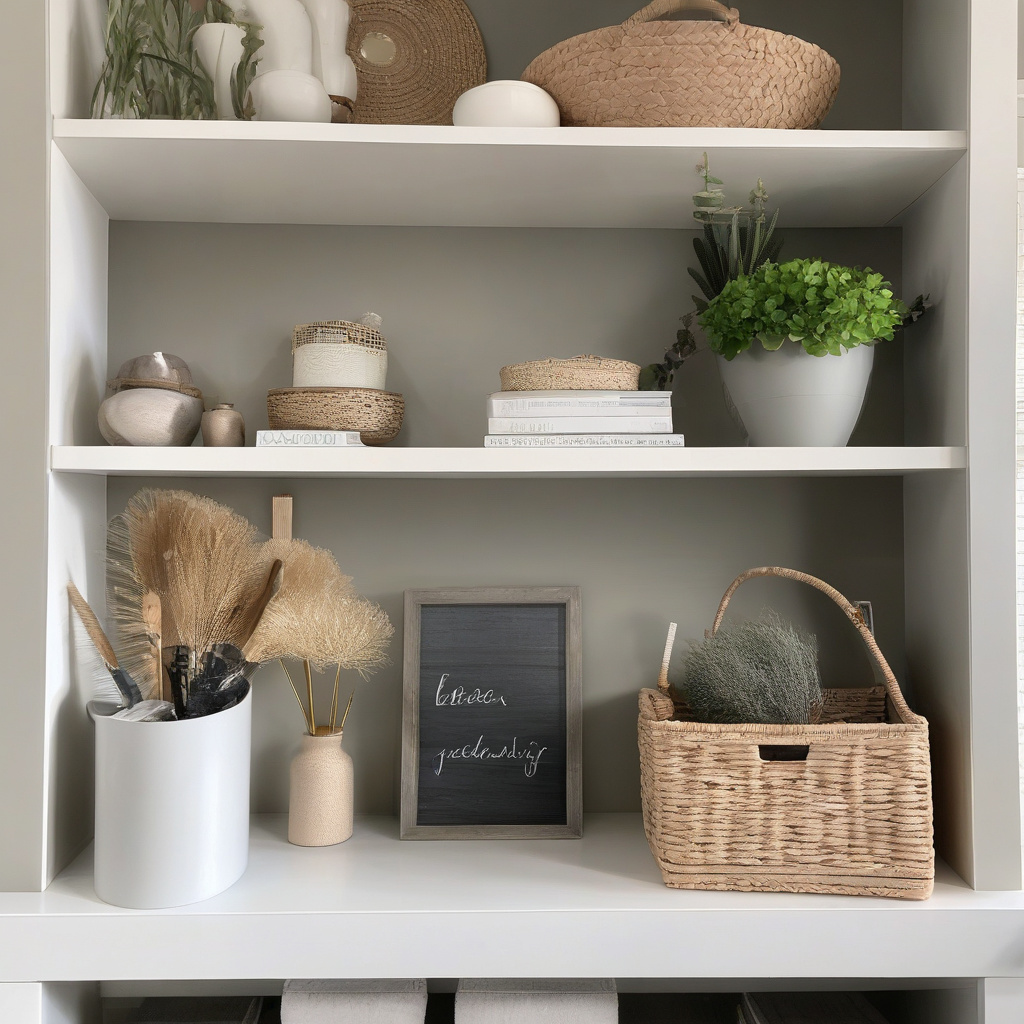
From Concept to Completion: Steps to a Successful Kitchen Update
Updating a kitchen, especially in a trend-driven city like Los Angeles, requires strategic planning and a clear vision. Start by evaluating your cooking habits and lifestyle demands. Do you crave display space for your artisanal pottery or need enclosed storage to streamline daily tidying?
Next, create a budget that accommodates not only the materials and labor but also any unforeseen expenses, which are a common occurrence in renovations. Seeking quotes from multiple suppliers and contractors can offer insights into reasonable expectations regarding timelines and costs.
Consider engaging a professional for insights into the latest trends and technology that can enhance your space’s functionality while retaining its charm. Their expertise can help navigate pitfalls such as improperly hung shelves or awkward cabinet placements.
Finally, ensure the installation process is closely monitored. This small step prevents mishaps and ensures the project stays true to your envisioned layout. As you embark on this journey, remember the styles that resonate with Los Angeles homes, such as a farmhouse kitchen with a modern twist, could inspire your next steps.
In summary, thoughtful planning and a keen eye for detail can transform your kitchen from the mundane to the extraordinary.
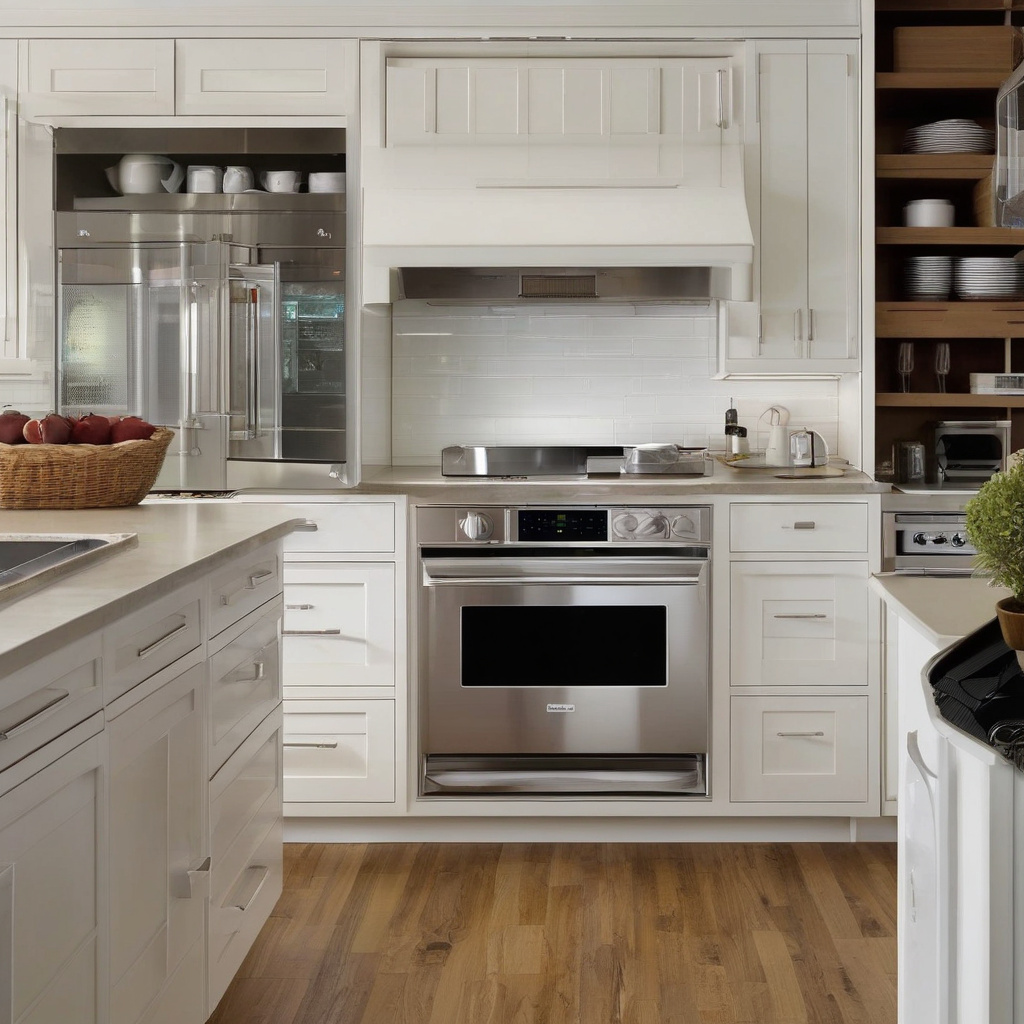
The Final Verdict: Crafting a Kitchen That Fits
Choosing between open shelving and upper cabinets in Los Angeles isn’t just a matter of style—it’s about creating a space that fits your life. Open shelving offers the chance to highlight both taste and flexibility but demands the diligent upkeep that comes with a more dynamic display.
In contrast, upper cabinets provide a sense of order and discretion, delivering the reliability and timelessness many prefer in the evolving architectural narratives of Southern California.
Each brings its unique set of benefits and appeals to different lifestyles and aesthetics, indicating that the ultimate choice should cater to personal preferences, practicality, and long-term goals.
Whether your heart leans towards the fresh openness of shelving or the classic comfort of cabinetry, let this renovation decision echo your personality as strongly as your city’s vibrant diversity demands.
As you take your kitchen into the next decade of design trends, remember: in Los Angeles, a kitchen is not just a room—it’s a reflection of you.
- Open shelving provides visual openness but requires more upkeep due to dust and clutter exposure.
- Upper cabinets offer practical hidden storage, suitable for those seeking simplicity and organization.
- Consider budgeting for installation, materials, and potential noise concerns inherent in both choices.
- The choice should reflect personal use, aesthetic desires, and long-term maintenance considerations.
- Los Angeles kitchens benefit from design harmony and the integration of eco-friendly materials and techniques.
“`html
FAQ
What are the main advantages of open shelving in kitchens?
In real renovation projects, the appeal of open shelving often lies in its ability to create a sense of spaciousness and style. Homeowners love the easy access it offers, which can be a game-changer during hectic meal preps. Open shelves also allow you to display beautiful dishware or decorative items, turning them into a focal point that adds personality and warmth to your kitchen. However, one must carefully consider the need for regular dusting and the commitment to keeping items visually pleasing, as this is a common pitfall for those used to traditional cabinets. The openness can be both a blessing and a challenge depending on your organizational habits.
Why might homeowners choose upper cabinets over open shelving?
Many experts point out that upper cabinets offer a more practical solution for those who prioritize organized storage. They hide clutter—protecting it from dust and keeping everything neatly out of sight—which is particularly useful in homes where storage needs overpower aesthetic considerations. Cabinets are often favored in homes with a more traditional design or where a sleek, uniform look is desired. Besides, they tend to simplify maintenance by hiding less-than-perfectly arranged items, giving homeowners peace of mind. However, choosing cabinets might mean sacrificing some wall space openness, so it’s a decision that balances aesthetics and functionality.
How do open shelving and upper cabinets compare in terms of cost?
In terms of cost, open shelving often provides a more budget-friendly alternative to upper cabinets. Installing shelves generally requires less material and labor, making it an attractive choice for cost-conscious homeowners. However, it’s essential to factor in the potential need for high-quality shelf supports and stylish brackets, which can raise costs. On the flip side, while upper cabinets might involve a higher initial expense due to the materials and installation complexity, they offer long-term value by their durability and storage efficiency. Ultimately, your choice should consider not just immediate costs but also how each option fits into your overall kitchen use and design.
Are there common mistakes to avoid when choosing open shelving?
Homeowners frequently underestimate the importance of planning when it comes to open shelving. One common mistake is overcrowding shelves, which undermines the aesthetic appeal and functionality. Another is selecting shelving that lacks the strength to support heavier items, leading to potential safety hazards. To avoid these issues, it’s crucial to carefully plan what each shelf will hold and choose appropriate materials and supports. Also, consider how sunlight and kitchen activities might affect what’s stored on these shelves, especially in regions like California, where intense sunlight can deteriorate certain items quickly.
What maintenance considerations should homeowners be aware of with open shelving and upper cabinets?
Open shelving and upper cabinets come with distinct maintenance requirements. Open shelves demand more frequent cleaning since they easily collect dust and grease—an unavoidable challenge in active kitchens. Regular dusting and occasional deep cleaning are necessary to keep them looking their best. In contrast, upper cabinets offer more straightforward cleaning routines as their surfaces are less exposed. A periodic wipe down is usually sufficient. However, their doors and hinges might require occasional adjustment to maintain perfect alignment. Proper maintenance routines will prolong the life and look of either option, so it’s worth considering your lifestyle and commitment level before deciding.
How can I best utilize open shelving to enhance kitchen decor?
Styling open shelves can transform your kitchen into an inviting space. Start by selecting items that complement the kitchen’s color scheme and mood—bright ceramics for a pop of color or rustic wood for a farmhouse feel. Mixing practical items with decorative elements, like plants or art, adds character. Many seasoned decorators recommend using a combination of textures and heights to create visual interest. Stack items in groups, but avoid overcrowding to maintain a clutter-free appearance. This approach not only enhances aesthetic appeal but also keeps the space functional and personalized. For further design advice, you might want to reach out to a professional for guidance.
When does opting for upper cabinets make more sense than open shelving?
Upper cabinets are particularly advantageous for those with significant storage needs or who prefer a more concealed kitchen layout. In homes with a lot of cooking activity, keeping items behind closed doors helps reduce cleaning workload since they’re protected from grease and dust. Additionally, upper cabinets are ideal when kitchen items need to stay hidden from view, such as during family gatherings or entertaining guests. Choosing cabinets might also promote better organization if you have numerous items to store, as they can be equipped with custom inserts and dividers that maximize space efficiency. Ultimately, they fit homes where functionality and a sleek finish are high priorities.
Can you blend open shelving with upper cabinets in a single kitchen design?
Absolutely! Mixing open shelving with upper cabinets is a popular design choice, offering the benefits of both storage solutions. This hybrid approach can add visual interest and texture to your kitchen while maintaining practicality. For instance, you could place open shelves near cooking areas for easy access to frequently used items, while cabinets in other sections store less attractive necessities. This method allows homeowners to selectively showcase aesthetically pleasing items while keeping essential or messy items out of sight. Achieving this balance is especially beneficial in homes where space optimization and ambiance go hand in hand, taking advantage of both styles effectively.
“`