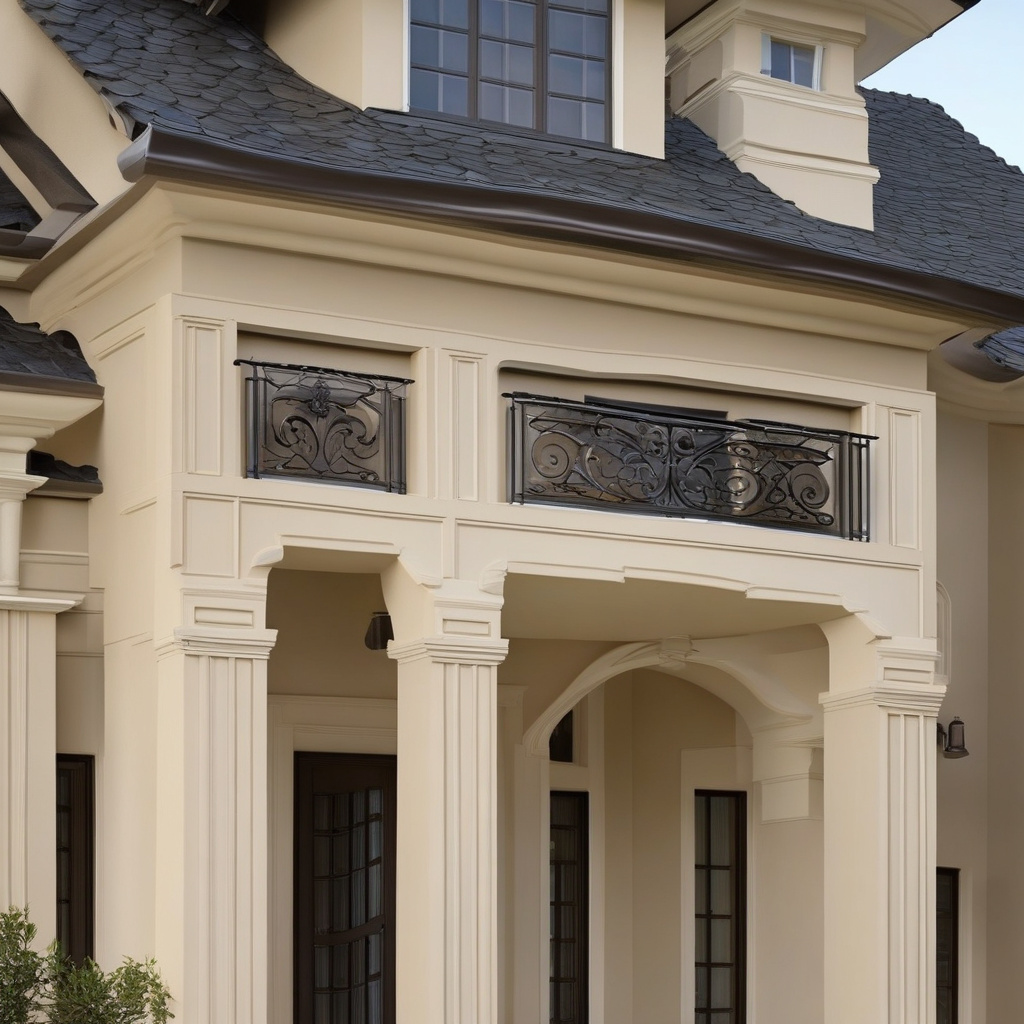
Step into any grand old Hollywood mansion, and you’ll often find yourself marveling at one thing: the intricate artistry of facade molding. These elegant details not only embellish the outer beauty of a home but elevate the interiors to an art form, as well. Here in Los Angeles, where creativity and architecture go hand in hand, the use of decorative stucco has surged as a stylish, smart investment for homeowners seeking to add sophistication and value to their properties.
Brief summary: Facade stucco molding has become a popular choice for homeowners in Los Angeles looking to enhance the aesthetic appeal and value of their homes. This article delves into the transformation potential of facade molding, exploring its various applications, benefits, and tips for choosing and maintaining these architectural gems.
What You Should Know About Facade Molding
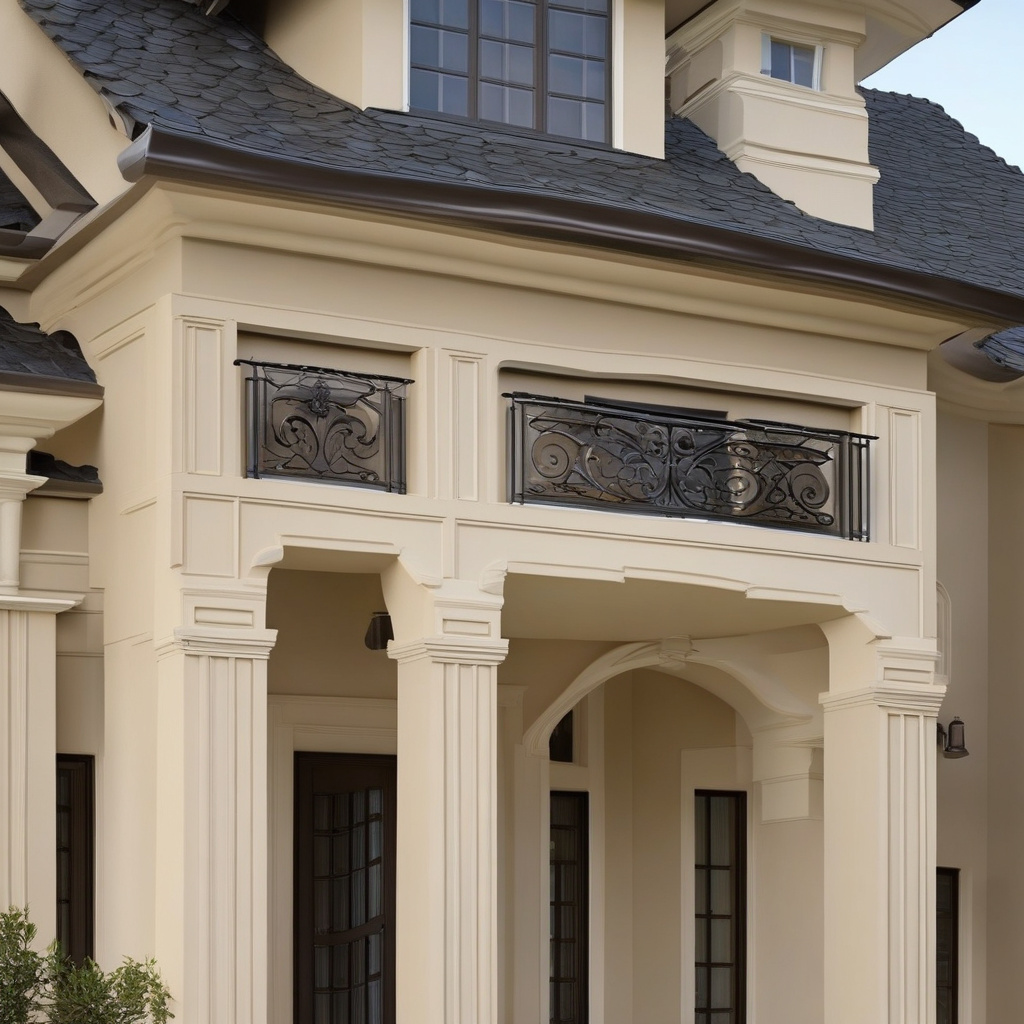
Facade molding, an enduring fixture in architectural design, serves both decorative and practical purposes. These moldings add depth and character to plain surfaces, transforming basic facades into elegant masterpieces. Homeowners who opt for facade molding often witness a dramatic transformation, turning the ordinary into the extraordinary. This isn’t just about looks; stucco moldings provide a layer of protection against the elements, contributing to the longevity of your exterior.
Beyond aesthetics, facade moldings can significantly enhance the energy efficiency of a home. By incorporating thermal barriers, these structures help maintain consistent indoor temperatures, reducing reliance on heating and cooling systems. In a sun-kissed city like Los Angeles, with its temperature fluctuations, efficient energy use isn’t a mere luxury; it’s a necessity.
Moreover, it’s important to understand that not all facade moldings are created equal. Quality varies depending on materials, craftsmanship, and installation techniques. Whether you’re house-hunting or embarking on a renovation project, understanding these nuances can guide you toward more informed decisions.
Maintenance is another critical aspect to consider. While moldings can be relatively low maintenance, occasional repairs or recoating might be needed to keep them looking their best. Regular checks for cracks or peeling can prevent more significant issues down the line. In conclusion, knowledge is power, especially when it comes to preserving and enhancing your home’s facade.
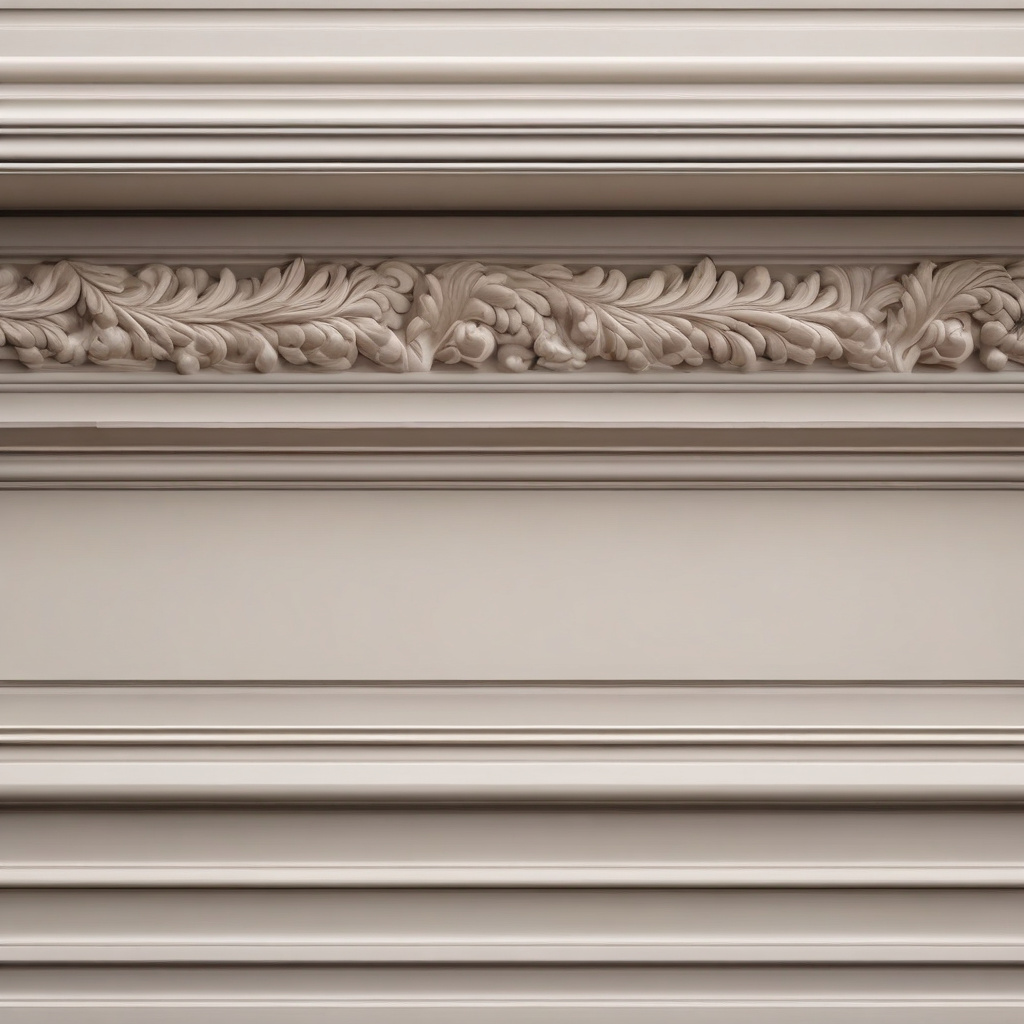
How to Choose the Right Molding for Your Home
Choosing the perfect facade molding for your home requires careful thought and a pinch of creative flair. Begin by considering the architectural style of your home. A Victorian home benefits from ornate, intricate moldings, while a modern abode might favor sleeker, minimalist designs. Local experts frequently stress that a mismatch in style could throw off the aesthetic balance of your home, turning elegance into eyesore.
Once style is accounted for, material choice becomes equally crucial. Stucco moldings are popular for their versatility and durability, available in options such as traditional cement, acrylic, or synthetic varieties. Each material comes with its own set of benefits and maintenance requirements, making it crucial to weigh your options carefully.
It’s often useful to consult with professionals who can offer insights based on their experience with the ins and outs of exterior trim work. With their knowledge, you’ll learn which styles best suit your needs, often steering you away from potential pitfalls. Such guidance can be a game-changer for uninformed homeowners navigating the vast sea of options.
In summary, the molding you choose is not merely a decorative flourish; it’s an investment. By understanding your home’s style and the material options available, you can ensure that your choice is both beautiful and practical.
The Art and Craft of Installation
Installation is where facade molding truly proves its worth. A professional touch is often required to ensure flawless execution. Though DIY projects offer a tempting appeal, particularly for budget-conscious homeowners, improperly installed moldings can detract from your home’s appearance, leading to costly repairs.
Contractors with experience in Los Angeles architecture can provide invaluable insights and skills. This becomes particularly important given the unique environmental stresses Southern California homes face, from seismic activity to sun exposure.
For those inclined towards DIY, detailed instructions are indispensable. Before attempting installation, research resources such as industry publications or workshops that can guide you through the project. It’s no surprise that experts often emphasize the value of combining passion with prudence.
Ultimately, the craftsmanship involved in executing facade moldings is a delicate balance of skill and artistry, ensuring your home stands out with style and substance.
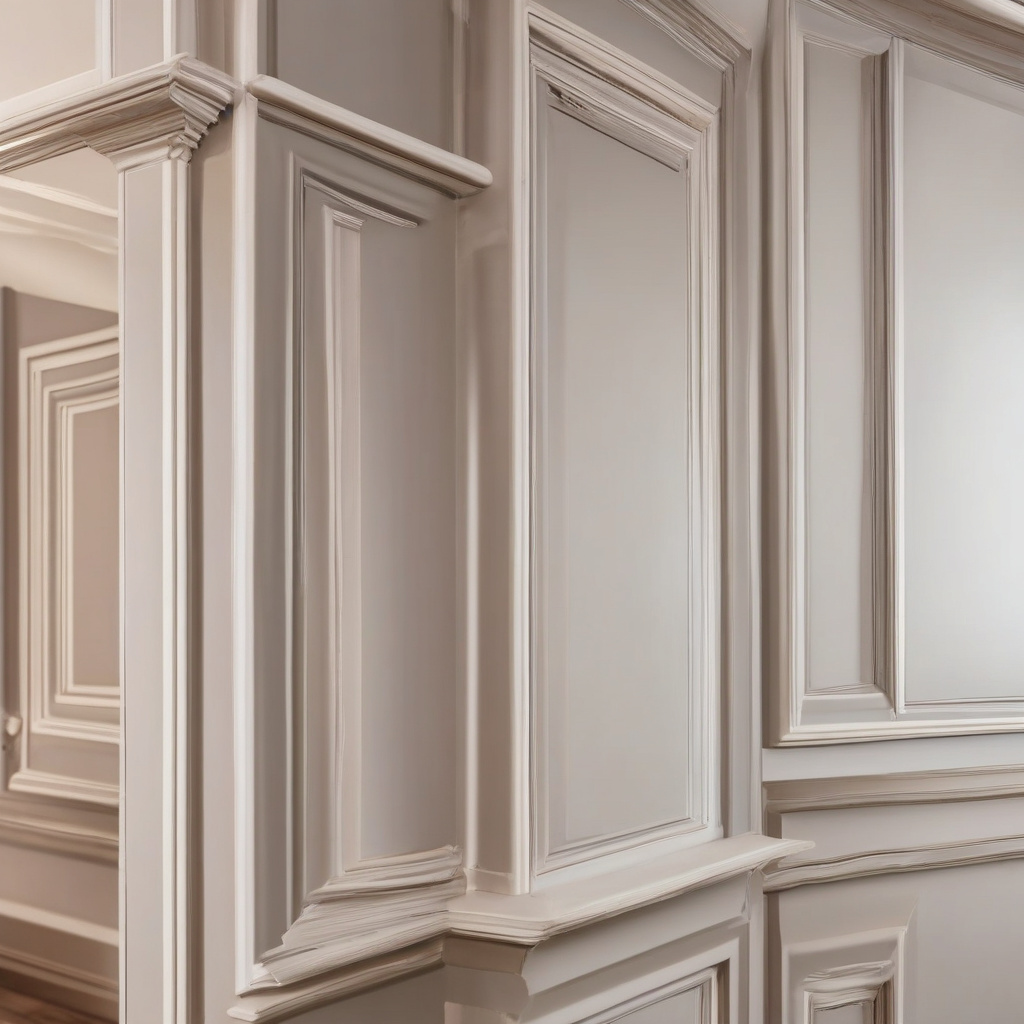
When It Makes Sense to Invest in Facade Moldings
Timing can often be everything when incorporating facade moldings into your home renovation plans. New home constructions provide a prime opportunity to integrate moldings seamlessly, allowing for more creativity and less hassle. During an overhaul or exterior repaint, many choose to upgrade their moldings, pairing fresh colors with detailed designs.
Remodeling in phases can also be strategic. Tackling sections of your home over time rather than all at once can spread out costs, offering more budgetary flexibility. This phased approach is particularly advantageous in managing larger estates with expansive facades.
From financial growth perspectives, facade moldings can dramatically increase a property’s market value. In the context of a competitive Los Angeles real estate market, elevated curb appeal translates into tangible returns, attracting discerning buyers.
That said, investing in facade moldings should always be weighed against pertinent factors such as budget constraints, long-term homeownership plans, and current property values. When done wisely, these investments offer a harmonious blend of aesthetic brilliance and fiscal prudence.
Looking Beyond Beauty: Practical Benefits
While facade moldings add undeniable aesthetic value, their practical benefits are equally noteworthy. They act as crucial barriers, protecting your home from environmental wear and tear. By shielding walls from moisture and severe weather conditions, moldings contribute to the overall integrity and longevity of the structure.
Energy efficiency is another vital factor. Insulating qualities result in decreased utility bills, allowing for reduced energy consumption—a significant advantage in today’s eco-conscious world. Given the escalating energy costs in cities like Los Angeles, facade moldings serve dual roles as beautifiers and capital savers.
The choice to install facade moldings is as much about enhancing strength and resilience as it is about achieving visual appeal. As homeowners often discover, effective home improvements rarely serve singular purposes.
In a landscape where aesthetics and function should coexist harmoniously, facade moldings demonstrate where beauty meets pragmatic design.
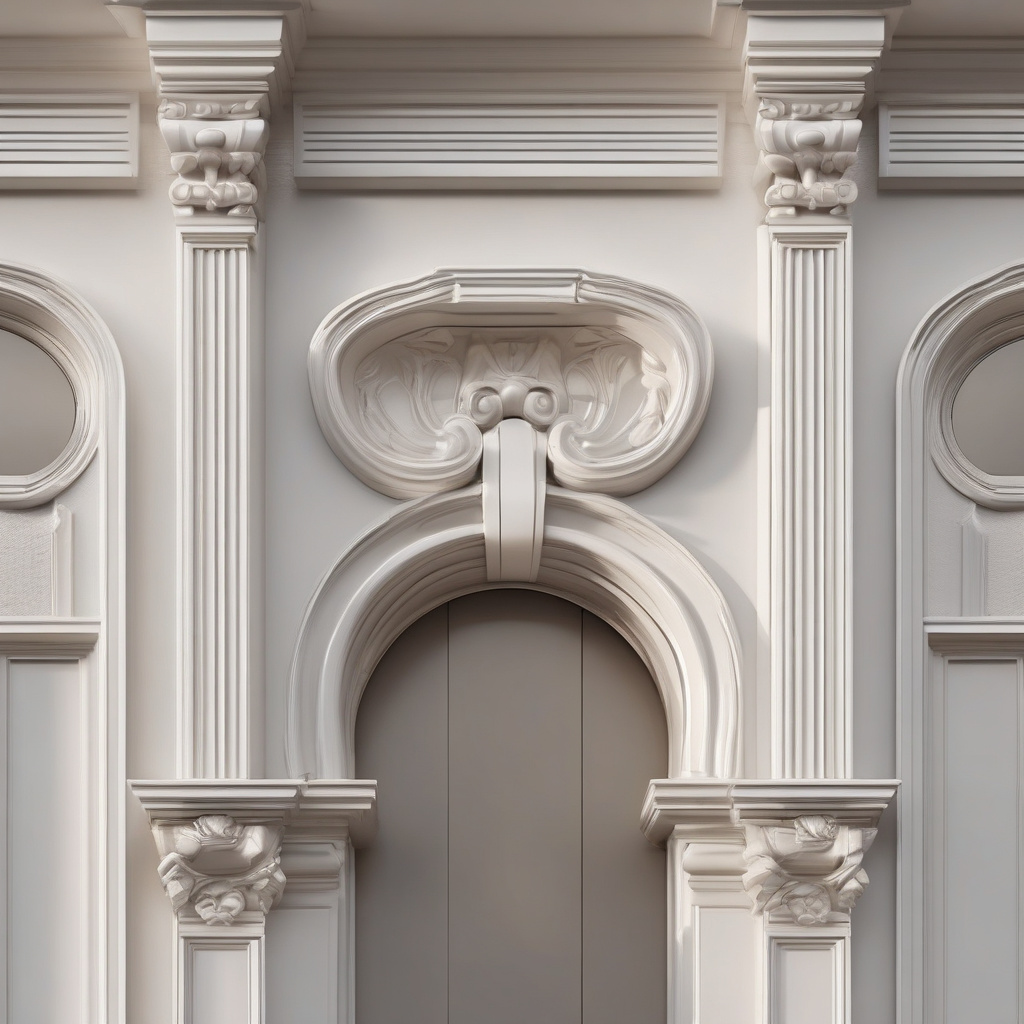
Thermal Panels vs. Stucco: Which Is Right for You?
Choosing between facade moldings and thermal panels is like deciding between artistry and efficiency—each has its advantages and pitfalls. Stucco moldings focus more on the artistic embellishment of a facade, whereas thermal panels are stronger players in insulation and energy efficiency.
One of the key considerations when choosing between these two is climate. In regions like Los Angeles, where thermal management can drastically impact monthly bills, thermal panels have become highly attractive. Stucco moldings, on the other hand, provide richer texture and are often sought for stylistic enhancement.
Cost is another differentiator. While both options are investments, initial outputs can vary. Stucco moldings typically command higher artistic labor costs, whereas thermal panels involve more significant upfront material investment but return savings over time through reduced energy bills.
As renovations go, what’s essential is aligning each solution with specific homeowner needs. Ultimately, deciding between stucco and thermal panels means choosing between aesthetic elevation and energy savings.
| Criteria | Stucco Moldings | Thermal Panels |
|---|---|---|
| Material Cost | Moderate | High |
| Installation Complexity | High | Moderate |
| Energy Efficiency | Low | High |
| Aesthetic Flexibility | High | Moderate |
The Risks and Opportunities of Facade Moldings
In the world of home renovation, any project comes with an element of risk and opportunity, and facade moldings are no exception. A poorly executed job can leave homeowners grappling with visual inconsistencies and financial regrets. Yet, done correctly, facade moldings hold transformative power, turning drab facades into eye-catching features. Like a skilled maestro, the right professional can harmonize design and durability, scaling the peaks of aesthetic achievement.
For many, the decision to enhance a home with decorative moldings represents a bold step toward personalized design. It’s a journey into a world of creativity, where artistic expression finds its place in structured architecture.
Moreover, when played to fiscal advantage, moldings may enhance resale value—a crucial consideration in a real estate hub like Los Angeles. As with all investments, risks exist, but the opportunities for style, sophistication, and profit are ripe for those willing to wield their hammers with care.
Collateral to the cost of such embellishments is the potential gain, and consequently, the satisfaction of residing in a home that truly reflects the essence of its inhabitants—a perfect blend of personal taste and calculated investment.
Easy Steps for Facade Installation
Considered by experts in the field as a beneficial challenge, installing facade moldings requires a step-by-step approach to ensure success:
1. Assessment: Begin by evaluating your home’s exterior, noting dimensions, materials, and any existing moldings.
2. Design: Choose a style that complements your architecture, factoring in visual and functional goals.
3. Material Selection: Decide on appropriate materials, consulting with professionals to weigh the pros and cons.
4. Professional Installation: Hire skilled contractors adept in masonry and intricate detailing.
5. Maintenance: Schedule regular inspections to address and preempt any deterioration or damage.
“The market for home renovation services in the United States hit an estimated $450 billion in 2023, showcasing the sector’s robust growth and homeowners’ increasing desire to invest in property enhancements.”
“Many renovation veterans argue that the secret to a successful exterior facelift lies in balancing aesthetics with durability, ensuring both immediate appeal and long-term resilience.”
“According to energy analysts, homes with proper insulating facades can lower heating bills by up to 30%, which is a critical edge in regions like California where energy costs continue to rise.”
- Facade moldings enhance both aesthetic charm and property value.
- Choosing the right style and material is crucial for lasting appeal.
- Professional installation ensures durability and flawless execution.
- In Los Angeles, such renovations can significantly lower energy bills.
- Considering all factors, moldings are an investment in style and efficiency.
“`html
FAQ
What is facade stucco molding?
Facade stucco molding is a decorative architectural element used to enhance both the interior and exterior of buildings. In practical renovation projects, it serves as an elegant way to add visual interest and texture to otherwise plain walls. Experienced decorators often recommend it for its versatility, as it can be customized to fit modern designs or restore historic details, making it a popular choice for both new builds and older home renovations.
How do I choose the right facade molding for my home?
Selecting the right facade molding depends on your home’s architectural style and the look you aim to achieve. Many experts stress the importance of considering scale and proportion. For instance, a subtle molding might suit contemporary homes, while elaborate designs could enhance classical styles. The key is to ensure the molding complements rather than overwhelms existing features. Consulting with an experienced contractor can provide valuable insights tailored to your specific needs.
When does it make sense to add facade stucco molding?
Adding facade stucco molding is particularly sensible during major renovations or when updating a home’s aesthetic appeal. It’s an excellent option if you plan to enhance curb appeal or complete renovations involving exterior siding changes. In many Californian single-family homes, homeowners choose stucco moldings to bridge modern updates with original architectural features. Timing these additions during siding or painting projects can optimize labor and cost efficiency.
What are common mistakes when installing facade molding?
A frequent pitfall during facade molding installation is neglecting the compatibility with weather conditions, especially in varied climates like California’s. Improper sealing and choice of materials that aren’t moisture-resistant can lead to premature wear. Additionally, many underestimate the complexity of seamless alignment and adequate bonding with existing structures. Consulting a professional ensures that these factors are accounted for, avoiding costly repairs down the line.
What are the cost considerations when using facade molding?
Cost can vary based on material choice, design complexity, and the scope of the project. In many Californian markets, lightweight synthetic options can be more economical than traditional materials like stone. Homeowners should be mindful of installation costs, which can be significant due to the need for skilled craftsmanship. Remember, investing in quality materials can reduce long-term maintenance and replacement expenses, ultimately offering better value.
What are the benefits and limitations of facade stucco molding?
The primary benefit of facade stucco molding is its ability to transform a home’s aesthetic, adding elegance without the need for major structural changes. It can enhance curb appeal and increase property value. However, limitations include potential high maintenance if not installed properly, and the challenge of matching moldings with existing architecture for a cohesive look. Assessing these factors allows homeowners to make informed decisions about their renovation strategies.
How do I maintain facade stucco moldings?
Maintaining facade stucco moldings involves regular inspections for cracks or gaps, especially in climates with temperature fluctuations. Keeping the moldings clean and ensuring they’re properly sealed can extend their lifespan. In practice, many professionals recommend addressing minor damages promptly, which can prevent more extensive repairs. For those unsure of the best maintenance practices, connecting with experts through available resources like this [renovation contact page](https://californiarenovation.top/contact/) offers valuable guidance.
What are typical installation specifics for facade stucco molding?
Installation specifics for facade stucco molding demand precision and an understanding of building principles. It often involves attaching moldings to substrates like cement boards or directly to surfaces with adhesive and mechanical fasteners. Experts highlight the importance of prepping surfaces to ensure lasting adhesion. An experienced installer will also take care to align moldings perfectly, a task that becomes especially detailed in homes with intricate design plans. Ensuring installers follow best practices can mitigate risks and enhance the final outcome.
“`