When embarking on a kitchen renovation in Los Angeles, selecting the right bar stools for your island can transform not just your cooking space but the entire home ambiance. Homeowners often grapple with the decision, juggling aesthetics, functionality, and budget. Like many aspects of kitchen design, the choice of seating influences the flow, comfort, and personality of the space.
Brief summary: Choosing the perfect bar stools involves balancing seat height, comfort, and space requirements to create an inviting kitchen island setting. Through practical examples, this article examines design trends and the impact of thoughtful seating choices on renovation projects in Southern California.
Understanding Seat Height and Proportion
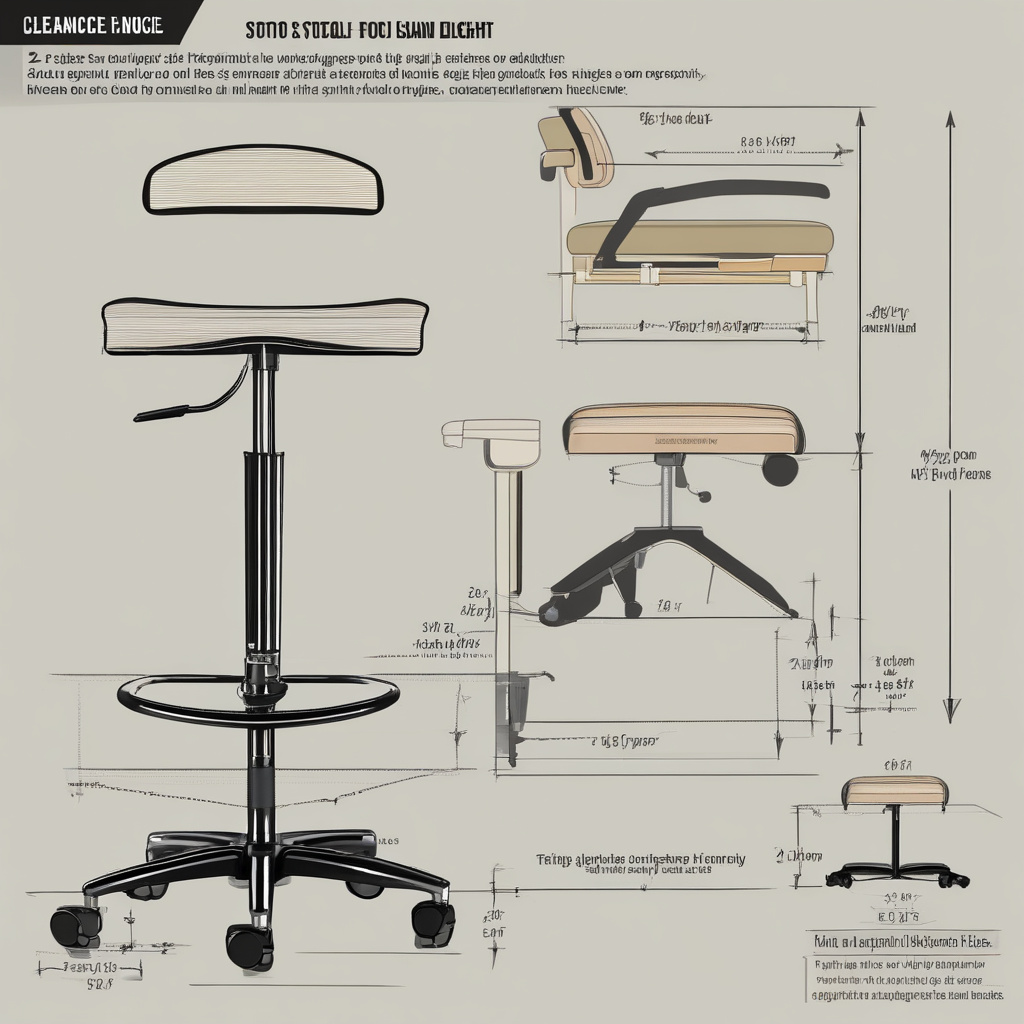
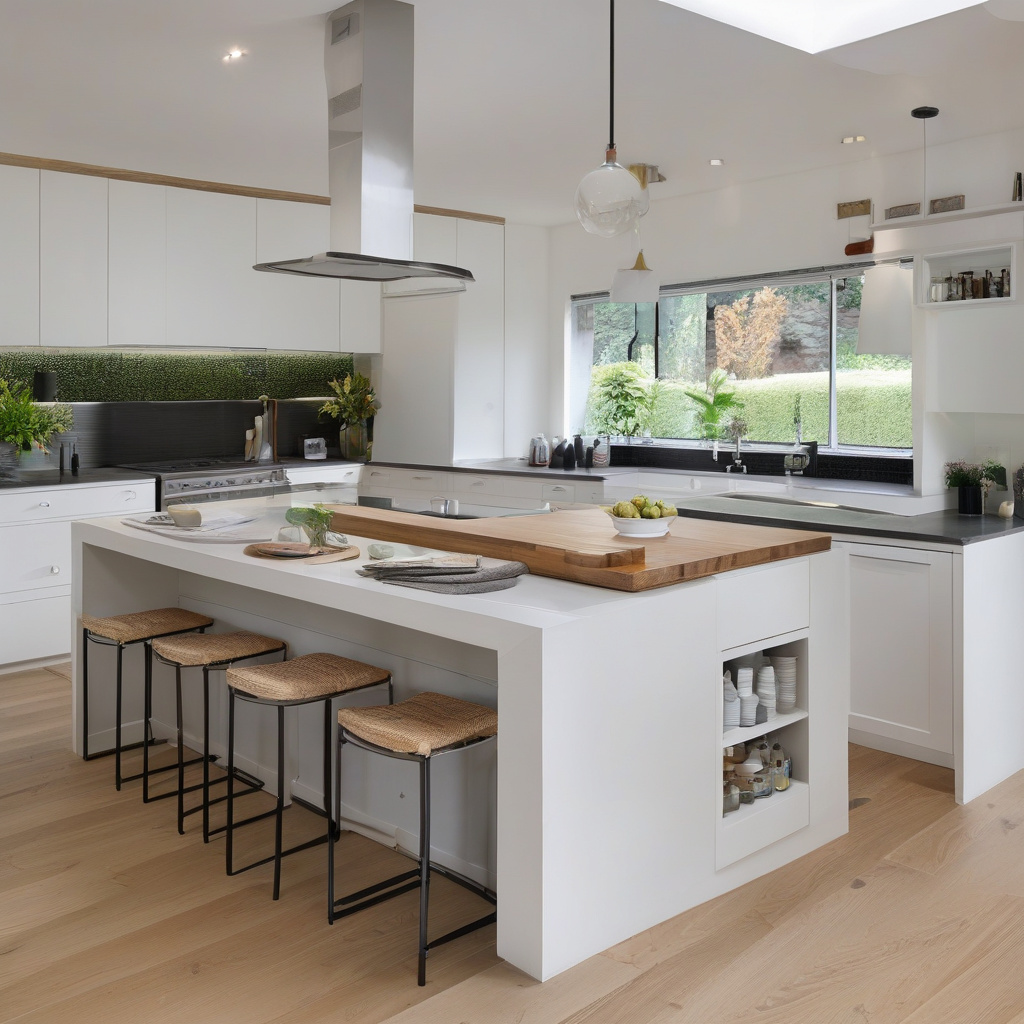
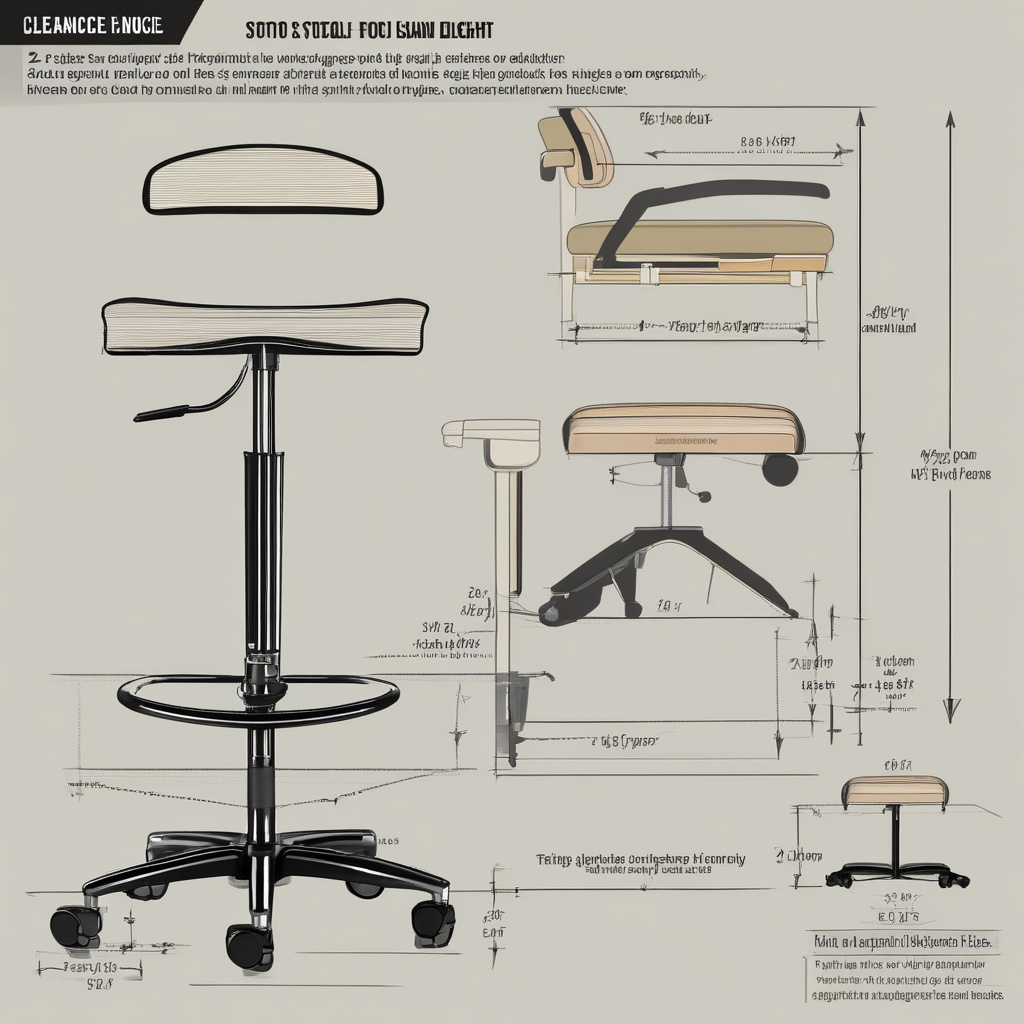
When choosing bar stools, the first factor to consider is seat height. The standard kitchen island height can greatly vary, yet typically peaks around 36 to 42 inches. Thus, stool heights should comfortably accommodate the island’s measurement, aiming for a gap of 9 to 13 inches from the seat to the underside of the counter. This allows sufficient legroom while maintaining ergonomic comfort.
Los Angeles homeowners favoring customization often encounter dilemmas when integrating bar stools into bespoke kitchen islands. For those navigating such waters, it’s imperative to recognize that bespoke designs usually require meticulous measurement and coordination with the stool manufacturer to avoid costly mismatches.
As Heather Jameson, a local interior designer with decades of experience notes, “The misalignment of stool heights can not only disrupt the visual harmony but also the comfort of users, making meal prep and dining both awkward and inconvenient.”
Therefore, opting for adjustable stools might offer a practical solution, especially when the island’s primary use fluctuates between dining, cooking preparation, and social gatherings.
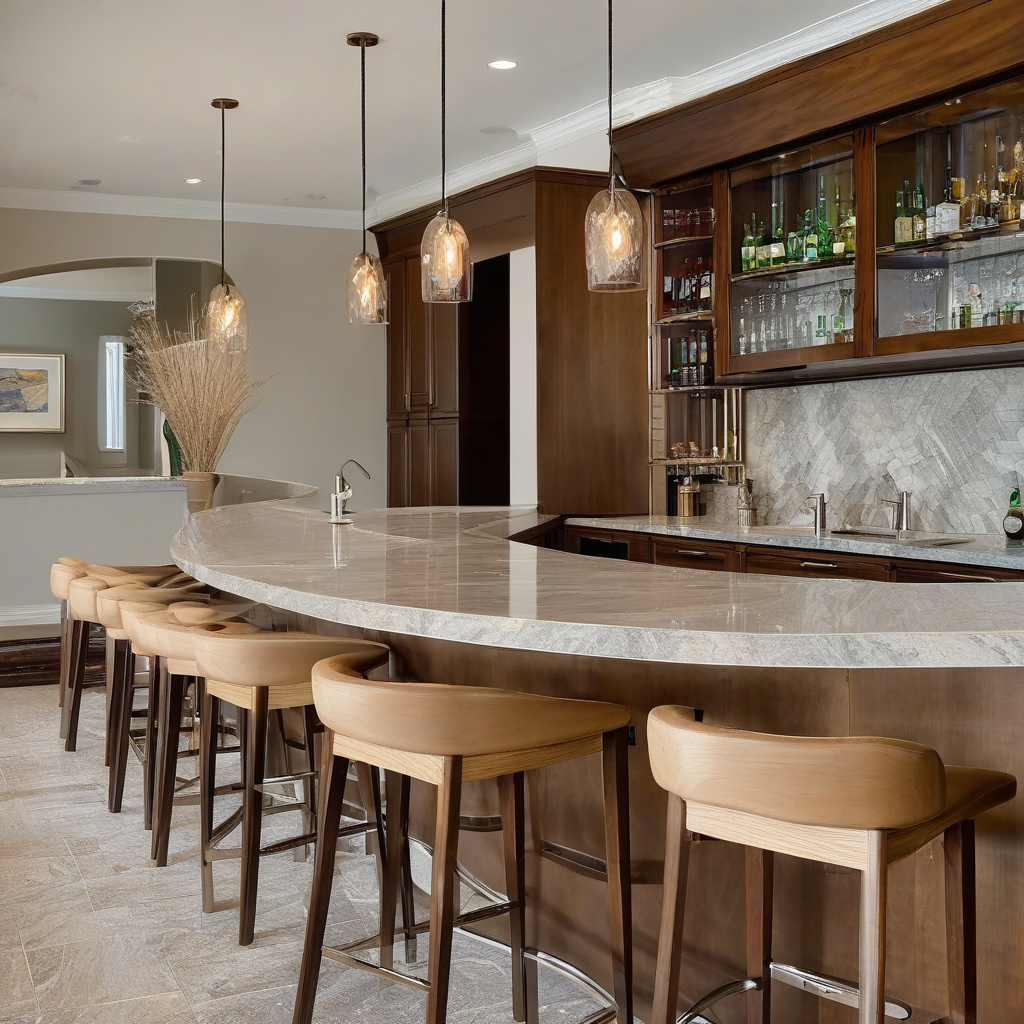
Ensuring that seat height aligns perfectly with your island can save homeowners from unnecessary hiccups, ensuring the kitchen remains both functional and aesthetically pleasing.
The Comfort Conundrum: Material and Design
Beyond height, the material and overall design greatly influence comfortability. From sleek leather to breathable wicker, materials dictate how the stool feels against the skin, especially in the sweltering Southern Californian summer.
Incorporating softer materials, such as cushioned seats and backrests, is increasingly popular in modern renovations seen throughout kitchen transformations in the LA area. Such comfort-driven choices provide an inviting touch, ensuring that friends and family want to linger longer.
Design should not only be contemporaneous but timeless. Many homeowners now find themselves drawn to the understated elegance of Scandinavian design concepts, where simplicity meets functionality. The choice of clean lines and neutral palettes often pairs well with diversified interior styles, fostering unified yet dynamic kitchen aesthetics.
With an increasing move towards flexible living spaces, it’s crucial to select stools that complement both the open ambiance and the more intimate niches of one’s home.
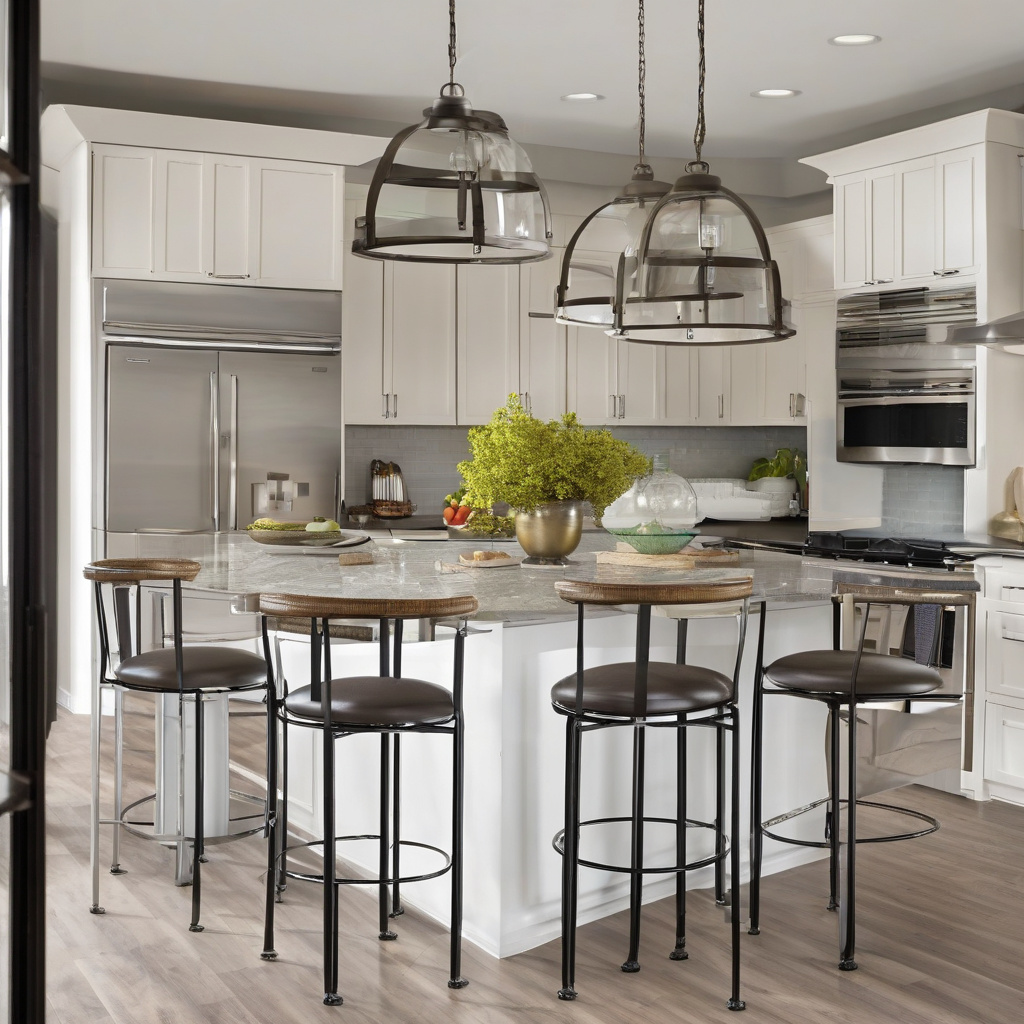
Comfort-focused choices can elevate both the appearance and the feel of the space, striking that all-important balance between form and function.
Ensuring Adequate Spacing and Movement
Occupying a bustling metropolis like Los Angeles often means maximizing limited space, which includes thoughtful seating arrangements. The mantra ‘less is more’ applies as much in kitchen furniture placement as it does in minimalist design beliefs.
For a kitchen island, ensuring a minimum of 24 to 30 inches between stool centers stands as a moderate golden rule. Locals attest that allowing clearing space for natural movement encourages a free-flowing kitchen environment.
Connor Freeman, whose extensive remodeling expertise is reflected in numerous LA residences, emphasizes, “Cramped spaces can quickly overbear the relaxation of the meal environment, turning a family hub into a source of stress rather than coming together.”
According to recent research, well-lit and spacious kitchens have increased homes’ resale value by at least 20%, underscoring the practicality of spacious layouts.
Sufficient spacing ensures adaptability and utility, maintaining a kitchen that is not only clutter-free but also efficiently usable.
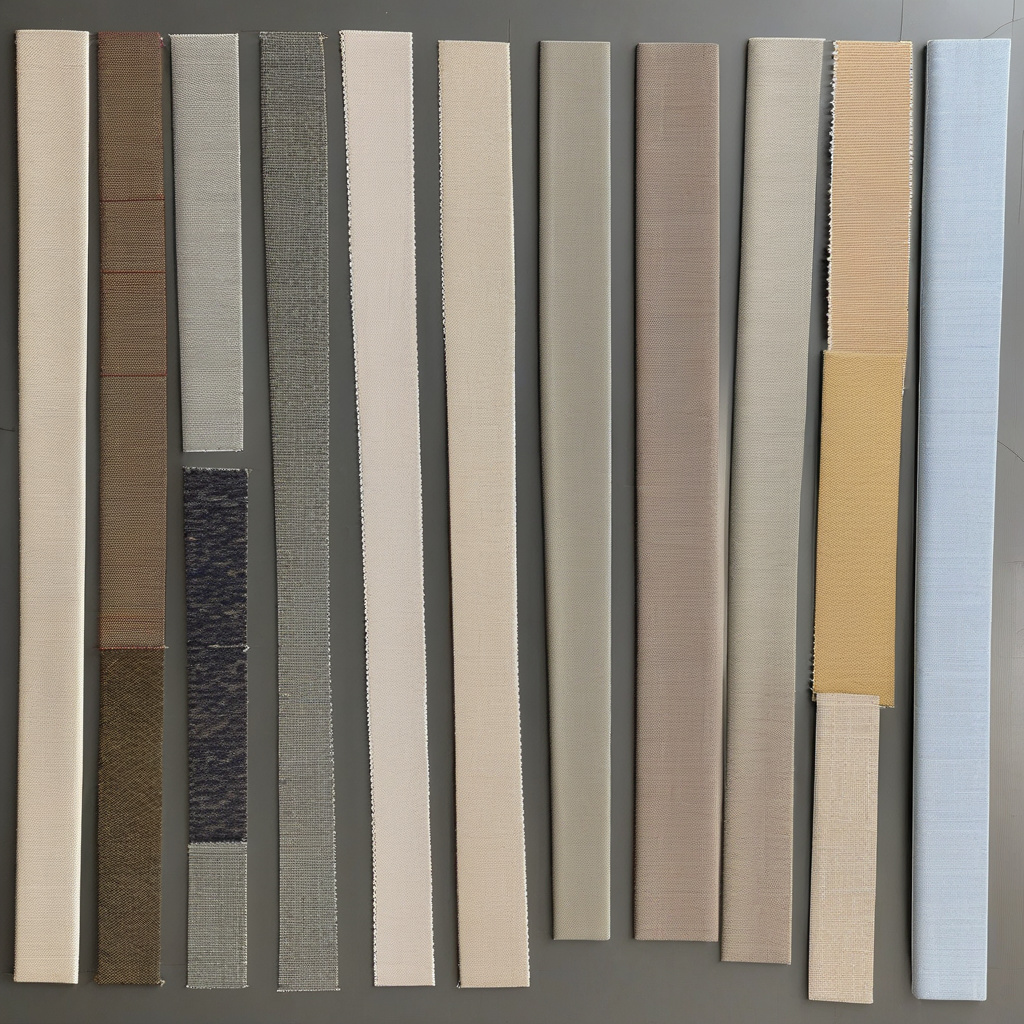
Adequate spacing coupled with a refined design makes a lasting statement, reinforcing the kitchen’s role as the home’s centerpiece.
Balancing Costs with Quality Materials
Determining the right combination of cost and quality can seem daunting, but it’s essential for a kitchen renovation to withstand the test of time. Many Southern Californian homeowners oscillate between choosing high-quality, sustainable materials and budget-friendly options.
Prioritizing durability alleviates much of the maintenance worry, ensuring longevity without compromising aesthetic appeal. However, it’s crucial to weigh current financial feasibility against long-term value.
Material preference swaps like wood, metal, and acrylic offer variance in style and durability. A study highlighted how coordinated material choices can enhance usability and surface accessibility, presenting less wear in constantly busy environments.
Here’s a simplified comparison of potential costs and features among popular stool materials:
| Material | Average Cost | Durability | Style Options |
|---|---|---|---|
| Wood | $100-$500 | High | Classic, Rustic |
| Metal | $50-$300 | Medium | Modern, Industrial |
| Acrylic | $75-$250 | Low | Contemporary |
Investing wisely in materials can assure a kitchen island that is both stylish and resilient, aptly reflecting individual taste and lifestyle.
Considerations for Flexible Layouts
Recalculating layouts appears daunting at first, yet offers opportunities to meld bar stools harmoniously with ever-adapting household needs. In bustling cities like Los Angeles, homeowners often pivot toward multi-functional spaces to accommodate active lifestyles.
Exploring varying stool configurations can adapt to changing room dynamics. For instance, swapping positioning or introducing stools with swivel features can allow the kitchen to pivot effortlessly between cooking headquarters and socializing center.
Ben West, well-regarded for crafting homes that learn and grow with their inhabitants, suggests, “Understanding the role of furniture in defining living spaces is not only crucial for daily home usability but also for overall household happiness.”
An industry insight reveals that versatile seating can enhance collaborative family spaces by 15%, fostering inclusivity and interaction at home.
When tackling extensive kitchen updates, turn innovative ideas into practical implementations by checking resources on optimizing electrical layouts for a refreshed utility. Ensuring that infrastructure keeps pace with design can circumvent potential obsolescence even quicker.
Ultimately, fluid layouts promoting both practicality and beauty make the kitchen heartier and more purposeful, accommodating every bit of joyful chaos a home welcomes.
Crafting the Perfect Kitchen Island Experience
Tying everything together may appear like a complex puzzle. Still, each piece of the puzzle—ranging from height-specific stools to style-conscious materials—integrates seamlessly to epitomize the ultimate kitchen island experience.
It’s within this carefully curated blend where your kitchen narrates its unique story. An ecosystem of family gatherings, innovative meals, and casual meets breathe life into the island experience.
The pursuit of crafting this personalized space often converges into reflections upon balancing aesthetics and utility. The focused approach ensures not only aesthetic allure but also enduring satisfaction.
As you navigate these contemporary kitchen improvements, ensuring every decision ties back to personal and practical necessity will gift a joyous culinary center for years to come.
Recent studies indicate a well-designed kitchen layout can enhance daily efficiency by up to 30%, reinforcing their value well beyond mere aesthetics.
In the essence of all renovations, every practical measure made becomes a declaration of personal style and tailored functionality.
- Choose bar stools with the correct height and proportion to ensure comfort.
- Emphasize materials and design for added comfort and aesthetic appeal.
- Adequate spacing preserves functionality and encourages free movement.
- Balancing cost against quality materials ensures long-term value.
- Flexible layouts accommodate dynamic household needs and aesthetics.
FAQ
What should I consider when choosing bar stool height for my kitchen island?
In real kitchen renovation projects, people often realize that selecting the correct bar stool height is crucial for comfort and functionality. A general rule of thumb is to maintain a 9-to-13-inch gap between the stool seat and the countertop. This spacing allows for comfortable legroom. For instance, for a standard 36-inch high island, a stool height of about 24-26 inches works perfectly. Failing to measure this accurately can lead to an awkward seating experience. Many homeowners overlook this, but a simple measurement before purchasing can save a lot of discomforts later on.
How can I ensure my kitchen island seating is comfortable?
Achieving comfort in kitchen island seating goes beyond just cushion softness. Many experts emphasize the importance of seat ergonomics and back support. When testing stools, sit down and assess the seat angle and support offered. For instance, in a recent remodel, choosing stools with slightly curved backs led to noticeably better all-day comfort for the family, who frequently uses them for both dining and working. Always use design mock-ups when possible to ensure they’ve got enough support elements without affecting the aesthetic.
How do I determine the right number of bar stools for my island?
Spacing is key for bar stool placement around your island. Homeowners frequently underestimate the necessary space between the stools, often leading to cramped seating. Typically, allocating about 24-26 inches per stool allows guests to sit and move comfortably, accommodating various body sizes. For instance, in a recent California kitchen makeover, maintaining these gaps ensured a clear movement path around the island, which is vital in maintaining an inviting atmosphere and optimizing workflow within the kitchen.
Are adjustable bar stools a good option?
Adjustable bar stools offer flexibility in both residential and commercial settings, allowing for adaptation to varying counter heights and preferences. However, it’s crucial to weigh the pros and cons. While the height versatility can be a savior for diverse households, the mechanical parts might require extra maintenance. In many of our projects, clients appreciated their adaptability but noted slight wobbliness over time, stressing the importance of quality when opting for adjustable mechanisms. Therefore, balancing budget with the quality of construction is vital.
What’s the cost range for good quality bar stools?
Many homeowners misjudge the cost of high-quality bar stools, thinking materials used or brand might not justify the price. On a practical level, a decent stool can range from $70 to $300 apiece, depending largely on the materials and design intricacies. In contrast, top-tier luxury options could even surpass this range. Recognizing lasting durability often justifies the price difference, with a focus on solid construction and materials like stainless steel or high-quality wood, not forgetting easy maintenance especially in homes with kids. [For inquiries regarding suitable options for your home remodel, you may want to discuss details with a local expert.]
Which materials are best for bar stool construction?
Choosing materials for bar stools involves a balance between aesthetics, durability, and maintenance. In practice, homeowners in coastal areas like California might benefit from stainless steel and powder-coated metals to combat salt air corrosion. Upholstery should be chosen with ease of cleaning in mind; faux leather can be a smart choice for families due to its wipe-clean convenience. Wood remains a popular choice for its classic appeal but requires regular maintenance to avoid wear. Ultimately, the decision should align with the kitchen’s overall style and the family’s typical usage patterns.
Can bar stools impact kitchen efficiency?
Indeed, bar stools can significantly affect kitchen efficiency. In poorly planned spaces, they might obstruct movement or hinder access to cabinetry. Many designers assert that thoughtful placement contributes to smoother workflow. For instance, a redo in an open-plan San Diego home showed optimum placement of stools allowed for free access to the island without bumping into other kitchen components. Adjustable and lightweight stools can enhance mobility across different kitchen arrangements but could come with compromises in stability. Thus, balancing convenience with need is critical.
How often should bar stools be maintained?
Maintaining bar stools depends on material and usage. In homes with daily use, monthly checks on joints and upholstery longevity help prolong life. Regular tightening of screws can preemptively stave off structural failures, while spot cleaning immediate spills extends the fabric’s appearance. One example from a family in Sacramento showed that consistent care of their wooden stools – oiling and tightening quarterly – noticeably preserved their integrity over eight years. Maintenance isn’t solely repairs; rather, it’s also about preserving the aesthetic appeal and structural safety.