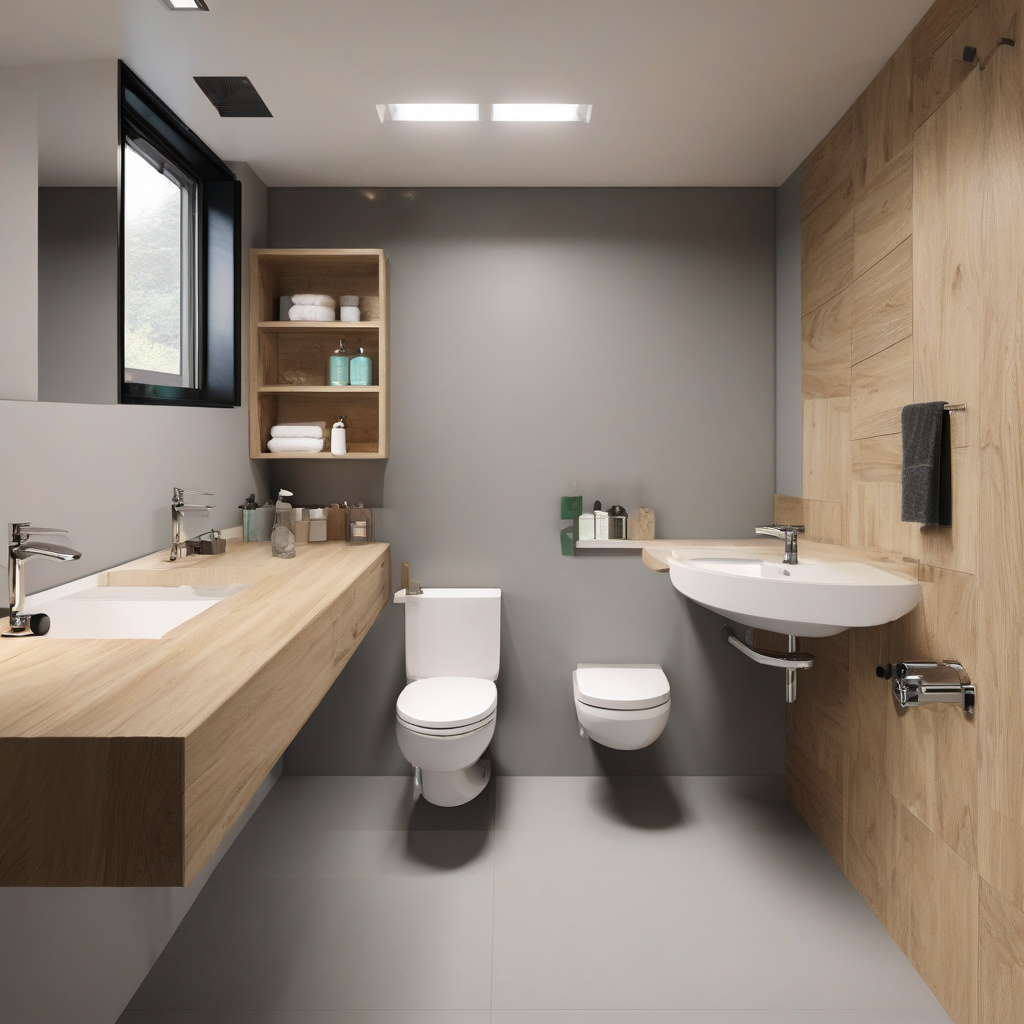
In a city like Los Angeles, where real estate nuances dominate household considerations, one of the more pressing issues homeowners face is creating accessible bathroom spaces, especially when space is at a premium. Designing an accessible bathroom within the confines of smaller rooms is an art form, requiring a meticulous balancing act that marries functionality with style. This unique challenge is becoming ever more relevant as the population ages and the desire for universal design increases.
Brief summary: This article explores the intricacies of designing accessible bathrooms in small spaces in Los Angeles, emphasizing thoughtful layout, selection of fixtures, and integration of mobility features. It discusses renovation trends, homeowner experiences, and practical solutions for maximizing functionality and aesthetic appeal.
The Challenge of Space: Navigating Compact Clearances
Navigating compact bathroom spaces in Los Angeles and Southern California requires a unique level of creativity and technical know-how. Space is a premium commodity, and the challenge lies not only in ensuring mobility for users but also in designing a space that doesn’t compromise on style. Homeowners often find themselves torn between traditional design aesthetics and modern accessibility needs.
For instance, compact sink and toilet designs are no longer mere luxuries but necessities. These fixtures allow room for wheelchairs to maneuver without the bathroom feeling cluttered. The concept of universal design comes into play here—a design principle that emphasizes accessibility for people of all ages and abilities, endorsing an empathetic approach to home renovation.
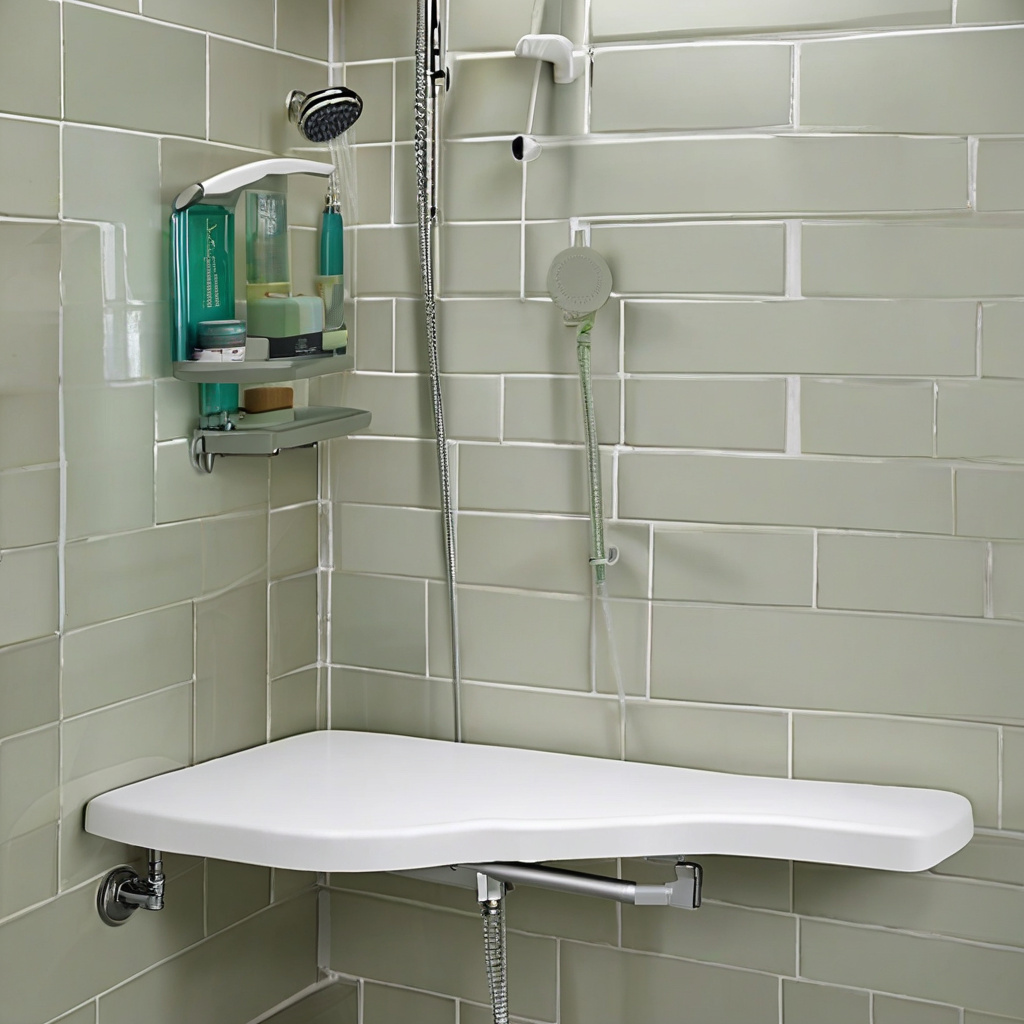
As shown by projects such as those covered by a leading LA renovation consultancy, integrating removable seating in showers or opting for hand-held showerheads can greatly enhance usability without occupying additional space.
In conclusion, compact clearances necessitate a thoughtful selection of fixtures that not only fulfill their basic purpose but also harmonize the room’s aesthetic. An excellent strategy is leveraging vertical space for storage, which ensures the floor area remains open and inviting.
Innovative Fixture Selection: A Realm of Endless Possibilities
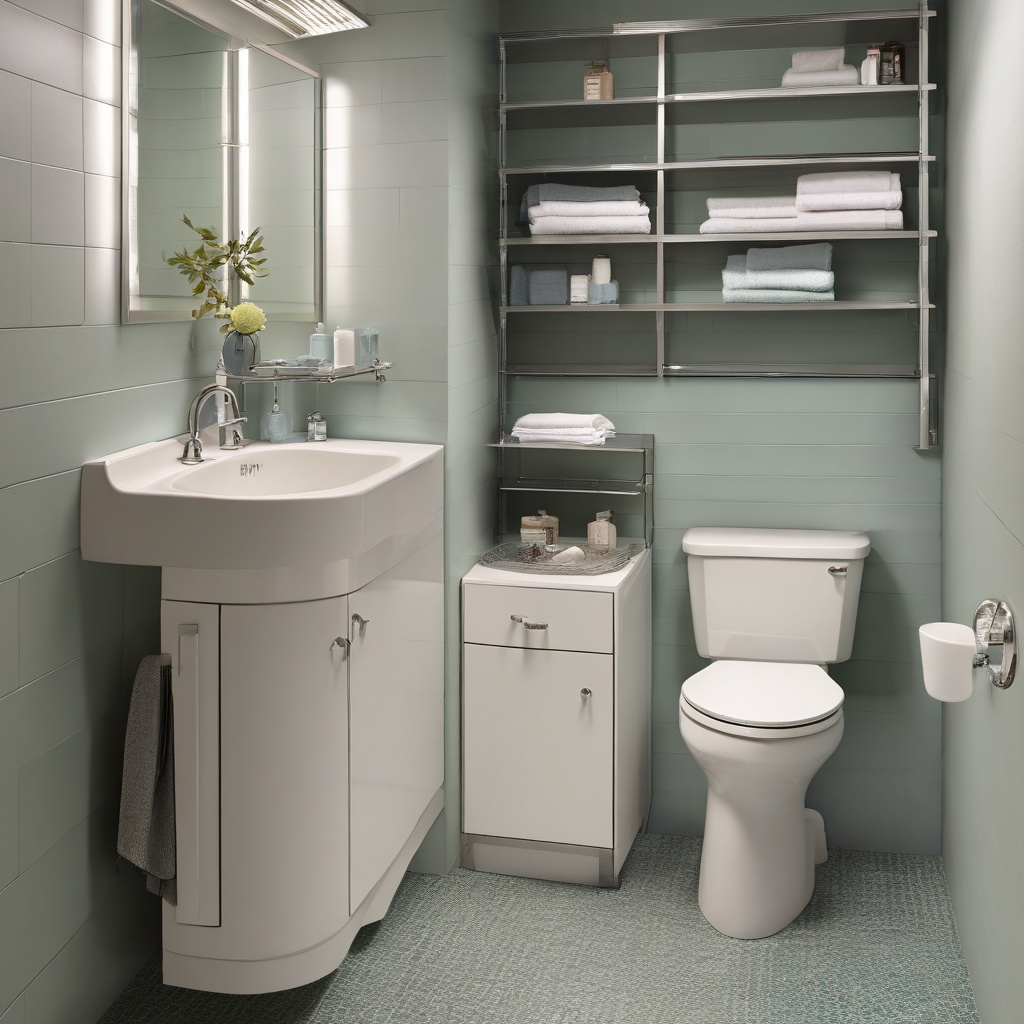
Today’s fixture market is brimming with innovation aimed at solving space-related challenges. From corner sinks to wall-mounted toilets, the evolution of bathroom fixtures is based on alleviating congestion while optimizing accessibility. As many local homeowners notice, these innovative products are not only functional but also double as stylish statements.
An important consideration is the material of these fixtures. Los Angeles architects and designers favor sleek, minimalist designs that incorporate materials such as glass and stainless steel, which convey a sense of openness and hygiene. These choices are not merely aesthetic; they possess practical antimicrobial properties crucial in a post-pandemic world.
According to industry experts, “Next-generation fixtures often include built-in storage solutions, eliminating the need for excess cabinetry and freeing up additional space.”
Interestingly, as seen on various planner guides, many homeowners are also experimenting with smart fixtures that integrate technology for enhanced functionality. Motion-activated lighting and temperature-controlled showers are becoming common in sophisticated LA homes.
The key takeaway lies in selecting fixtures that contribute both aesthetically and functionally, ensuring that every piece has a purpose and supports the user’s needs without overwhelming the space.
Streamlined Movement Routes: A Path to Freedom
Designing for accessibility often involves reevaluating traditional spatial layouts. The goal is to create streamlined movement routes that allow for ease of navigation without the risk of injury. This often means implementing wide doorways, removing thresholds, and ensuring non-slip surfaces are prioritized, especially in wet areas.
One of the primary concerns for homeowners is ensuring that functionality does not come at the expense of aesthetic value. As such, integrating sleek handrails and grab bars that complement the overall design rather than detract is critical. Many have observed that these elements no longer just serve the elderly; they enhance safety for all users.
Additionally, sliding barn doors are increasingly popular in Los Angeles’s tight bathroom spaces, eliminating the need for cumbersome swinging doors that consume valuable square footage. This trend not only amplifies ease of access but also adds a rustic charm that enhances the bathroom’s overall allure.
A study reveals, “Rethinking standard layouts can increase a bathroom’s safety and usability significantly, making daily routines more straightforward for everyone.”
Ultimately, creating streamlined movement routes ensures that every corner of the bathroom serves a purpose, facilitating smoother transitions and reinforcing the bathroom as a tranquil retreat rather than a struggling squeeze.
Material Choices: Balancing Durability and Elegance
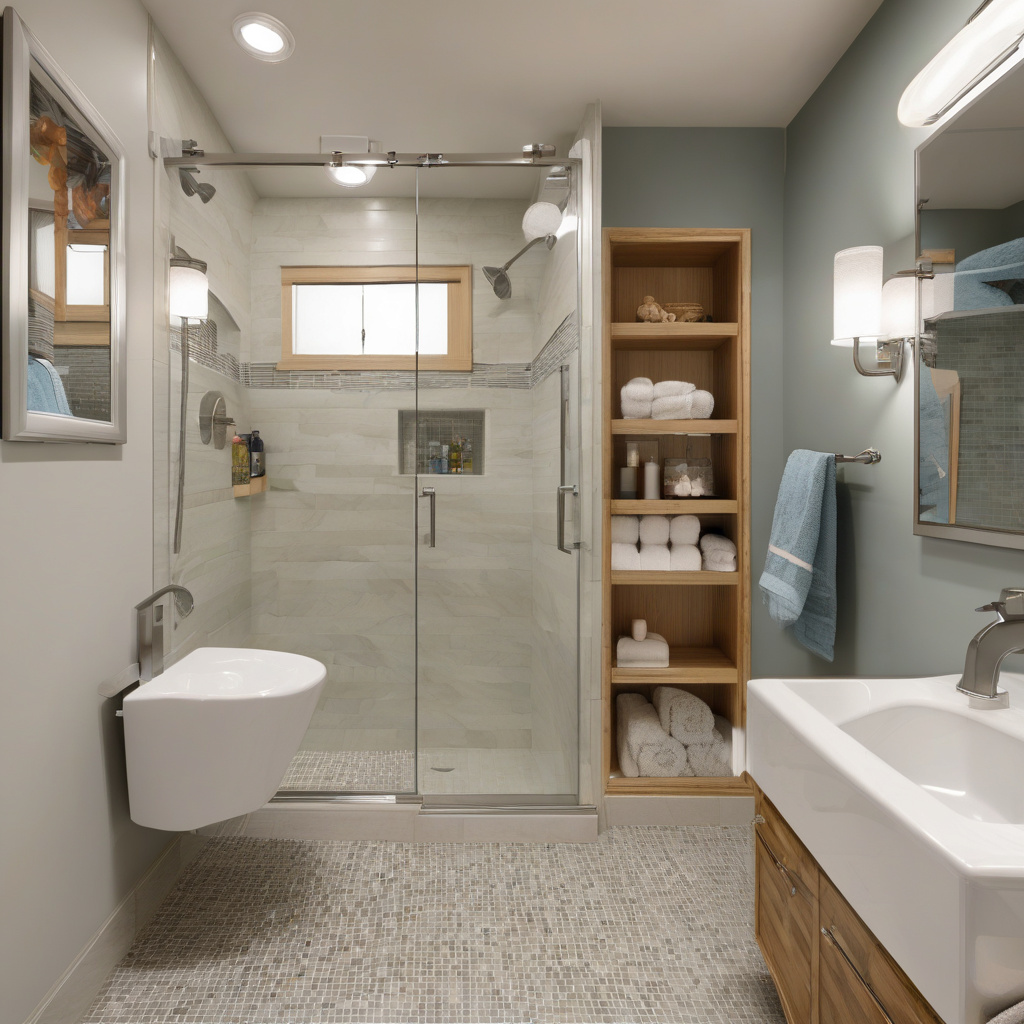
In Los Angeles, the marriage of elegance and functionality is not just a preference; it’s a requirement. When working with limited space, choosing the right materials becomes paramount. Durable and versatile materials such as porcelain tiles or stone finishes are both aesthetically pleasing and robust, standing the test of time.
Local designers frequently leverage light-colored tiles, as they help to reflect light and make compact spaces appear larger. As illuminated in before and after transformations, these materials add a touch of sophistication while supporting the room’s functional demands.
Yet, beyond mere appearances, materials also play a crucial role in safety. Slip-resistant coatings are indispensable for bathroom floors, while cabinetry with soft-close features can prevent unwanted accidents and preserve peace.
The choice of materials ultimately ties back to the broader goals of maximizing space efficiency and elevating the room’s design quality. Each piece is carefully selected to fulfill its role seamlessly, ensuring that the bathroom serves both form and function.
Understanding Costs and Timelines: Planning for Success
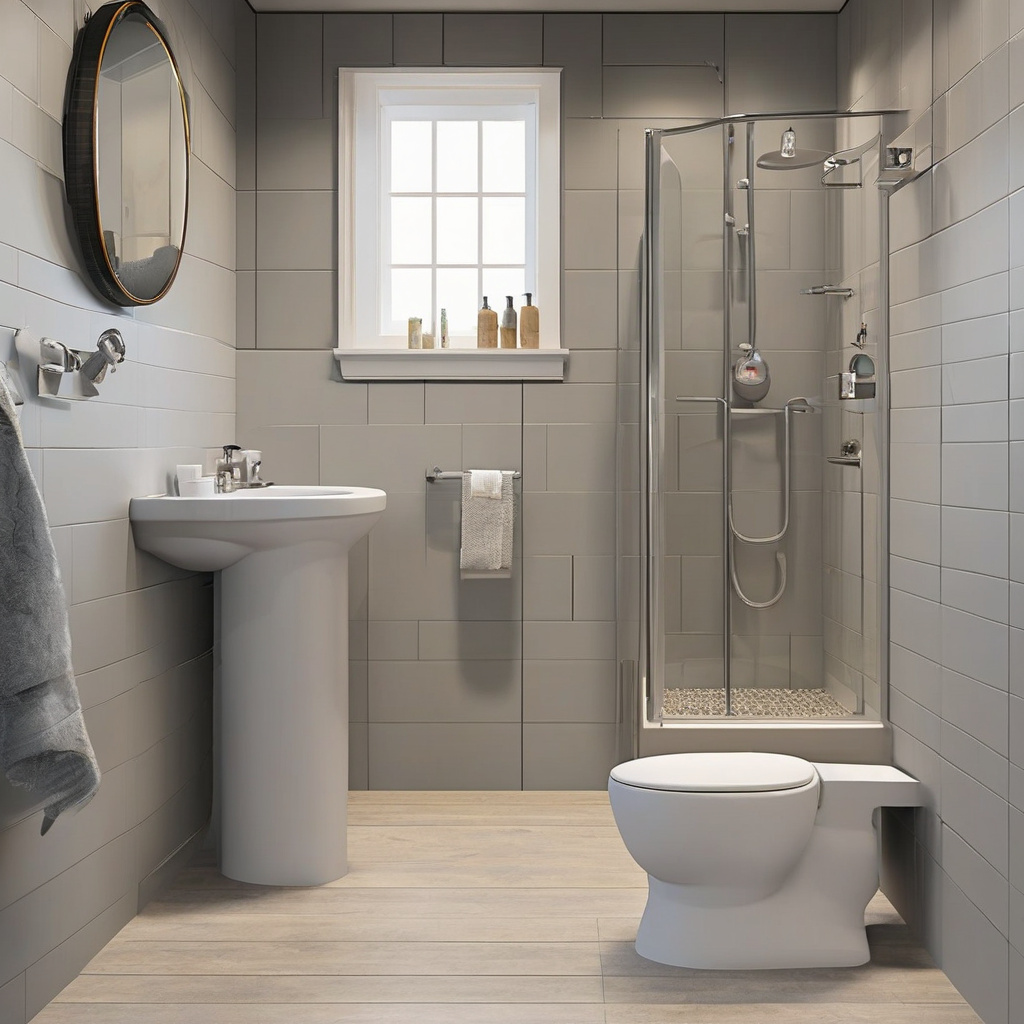
One of the most critical aspects of any renovation project is understanding the associated costs and timelines. Los Angeles homeowners face uniquely high real estate prices, and unfortunately, that trend extends to renovation projects. Tracking expenses while adhering to a schedule is crucial, as any delay could significantly impact the final budget.
In terms of cost factors, fixtures and materials often account for the largest expenditures; however, labor is not far behind. The decision to relocate plumbing for optimal space utilization can also inflate the budget, though it may be necessary for achieving the ideal layout.
Research indicates that “proper planning can reduce the overall renovation costs by up to 20%, emphasizing the need for strategic decision-making.”
Homeowners are encouraged to seek multiple estimates and maintain a flexible yet clear outline of the desired outcome, ensuring everyone involved in the project—from designers to contractors—is aligned with the vision.
Ultimately, understanding these costs and committing to a realistic timeline are indispensable steps in achieving a successful bathroom project that meets accessibility needs without compromising on style.
Risks vs Rewards: Weighing Your Options
Deciding on an accessible bathroom renovation involves weighing potential risks against the expected rewards. For Los Angeles dwellers, an accessible bathroom can significantly enhance property value and increase day-to-day convenience, though the path to achieving this is laden with decisions that could present challenges if not carefully considered.
One of the most common risks involves over-customization. While personalization is beneficial, excessive tailoring can narrow a home’s appeal to future buyers. It is essential to strike a balance, incorporating unique elements alongside timeless choices that offer widespread appeal.
On the other hand, the rewards often present themselves in unexpected ways. An accessible design not only caters to mobility needs but also creates a more open, airy atmosphere that even those without mobility issues appreciate. The peace of mind and enjoyment one can derive from such a well-designed space far outweigh initial concerns.
Moreover, the increased safety and adaptability an accessible bathroom provides can mean the difference between a serene experience and a daily inconvenience. An inclusive design philosophy drives not just aesthetics but also the emotional and practical rewards of successfully integrating accessibility into your home.
- The art of accessible bathroom design in Los Angeles requires compact clearances and innovative solutions.
- Fixture selection is key, balancing style and utility in compact spaces.
- A careful material choice enhances both safety and elegance.
- Understanding costs and timelines leads to successful project execution.
- Assess potential risks and rewards to ensure long-term satisfaction.
“`html
FAQ
What are the key elements of accessible bathroom design in small spaces?
In small bathrooms, accessibility involves more than just installing grab bars or ramped thresholds. It requires careful consideration of spatial clearances to optimize movement, fixture choices that cater to diverse mobility needs, and a layout that minimizes obstacles. In practice, a wall-mounted sink can free up much-needed floor space, while pocket doors eliminate the awkward dance of maneuvering around a traditional swinging door. These strategies ensure that even the coziest bathrooms remain functional and easy to navigate, echoing how many modern designs achieve accessibility without forfeiting style.
How can I choose fixtures for a small, accessible bathroom?
Choosing fixtures for a small, accessible bathroom is all about balance. Ergonomic handles, like lever faucets, offer an easy grip, while compact toilets can save vital inches. In real renovation projects, it often becomes clear that high-tech options, such as motion-sensing lights and touch-free faucets, also enhance both accessibility and hygiene. Homeowners frequently find that these innovations, once seen as luxury, now bring significant functional benefits, especially in tighter spaces. Tailoring choices to your bathroom’s specific needs can transform a restrictive layout into a welcoming environment.
When does it make sense to remodel a small bathroom for accessibility?
The decision to remodel a small bathroom for accessibility usually arises during life transitions such as aging in place or accommodating a family member with mobility challenges. Many experts point out that starting early can prevent future safety hazards and reduce stress during unexpected changes. It’s essential to evaluate factors like current and future mobility needs, budget constraints, and how long you plan to stay in your home. In California, where many older properties are ripe for renovation, updating a bathroom not only adds value but ensures comfort and safety over time.
What are the typical mistakes homeowners make in accessible bathroom design?
A common mistake is underestimating the space required for wheelchair or walker maneuverability. In real homes, this can mean the difference between a functional space and a daily frustration. Another misstep involves the placement of fixtures at non-ergonomic heights, which can hinder rather than help accessibility. Homeowners often overlook lighting; proper illumination is crucial for visibility and safety. Streamlined movement begins with considering these elements, ensuring they coexist harmoniously within the bathroom’s compact dimensions.
What are the costs associated with accessible bathroom modifications?
Costs for accessible bathroom renovations can vary widely, from a few hundred dollars for simple changes like installing grab bars, to several thousand for comprehensive remodels. Factors influencing cost include the extent of modifications, choice of materials, and labor. In California, where labor can be a significant portion of the budget, it’s wise to get multiple estimates. Moreover, many homeowners forget to explore financial aids or grants available for accessibility improvements, which can significantly offset expenses. Allocating funds wisely means balancing practicality with aesthetics to achieve a budget-friendly upgrade.
What are the benefits and limitations of accessible bathroom designs?
Benefits of accessible bathroom designs include increased safety, independence for users, and potential increase in property value. They also often embody universal design principles, making them appealing to a broader market. However, limitations can include higher initial costs and potential design compromises in very small spaces. Despite these challenges, accessible designs are increasingly seen as investments in future-proofing homes. Balancing functionality with visual appeal, these spaces can provide assurance and comfort for years to come.
How do accessible bathroom designs impact overall home renovation projects?
Integrating accessible bathroom designs into renovation projects often influences the overall aesthetic and flow of a home. In practical terms, real projects show that opening entryways, reducing floor height differences, and creating logical traffic patterns can enhance accessibility throughout the residence. For homeowners planning significant remodels, considering an accessible design from the outset can ensure a cohesive look and avoid costly adjustments later. To find out more about personalized renovation advice, reach out to California renovation experts through this helpful link to their contact resources.
What maintenance considerations are specific to accessible bathroom designs?
Maintenance of accessible bathrooms requires attention to both function and aesthetics. Many installations, such as anti-slip flooring, need regular checks to ensure they continue to provide a safe environment. Fixtures like handheld showerheads should be cleaned regularly to prevent water spots, which can obscure the usability of controls. Given that accessible features are integral to these spaces, ongoing maintenance not only preserves functionality but also keeps the design looking fresh and inviting. Planning for these ongoing tasks during design can alleviate common maintenance headaches down the line.
“`