In the sun-soaked streets of Los Angeles, a debate bubbles in the realm of home renovation: Is it better to spray or roll paint? Each method has its own distinct advantages and drawbacks, shaping the aesthetics and practicality of residential facelifts across Southern California.
Brief summary: This detailed examination of paint application methods contrasts spraying and rolling techniques, highlighting the benefits, challenges, and ideal scenarios for each. By analyzing cost, efficiency, and texture, the article showcases how homeowners can make informed decisions for their renovation projects in the vibrant Los Angeles market.
Spraying Paint: Speed and Smoothness
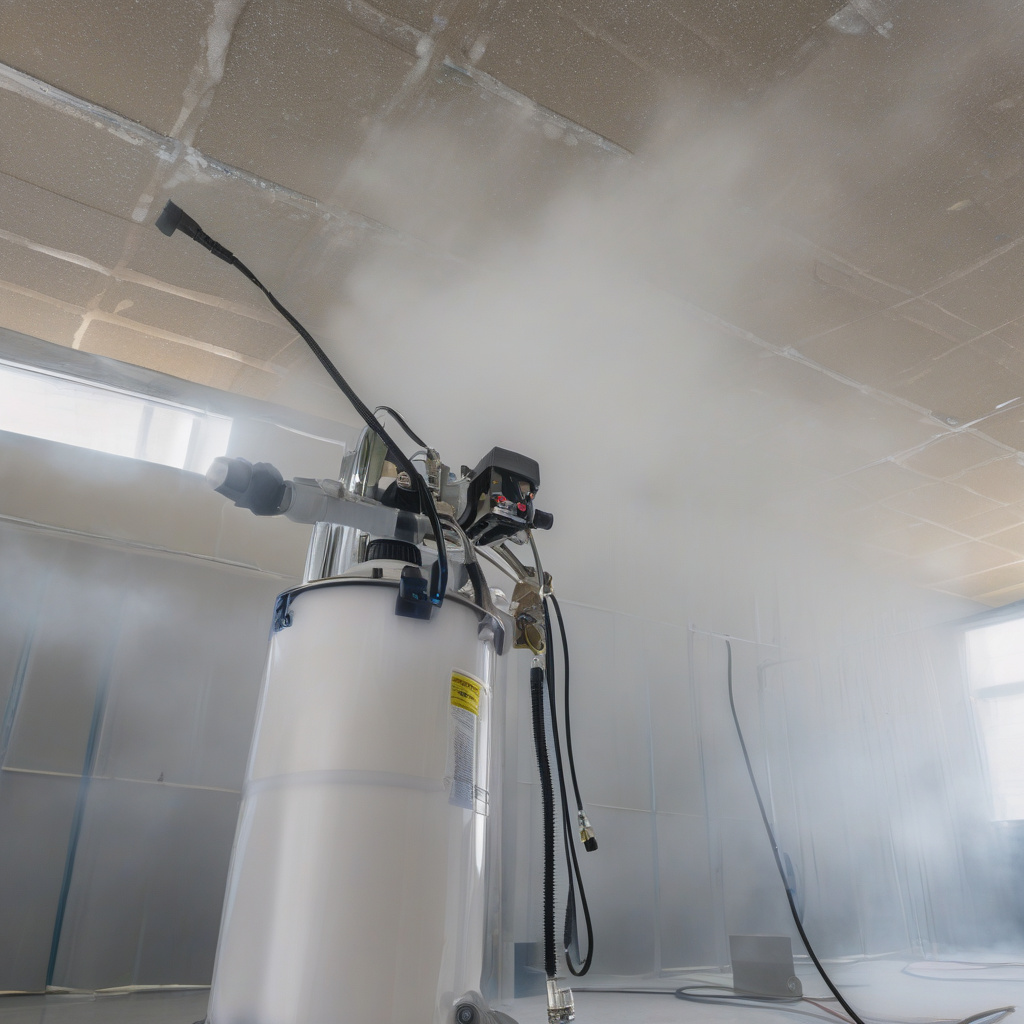
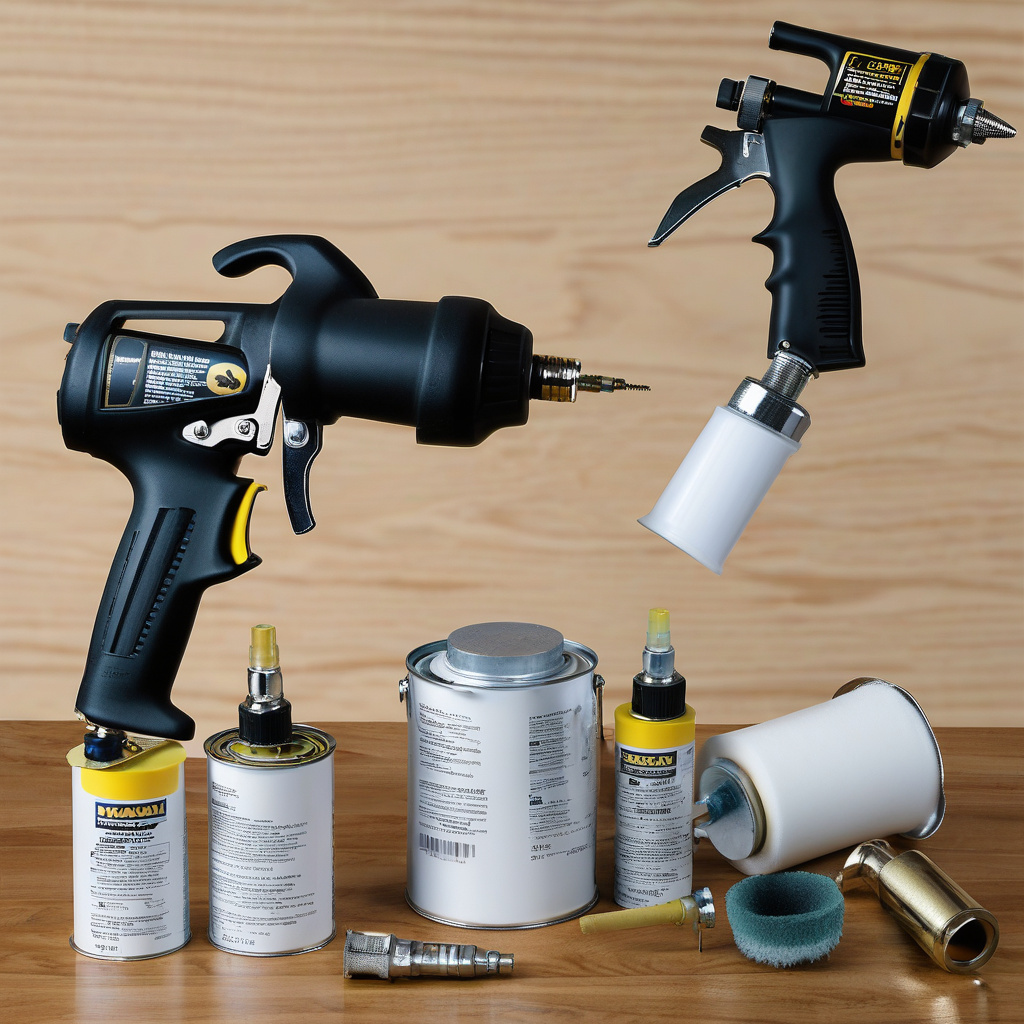
Spraying paint presents itself as the epitome of modern efficiency, favored by many Los Angeles contractors for its rapid application and smooth finishes. This technique involves applying paint via a spray gun, delivering a fine mist that covers surfaces quickly and evenly. For extensive projects or large surfaces like stucco walls and expansive ceilings, it’s often the go-to method.
Homeowners are drawn to spraying due to its seamless coverage, eliminating brush strokes or roller marks. Its capacity to tackle hard-to-reach areas and intricate architectural details with ease also stands out, making it a preferred choice for contemporary designs. However, this method is not without its nuances.
The art of spraying requires a skilled hand; improper use can result in uneven layers or costly overspray. Seasoned contractors highlight the necessity of proper preparation—masking nearby areas to avoid staining unintended surfaces. Such preparation ensures precision while mitigating potential environmental impact.
As many local homeowners notice, the noise generated during spraying and the requirement for substantial setup time may detract from its appeal for smaller, DIY jobs. Nonetheless, its efficiency in commercial or new-build environments cannot be overstated.
According to industry insights, professional-grade paint sprayers can cut application time by up to 75% compared to traditional methods.
For those weighing their options, remember: a proficient tradesman with a spray gun can achieve faster, flawless results than any amateur with a roller brush.
Rolling Paint: Control and Consistency
On the flip side of the renovation coin, rolling paint offers unrivaled control, favored for its tactile and personal touch. Armed with a paint tray, roller, and poles, DIY enthusiasts marvel at the ability to customize texture and coverage with deft precision.
In Los Angeles homes filled with character and charm, rolling is appreciated for its minimal overspray and ease of use. Although it requires more time for application, ﹤a href=”https://californiarenovation.top/hide-stucco-cracks/”﹥it lends itself well to textured surfaces﹤/a﹥ and uneven corners, ensuring consistent coloring and reducing the need for a pristine environment.
Step-by-Step: Mastering the Roller Technique
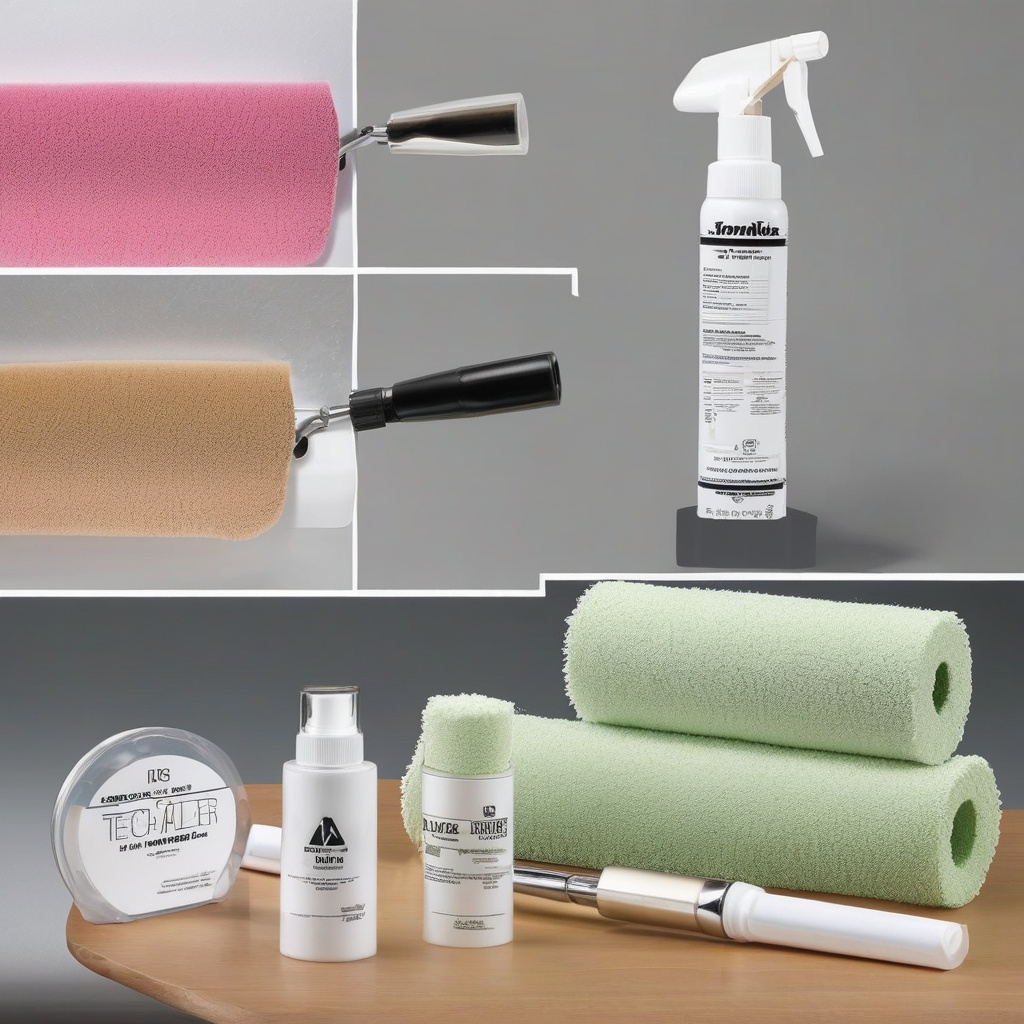
Effective rolling begins with quality materials. The choice of roller depends on the texture and type of paint, with various nap lengths acting as a guide. Properly loading the roller with paint is crucial—too much, and it will drip; too little, and it requires more strokes. The ‘W’ technique is often employed, covering more surface efficiently while blending paint seamlessly.
While rolling embodies a more deliberate, hands-on approach, its simplicity and cost-effectiveness make it ideal for smaller areas or touch-ups. The downside? It’s not as fast as spraying and might leave marks on large surfaces.
Industry experts suggest that rolling provides a cost-effective alternative, reducing paint wastage by approximately 30% when executed correctly.
In conclusion, rolling is less suited for vast commercial spaces but remains a formidable ally for homeowners seeking a personal connection to their renovation projects.
Cost Implications and Material Considerations
When it comes to the budget, the choice between spraying and rolling can significantly affect the bottom line. This decision so often hinges on the specifics of the project, such as size, scope, and desired finish.
Spraying necessitates a higher initial investment in equipment and trained personnel, often leading to increased upfront costs. However, due to quicker coverage, labor costs may be offset, especially in expansive or complex commercial projects.
Conversely, rolling is typically more economical, especially for smaller-scale, domestic endeavors. The materials required are comparatively inexpensive, though the increased time investment may lead to higher labor costs overall.
Material choice also figures highly into this equation. For instance, high-quality paints often require fewer coats and offer superior finishes, which can directly impact the application method’s efficiency.
Research underscores that high-grade paints can improve surface longevity by up to 40%, effectively lowering long-term maintenance costs.
Evaluating these financial aspects ensures that your choices align with both your aesthetic goals and practical constraints. Choose wisely, as an informed decision can amplify the value of your renovation investment.
Evaluating the Environmental Impact
In an era of green consciousness, the environmental ramifications of painting techniques are under scrutiny. Los Angeles residents increasingly demand sustainable renovation practices that align with ecological preservation efforts.
Spraying paint inherently involves greater risks of overspray and airborne particulates, potentially affecting air quality. The strategic application is fundamental to minimizing these impacts, necessitating high-grade filtration systems and ecologically sound practices.
In contrast, rolling, despite being more labor-intensive, minimizes these concerns by directing paint directly onto surfaces, reducing airborne contamination.
Balancing Eco-friendly Practices with Efficiency
Advancements in paint technology and application methods help mitigate environmental impacts, with low-VOC (Volatile Organic Compounds) formulas and innovative tools gaining traction. Implementing these sustainable solutions promotes healthier indoor environments while ensuring compliance with Southern California’s stringent pollution mandates.
An environmental study revealed that eco-friendly paints could reduce VOC emissions by 50%, contributing to improved air quality within urban homes.
Ultimately, selecting an approach that reflects your environmental ethos without sacrificing quality or efficiency is a testament to sustainable renovation philosophy.
Trends and Innovation in the Los Angeles Market
The city of angels continues to innovate and redefine expectations in the realm of home decor. The hot Los Angeles market showcases a blend of avant-garde trends and classic styles. Here, the battle between paint application methods becomes part of a broader narrative on design and individuality.
Material innovations and contemporary techniques are reshaping how spaces are perceived, emphasizing both aesthetic appeal and functional practicality. Spraying versus rolling becomes an indicative choice—not just about application but about personal expression and lifestyle alignment.
The modern homeowner’s journey is one of continuous learning, adapting to shifting trends while holding onto tried-and-true techniques that have served well through decades.
Adapting Traditional Practices with a Modern Twist
Design-forward thinking intertwines with traditional methods to yield extraordinary results. Understanding when to innovate and when to rely on established conventions becomes crucial in crafting living spaces that resonate with personal style and community values.
The landscape of Los Angeles, with its vibrant energy and eclectic architecture, remains a fertile ground for creativity—where every brushstroke plays a part in a larger masterpiece.
Ultimately, the balance of innovation and tradition defines the ever-evolving narrative of home renovation in Southern California.
Conclusion: Making the Best Choice for Your Project
The choice between spraying and rolling paint is more than a mere technical decision; it’s a matter of aligning with your personal ideals, financial considerations, and the unique specifications of your project. In Los Angeles, where every home tells a story, the right application method can enhance both form and function.
For those embarking on a renovation journey, understanding the pros and cons of each method is essential. While spraying offers speed and finesse, rolling provides control and simplicity.
Enthusiastic homeowners and seasoned professionals alike must weigh their priorities, considering factors such as budget, environmental impact, and the specific needs of their space. Your final decision will contribute significantly to the project’s success and the overall satisfaction with your revamped environment.
The debate persists, but with informed choices, your home will stand as a testament to wisdom in design.
- Choose between speed and finesse with spraying or control and simplicity with rolling.
- Consider budget implications and environmental impact in your decision-making.
- Incorporate modern trends and sustainable practices to enhance design quality.
- Benefit from informed choices aligned with project scope and personal preferences.
“`html
FAQ
What are the main advantages of spraying paint?
In many renovation projects, the speed and smooth finish of spraying paint truly stand out. Spraying allows paint to be applied quickly, covering large areas without the need for repositioning tools. This is particularly beneficial in homes with high walls or vast ceilings. The smooth, even coat achieved by spraying provides a professional finish that can be hard to match with a roller. However, it requires careful masking and preparation to avoid overspray. This method is ideal for large, uninterrupted surfaces where consistent coverage is essential.
How does rolling paint compare to spraying in terms of texture control?
Rolling paint offers a significant level of control over texture, which can be a game-changer in many renovation projects. By choosing different roller naps, you can achieve varying textures that spraying simply cannot provide. This method is perfect for older homes in California where walls may not be perfectly smooth, allowing subtle textures to mask imperfections. Many homeowners find that the tactile feedback of rolling helps them ensure even coverage, reducing the risk of streaks or patches often found when spraying is done without professional-grade equipment.
When should you choose spraying over rolling for a painting project?
Choosing between spraying and rolling largely depends on the scale and setting of your project. Spraying is advantageous for larger projects or spaces with fewer architectural interruptions, like new builds with open floor plans. This method thrives in environments where speed and smooth finishes are priorities. In contrast, rolling is often preferable for smaller rooms or homes with intricate features, where precision and control are key. Consider the time you’re willing to devote to preparation and cleanup, as spraying demands more intensive masking to protect from overspray.
What are common mistakes to avoid when using a paint sprayer?
A prevalent issue with spray painting is underestimating the importance of preparation. In real-life projects, failure to properly mask windows, trim, and floors can lead to significant overspray, necessitating tedious cleanup. Additionally, maintaining an even distance and consistent speed when maneuvering the sprayer is critical to avoid drips and spots. Many novices mistakenly skip testing their spray setup on a sample surface. This oversight often leads to mismatched application or unintended texture. Always take the time to adjust the spray pattern and pressure before tackling your main project area.
Does the cost differ significantly between spraying and rolling paint?
When evaluating costs, many homeowners overlook the hidden expenses associated with spraying, such as the need for specialized equipment and protective materials for non-target surfaces. Upfront, rolling appears cheaper, particularly if you already have roller frames and covers. However, larger projects that benefit from the efficiency of spraying can offset those initial equipment expenses. Consider your long-term painting needs—if multiple large-scale projects are planned, investing in a quality sprayer could ultimately be more economical. Weigh these factors carefully to choose the most cost-effective method for your specific situation.
What are the pros and cons of spraying paint?
Spraying paint comes with its set of advantages and drawbacks that homeowners must weigh. On one hand, spraying delivers an unparalleled smooth finish and drastically reduces painting time for large walls and ceilings. Professional contractors often favor spraying for these reasons. However, the method requires extensive preparation and a controlled environment to curtail overspray, a task easier in theory than practice. Additionally, the requisite equipment can represent a significant initial investment. Homeowners often find that the cleanup and maintenance of paint sprayers demand patience and care, factors worth considering before committing to this painting technique.
How does environment affect the decision between spraying and rolling paint?
Environmental factors critically impact the choice between spraying and rolling paint. In California’s drier climates, sprays can dry rapidly, sometimes too quickly, leading to incomplete blending of applied layers. Windy conditions pose further challenges, exacerbating overspray concerns. In contrast, rolling paint allows greater adaptability to these environmental variables, offering more consistent results in unpredictable settings. When tackling outdoor projects or spaces without climate control, rolling can prove to be a more reliable choice. For detailed guidance tailored to your project’s circumstances, feel free to reach out and consult an expert.
What maintenance considerations exist for paint sprayers versus rollers?
The choice between a spray gun and a roller is not just about immediate results, but also the maintenance phases that follow. Paint sprayers require meticulous cleaning after each use to ensure all paint residue is removed, preventing clogs and extending the equipment’s life. This maintenance can seem daunting, especially for new users. Conversely, rollers are straightforward in their upkeep—typically requiring only a thorough wash with water or solvent, depending on the paint used. For infrequent painters, this simplicity often tips the scales in favor of rolling. Recognize the ongoing upkeep as part of your decision-making process when selecting your preferred painting method.
“`