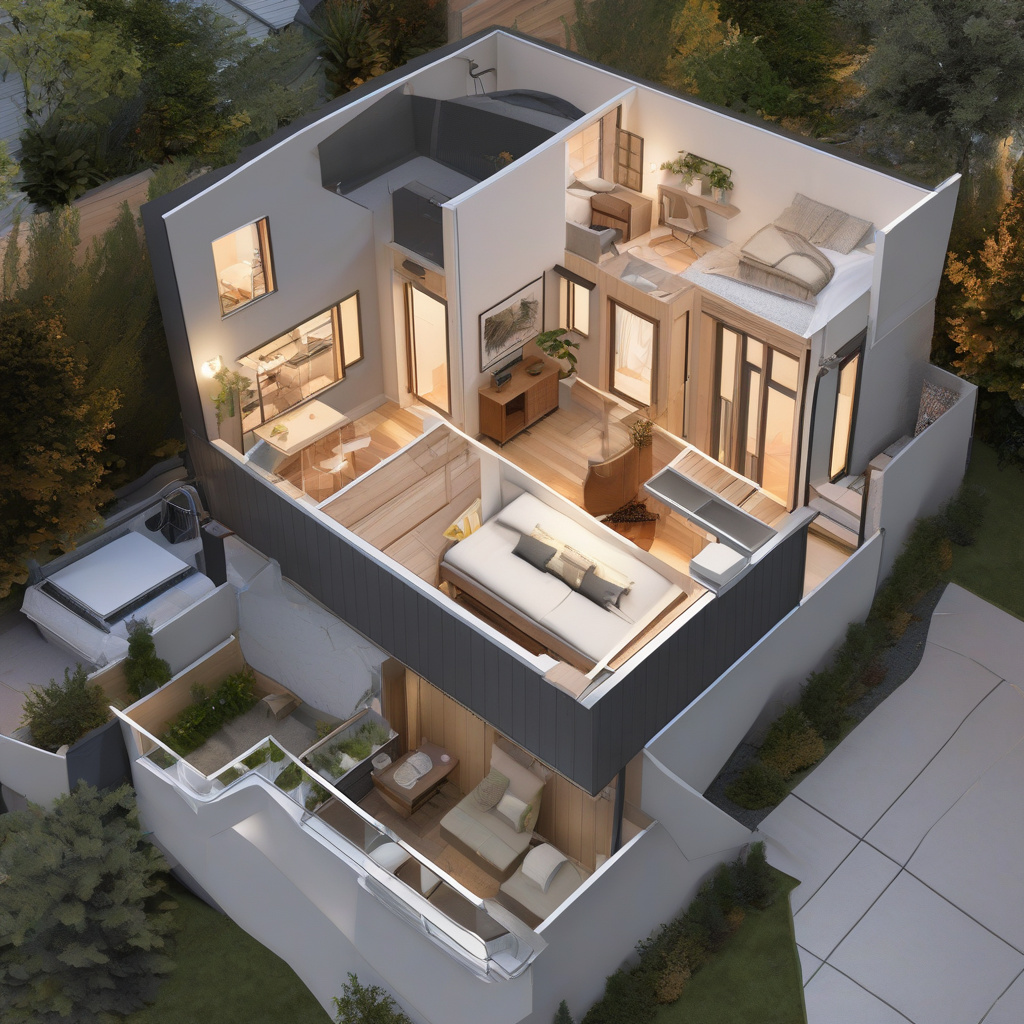
In the golden state of California, where real estate dreams are built on a shaky tectonic plate of regulations and ordinances, one facet is garnering special attention: egress windows for Additional Dwelling Units (ADUs) and home additions. These critical features, dictated by stringent building codes, are shaping not only the safety but also the aesthetic decisions of homeowners looking to capitalize on additional living spaces.
Brief summary: This article delves into the intricacies of building codes pertaining to egress windows for ADUs and home additions, with a particular focus on compliance with California standards. It explores practical examples, common challenges, and expert insights to guide homeowners and renovators through the regulatory maze.
The Rise of ADUs in Southern California
Southern California, an area celebrated for its dynamic lifestyle and architectural diversity, has seen a remarkable surge in the popularity of Accessory Dwelling Units (ADUs). Once relegated to obscure city planning meetings, ADUs are now at the centerpiece of urban expansion talks. As the housing crunch intensifies, homeowners are seizing on ADUs as a lucrative solution to generate rental income or expand family space. Navigating the labyrinthine regulations is a crucial step in the journey, beginning with understanding the foundational rules associated with these additions.
As many local homeowners have noticed, integrating ADUs within existing properties can transform underutilized spaces into thriving income streams. Marvel at how once barren backyards metamorphose into chic in-law suites. Yet, this architectural alchemy isn’t void of codes and standards—notably, those governing egress windows.
Functioning as an emergency exit, the egress window is not merely an architectural footnote but a linchpin in ensuring occupant safety. Essence and compliance go hand in hand, requiring both innovative solutions and strict adherence to California’s exacting guidelines. These include regulations on sill heights, minimum clear openings, and precise placement, all in pursuit of safe and viable escape routes.
In conclusion, the marriage of utility and regulation is paramount in ADU construction, marking the continued evolution of real estate trends in the region.
Understanding Egress Window Regulations
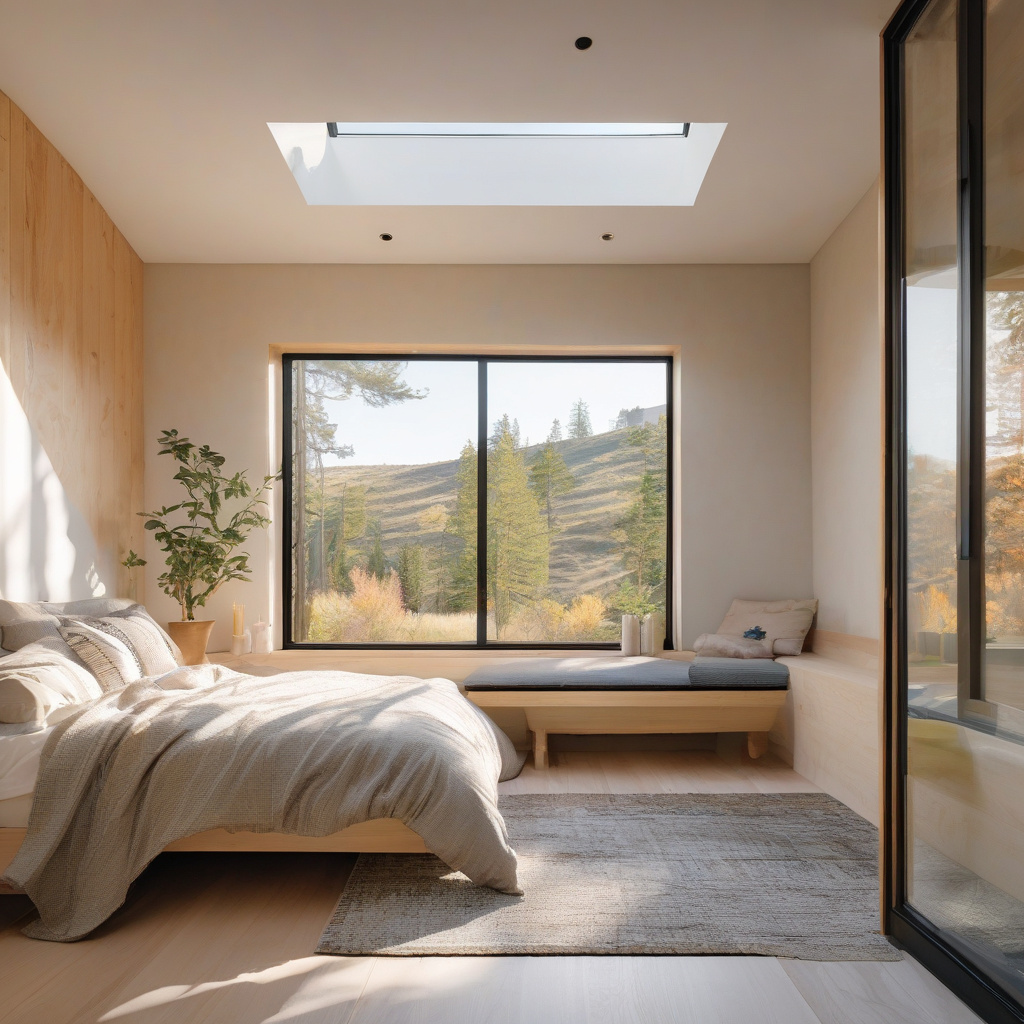
The granular details of egress window specifications are like a gospel to the builders and architects of Los Angeles. The California Building Code (CBC) is unambiguous: egress windows must have a net clear opening of at least 5.7 square feet on upper floors, with ground floors demanding no less than 5 square feet. Furthermore, window sills should not exceed 44 inches from the floor. Followers of these directives avoid potential pitfalls while ensuring safety stays uncompromised.
Homeowners unfamiliar with these standards often face delays or costly redesigns. As noted by a prominent construction expert, “Ensuring compliance from the outset is not just a cost-saving measure, but a quintessential safety practice.” Many watchdogs and authorities stand ready to enforce these codes, pushing homeowners toward knowledgeable compliance.
It’s not just a matter of meeting bureaucratic requirements. For those entwined in home remodels or additions, a deep understanding of these building codes could be as valuable as gold. Practical examples show design flexibility can coexist with compliance, allowing for both functional and elegant spaces.
Ultimately, understanding these regulations empowers decision-makers to balance technical constraints with creative desires, ensuring that every window is both an escape route and an architectural feature.
According to industry standards, egress windows in ADUs not only enhance safety but can increase property value by up to 20% if designed with aesthetic appeal in mind.
The Planning Paradox: Office vs. Studio Space
While pondering the purpose of your additional space, the debate between office and studio configurations presents itself as an intriguing question. Think of your ADU as a blank canvas, waiting for your vision. Will it serve as an inspirational home office, or will it nurture creativity as a dynamic studio? The decision is pivotal, not only for optimal space usage but also for future marketability.
Imagine the hustle and bustle of crafting a bespoke work-from-home oasis versus the creative energy of a workshop where paint meets canvas. The choice can define the very essence of your ADU, driven not just by preference but by regulatory boundaries. Harnessing insights from experiences in setting design goals can provide invaluable guidance for proactive planning.
Observational trends within the area suggest that a hybrid approach—integrating both purposes—maximizes both potential and versatility. This, however, entails an intricate balance between aesthetic aspirations and practical prerequisites, particularly in egress window placements.
Furthermore, the pivotal role of appropriate lighting, acoustics, and even micro-zoning should not be underestimated. These factors ensure seamless adaptation for whatever purpose the space will ultimately fulfill, be it professional efficiency or personal inspiration.
A remodeling study revealed that the majority of homeowners utilizing studios within ADUs see a marked improvement in creativity and work-life balance.
Material Choices and Cost Analysis
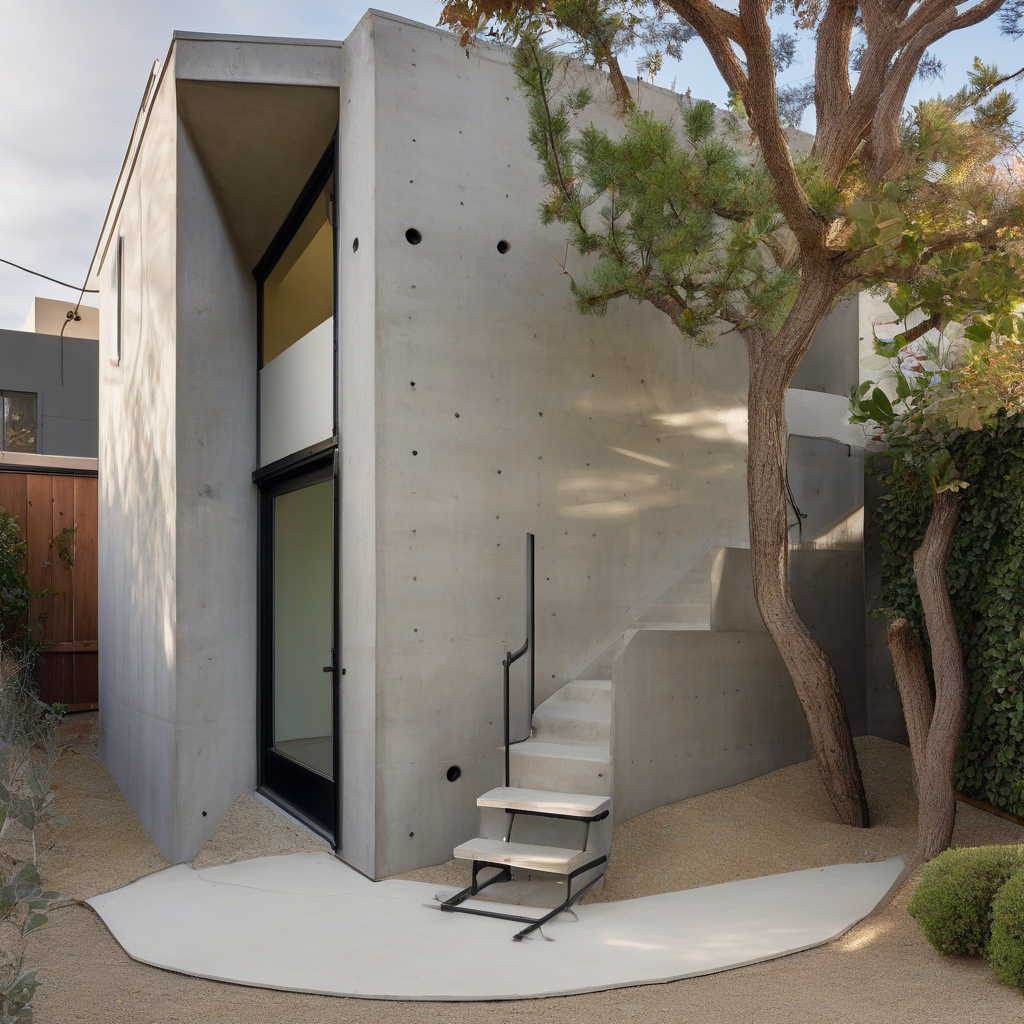
When embarking on a renovation journey, one of the most consequential decisions involves material selection. Tailoring your approach with an eye towards cost-effectiveness and style demands an insightful roadmap. Home renovations in Los Angeles navigate a myriad of choices, from aluminum-clad windows to wooden designs that marry elegance with durability.
One must carefully weigh budget constraints against the long-term benefits of higher quality materials. A comprehensive assessment of key cost variables such as materials and methods reveals that strategic investments can enhance both safety and architectural harmony.
For instance, tempered glass might incur a steeper upfront cost, but its resilience against environmental factors offers dividends in longevity and security. Thermal efficiency, too, should not be overlooked, especially in Southern California’s diverse microclimates.
The process isn’t just about dollars and cents but about ensuring that the essence of your home aligns with ambitious design goals without sacrificing compliance or durability. By understanding these layers, homeowners can emerge as knowledgeable participants in their renovation projects.
Research highlights how investing 15% more upfront in quality materials can extend the life of egress windows by up to 50%
Pros and Cons: Weighing Your Renovation Decisions
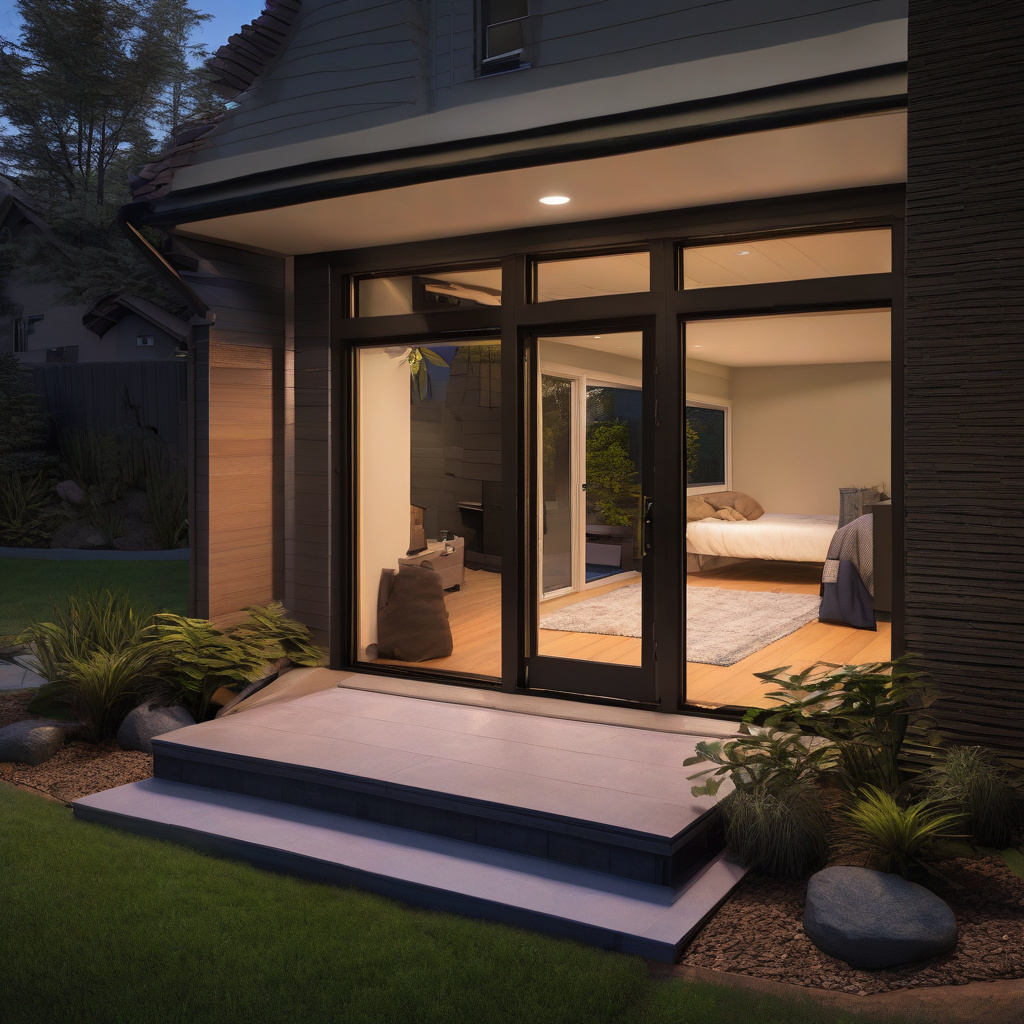
Every architectural decision carries its weight in gold. Whether opting for quaint casements or sprawling sliders, each choice brings distinct benefits and challenges. One must not only consider the aesthetic appeal but the practical nuances associated with each design.
The advantages of deploying large egress windows include improved ventilation and expansive views, yet these decisions often include drawbacks like reduced privacy and increased installation costs. Conversely, smaller configurations may better compliment privacy needs but could limit light and generative openness.
For those keen on market competitiveness, understanding how successful projects balance these dynamics offers valuable perspectives. This balance is instrumental for maximizing the overarching utility and desirability of your living space.
The breadth of pros and cons requires careful deliberation, posing the compelling question: What are you willing to compromise today to achieve that design dream tomorrow? Ultimately, your final decision should meticulously reflect both immediate needs and future aspirations.
A Step-by-Step Guide to Egress Window Installation
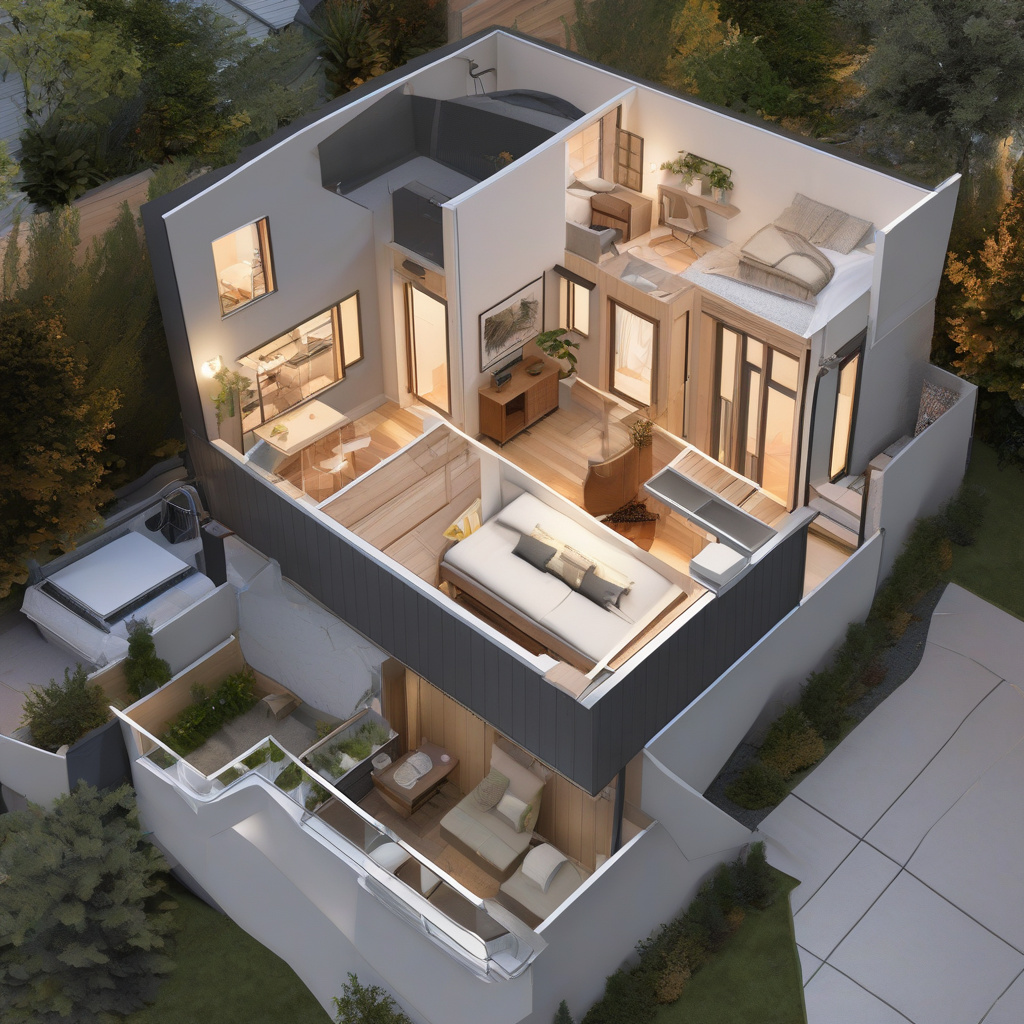
Installing an egress window for your ADU or addition may seem daunting; however, a logical step-by-step approach alleviates associated headaches. Foremost, consulting with a local contractor or architectural engineer ensures plans align with legal mandates and housing trends.
Begin with a comprehensive assessment of the area where windows will be integrated, considering both aesthetic desires and logistical constraints. Following site appraisal, the optimal window type should be selected based on long-term project goals.
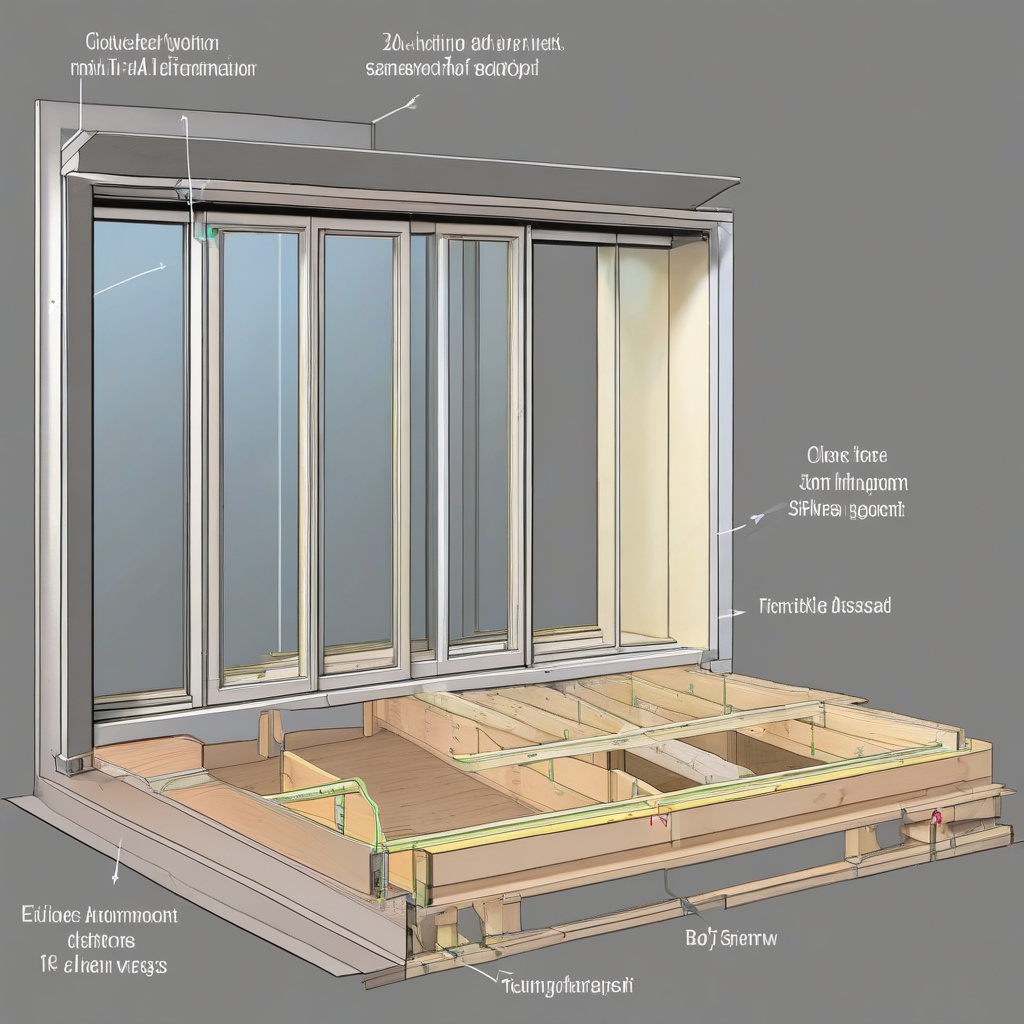
The installation itself requires precision, starting with cutting the wall to specifications, ensuring support systems remain intact. Proceed with the assembly of window frames, followed by secure fixture mounting alongside weatherproofing checks to protect against the elements.
Completion of installation is marked by rigorous testing of window operations to confirm seamless functionality. Finishing touches such as aesthetic enhancements and compliance verifications are essential to wrap up the process with success.
Efficiency and adherence to safety standards transform the daunting into the manageable, facilitating successful renovations.
- The compliance of egress windows is a critical safety component in ADUs and additions.
- Strategic planning blends aesthetic desires with regulatory requirements.
- Material selection should balance cost with long-term value.
- A step-by-step installation approach aids in achieving successful outcomes.
- Consulting experts helps navigate the complexities of renovation projects.
“`html
FAQ
What are egress window codes for ADUs?
In real renovation projects, it often becomes clear that compliance is more than just a checklist—it’s about creating a safe living environment. Egress window codes in California require specific measurements to ensure occupants can exit quickly in emergencies. Typically, egress windows in ADUs must have a minimum clear opening of 20×24 inches, with a sill height no more than 44 inches off the ground. These windows are life-saving features, demanded by stringent safety standards. Hence, choosing correctly sized windows is crucial, which, in the realm of practical renovation, means always double-checking dimensions before installation. Missteps here can lead to costly adjustments later.
How do you choose the right egress window for an ADU?
Homeowners frequently underestimate this aspect, but selecting the right egress window involves more than picking what fits a frame. Considerations must include aperture size, type, and location relative to likely exit paths. For example, installing a casement window rather than a sliding one might better serve the quick egress need. In practice, consulting with local building professionals familiar with California’s stringent standards can save both time and money. Remember to account for natural light and airflow, as poorly chosen egress might compromise these essential living conditions.
When should you install egress windows during a home renovation?
In the ebb and flow of renovation timelines, timing is everything. Many experts point out that egress installation should ideally occur after framing but before drywall. This sequence allows for accurate placement and avoids structural complications. The critical tip is, always schedule an installation during a season with relatively dry weather – California’s spring might be ideal. Installers can then work without weather-induced delays, ensuring both speed and structural integrity in your ADU project.
What are the typical mistakes homeowners make with egress windows?
Misaligning priorities often leads homeowners to choose aesthetics over safety. Many inadvertently select windows based solely on design without regard to functionality and legal compliance. Another typical oversight involves underestimating the importance of regular maintenance, such as ensuring clear pathways and operational ease, which are pivotal during emergencies. In practical scenarios, dated or blocked windows can become potential hazards, emphasizing the need for a balanced approach.
How much do egress windows for ADUs typically cost?
Cost considerations vary, primarily influenced by materials, size, and installer expertise. On average, egress window prices range between $1,500 and $3,000, including installation. However, opting for high-end, custom windows can increase costs. In reality, those costs can swell with labor if complications arise during installation. Engaging with builders early in the process often results in reliable cost estimates and can prevent budget overruns. It’s best to reflect on this: while the initial investment might be steep, ensuring safety and compliance pays dividends over time.
What are the pros and cons of egress windows in ADUs?
Egress windows significantly enhance safety—offering vital exit routes during emergencies—a pro echoed across renovation journals. Additionally, they improve natural lighting and increase property value. However, the cons may include higher initial costs and potential aesthetic clashes with existing architecture. In many older properties, integrating modern windows without disrupting historical aesthetics remains challenging. Balancing these aspects involves thoughtful planning and professional guidance to ensure that the practical benefits comfortably outweigh the drawbacks.
What maintenance is required for egress windows?
A well-maintained egress window is not just a feature but a necessity in emergencies. Regular checks ensure windows open easily and remain unobstructed—a simple action that can prevent potential tragedy. “In real scenarios,” as seasoned homeowners might observe, “neglect often leads to jams or weathering-induced deterioration.” Applying lubricant to moving parts, cleaning the tracks, and checking for signs of moisture buildup around seals are essential maintenance practices. These steps extend the lifespan of the window and enhance the comfort of the dwelling. Moreover, seeking professional advice is always a wise move for specific concerns or advanced inspection needs.
How can I ensure my egress windows meet California standards?
Ensuring compliance requires a keen understanding of California’s building codes. A thorough plan involves collaborating with experienced local contractors who frequently navigate these standards. Regular inspections and being clear about requirements can significantly influence the window installation outcomes. Scheduling a consultation for expert advice is prudent, and those interested in specific help can easily arrange a consultation with local renovation specialists. Professionals adept at interpreting code requirements can prevent oversights that lead to costly violations and ensure peace of mind.
“`