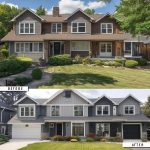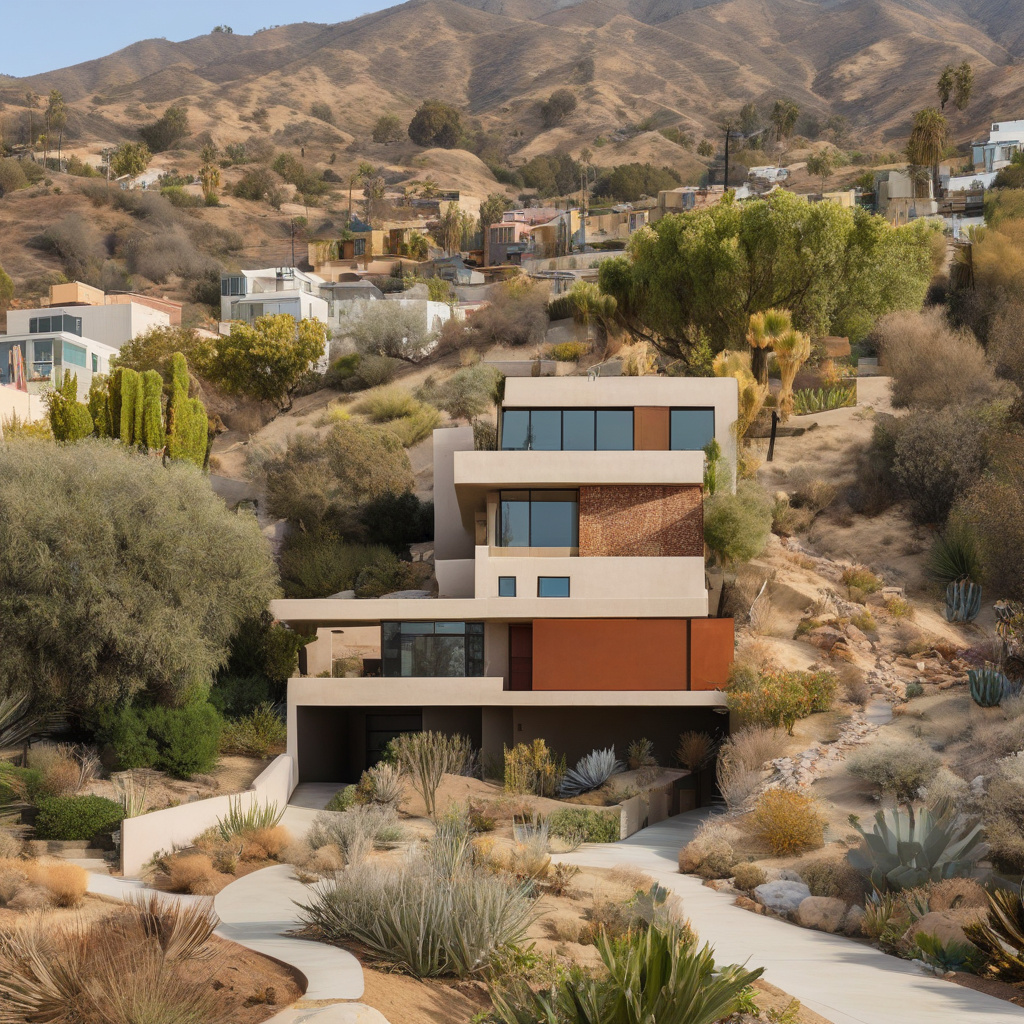
When it comes to the face of Los Angeles, the rooftops of its iconic neighborhoods play an understated yet pivotal role. As the city’s architectural tapestry evolves, roof color trends are increasingly influenced by a confluence of aesthetic desires and pragmatic considerations. A move towards shades that reflect both the region’s vibrant identity and environmental requirements is reshaping the skyline. Pastel neutrals, sun-reflecting grays, and earthy tones are not only a nod to contemporary style but also a response to the demands of urban heat management.
Brief summary: This article delves into the emerging trends in roof colors across Los Angeles neighborhoods, highlighting the shift towards soft neutrals and sun-reflective shades as means of harmonizing visual appeal and heat control. Discover how these choices align with practicality and neighborhood aesthetics, while offering insights into costs, materials, and homeowner experiences.
Reflective Roofs: A Blend of Style and Science
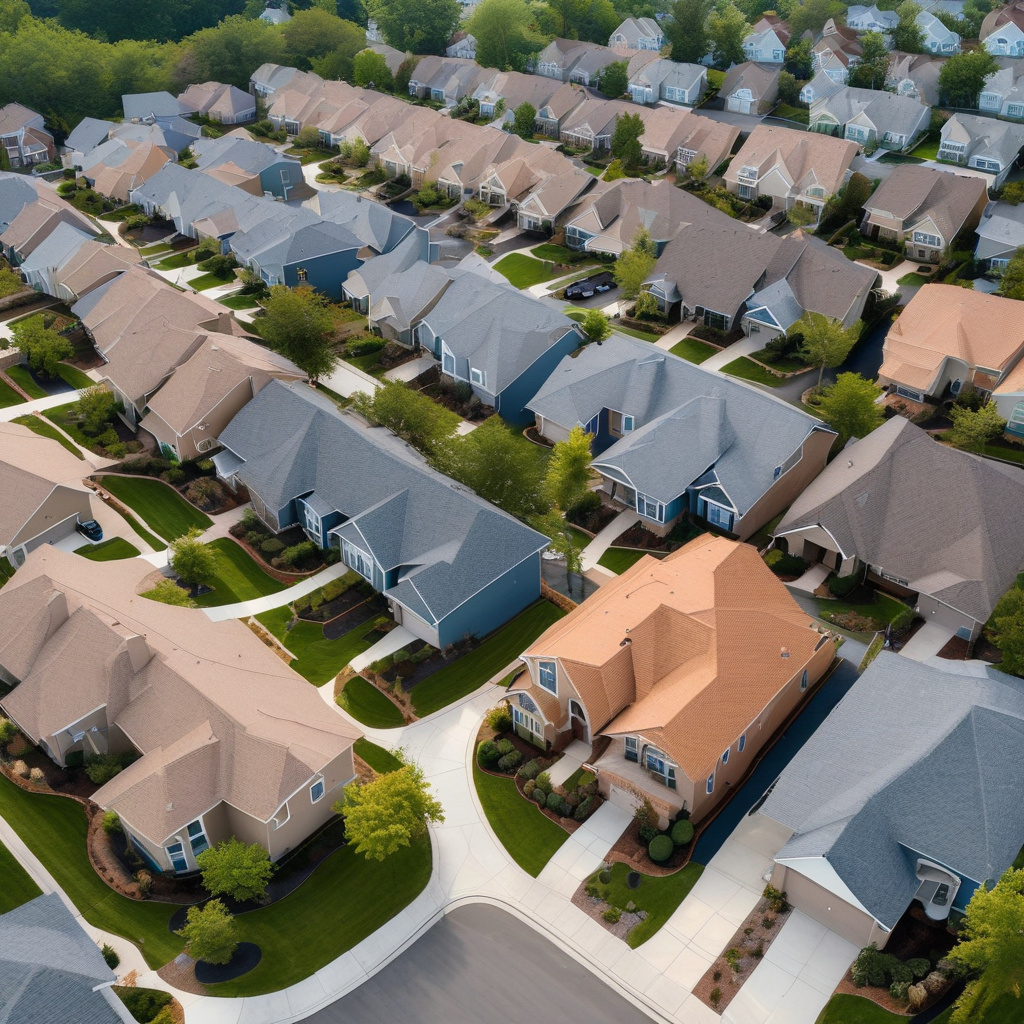
Los Angeles, a sprawling urban landscape known for its sunshine, requires roofing solutions that tackle intense heat while maintaining a distinct aesthetic charm. Increasingly, homeowners are opting for sun-reflective gray tones. These hues, beyond their chic appearance, are pivotal in reducing heat absorption. By reflecting more sunlight, these roofs help in managing indoor temperatures, eventually lowering energy bills for cooling systems.
As numerous residents will testify, the decision to adopt these trendy shades is not just about following a fad. It’s an investment in long-term sustainability. In recent years, experts have noted a significant shift towards environmentally conscious designs, where form meets function seamlessly. It’s a pragmatic choice that aligns with the broader climate strategy embraced by many Californians.
For a deeper understanding of this trend, many guides and resources are available to explore comprehensive roofing options. They provide insights into not only color selection but also materials best suited for longevity and energy efficiency.
The attractive aesthetic appeal combined with the energy efficiency of sun-reflective colors has set a new standard in roofing choices, marrying the need for modern appeal with the hard facts of energy conservation. In this way, Los Angeles continues to lead the charge in innovative residential architecture.
Research shows that cool roofs, which include reflective coatings, can reduce roof temperatures by up to 50°F during the hottest parts of the day.
Embracing Earthy Tones for Urban Softness
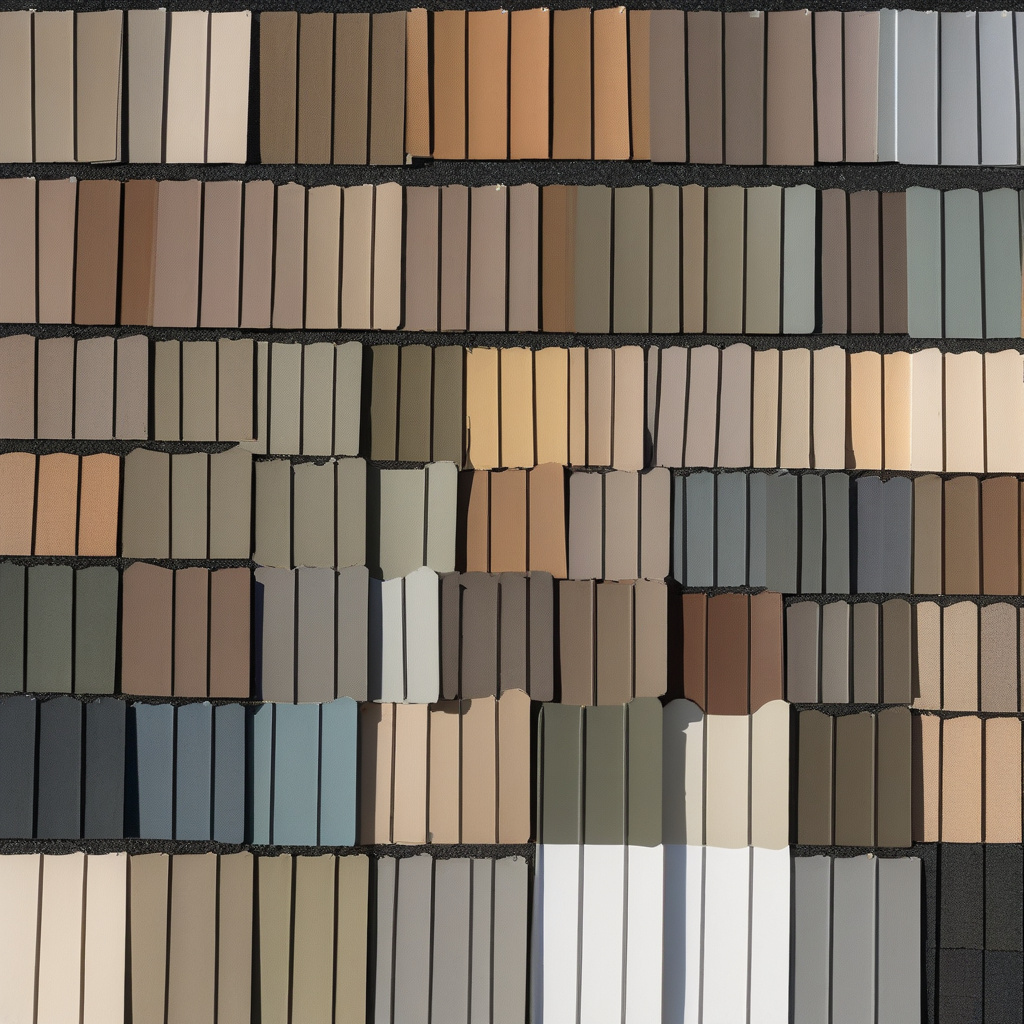
Recent years have witnessed a resurgence of earthy tones, echoing the natural landscapes that surround Los Angeles. These hues, ranging from muted browns to warm taupes, offer a soothing, organic feel that resonates with homeowners looking to connect their living spaces with the environment.
Choosing these down-to-earth colors contributes to neighborhood harmony, ensuring new constructions and renovations do not disrupt the area’s architectural rhythm. Homeowners have found that incorporating these soft shades helps roofs blend unobtrusively into the landscape, creating an inviting and peaceful suburban look.
Moreover, these tones offer a durable facade against the city’s often harsh weather conditions, providing not just aesthetic satisfaction but also a robust exterior that endures well over time. According to recent studies, earthy tones also mask dirt and grime, a practical advantage for long-term maintenance.
As many local homeowners notice, this choice strikes a balance between personal preference, architectural trends, and environmental responsibility, setting the tone for future neighborhood transformations that are equally sophisticated and sustainable.
An analysis by the Cool Roof Rating Council highlights how earthy-toned surfaces can improve home energy efficiency by approximately 7%.
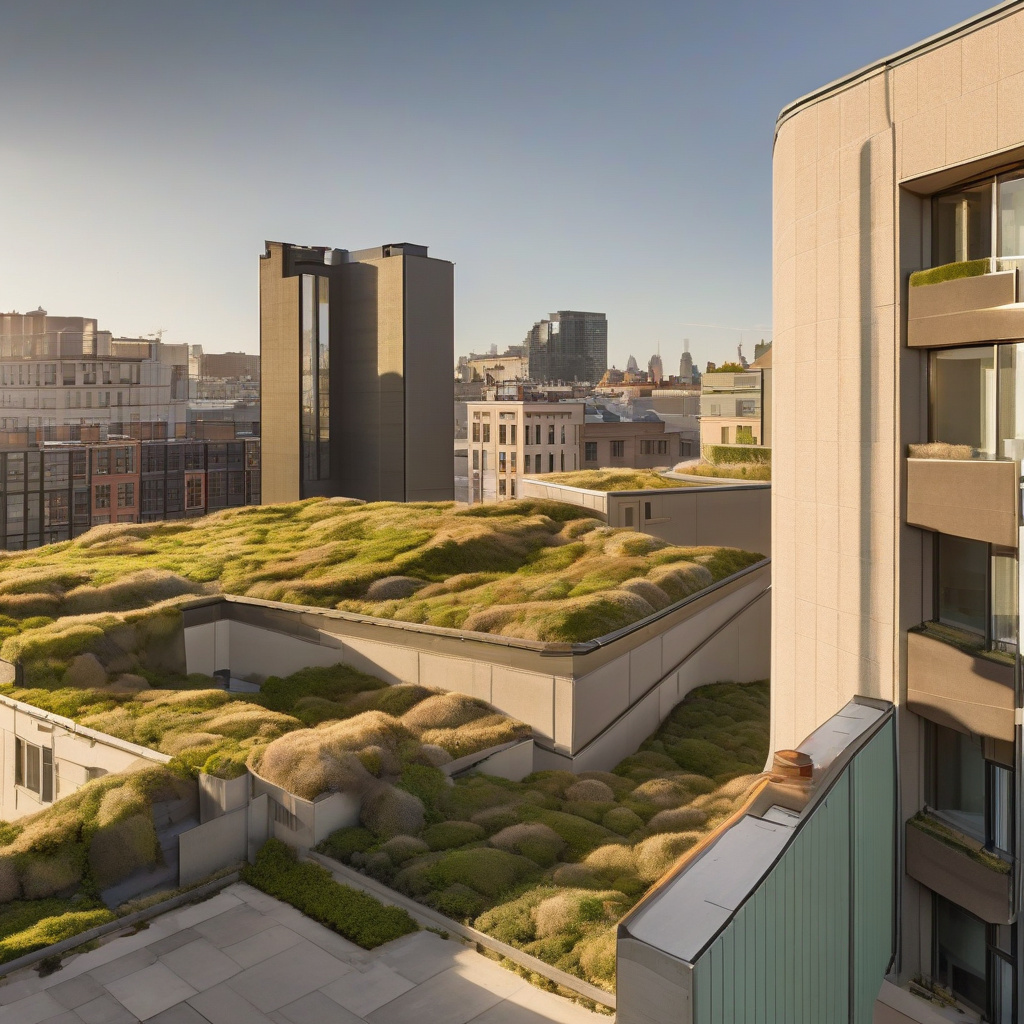
Cost and Material Considerations in Roof Renovations
While trends dictate the look, the material and its associated cost are decisive factors in any renovation project. Homeowners must provide for practical considerations alongside aesthetic desires. From clay tiles to modern composites, each material presents unique advantages and challenges.
For those exploring sustainable options in roofing, the exploration extends beyond just the colors and dives deep into the material integrity. This is where careful consideration of both environmental impact and performance comes into play, a critical aspect that affects not just costs but also longevity and maintenance demands.
To ensure safety and accessibility when selecting materials for your roof, consult resources on safe attic access and roofing materials which balance both functionality and cost-effectiveness. These resources can guide homeowners through the options best suited for different needs and budgets.
Having a clear understanding of these elements can make a significant difference in the ultimate value and functionality of a new roof, making it a calculated investment rather than a mere expenditure.
| Material | Average Cost per Sq.Ft. | Durability |
|---|---|---|
| Clay Tiles | $10-20 | High |
| Metal | $6-12 | Medium to High |
| Composite Shingles | $5-10 | Medium |
Expert insights indicate that choosing the right roofing material can increase property value by up to 15%.
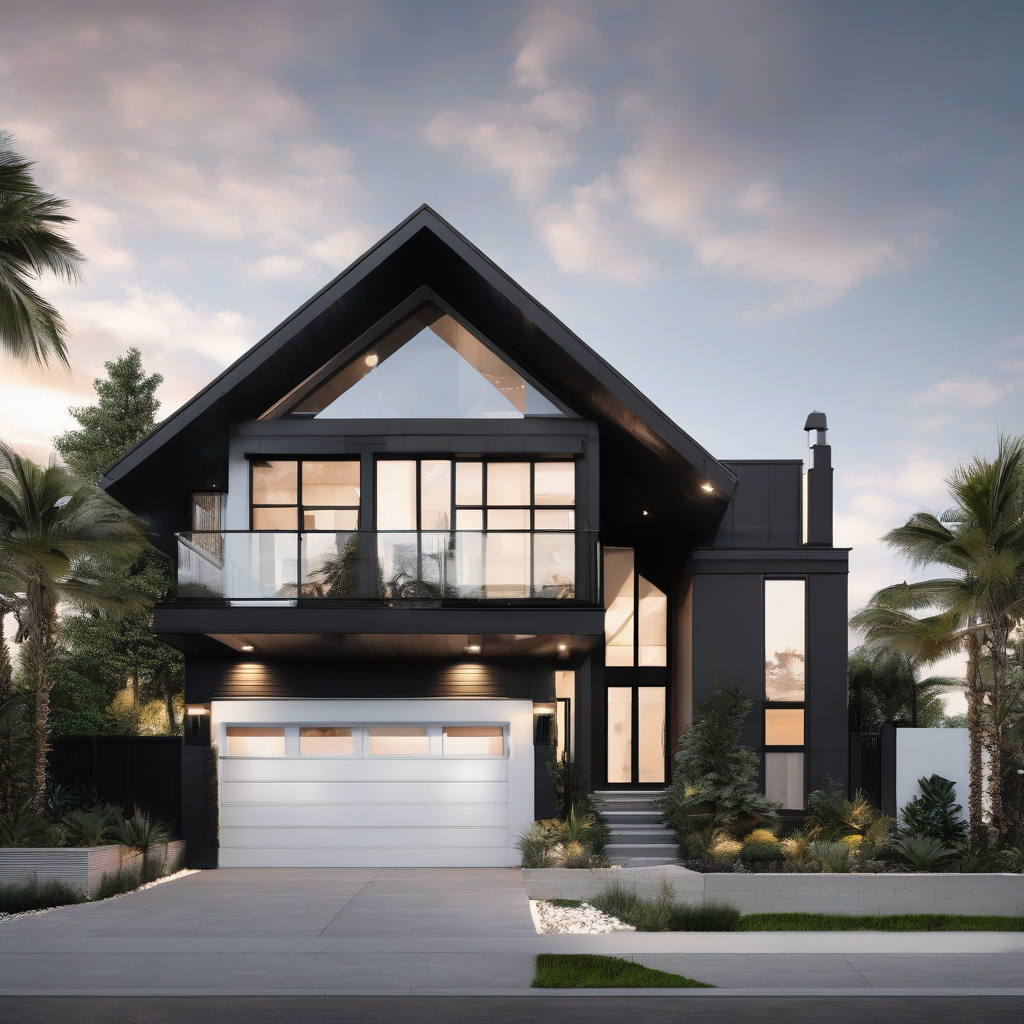
Architectural Trends: A Modern Renaissance
The architectural scene in Los Angeles is on the cusp of a renaissance. Roofs are not merely functional components; they are integral to the identity of homes and neighborhoods alike. As trends evolve, so too does the approach to revamping these essential structures.
The push towards personalized shades is a trend driven not just by a desire for distinction, but by the functionality of modern architectural principles. Designers are innovating with colors and materials that complement urban development and individual creativity.
Understanding the broader architectural implications can be essential when considering future construction choices. For suggestions on long-term planning and preservation, resources on flat roof upkeep and planning offer invaluable guidance.
Ultimately, these aesthetic and functional considerations form the backbone of contemporary architecture in Los Angeles, setting neighborhoods apart, yet binding them together in a shared vision of sustainable beauty.
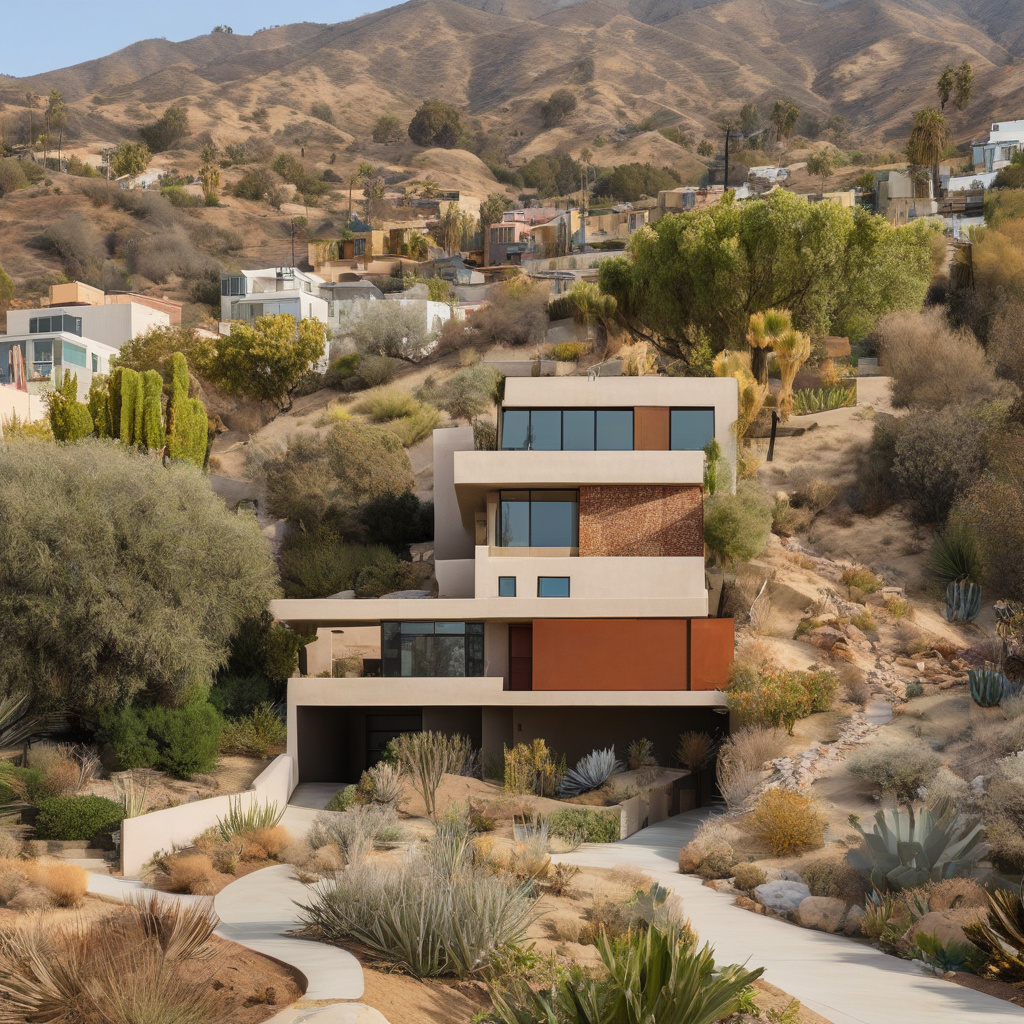
Navigating HOA Guidelines and Permissions
Homeowners’ Associations (HOAs) are instrumental in maintaining the visual cohesion and standard of neighborhood aesthetics in Los Angeles. When it comes to roofs, these bodies often have strict guidelines that homeowners must navigate during renovations.
Before embarking on any renovation, it’s crucial to apprise oneself of these regulations to avoid costly rebuilds or fines. Often, these guidelines ensure consistent neighborhood aesthetics and can significantly influence the allowable range of roof colors and materials.
Navigating these regulations requires careful planning and often, expert consultations. Resources providing practical guidelines on HOA roofing options could prove invaluable for those ensuring that their renovation aligns with association mandates.
In honor of neighborhood integrity, these rules reinforce the collective identity that defines the unique spirit of each Los Angeles community. However, managing these considerations effectively can result in a harmonious blend of personal expression and communal ethos.
Risks vs Rewards in Roof Color Choices
While current trends offer homeowners a palette of choices, it’s essential to weigh the potential risks versus rewards before committing to a design. On the one hand, adopting lighter, reflective colors can lead to reduced energy consumption and increased indoor comfort.
On the other hand, these colors might require more frequent cleaning or maintenance in certain areas, as they can show dirt and wear more prominently compared to darker hues. This necessitates an understanding of one’s lifestyle constraints and willingness to engage in ongoing roof maintenance.
Balancing aesthetics with functionality continues to be a core consideration for many. For those keen on maintaining their property’s integrity, such choices should be evaluated alongside cost implications and environmental impact.
Ultimately, making educated decisions around these trends allows homeowners to invest in solutions that not only enhance immediate visual appeal but also contribute positively to their environment and local community.
- New roof color trends in Los Angeles balance aesthetics with environmental needs.
- Sun-reflective grays and earthy tones are popular for reducing energy consumption.
- Selecting appropriate materials can greatly enhance property value.
- HOA regulations play a crucial role in shaping neighborhood roof choices.
- Smart roof color decisions blend personal style with community harmony.
“`html
FAQ
What are the current roof color trends in Los Angeles neighborhoods?
In Los Angeles, roof color trends have shifted towards muted, sun-reflective hues like soft neutral grays and earthy tones. These colors not only align with aesthetic preferences but also significantly impact thermal control. In real renovation projects, professionals often recommend these colors due to their ability to reflect sunlight and maintain cooler indoor temperatures. The cultural emphasis on sustainability and energy efficiency in California further drives this trend. Homeowners aiming for long-term curb appeal will find these colors especially advantageous as they age gracefully, much like choosing a timeless shade for your home’s exterior that doesn’t appear outdated after a decade.
How should homeowners choose a roof color for optimal heat control in Los Angeles?
Choosing the right roof color for heat control involves balancing aesthetics with function. In LA, where sunlight is abundant, opting for lighter colors can dramatically minimize heat absorption. These sun-reflective options help maintain cooler indoor climates, lowering energy bills significantly. Many experts point out that while aesthetics are crucial, thermal performance should be a primary consideration. For example, a reflected gray roof can reduce the need for air conditioning in the summer, but it’s also wise to consider how this choice interacts with your home’s existing color palette. Consulting with a local roofing specialist can provide insights tailored to your neighborhood’s style and climatological factors.
When does it make sense to update your roof color in California?
Updating your roof color makes sense in several scenarios, notably during a renovation or when your existing roof shows signs of aging. Older properties benefit from a color refresh that enhances both efficiency and curb appeal, aligning with current trends. In neighborhoods where aesthetic consistency matters, keeping up with roof color trends can prevent your home from appearing dated. Additionally, if you’re installing new energy-efficient roofing materials, pairing them with a suitable color maximizes benefits. Many homeowners underestimate the effect a roof’s color has on resale value, especially in competitive markets like Los Angeles, where buyers appreciate contemporary and functional design choices.
What are common mistakes homeowners make when selecting roof colors?
A prevalent mistake is prioritizing aesthetics over functionality, such as selecting a dark hue for style without considering its thermal impact. In Los Angeles, darker colors can absorb substantial heat, counteracting energy-efficient cooling systems. Homeowners frequently overlook how roof color affects temperature regulation, which is critical in sun-drenched regions. Another oversight is neglecting the neighborhood’s common color scheme, which can make a property stand out for the wrong reasons. Before finalizing your choice, gather color samples and observe how they look under various lighting conditions, mimicking how they will appear throughout the day.
How much does it cost to change the roof color in Los Angeles?
The cost to change a roof color varies widely based on materials, labor, and the home’s size. In Los Angeles, where labor costs may be higher, expect to allocate substantial resources if opting for premium sun-reflective materials. Roughly, homeowners can anticipate spending anywhere from $5,000 to $10,000 or more on a complete roofing overhaul. Factors such as roof complexity and existing damage can increase costs. However, investing in energy-efficient and aesthetically pleasing materials can yield long-term savings on energy bills and enhance property value, offering a practical return on investment over time.
What are the pros and cons of sun-reflective roof grays and neutrals?
Sun-reflective grays and neutrals offer significant pros, such as reduced heat absorption and increased energy efficiency, which are crucial for Los Angeles homes. These shades blend well with various architectural styles, enhancing long-term curb appeal. However, the downside includes a potentially higher upfront cost and the need for professional installation to ensure performance. Moreover, some might argue that such muted tones lack the vibrant aesthetic appeal of other hues, though their understated elegance often grows on homeowners. Overall, the long-term benefits of energy savings and sustainability tend to outweigh the initial drawbacks, making them a popular choice.
How should roof color be maintained over time?
Maintaining roof color involves regular inspections for damage, as wear can dull the surface over time. Many homeowners mistakenly assume their roof is maintenance-free once installed, but specific actions ensure longevity and aesthetic appeal. Cleaning debris, moss, and algae not only preserves color but also extends the roof’s lifespan. In real-world settings, professionals recommend scheduling bi-annual inspections and performing touch-ups as needed. Re-coating reflective surfaces every few years can also enhance their heat-reducing properties. If you’re uncertain about the maintenance regimen suitable for your roofing type, reaching out to a local expert can offer personalized guidance.
Are there risks associated with choosing trendy roof colors?
Embracing trendy roof colors can pose risks, primarily if trends shift rapidly, leading to a dated look much sooner than anticipated. Hence, while a chic color can enhance modern aesthetics, it’s essential to consider its longevity and appeal to potential future buyers. Additionally, mismatches with neighborhood vibes might stand out unfavorably. Homeowners should approach trendy colors with a critical eye, weighing the immediate curb appeal against long-term versatility. Those uncertain about such choices can benefit from professional advice tailored to Southern California’s unique market dynamics by reaching out through a helpful resource like this roofing consultation contact page.
“`