
In the sprawling neighborhoods of Los Angeles, where architectural ambition meets meticulous maintenance codes, homeowners eyeing decks or balcony renovations often find themselves negotiating the mysterious world of Homeowners Association (HOA) regulations. These rules aren’t just paper-pushers’ delights but binding dictates meant to preserve community aesthetics. Yet, they often pose challenges in transforming vision boards into tangible outdoor marvels.
Brief summary: This article explores how homeowners in Los Angeles can navigate HOA rules during deck or balcony remodels. It offers insights into aligning renovation projects with community standards, discusses material compatibility, offers practical examples, and provides a mini-guide on the remodeling process with an eye towards cost and design conformity.
Understanding the Impact of HOA Rules
The Homeowners Association in your neighborhood might seem like a daunting gatekeeper, but it’s crucial to understand its fundamental role. HOAs are established to maintain a community’s visual and structural harmony. Their rules ensure uniformity, preventing a mismatch of styles that could disrupt the neighborhood’s cohesive look. Such regulations often extend to exterior modifications, including decks and balconies, which are significant contributors to a home’s façade.
Take, for instance, the case of a Westside couple who envisioned adding an elevated wooden deck. Their HOA required a detailed proposal outlining the design and materials before approving the project. The veteran renovator they hired highlighted that complying with HOA standards not only safeguards the community’s visual appeal but also enhances property value.
Conformity isn’t just about aesthetics; it’s about safety and longevity. As many local homeowners notice, non-compliance might invite financial penalties, forcing an unexpected strain on the remodeling budget. Thus, understanding why these rules exist helps navigate them more effectively.
The key takeaway here is simple: approach your HOA early and armed with a clear understanding of the guidelines. This proactive engagement can save you time and money.
Planning Your Renovation: Initial Steps
Embarking on a deck or balcony renovation project begins long before the first nail is driven or the first plank is laid. It starts with a vivid vision and meticulous planning. This process is doubly essential in communities with stringent HOA oversight. The initial phase often involves conceptualising how the remodel will align with existing structures and aesthetics.
One effective strategy is to review patios or other outdoor structures in your neighborhood. Observe what styles and materials are universally embraced and identify what appeals to your artistic sensibilities. This exercise equips you with persuasive arguments when discussing your plans with the HOA.
Homeowners have seen success by engaging with architectural consultants familiar with local HOA bylaws. A case in point is a family in Pasadena who used a consultant to predict potential objections and preemptively addressed them in their submission. Documenting these insights not only serves to placate HOA concerns but streamlines the approval process.
Remember, adequate preparation and open dialogue with your HOA can ease the path to achieving your dream renovation.
Choosing the Right Materials: A Tactical Decision
Material selection is where creativity meets practicality. You’re drafting a blueprint, and each choice counts. It’s vital that chosen materials don’t just resonate with your style but also comply with local HOA standards. Materials not explicitly banned by your HOA likely necessitate a preliminary discussion prior to purchase.
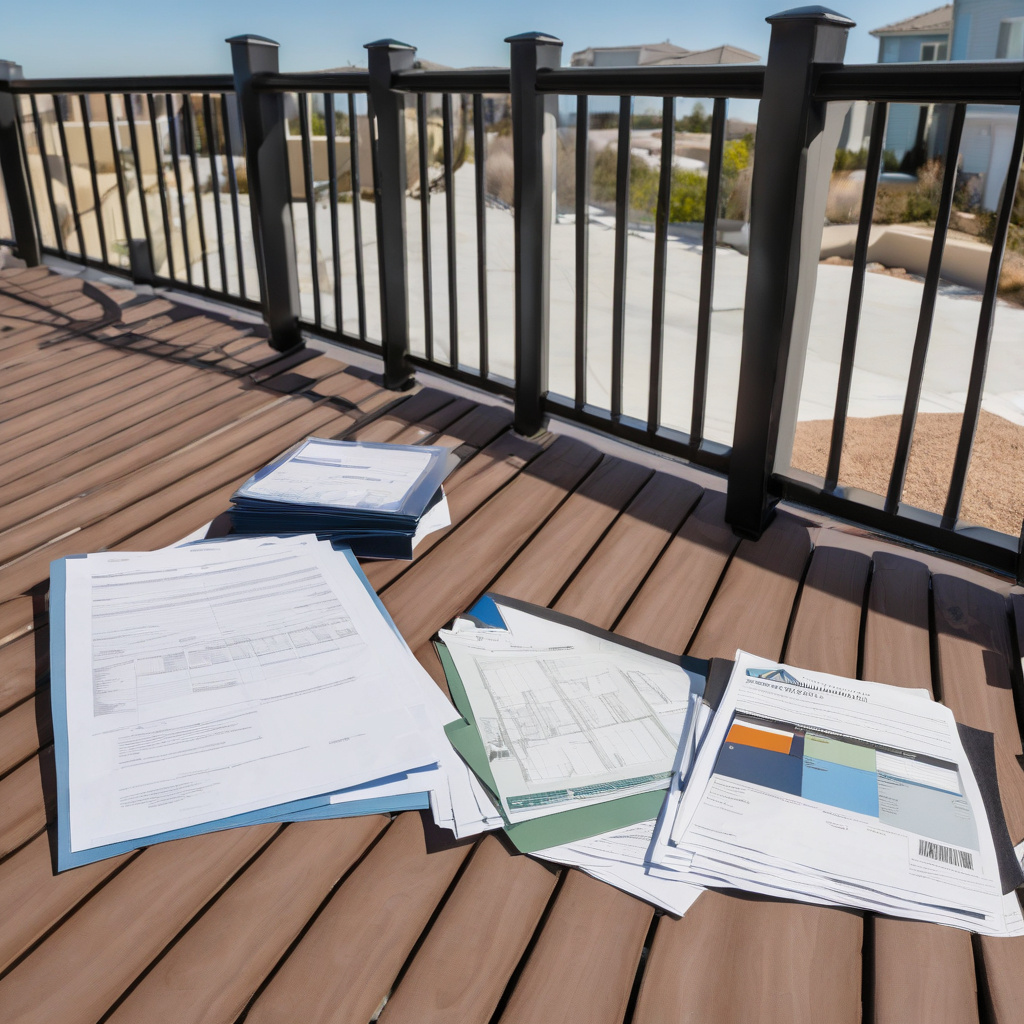
Considerations might include everything from durability and zeitgeist to environmentally conscious choices. Opt for new-age composites or treated wood that offers aesthetic appeal without compromising longevity. A fascinating trend recorded by renovators in Southern California is the increasing adoption of sustainable materials, an endeavor you can undertake if your HOA’s guidelines are broad enough.
To aid in this process, evaluate the information found on picking compatible styles and materials. It’s an exquisite dance between cost, conformity, and creativity that ultimately realizes your deck’s potential. A family in West Hollywood particularly appreciated how their HOA embraced modern sustainable solutions, offering them a broader pallet of materials from which to choose.
Carefully weigh the merit of each material in light of community standards before drafting your proposal. This approach ensures seamless HOA approval and a standout final product.
Comparing Costs and Timelines: What to Expect
When confronting a remodel, having a clear understanding of both costs and timelines is essential. Large cities like Los Angeles boast a plethora of renovation options, creating a marketplace rife with choice but fraught with potential pitfalls.
| Option | Cost Range | Average Timeline | Pros | Cons |
|---|---|---|---|---|
| DIY Renovation | $5,000 – $10,000 | 3-6 months | Cost-effective, Complete control | Time-consuming, Skill-dependent |
| Professional Contractor | $15,000 – $50,000 | 4-8 weeks | Expert results, Fast completion | Higher cost, Less personal input |
Evaluating your budget constraints against your desired completion timeline will guide your choice. If time is of the essence, hiring a seasoned contractor familiar with regional HOAs may trump the cost of labor. Conversely, a patient homeowner with confidence in their handiwork could explore a DIY option.
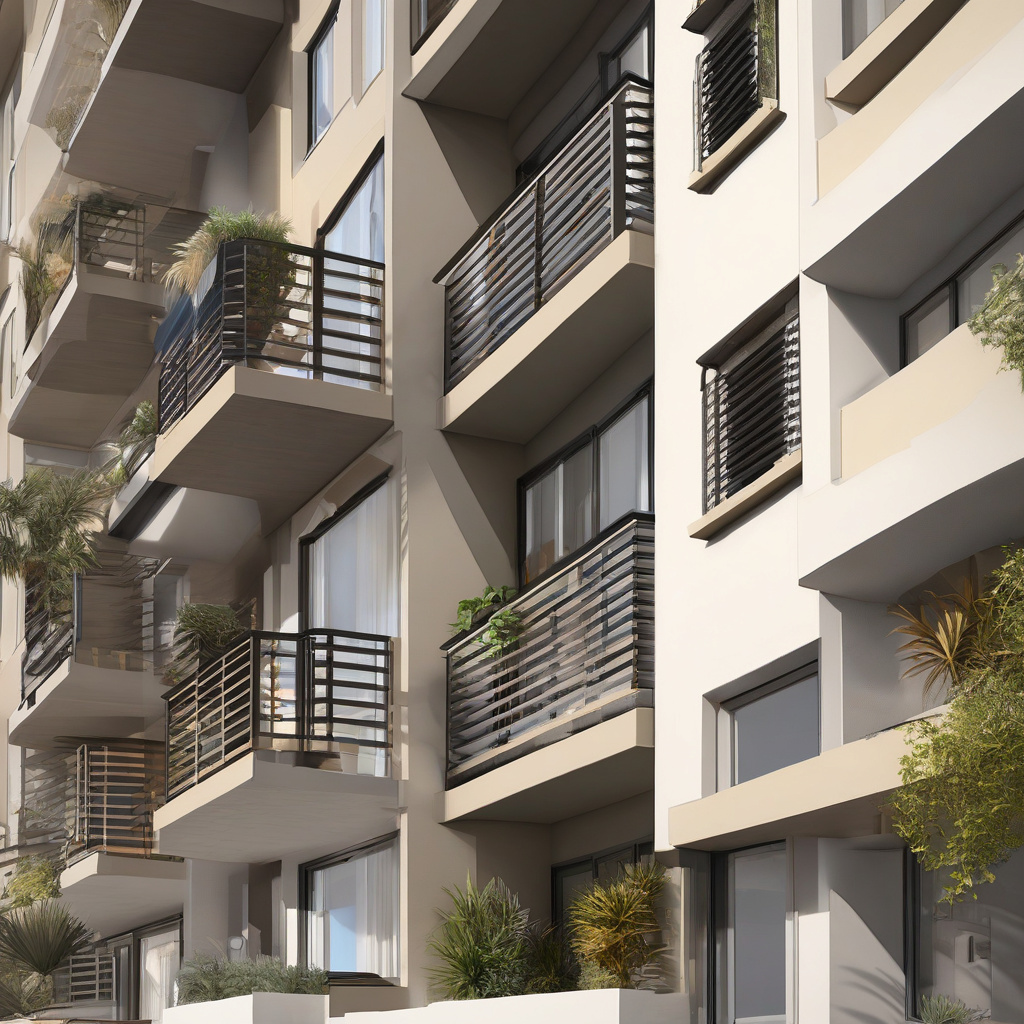
Electricians, carpenters, and landscapers often express that realistic timelines are vital. Through clear communication and realistic goals, both cost and completion timescales can be managed effectively.
Remember, clear understanding of costs and expected project trajectory ensures informed decisions rather than reactive fallbacks as the renovation proceeds.
Safety and Compliance: Prioritizing Responsibility
In the whirlwind of style and supplies, safety can never be overstated. Adhering to HOA guidelines isn’t just about aesthetics, but about safeguarding the integrity of the communal living space. Your project must stand the test of time and elements while minimizing risks.
In a recent study on decking and safety, experts emphasized how compliance with building codes reduces unnecessary hazards. From proper ventilation to structurally sound railings, adhering to these codes isn’t merely a suggestion; it’s a mandate.
An industry survey found that 30% of homeowners faced increased insurance premiums due to non-compliance with safety guidelines during renovations.
Bear in mind that compliance serves as an insurance policy against future liabilities and unforeseen costs. Incorporating safety checks and balances during your planning phase will ensure peace of mind long-term.
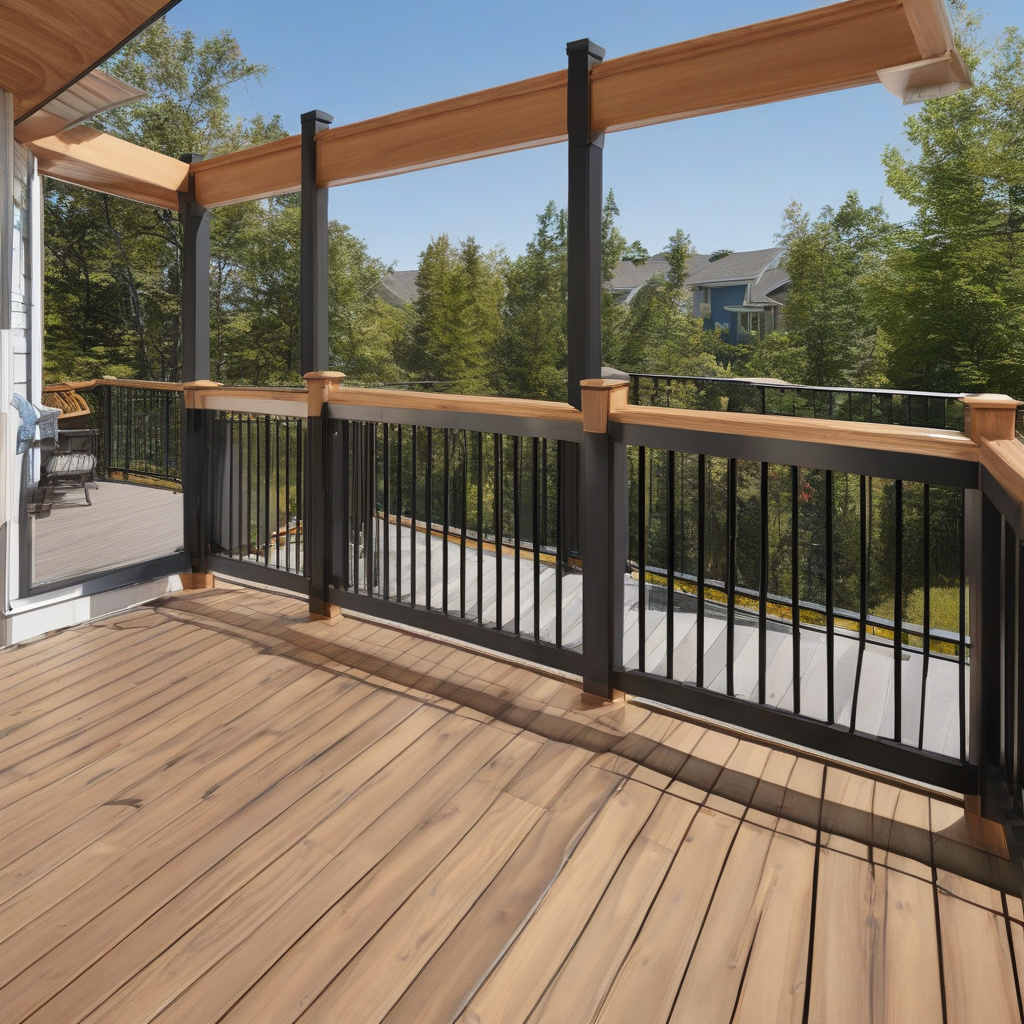
At the very heart of this narrative lies the message: prioritize safety, adhere strictly to compliance measures, and enjoy a durable, worry-free outdoor space.
Final Touches and Looking Ahead
The concluding stages of your renovation project signal a time for reflection and anticipation. Painting and staining, for instance, are facets that can drastically alter a deck’s final appearance. Selecting the right finish not only enhances visual appeal but also preserves the wood against nature’s relentless onslaught.
Choosing the right stain can make all the difference. As Los Angeles hosts myriad climatic variances, appreciating how finishes interact with sunlight and moisture informs both initial choices and long-term maintenance.
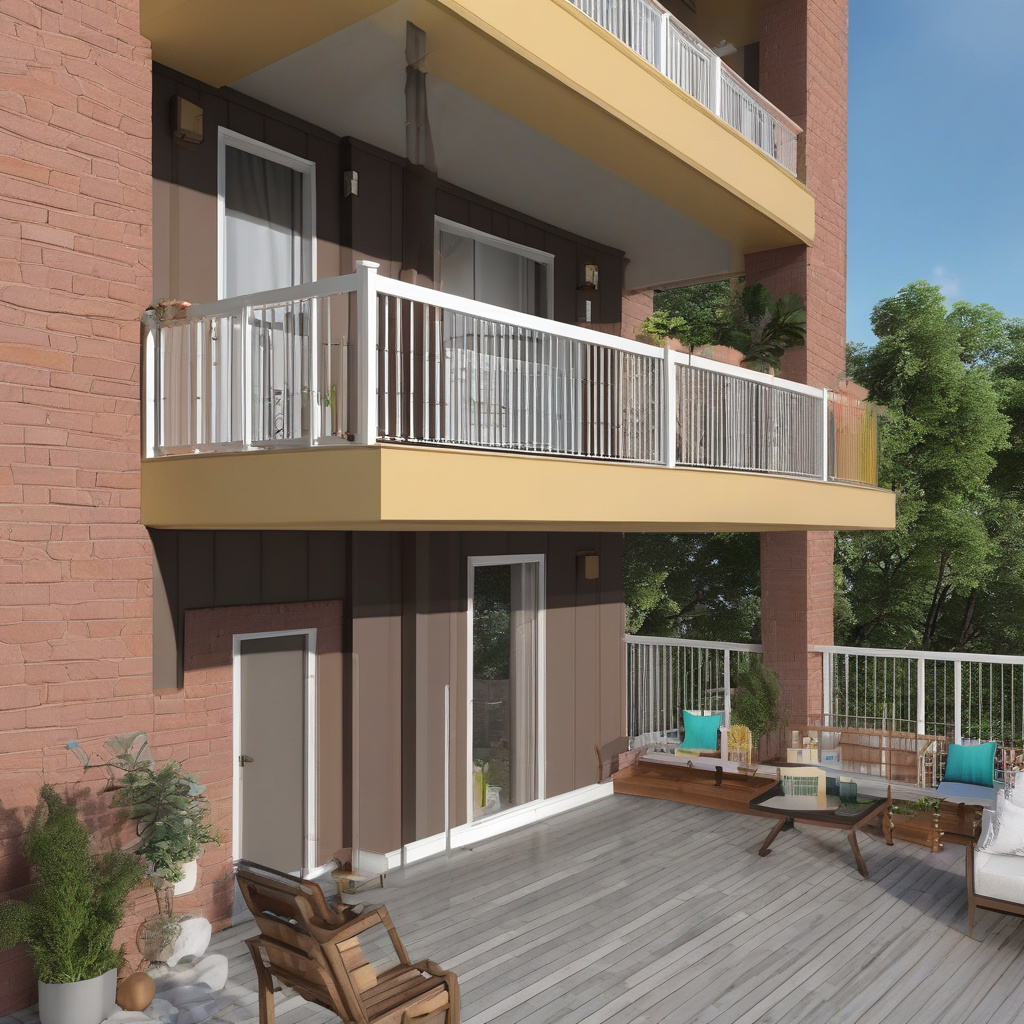
Local renovators champion finishes that incorporate UV inhibitors and water-repellent preservatives. As homeowners near the finish line, contemplating long-standing maintenance plans becomes imperative. A proactive approach might involve scheduling annual checkups and drainage inspections to ensure their investment endures the test of time.
“A well-finished deck can boost resale value by up to 11%, according to real estate market analyses,” observed property experts.
The integration of technology and materials redefines how decks can enhance outdoor living, demonstrating that every detail, no matter how small, plays a pivotal role in the greater scheme of home renovation.

Ultimately, take proactive steps with a view to enduring beauty and functional longevity. It paves the path towards a blissful outdoor oasis that complements your home’s style while meeting your HOA’s rigorous standards.
- The understanding of HOA rules is crucial for deck remodels.
- Engaging with consultants can ease the HOA approval process.
- Material choices are integral and subject to HOA’s dictation.
- Timely project completion depends on thorough planning.
- Safety compliance safeguards against future liabilities.
FAQ
What are HOA rules and why do they matter in deck or balcony remodels?
HOA rules are regulations set by homeowner associations governing what property modifications are allowed. In real renovation projects, these rules often dictate the materials, colors, and designs permissible for deck or balcony remodels. Homeowners frequently underestimate their importance, only to find their plans stalled due to non-compliance. Understanding these rules ensures that your remodel aligns with community standards, preventing potential fines and project delays. By consulting with your HOA early on, you can gather the necessary documentation and approvals, saving yourself from costly revisions later.
How do I choose materials for my deck or balcony remodel under HOA guidelines?
Choosing materials that comply with HOA guidelines involves understanding both the aesthetics and durability expectations of your community. Many experts point out that composite materials often provide a balance between these demands due to their long-lasting nature and visual appeal that can mimic natural wood. However, the key is to review your HOA’s regulations, as well as examples of approved materials, to ensure compliance. Real observations suggest visiting a neighbor’s approved remodel to see how certain materials look and behave over time, providing practical insight into your choices.
When is the best time to start a deck or balcony remodel with HOA considerations?
Timing plays a crucial role when planning a deck or balcony remodel. Many homeowners face unanticipated delays due to HOA approval wait times. It is advisable to start your planning phase in the fall when demand for contractors decreases, allowing more flexibility in scheduling. Initiate contact with your HOA early to gather submission requirements and anticipate any formal meetings necessary for approvals. This proactive approach can streamline the start of the construction phase by spring, optimizing good weather usage for outdoor projects.
What are some common mistakes to avoid when dealing with HOA rules during remodels?
A frequent error among homeowners is overlooking the specific design elements dictated by HOA guidelines, such as color schemes or material choices, leading to costly changes. An important practical tip is double-checking these details in your HOA’s documentation. Many experts suggest drafting a mock-up or visual proposal demonstrating compliance, which can aid both you and the HOA in visualizing the project. Another pitfall is misjudging the time required for approval processes, so aim to factor this into your timeline ideally from the project’s outset.
What are the cost considerations unique to deck or balcony remodels subject to HOA rules?
Cost considerations for deck or balcony remodels can fluctuate significantly based on HOA requirements. For instance, selecting high-quality, compliant materials often comes with a premium compared to standard options. Also, unexpected fees for HOA review processes or additional insurance may impact your budget. It’s not uncommon for homeowners to find themselves over budget due to these unforeseen expenses. A practical tip is to allocate a buffer in your budget for such contingencies, ensuring financial flexibility through your project’s lifecycle.
What are the pros and cons of remodeling a deck or balcony under HOA regulations?
The benefits of remodeling under HOA regulations include enhanced property value and neighborhood cohesion, as well as potential benefits from community amenities. Conversely, the limitations manifest through restricted personalization due to stringent design guidelines and prolonged approval procedures. Many owners weigh these factors heavily, especially in areas with older properties that may clash with modern HOA standards. Balancing individuality with compliance is essential, often requiring both creative and strategic planning to achieve satisfactory results within those set boundaries.
What are some maintenance considerations for decks and balconies regulated by HOAs?
Maintaining your deck or balcony goes beyond basic upkeep; adhering to HOA standards requires routine checks to ensure compliance is maintained over time. This might involve periodic repainting or resealing with approved products to prevent weather-related wear that could breach HOA aesthetics. Homeowners in climates like California’s often find themselves debating the frequency of maintenance to strike a balance between cost and compliance. Learning the required maintenance schedule from your HOA can mitigate risks associated with sudden repairs or fines.
How can I ensure my deck remodel proposal is accepted by my HOA?
To increase the chances of getting your proposal accepted, it is vital to develop a detailed plan that aligns with all specified HOA guidelines concerning materials, design, and color palettes. Engage with both the HOA and community members who’ve successfully completed similar projects. Incorporating feedback can significantly enhance your submission. If you need assistance or detailed advice from professionals familiar with California standards, reach out through this helpful expert consultation contact page for additional insight and tailored support.