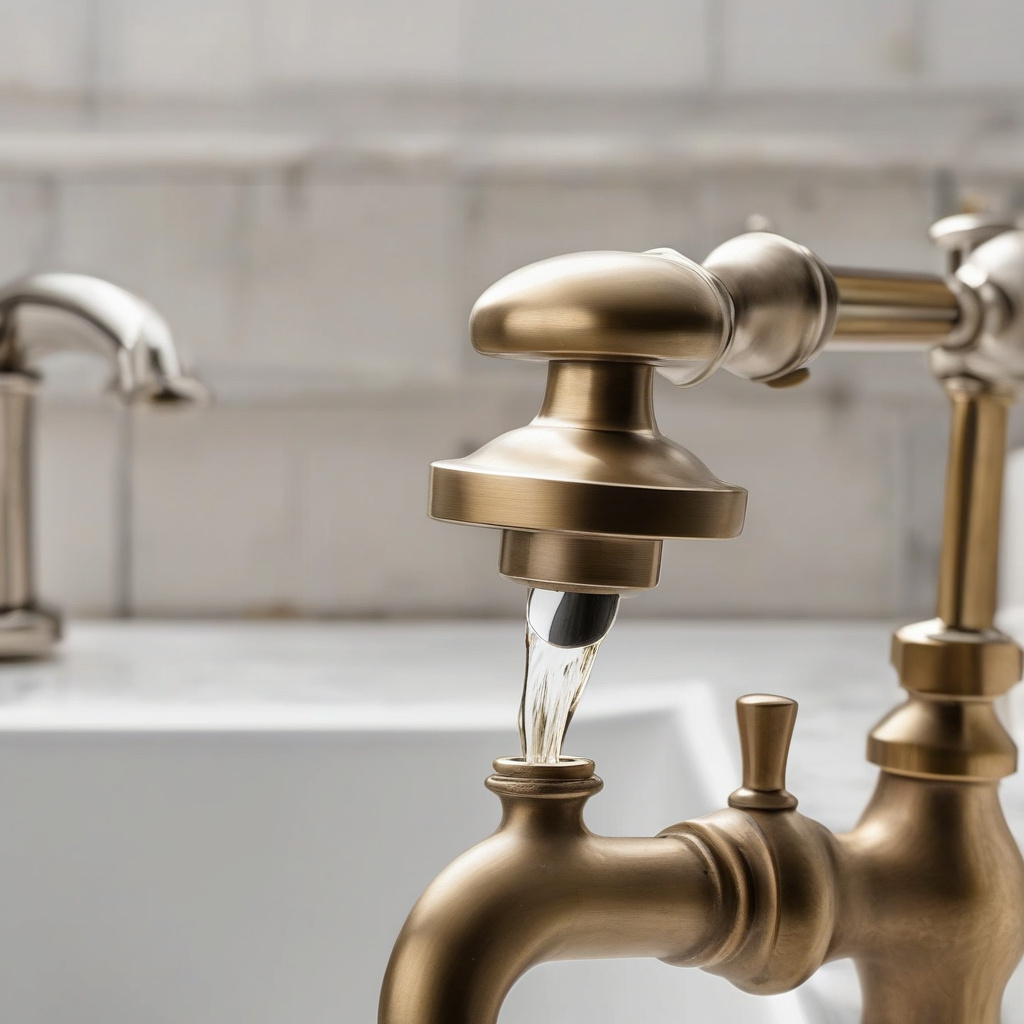
Revamping your bathroom with a stylish blend of mixed metal fixtures might sound like a risky venture, but when done correctly, it elevates the aesthetic to the pinnacle of modern design. Mixing metals doesn’t just add a touch of sophistication; it can transform a space from bland to breathtaking. The key lies in understanding how to balance tones, finishes, and placements, ensuring your fixtures complement rather than clash.
Brief summary: Mixing metals in bathroom fixtures without clashing involves understanding tone, finish, and placement balance. This article explores real renovation cases in Los Angeles, offering insights into design trends, cost-effective strategies, and eco-friendly considerations. Readers gain practical advice on achieving a cohesive multi-metal look.
Understanding the Core Principles of Mixing Metals
In the heart of Los Angeles, homeowners are increasingly embracing the art of mixing metals within their bathroom designs. The trend involves combining various metal types like brass, stainless steel, and brushed nickel. The visual balance is achieved when these tones share a similar visual weight, a concept increasingly observed in trendy urban lofts.
The principle of breaking monotony with contrasting finishes creates a more dynamic and engaging space. The polished gleam of chrome alongside the warm matte texture of copper can offer both visual interest and an air of sophistication. To achieve this effect without visual chaos, placement rhythm is crucial — it’s about strategically scattering finishes across the room, achieving harmony and cohesion.
Local designers are keen to underline that understanding the underlying principles — such as matching the dominant metal with a contrasting accent — is the secret to seamless style. A Los Angeles-based interior designer noted that using one metal as a base and another as an accent complements well, avoiding visual clatter.
Ultimately, the goal is to create a bathroom space that feels intentional. The balance of tones, finishes, and placements should convey a sense of thoughtful design that complements the overall aesthetic. Creating such a visual narrative requires both an understanding of metals and an eye for design detail that speaks volumes.
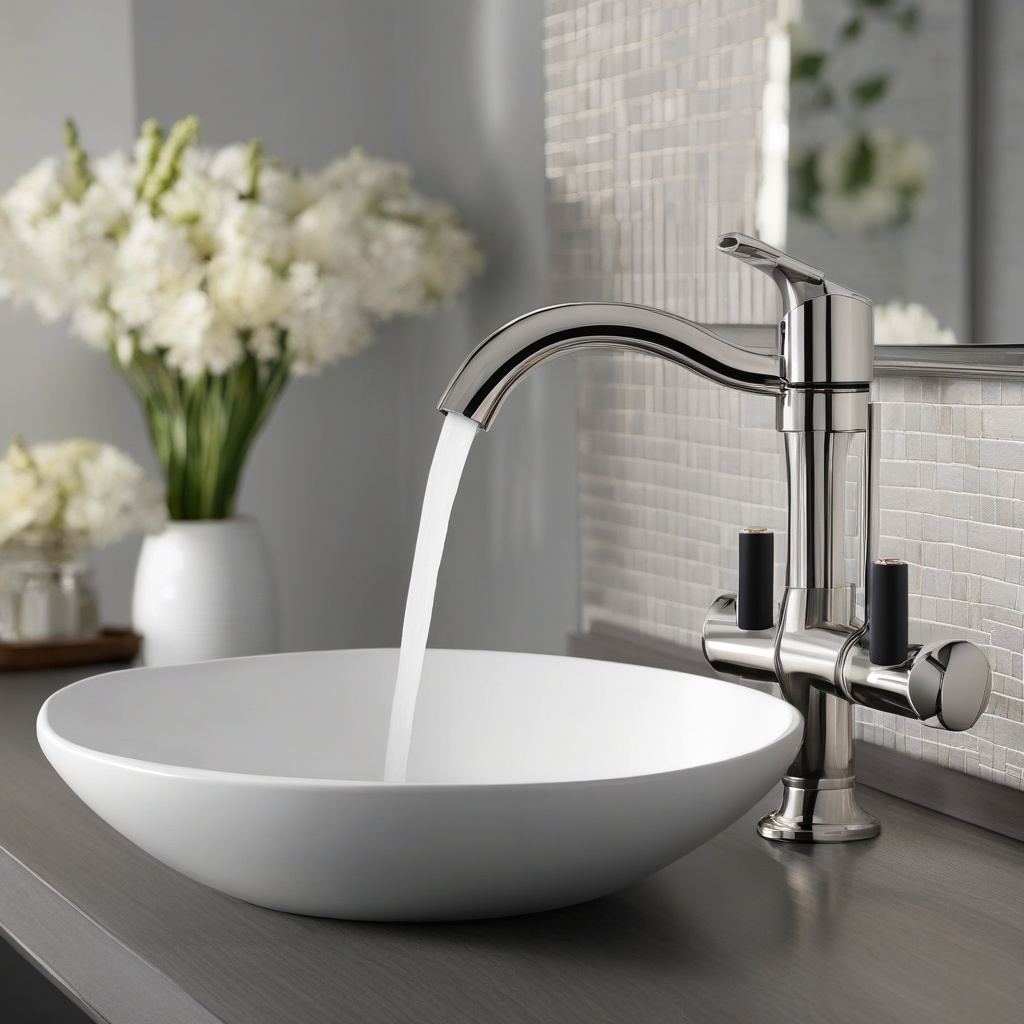
Explore local renovation inspirations for ideas on incorporating mixed metals in your home.
Real-Life Inspirations from Los Angeles Homes
Diving into real-life examples offers a wealth of inspiration. Homeowners in Los Angeles have transformed their bathrooms with mixed metal approaches that showcase the versatility of this design trend. Each project delivers a unique statement, illustrating the adaptability of metal combinations.
Imagine a bathroom where matte black fixtures are complemented by subtle touches of gold, creating a striking modern aesthetic. In another example, a simple chrome and brass combination infuses warmth into an otherwise contemporary space. By observing these creative uses, it becomes apparent how mixed metals can breathe new life into traditional concepts.
These LA homeowners often draw inspiration from the rich and diverse architectural influences present throughout the city, ensuring their designs reflect a blend of cultural sophistication and contemporary style. Such spaces illustrate the potential of metals to redefine what’s possible in home design.
For those journeying into this realm, it’s clear that a precise understanding of color balance and material mixing is key. The result speaks to a collaborative blend of artistry and practical design, offering more than beauty — these bathrooms become integral expressions of personal style.
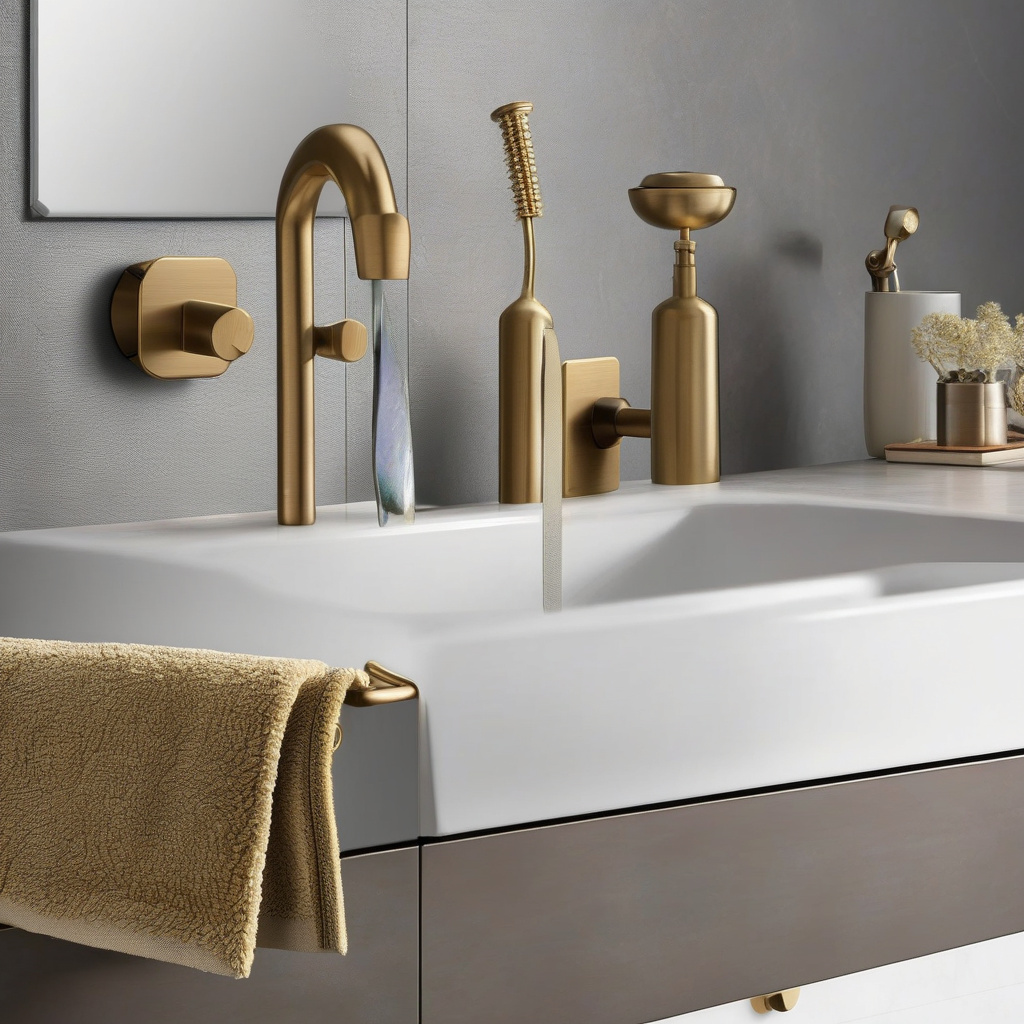
According to a recent home design survey, 70% of homeowners expressed the desire to incorporate mixed metals into their next renovation project, underlining a significant shift in bathroom design trends toward more eclectic and personalized aesthetics.
Prioritizing Eco-Friendly and Sustainable Fixtures
With the rising emphasis on sustainability, many Los Angeles homeowners consider the environmental impact of their design choices. Integrating metal fixtures is no exception. The focus has shifted towards using materials that not only offer aesthetic appeal but also contribute to an eco-friendly lifestyle.
Metals like stainless steel are favored for their recyclability and longevity. When coupled with eco-friendly manufacturing processes, these materials ensure a minimal carbon footprint. Homeowners looking to create an eco-friendly, low-waste bathroom should consider these factors in their design plan.
Moreover, selecting suppliers who prioritize sustainable production enhances the eco-credentials of your renovation. By choosing fixtures made from regenerative resources, a statement of commitment to the planet’s future is made. This sustainable approach is not just about reducing harm but also about instilling future value into your home.
The inclination towards eco-friendly options signals a broader understanding amongst homeowners of the intersection between luxury and responsibility. It’s not merely about the physical presence; it’s also about perpetuating an ethos of care and forward-thinking design principles.
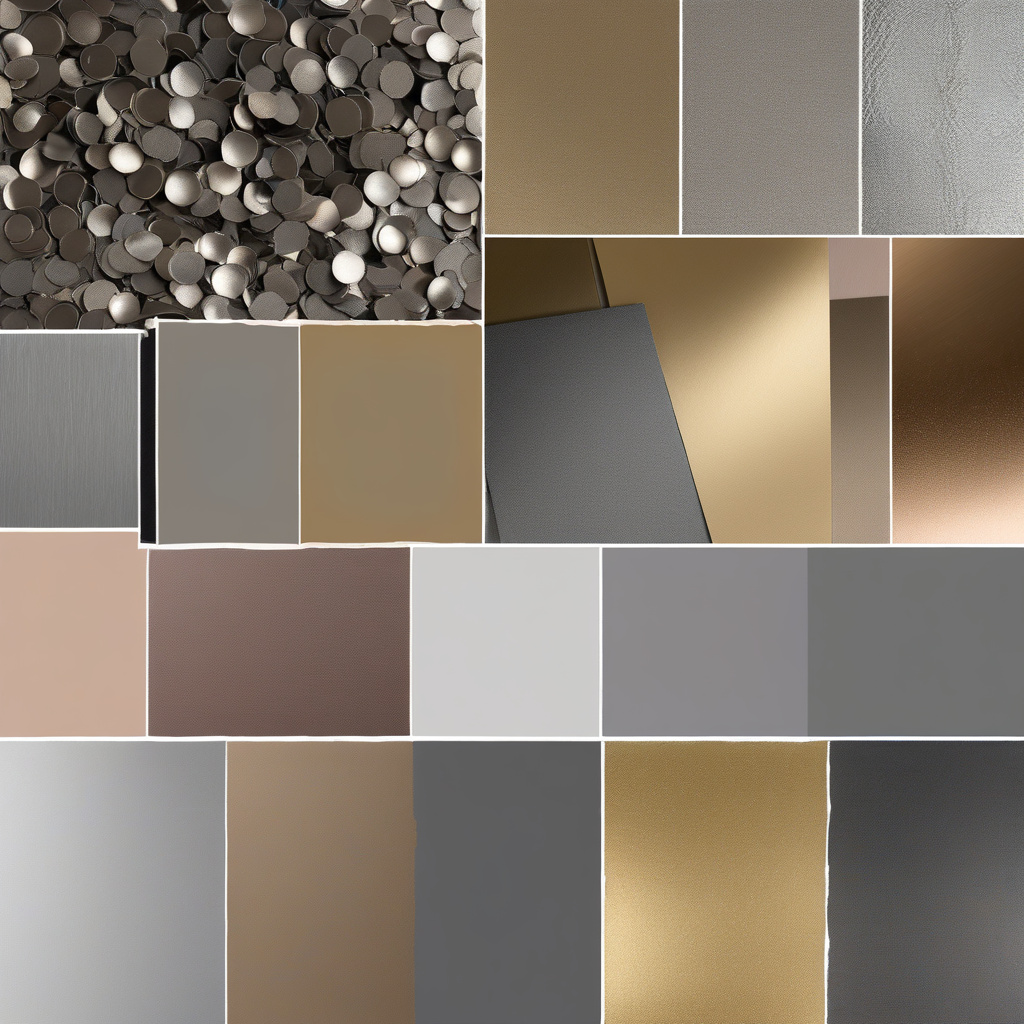
Design experts suggest that eco-friendly renovations can increase a property’s value by up to 20%, highlighting the combined benefits of sustainable practices and enhanced market appeal.
Careful Planning and Strategic Layouts
The planning phase of bathroom renovations is crucial, especially when dealing with mixed metals. Effective planning ensures that choices made are purposeful and cohesive. The first step is determining a consistent theme or feel for the bathroom, whether it’s modern, traditional, or eclectic.
Next is the consideration of fixture placement. This involves analyzing high-traffic areas and focal points, ensuring metals are carefully distributed to avoid unsightly visual discord. For instance, placing brass near the center can bring warmth and focus, while other metals like nickel or chrome can frame the periphery.
Consider the thematic flow from one metal to another to guide the design process. Metal placement should echo the room’s aesthetic flows, like water in a stream — seamless yet intentional. Well-planned layouts underscore an understanding of spatial dynamics and design hierarchy.
When planning your space, interactions between different materials and their finishes play a critical role. The right layout balances aesthetic goals with functional needs, crafting a room that’s as comfortable as it is beautiful.
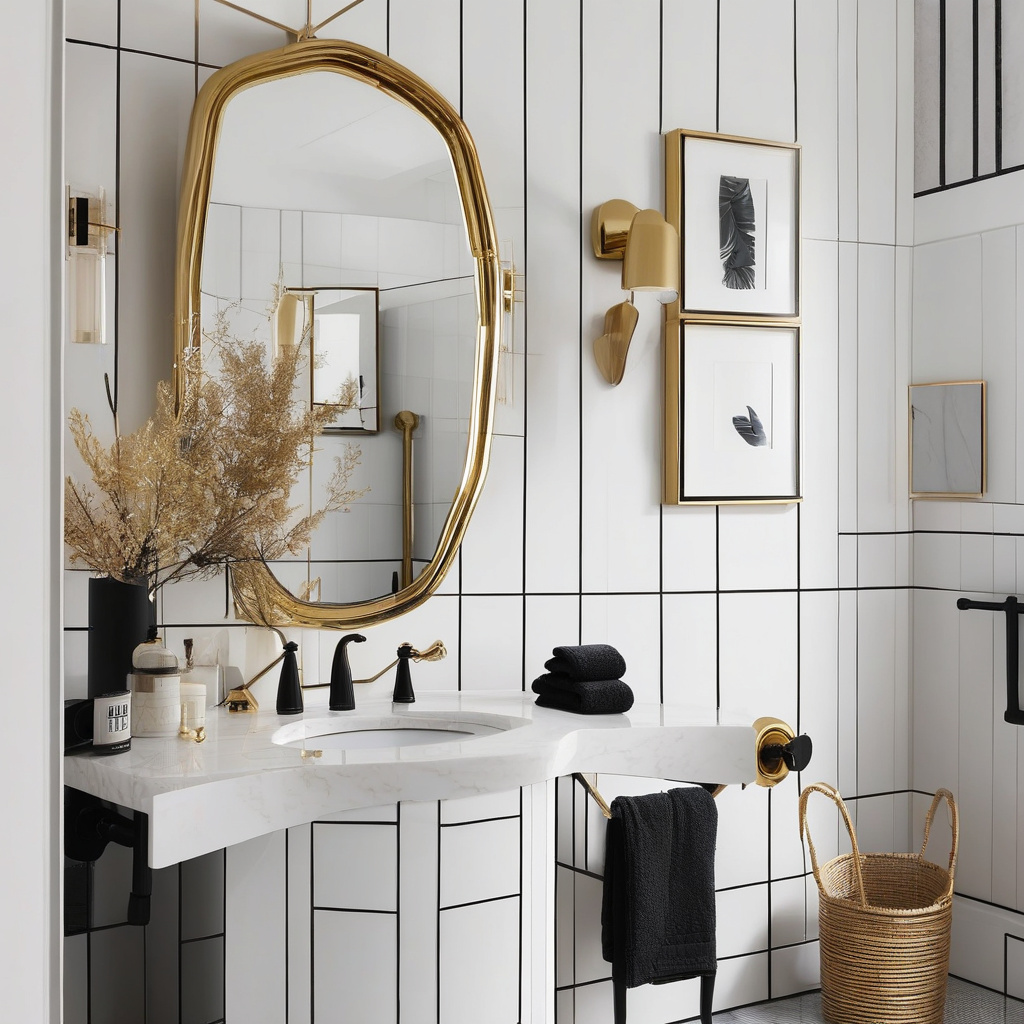
Research by the Homeowners Association confirms that a sound design strategy improves spatial efficiency by up to 35%, particularly in smaller remodels where space is limited.
Weighing the Costs: Budget and Material Selection
Cost considerations form a significant segment of any remodel. While mixed metals add luxury, savvy homeowners can achieve high-end looks without overspending. Understanding the pricing of different metals and finishes is crucial. Brass and bronze, for instance, often incur higher costs than chrome but add unique value and aesthetic appeal.
Selecting the right materials involves weighing initial expenditure against long-term benefits. Some metals are lower maintenance, offering a greater return over time. Learning to create budget-friendly updates involves selecting these materials wisely, balancing immediate costs against future savings.
Exploring local resources and suppliers can often yield cost benefits, potentially leading to discounts or better deals. A well-informed design process, which includes comparing costs and benefits, ensures informed financial planning that reinforces the rest of the renovation process.
The outcome should be a bathroom that resonates with personal style while aligning with budgetary constraints. This meticulous planning elevates the overall experience, endorsing the belief that luxury is attainable at every scale.
| Aspect | Budget Option | Luxury Option |
|---|---|---|
| Material | Chrome | Brass |
| Finish | Polished | Hand-rubbed bronze |
| Cost Range | $50 – $150 | $200 – $700 |
| Maintenance | Low | Medium |
Future-Proofing Your Bathroom: The Next Steps
Looking ahead, it’s vital to consider adaptability. As many local homeowners notice, trends in metal usage can shift, making versatility a key design advantage. Opting for modular fixtures offers the flexibility to update or change metals without a complete overhaul.
The inclusion of diverse metal types in a well-integrated design means that subtle updates are less disruptive. A Los Angeles contractor advises to always think long-term, selecting fixtures easily refreshed with new modification over time.
Considering additional elements such as lighting and storage can also future-proof your design. These elements can emphasize metal selections, providing depth and enhancing the overall ambiance. Lighting, in soft tones, complements metal finishes, providing a warm glow that extends both mood and style.
In envisioning future updates, it helps to understand how to integrate such multifaceted ideas seamlessly. For those exploring extensive bathroom remodels, consider more innovative concepts like Jack and Jill bathrooms to expand design possibilities.
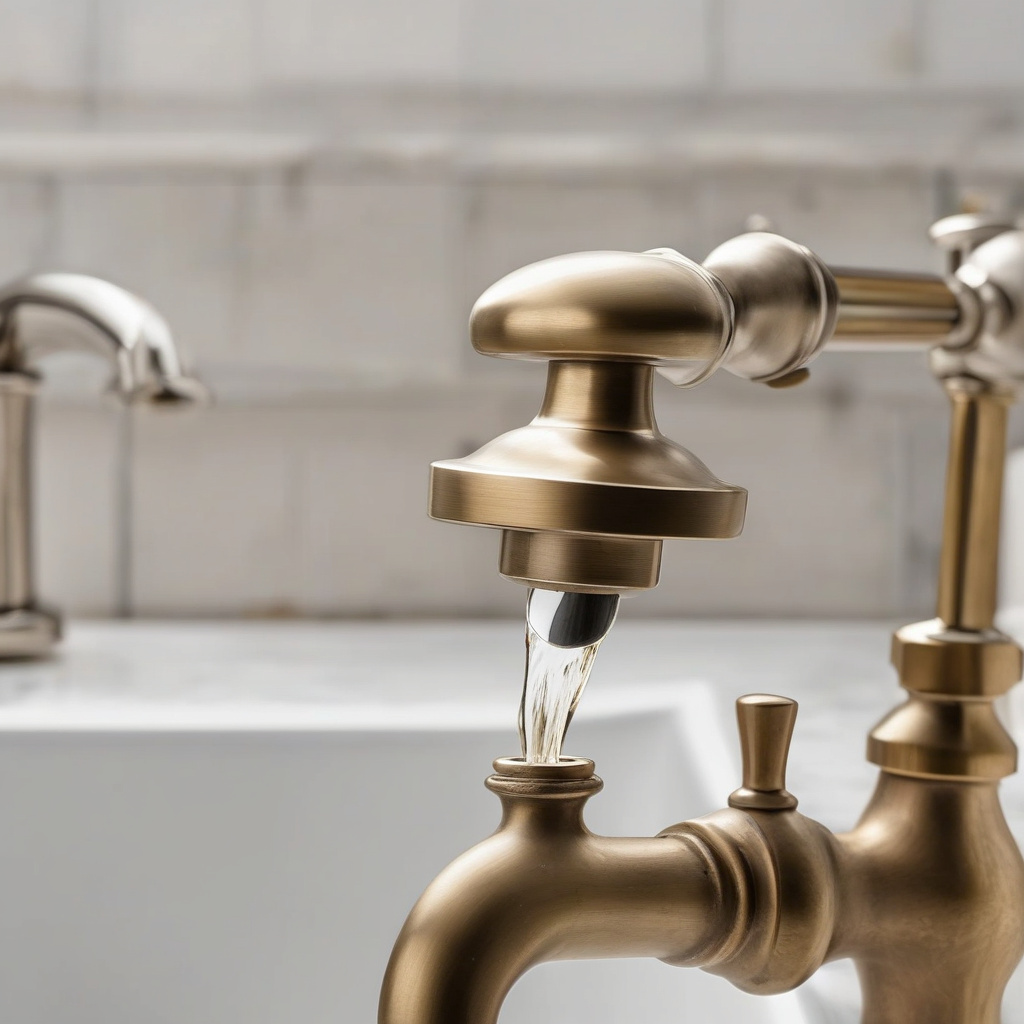
- Mixing metals in bathroom fixtures is about blending visual weight, finishes, and placements.
- Local LA homes showcase successful metal mixes, offering diverse design inspiration.
- Eco-friendly options in metal selection contribute to sustainable renovation practices.
- Strategic layouts ensure that metal combinations are cohesive and purposeful.
- A balance of cost and material selection is pivotal for effective budget planning.
“`html
FAQ
How can mixing metals in bathroom fixtures enhance a space?
In many real renovation projects, mixing metals is a strategic decision that enhances the visual depth of a bathroom. When executed thoughtfully, it adds layers of interest without overwhelming the senses. For instance, a brushed nickel faucet can complement gold cabinet handles if both share a matte finish, creating a cohesive ambiance. The key is matching the visual weight and balancing different finishes. Real-world experts stress the importance of deliberate placement and consistency in tone, sharing that these elements together create a harmonious look that feels both sophisticated and intentional.
What are the common mistakes when mixing metals in bathroom design?
Homeowners frequently underestimate the impact of clashing finishes. A common pitfall is mixing too many metal types without a unifying element, leading to a chaotic appearance. For example, combining polished chrome with dark bronze without considering the finish and proximity can cause visual dissonance. Experts suggest limiting to two or three metal types, focusing on finishing similarities, whether it’s polish or sheen. Moreover, they emphasize the importance of maintaining a rhythm in placement across fixtures for a seamless flow throughout the space.
How do you choose which metals to mix in a bathroom renovation?
Choosing metals involves considering the existing style and decor of your bathroom. Many experts point out that starting with a base metal, such as brushed nickel for a contemporary look or brass for a vintage feel, provides a foundation. From there, introduce a secondary metal that complements but does not overpower. For example, in a sophisticated design, blending nickel with matte black offers subtle contrast. Always weigh the visual weight of each metal and assess how they interact with other elements like tiles and cabinetry within your bathroom.
When is it beneficial to mix metals in bathroom fixtures?
Mixing metals makes sense in bathrooms where a single metal might make the space feel monotonous. It offers an opportunity to introduce variety and character into the design. In newer builds with modern fixtures, incorporating different metals can soften hard lines and add personality. Experienced renovators suggest it especially benefits spaces that already have diverse textures or patterns in other areas, like tiles or countertops. This approach can unify and elevate the design, providing a balanced aesthetic that captures both harmony and diversity.
What are the cost considerations when mixing metals in bathroom renovation?
Cost can vary significantly depending on the metals chosen and their availability. For instance, incorporating high-end finishes like polished brass may increase expenses, while more common alternatives such as brushed nickel can be less costly. It’s crucial to balance between aesthetic goals and budget constraints. Taking the time to source metals from various suppliers might reduce costs, but professional consultation often ensures a more efficient financial outcome. Evaluating the long-term durability of the metals is equally important, ensuring you’re investing wisely.
Are there any installation specifics to consider when mixing metals?
In real-world renovation experiences, installation challenges often arise from differing mounting requirements and the potential for electrolysis when two metals touch. It becomes crucial to ensure each metal item is compatible with your intended fixtures. Consulting with a professional is advised to avoid common pitfalls, such as misaligned finishes or incompatibilities in installation hardware. For more personalized advice, consider speaking with local renovation experts through a personalized consultation approach.
What are the advantages and disadvantages of mixing metals in bathroom decor?
The major advantage is the opportunity to introduce texture and personality into the bathroom without drastic alterations. Mixing metals can visually expand a space by drawing attention to certain elements, such as the richness of a gold shower fixture juxtaposed with silver accents. However, the downside is the risk of creating a disjointed look if not mixed with intention. The intricacies lie in balancing style and practicality, maintaining a coherent and inviting atmosphere that reflects a personal touch without feeling cluttered or unfocused.
How can homeowners maintain mixed metal bathroom fixtures?
Maintenance of mixed metal bathroom fixtures involves regular cleaning with non-abrasive solutions to prevent tarnishing. Many homeowners overlook the importance of using products designed for specific metal types. For example, acidic cleaners might damage brass while being harmless to stainless steel. Consistent upkeep is necessary to preserve the finish and ensure longevity. Experts recommend routine checks for signs of wear, adjusting cleaning techniques as needed. If you’re curious about product recommendations tailored to your bathroom’s unique design, reach out to a professional through a local contact service.
“`