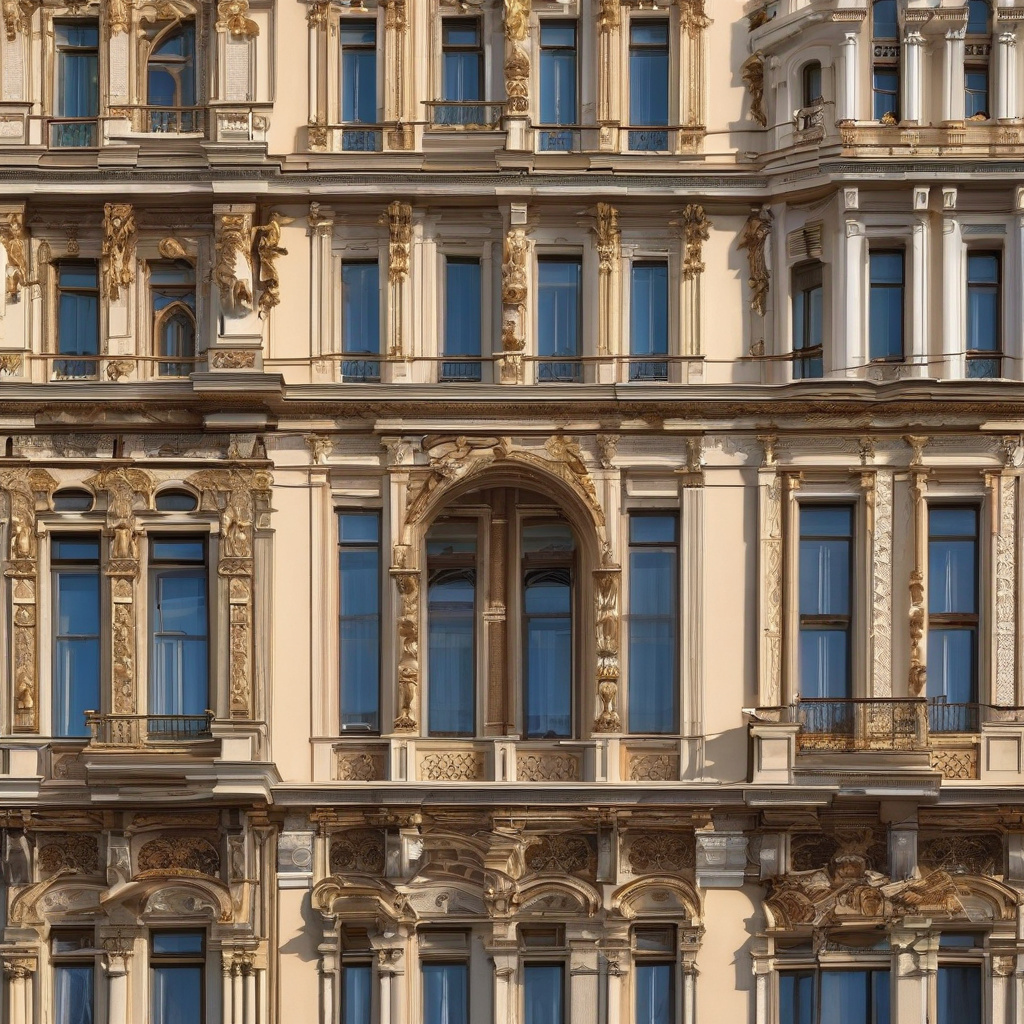
The architectural elements of a building’s façade are akin to a cover story in a glossy magazine. They capture the first impressions, set stylistic expectations, and directly influence curb appeal. In bustling neighborhoods like Los Angeles, where real estate reflects diverse styles ranging from mid-century modern to Mediterranean revivals, understanding these elements can be as crucial as the materials holding the structure itself together.
Brief summary: The façade of a building plays a critical role in defining architectural style and aesthetics, providing insight into function and form. This article explores the impact of various architectural elements on facades, including their styles, functions, and construction types. It provides practical advice for homeowners in Los Angeles looking to improve or renovate their home exteriors.
What You Should Know About Architectural Facades
In the world of architecture, façades serve more than just aesthetic appeal; they are the silent guardians of functionality and purpose. As often happens during renovation projects in Los Angeles, the façade is the first frontier that demands attention. A well-executed façade not only adorns a building but also contributes to its thermal performance, acoustic insulation, and overall durability.
The façade acts as a barrier between the external environment and the comfort of the interior spaces. Like a well-designed shield, it protects against elements such as wind, rain, and the scorching California sun. When considering a renovation, it’s essential to evaluate how different materials and design elements can enhance this protective function.
There’s a growing trend towards integrating energy-efficient materials into façades, as many local homeowners notice the long-term benefits in cost reductions and sustainability. For instance, stone-clad exteriors juxtaposed with sleek glass panels not only appeal visually but also offer robust thermal regulation.
Ultimately, understanding the façade’s role in your home’s ecosystem is the first step towards a successful renovation project. Whether it’s updating with new window designs or experimenting with colors and textures, the façade holds the key to unlocking both style and substance.
Exploring Styles: A Tales of Facades Through Time
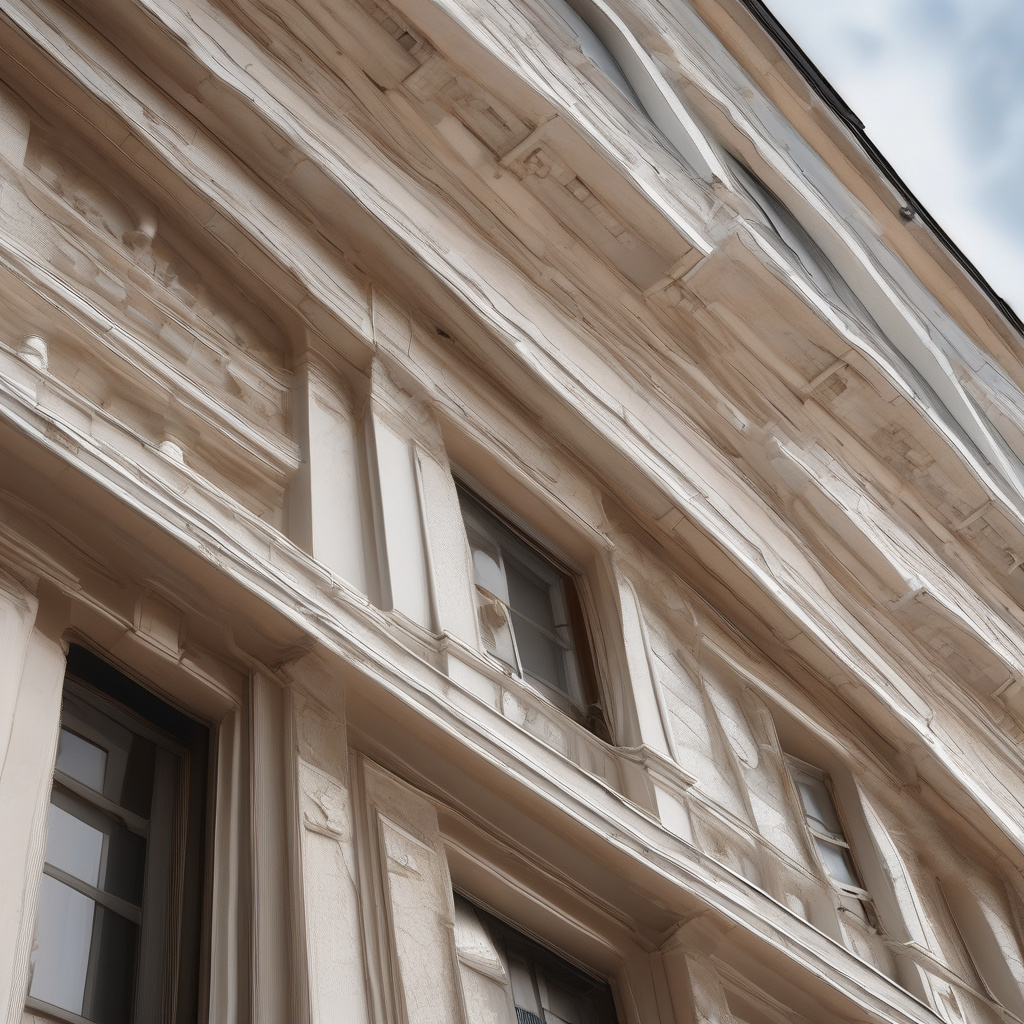
The diversity of architectural styles offers a vast tapestry of design narratives, each telling its own story. In Los Angeles, the façades range from textbook Art Deco marvels to minimalist wonders, echoing the city’s rich history and vibrant culture. Every façade speaks to a different era, a different taste, and a unique architectural philosophy.
Craftsman homes, for example, are known for their intricate woodwork and large, supporting columns. These elements create a warm, inviting effect while maintaining functionality and strength. On the opposite end, modernist architectures focus on simplification and clarity, seeking to harmonize the façade with nature and interior spaces seamlessly.
In the realm of contemporary designs, you’ll often find that color palettes play vital roles. Earthy tones and bold, contrasting hues are often go-to choices that emphasize the form and features of a façade. As tastes evolve, metallic finishes and glass expanses seem to be the new trend, making for elegant and futuristic façades.
The challenge—and opportunity—lies in selecting a style that not only complements the existing structure but also fulfills practical needs. When marrying styles, integrating elements from various architectural movements can result in a bespoke façade that’s both unique and iconic.
Functionality First: The Core Purpose of Facades
Beyond aesthetics, the function of a façade transcends its visual appeal, acting as the nucleus of a building’s protective envelope. As homeowners in Los Angeles know, a dynamic façade is integral for defending against climatic extremities and promoting energy efficiency. This dual purpose necessitates a delicate balancing act between style and substance.
Take the use of siding materials as a formidable option. Not only does siding shield against weather impacts, but it also provides an additional layer of insulation. The debate around the best siding materials hinges on factors such as cost, durability, and maintenance requirements.
Ventilation is another critical function of the façade. Properly designed exteriors allow homes to breathe, circulate air, and regulate humidity levels, thus improving indoor air quality and comfort. As trends toward sustainable living grow, adaptive façades are becoming increasingly prevalent, incorporating smart technology for real-time environmental interaction.
In short, each façade design should prioritize functionality without undermining a building’s design aspects. Doing so ensures that the dwelling remains fortified while seamlessly blending with its stylistic ambitions.
Types of Structures in Modern Façade Design
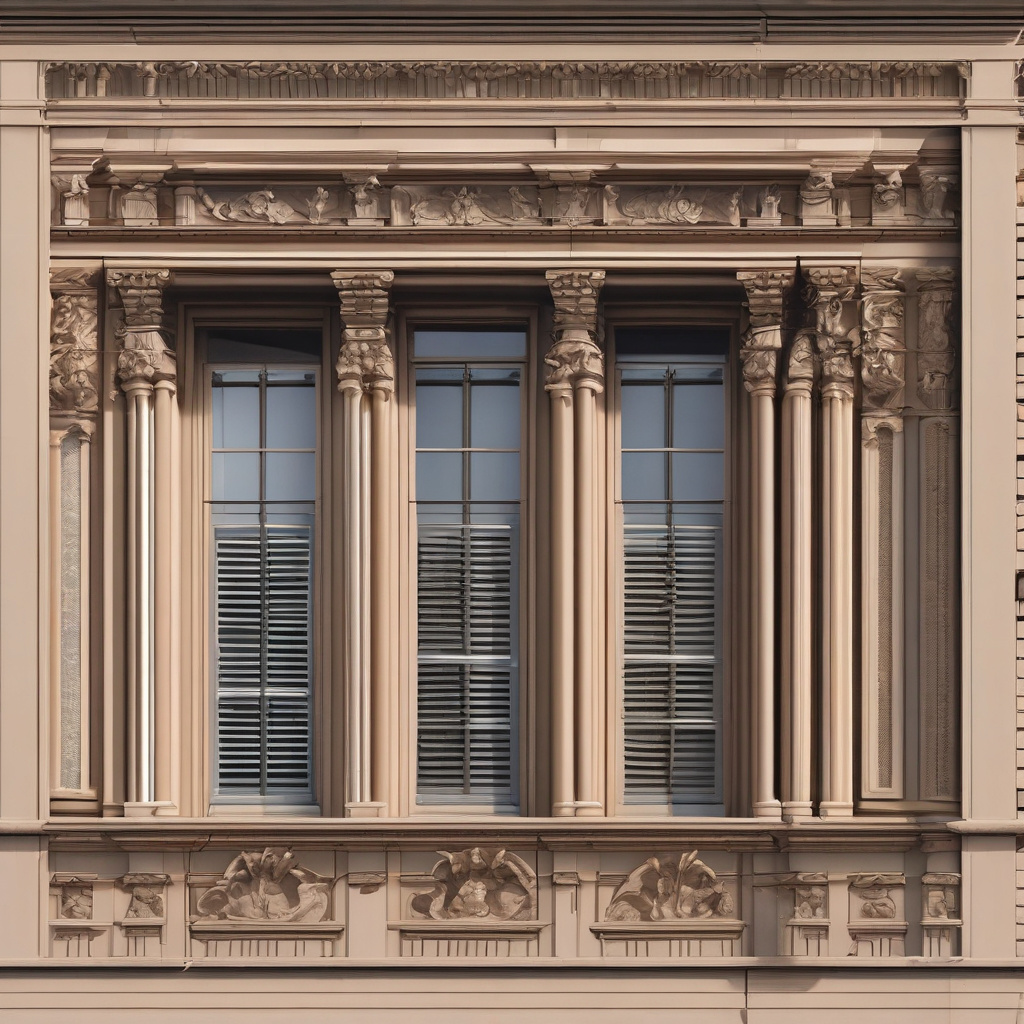
Modern architecture boasts a plethora of structural approaches in façade design, driven by the constant pursuit of innovative aesthetics and functionality. Among the commonly opted structures are curtain walls, which offer sleekness achieved by non-load-bearing glass panels.
Then there are precast concrete panels—favored for their rustic charm and solid operations. These panels come pre-manufactured, lowering on-site labor costs and construction timeframes. Despite their heavy appearance, they offer flexibility in textured finishes and customizations.
Curtain walls often reduce energy consumption by 25% to 30% when paired with thermal-insulation properties, as per a 2021 industry study.
For those inclined towards traditional aesthetics, stone veneer cladding remains a popular choice. It replicates the grandeur of natural stone without the heavy weight and costs, adaptable for both modern and classic styles.
As we lean further into intelligent design, kinetic façades are emerging, utilizing dynamic components like louvers and shutters that adapt based on external conditions—truly the future of architectural exteriors.
When It Makes Sense to Renovate Your Façade
Embarking on a façade renovation project isn’t just a superficial endeavor; it’s a strategic decision that combines art and functionality. So, when is it truly the right time to make this drastic transformation? Many homeowners in Los Angeles realize the importance of this undertaking when aiming for significant energy savings or when addressing inevitable wear and tear.
A façade’s condition dictates its necessity for renovation. Cracks, peeling paint, and signs of aging not only degrade curb appeal but may compromise insulation and safety. In such scenarios, it makes sense to explore options such as professional painting services in Los Angeles to revitalize your home’s exterior without a complete overhaul.
Renovation can also be an opportunity for personal expression. Modernize a dated aesthetic to reflect current trends or adapt to changing functional needs such as better natural lighting or enhanced thermal performance.
Deciding whether to renovate hinges on weighing benefits like increased property value against potential inconveniences and expenses. Facades have the potential to invigorate a home, yet the scope and scale of changes must align with personal preferences, budget constraints, and long-term home improvement goals.
| Renovation Method | Materials | Average Cost ($) | Duration | Complexity |
|---|---|---|---|---|
| Painting | High-quality outdoor paint | 2,500 – 6,000 | 1 – 2 weeks | Low |
| Siding Replacement | Vinyl, fiber-cement | 5,000 – 15,000 | 2 – 4 weeks | Medium |
| Full Restoration | Varied (brick, stucco, custom) | 15,000 – 50,000+ | 1 – 3 months | High |
Potential Pitfalls and Practical Steps
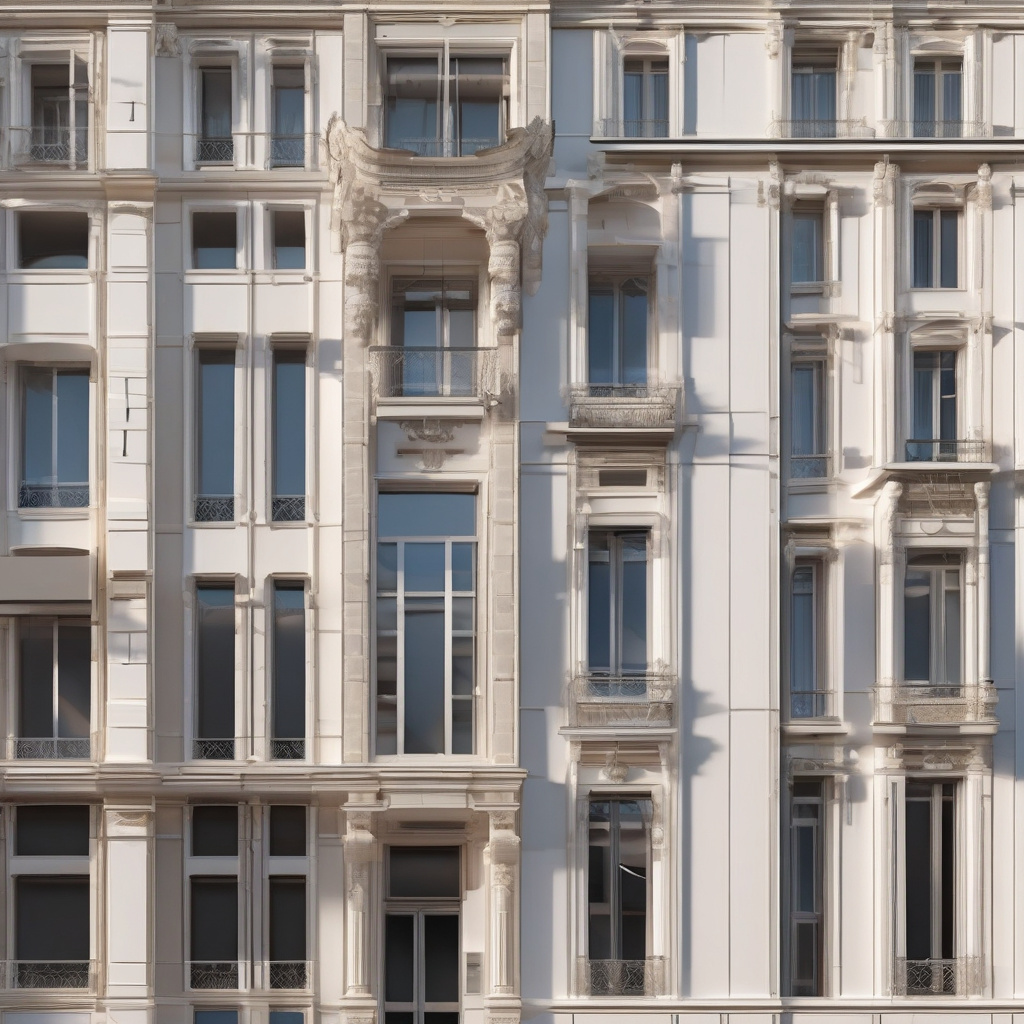
Like any renovation project, updating a building’s façade isn’t without its pitfalls. From budget overruns to stylistic misalignments, it requires careful consideration and planning. Many Los Angeles homeowners might describe the process as daunting without proper guidance and foresight.
To avoid costly errors, it’s crucial to start with a clear plan and realistic budget. Assess your existing façade’s condition, define what’s achievable within financial constraints, and identify which elements can be upgraded for maximum impact. Engage with professionals early on and rely on their experience to navigate intrinsic complications.
“Avoid the overhaul trap by focusing on key elements that offer the best aesthetic and functional returns,” advises Emma Larson, a Los Angeles-based architecture consultant.
Conducting thorough research into available materials and technologies can save time and funds. Opt for modern solutions like eco-friendly coatings or ventilated façade systems that offer lasting benefits. Consulting forums dedicated to innovative architectural designs can also present creative insights.
The endeavor, although challenging, is one filled with rewarding experiences. With precision, perseverance, and the right strategy, a façade renovation can be the transformative project every home deserves.
How to Choose the Right Approach for Your Renovation
Deciding on the right approach for your façade renovation involves weighing multiple factors, from architectural style and personal preferences to long-term maintenance and environmental impact. Taking the first step requires understanding your end vision—are you revitalizing a signature Mid-Century Modern façade or embracing an eco-conscious minimalist design?
Research and comparison are crucial in narrowing down your choices. Anticipate future needs and modern conveniences that align with the evolving homeowner profile, such as reduced ecological footprints or smart home integrations. Integrating automated elements or incorporating durable materials can save potential repair costs down the line.
Industry claims suggest that energy-efficient façades can lower utility bills by as much as 20%, making them a wise choice for both the planet and the wallet.
Draw inspiration from both local trends and global innovations. Incorporate upgrades like high-performance glazing that provide natural light while retaining thermal insulation. As you navigate through possibilities, remember that every detail added to your home’s façade reflects the unique character and significance of your dwelling space.
Ultimately, these strategic decisions should align with your lifestyle objectives, aesthetic preferences, and future-proofing considerations. Plan with diligence today, to enjoy exceptional results tomorrow, elevating both enjoyment and value in your property.
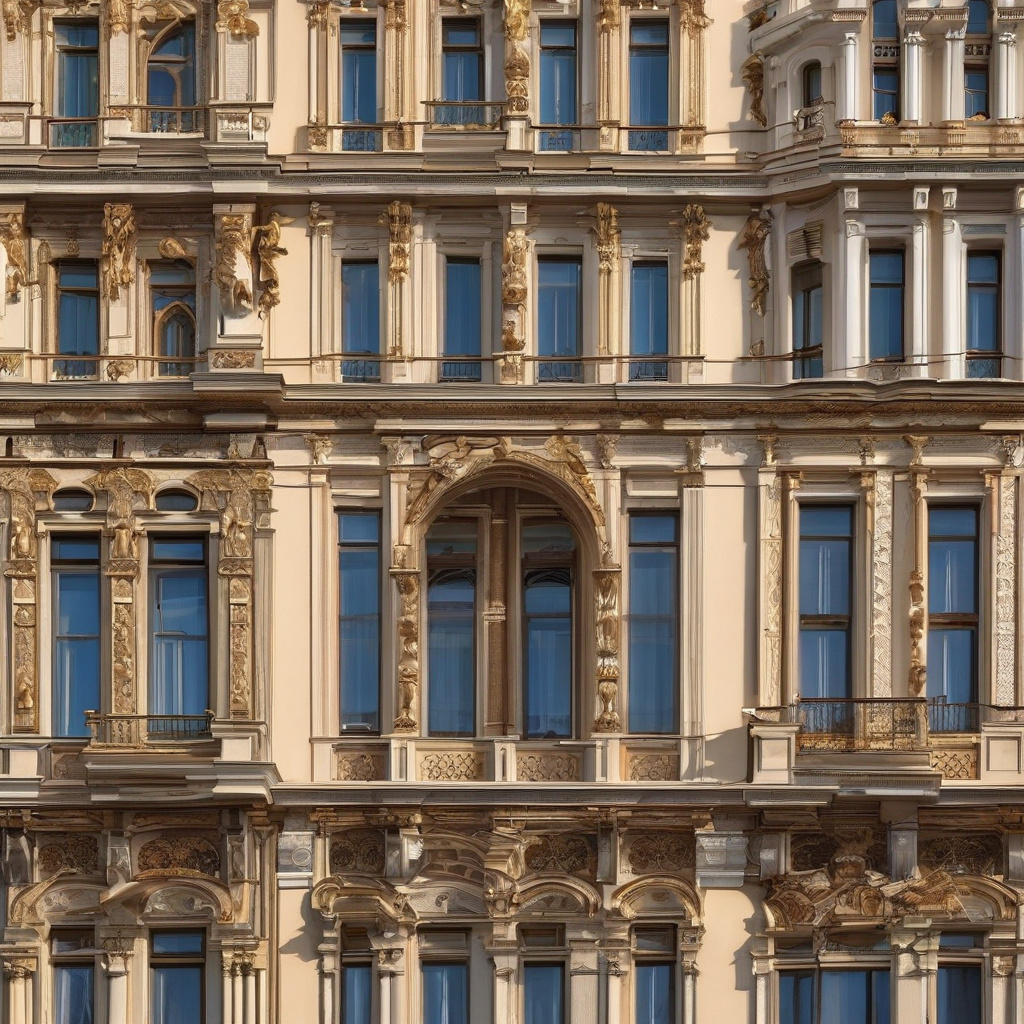
- Façades combine beauty with functionality, contributing to energy efficiency and weather protection.
- Architectural styles offer a diverse playground from classic to contemporary, shaping LA homes significantly.
- Each structure has specific advantages; understanding them helps prioritize renovation goals.
- Careful planning and expert consultation aid in surmounting renovation challenges and achieving lasting improvements.
- Strategic focus on energy-efficient designs can reduce costs and enhance property value over time.
“`html
FAQ
What are the key architectural elements of a building’s facade?
When examining the facade of a building, key architectural elements often include windows, doors, cornices, columns, and various materials like brick or stucco. In real renovation projects, it becomes evident that these elements do more than provide aesthetics; they define the building’s character and functionality. For instance, well-placed windows can maximize natural light, significantly changing the home’s living environment. Balconies and terraces add not only visual appeal but also functional outdoor space, which is especially valued in climates like California’s.
How can one choose the right style for a property’s facade?
Choosing the right style for a property’s facade involves considering the architectural context, regional aesthetics, and personal taste. Many experts point out that matching your facade style with the neighborhood’s character can enhance both value and appeal. For example, in historic districts, maintaining or restoring period-specific elements is crucial for preserving character, while modern designs might suit newer builds. Practical tips include visiting local neighborhoods for inspiration and consulting with an architect or designer who understands both historical and contemporary styles.
When is it worthwhile to invest in facade renovation?
Investing in a facade renovation is worthwhile when the exterior shows signs of aging, damage, or inefficiency. Homeowners frequently underestimate the impact of weather-related wear that leads to energy loss and diminished curb appeal. If you’re noticing cracks, leaks, or draft issues, these are practical signs it’s time to renovate. Aside from structural necessity, increased property value and aesthetic enhancement make facades an attractive investment. In older California homes, updating the facade can also bring energy savings, making it a smart financial move.
What are common mistakes in facade renovation?
One common mistake in facade renovation is overlooking the importance of material compatibility. For instance, mixing incompatible materials can lead to structural and aesthetic issues. In practice, failing to respect the building’s original architecture can also result in a disjointed appearance that detracts from overall charm. Many renovation professionals advise against rushing the design phase; instead, taking time to properly assess existing issues and plan for their resolution will lead to a more cohesive outcome. Likewise, skipping permits and approvals can cause costly delays.
How do facade elements impact energy efficiency?
Facade elements greatly impact a building’s energy efficiency. For instance, double-glazed windows can substantially reduce heat loss, offering real savings on energy bills. In California’s varied climates, selecting materials that either absorb or reflect heat can help regulate interior temperatures. Insulated panels can also improve a building’s thermal performance. The right combination of these elements contributes to both comfortable living environments and decreased energy usage, making environmentally conscious choices more financially viable over time. Homeowners should consider modern energy-saving technologies during planning.
What are the cost considerations in facade renovation?
Cost considerations for facade renovation vary significantly depending on the complexity of the project, materials chosen, and the existing condition of the building. A practical tip would be to set a clear budget and prioritize elements that greatly affect structural integrity and visual impact. Renovation costs can include hiring licensed contractors, which often range higher in regions like California due to labor rates. However, investing in quality materials and skilled labor reduces future maintenance costs and enhances property value, proving cost-effective in the long run.
What are the pros and cons of using modern materials for facades?
Modern materials offer several advantages, such as enhanced durability, lower maintenance, and improved energy efficiency. For example, fiber cement siding is praised for its resilience against weather elements and fire resistance. However, drawbacks might include higher initial costs compared to traditional materials like wood or vinyl. A critical observation is that while modern materials often promise longevity and less upkeep, they can sometimes lack the charm and authenticity that natural materials add to certain architectural styles. Balancing these factors is key to a successful renovation.
How do I find the right contractor for facade renovation?
Finding the right contractor for a facade renovation involves researching potential candidates, checking references, and confirming credentials. In practice, referrals from neighbors or local homeowner groups can lead to trustworthy options. Scheduling a consultation can provide insight into the contractor’s experience and reliability. It’s essential to ensure they understand local building codes and aesthetic expectations. For residents in California looking for personalized guidance, consider reaching out through this helpful contact platform, which can connect you with experienced professionals tailored to your needs.
“`