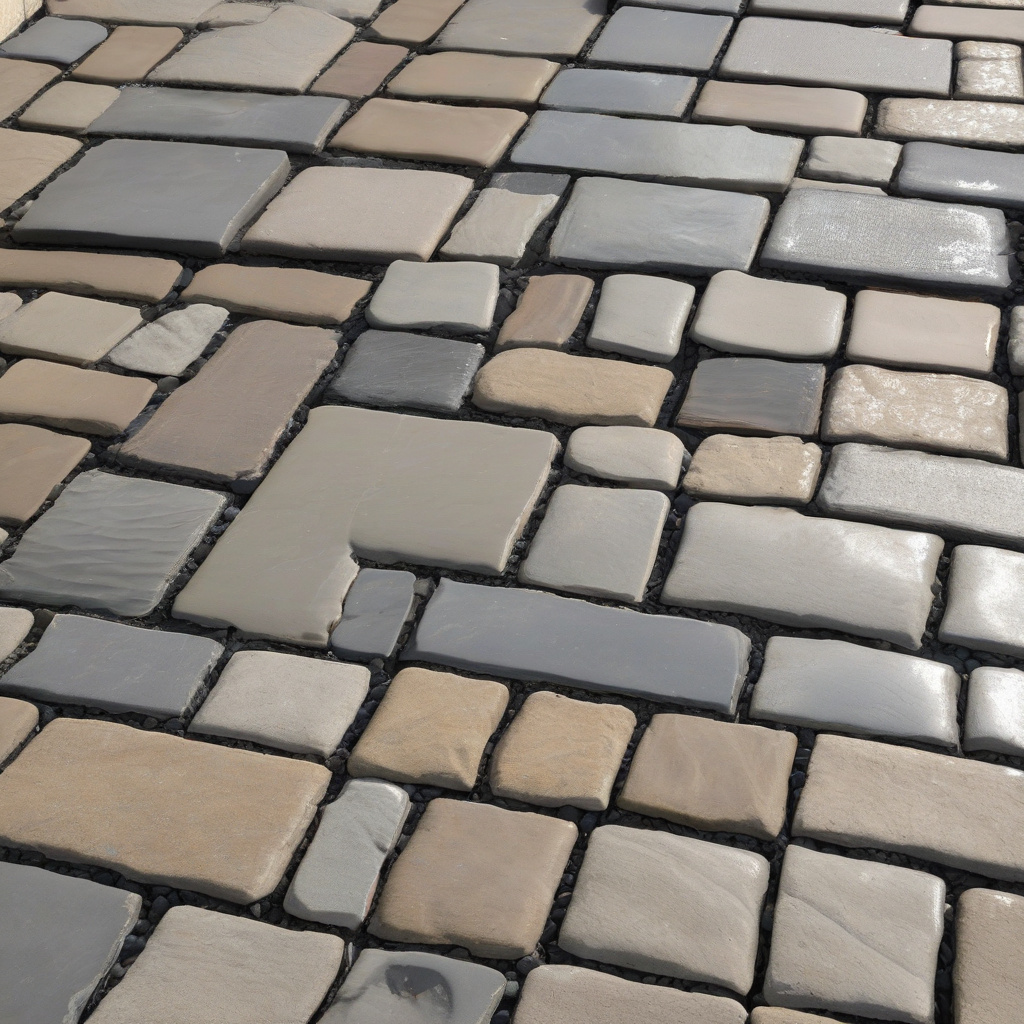
In the dazzling sunshine of Southern California, where outdoor living space is as cherished as the Hollywood sign itself, pool and spa areas are ubiquitous. But amidst the glamour and allure, there’s a practical concern that often gets overlooked—safety. Enter the unsung heroes of poolside design: slip-resistant surfaces. These textured pavers, rubberized coatings, and matte tiles do more than just enhance beauty; they ensure that having fun in the sun doesn’t turn into a trip to the ER.
Brief summary: This article explores the rise of slip-resistant surfaces around pools and spas in Southern California, discussing types of materials like rubberized coatings and textured pavers, along with renovation costs, homeowner experiences, and the advantages of safety improvements. It compares different options, offers practical advice, and underscores safety’s role in exterior design trends.
The Call for Safe Poolside Spaces
As many local homeowners notice, the demand for safe yet stylish poolside environments has significantly risen. No longer is it enough for a pool area to just look like an oasis; it must function safely regardless of water or sun exposure. The vibrant outdoor living culture in Los Angeles, immortalized by everything from home makeover shows to lifestyle blogs, underscores the need for slip-resistant materials. These materials not only transform aesthetics but also serve a vital role in accident prevention.
Renovation trends are increasingly leaning towards safer materials without sacrificing aesthetics. Homeowners are investing in these updates, acknowledging not only the safety benefits but also the potential increase in property value. As highlighted by local remodeling experts, safe design is not a mere trend; it’s a crucial element of responsible home ownership.
Pictured here is a quintessential Los Angeles backyard, where slip-resistant surfaces ensure that every plunge into the pool is met with dry ground and peace of mind when you emerge. These surfaces employ a range of materials, from rubberized pavers to matte tiles, that integrate smoothly with the existing designs of homes.
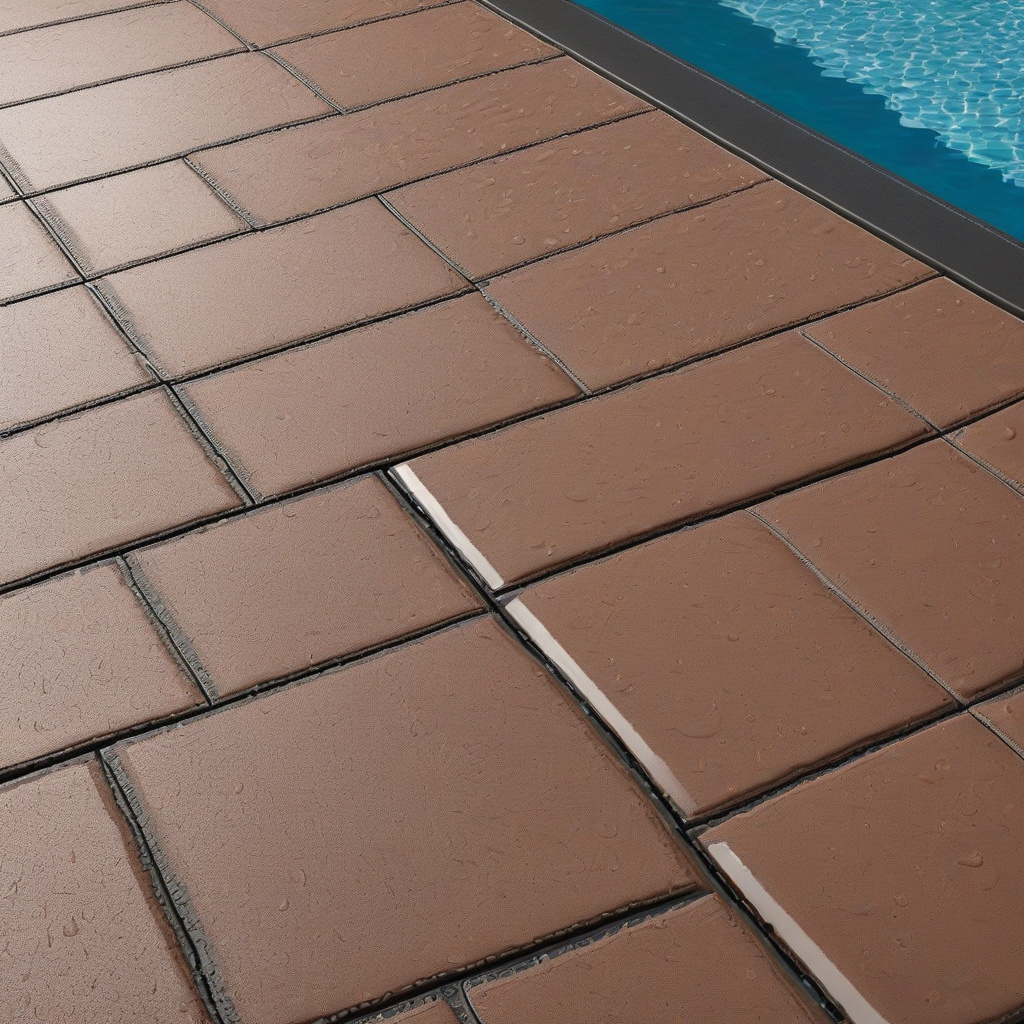
The mini-conclusion of this section: Safety isn’t a luxury—it’s an expectation.
Planning Your Poolside Paradise
Planning the renovation of a poolside involves more than just choosing the right shade of tiles; it’s an intricate process that requires consideration of safety, design, and budget. Homeowners often collaborate with architects and contractors who bring a wealth of experience in balancing these elements to create harmonious outdoor spaces. Specialists recommend determining the pool area’s intended usage before selecting materials. Is it more for entertaining, mainly for family use, or a little of both?
Decision-making also encompasses the spatial layout: Will the pool be the centerpiece of a larger deck, or will it integrate seamlessly into a minimalistic, lush garden? These choices affect the type of slip-resistant surface best suited to the project. For those working under neighborhood restrictions, such as HOAs, consulting resources on remodeling within HOA constraints can be invaluable.
In navigating these options, homeowners are frequently presented with a choice of finishes, each offering unique benefits in terms of safety, design, and cost-effectiveness. Factors such as heat absorption, maintenance needs, and aesthetic preferences all play significant roles in the decision-making process.
Planning thoroughly with these considerations ensures not just functionality, but that the final design feels personal and intentional.
Material Matters: Options and Considerations
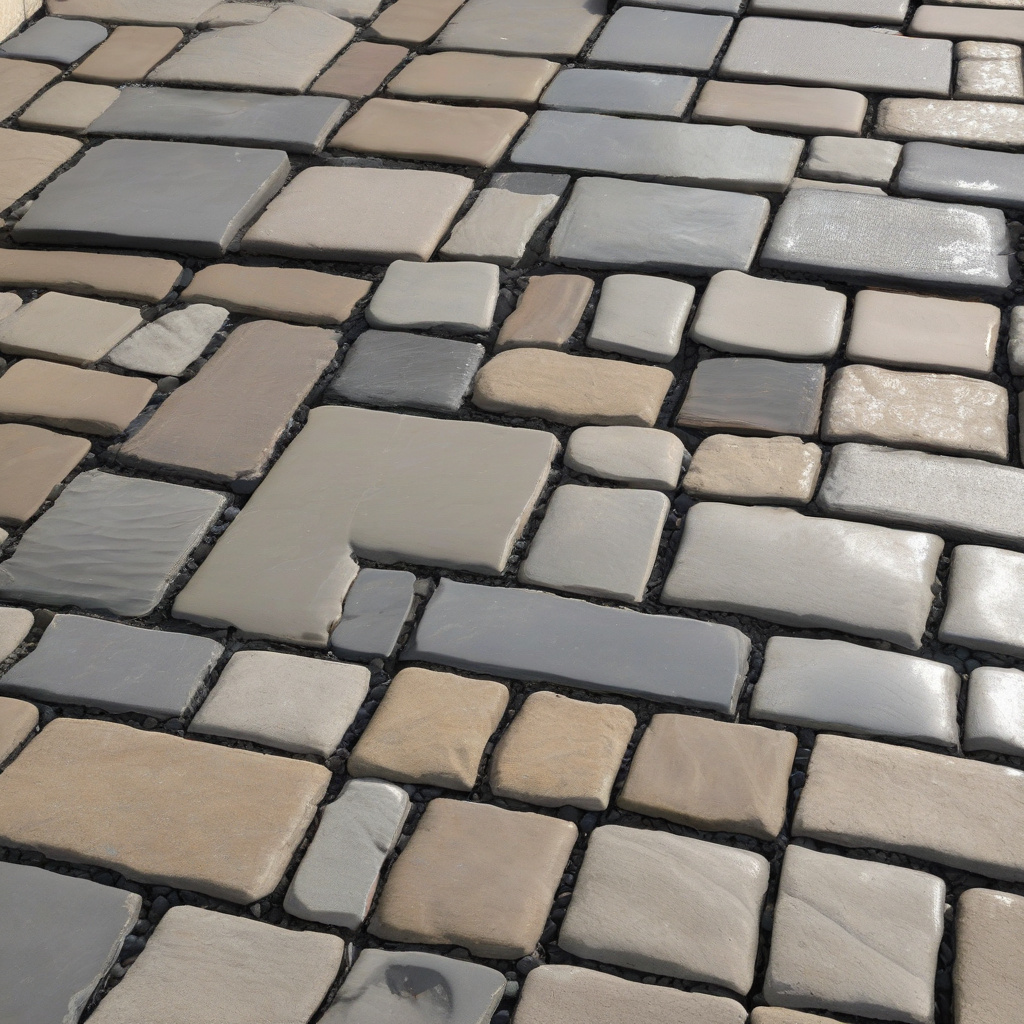
Understanding the material options for slip-resistant surfaces leads directly to discussions on costs, durability, and style. Textured pavers often emerge as a favorite due to their robust construction and aesthetically pleasing designs. While slightly more expensive upfront, their long lifespan and minimal maintenance make them a cost-effective solution in the long run.
Rubberized coatings offer another compelling choice, especially for families with young children. These surfaces provide a softer landing underfoot and excel in areas prone to direct sun, where extreme temperatures might cause discomfort with other materials. For homeowners who emphasize elegance, matte tiles provide an artful balance of sophistication and non-slip safety.
For further insights into material choices and budget considerations, exploring resources on cost-effective remodeling options could be beneficial.
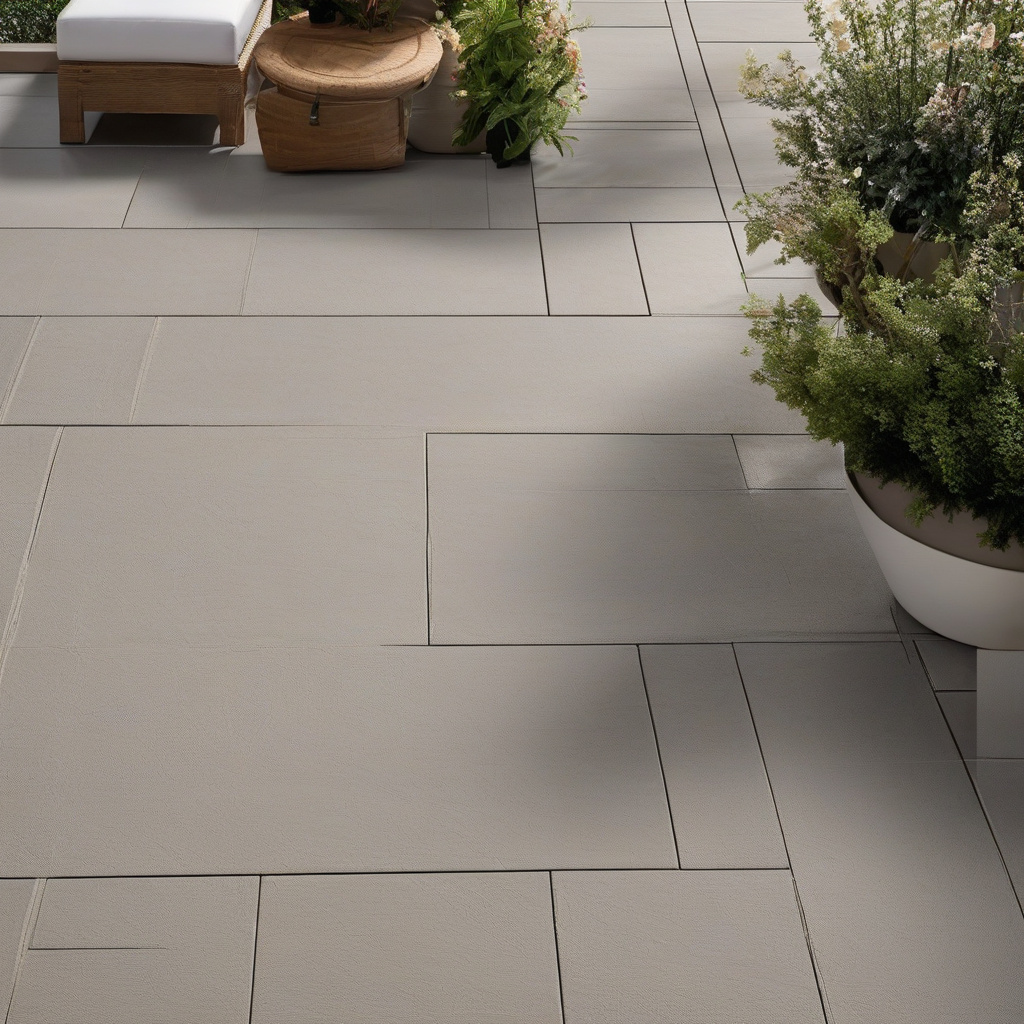
Thus, selecting the right materials is a balance of aesthetics, cost, and safety.
According to a study from the National Safety Council, slip and fall accidents are one of the leading causes of injury around pools, stressing the importance of slip-resistant surfaces in residential areas.
Practical Advantages and Potential Pitfalls
The advantages of investing in slip-resistant surfaces near pool and spa areas are clear: enhanced safety, reduced accident potential, and increased property appeal. In fact, industry experts note a tangible return on investment—both financially and in terms of personal security—as these surfaces often reduce incidents resulting in medical expenses.
However, potential pitfalls do exist. Longevity varies across material types, with some requiring regular maintenance to maintain their anti-slip properties. Homeowners must weigh the practical costs against the initial expense of installation. Misjudging these factors can lead to unforeseen expenses or even having to replace inferior materials earlier than expected.
Yet, the rewards often justify the investment, especially in high-foot-traffic areas. As observed by numerous homeowners, a safer, more stylish environment boosts the overall enjoyment and usability of outdoor spaces.
The general takeaway here is that well-chosen updates lead to lasting benefits.
Expert insight: “Choosing the right material for your poolside space is not just about aesthetics, but also its safety performance. The right choice makes all the difference,” says a prominent Los Angeles renovation consultant.
Step-by-Step Guide to Implementing Slip-Resistant Surfaces
For homeowners eager to embark on this safety journey, here is a simplified step-by-step guide:
- Site Planning: Evaluate your current poolside area and decide its functional purpose.
- Material Selection: Choose materials that suit your lifestyle needs, design preferences, and budget constraints.
- Consultation: Plan with professionals to finalize a design layout that maximizes both beauty and safety.
- Regulatory Check: Ensure compliance with local regulations, especially in HOA-governed communities.
- Final Installation: Work with trusted contractors to ensure quality installation and longevity of your chosen surface.
This meticulous planning guarantees both safety and satisfaction of the final product.
Research indicates that houses with improved safety features have seen up to a 10% increase in property values, particularly in competitive real estate markets like Los Angeles.
Navigating the Future of Poolside Safety
As home renovation trends continue to evolve, smart investment in poolside safety features remains a staple of modern design. The recognition of slip-resistant surfaces as more than just a precautionary measure redefines their value within the larger remodeling context. Today’s homeowners continue to prioritize enhancements that merge visual appeal with essential safety.
Thinking beyond the pool, integrating comprehensive outdoor solutions can improve both convenience and style. As trends steer towards multifunctional outdoor spaces, diversity in design and practicality will remain key factors for Los Angeles’ residential landscapes.
By prioritizing these aspects, homeowners can ensure their spaces are both inviting and secure, meeting the demands of modern living.
- Slip-resistant surfaces enhance both safety and aesthetics in poolside areas.
- Material choices range from textured pavers to rubberized coatings and matte tiles.
- Proper planning involves considering safety, design, and budget.
- Well consigned surfaces contribute to increased property values.
- Smart renovation choices ensure long-term benefits for homeowners.
“`html
FAQ
What are slip-resistant surfaces around pools and spas, and why are they important?
Slip-resistant surfaces are specially designed materials like textured pavers, rubberized coatings, and matte tiles used around pools and spas to enhance safety. Their importance cannot be understated. In real renovation projects, many homeowners realize that wet conditions and smooth surfaces are a recipe for accidents. Textured surfaces reduce the risk by providing the necessary traction, even when wet. Moreover, they reflect heat and stay cool under the blazing sun, a feature particularly valuable during California’s hot summers. Without slip-resistant surfaces, the safety of family and guests might be compromised.
How should a homeowner choose the right slip-resistant material for their pool area?
Choosing the right material involves considering several factors, such as climate, design preferences, and budget. In California, for instance, rubberized coatings and pavers are popular because they maintain a cooler surface. Homeowners need to think about the texture of the material—too smooth, and it won’t provide adequate grip; too rough, and it can be uncomfortable underfoot. Consulting with a renovation expert is wise, as they can offer insights tailored to specific projects. Take time to walk on different materials if possible, and remember that the right slip-resistant solution balances safety, aesthetics, and comfort.
When is the best time to install slip-resistant surfaces around a pool?
Timing the installation of slip-resistant surfaces is crucial to minimize disruption and ensure optimal results. Many experts point out that spring is ideal. The weather is generally favorable, allowing materials to set properly without the interference of rain or extreme heat. Homeowners frequently neglect this aspect, rushing projects in the peak of summer. Additionally, starting in spring allows ample time to address any unexpected issues before high pools’ usage frequency in summer. It’s always best to plan ahead with your contractor, ensuring the project aligns with both local weather patterns and your personal schedule.
What are the common mistakes homeowners make when installing slip-resistant surfaces?
A frequent mistake is underestimating the importance of professional installation. Many DIY enthusiasts think they can handle it themselves, only to find uneven surfaces or inadequate adhesion. Real life teaches us that incorrect installation not only compromises safety but also accelerates wear and tear. Another common oversight is choosing materials based solely on price, without considering the specific demands of the pool environment. Invest in quality products and skilled labor to ensure longevity and safety. Don’t forget to revisit manufacturers’ warranties and maintenance requirements to avoid surprises down the line.
Are slip-resistant surfaces around pools expensive to install?
The cost of installing slip-resistant surfaces can vary widely, influenced by factors such as material choice and size of the area. Textured pavers might range from moderately priced to premium, while rubberized coatings can be an economical option. However, it’s critical not to compromise on quality for the sake of initial savings. In the long run, higher-quality materials require less frequent repairs and offer better safety, justifying the investment. It’s wise to obtain quotes from multiple contractors and, when necessary, seek professional advice for a comprehensive cost analysis tailored to your specific project.
What are the pros and cons of using textured pavers as a slip-resistant solution?
Textured pavers offer several advantages, such as durability and aesthetic appeal; they blend well with various architectural styles, from modern to rustic. Their texture significantly reduces slipperiness. However, they come with certain downsides, like being labor-intensive to install, which can increase initial costs. Installation errors, which can occur in DIY attempts, may lead to uneven surfaces that not only look bad but also present tripping hazards. It’s important to weigh the high upfront costs against their long-term durability and safety benefits. Consulting with experienced professionals can help determine whether this solution fits your specific needs.
How do slip-resistant surfaces impact the resale value of a property?
In today’s buyer’s market, safety and style can considerably affect property value. Slip-resistant surfaces around pools and spas are attractive features for potential buyers, especially families with children. In regions like California, where outdoor living spaces are highly valued, having a professionally installed, safe, and stylish pool area can increase the appeal and resale value of a home. However, the impact also depends on the quality and condition of the surfaces at the time of sale. Highlighting these installations in listings and using them as a unique selling point can give your property a competitive edge.
How can one ensure their existing slip-resistant surface remains effective over time?
To maintain efficacy, regular cleaning and inspections are essential. Algae and debris can accumulate, compromising the surface’s slip resistance. It’s advisable to schedule routine cleanings, especially after stormy weather or heavy usage periods. Additionally, keep an eye out for any wear or cracks, particularly with older installations. Many experts recommend resealing pavers every few years to maintain their effectiveness. If issues arise and you need guidance or further repairs, reaching out for professional help can be invaluable—consider consulting an expert for personalized advice on maintenance or improvements.
“`