In the storied neighborhoods of Los Angeles, where architectural history blends seamlessly with modern innovation, homeowners frequently find themselves at a crossroads when expanding their living spaces. The choice between adding a primary suite addition or converting existing rooms has become a pivotal decision for many. Each option has its unique appeal, challenges, and outcomes, influenced by myriad factors ranging from local regulations to personal lifestyle goals.
Brief summary: This article explores the pros and cons of adding a primary suite addition versus converting existing rooms in Los Angeles. By considering factors such as construction costs, regulatory requirements, and personal needs, we provide homeowners with insightful information to make informed renovation decisions.
Exploring the Primary Suite Addition Option
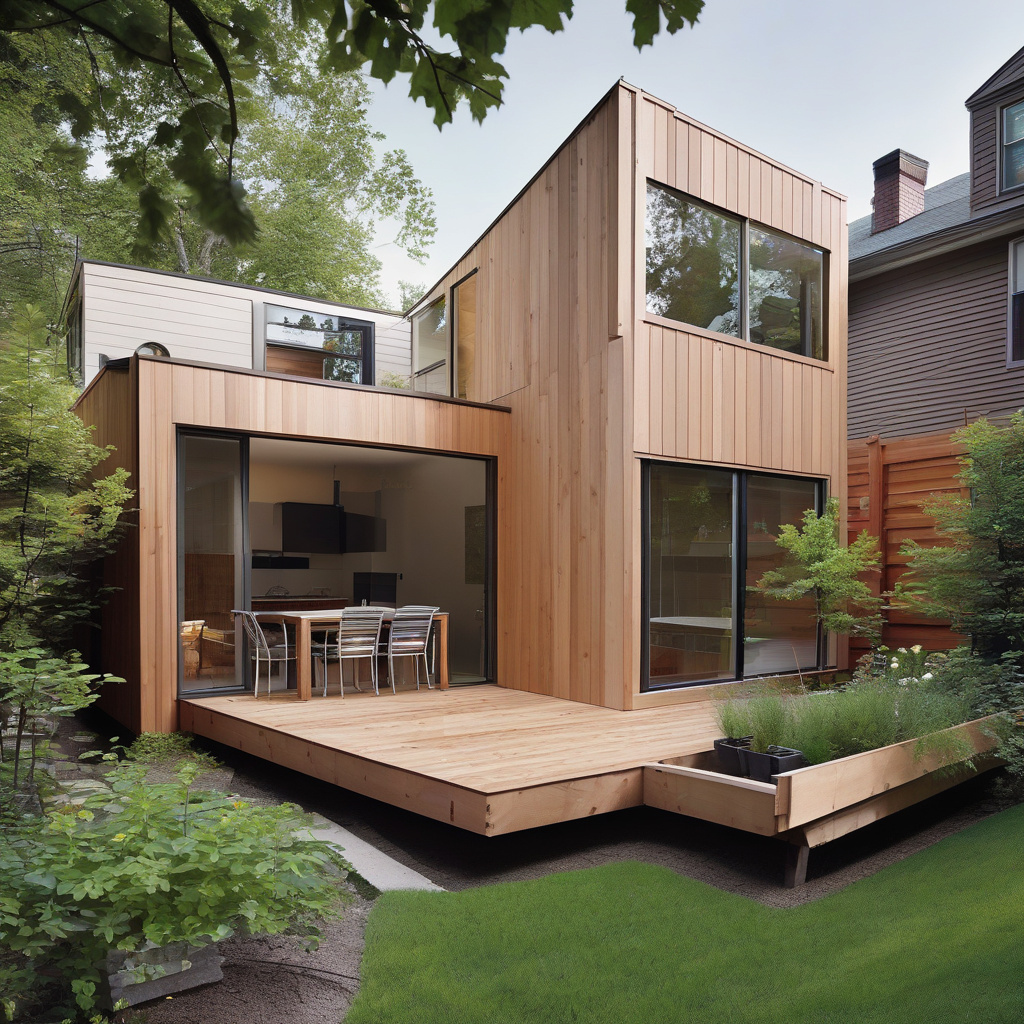
For homeowners looking to swell into luxury, a primary suite addition offers a tempting promise of private oases replete with grandeur and personalized flair. As seen in numerous renovations across the sprawling metropolis, expanding a home’s footprint with a primary suite can significantly enhance its allure and functionality. Initially, some may be struck by the daunting prospect of external construction, yet many Los Angelenos are enticed by the dream of a spacious retreat tailored to their desires.
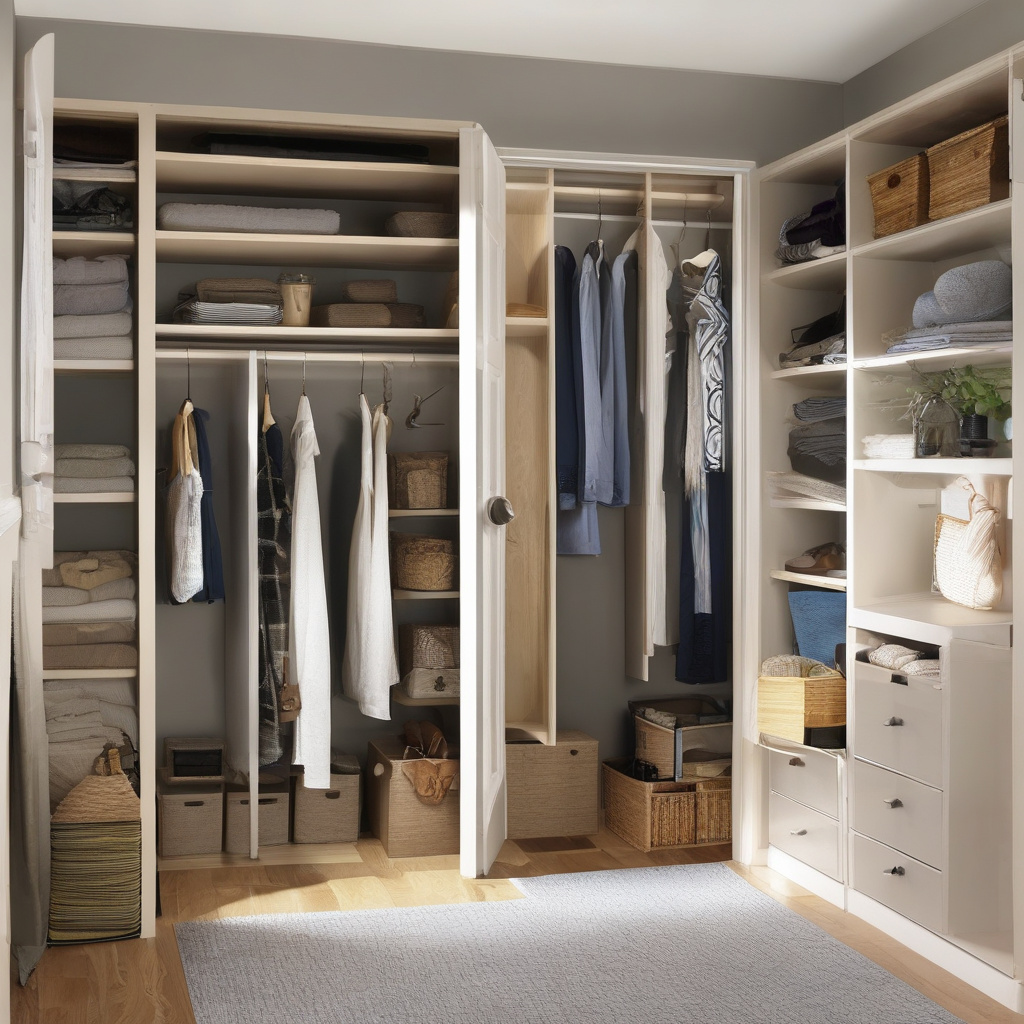
The emergence of innovative architectural solutions in Los Angeles enables these additions to blend harmoniously with existing structures, fostering seamless transitions from established spaces to newly created territories. Homeowners often embrace the personalization potential, crafting sanctuaries featuring spa-like bathrooms and walk-in closets that echo the luxury of high-end hotels.
Nevertheless, embarking on such a venture requires meticulous planning, particularly concerning local ordinances. As Los Angeles buzzes with a tapestry of diverse architectural standards, ensuring compliance with a multitude of regulations becomes unavoidable. Homeowners must navigate the web of zoning laws, building permits, and neighborhood-specific guidelines, making the process both a substantial commitment and an enriching journey.
While the project might stretch both budget and timeline initially, the investment often pays dividends. Home valuations appreciate, and the extra space can considerably boost a property’s market presence, promising substantial returns down the line. For many, this gamble proves rewarding as they witness their visions metamorphose into luxurious realities.
- Increased property value
- Luxury and personalization
- Enhanced functionality
- Potential regulatory hurdles
Considering All Aspects
Ultimately, a primary suite addition can serve as a transformative chapter in a homeowner’s narrative, albeit one that compels a careful weighing of pros and cons before construction commences.
The Art of Converting Existing Rooms
Yet, for others caught in the web of spatial expansion, the art of conversion presents itself as an alluring alternative—pivoting existing spaces into new functionalities without the sprawl of new construction. Especially prevalent in Los Angeles, this option thrives on ingenuity, with homeowners skillfully reinventing the purpose of spaces to suit evolving circumstances.
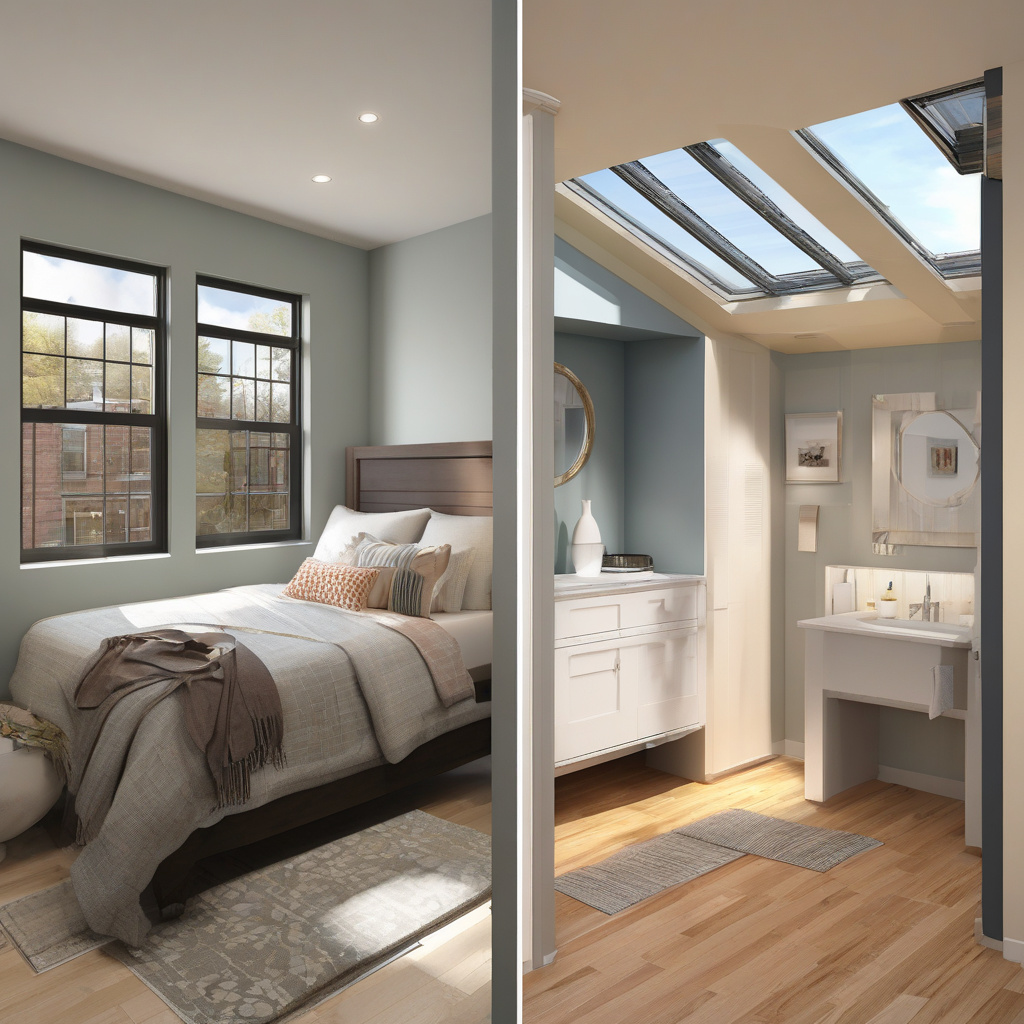
Conversion projects—like transforming a forlorn attic into a luminous artist’s studio or morphing a garage into a functional guest room—are creative endeavors celebrated by many. As living spaces are stretched and reshaped, homeowners harness their spatial resources with keen adaptability. The minimized need for structural alterations can make this route less cumbersome from a bureaucratic perspective, where permits hit fewer barriers.
However, converting rooms is not without its nuances. The intrinsic characteristics of the original space, such as window placement or square footage, may inescapably dictate the project’s parameters. Renovators must confront the puzzles of lighting, heating, and ventilation in order to coax optimal comfort from reimagined areas.
Despite these considerations, the conversion method presents notably fewer disruptions and generally faster completion times than building an addition. Pragmatic in approach, this method emphasizes usability over expansion, underscoring the value of what is already at hand.
For many homeowners, especially those firmly enmeshed in urbanity’s heart, converting existing rooms marries elegance with practicality, effortlessly stitching fresh utility into the fabric of their lives.
An observation gleaned from extensive home renovation studies reveals that “over 76% of room conversion projects lead to increased homeowner satisfaction due to improved utility, at nearly half the cost of full-scale additions.”
Converting existing spaces can save time, money, and stress, guiding practical homeowners toward a future where utility and elegance harmoniously coexist.
Understanding Costs and Timelines
As we delve into the nitty-gritty, the financial landscape of home renovations looms, shrouded in nights of aggressive number-crunching and spreadsheet skirmishes. Los Angeles presents a particularly dynamic market where costs vary widely, influenced by everything from external economic factors to material choices.
Understanding the economic disparities between an addition and a conversion is crucial. While the checkout-heavy lodging of a primary suite addition demands significant capital, savvy financing methods can help cushion the blow. Conversions boast a far more forgiving price tag, typically involving fewer labor costs and less need for expensive building materials.
For a clearer picture, compare the average costs associated with both options below:
| Renovation Option | Average Cost | Typical Timeline | Common Materials |
|---|---|---|---|
| Primary Suite Addition | $100,000 – $200,000 | 6-12 months | Concrete, hardwood, custom fixtures |
| Room Conversion | $20,000 – $50,000 | 3-6 months | Drywall, paint, flooring |
Though the financial stakes may appear daunting, homeowners willing to navigate this complex landscape can extract impressive returns. Leveraging financial tools, including home equity loans and rebates, can help mitigate upfront costs and recapture investments over time.
Ultimately, the choice between adding a primary suite or converting a room involves striking a balance between investment and intention.
The Complexities of Infrastructure Planning
While aesthetics and comfort take center stage, the more abstruse dimensions of renovation—such as infrastructure planning—loom ever-present. In Los Angeles, the challenge often lies in ensuring that sewer and utility considerations align seamlessly with larger renovation schemes.
Experts emphasize that when it comes to primary suite additions, the interplay of fire safety separation requirements, line capacity, and slope alignment must be scrutinized. Engineers assess whether existing systems can accommodate the newfound demands or if upgrading and expanding utilities is mandated.
Conversely, room conversions typically introduce fewer infrastructure shifts. Modifications are often limited to interior adjustments, taking advantage of existing utility networks. For instance, a laundry room repurposing might only necessitate reconfiguring plumbing rather than establishing new lines.
To navigate such intricacies, collaborating with seasoned architects and engineers is essential. Their insights can help dodge potential pitfalls, ensuring renovations proceed smoothly without adding undue strain to the home’s operating systems.
An expert insight from the field reveals, “Ensuring proper utility planning can prevent future operational failures, safeguarding both new and existing systems.”
Homeowners managing to harmonize structural ambitions with systemic realities often find themselves enjoying spaces that serve both form and function exquisitely well.
Deciphering Permits, Documents, and Myths
The path to renovation nirvana is scattered with the proverbial paper labyrinth—in which permits and documents create a dizzying dance with city regulations. Los Angeles homeowners are no strangers to such bureaucratic engagements, where securing the right paperwork becomes a ceremony unto itself.
Primary suite projects typically require a wider array of permits, encompassing zoning, structural modifications, and potential environmental impacts. Conversion projects, on the other hand, may only demand approvals tied to repurposing interior areas, thus subtracting some administrative burdens.
With the right guidance, acquiring the necessary permits and documentation can be navigated smoothly, though patience remains a vital companion. For many, engaging with professionals knowledgeable about Los Angeles codes offers considerable benefits, streamlining processes from conception to completion.
Notably, myths surrounding renovation often muddy the waters. From alleged cost overruns to purportedly insurmountable legal hurdles, misconceptions can deter even the most determined homeowners. Yet, arming oneself with accurate information and expert advice can peel away these fallacies, revealing the attainable nature of dream projects.
Homeowners willing to parse through these complexities with steady resolve often discover that seemingly formidable processes are far more surmountable with the right preparation.
Making the Best Decision for Your Home
As homeowners grapple with decisions that shape their futures, the allure of exploring realistic construction options rises to prominence. Whether opting for a primary suite addition or transforming existing rooms, the key lies in aligning choices with personal goals and lifestyles.
For some, the herculean task of expanding footprints offers unparalleled satisfaction, with rewards echoing in aesthetic pleasure and property values. For others, the ingenuity of maximizing existing space speaks volumes about resourcefulness and adaptability, reinforcing sustainable living principles.
Ultimately, renovations are testaments to personal stories and aspirations, with each decision etched into the history of a home. Making informed choices based on honest assessments and expert counsel ensures that these legacies are not just built but cherished.
A renovation industry statistic shows that “homes with personalized renovations appreciate at rates up to 25% faster than generic builds.”
For Los Angeles residents, understanding the nuances of both pathways—additions and conversions—ushers in a realm of possibility where aspirations transform into tangible comfort, function, and beauty.
- Primary suite additions offer luxury but require careful planning and significant investment.
- Room conversions provide a cost-effective, creative solution with fewer infrastructure changes.
- Understanding permits and regulatory requirements is crucial for successful renovations.
- Accurate information dispels common renovation myths, aiding decision-making.
- Individual choices should align with lifestyle needs and long-term financial goals.
FAQ
What is the difference between adding a primary suite and converting existing rooms?
The main distinction lies in the scope and nature of the renovation. Adding a primary suite typically involves constructing new space, which can accommodate customized preferences like larger bathrooms or walk-in closets, enhancing overall home value. In real renovation projects, converting existing rooms means creatively repurposing current areas to serve new functions without expanding the footprint. This approach might involve turning a smaller den into a comfortable bedroom suite by removing non-load-bearing walls. The choice hinges on budget, available space, and personal requirements. Many experts point out that while conversions might be cost-effective, adding a suite offers greater flexibility with design.
How do sewer and utility planning for ADUs impact renovation decisions in Los Angeles?
Sewer and utility planning is crucial when considering accessory dwelling units (ADUs) in Los Angeles due to the city’s diverse terrain and aging infrastructure. Homeowners frequently underestimate the complexity of these systems until a problem arises. In practice, one must consider line capacity and connection points carefully to ensure the new unit can operate reliably. The slope of the property plays a pivotal role; improper slope alignment can lead to drainage issues, further complicating the setup. Experienced contractors evaluate these factors to prevent overloading existing systems and avoid costly repairs. An in-depth assessment helps identify potential red flags early in the project.
When does it make sense to convert existing rooms instead of adding a new primary suite?
Opting for a conversion over adding a new suite is advisable when your home offers usable space that can be adapted to meet your needs. In older properties undergoing renovation, rooms like attics or basements often present untapped potential. Moreover, when there is a pressing need for structural upgrades, such as enhanced insulation or window replacements, conversions can achieve dual goals. This approach reduces costs and planning complexities associated with new builds. However, it’s vital to assess the existing layout thoroughly, considering factors like natural light, ceiling height, and accessibility to determine if a conversion can truly meet a grown family’s requirements.
What are common mistakes people make with primary suite additions?
A typical pitfall in primary suite additions is underestimating the project’s complexity and potential regulatory hurdles. Many homeowners assume that simply having space is sufficient, overlooking zoning laws or homeowner association guidelines. Real-world renovations reveal that not planning for these factors can lead to halted projects and unexpected costs. Another mistake is misjudging budget requirements—often, escalation in costs for materials or labor goes unchecked. Hiring contractors based solely on lowest bids can backfire if they lack proper experience. Thorough planning with a focus on compliance, realistic budgeting, and quality contractor selection can mitigate these risks effectively.
How much does it typically cost to add a primary suite in California?
In California, the costs for adding a primary suite vary based on several factors, such as location, size, and desired finishes. Typically, homeowners can expect to spend anywhere from $80,000 to over $200,000. Real renovation experiences show that costs can escalate due to high-end fixtures or customizations that homeowners opt for during the project. Upgrades like installing energy-efficient windows or incorporating smart home technology can add value but increase initial costs. Many experts emphasize the importance of obtaining multiple quotes and understanding the breakdown of costs for labor, permits, and materials to avoid financial surprises.
What are the pros and cons of converting existing rooms?
Converting existing rooms comes with distinct advantages and disadvantages. On the pro side, this option usually involves a lower cost than building anew, mainly because there is no need to excavate or extend utility lines. Additionally, conversions typically take less time and often require fewer permits and regulatory hurdles. A minor yet insightful example is transforming a cluttered storage room into a vibrant office space, leveraging its existing power points and lighting. However, the cons include limited customization—not all rooms can accommodate a full range of desired features, leading to potential dissatisfaction. In many cases, homeowners might be constrained by existing structural designs that limit layout innovations.
What are the benefits and limitations of adding a new primary suite?
The benefits of adding a primary suite are numerous, including increased property value, enhanced comfort, and greater personalization opportunities. Newer builds with modern systems can integrate seamlessly with such projects, allowing for cutting-edge energy-efficient solutions. Homeowners often cite the joy of crafting a space that perfectly suits their lifestyle, from large en-suite bathrooms to private outdoor access. However, these projects are not without limitations. A key drawback is the high upfront financial investment, which could strain budgets excessively. There’s also the potential for unforeseen construction challenges, such as plumbing reroutes, which can extend timelines and inflate costs.
What practical tips should homeowners consider when deciding between adding a suite or converting rooms?
Homeowners should start by evaluating their current and future lifestyle needs. A growing family might prioritize additional square footage, making a suite addition more viable. Budget constraints should also weigh heavily in decision-making; assess total costs, including potential rises in property taxes. Consulting with renovation experts can enlighten one about potential project impacts. A practical tip is to create a master plan that aligns with long-term goals yet remains flexible for unexpected changes. For those needing further personalized advice, visiting this local renovation insight hub may offer tailored solutions grounded in regional practices.