
Living in your home during the construction of an addition can feel like a chaotic undertaking, but for many homeowners in Los Angeles, this is the reality. Nestled in the hills or sprawled across suburban plots, Los Angeles homes are frequently undergoing transformations to accommodate growing families or invigorate outdated spaces. The decision to stay put during the chaos is not just about saving money; it’s about maintaining a semblance of normalcy and staying connected to your investment.
Brief summary: This article explores living at home during addition construction in Los Angeles, addressing the necessity of soil reports, the importance of strategic planning, and the delicate balance of managing costs and timelines. It also delves into real-life homeowner experiences and offers practical advice on surviving renovation chaos while maximizing your investment potential.
The Groundwork: Understanding the Importance of a Soils Report
One might wonder why building an addition in the scenic city of Los Angeles demands a layered approach. The answer is often found beneath our feet. With its rolling hills and varying topography, a solid foundation design tailored to your specific site is paramount. A soils report becomes the guiding light, unveiling the secrets lying beneath and shaping the engineering marvel that will support your new space.
This report, a detailed investigation of soil conditions, is crucial when dealing with the unpredictable grounds common in Southern California. After all, nobody wants their brand new extension slipping down the hillside. Engineers pore over these reports like cryptologists, deciphering the mysteries of clay, sand, and silt that influence foundational integrity.
For homeowners, understanding the language of soil reports might seem intimidating. However, it’s a necessary part of the planning phase. Without this insight, the risks of instability could overshadow the joy of new spaces. It’s about ensuring safety and longevity—a foundation that can support not just the weight of a structure, but future memories.
As you embark on this phase, remember: the upfront cost of a soil investigation is an investment in peace of mind, promising stability and security for years to come.
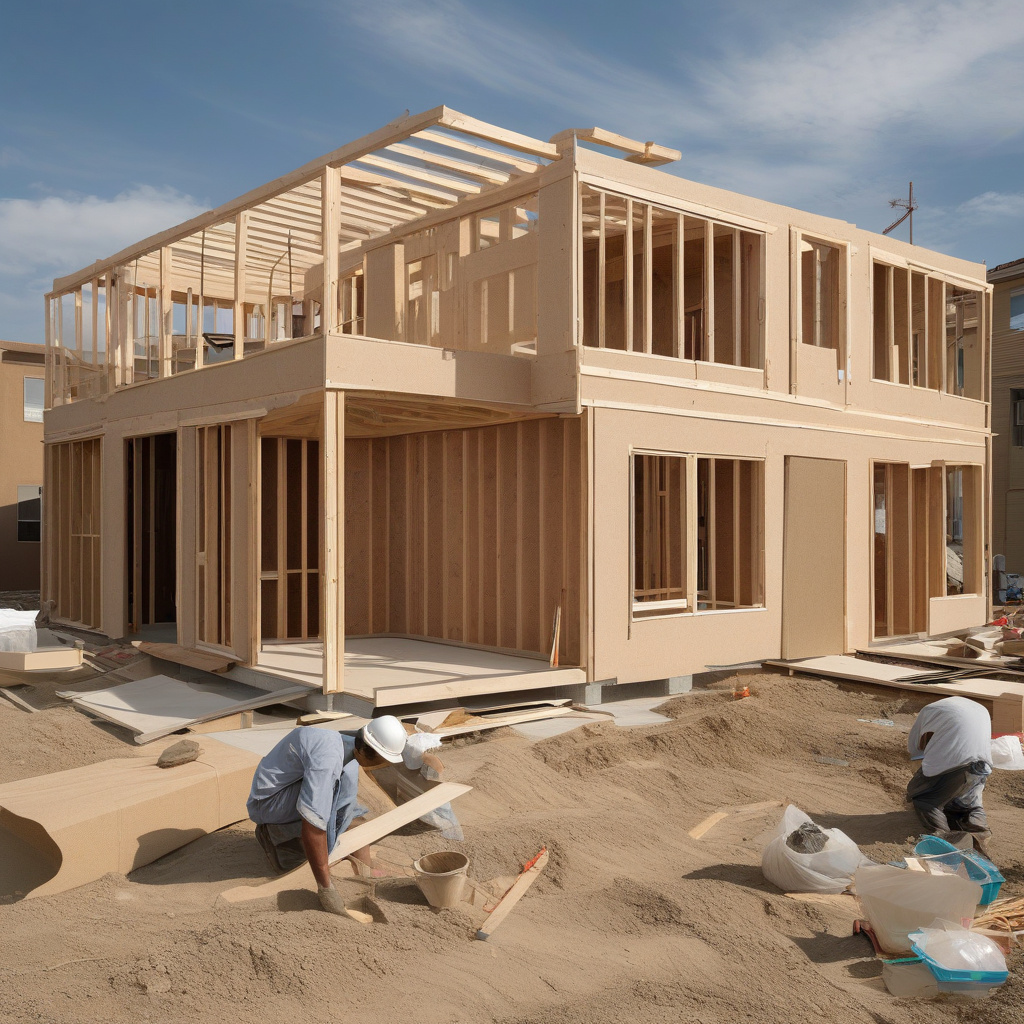
Planning Amidst Chaos: Strategic Decision-Making
Once the groundwork is in place, the journey of orchestrating a successful addition begins. The task of planning can seem Herculean—details, deadlines, and dollar signs compete for your attention. Yet, having a well-laid-out strategy can transform potential pandemonium into a project of precision. What’s key here is anticipating the disruption while seizing the opportunity to create a functional masterpiece.
Central to this is choosing the right space to transform. Do you dream of an enhanced master suite or perhaps a cozy guest wing? Such decisions not only hinge on personal dreams but practical considerations: family dynamics, future needs, and the potential for rental returns.
It’s also critical to outline timelines. How long will you live amid dust and drills? Setting realistic expectations helps manage stress—delays are ultimately part of the process. Knowing when your space transitions from hard hat to home again is comforting, like the first sunrise after a prolonged rainy season.
Drawing from firsthand accounts, many local homeowners advise reserving a retreat in the house—a safe haven to escape the relentless thrum of construction activities. It might be the farthest room from the new addition or as simple as a well-tended garden nook—a reminder of tranquility amidst the turmoil.

Materials and Budget: Navigating Cost Considerations
The spiraling costs of materials and labor, particularly in Los Angeles, is an art in itself to navigate. Understanding this economic landscape could be likened to assembling a puzzle where each piece brings you closer to financial equilibrium. The market reveals variations in prices and availability, which makes timely planning indispensable.
Choosing the right materials isn’t just about aesthetics, but durability and maintenance. Do you opt for the timelessness of hardwood or the practicality of engineered alternatives? The same goes for appliances, fixtures, and finishes. Here, the wisdom of contractors becomes invaluable, shedding light on cost-effective options without compromising quality.
Cost control is another tower to build. Setting a firm budget from the start and acknowledging potential overruns provides a cushion that prevents financial strains. This foresight creates flexibility and an escape from the ensnaring grip of unforeseen expenses.
Before sealing any decision, consider the expenses involved in passing inspections. As noted by a resident contractor, passing an ADU inspection without a hitch is key to keeping your project on track, both financially and temporally.

Industry statistic: Approximately 30% of remodeling projects experience financial overruns due to underestimated material and labor costs.
Considering Construction Methods
The method of construction is arguably as vital as the materials themselves. It’s not only the structure but the tactics employed in its creation that determine both the timeline and the ease of living alongside the project. Traditional methods sit side by side with modern approaches, offering varying benefits and drawbacks.
Nowadays, prefabricated components have become increasingly popular. They promise significant time savings and can reduce the strain of prolonged in-house living. However, they come with initial choices that must be precise, considering any deviation equates to increased expenditure.
Another consideration is green building techniques. Reflective of broader environmental consciousness, these methods combine sustainability with comfort, promoting energy efficiency and reducing long-term costs. The allure of decreased utility bills and reduced footprint is tangible, especially in a city so cognizant of ecological realities.
A critical aspect is choosing methods that align with the unique challenges of LA construction, such as seismic regulations. The notion of value is not just economic but experiential—how walls breathe, how light dances through new windows encapsulates the essence of home.
Expert insight: Green construction methods can enhance property value by 10–15% due to growing demand for sustainable living.
| Construction Method | Pros | Cons |
|---|---|---|
| Traditional | Time-tested, customizable | Longer build time, potential for higher costs |
| Prefabricated | Quicker installation, consistent quality | Limited customization, upfront decisions mandatory |
| Green Building | Energy efficient, environmentally friendly | Higher initial costs, requires specialized knowledge |
Designing for ROI: Risks vs. Rewards
Your home is your greatest asset, so ensuring that each new element contributes to its value is essential. In an ever-fluctuating market such as Los Angeles, striking the balance between personal enjoyment and financial return on investment (ROI) is both an art and science. The addition is as much about personal comfort as it is about the strategic growth of property value.
Understanding utilities planning plays a significant part in optimizing this balance. Energy-efficient utilities can significantly reduce long-term costs and attract potential buyers or tenants. Leveraging modern technologies not only benefits immediate usage but solidifies a home’s stance in the competitive real estate market.
The risk lies in overcapitalization. Pouring money into high-end finishes that might not necessarily align with market expectations can cripple financial outcomes. Conversely, skimping on quality could deter future buyers. It’s a dance—delicate yet deliberate—guiding projects to not only fulfill personal dreams but resonate with future markets.
Research-based observation: The Southern California housing market sees a 20% faster sale for homes with high-efficiency upgrades.
Shape your additions not just with love and labor, but informed choices that humanize each brick and beam. The rewards of meticulously designed spaces, both financial and emotive, assure a life well-lived and investments well-made.

Creating a Livable Atmosphere Amidst Construction
You’ve now laid the foundation—literally and metaphorically—for enduring change. The relentless noise, the waves of dust—they test patience anew each day. Yet, perseverance channeled through observing periods of respite transforms daily challenges into poignant, memorable stories.
Carve out personal time among the chaos: morning coffee on the doorstep, evenings tucked with books in a quiet corner. Embrace the opportunity of living art, experiencing the growing pains of a house finding new shapes and forms.
Take solace knowing that each creak, each hammer strike rhythmically builds not just structures, but legacies—a testament to personal growth mirrored in timber and tile.

- Soil reports are crucial for safe and stable construction on LA’s varied terrain.
- Strategic planning minimizes disruption and keeps projects on track.
- Balancing material costs with quality is essential for budget control.
- Prefabricated methods offer time savings, while green techniques enhance value.
- Home additions should prioritize both personal enjoyment and resale value.
“`html
FAQ
What is a soils report, and why is it crucial for additions in Los Angeles?
A soils report is a detailed geotechnical analysis of the land where construction is planned, particularly essential in Los Angeles due to its diverse topography and seismic activity. It assesses soil stability, bearing capacity, and potential hazards. In real renovation projects, especially on challenging slopes or with significant foundation changes, this report helps engineers design suitable, safe structures. Homeowners often underestimate its value, but a comprehensive soils report can prevent costly mistakes later on.
How do I choose a qualified engineer for creating a soils report?
Selecting the right engineer requires careful consideration. Seek professionals with specific experience in your area, as familiarity with local soils and regulations can make a big difference. In real-world scenarios, asking for references from past projects often reveals the engineer’s reliability. Many experts point out that it’s beneficial to choose someone who communicates clearly about risks and recommendations. This proactive approach not only ensures a thorough report but also builds trust between the homeowner and the professional.
When should a homeowner opt for a soils report during construction?
Homeowners should consider a soils report at the planning stage of any addition or major renovation, especially when dealing with steep slopes or significant foundation modifications. Many find that consulting an expert early can guide design choices that respect the site’s constraints. Delaying this analysis might lead to unexpected complications, as soil issues are easier to address in the planning phase than during construction, potentially saving both time and money.
What are common mistakes homeowners make during home additions?
A frequent pitfall is underestimating the importance of upfront planning, particularly regarding soil analysis. Many homeowners jump into design without fully understanding the site’s constraints, leading to costly redesigns. Another common mistake is overlooking the impact of their addition on existing infrastructure, such as drainage systems. Real renovation projects reveal that ignoring these aspects can result in water damage or structural issues. Engaging professionals early helps avoid these missteps, ensuring a smoother build process.
How can I balance the benefits and drawbacks of construction during a home addition?
Balancing pros and cons means understanding both immediate and long-term impacts. The benefits are clear: more space, increased property value, and tailored living areas. However, the drawbacks include temporary disruption and potential stress from living alongside construction. Many homeowners find that setting realistic expectations and maintaining communication with contractors mitigates these issues. Reviewing past case studies where renovations exceeded expectations can provide insights into effective management strategies.
What types of homes often face issues during construction in areas with unstable ground?
Older homes, particularly those with existing structural weaknesses, often face challenges on unstable ground. These properties might have outdated foundations that can compound soil movement issues. Interestingly, new builds with modern systems can also encounter problems if initial site evaluations were inadequately conducted. It’s crucial for any homeowner in at-risk areas to engage professionals experienced in soil and foundation science to avoid costly rectifications later. Expertise in local conditions can immensely benefit the success of construction projects.
How do construction costs vary due to soil and site conditions?
Construction budgets can soar if site conditions are challenging. For instance, building on a slope or an area with unstable soil often requires additional engineering solutions, such as retaining walls or specialized foundations, which drive up costs. Many experts highlight the variance in price dependent on whether soil stabilization or drainage management is needed. To get an accurate quote that reflects potential site-specific modifications, homeowners might connect with professionals to discuss detailed plans. A realistic budget accounts for these variations from the outset.
Where can I get more information and assistance with my renovation project?
For personalized guidance and detailed insights, homeowners can connect with renovation experts who understand regional specifics. It’s often advantageous to engage professionals who have a proven track record in handling similar projects. If you are looking to discuss your specific situation or need direct assistance, reach out through this [practical contact option](https://californiarenovation.top/contact/). This approach ensures you’re considering all necessary factors while contemplating an addition or renovation.
“`