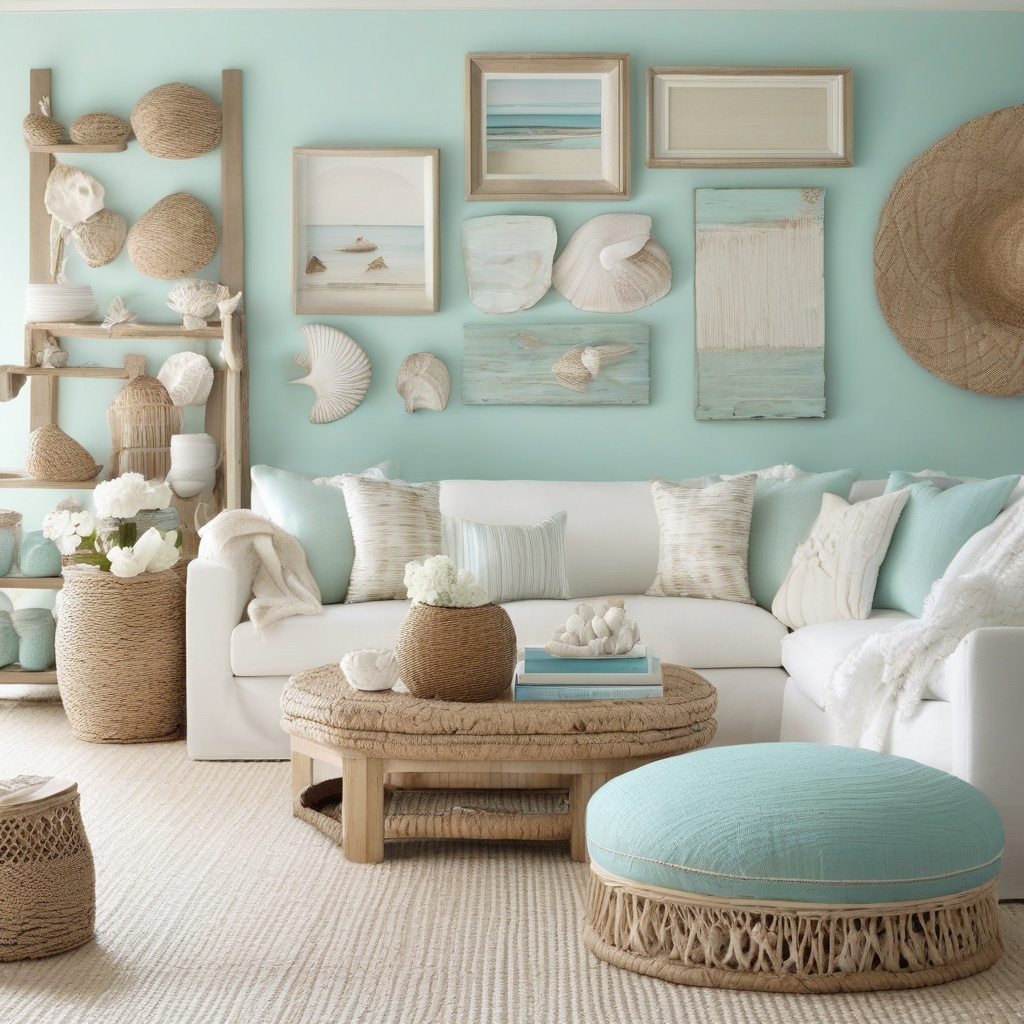
In the sun-drenched realms of Southern California, where the whisper of the ocean is never too far, coastal-inspired kitchens have found their perfect stage. Designed with breezy palettes, natural textures, and bright finishes, these kitchens echo the relaxed energy of beachside living, offering an oasis of calm amidst the hustle of urban life. The rising trend, particularly in Los Angeles, invites homeowners to bring the invigorating essence of coastal living into their daily routine.
Brief summary: This article examines the rising trend of coastal-inspired kitchens in Southern California, focusing on design elements such as color palettes, textures, and finishes. It explores the renovation journey, highlighting costs, materials, and homeowner experiences, while offering practical advice for those embarking on similar projects.
The Allure of Coastal Design
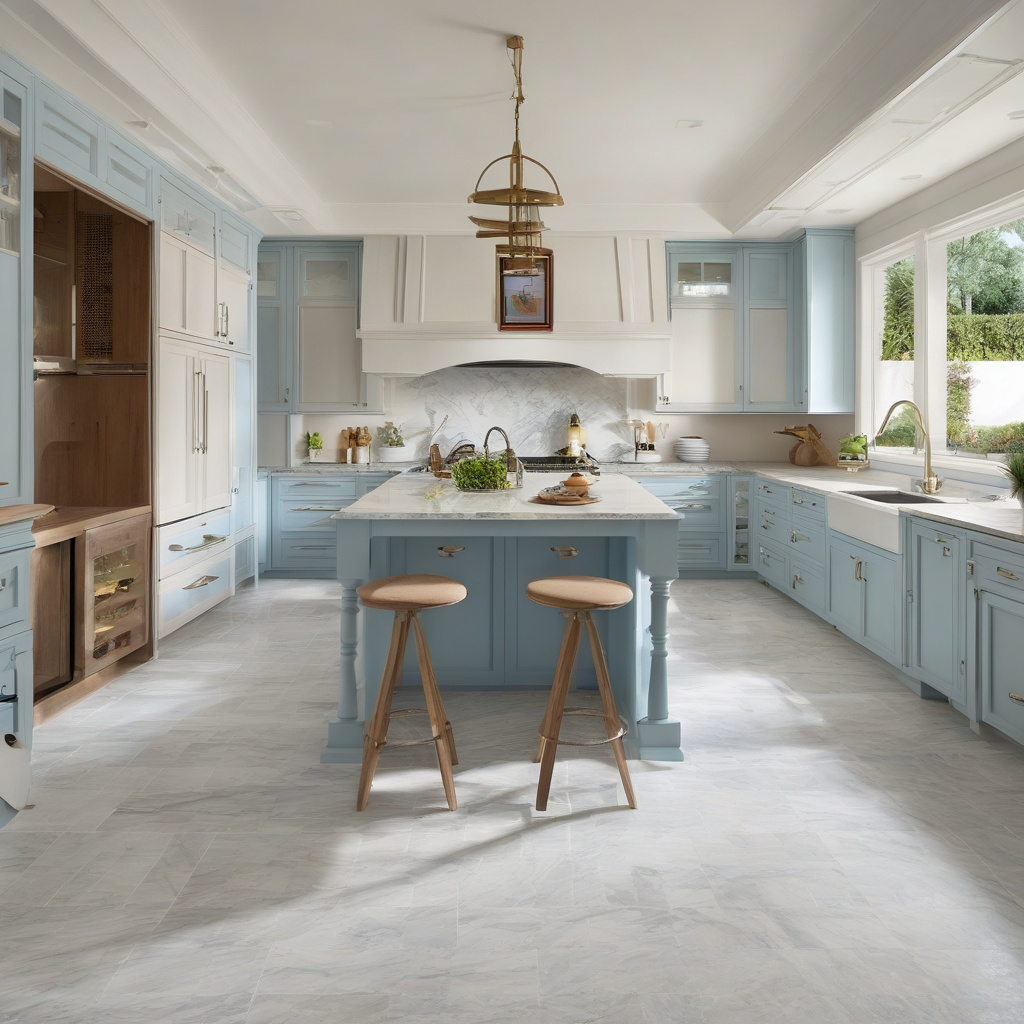
Coastal-inspired kitchens have emerged as a coveted choice for homeowners craving a touch of tranquility in their bustling city lives. As Los Angeles sets the stage for innovation, many residents are keen to transform their spaces into serene retreats. The introduction of soft blues and greens, reminiscent of the ocean, coupled with sandy beige tones, create a seamless blend that charms the senses and calms the mind.
Many find themselves drawn to these designs not just for aesthetics but for their mental impact. As one local designer puts it, “These kitchens are not just spaces to cook; they’re sanctuaries that offer a breath of fresh air in our homes.” The use of natural materials like oak and driftwood-infused cabinets helps instil an earthy vibe, fostering a connection between the indoor and outdoor worlds.
Incorporating oversized windows allows an abundance of natural light, enhancing the spaciousness felt within. This design ethos is more than visual appeal; it’s about creating an atmosphere where the heart and soul of the home can come alive. As many affirm, embracing the coastal style is a commitment to a lifestyle that celebrates simplicity and elegance in one’s private oasis.
The coastal aesthetic is the embodiment of laid-back luxury that Southern California epitomizes. As homeowners seek to bring the ocean’s calm into their homes, it’s clear that this design trend is more than a passing phase; it’s a lasting style statement. Explore this lifestyle investment further to understand the essential elements of coastal-inspired kitchen design.
Cost Implications and Planning Your Renos
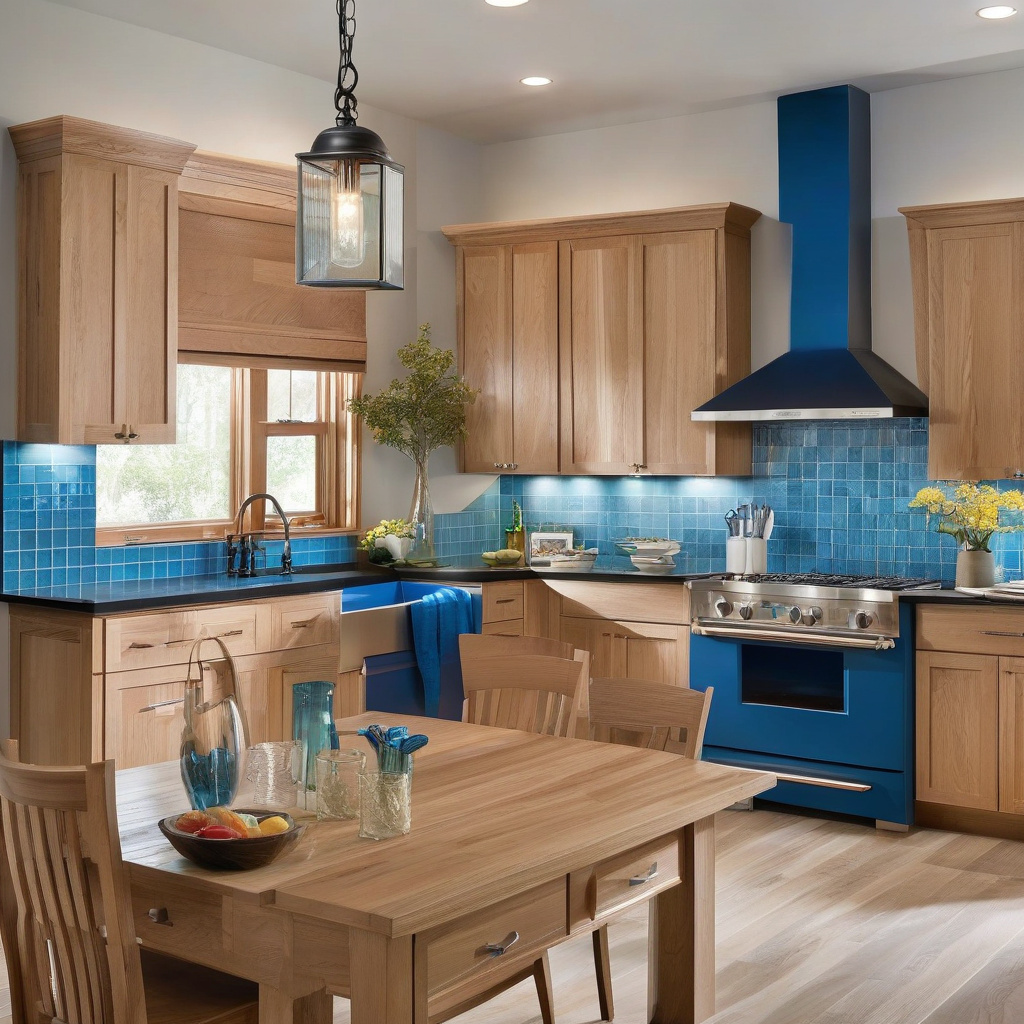
Venturing into a coastal-inspired kitchen transformation requires not only a vision but a realistic understanding of the costs involved. The average renovation in the Los Angeles area can span from $15,000 to $70,000, depending on the scale and materials chosen. Identifying priorities is crucial; homeowners often debate whether to splurge on bespoke cabinetry or invest in premium appliances.
A pivotal part of planning involves selecting materials that underpin the coastal theme. White quartz or marble countertops are popular choices, adding both durability and a polished look that aligns with the coastal style. Additionally, brushed nickel or chrome fixtures offer a chic yet subtle contrast to warm wood tones.
Creating a budget is more than listing expenditures; it’s an exercise in restraint and creativity. As experienced renovators point out, “Every dollar should not only meet design needs but also enhance functionality.” Therefore, understanding the long-term benefits of each investment is as important as the initial excitement of aesthetic choices.
When costs and creativity align, the outcome is a kitchen that offers daily delight and practical efficiency. For a deeper dive into making savvy renovations and planning costs, check out practical insights in this comprehensive guide.
Industry statistics reveal that well-planned kitchen renovations often recover up to 80% of their cost at resale, particularly in high-demand areas like Los Angeles.
Timelines for Your Coastal Kitchen Makeover
Timing can be as critical as budgeting when it comes to kitchen renovations. Typically, a full-scale coastal kitchen remodel could take between 8 to 12 weeks, influenced by factors such as material availability and contractor schedules. Setting a realistic timeline helps manage expectations and ensures a smoother process.
Drawing out a detailed schedule from demolition to the final touches aids in staying grounded. Regular communication with contractors can mitigate delays and align the outcome with the homeowner’s vision. By setting achievable goals and having a flexible timeline, the renovation process becomes less of an ordeal and more of a fulfilling journey.
Sequencing tasks thoughtfully allows for adjustments and unforeseen challenges to be navigated skillfully. Homeowners are advised to step back periodically to see the bigger picture, ensuring the result is both cohesive and beautifully coastal. Patience and persistence pave the way for a rewarding transformation.
Ultimately, the time invested in the planning stage pays off in the seamless execution of a vision, where the kitchen becomes an extension of the shore itself. Strategies to streamline the process can turn a daunting project into an adventurous and educational endeavor.
Practical Design Tips for a Cohesive Look
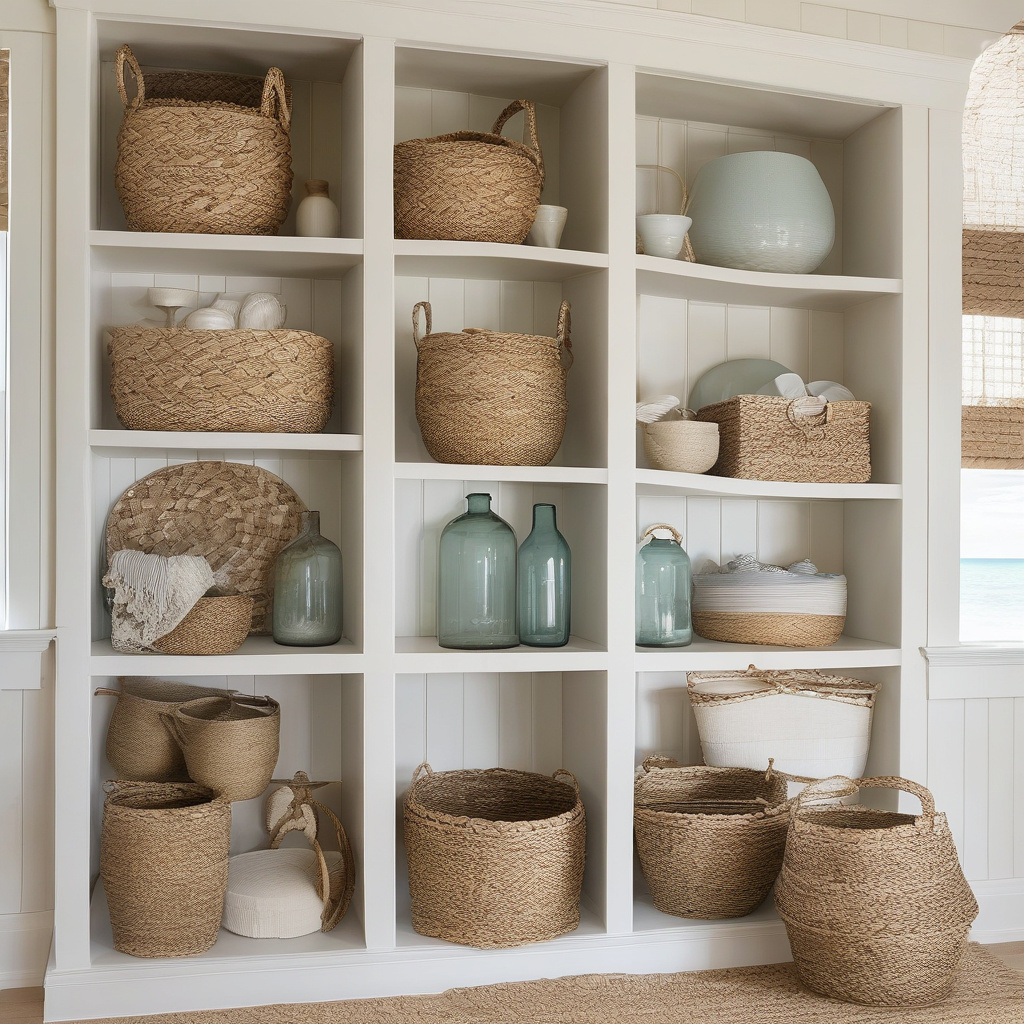
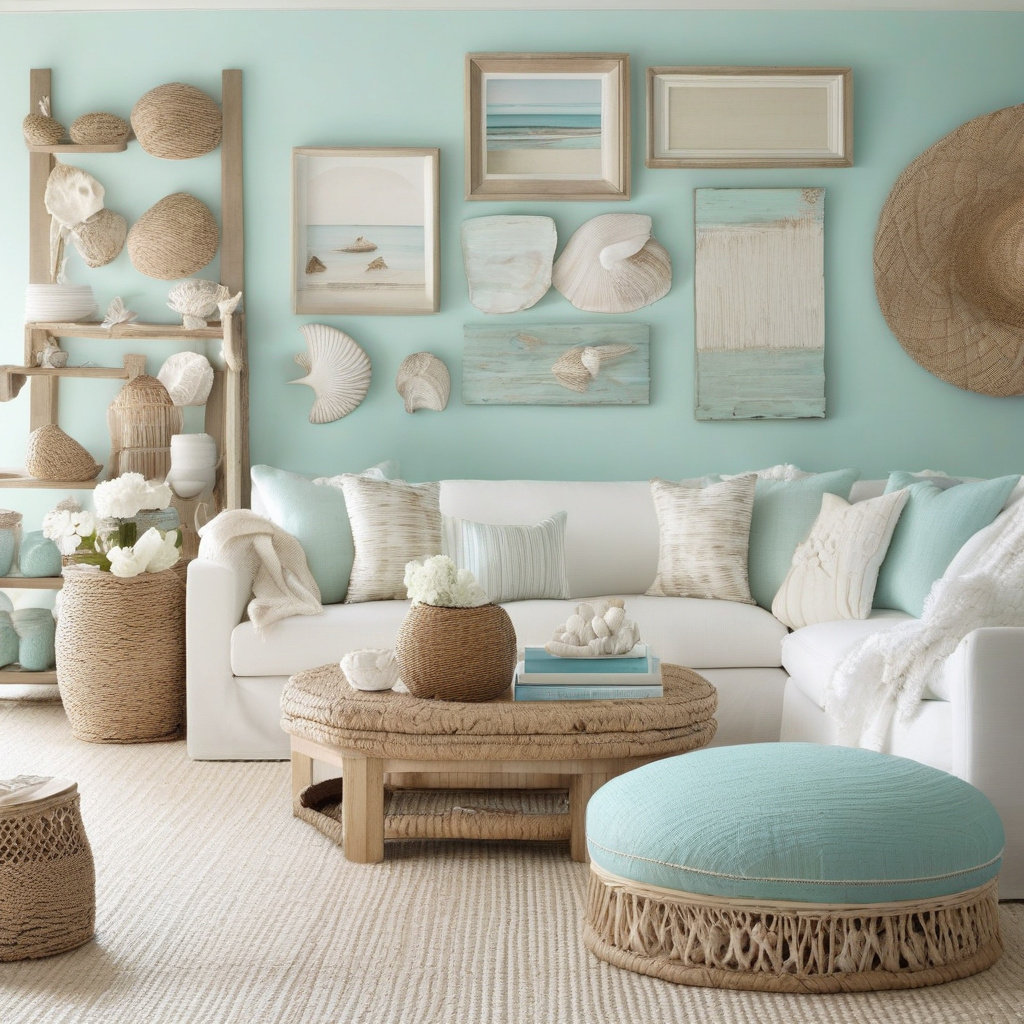
The essence of a coastal kitchen lies in harmonizing various elements to create a cohesive look. Incorporating natural textiles, such as linen for window coverings or upholstery, can enhance the organic vibe central to coastal themes. Utilizing open shelving gives a sense of depth and flexibility, showcasing artisanal dishes and ocean-inspired decor.
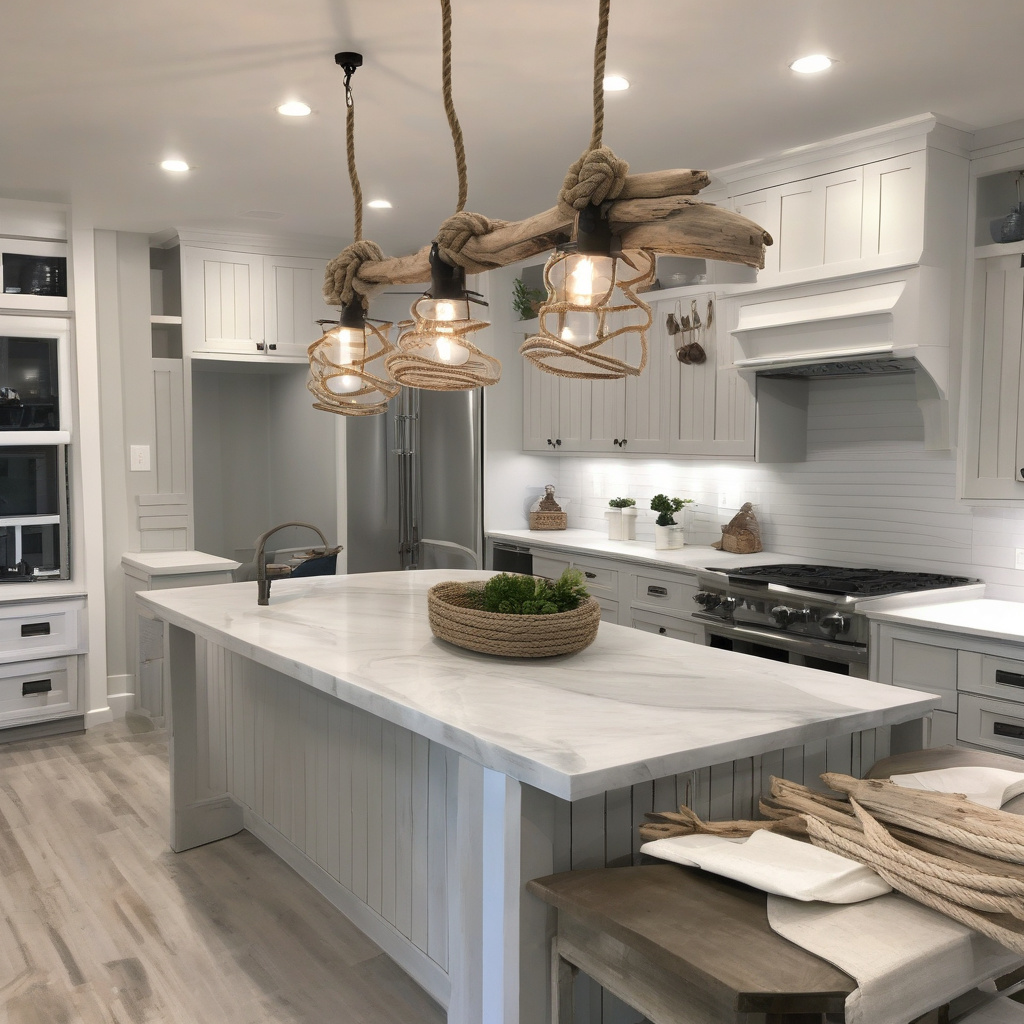
Lighting also plays a crucial role in embodying a style that resonates with the shoreline’s serenity. Fixtures made from reclaimed wood or shells accentuate the calming effect these spaces aspire to achieve. Pendant lights add a visual anchor above kitchen islands, bringing focus and style to the heart of the culinary space.
A careful curation of accessories like woven baskets or coastal trinkets strategically placed can subtly inject personality without overpowering the design. This thoughtful layering of textures is key to crafting a kitchen that feels effortlessly inviting.
For additional strategies on maximizing storage efficiency while maintaining a clean and airy aesthetic, consider exploring innovative storage solutions that don’t compromise on charm.
Expert insights highlight the importance of maintaining a balance between open and concealed storage to prevent visual clutter, ensuring a kitchen retains its breezy allure.
Advantage Vs. Disadvantage: Is It Worth It?
Every renovation, regardless of its appeal, carries an intrinsic set of advantages and challenges. Coastal kitchens stand out for their aesthetic allure and the serene ambiance they introduce, yet they may not be the best fit for every lifestyle. The advantages often lie in increased home value and unmatched style appeal. They establish a unique character and often become conversation starters.
However, the commitment to maintaining bright and white surfaces can pose a challenge in high-traffic homes. Additionally, the initial upfront cost might deter some, as opting for cheaper materials can result in a compromised outcome. Balancing aspirations with practical needs is essential.
| Aspect | Advantages | Disadvantages |
|---|---|---|
| Cost | Potential ROI | Higher initial expense |
| Maintenance | Timeless appeal | Frequent cleaning required |
| Style | Unique and stylish | May not suit all homes |
Understanding the trade-offs is crucial in making informed decisions. Hence, weighing personal comfort against the desire for aesthetic brilliance is recommended for anyone considering a coastal kitchen.
Navigating the Renovation Process
The path to a dream kitchen renovation is paved with critical decisions and unexpected turns. Choosing the right professionals can greatly influence the project outcome, as many homeowners attest. It’s not merely about executing a plan but about realizing a vision that speaks to both the heart and home.
Collaboration is key—they say no renovation is an island. Communication with designers and contractors facilitates smoother transitions at every phase, allowing ideas to morph gradually into reality without abrupt surprises.
Real-world scenarios have shown that being flexible and open to adaptations can turn potential pitfalls into opportunities. For instance, realizing that a planned window placement would obstruct cabinetry allowed one homeowner to redesign with even more stunning results, reinforcing the creative nature of renovations.
Employing a mix of patience and pragmatism enables homeowners to revel in the process and enjoy the fruits of their labor in a space that not only meets expectations but also exceeds them by embodying personal style and sophistication. For practical insights into making intelligent design choices in confined spaces, learn more about maximizing efficiency in small areas.
A recent survey highlights that satisfied homeowners often credit the success of their renovations to early and clear communication with their construction teams, underscoring the value of partnership in design.
Final Thoughts
As Southern Californians continue to shape their kitchens with the ethos of coastal serenity, they embark on a creative journey that transforms spaces into reflections of calm and comfort. The choices homeowners make resonate beyond aesthetic preferences, reflecting a lifestyle dedicated to balance and peace.
Whether one chooses the grandeur of polished marble or the gentle elegance of brushed timber, every decision contributes to the narrative of their home. Coastal-inspired kitchens offer a doorway to serenity, inviting nature’s tranquility into everyday life.
This style serves as a tribute to the unyielding allure of the coast, imparting an ongoing sense of renewal and inspiration with every culinary endeavor. As such, your kitchen becomes not only a place of creation but a testament to a life well-lived in harmony with the sea.
- Embrace coastal styles with neutral palettes and natural materials for a tranquil kitchen.
- Plan effectively to balance creativity with practical costs in renovations.
- Explore innovative storage solutions to maintain an airy, clutter-free design.
- Collaborate closely with construction teams for effective design outcomes.
- Enjoy the long-lasting aesthetic and potential home value increase offered by coastal-inspired kitchens.
“`html
FAQ
What defines a coastal-inspired kitchen?
A coastal-inspired kitchen typically embodies the serene and breezy essence of beachside living, characterized by light and airy color palettes featuring whites, soft blues, and sandy beiges. In real renovation projects, designers often incorporate natural textures like rattan and wood, along with bright finishes such as glossy tiles. Many experts highlight the importance of maximizing natural light, often overlooked by homeowners, to truly capture the coastal ambiance. Incorporating glass elements or open shelving can also enhance this aesthetic, mimicking the openness of the sea.
How can I choose the right materials for a coastal kitchen?
When selecting materials for a coastal kitchen, durability and weather-resistance are key considerations. In Southern California, where coastal humidity can be a factor, many homeowners opt for materials like engineered wood or composite countertops that can withstand moisture. Using tile backsplashes that mimic the appearance of sea glass is another popular choice. A common mistake is choosing materials solely based on appearance without considering maintenance needs. In practical scenarios, balancing aesthetics with functionality ensures the kitchen not only looks good but stands the test of time.
When does it make sense to invest in a coastal-inspired kitchen?
Investing in a coastal-inspired kitchen makes sense if you’re looking to elevate your home’s appeal in Southern California where the beach culture is prevalent. It’s particularly advantageous for beachfront properties or homes with ocean views to amplify their natural surroundings. Homeowners aiming for a relaxed, vacation-like atmosphere will find this style particularly rewarding. However, it’s not just about aesthetics; incorporating these elements can increase property value, as many buyers are drawn to the appealing, airy, and timeless design. In transitioning spaces, blending coastal elements can offer a fresh twist, updating an older home with modern charm.
What are some common mistakes in designing a coastal kitchen?
A prevalent mistake in designing coastal kitchens is overusing themed decor, making spaces feel kitschy rather than sophisticated. In real-life projects, less is often more; subtlety in nautical accents is key. Another misstep is neglecting cohesion with the rest of the home, causing design clashes. Many experts emphasize continuity of style throughout living spaces. Moreover, overlooking practical aspects like adequate storage or durable surfaces can affect functionality. Creating a design plan that balances aesthetics and practicality, while ensuring a seamless flow between indoor and outdoor spaces, is crucial for success.
What are the cost considerations for a coastal kitchen renovation?
The cost of a coastal kitchen renovation can vary widely based on the scope of work and materials chosen. For instance, custom cabinetry or high-end materials like marble or quartz can significantly increase costs. In real-world budgeting, homeowners should anticipate spending more on quality finishes that resist wear and tear, essential in a high-humidity environment like Southern California. There are cost-effective alternatives, such as opting for engineered products that offer the coastal look without the hefty price tag. It’s wise to plan for unforeseen expenses, as renovations often reveal underlying issues needing attention, such as outdated wiring or plumbing.
What are the advantages and disadvantages of a coastal-themed kitchen?
A coastal-themed kitchen boasts advantages such as a timeless aesthetic, making it appealing for many homebuyers, and the ability to create a serene, relaxing environment. The use of natural light and open spaces also promotes wellbeing and comfort. However, some limitations include potential higher initial costs due to quality materials and possible overtheming that can limit personalization. It’s also important to consider that a coastal design should suit the home’s context and location; what works for a beachside domicile may not complement a more urban setting. Homeowners should aim for a versatile design that adapts to evolving tastes.
How can I maintain the finishes in a coastal-inspired kitchen?
Maintaining the finishes in a coastal-inspired kitchen requires regular care and the right products. Many homeowners underestimate the impact of salty air, especially in coastal environments. It’s crucial to clean and seal surfaces periodically to prevent damage; wiping down counters and tiles with mild, non-abrasive cleaners protects from moisture. Natural wood should be oiled regularly to retain its luster. In practical terms, integrating low-maintenance materials designed for durability can reduce upkeep efforts, ensuring the kitchen maintains its beauty and functionality over time.
How do coastal finishes compare with other styles in terms of care?
Coastal finishes tend to require minimal maintenance compared to ornate styles like Victorian or Tuscan, which may have intricate detailing needing special care. Linens and woods with natural grains used in coastal kitchens often show wear less, a practical advantage in busy homes. However, these finishes can be sensitive to sun fading and require protection measures. In contrast, modern minimalist finishes usually necessitate frequent cleaning to maintain their sleek appearance. Discuss your specific needs with a professional if you’re considering a coastal theme, or [explore your options through a consultation](https://californiarenovation.top/contact/).
“`