
In the sprawling urban landscape of Los Angeles, the allure of expanding living space without altering the external aesthetics is leading many to embrace Accessory Dwelling Units (ADUs). Yet, embarking on such a construction venture can be as daunting as navigating the notorious LA traffic. Before you sign on the dotted line with a contractor, let’s delve deep into the pivotal questions that can prevent future headaches and ensure your project sails smoothly to completion.
Brief summary: This article explores the essential questions to ask before signing an ADU construction contract in Southern California, focusing on timelines, materials, communication, and trust-building with contractors. Understanding these factors can help prevent budget overruns and potential misunderstandings in ADU projects, which are increasingly popular among homeowners looking to maximize their space.
Understanding Timelines: The Key to Planning
Imagine a time before your life turned into a construction zone. Understanding the importance of project timelines is crucial—much like knowing your freeway exits in advance. Glaringly, timelines in ADU projects are as unpredictable as the LA weather. Lengthy delays can cause emotional and financial stress, stretching your patience and your wallet. Before committing to a contractor, make sure you ask for a detailed project timeline. If you’re interested, check out this comprehensive analysis of timeline factors that could impact your ADU addition.
Project timelines should be realistic and include key milestones. Inquire about factors that could alter these timelines, such as permitting delays or unexpected complications. A smart homeowner always asks for these details in writing, ensuring that there’s a shared understanding and accountability.
Moreover, consider the contractor’s past performance. Request references or visit their completed projects around Los Angeles to see how closely their delivered timelines matched the promises made. This offers real, tangible insight into contractor reliability and efficiency.
Negotiating a buffer in the timeline can offer some breathing room. This isn’t merely a precaution against delays but also an opportunity to perfect elements that require more time. By understanding and preparing for potential postponements, you’ll mitigate the stress associated with living amidst construction. Stay prepared, and you’ll find that the finished project is well worth the wait.
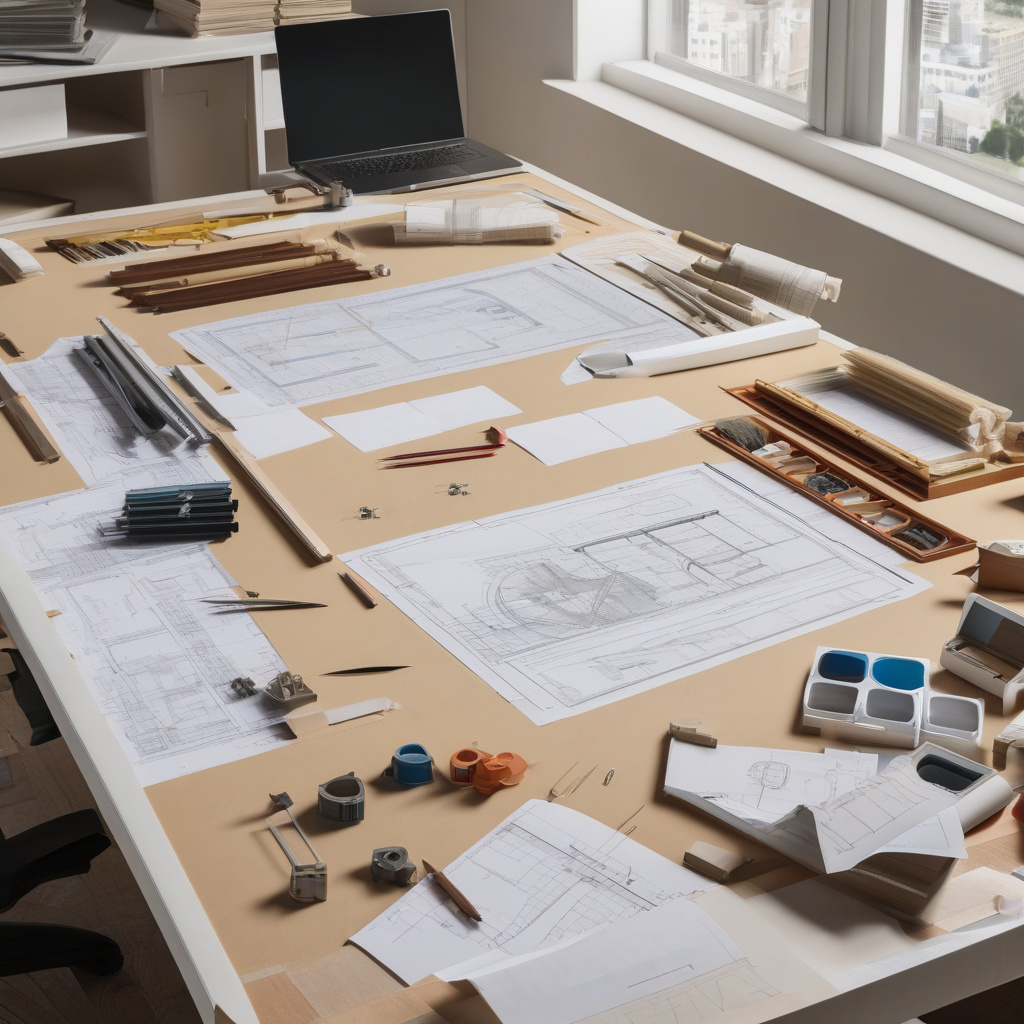
According to a report by the Urban Land Institute, over 60% of ADU projects in urban areas like Los Angeles face some form of timeline extension beyond the initially planned date.
Material Matters: Choosing the Right Components
Once you’ve grasped your timeline, focusing on materials is the next priority. The choice of materials can dramatically influence both aesthetics and budget, turning what seems like a straightforward decision into a complex equation. It’s not just about cost—it’s about durability, sustainability, and style. Think of it as choosing wardrobe pieces that last beyond a single season.
Consider environmental impact when selecting materials. Many Angelinos favor eco-friendly options, so inquire whether your contractor can provide sustainable material alternatives. This goes hand-in-hand with considering the practical constraints of your space: does that Italian marble appeal match the rugged functionality your ADU needs?
Discuss the quality and origin of materials upfront. It’s crucial to confirm that what’s promised is what you’ll get—no last-minute substitutions without your approval. A detailed spec sheet can serve as your rescuer, protecting you from less-than-ideal switches.
Additionally, address material availability. Global supply chain disruptions have become talking points in every Los Angeles coffee shop; make sure your project doesn’t fall prey to them. By meticulously selecting materials in advance and staying in the loop on potential issues, you ensure that your ADU is built with the quality you expect.
A recent industry survey indicates that utilizing locally sourced, sustainable materials can increase the overall cost by 15% but may improve the long-term value and appeal of your home.
Weighing Costs vs. Quality
Costs can easily skyrocket when quality materials are involved. Therefore, adopting a strategic approach requires weighing the upfront costs against the long-term benefits. Often, homeowners are blind to potential cutbacks that save today but cost tomorrow.

Change Orders: Strategizing for the Unexpected
One aspect often overlooked until it’s looming is change orders. They’re nonchalantly discussed initially but can turn into a financial ticking time bomb. Including these provisions in your contract might feel like planning a surprise party for yourself—potentially funny but unwelcome if things get out of hand.
Start by learning about the contractor’s flexibility in handling changes. Some firms do it with a nimble grace, while others buckle under the pressure. Pose direct questions concerning the pricing and procedure of implementing changes once the contract is underway.
Mitigating their disruptive impact begins during contract negotiations. Insist on clarity over costs and timelines affected by change orders. Clear contractual terms regarding their execution timeframe and additional expenses can shield your budget from unexpected hits.
Also, speculating on potential modifications allows you to foresee scenarios where change orders become plausible. Think about aspects like design tweaks, unforeseen architectural issues, or new code regulations. Anticipating these can alleviate both emotional and monetary impacts.
If you want to dive deeper into preparing for such changes, here’s a guide on making informed decisions and planning your project layout effectively.
Communication: Establishing Clear Lines with Your Contractor
Communication can be the cement that binds your construction project together. Without it, you might find yourself lost. Imagine the chaos that ensues if everyone’s working from different song sheets—no harmony at all!
Set communication parameters from the outset. Discuss the frequency and preferred methods for updates—weekly emails, bi-weekly site meetings, or daily texts. Establishing these routines helps prevent misunderstandings and ensures an organized flow of information.
Additionally, confirm the main point of contact for your project. Is it the contractor directly or a project manager? Understanding these roles can avoid delays and align your expectations with the team’s capabilities.
As many Los Angeles homeowners have observed, a transparent communication strategy empowers quicker decision-making and guarantees that everyone—client and contractor—is on the same page. By nurturing an open channel, you’re more likely to celebrate your successfully completed ADU without drama or confusion.
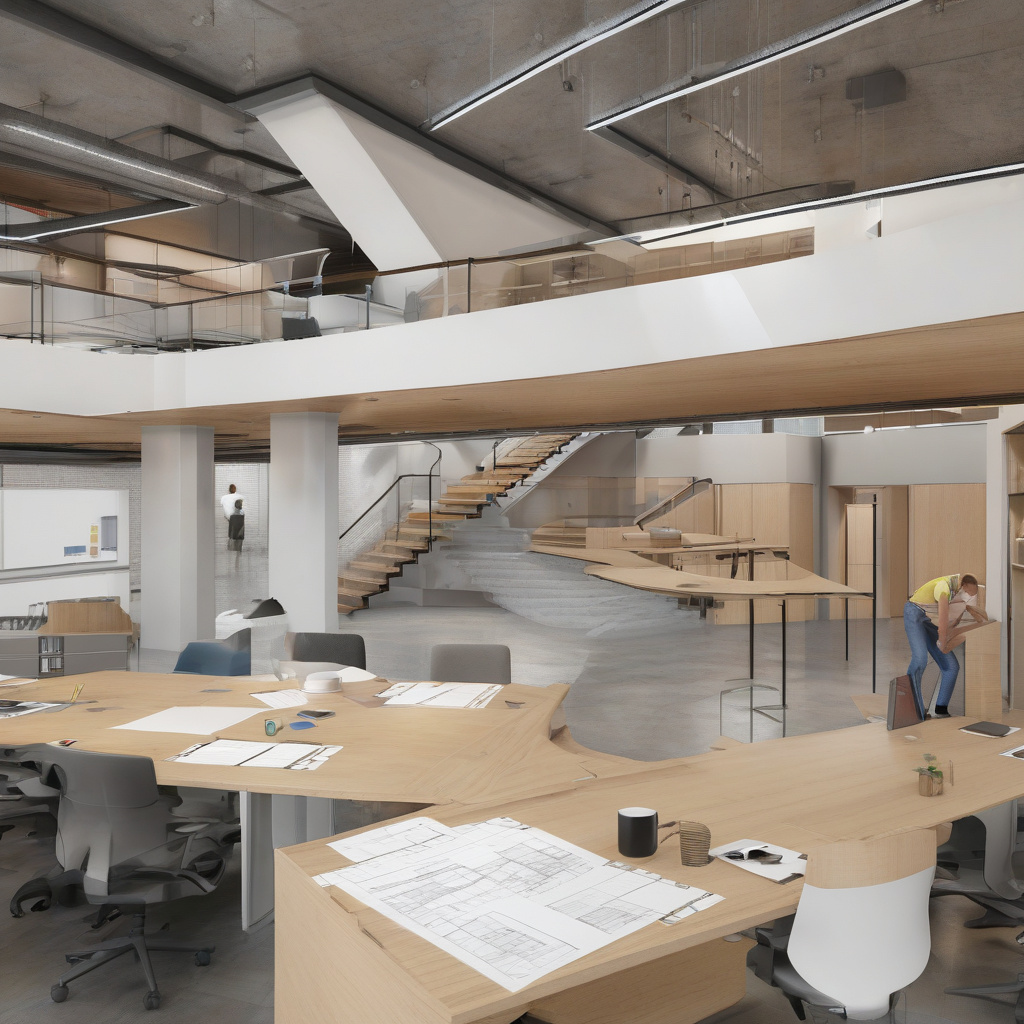
Research conducted by the Construction Management Association of America highlights that projects with clearly defined communication strategies are 20% more likely to finish on time and within budget.
Understanding the Costs: Breaking Down the Budget
When it comes to budget, common wisdom suggests assuming the worst-case scenario. Costs have a notorious tendency to swell beyond the original quote—whether it’s due to unexpected hurdles or hidden fees. With that in mind, scrutinize your proposed budget with a fine-tooth comb.
Seek transparency in cost breakdowns. A lump sum may hide various costs, leaving room for ambiguity. Detailing costs not only fosters trust but reveals opportunity savings within each budget line.
Having an emergency fund as a contingency is also advisable. While you might wish that life was as simple as the initial estimate, take solace in planning for potential fiscal expansion. Knowing you have a cushion prevents unavoidable surprises from hindering the project’s momentum.
With costs, due diligence is vital. Trust, but verify until you’re confident in the reliability of your contractor’s pricing. Explore further insights into effectively managing your ADU budget with this article on understanding cost and efficiency in ADU projects.
Smart Features: Enhancing Long-term Value
Smart homes are no longer a mere futuristic fantasy. Incorporating smart features into your ADU construction may enhance its appeal, utility, and future proofing, offering an intellectual edge in your living space.
Focus on the basics: automated lighting, heating, and security systems are not only attractive but essential. However, make sure to weigh these additions against potential costs. While they offer convenience, ensure they don’t inadvertently inflate your budget beyond reach.
Consider developments in home automation not only as a current investment but as a means to increase long-term value and marketability. Future-proofing makes your new space more desirable in today’s tech-driven world, benefiting future resale value.
Finally, investigate advancements yourself—don’t rely solely on your contractor to provide you with the newest and best technology. Knowledge is power, and understanding your options ensures you opt for features that align with your lifestyle.
For those ready to explore deeper into this area, here’s a practical resource on exploring technological enhancements for your ADU.

- Understanding project timelines reduces stress and prepares you for potential delays.
- Choosing the right materials is crucial for balancing aesthetics and costs.
- Change orders should be anticipated and contractually managed to avoid financial pitfalls.
- Establishing clear communication ensures smooth project execution and minimal delays.
- Incorporating smart features can enhance long-term ADU value and convenience.
“`html
FAQ
What should you consider when assessing ADU construction timelines?
Timelines in ADU construction are critical for planning, and in real renovation projects, delays can often occur. This is usually due to permitting processes, material availability, or unforeseen site conditions. Many experts point out that clearly defined timelines in your contract can help mitigate these risks. Homeowners frequently underestimate the impact of delays on their daily life, especially if the ADU is part of a single-family home renovation. It’s wise to ask the contractor how they plan to handle potential delays and if there are any contingency plans. This will provide peace of mind and help keep stress levels down during the construction process.
How do you ensure the materials used in your ADU construction meet quality standards?
Quality materials are crucial for any construction project, not just for longevity but for safety as well. In newer builds with modern systems, it’s essential to verify what materials the contractor plans to use. Many homeowners make the mistake of focusing purely on aesthetic appeal without considering the durability or maintenance needs. Ask for a detailed list of materials and request samples if possible. A reputable contractor will be upfront with this information and can provide insights into why certain materials are chosen, ensuring they align with your long-term goals for the ADU.
What are common pitfalls in dealing with change orders during ADU construction?
Change orders are a common part of construction, but they can lead to significant budget overruns if not managed correctly. In real-world scenarios, changes might arise due to design tweaks by homeowners or unexpected problems that need addressing. It’s crucial to understand how your contractor handles these adjustments and what the approval process is. Many homeowners overlook the importance of good communication here, leading to misunderstandings. It’s advisable to have a clause in your contract that specifies how change orders will be documented and approved, keeping both parties in sync.
Why is contractor communication crucial in ADU projects?
Effective communication with your contractor is key to the success of your ADU construction. In practice, a lack of communication leads to mistakes being overlooked until they’re costly to correct. Reliable contractors provide regular updates and are proactive in discussing challenges. This helps manage expectations and builds trust. Homeowners should clarify their preferred communication methods and frequency at the outset. Routine site meetings or status reports can keep everyone informed, reducing frustration and aligning the project with the homeowner’s vision.
When might it be wise to reconsider an ADU construction project?
Not all properties are ideal for ADU constructions, and it’s essential to weigh the pros and cons before committing. For instance, properties with limited outdoor space may not accommodate additional structures comfortably. Older properties undergoing renovations might reveal structural issues that could complicate the project. It would help to speak with a local contractor who can provide a site evaluation. This assessment can reveal potential obstacles you hadn’t considered. Therefore, if unforeseen costs threaten to escalate beyond your means, it may be better to explore alternative options.
How can you protect your budget when signing an ADU construction contract?
Budget overruns are a dreaded aspect of construction projects, and in real renovation projects, staying on budget requires discipline. One effective strategy is detailed planning ahead of time, allowing for realistic budgeting and a clear scope of work. Make sure your contract includes a fixed bid for labor and materials instead of an estimate. Estimations can leave you liable for unpredictable costs. It’s also wise to set aside a contingency fund for surprises that invariably pop up. Taking these precautions helps ensure financial peace of mind throughout your ADU project.
What are the advantages and disadvantages of including a timeline penalty clause in an ADU contract?
Including a timeline penalty clause can motivate contractors to adhere to agreed schedules, potentially minimizing delays. However, there are disadvantages; contractors might rush to finish, leading to quality issues. In real-life scenarios, timeline penalties might discourage contractors from taking the necessary time to address unforeseen problems properly. It’s vital to balance the need for timely completion with the assurance of quality work. Homeowners should discuss potential penalty scenarios with their contractor to understand the impacts fully. This ensures that both can find common ground that keeps the project on track without sacrificing integrity.
How can clear communication in ADU contracts build trust and clarity with contractors?
Clear, direct communication in contracts sets a solid foundation of trust between homeowners and contractors. It ensures that both parties have a mutual understanding of expectations, timelines, budgets, and responsibilities. Many experts point out that misunderstandings are avoidable with concise contracts that outline all aspects in detail. For additional advice or to address specific concerns not covered in standard templates, consider reaching out for personalized guidance. Such proactive steps can prevent costly disputes and foster a more collaborative relationship.
“`