In the sun-drenched neighborhoods of Los Angeles and Southern California, decks are more than just platforms—they’re outdoor sanctuaries where families gather for relaxation and play. With kids and pets scampering about, ensuring the safety of these wooden havens becomes paramount. So how do you transform your deck into a safe playground for rambunctious canines and adventurous toddlers? Let’s delve into the nuts and bolts of deck safety, starting with the essentials that every family in Southern California should consider.
Brief summary: This article outlines essential safety measures for family decks, focusing on secure railings, slip-resistant surfaces, and ample lighting. It combines practical advice with expert insights to help families in Los Angeles and Southern California enhance the safety of their outdoor spaces for children and pets.
Understanding Deck Safety Basics
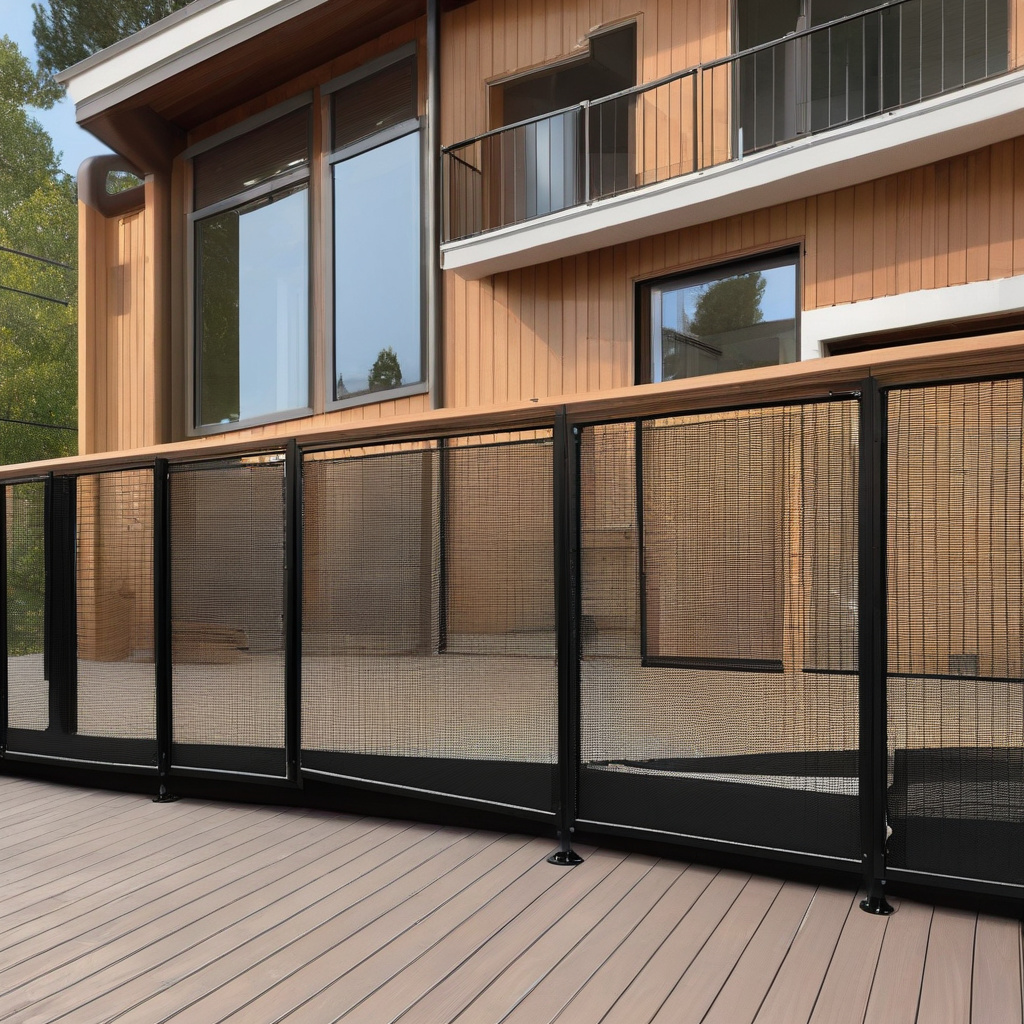
In the world of deck construction, safety isn’t just an afterthought; it’s the foundation upon which every decision builds. A sturdy deck is characterized first and foremost by its railings. These safety barriers are the frontline defense against falls, particularly for curious kids and pets who have a habit of exploring beyond safe boundaries. Ensuring these railings are installed at the correct height and with the appropriate materials is crucial for avoiding mishaps. With Southern California’s variety of styles and options available, selecting the right type of railing can also complement aesthetic preferences.
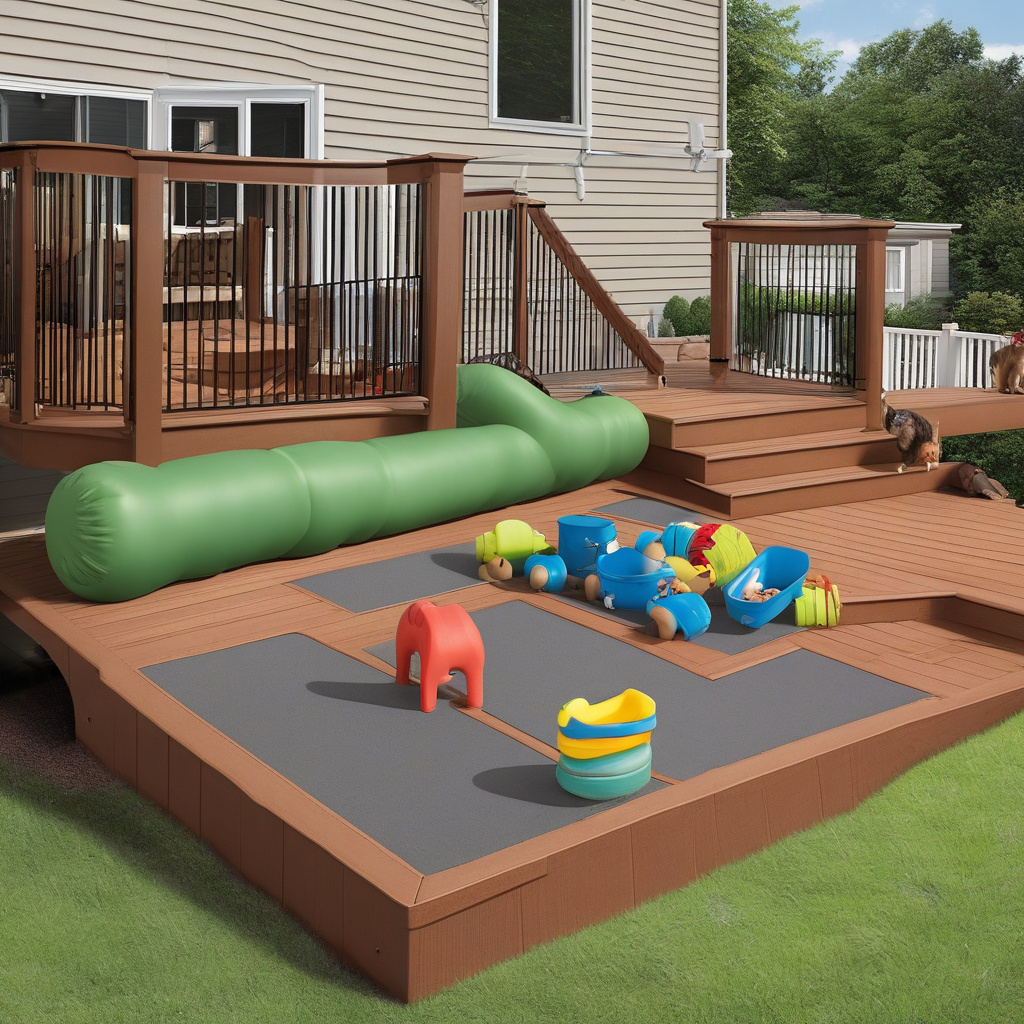
Beyond railings, slip-resistant surfaces are a game-changer in deck safety. Rain or shine, these surfaces provide the necessary traction to prevent slips and falls. They’re especially important if your deck is pool-adjacent or features descending staircases. Homeowners in Los Angeles, many of whom pursue patio enhancement projects, often learn the hard way that not all surfaces are created equal when it comes to wet conditions.
Lighting might seem like a secondary consideration, but it plays a pivotal role in preventing nighttime accidents. Strategically placed lights along steps and throughout the deck can ensure that both human and pet navigation remains safe after sunset. Solar-powered and LED solutions are both eco-friendly and effective for illuminating outdoor spaces.
Securing these basics not only prevents accidents but adds significant peace of mind for families using their decks as communal spaces.
Planning for Sun, Shade, and Safety
The Southern Californian sun, while a natural blessing, can also be a hazard if decks are left unprotected. Balancing sun exposure with shaded areas can make your deck an all-day oasis rather than a midday hotplate. Incorporating sunshades or pergolas is an intelligent strategy that not only enhances comfort but protects sensitive skin from UV exposure. The strategic planning of these elements is key.
Homeowners are increasingly opting for innovative shade installations that combine aesthetic appeal with functional benefits. This planning is not merely about aesthetics but also involves considerations of safety, as oversized umbrellas can sometimes act as a tipping hazard in windy conditions.
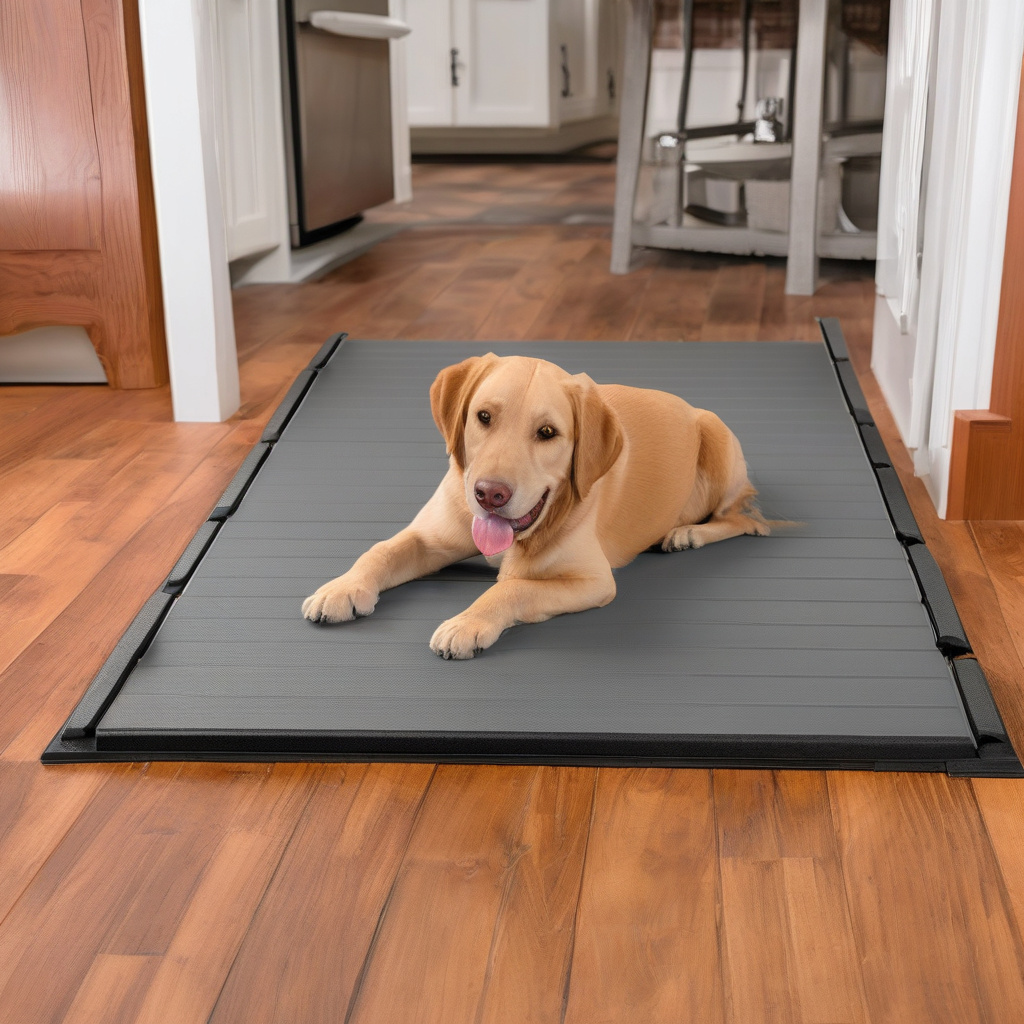
When plotting the ideal layout, it’s important to consider traffic flow and accessibility. The array of options can seem overwhelming, but prioritizing pathways free from obstructions can prevent accidents. For instance, ensuring furniture doesn’t block walkways allows for a safer navigation, particularly for pets darting around during playtime.
The essence of deck safety planning lies in a balance between sun and shade, assembled in an aesthetically pleasing yet practical arrangement that allows for easy movement and usage.
Material Matters: Choosing the Right Deck Surface
The choice of decking material can define not only the look and feel of your outdoor space but its safety and longevity. The market offers a spectrum from classic woods to modern composites, each with its share of pros and cons. For Los Angeles decks, where climate plays a significant role, selecting the right material is imperative.
Traditional wood provides a natural beauty but requires regular maintenance. It’s often susceptible to wear from the elements, which can introduce splinters—a hazard for little feet and paws. On the other hand, composites offer an appealing alternative with durability and minimal upkeep. With advanced production techniques, composites can now mimic wood’s appearance quite convincingly.
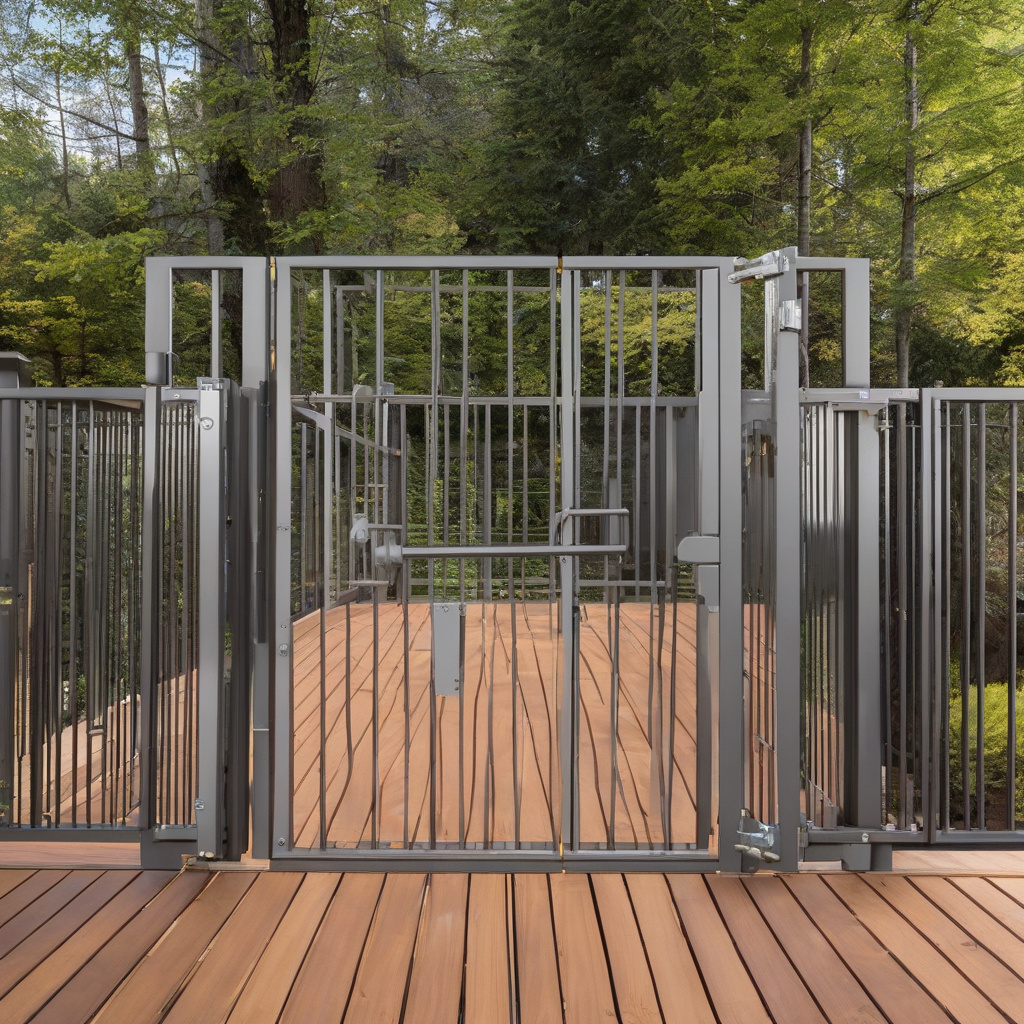
Expert material choices account not only for aesthetics and durability but also for safety. Some composites come with enhanced slip-resistance features, which are vital in a multi-use family deck.
While no one material is perfect, understanding the unique advantages each provides can help make a choice that balances beauty, safety, and budget considerations effectively.
“Composite decking can enhance a home’s value by up to 15% while reducing yearly maintenance costs significantly.” — Remodeling Magazine
Real Experiences: Homeowner Stories of Safety and Success
Anita and Ray, homeowners in Santa Monica, recently revamped their deck with safety as a primary goal. With two young children and a Labrador retriever, their priority was a surface that minimized slips when wet. By choosing a composite material with built-in traction, they achieved both the aesthetic and practical goals they desired.
In another San Clemente project, the Birdman family focused on childproof railings. By consulting a local safety expert, they incorporated plexiglass into their design, thus adding an unobstructed view of their garden while keeping little adventurers confined.
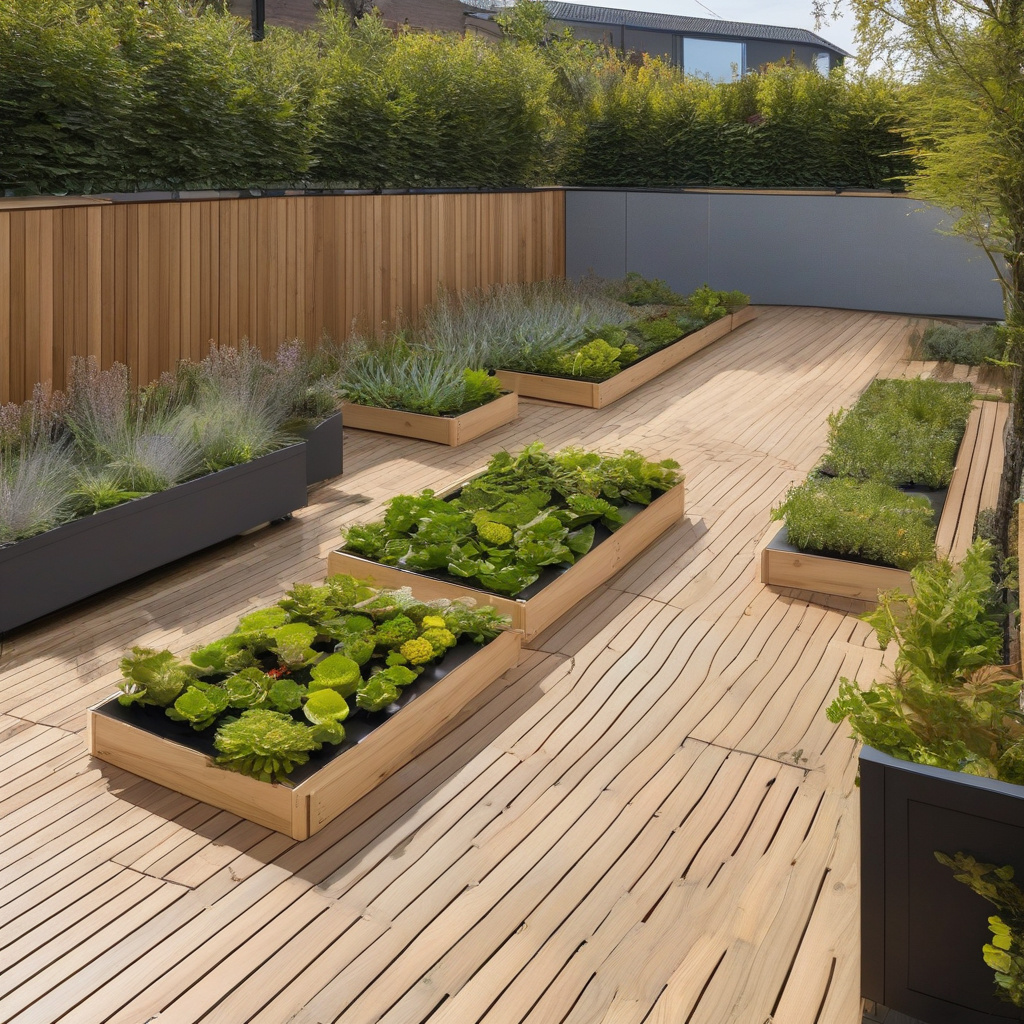
Such insights highlight how safety features can seamlessly blend with design ambitions. The key takeaway from these projects is that professional insights can significantly elevate a DIY dream into a reality marked by style and safety.
By learning from these experiences, homeowners can navigate their own path towards building a deck that meets all their family’s safety needs.
Cost Analysis: More Safety, More Value
Undertaking a deck renovation with safety as a priority doesn’t simply add security; it also boosts property value. The secret lies in the smart selection of materials and features that offer a blend of affordability, safety, and aesthetic appeal. In Southern California’s competitive real estate markets, this blend is particularly desirable.
While treating safety as an investment might stretch initial outlays, the returns in terms of reduced accidents and higher property appraisal can be substantial. Whether it’s the choice between natural wood and high-end composite or deciding on the depth of shade installations, each decision carries its own cost-benefit balance.
“Every dollar spent on safety enhancements has the potential to yield threefold returns at sale time.” — National Association of Realtors
The following table provides a comparison of material and feature options with respect to cost, maintenance, and safety efficacy:
| Option | Cost | Maintenance | Safety Rating |
|---|---|---|---|
| Classic Wood | Moderate | High | Medium |
| Composite | High | Low | High |
| Slip-resistant Coating | Low | Low | Very High |
Choosing wisely based on these factors can turn your deck not only into a beautiful extension of your home but a financially savvy investment.
Taking the Next Step: Practical Planning for Safe Decks
Embarking on a deck safety project requires both strategic planning and an investment in quality materials. The journey from mere ideas to tangible outcomes involves careful selection and placement of components. Such projects are most successful when homeowners combine their personal preferences with expert recommendations, ensuring both functionality and style.
The choice of materials is only the starting point for transforming your deck into a safety hub. Practical solutions such as utilizing composites with customized aesthetics or integrating subtle yet effective lighting can significantly enhance safety.
It’s also crucial to periodically reassess your deck’s condition, especially after years of exposure to Southern California’s diverse weather conditions. Regular checks and minor adjustments can prevent minor issues from becoming major safety hazards.
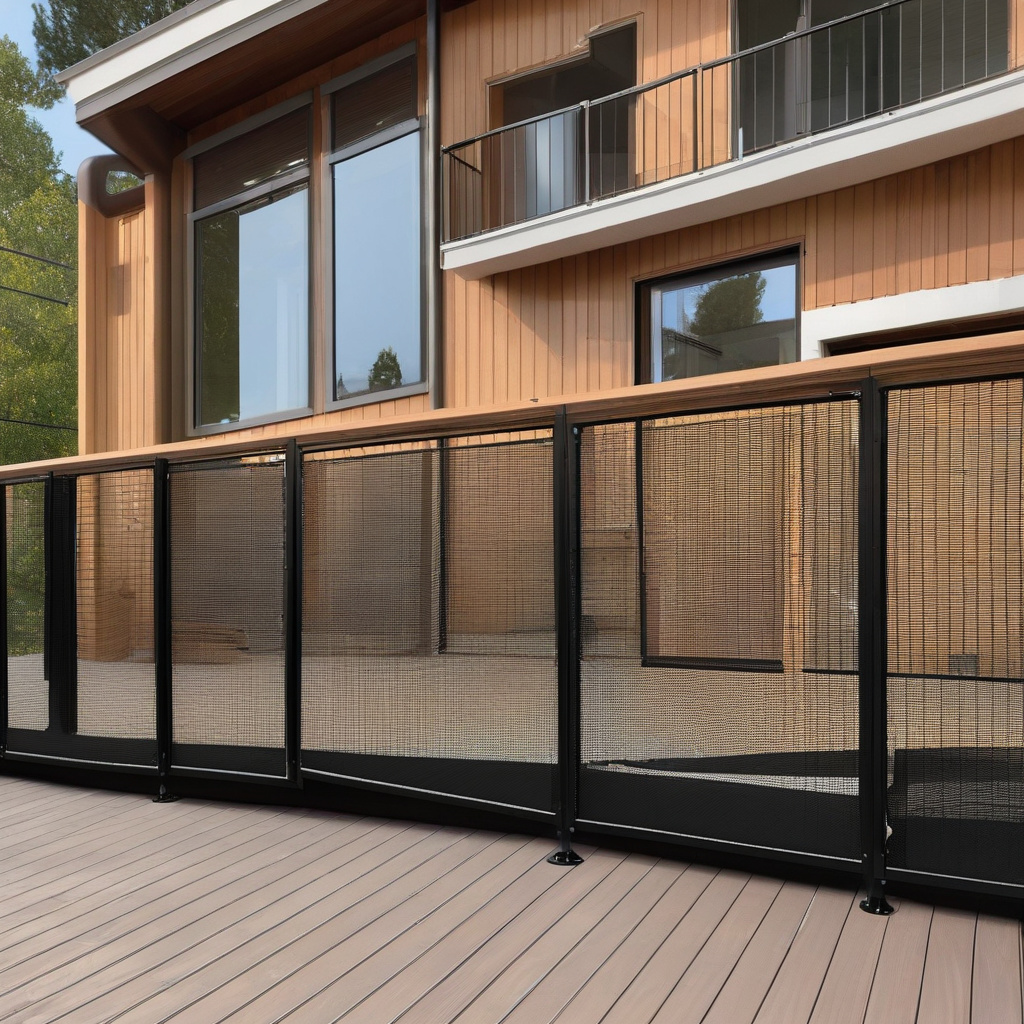
In conclusion, achieving a safe deck for your family in Los Angeles is as much about vision as it is about vigilance. By prioritizing safety alongside creativity, homeowners can construct inviting spaces that harmonize joy and security.
“A well-planned deck combines beauty, safety, and utility, creating harmonious spaces for all family members to enjoy.” — Architectural Digest Insights
- Secure railings and slip-resistant surfaces are the bedrock of a safe family deck.
- Strategic sun and shade planning enhances both comfort and safety on decks.
- Choosing the right materials balances cost, aesthetics, and safety effectively.
- Real-life examples from Los Angeles highlight successful safety strategies.
- A smart investment in deck safety can greatly enhance both usability and home value.
“`html
FAQ
What are essential safety features for a family-friendly deck?
In real renovation projects, it often becomes clear that a family-friendly deck requires more than just space. Secure railings, typically at least 36 inches high, are crucial to prevent falls. Additionally, slip-resistant surfaces offer traction, especially in wet conditions common during spring showers in regions like California. Many homeowners find incorporating well-lit steps—using solar lamps or low-voltage lighting—not only enhances safety but also adds ambiance. Often forgotten, ensuring gate latches and locks are out of children’s reach marks a responsible safety measure. Always consider how aging wood might become hazardous, as splinters can be painful for little ones and pets.
How can I choose the right materials for my deck?
Selecting deck materials involves balancing aesthetics, durability, and safety. Composite materials, for instance, mimic wood’s appearance while providing a long-lasting, low-maintenance surface. Many experts point out that composite is less prone to splintering, making it ideal for kids and pets. On the other hand, pressure-treated wood presents an affordable option but demands regular maintenance. Homeowners frequently underestimate the need for sealing wood annually to prevent weather damage. If minimizing upkeep is a priority, exploring options such as vinyl or aluminum might make sense. Weighing these aspects will guide your decision on what best suits your lifestyle and safety needs.
When should I consider consulting a professional for deck safety?
Understanding when to bring in professionals can be pivotal in maintaining a safe deck. If you’re unsure about the structural integrity, especially in older properties, consulting an expert ensures that the supporting posts and joists are up to code. Many families delay bringing in a professional until noticeable issues arise, which can lead to costlier repairs. Signs like wobbling railings or soft spots indicate deeper structural issues that require immediate attention. Consider contacting a deck renovation expert early to avoid unexpected pitfalls and potential safety hazards. For further advice on renovating, it might be helpful to connect with experts familiar with local building requirements.
What are common mistakes when ensuring deck safety for children and pets?
A common mistake is underestimating the need for regular maintenance. Decks exposed to California’s sunny and occasionally wet climate endure significant wear. Failing to check for loose boards or rusting nails can lead to injuries. Another oversight is neglecting the spaces between balusters—these should be narrow enough to prevent a child’s head or a pet from squeezing through. In real home projects, lack of adequate lighting around stairs and pathways is frequently overlooked, increasing night-time accident risks. Also, applying the wrong type of finish can make the deck surface slippery. Proactively addressing these areas can significantly enhance deck safety.
Are there cost-effective ways to enhance deck safety?
Enhancing deck safety doesn’t always require a large budget. Many homeowners find that simple additions like anti-slip strips on steps or DIY railing guards can increase safety without breaking the bank. Regular inspections can preemptively catch issues before they escalate into costly repairs. Using outdoor rugs made of durable materials can help reduce slips and falls while complementing the deck’s aesthetic. Moreover, leveraging solar lights can illuminate pathways cost-effectively, utilizing the abundant sunshine in many Californian regions. Investing a little now in these incremental improvements can prevent bigger expenses down the line.
What are the pros and cons of composite decking from a safety perspective?
Composite decking brings several safety advantages, such as being slip-resistant and less prone to splintering, making it an excellent choice for households with children and pets. Its durability means fewer repairs and maintenance, reducing exposure to nails or splintered wood. However, composites can get quite hot under direct sunlight, a consideration in sunnier states. Over time, this can lead to discomfort, although newer ventilated designs help mitigate heat retention. Evaluating these factors—how families use their space and local climate conditions—will inform whether composites are the best choice for both safety and comfort.
How important is lighting in deck safety, and what types should I consider?
Lighting plays a crucial role in deck safety, especially during evening gatherings. Properly lit steps and railings prevent trips and falls. Solar lights are a popular choice because they are eco-friendly and easy to install without wiring, fitting well in regions with ample sunlight like California. Motion sensor lights provide security and energy savings by illuminating only when needed. Many experts recommend using ambient lighting for main areas and task lighting for stairways. Understanding how different lighting types work together to illuminate your deck provides a safer—and more inviting—outdoor space.
What are the benefits and risks of DIY deck maintenance?
Embarking on DIY deck maintenance offers the benefit of cost savings and personal satisfaction. You maintain control over the process, choosing materials and scheduling work at your convenience. However, many homeowners underestimate the skill and knowledge required for comprehensive inspection and repairs. Misjudging structural issues or using improper materials can lead to long-term safety risks. In real renovation stories, DIY enthusiasts often realize too late that professional insights could have averted costly mistakes. Weighing both the benefits and risks helps decide when it might be best to get some expert guidance.
“`