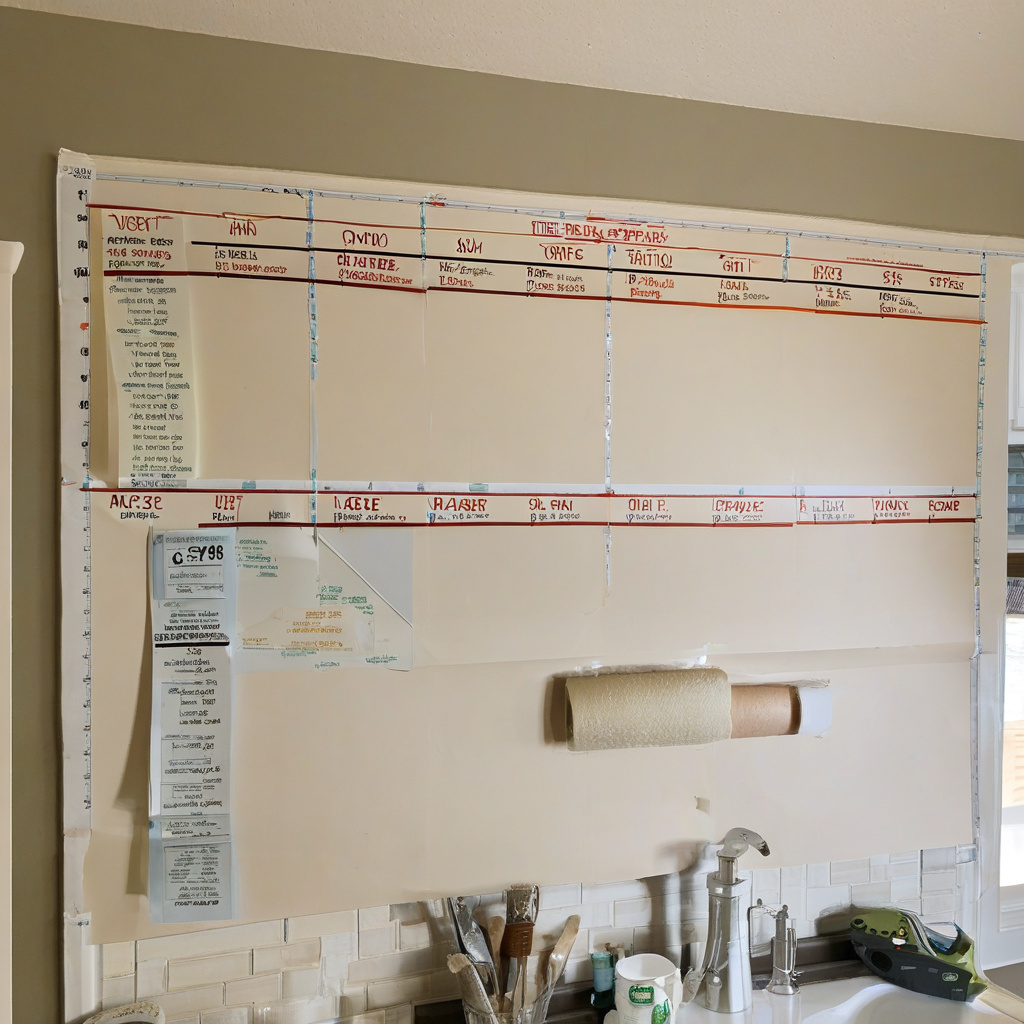
Renovating a bathroom while continuing to live in your home can seem like an insurmountable challenge, but with proper planning and strategic execution, it’s a feat that can be managed with minimal disruption. From mastering the chaos of construction to maintaining daily routines, Southern California homeowners have honed various tactics to successfully navigate this transformative journey.
Brief summary: This article explores how Southern California homeowners can live through a bathroom renovation with practical setups, efficient coordination, and dust control techniques. It highlights local renovation trends, costs, and real homeowner experiences, providing strategic insights into maintaining routines while construction unfolds at home.
Pre-Renovation Planning: Laying the Groundworks
Embarking on a bathroom renovation involves more than just selecting tiles and fixtures. It requires an orchestrated plan akin to a military operation to ensure that day-to-day life remains undisturbed. Start by evaluating the current bathroom’s limitations and setting a clear vision for the redesigned space. Consulting resources like California’s bathroom transformation insights can be invaluable in this phase, offering a plethora of ideas to streamline the makeover process.
Many Los Angeles homeowners find it beneficial to collaborate closely with their contractors—schedules, budgets, and design preferences should be clearly discussed to avoid unexpected surprises. A well-drafted agreement detailing the scope of work and timelines can keep the project on track.
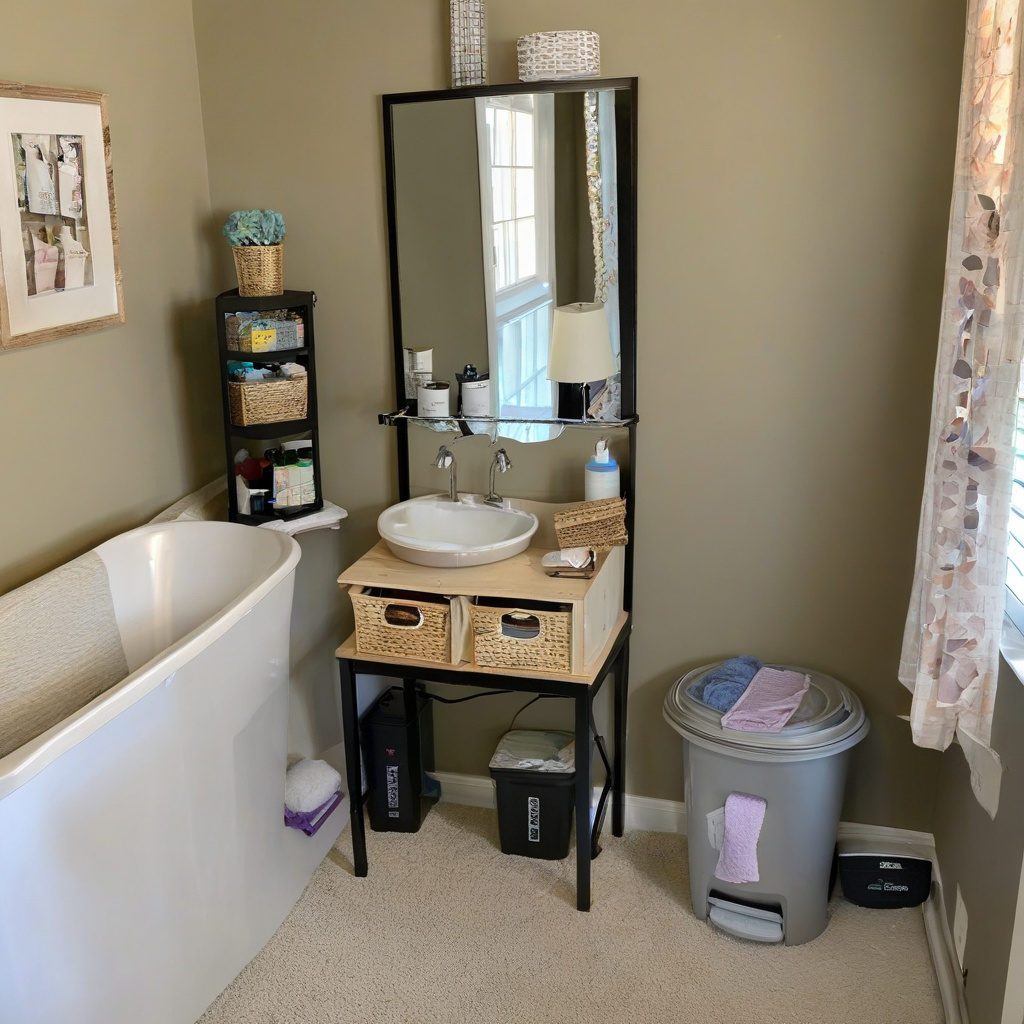
Consider setting up a temporary bathroom space using a nearby room or renting a portable restroom. This can mitigate the inconvenience of losing your primary bathroom and help maintain basic home routines, especially in multi-member families.
While meticulous planning may appear exhaustive, it sets the foundation for a smoother, stress-reduced renovation. Acknowledge this phase as the linchpin for what lies ahead.
Identifying potential hurdles early in the process helps in creating solutions before they become problems.
Dust Control and Cleanliness: Creating a Livable Environment
The construction process is notoriously dusty, and maintaining a clean and healthy living environment during a major bathroom overhaul requires strategic measures. Los Angeles residents have shared tips ranging from effective sealing techniques to utilizing advanced air filtration systems.
A well-sealed work area using plastic sheeting and painter’s tape can greatly reduce the spread of dust. Investing in HEPA filters and portable air purifiers can also improve air quality, capturing fine particles that may slip through other defenses.
Regular cleaning schedules should be enforced to keep dust from settling into everyday living spaces. Assigning post-workday cleanups to the renovation team can efficiently reduce buildup, ensuring the rest of the home remains hospitable.
Decluttering areas near the construction zone and covering furniture with protective tarps are proactive steps that can save time and effort in post-renovation cleanup.
The comprehensive approach to dust control ensures a comfortable living situation even amid ongoing construction.
Citing a recent industry survey, 50% of homeowners ranked dust control as their top priority during renovations.
Timing & Coordination: Keeping the Family’s Routine Intact
The rhythm of family life should not be completely disrupted by home improvements. Experienced renovators in Southern California know that effective communication and coordination with the construction crew can significantly lessen disruptions.
Strategically scheduling work hours to coincide with times when family members are least impacted (like when kids are at school) can help maintain a semblance of normalcy. Discuss potential noise disruptions and heavy-workday schedules in advance with your contractor to manage expectations accordingly.
To further streamline the renovation process, setting clear deadlines for milestone completions can offer predictability and peace of mind.
Creating a routine that accommodates construction while protecting family time requires finesse, but it is entirely achievable with the right approach.
Maintaining open lines of communication with your renovation team is key to balancing the project timeline with family life.

Material Selection: Decoding the Balance of Cost and Quality
Choosing the right materials for a bathroom renovation is an art form in itself, balancing aesthetics, durability, and budget. In Los Angeles, where style often meets practicality, homeowners gravitate towards materials that offer longevity and minimal maintenance.
Porcelain tiles and quartz countertops have gained popularity for their resilience and elegant appearance. Yet, these premium materials come with a price tag that prompts many to explore staggered alternative solutions. Resources like cost-effective powder room innovations can provide critical insights into creative compromises that don’t sacrifice style for cost.
Engaging with experienced suppliers can lead to smart material substitutions without losing out on desired design outcomes. Opt for eco-friendly paints and sustainable wood to play a part in the global push for environmental responsibility.
Weighing the pros and cons of these choices facilitates informed decision-making that caters to personalized preferences and budget constraints.
Insights from the Home Design Institute highlight that opting for high-quality finishes can potentially boost resale value by up to 30%.
Material Comparison
| Material | Cost (per sq ft) | Durability | Maintenance |
|---|---|---|---|
| Porcelain Tile | $3–$5 | High | Low |
| Quartz | $50–$100 | High | Low |
| Laminate | $1–$3 | Medium | Medium |
Lighting and Layout: Enhancing Functionality and Aesthetics
Achieving the perfect harmony of functionality and aesthetic appeal in bathroom lighting can serve as the ultimate transformative element. Southern California’s generous sunlight draws many homeowners to creatively integrate natural light into their renovation plans. Drawing inspiration from innovative natural light integration can prove invaluable.
Positioning windows and skylights where they harness maximum daylight helps reduce energy costs while enhancing the room’s brightness. Incorporating dimmable LED fixtures provides flexibility, catering to different lighting needs throughout the day.
The spatial layout is equally crucial. Smart design choices, such as floating vanities or frameless shower enclosures, maximize space and lend a sleek, modern vibe to the bathroom.
Playing with colors and textures further amplifies the mood—a dash of bold tiles or warm wood accents can personalize the space beautifully.
According to a lighting design expert, upgrading to energy-efficient lighting can reduce electricity bills by up to 75% over traditional incandescent options.
Effective lighting design not only enhances visual appeal but also boosts functionality by tailoring the bathroom experience to meet varied demands.
Child-Friendly Alternatives: Adapting Spaces for Growing Families
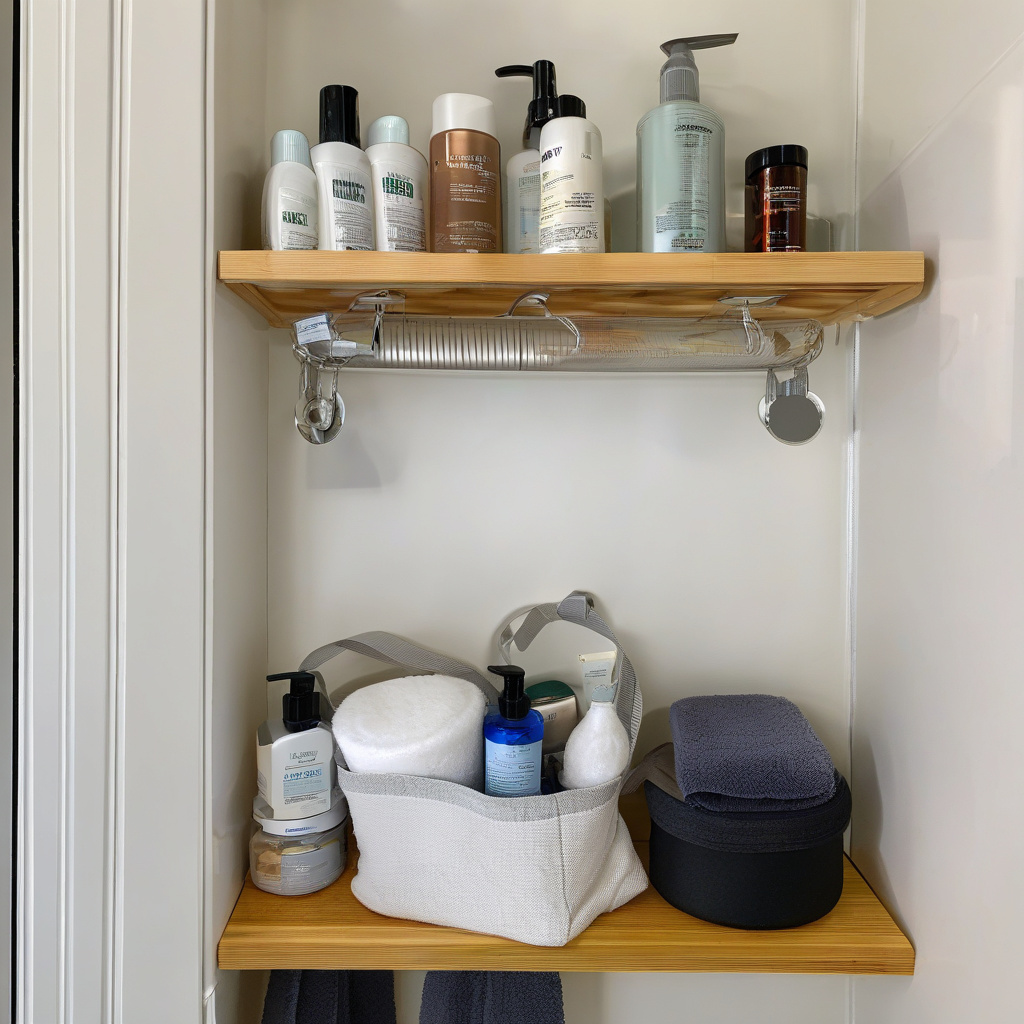
For families with young children, a bathroom renovation can be an opportunity to rethink the space for versatile use. Designing a bathroom that is adaptive to changing needs involves thorough consideration and a dash of creativity.
Durable, hypoallergenic materials are a must. Consider rounded edges and anti-slip flooring for safety. Including interactive elements, like color-change LED lights or playful motifs, can make daily routines more engaging for children.
A flexible layout, coupled with adjustable fixtures such as height-adjustable faucets, ensures that the bathroom evolves alongside the family’s requirements.
References to practical advice, such as insights found in kid-friendly bath solutions, can inspire functional, fun alternatives.
Creating next-generation bathroom spaces extends the potential and usability of your home’s sanctuary, ensuring it meets everyone’s needs.

Concluding Thought: Navigate and Triumph Through Renovation Challenges
Renovating a bathroom while living at home in Southern California is a complex feat akin to a dance—the trick is to maintain balance and navigate through the challenges with grace. Emphasizing foundational preparation, attentiveness to detail, and a forward-thinking attitude can make the process smoother and more rewarding.
From the chaos of construction dust to maintaining routines amidst the noise, prudent planning, and the wise selection of materials and designs can turn potential chaos into a quick-lived inconvenience. Celebrating the completion is more rewarding when the journey itself has been carefully managed with foresight and precision.
As Los Angeles homeowners discover, a little patience, creativity, and the right guidance can transform a potential nightmare into a fulfilling home improvement saga.
- Strategic planning is crucial to minimize disruption during bathroom renovation.
- Effective dust control measures maintain a livable home environment.
- Thoughtful material selection balances cost and quality.
- Adaptive designs can transform a bathroom into a flexible family space.
- Coordination and communication with contractors are key for a smooth renovation.
“`html
FAQ
How can I prepare for living at home during a bathroom renovation?
In real renovation projects, homeowners often feel overwhelmed by the thought of construction chaos. The key to maintaining sanity during a bathroom renovation is preparation. Start by setting up a temporary bathroom or, if possible, negotiate timeline overlaps where amenities are temporarily reinstated. Cover ventilations, seal doorways, and remove valuable items to minimize dust spread. Communication with the renovation team about schedule coordination ensures everyone is on the same page. It’s wise to anticipate delays and have patience, as even the best-laid plans occasionally veer off course due to invisible plumbing issues or structural discoveries.
What are common mistakes to avoid during a bathroom renovation while living at home?
Many experts point out that homeowners frequently underestimate the importance of staging areas for tools and materials. This oversight can lead to clutter and inefficiency. Another frequent mistake is failing to establish a clear contract with the builder, outlining timelines and scope of work. Miscommunication often leads to unexpected costs and extended project durations. Make sure to have alternative plans for daily routines like showers and personal grooming. Additionally, neglecting to discuss dust management can result in increased cleaning time and frustration. Incorporate regular check-ins with your remodeling team to address these potential pitfalls early.
How do I choose the right contractor for my bathroom renovation?
Choosing a reliable contractor is crucial, as a productive partnership can make or break your renovation experience. Begin by researching reviews and requesting recommendations from friends or neighbors who have completed similar projects. Interview a few contractors to gauge professionalism and their process clarity. Ask for a detailed proposal outlining costs and project timelines. It’s beneficial to discuss potential disruption impacts and how they intend to minimize these while you remain at home. Remember, the cheapest option isn’t always the best. Weigh the value of trust, competence, and past performance when making your choice.
What are the pros and cons of staying in your home during a bathroom renovation?
The pros of staying include saving money on temporary accommodation, the ability to monitor the progress and keep communication lines open with your contractor. Conversely, the cons involve dealing with noise, dust, and potential disruptions to your home life. Many families find the trade-off to be worthwhile if logistical planning is solid. A common scenario is setting up temporary bathroom solutions or aligning schedules to grant access during non-working hours. Consider whether the inconvenience complements your lifestyle or if retreating during peak construction times might be a preferred option.
How can I manage routine while a bathroom renovation is ongoing?
Maintaining routine amidst a renovation involves strategic planning and adaptation. Create a revised everyday schedule that considers workmen’s hours. If children are involved, explain the temporary changes and adjust homework or play areas to quieter spaces in the home. In practical terms, designate ‘construction-free’ zones for relaxation and establish temporary wash stations for personal hygiene needs. Recognize that flexibility is your strongest ally, as adaptations to situations like unexpected water shut-offs may occur. Embracing these variances with a plan B will significantly ease stress.
What should I budget for a temporary setup during a bathroom renovation?
Budgeting for a temporary setup often depends on the extent of improvisation required and your household’s particular needs. For example, renting a portable toilet or utilizing a neighbor’s facilities can add convenience but may also incur rental or service costs. Establishing a makeshift shower area with privacy screens and a supply of camping-style portable showers can be an economical option. Many families discover their budget rests on balancing minimal disruptions against costs, much of which can be mitigated by thoughtfully preparing necessary supplies that integrate seamlessly into temporary provisions. Remember to include these expenses in your overall renovation estimate.
What considerations should be made regarding dust control during renovations?
Dust control is a pivotal aspect often left by the wayside until airborne particles infiltrate living spaces. Experts suggest sealing doorways with plastic sheeting, using tack mats at entry points, and employing HEPA filter air purifiers to capture particulates. Establishing negative air pressure within the work area, by strategically venting through windows or vents, is a tactic many contractors employ. For added measure, schedule consistent cleaning rounds to maintain a livable environment, especially in older homes where vintage materials may create fine dust. The reality of renovation often includes learning and adapting such measures.
Are there professionals who can help manage a renovation project?
Yes, hiring a project manager can be invaluable, especially for significant remodels like bathrooms. They act as an intermediary between homeowners and contractors, ensuring all stages proceed smoothly. Their expertise helps in managing schedules, budget adherence, and regulatory compliance which might otherwise overwhelm an average homeowner. In California, with various municipal codes influencing renovation processes, local experts are particularly beneficial. For homeowners considering additional help, reaching out to professionals can streamline the project, and understanding more is accessible through this phrase to [speak with a local renovation consultant](https://californiarenovation.top/contact/).
“`