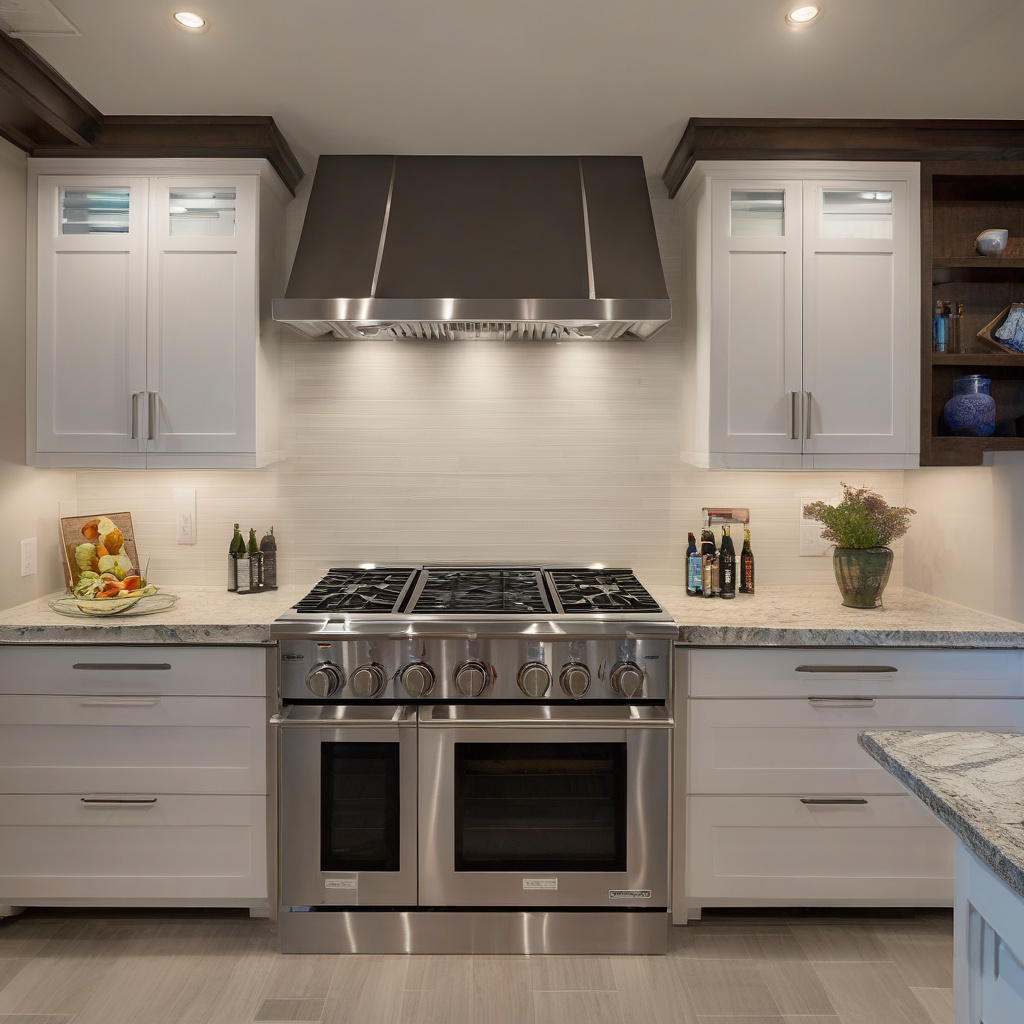
Creating a kitchen that meets the demands of a serious home cook involves more than just picking the right appliances. It requires a strategic blend of functionality, durability, and aesthetic appeal that caters to the culinary ambitions of the homeowner. In the bustling renovation scene of Los Angeles and Southern California, designing such a space is an art form in its own right.
Brief summary: Designing a kitchen for serious home cooks in Los Angeles involves integrating efficient layouts, durable materials, and advanced appliances. This article explores trends, costs, and practical advice for creating the ultimate culinary workspace.
Understanding the Culinary Workflow
At the core of a chef-worthy kitchen is the workflow, a harmonious dance between preparation, cooking, and cleaning zones. It’s crucial to ensure that the kitchen layout facilitates this sequence efficiently. Many homeowners in Southern California opt for variations of the classic triangle layout, strategically placing the sink, stove, and refrigerator to minimize walking distances.
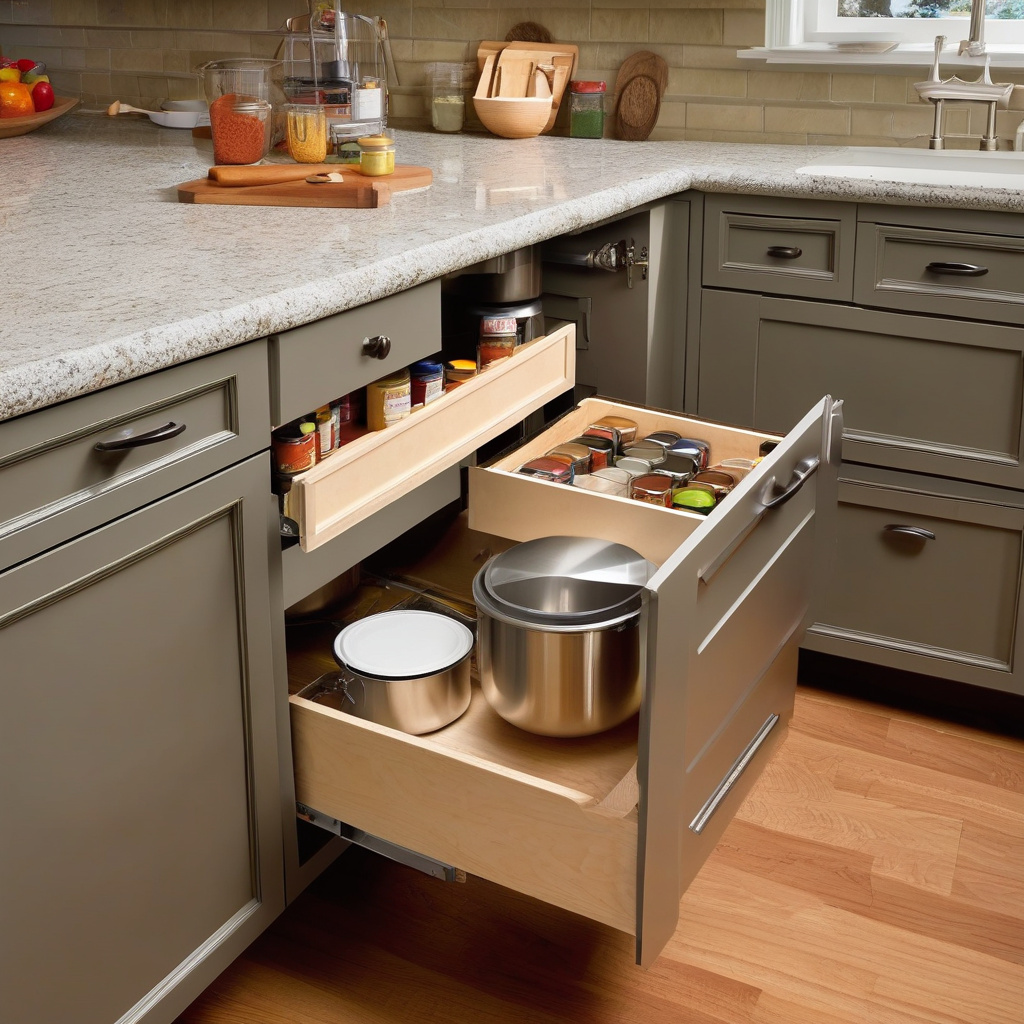
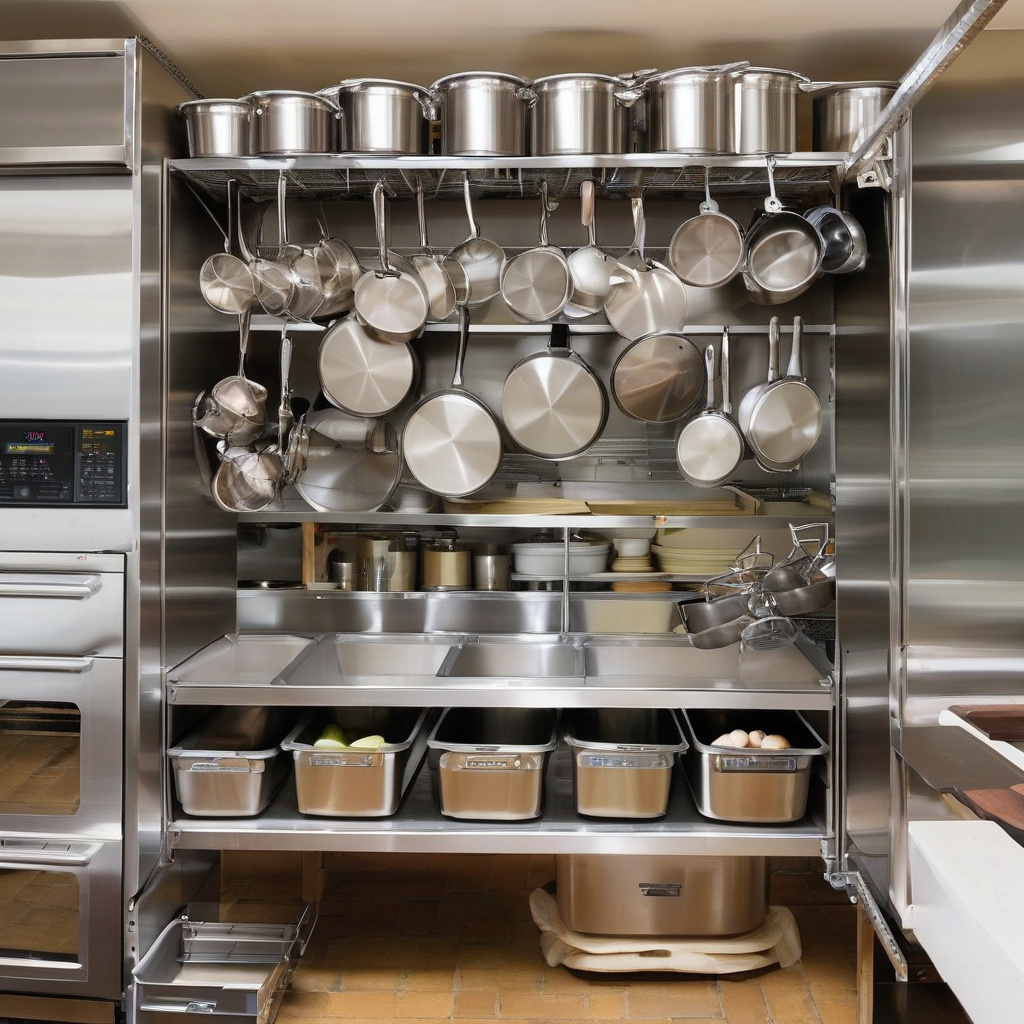
In a city where space is a luxury, maximizing every square inch for storage and workspace is a priority. Pull-out racks, deep drawers, and custom cabinetry are just some of the features that savvy designers utilize to transform even the tightest of spaces into functional masterpieces.
Los Angeles cooks often seek expansive islands and peninsulas that double as prep areas and social hubs. These elements not only provide ample room for chopping and mixing but also encourage interaction with guests and family.
As many local homeowners notice, the kitchen has evolved from a purely functional space to the heart of the home. Thus, balancing efficiency with a welcoming ambiance becomes a key design consideration. Ultimately, a well-planned layout should ease the cooking process and enhance the joy of culinary creation.
Research shows that implementing an efficient workflow can increase a kitchen’s usability by up to 50%, reducing time spent on tasks and preventing bottlenecks.
Investing in High-Performance Appliances
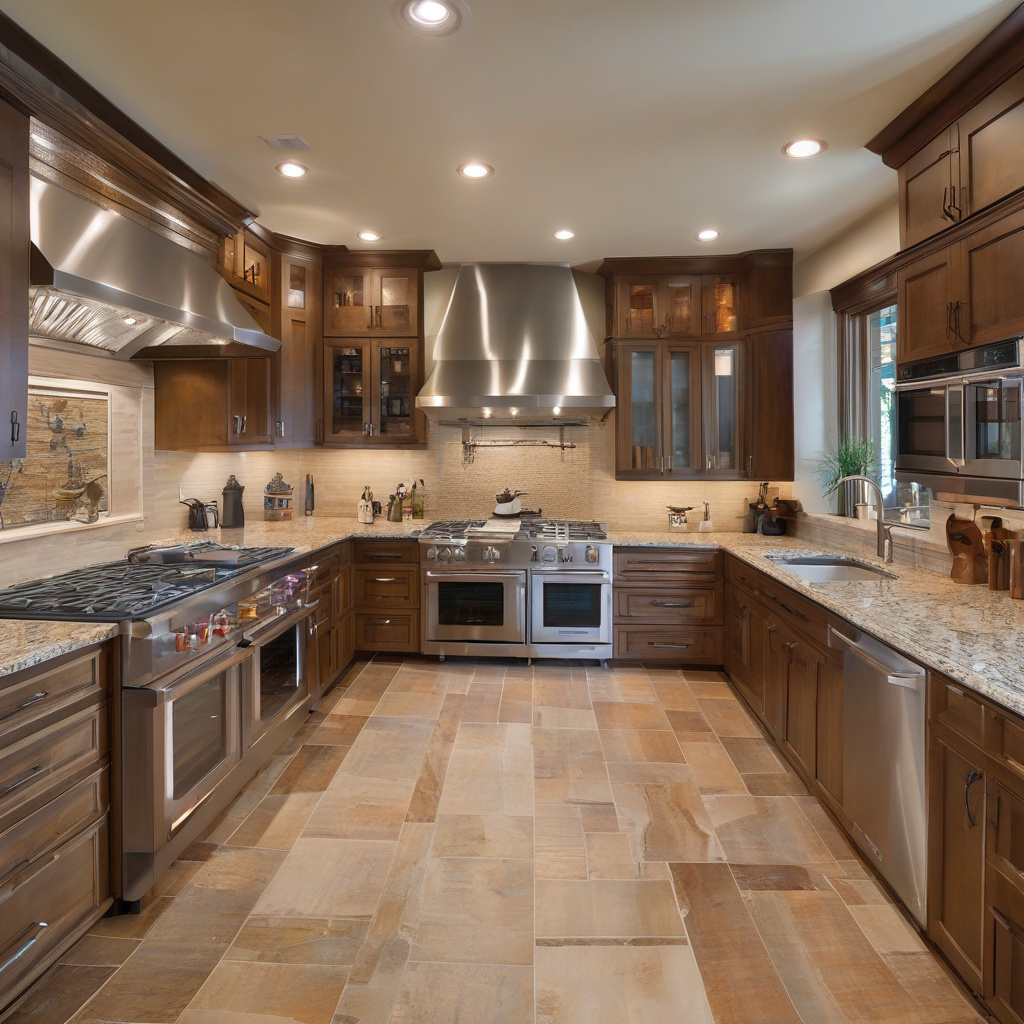
For serious cooks, standard-issue appliances simply won’t cut it. High-performance units that offer precision, power, and reliability are indispensable. Professional-grade ranges, convection ovens, and high-BTU cooktops are favored for their ability to handle complex recipes and larger volumes.
A trend gaining traction is integrating smart technologies that enhance cooking precision and offer greater control remotely. Home chefs in tech-savvy L.A. are increasingly drawn to smart kitchen innovations, such as Wi-Fi-enabled appliances and digital touch controls that streamline the cooking experience.
It’s not just about the gadgetry; energy efficiency plays a significant role too. As sustainability becomes more entrenched in design priorities, homeowners are opting for ENERGY STAR-rated appliances to reduce their carbon footprint and utility bills.
By choosing the right appliances, cooking enthusiasts can truly elevate their culinary capabilities. These investments provide both functional benefits and contribute to a modern, sleek kitchen aesthetic.
Prioritizing Durable Materials
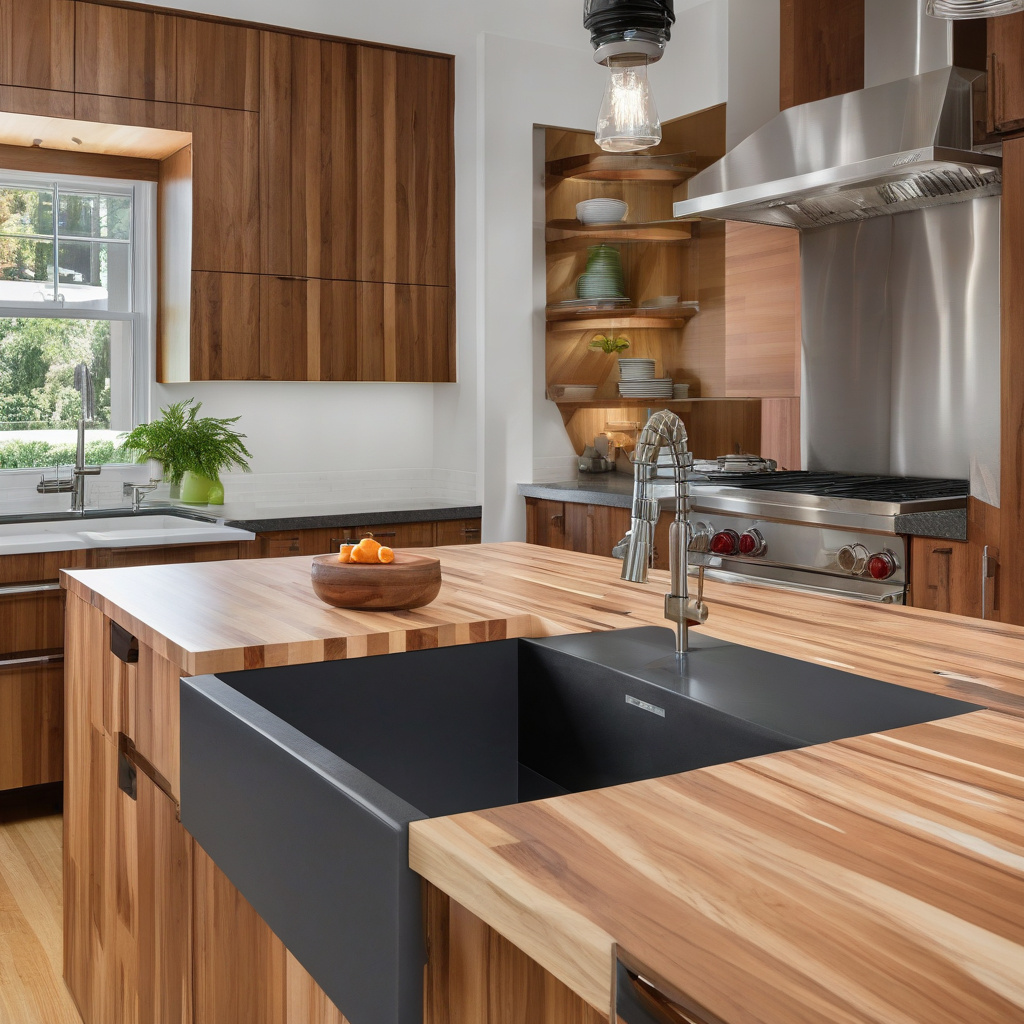
Given the rigorous demands of heavy cooking, selecting the right materials for countertops and flooring is crucial. Durable options like quartz, granite, and stainless steel are particularly popular in Los Angeles due to their resilience and low maintenance.
Kitchens in high-traffic areas benefit from these robust surfaces, which withstand heat, stains, and the occasional slip of a knife. Consider complementing these with a robust number of backsplashes, which prevent wall damage and add a touch of style.
Flooring, too, must be selected with care. Materials such as tile or engineered hardwood are preferred for their ability to endure spills and high foot traffic. As with any renovation, balancing durability with aesthetic appeal remains paramount.
It’s an investment in peace of mind; after all, knowing that your kitchen can withstand the hustle and bustle of daily life is invaluable. For a comprehensive guide on balancing costs and materials, check out our detailed budget breakdown.
An expert in kitchen design states: “Materials that combine durability with a sleek look are key to a kitchen that lasts while looking effortlessly stylish.”
The Role of Lighting and Ventilation
In the quest for the perfect kitchen, it’s easy to overlook lighting and ventilation, but they play a critical role in both functionality and ambiance. Adequate lighting is essential for precision in prep work, while softer lighting can create a cozy atmosphere for dining and entertaining.
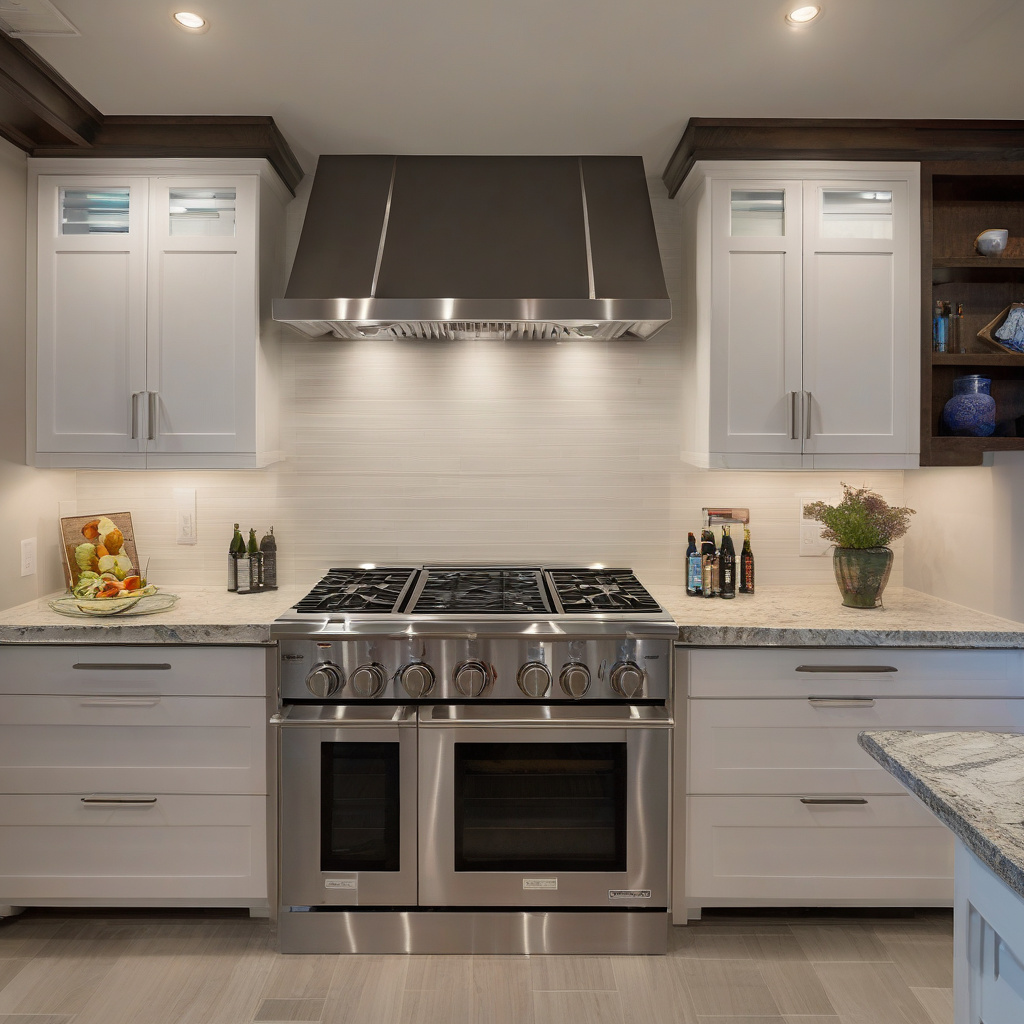
Task lighting, accent lighting, and ambient lighting each serve distinct purposes. Under-cabinet lights offer concentrated beams for chopping and reading recipes, while pendants over an island create focal points and embellish the room’s design.
Ventilation shouldn’t be an afterthought. It prevents odors from lingering and removes excess heat and moisture, which is especially important when dealing with high-performance appliances.
Ultimately, well-planned lighting and ventilation contribute significantly to making a kitchen both functional and enjoyable.
Budgeting for Your Dream Kitchen
Remodeling a kitchen is no small investment, but knowing where to allocate funds can make the process less daunting. One effective approach involves creating a tiered budget that outlines essential components, extras, and possible splurges.
For instance, essential components might include core appliances and durable countertops, while extras could involve custom cabinetry or a chef-grade range. Splurges could range from luxury finishes to stylish backsplashes.
In Los Angeles, comprehensive kitchen remodels range from $20,000 to upwards of $100,000, depending on the size and scope. Homeowners should ensure they understand the return on investment and choose upgrades that enhance both usability and home value.
| Item | Budget Range | Considerations |
|---|---|---|
| Appliances | $3,000 – $15,000 | Performance, energy efficiency |
| Countertops | $2,000 – $8,000 | Durability, aesthetics |
| Cabinetry | $5,000 – $25,000 | Custom options, storage |
A thorough understanding of costs can aid in making informed choices and preventing budget overruns. For more insights into creating your ideal culinary space within a budget, our kitchen remodeling insights are invaluable.
Choosing the Right Cooktop: Electric vs. Gas
As you wrap up your kitchen design, one crucial decision remains—selecting the right cooktop. Many home chefs are torn between electric and gas options, each offering distinct advantages.
Gas cooktops are favored for their rapid heat control, a must for sautéing and frying. On the other hand, electric ranges offer even heating and a smooth surface that’s easier to clean. Induction cooktops combine the best features of both, though at a higher price point.
Consider your cooking style and energy source availability. Some spaces may not support a gas line, making an electric option more feasible. Weigh your options carefully to ensure you choose a cooktop that fits your culinary needs.
For further guidance on making this crucial decision, our expert cooktop selection tips can assist in the process.
According to a recent survey, 70% of homeowners found that the effort spent in selecting the right cooktop paid off with improved cooking results.
- Efficient kitchen layouts reduce cooking and prep time
- Smart technology enhances appliance functionality in modern kitchens
- Durable materials ensure long-lasting kitchen investments
- A well-defined budget helps in prioritizing essential upgrades
- Choosing the right cooktop depends on personal cooking preferences
FAQ
What are the essential features of a kitchen designed for serious home cooks?
In designing a kitchen for avid home cooks, several features become indispensable. Real renovation projects often highlight the importance of efficient prep space; think wide countertops made of durable materials like quartz or stainless steel that can withstand the rigors of daily cooking. High-performance appliances such as double ovens, powerful range hoods, and induction cooktops are frequently pointed out by experts as crucial components. Practical features also include deep sinks for washing pots and a well-organized pantry. Lighting is another element many homeowners underestimate; ample task lighting can transform the culinary experience.
How do you choose the right appliances for a professional kitchen feel?
Choosing appliances is less about brand names and more about meeting specific cooking needs. Consider how you use the kitchen: Do you bake frequently? Then dual convection ovens might be ideal. Is sautéing or frying common? A high-powered gas range can streamline meal prep. Many experts suggest testing appliances in showrooms when possible, as this offers a tactile sense of how they operate. Energy efficiency is another crucial aspect; a high Energy Star rating can save costs in the long run. And in sunny climates like California, models designed for low water usage can be very beneficial.
When does it make sense to invest in custom cabinetry?
Investing in custom cabinetry is particularly wise when dealing with unique spaces or specific storage needs. Older properties undergoing renovation often have quirky kitchen layouts that standard cabinets simply cannot accommodate. Custom cabinetry allows you to optimize every inch of space with solutions like pull-out spice racks and deep drawers for pots. While the upfront cost is higher compared to off-the-shelf options, the payoff is a kitchen that feels tailor-made. Remember, the aesthetic finish of custom work can also significantly elevate the room’s overall appeal, complementing the high-performance appliances.
What are typical mistakes to avoid in kitchen design for serious cooks?
A common mistake in kitchen design for serious cooks is neglecting workflow efficiency. Many homeowners overlook the work triangle concept—the optimal arrangement of sink, stove, and refrigerator. Poorly placed appliances can turn cooking into a chore. Another pitfall is skimping on counter space. Even with top-notch appliances, limited workspace can hamper the cooking process. Storage is often underestimated, too. Failing to include enough cabinets leads to cluttered countertops, disrupting preparation areas. It’s prudent to work with a professional designer who can anticipate these issues, offering tailored solutions based on real-world usage observations.
What cost considerations should be taken into account when designing a kitchen?
Budgeting for a kitchen designed for serious home cooks involves several layers. Appliances often top the list in terms of expense; opting for premium models can quickly add up. Material choices, like high-end countertops and flooring, also vary significantly in price. Many experts advise setting aside at least 15-20% of your home’s value for a full kitchen remodel for proportionate investment. Consider labor costs as well, especially if you’re reconfiguring the room’s layout or adding custom features. Remember, although upfront costs can be high, the long-term benefits such as increased home value and improved functionality often justify the expenditure.
What are the pros and cons of installing a kitchen island?
Kitchen islands come with both advantages and disadvantages. On the positive side, a well-designed island provides additional workspace and storage, perfect for meal prep or staging ingredients. It can also serve as a gathering spot for family and guests, fostering social interaction. However, islands require substantial floor space, which could cramp smaller kitchens. Installation costs can be high, particularly if you integrate appliances or plumbing. Many experts suggest considering the flow of traffic in your kitchen; a poorly placed island might obstruct the work triangle or cause congestion, hindering the cooking process.
How can durable finishes enhance a kitchen for frequent cooking?
Durable finishes are a cornerstone of kitchens designed for frequent use. Materials like quartz, stainless steel, and ceramic tiles are popular due to their resilience and low maintenance requirements. They resist stains, scratches, and the high heat associated with heavy cooking. In real renovation scenarios, clients often choose these materials for their ability to retain appearance over time, sustaining the kitchen’s aesthetic appeal. Moreover, finishes like these simplify cleaning, a significant advantage in busy households. However, the initial installation might come with a higher price tag compared to less durable alternatives, yet their longevity offers a return on investment.
What maintenance tips should be followed for a highly-used kitchen?
Maintaining a highly-used kitchen requires regular upkeep to keep everything running smoothly. Many homeowners find setting a weekly schedule for deep cleaning helpful. Cleaning appliances like range filters and checking plumbing for leaks prevents long-term issues. For surfaces, use non-abrasive cleaners to preserve material finishes. Cabinets might need periodic tightening or adjustments to counter wear from frequent use. Don’t overlook smaller details, such as ensuring lighting and ventilation are functioning correctly. For specific advice tailored to your kitchen’s unique design, it can be wise to seek out personalized advice from renovation experts in your area; for help, feel free to reach out using this contact method.