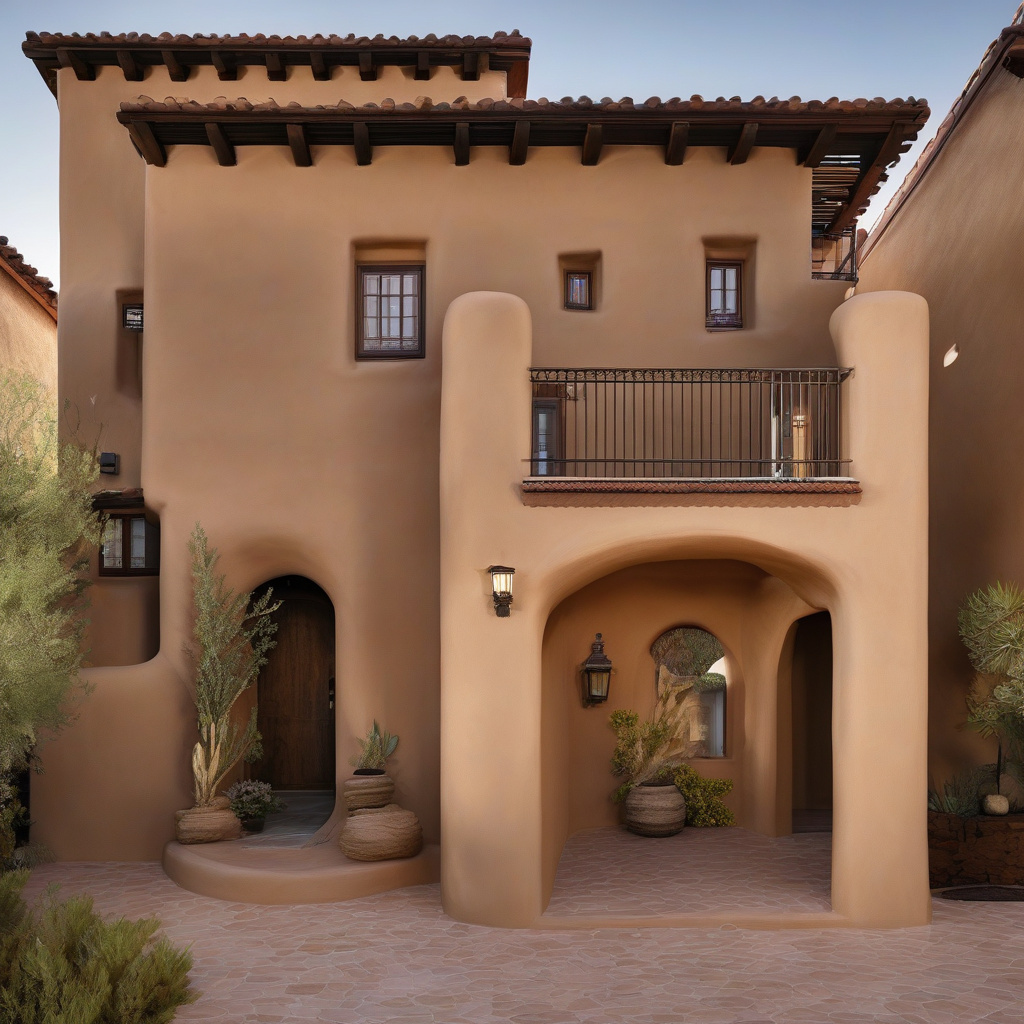
Los Angeles, with its sun-drenched charm and vibrant lifestyle, embraces a distinctive architectural style in its Spanish-inspired homes. Reflecting the diverse cultural tapestry of the city, these homes offer a compelling canvas for innovative exterior color combinations that blend traditional warmth with modern flair. Here, we delve into the art of choosing the best hues to enhance the beauty of these architectural gems.
Brief summary: This article explores the most effective exterior color combinations for Spanish-style homes in Los Angeles, integrating traditional warmth with modern aesthetics. Through expert insights and homeowner experiences, it highlights renovation trends, practical examples, and planning strategies to shape the city’s unique architectural identity.
Earth Tones: The Foundation of Spanish Revival
Earth tones, such as terracotta, ochre, and sage green, remain perennial favorites for Spanish-style homes in LA. These colors draw inspiration from the region’s natural beauty and historical architecture, providing a foundation of authenticity and continuity. When paired with crisp white trims or deep brown accents, these shades bring out the home’s character while enhancing its classic lines.
The intricate dance of these hues with the abundant California sunshine creates an interplay of light and shadow that breathes life into the exterior walls. As many local homeowners notice, the choice of earthy palettes adds a timeless elegance that feels both rooted in tradition and refreshingly current.
Moreover, the versatility of earth tones allows for creative pairing with other colors, offering endless possibilities for customization. From deep rust to soft clay, each nuance tells a story of its own, accentuating architectural features such as arched doorways and tile roofs.
As the trend continues, seeking professional guidance on color consistency and texture ensures a seamless transition that aligns with contemporary tastes while preserving historical integrity.
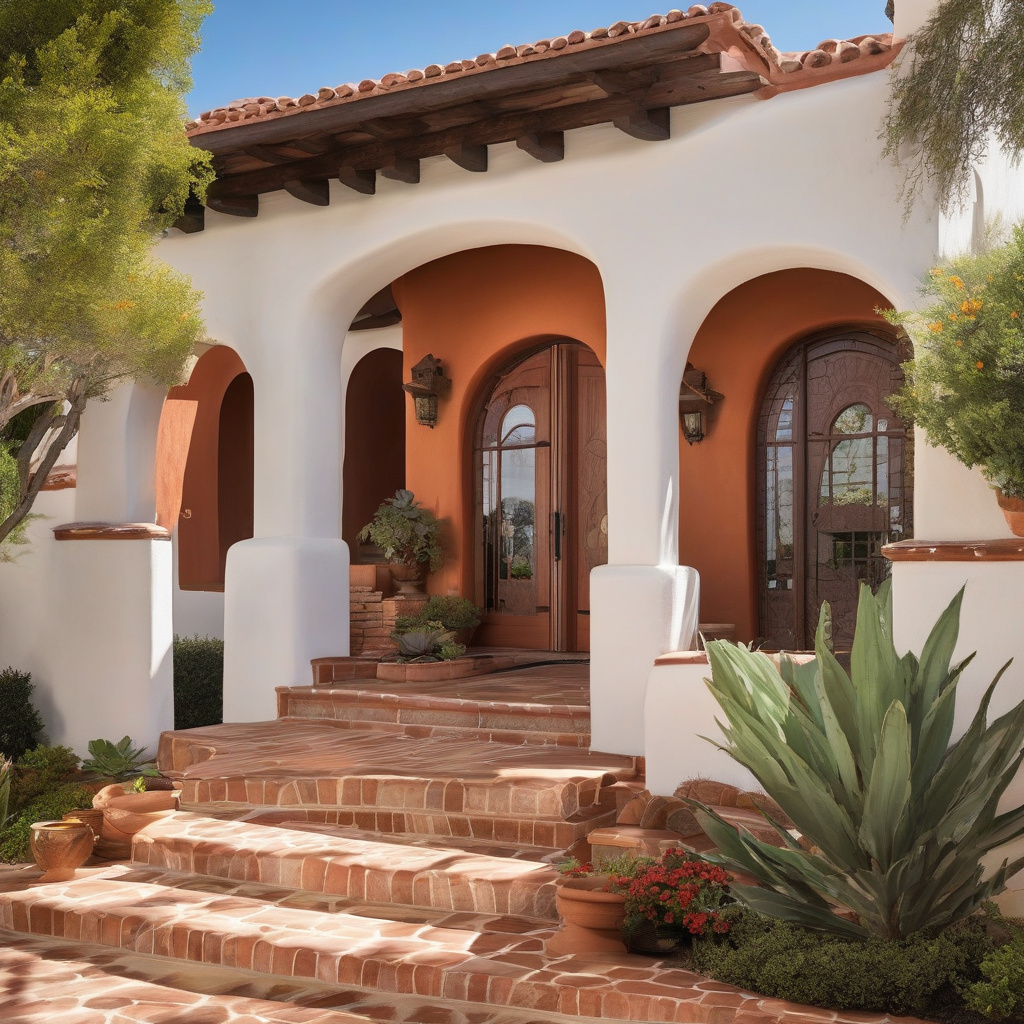
In conclusion, earth tones offer a reliable backdrop that nurtures creativity and respects the storied past of Los Angeles residences.
Creamy Whites: A Palette of Possibilities
The application of creamy whites on Spanish exteriors infuses a sense of lightness and expansion. Contrasted against the deep azure of the region’s sky, these shades highlight the intricate details of stucco and stone, making them ideal for LA’s Mediterranean-like environment.
Cream refuses to be confined to a single expression; it ranges from warm ivory tones to cooler linen shades, each reflecting a unique aspect of Spanish Revival architecture. Strategic use of these variations can either underline or soften the building’s features, adapting to different aesthetic aspirations.
Many homeowners opt for creamy exteriors to create an open, welcoming ambiance. This color choice often enhances curb appeal, offering an airy complement to lush garden settings or vibrant door colors that pop against the neutral background.
Planning with color paths can be challenging, yet rewarding. By testing different paint shades and techniques, homeowners can find their ideal balance between tradition and innovation, ensuring a satisfying result that resonates throughout residential neighborhoods.
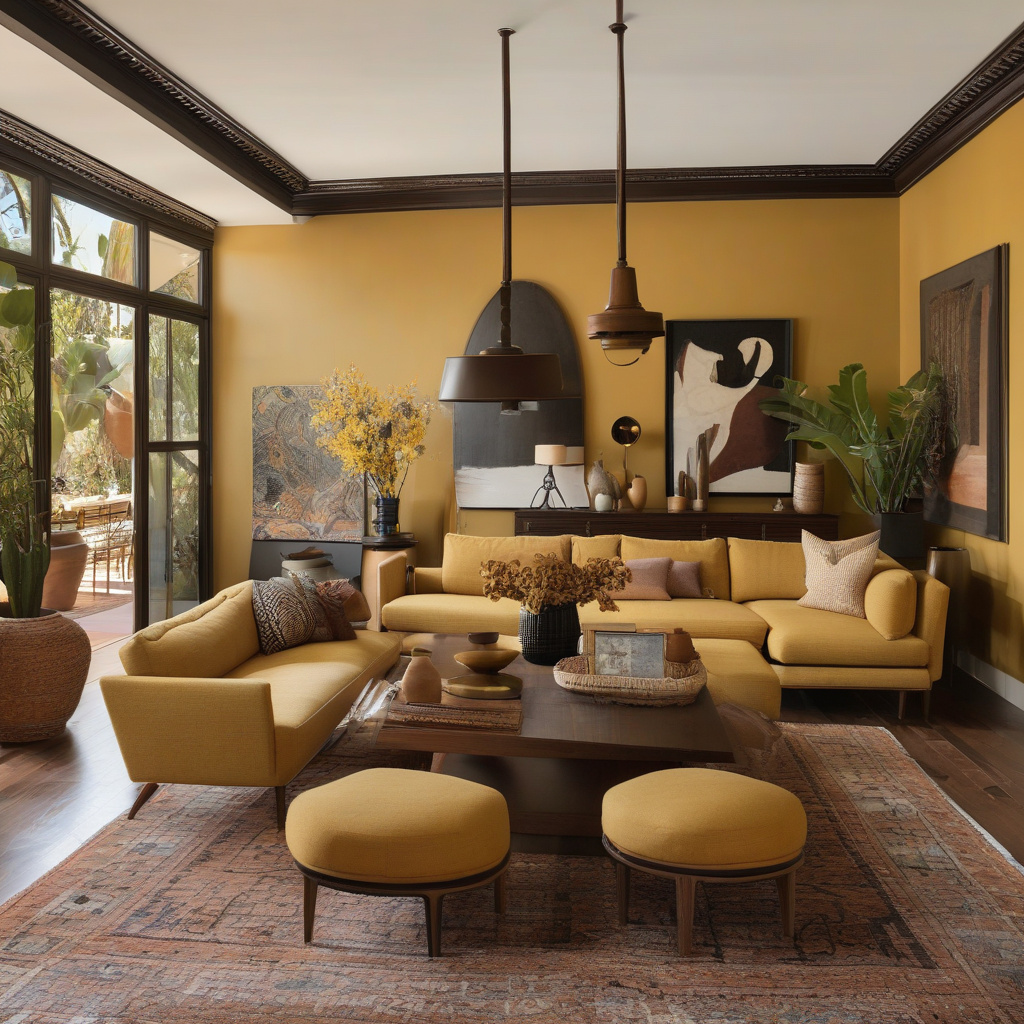
Creamy whites are not merely a trend—they’re a classic choice that offers both elegance and flexibility, catering to individual preferences while maintaining collective cultural heritage.
Terracotta Accents: A Nod to Heritage
Terracotta holds a special place in the heart of Spanish-style architectural design. These rich, earthy hues are more than decorative elements; they are evocative nods to historical craftsmanship seen in ceramic tiles and picturesque roofscapes.
Accents in terracotta work fabulously on smaller features like window trims, decorative reliefs, and garden walls, bringing a cohesive flow to the design. The natural warmth of terracotta resonates with the urban landscapes and sun-soaked afternoons characteristic of Southern California.
From large-scale renovations to subtle enhancements, these functional hues inject vibrancy and texture. They ground the architecture, making it appear as though it naturally rises from the landscape it inhabits.
According to industry insights, adding terracotta accents can increase your home’s aesthetic appeal while potentially boosting its market value due to enhanced curb appeal.
Terracotta exemplifies tradition’s role in shaping modern homes, reminding us of the importance of honoring the past while crafting the future.
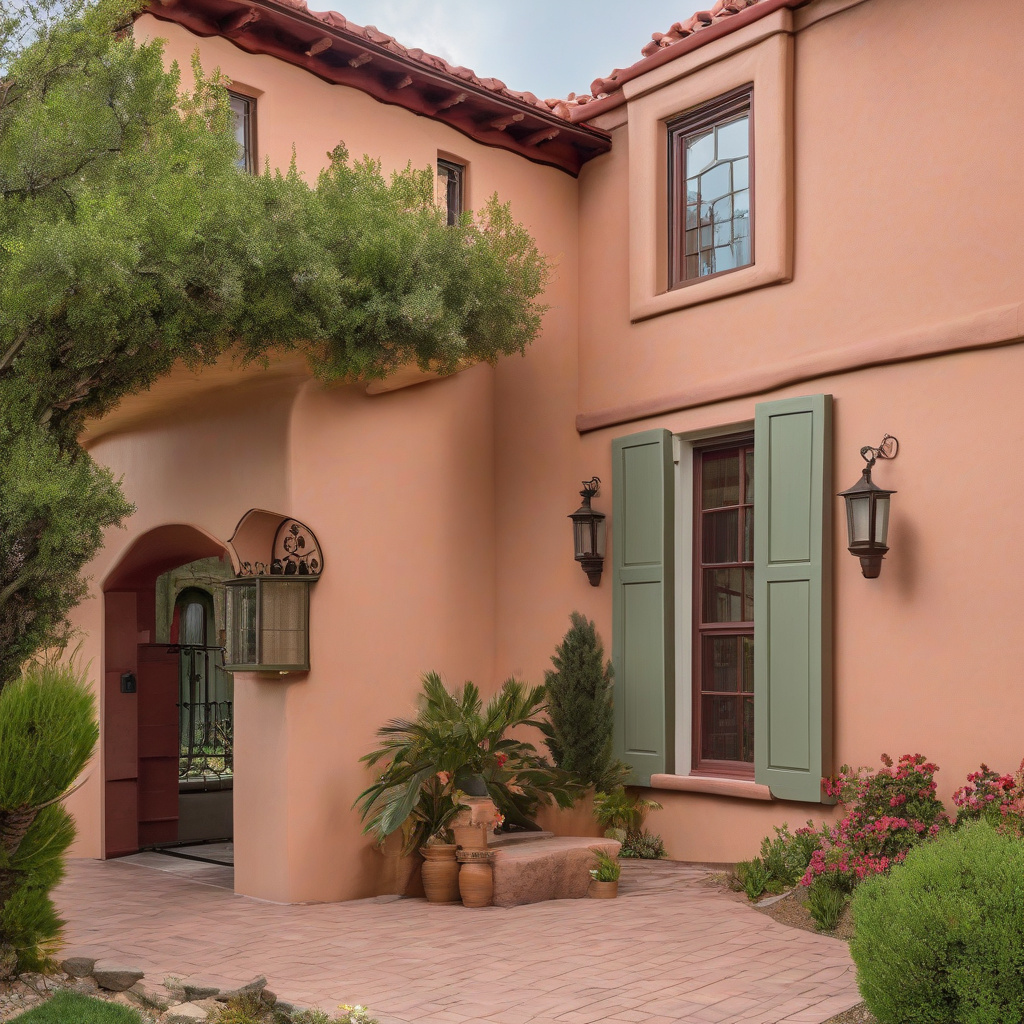
Thus, terracotta accents continue to be a beloved element, merging form with function in a truly authentic fashion.
Choosing the Right Materials
Embarking on the journey to enhance a Spanish-style home’s exterior involves thoughtful material selection, particularly when considering the vibrant colors iconic to this architectural style. For instance, terracotta tiles bring an earthy elegance that complements various color palettes, providing texture and visual interest to patios and rooflines.
The following table outlines a comparison of popular materials used in Spanish-style renovations, focusing on costs, durability, and aesthetic appeal:
| Material | Cost | Durability | Aesthetic Appeal |
|---|---|---|---|
| Terracotta Tiles | Moderate to High | High | Timeless Elegance |
| Stucco | Low to Moderate | Moderate to High | Authentic Texture |
| Clay Roof Shingles | High | Very High | Classic Aesthetic |
When materials align with the style’s ethos, mistakes are minimized, allowing DIY enthusiasts or professionals to achieve the desired effects efficiently.
Modern Touches in Classic Styles
Embracing modern touches within classic Spanish styles opens avenues for creativity and personal expression. Incorporating contemporary materials like glass or steel alongside traditional stucco and tile can forge a design narrative that is as innovative as it is respectful.
Modern interpretations of this style often involve streamlined forms and minimalist color schemes, juxtaposing the elaborate detailing synonymous with traditional Spanish architecture. The result is a dynamic and sophisticated space that caters to the contemporary lifestyle needs of Los Angeles residents.
Experts suggest that integrating modern elements can improve functionality and energy efficiency, a consideration that’s becoming increasingly significant in urban settings.
Real-life scenarios show homeowners opting for modern updates, such as expanded glass doors or metallic finishes, to maximize light and enhance outdoor connectivity, creating a seamless blend of interior and exterior spaces.
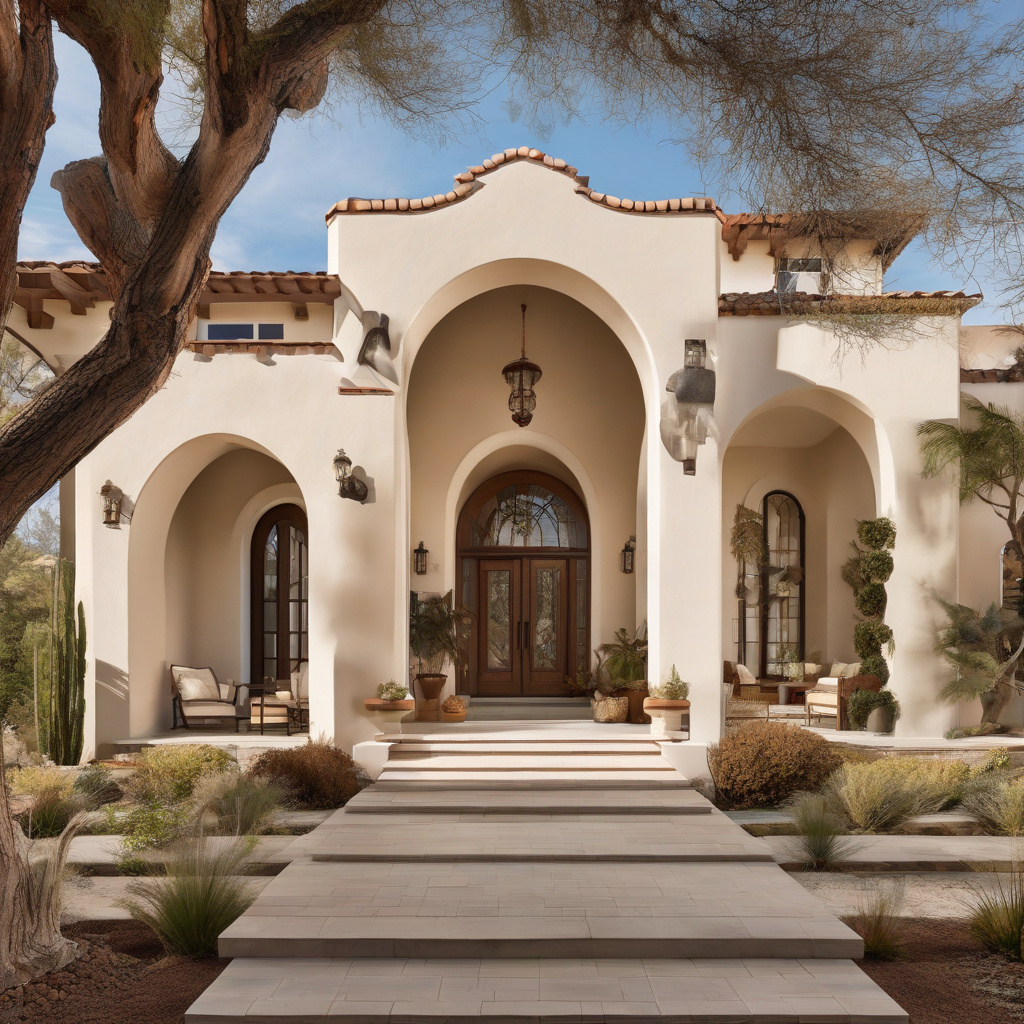
Modern adaptations enrich classic styles, ensuring they remain relevant and adaptable to contemporary living aspirations.
Enhancing Curb Appeal: Final Thoughts
Drawing together the various threads of color, material, and modern innovation, enhancing the curb appeal of a Spanish-style home in Los Angeles is both an art and a science. Every choice, from paint to planters, contributes to crafting a narrative that resonates with the unique character of the property and its owners.
With the right blend of colors and materials, homes can communicate a sense of place, honor historical roots, and set new trends within their neighborhoods. As the renovation journey unfolds, the choice of a reliable guide or partner becomes essential to maintain focus and achieve harmony in the overall vision.
For those ready to embark on this renovation path, exploring options to find the perfect painting contractor can make a world of difference in bringing a dream facade to life. Experienced professionals can provide invaluable insights and ensure a process that runs smoothly and efficiently.
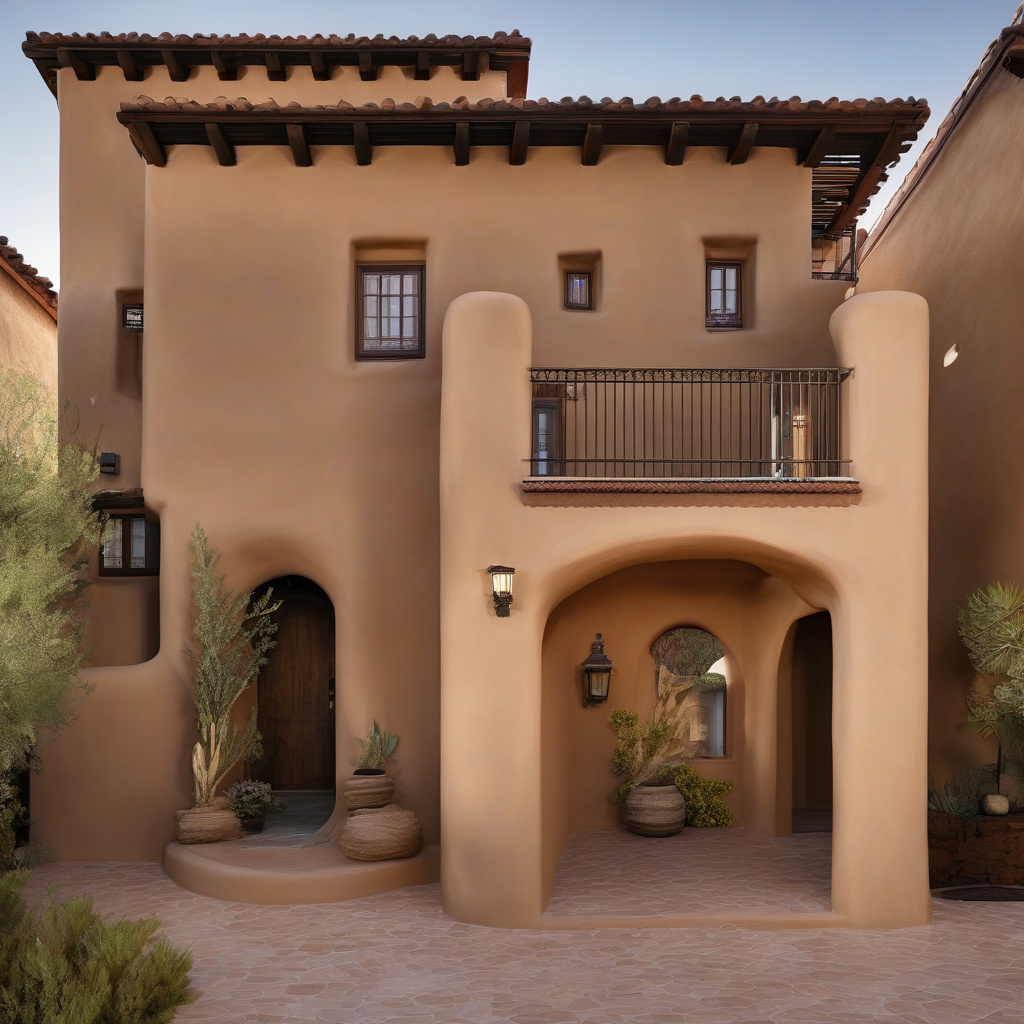
Ultimately, every meticulously curated detail in Spanish-style exteriors contributes to a greater narrative of heritage, culture, and modern elegance, both preserving and redefining LA’s architectural landscape.
- Spanish-style homes in LA benefit from earth, cream, and terracotta tones.
- Combining modern and classic materials can enhance home value and aesthetics.
- Color choices are crucial for conveying character and respecting tradition.
- Selecting reliable contractors ensures a harmonious renovation process.
- The blend of old and new reflects contemporary lifestyles while honoring the past.
FAQ
What are the best exterior color combinations for Spanish-style LA homes?
In the vibrant, sun-kissed context of Los Angeles, choosing exterior colors for Spanish-style homes is a balance of tradition and individuality. Many homeowners find success with warm earth tones combined with creamy whites. These shades honor the historical roots of Spanish architecture by reflecting the natural landscape. For instance, terracotta accents are often used around windows and doors, enhancing charm while maintaining authenticity. Mixing a dark olive green entryway with a rusty red roof can give a dynamic, yet time-honored look. Such choices resonate well with both newer builds and renovated older properties, providing a fresh yet respectful aesthetic.
How should I choose colors that complement traditional Spanish architecture?
Selecting colors for Spanish-style architecture requires a nod to historical colors while considering modern palettes. In real renovation projects, it often becomes clear that homeowners should not only focus on individual preferences but also on how colors interact with the style’s iconic features. A practical approach is to start with a base of soft, muted shades reminiscent of natural materials such as sand, clay, or stone, and then add deeper colors for contrast. Many experts suggest looking at the quality of sunlight, as it dramatically changes color perception. Los Angeles’s bright light can intensify colors, so test paint samples in different lights around your home before a final decision.
When is the best time to repaint the exterior of a Spanish-style home in LA?
Timing is crucial for exterior painting. In LA, many opt for late spring or early fall when the weather is more predictable. This ensures that paint adheres properly without the threat of rain or extreme heat, which can compromise the drying process. Homeowners frequently underestimate the impact of environmental conditions on paint longevity and finish. Additionally, checking for any moisture or damage in the underlying material before starting can save costs and hassle. Taking these proactive steps ensures that the color not only looks vibrant upon application but also lasts longer, reducing future maintenance needs.
What are common mistakes when choosing exterior colors for Spanish-style houses?
A common pitfall in selecting colors for Spanish-style homes is neglecting the influence of natural surroundings. Often, choices that seem appealing in-store may clash with outdoor landscaping or neighboring homes. Overusing bright or harsh colors can overwhelm the architecture’s inherent elegance. Another typical mistake is ignoring the role of smaller details, such as trims and shutters, which can provide continuity and enhance certain architectural aspects. Paint selections should enhance, not overpower, the craftsmanship. Consulting with a renovation professional could offer invaluable insights, especially when considering a cohesive look that respects traditional design while embracing a personal touch.
How do costs vary when painting a Spanish-style home in LA?
Painting costs can vary widely based on several factors, including the size of the home, the complexity of the architecture, and the quality of paint. Spanish-style homes often come with intricate details that require more attention, which can increase labor costs. There can also be hidden expenses in prep work, such as repairing stucco or cleaning surfaces. Choosing high-quality paints may seem costly upfront but can offer long-term savings by reducing the frequency of repainting. For those looking to paint their homes, reaching out to experts for a detailed quote tailored to specific needs can be beneficial. You might find it useful to connect with local professionals for guidance or estimates.
What are the pros and cons of using terracotta accents?
Terracotta accents remain a popular choice for adding warmth and depth to Spanish-style homes. The pros include their natural warmth that complements the earth tones typically used in this style. Terracotta tiles or trims can bridge the gap between traditional and modern, providing an artistic yet organic feel. However, on the flip side, terracotta requires maintenance to combat the effects of weathering, particularly in the sunny and occasionally rainy climate of LA. Moreover, it can be susceptible to cracking if not properly installed. Weighing these benefits against maintenance considerations is crucial when opting for terracotta details.
Are there any color combinations that should be avoided for Spanish-style homes?
When styling Spanish homes, avoiding overly bright, synthetic-looking colors is advisable, as they can clash with its earthy tones and traditional vibe. Neon shades, for instance, tend to jar against the subtlety of natural textures like stucco or stone. Additionally, pairing high-contrast colors, such as stark black and white, can strip a home of its warmth and rustic charm. In practical terms, softer contrasts like creams against warm reds or subdued greens can maintain harmony in color flow and compliment the architectural details. Evaluating color samples in the context of your home helps in avoiding these limitations.
How often should the exterior of a Spanish-style home be repainted?
The frequency of repainting largely depends on the quality of paint used, exposure to sunlight, and weather conditions. In sunny Los Angeles, homeowners might expect to repaint every 5 to 7 years, especially if lower quality paint is used. Many experts point out that using higher-grade, UV-resistant paints can extend this timeframe considerably. Periodic inspections for paint deterioration or stucco cracks can prevent larger issues from developing. A common misconception is that routine repainting is only aesthetic; it’s actually integral to maintaining a home’s protective barrier against the elements. Investing in quality paintwork upfront can prove cost-effective in the long run.