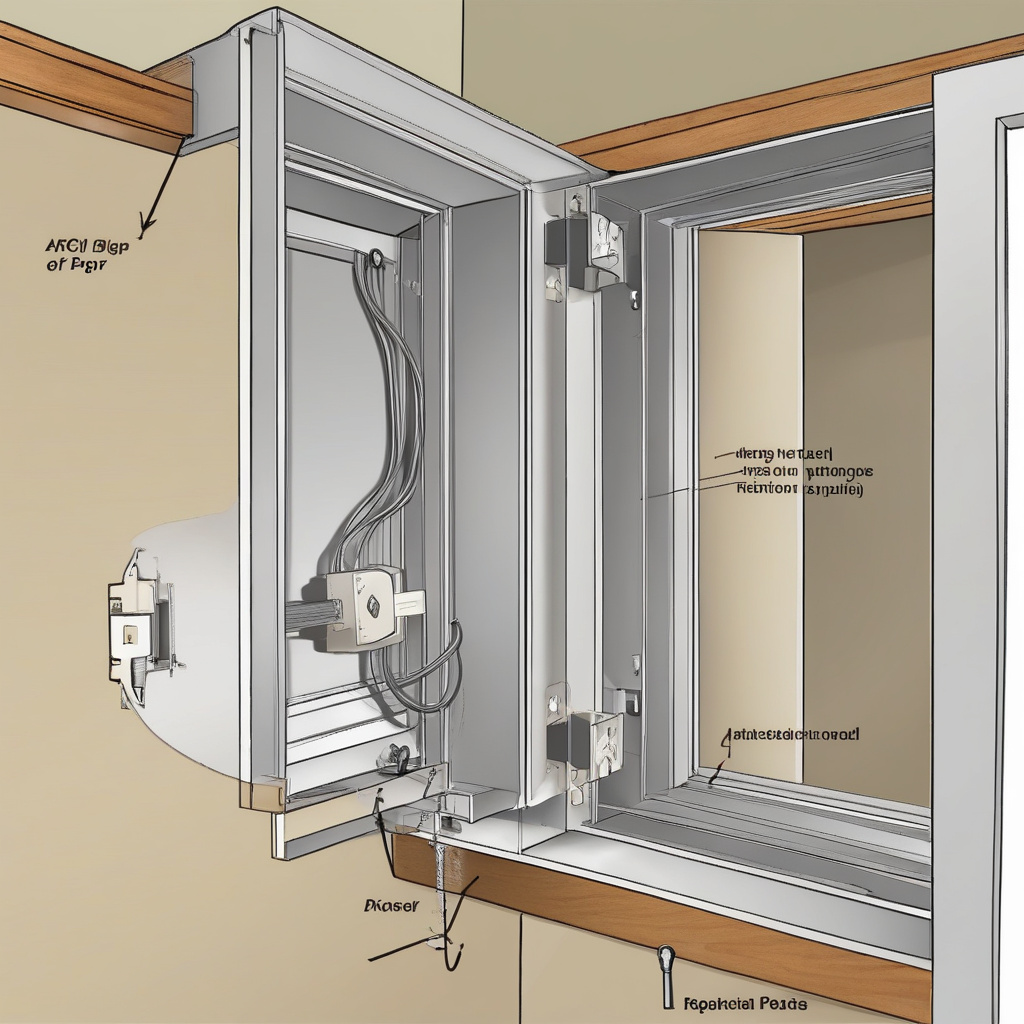
Remodeling a kitchen in Los Angeles is an undertaking that inevitably involves navigating a labyrinth of permits and inspections. Homeowners embarking on these projects, whether to enhance functionality or put a personal stamp on their space, must grapple with a complex local regulatory framework that governs changes to electrical systems, plumbing layouts, and structural modifications.
Brief summary: Kitchen remodeling in Los Angeles demands a thorough understanding of the permitting and inspection process, particularly for electrical, plumbing, and structural changes. This article explores the intricacies of remodeling regulations in LA, offering insights into trends, costs, and practical homeowner experiences in navigating these requirements.
The Maze of Permits: Understanding LA’s Remodel Regulations
In Los Angeles, kitchen remodeling is not for the faint of heart, with multiple permits required depending on the scope of work. Whether it’s a simple aesthetic upgrade or a full-scale renovation, the city’s building codes necessitate careful planning and adherence to local regulations. For instance, any change to the electrical or plumbing systems mandates a visit to the permit office, often making homeowners’ heads spin from the sheer bureaucratic process.
Obtaining these permits is not merely a formality; they are essential to ensure that all work complies with safety and building codes. These codes are in place to prevent potential hazards, such as electrical fires or plumbing leaks, that can arise from improper installations. Los Angeles, in particular, has stringent requirements given its earthquake-prone nature, emphasizing structural safety in all modifications.
Interestingly, many homeowners find themselves in a bind when they realize the extent of regulatory oversight required for their dream kitchens. According to a recent analysis, a significant portion of kitchen remodels in the Los Angeles area involves undisclosed work because homeowners overlook necessary permits or choose to bypass them altogether in an attempt to cut costs or avoid delays.
The complications of securing the right permits can delay projects, leading some to question the feasibility of their remodeling plans. Nonetheless, understanding the permit process is crucial, with resources such as essential renovation guides offering invaluable support to navigate these waters.
“In the City of Los Angeles, approximately 50% of homeowners underestimate the number of permits needed for a major kitchen remodel, leading to project delays or legal complications.” — A recent industry report
At the close of this section, it is evident that while obtaining permits can be a challenging endeavor, it is a necessary step in ensuring the safety and legal standing of your kitchen renovation.

Demystifying the Inspection Process
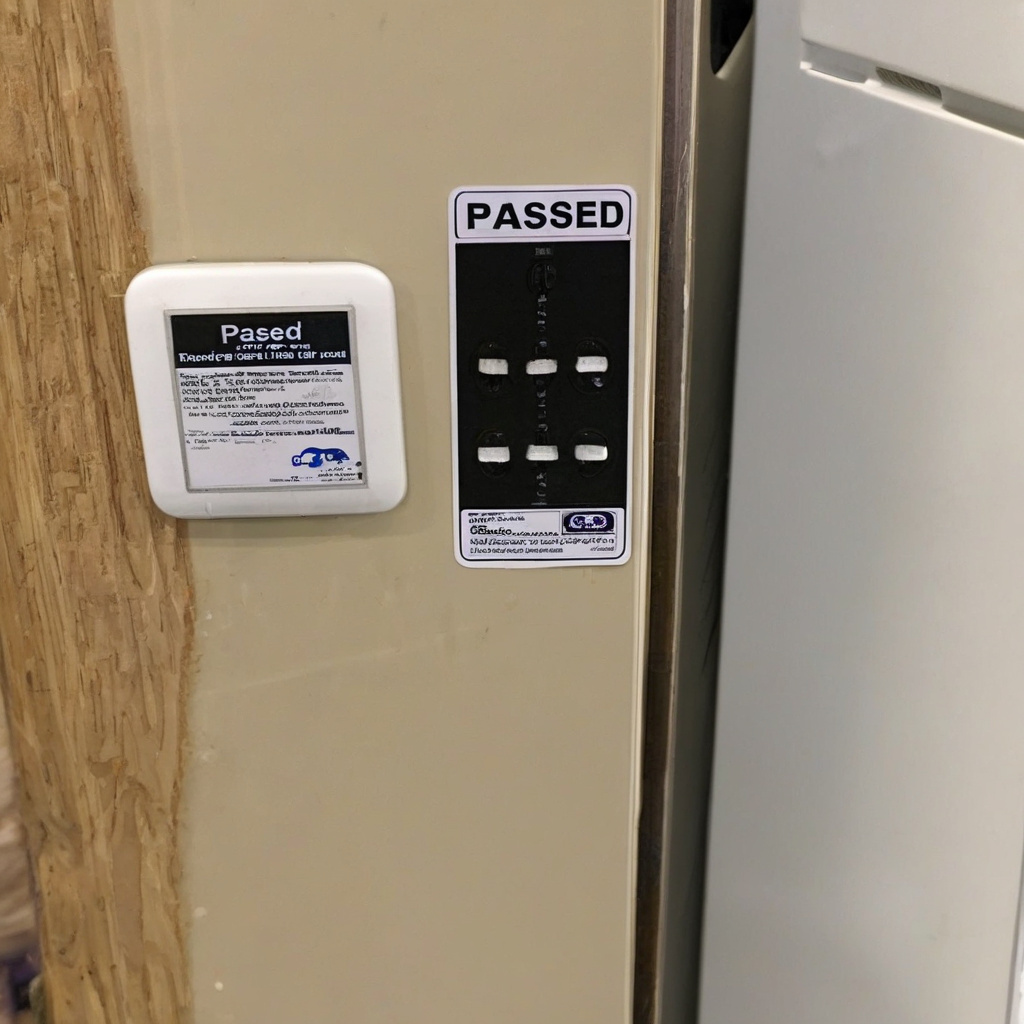
Once permits are secured, the next phase in any Los Angeles kitchen remodel is the inspection process. This stage is pivotal for ensuring compliance and can be quite comprehensive. Inspectors assess everything from the adherence to building codes to the quality of workmanship. The process can be daunting, yet it is designed to protect homeowners from substandard work that could pose safety hazards down the line.
Typically, the inspection process involves multiple phases aligned with the completion of specific renovation milestones. For instance, after a new electrical system is installed, an inspection must verify its compliance with safety standards before additional construction can proceed. Similar scrutiny is applied to plumbing and structural changes.
As many local homeowners notice, the anticipation of inspection outcomes often adds to the stress of remodeling. A failed inspection can result in costly delays, forcing project timelines to extend as corrections are made and follow-up inspections are scheduled. In some instances, contractors may offer guarantees or “free re-inspections,” which can provide a bit of relief to anxious homeowners.
The diligence of LA inspectors is both a safeguard and a stressor, yet it underscores the importance of hiring reputable contractors familiar with local codes. At the conclusion of this section, the layered nature of inspections reveals itself as an essential, albeit intricate, component of the remodeling journey.

Planning Your Dream Kitchen: Costs and Expectations
Embarking on a kitchen remodel in LA requires not just vision, but a realistic understanding of financial implications as well. Los Angeles, with its varied neighborhoods and architectural styles, offers a broad spectrum of remodeling costs. From modest updates to high-end luxury transformations, budgeting effectively is key.
In this city, kitchen remodels typically range between $20,000 for modest renovations, stretching upwards of $100,000 for extensive overhauls involving high-end materials and bespoke features. The final figure often reflects not just the scale of the project, but also the quality of materials and the intricacy of labor required.
While navigating material choices, many homeowners explore sustainable options to align with eco-conscious values and city rebates on energy-efficient appliances. In such scenarios, resources that detail eco-friendly remodeling options prove invaluable for those seeking a green footprint in their kitchen transformations.
With the average kitchen remodel requiring a carefully crafted budget, it serves as a poignant reminder that realistic financial planning can help mitigate potential pitfalls, ensuring homeowners achieve their dream kitchen without compromising on quality.
“Data shows that kitchen remodels in Los Angeles yield an average return on investment of 74%, making them one of the most lucrative upgrades in the local real estate market.” — National Remodeling Survey
This section underscores the necessity of marrying budgetary constraints with aesthetic desires, guiding homeowners towards making informed decisions.
Materials Matter: A Practical Guide
In the heart of every kitchen remodel lies the choice of materials. Los Angeles, with its unique climate and lifestyle, poses distinct considerations for material selection. The decision goes beyond visuals and cost, often encompassing durability, maintenance, and environmental impact.
Tile, hardwood, and laminate are among the most popular choices for flooring, each offering different aesthetics and levels of maintenance. Natural stones like granite and quartz remain favorable for countertops, enhancing both functionality and elegance. Consistency and durability in material selection promise longevity, a priority for Angelenos investing in their homes.
Cost, as always, plays a central role. The myriad of flooring options for kitchen renovations allows homeowners to align their stylistic aspirations with budgetary limitations. This link between material selection and financial feasibility fosters a pragmatic approach to designing enviable culinary spaces.
Below is a comparison of the popular kitchen materials, outlining their cost, aesthetic appeal, and maintenance requirements:
| Material | Cost per sq.ft. | Durability | Maintenance |
|---|---|---|---|
| Tile | Moderate | High | Low |
| Hardwood | High | Medium | Moderate |
| Laminate | Low | Medium | Low |
“Homeowners who choose eco-friendly materials report higher satisfaction and decreased maintenance costs over the long term.” — Green Remodeling Forum
Ultimately, the choice of materials should resonate with both personal tastes and practical needs, helping transform the kitchen into a vibrant, functional heart of the home.
Balancing Risks and Rewards in Kitchen Remodeling
Kitchen remodeling in Los Angeles involves a delicate balancing act between risks and rewards. On one hand, the immediate investment can be significant, often accompanied by the inconvenience of living in a construction zone. Yet the potential for transforming the space into a culinary masterpiece or boosting the property’s market value is tantalizing.
Understanding the risks — such as overcapitalization, unforeseen structural issues, or even simple design missteps — is essential for informed decision-making. These risks emphasize the importance of early-stage comprehensive planning and consultation with experienced professionals who can foresee and mitigate such pitfalls.
Conversely, the rewards of a successful kitchen remodel extend beyond financial gain. The enhanced functionality and aesthetic appeal can significantly improve daily living. Additionally, modern kitchens often become focal points for entertaining, providing both personal satisfaction and increased property allure.
As homeowners weigh these dynamics, tangible resources on enhancing kitchen storage solutions in condo renovations can help manage the often tight spaces Los Angeles properties face, augmenting both convenience and value.
“A well-designed kitchen not only enhances cooking experiences but also enriches family interactions — a reward beyond measure.” — Kitchen Design Institute
Balancing the scales of risk and reward requires careful consideration, yet it is this balancing act that ultimately defines the success of any remodeling project.
A Practical Guide: Steps to a Successful Kitchen Remodel
For those ready to dive into the tumultuous seas of remodeling, a step-by-step guide can prove invaluable. Initial steps focus on pinning down the scope and objectives of the project, establishing clear goals and realistic budgets early in the process. These foundations help prevent scope creep and unexpected financial strain down the line.
Next, selection of a reputable contractor should be prioritized. Thorough interviews and reference checks ensure alignment in vision and capability. Engaging an experienced contractor familiar with local codes and permits eases many of the bureaucratic burdens homeowners might otherwise face.
Once in motion, maintaining open lines of communication between homeowners and contractors throughout the project is crucial. Regular updates, documented progress, and a transparent approach to resolving unforeseen issues can drastically improve the remodeling experience and help keep the project on track.
The final stages involve inspections and resolving any minor deficiencies — a critical phase that demands patience and attention to detail to ensure every component aligns with personal and regulatory standards.
“Successful remodels achieve harmony between vision, functionality, and compliance, creating spaces that stand the test of time.” — Remodeling Excellence Journal
By following these guided steps, homeowners can embark on their kitchen remodeling journey armed with both knowledge and assurance of a fruitful outcome.
- Understanding and adhering to LA’s permit and inspection requirements is vital for kitchen remodels.
- Budgeting effectively can help realize a dream kitchen without financial strain.
- Choosing the right materials impacts both aesthetics and long-term maintenance.
- A successful remodel balances risks with rewards, enhancing both home value and personal satisfaction.
- Step-by-step planning and professional guidance are keys to remodeling success.
“`html
FAQ
Why do kitchen remodels in Los Angeles require permits?
In the realm of kitchen remodels, particularly in a city as regulation-driven as Los Angeles, permits play a pivotal role. Often, homeowners embark on remodeling with an eye on aesthetics, overlooking the critical infrastructural changes. Permits ensure that any electrical, plumbing, or structural modifications meet stringent safety and compliance standards. For instance, rerouting plumbing lines without proper inspection could lead to leaks, affecting not just your kitchen but potentially neighboring properties—for those in multi-unit buildings. This vigilance is especially vital in a region prone to seismic activity, where structural integrity can mean the difference between resilience and disaster. Acquiring permits, though sometimes seen as red tape, is fundamentally a safeguard for both current and future occupants of the home.
How can I choose the right contractor for my kitchen remodel in Los Angeles?
Choosing a contractor in a vast city like Los Angeles can be daunting. Start by vetting licenses and permits, ensuring the contractor has a proven track record with kitchen remodels. An experienced contractor will not only have familiarity with the permit process but also exhibit a clear understanding of the local building codes. Real success stories emerge from those contractors who manage timelines efficiently, navigating unexpected delays typical of older homes with their hidden issues. Importantly, ask for references and visit past projects. Client testimonials and visual evidence speak volumes about a contractor’s reliability and artistry. It’s about finding someone who balances technical skill with creative insight, aligning with your vision while respecting regulations.
When is it necessary to apply for a kitchen remodeling permit?
Permits become necessary once you alter more than the kitchen’s superficial layers. Thinking of moving cabinets? You may be fine. But consider electrical work like adding recessed lighting or relocating outlets; these definitely need permits. Similarly, shifting plumbing setups—perhaps moving a sink—requires inspection. Homeowners often think small changes are exempt, but missing even a minor permit can delay projects or result in fines. In practice, projects blend, one small change requiring yet another. Consulting with a seasoned remodeler ensures you’re covered—often, what starts as a simple facelift evolves into something more, highlighting the need for permissible operations.
What mistakes do homeowners commonly make during kitchen remodels?
One frequent oversight is underestimating the scope and budget of the job. Homeowners often envision a magazine-perfect space but fail to account for the underlying complexities. For example, discovering outdated wiring in older homes is common; rectification not only requires permits but can inflate expenses surprisingly. Additionally, neglecting the sequence of tasks can lead to inefficiencies—like installing floors before finalizing appliance placements. Without coordination, such missteps lead to wasted time and resources. Proper planning and engaging a knowledgeable contractor early dramatically mitigate such pitfalls, ensuring the project crosses the finish line both beautifully and legally.
How much should I budget for permits in a kitchen remodel?
Budgeting for permits can initially seem like an unwelcome addition to remodeling costs. Yet, they are a non-negotiable investment in ensuring compliance and safety. Generally, permits might constitute anywhere from a few hundred to over a thousand dollars, depending largely on the degree of change involved. If your remodel is extensive, involving multiple permit types—plumbing, electrical, structural—the costs can accumulate. This upfront expenditure can prevent future legal disputes or modifications that would likely cost far more down the line. Balancing a realistic budget includes understanding these costs and how they fit into your overall financial plan for the remodel.
What are the benefits and limitations of obtaining permits for a kitchen remodel?
Acquiring permits for a kitchen remodel carries clear benefits. They validate that the work adheres to current codes, which is crucial for safety and future property valuations. Potential buyers, especially in competitive markets like Los Angeles, often view permitted works as a mark of quality. However, the process isn’t without its challenges—navigating permit applications can be time-consuming and requires meticulous attention to detail. Many homeowners find the bureaucracy cumbersome. That said, by collaborating with professionals who understand these processes, such hurdles can become manageable, turning a bureaucratic task into a confidence booster for the investment you’re making in your home.
How are inspections conducted after a kitchen remodel in Los Angeles?
Inspections post-remodel serve as the final check, ensuring all work aligns with the approved plans. In Los Angeles, inspectors evaluate electrical safety, plumbing integrity, and structural soundness. A real-life scenario often includes an inspector testing new circuit loads or verifying the correct slope of drainage lines—subtle details that heavily impact your daily life. Failing at this stage requires amendments, subsequently pushing back completion dates. Experienced remodelers anticipate inspector concerns, preemptively rectifying potential issues before the inspection. This proactive approach can smoothen the process, emphasizing why detailed craftsmanship and a knowledgeable guiding hand are indispensable in remodeling ventures.
Where can I seek help if I face challenges with permits and inspections?
When challenges arise—perhaps due to permit denial or inspection delays—consultation with renovation experts can be invaluable. Many discover that a seasoned professional clarifies regulatory uncertainties and advocates on your behalf during tricky processes. If you’re feeling overwhelmed, you might, for instance, reach out to this helpful page to connect with local professionals experienced in navigating these complexities. These industry veterans offer advice and practical solutions, enabling homeowners to move forward confidently, transforming permit and inspection hurdles into manageable steps towards a successful remodel.
“`