
In the ever-shifting landscape of Los Angeles, where the ground beneath our feet is as unpredictable as the traffic above it, ensuring your home can withstand the next seismic shake-up is essential. As many local homeowners turn to renovations and additions to capitalize on space and value, building with earthquake safety in mind has never been more critical. From selecting the right materials to employing strategic structural reinforcements, every decision matters when it comes to constructing secure additions in this earthquake-prone region. This article will explore the essential elements that contribute to earthquake-safe residential upgrades, offering insights into materials, methods, and professional advice.
Brief summary: This article delves into earthquake-safe construction techniques for home additions in Los Angeles. Key topics include structural reinforcement, material selection, expert insights, and practical homeowner experiences, ensuring long-term safety and enhancing property value in seismic areas.
Understanding the Landscape and Preparing for Safety
Los Angeles, a sprawling tapestry of neighborhoods, is a city built upon fault lines, both geologically and socially. Homeowners seeking to add value and space to their properties often face the dual challenge of enhancing their living area while preparing for the realities of an eventual quake. As the demand for unique residential extensions grows, so does the importance of building with seismic safety in mind.
The first consideration for any addition is the underlying structural integrity. Many seasoned architects and construction experts emphasize the importance of a robust foundational design. This aspect is more than just about pouring concrete; it involves a comprehensive understanding of soil composition, building codes, and the geographical nuances specific to Los Angeles. Locals often notice that the differences between a well-done project and a shaky one can hinge on these preliminary assessments.
Moreover, advancements in technology and engineering have introduced innovative solutions that previous generations could only dream of. In Los Angeles, where history meets the future, integrating these new methodologies is critical. Embracing advancements can mean the difference between a structure that sways safely and one that succumbs to nature’s forces.
Ultimately, the choice to build responsibly boils down to more than safety. It’s about preserving peace of mind. The foundation of a home, much like the community it resides within, requires dedication to strength and resilience.
Selecting the Right Materials for Longevity and Durability
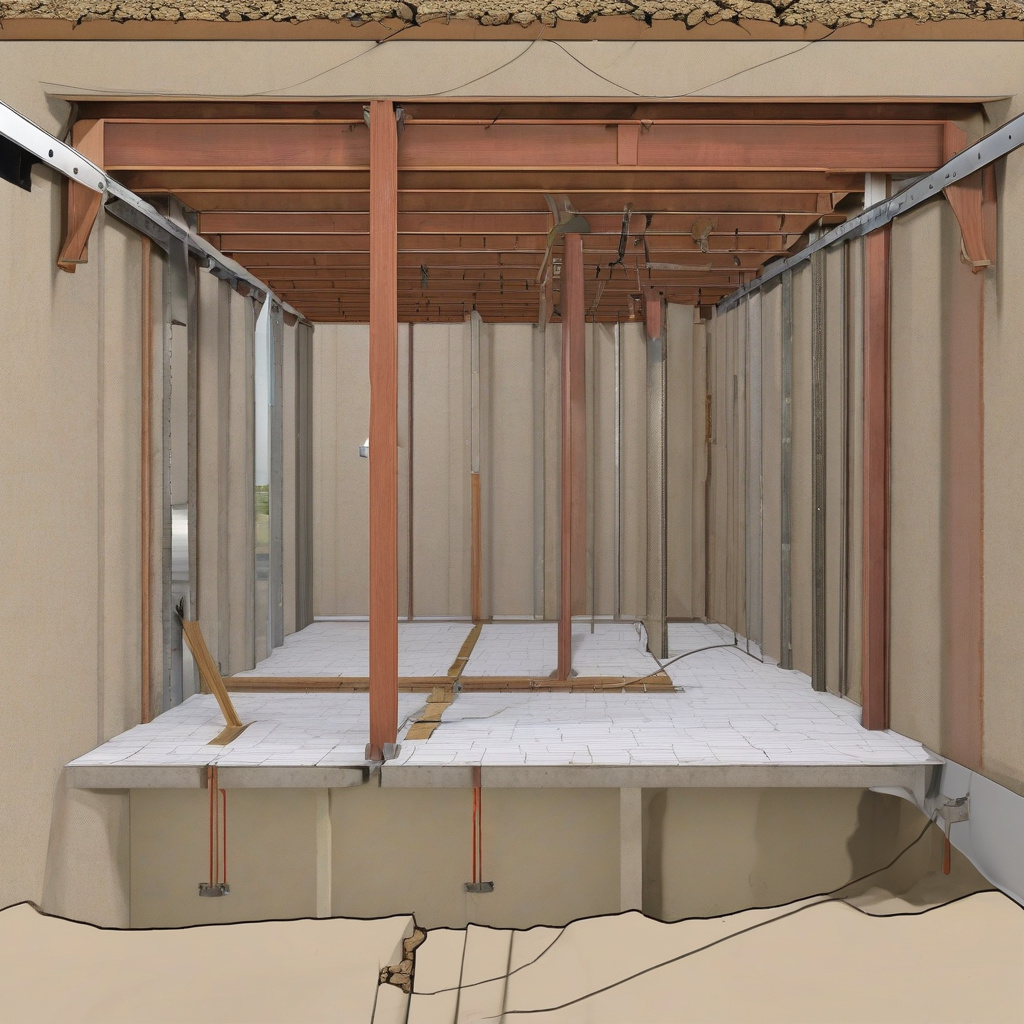
When considering an addition, selecting the right materials can play a pivotal role in ensuring both safety and longevity. The decisions made in the initial stages of construction can have long-lasting implications. Experts, drawing from decades of field experience, consistently advise opting for materials that offer both durability and flexibility—key characteristics in earthquake-prone locales.
Concrete reinforced with steel rebar, while traditional, remains a favorite due to its resilience. But as many in the industry point out, more contemporary options are gaining traction. Engineered wood and steel frame systems are increasingly appealing for their strength, adaptability, and reduced environmental impact.
Industry data suggests that homes built with modern materials and techniques are 50% more likely to withstand significant seismic events without major structural damage.
Furthermore, the aesthetic appeal of these materials cannot be overlooked. Homeowners frequently find that the right material components can harmonize beauty with functionality, an essential balance for those investing in significant home improvements.
For those in Los Angeles, the conversation around material choice is often intertwined with cost considerations. While a budget-friendly material may seem attractive in the short term, it’s the investment in quality that pays dividends when safeguarding against earthquakes.
The selection of building materials, like the choice of location, requires foresight. As one digs into the specifics, the right materials can provide not just a home, but a haven.
Planning and Implementation: Strategies for Success
Once materials are selected, the next phase involves strategic planning and execution. In the realm of additions, understanding the nuances of design and layout can dramatically influence a project’s success. Those looking to navigate this complex landscape might consider engaging a reputable ADU contractor for guidance.
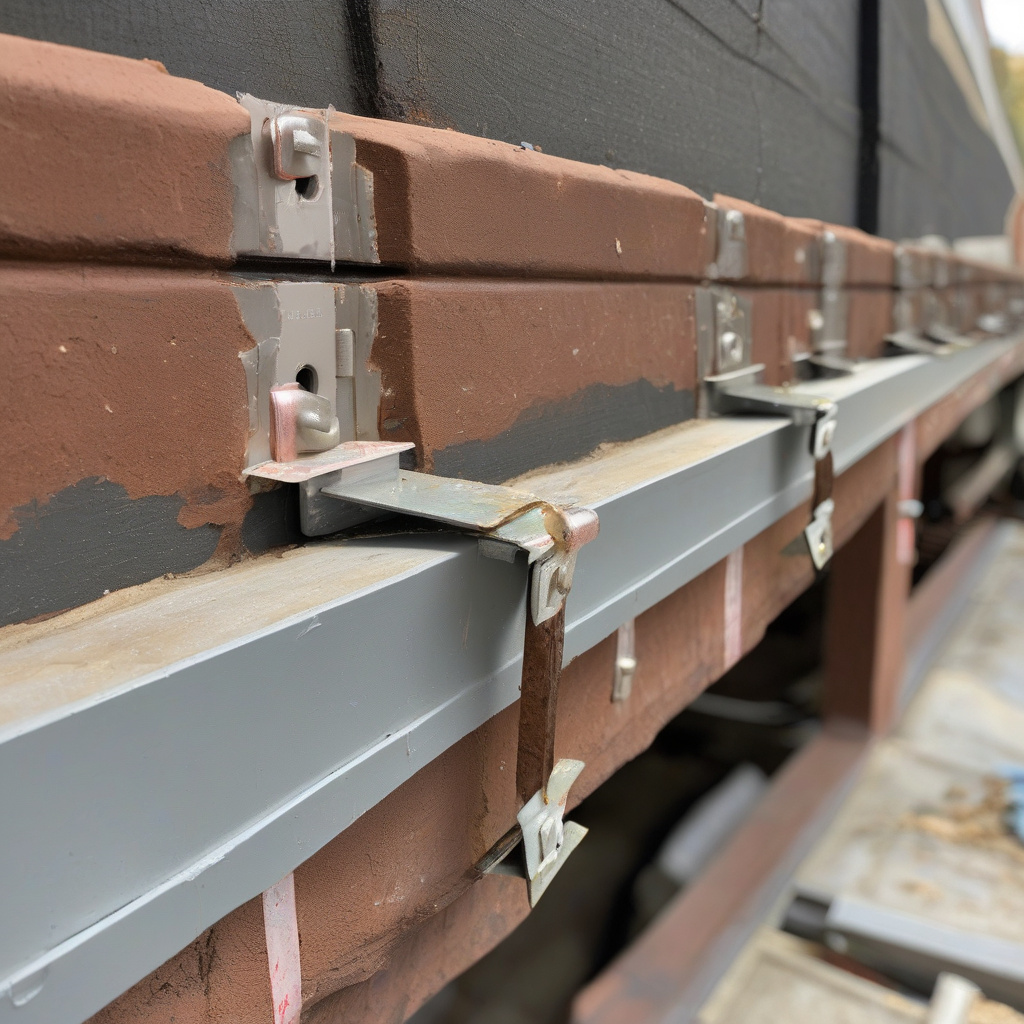
It’s crucial to begin with a clear architectural blueprint, incorporating elements like shear walls, cross-bracing, and well-planned anchor points. These serve as the backbone of any addition, enhancing both stability and safety. As many contractors in the region will confirm, a well-laid plan is fundamental.
Studies show that homes fortified with modern architectural designs and techniques can better absorb and dissipate the energy produced by seismic waves, reducing the risk of severe damage.
Homeowners often express concern about the process’s duration and complexity. Although planning and building an addition can be a daunting task, following a logical flow can mitigate stress and ensure efficiency. Armed with the right information and expert partnerships, many homeowners find the journey more manageable and ultimately rewarding.
Whether it’s the inclusion of additional family space or rental opportunities, each addition carries its unique benefits. In Los Angeles, where each square foot can translate to significant value, strategic planning ensures every inch is maximized.
- Understand and secure permits early in the process.
- Invest in high-quality designs by licensed architects.
- Engage reputable contractors familiar with local codes and standards.
- Factor in potential disruptions and plan accordingly.
With preparation, coordination, and an eye for detail, homeowners in Los Angeles can construct safe, lasting additions that enhance both their lifestyle and property value.
Balancing Costs: Economics of Safe Construction
For many homeowners, the dream of expanding their living space must be balanced against financial realities. As enticing as large-scale projects may be, the economic implications of a safe, earthquake-ready addition are worth thorough exploration. Understanding how to effectively allocate resources can be key to a successful renovation.
Diverse layout designs are available, each influencing cost through a combination of material use and structural complexity. For instance, a multi-generational ADU can offer both an expansive footprint and a flexible living solution, ideal for the growing families of Los Angeles.
The economic decision-making process is inevitably tied to local regulations and real estate market trends. As many seasoned developers can attest, investing in earthquake-safe materials may inflate initial expenditures but often yields substantial long-term savings by avoiding repair costs post-earthquake.
Financial analysis in the remodeling industry reveals that high-quality seismic construction can increase property resale values by up to 20%, offering not just safety but an investment advantage.
| Option | Average Cost | Material Durability | Implementation Timeframe |
|---|---|---|---|
| Basic Reinforcement | $15,000 – $20,000 | Moderate | 2-3 Months |
| Advanced ADU Addition | $30,000 – $50,000 | High | 4-6 Months |
| Premium Custom Build | $60,000+ | Very High | 6+ Months |
Balancing aspirations with budget constraints can steer the path of renovation success. Homeowners should view each project as an investment in safety and comfort, tempered by informed economic choices.
Risks vs. Rewards: The Real Impact of Building Upgrades
Undertaking an addition in Los Angeles presents an exciting opportunity, yet it’s not without its inherent risks. Weighing these against potential rewards is crucial for homeowners poised to embark on such ambitious ventures. Many in the industry advocate for clear risk assessments, enabling proactive solutions.
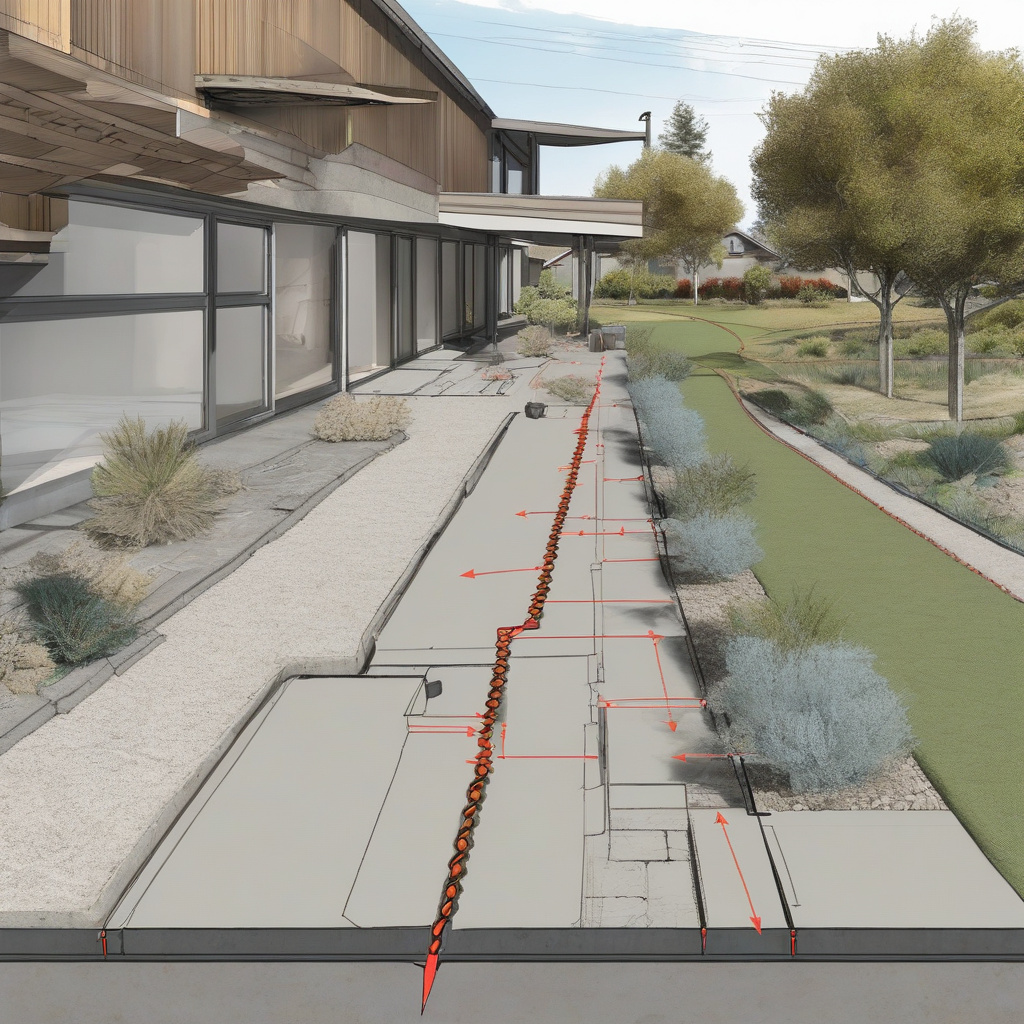
The risk factors often include unforeseen geological activity, financial overruns, and project delays. However, with the right mix of foresight and professional guidance, these can be significantly mitigated. Realizing a home’s full potential—seismically sound and equity-boosted—offers compelling rewards that transcend typical renovation gains.
simultaneously, protecting a home’s denizens is paramount. Ensuring safety through rigorous adherence to updated building codes and tested construction practices provides both peace of mind and practical assurance.
While the temptation to minimize initial expenses exists, the potential future benefits far outweigh initial endeavors. Families often recount that their investments in safety offered unmatched security and increased day-to-day comfort—a resounding testament to diligent preparedness.
According to seismic renovation experts, city statistics indicate that homes with reinforced additions sustain significantly less damage during earthquakes, highlighting the longevity benefits of such investments.
Ultimately, when contemplating renovation endeavors, a focus on preparedness, thorough research, and understanding the local construction landscape can make all the difference. The smart incorporation of these elements into a renovation contributes to a home that endures in safety and style.

The Path Forward: Practical Steps for Homeowners
For homeowners in Los Angeles looking to capitalize on their home’s potential while safeguarding its structural integrity, a practical, step-by-step approach can ensure success. Here are a few key steps to guide the process:
Step 1: Initial Assessment and Goal Setting
Before breaking ground, conduct a comprehensive assessment of your goals and the current state of your property. This step should involve consultations with seasoned architects and engineers to sketch preliminary ideas and understand feasibility.
Step 2: Engage the Experts
Collaborating with knowledgeable professionals is vital. Opt for specialists who have a detailed understanding of local requirements, enabling you to navigate bureaucratic hurdles smoothly. Knowledgeable individuals can also provide pivotal insights into material choice and strategic design.
Step 3: Detailed Planning and Execution
Focus on developing a clear project timeline. Craft a detailed plan prioritizing safety measures, resource allocation, and milestone tracking to avoid surprises. Ensure all contractors and professionals are aligned with this vision to streamline project management.
Stay mindful of each decision’s long-term implications, particularly regarding your addition’s safety and functionality. Over time, proactive homeowners find that adhering to these strategies fosters successful, stress-free renovations.
The journey of enhancing a home within the sprawling urban tapestry of Los Angeles can be a challenging but worthwhile endeavor. With persistent dedication to safety, quality, and future growth, homeowners can not only build additions but also secure a future of comfort and confidence.
- Prioritize foundational strength and professional planning for earthquake safety.
- Opt for durable and flexible materials to maximize longevity.
- Integrate expert insight for informed decision-making.
- Balance financial considerations with potential long-term rewards.
- Adopt a structured approach for seamless project execution.
“`html
FAQ
Why is structural reinforcement important for earthquake-safe additions?
In the world of construction, particularly when adding new spaces to existing homes in Los Angeles, structural reinforcement isn’t just a safety measure—it’s a necessity. Earthquakes apply dynamic forces that can significantly impact a house’s ability to stay stable, especially older structures not initially designed with modern seismic codes in mind. Many experts emphasize the importance of retrofitting with elements like metal connectors and braces. These aren’t just theoretical comforts; they’re tangible barriers against potential disaster. Homeowners often underestimate how these additions work in harmony with the existing structure to distribute stress evenly, reducing the risk of catastrophic damage. Effective reinforcement can mean the difference between a home that endures an earthquake and one that faces extensive repairs.
How do proper anchoring techniques contribute to earthquake safety?
Anchoring a structure securely to its foundation plays a pivotal role in earthquake safety. In practical terms, it prevents the home from dislocating during quakes. This process involves connecting the framing of a house to its concrete foundation using anchor bolts and steel plates. In real renovation projects, vivid examples show that improper anchoring can lead to sliding or even collapse during seismic events. Correct implementation ensures that the energy from an earthquake is transferred effectively to the ground rather than causing damage. Many renovations in California benefit from this principle—transforming a vulnerable building into a well-secured haven.
What materials are best suited for earthquake-safe home additions?
Selecting the right materials is crucial for constructing earthquake-ready additions. In earthquake-prone regions like Los Angeles, materials like steel and engineered wood are favored for their strength and flexibility. Steel framing provides superior resistance to seismic forces due to its ductility. Engineered wood products offer the advantage of being lightweight yet sturdy, which helps in ceiling and floor joist applications. Many experts point out that the choice of materials can also significantly affect the building’s weight and subsequently its stability during an earthquake. When adding to older homes, it’s often the case that lightweight, flexible materials work best to harmonize with the existing structure. For those planning significant renovations, connecting with professionals who understand these material dynamics can make all the difference. You might consider reaching out to a trusted team of experts for tailored advice.
What are some common mistakes homeowners make with earthquake-safe additions?
A frequent mistake among homeowners in Los Angeles is overlooking the importance of professional assessments before commencing any addition. In the pursuit of cutting costs, many opt for generic design plans that don’t account for the unique seismic demands of their location. Another common oversight is failing to maintain an understanding of their house’s existing structural weaknesses. Moreover, improperly scaling the project can lead to significant challenges; adding too much weight can destabilize the structure. Finally, the choice of incompatible materials can also exacerbate these issues. Engaging with a knowledgeable contractor early on can prevent such pitfalls, offering planning that matches both style and safety standards.
How do the costs of earthquake-safe additions compare to traditional home additions?
Investing in earthquake-ready additions generally requires a higher upfront expenditure compared to traditional modifications. Factors influencing cost include the need for specialized engineering consultations, higher-quality materials, and skilled labor for precise installations. Many homeowners initially question the premium, yet when considering long-term safety and potential damage mitigation, these additions often justify their cost. By reinforcing your home’s structural integrity, you effectively reduce future repair expenses post-earthquake. This perspective becomes particularly evident when comparing the cost of seismic damage repairs to the initial investment in resilient construction—a practical trade-off in risk-prone areas. For instance, homes equipped with reinforced beams and anchoring systems have been shown to withstand seismic events significantly better, erring on safety rather than cost-saving.
What are the pros and cons of retrofitting older properties for earthquake resistance?
Retrofitting older homes poses a challenging yet beneficial undertaking. The primary advantage is enhanced safety; by addressing and strengthening structural deficiencies, older homes can achieve a level of resilience comparable to modern constructions. This process often includes installing new shear walls or bolting the frame to the foundation. However, the procedure is not without drawbacks. Retrofitting can be invasive, sometimes requiring homeowners to vacate temporarily. It may also unveil additional issues, like outdated wiring or plumbing, that demand attention. Balancing the opportunity to fortify your home against these inconveniences and extra costs is something homeowners should consider carefully—retrofitting promises peace of mind, with the understanding that future disruptions in safety are minimized.
When is it worth investing in earthquake-safe upgrades for new constructions?
Investments in earthquake-safe upgrades for new constructions become particularly valuable in locales with a history of seismic activity, such as California. The ideal time for such considerations is during the initial design phase, ensuring the structure is integrated with seismic resilience from the ground up. Builders often implement these upgrades by default, using flexible framing materials and state-of-the-art engineering practices. So, when should homeowners prioritize this investment? Many experts advise considering the local seismic risk, property value, and personal peace of mind. Avoiding future retrofits, potentially more expensive and challenging, can start with early integration. Thus, when constructing new homes, especially in earthquake-prone zones, framing these upgrades within the initial budget can prove both financially wise and emotionally reassuring down the road.
What should homeowners know about the long-term maintenance of earthquake-resistant features?
Once earthquake-resistant features are incorporated into a home, ongoing maintenance becomes crucial to ensure they continue providing the intended safety benefits. Over time, elements like anchor bolts and bracing may degrade or become vulnerable due to environmental factors. Vigilance is key; regular inspections every couple of years can help spot potential issues. In particular, homeowners should check for signs of corrosion or structural fatigue. Additionally, any major home updates or renovations should consider the impact on these safety features. Maintaining a relationship with construction experts or services, like those consultable via the experienced teams available nearby, can also facilitate timely interventions. Ensuring these features maintain their integrity means they can reliably serve their purpose whenever the earth decides to shake.
“`